
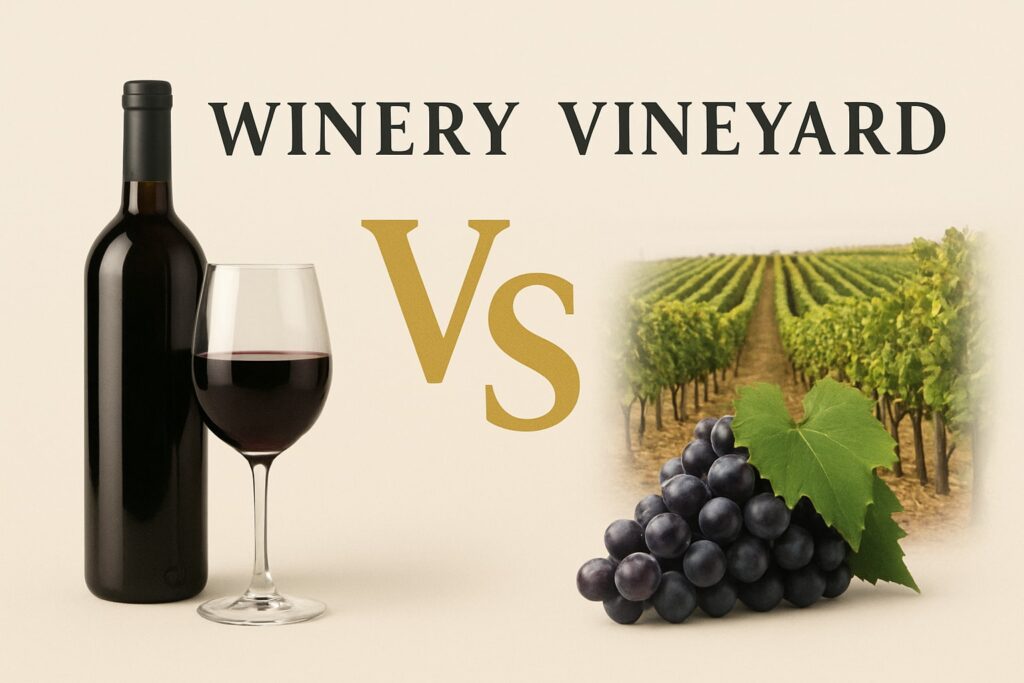
Ever wondered if a winery and vineyard are the same thing? You’re not alone. In 2026, knowing the difference can make your wine experiences richer and more memorable. This article unpacks what truly sets a winery and vineyard apart, helping you spot the details that matter.
You’ll get clear definitions and see how each plays a unique role in the world of wine. We’ll explore hands-on experiences, new trends, and share real tips for wine lovers. Ready to explore, taste, and buy with confidence? Let’s dive in.
What Is a Vineyard?
Ever wondered what makes a vineyard special? Many people think winery and vineyard mean the same thing, but they serve different roles. A vineyard is simply a piece of land where grapes grow. It can be a tiny family block or a sprawling farm covering rolling hills. The main focus here is grape growing, not making wine. In the world of winery and vineyard, the vineyard is all about nurturing vines for the best possible fruit.
Vineyards depend on a few key elements:
- Rich, healthy soil
- Local climate and sunshine
- Carefully chosen grape varieties
- Smart vine management
Not every vineyard makes wine. Some only grow grapes, selling them on to others. The magic of what you taste in your glass often starts with the choices made in the vineyard.
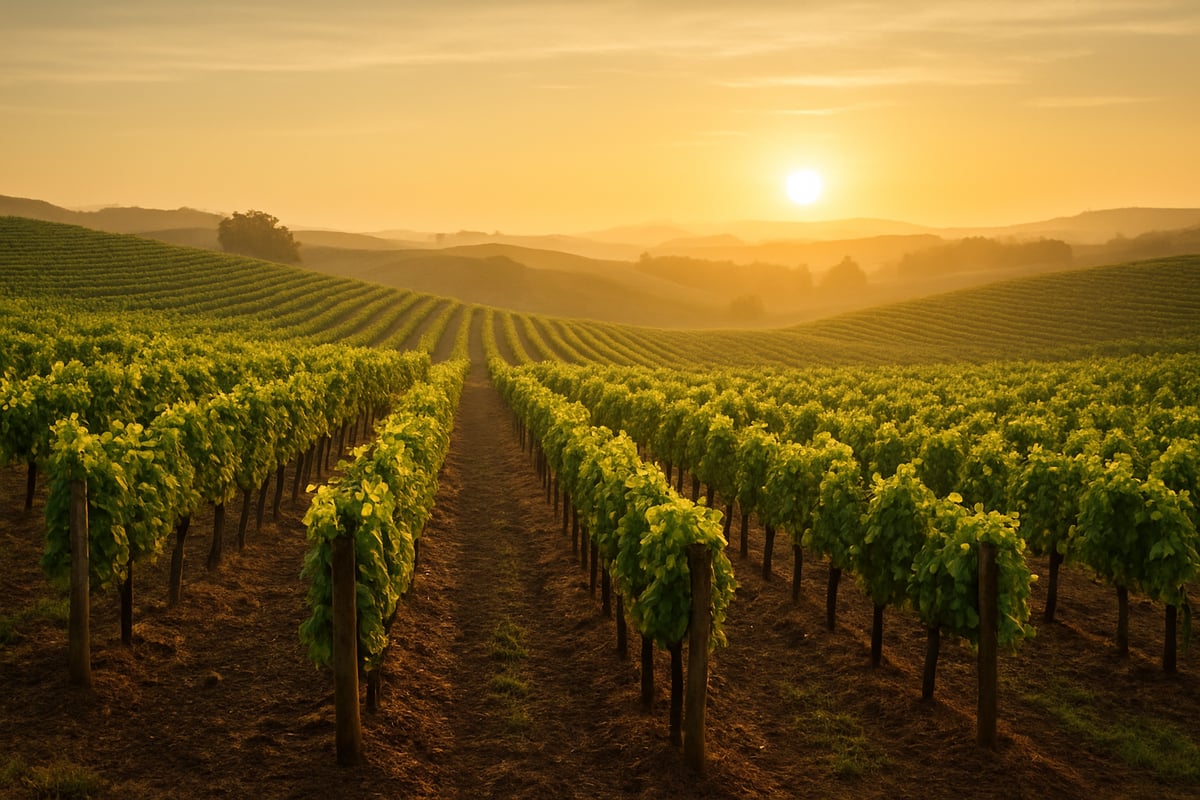
Defining a Vineyard
A vineyard is all about growing grapes. It is not a place where wine is made, but where vines are tended with care. Whether you see a small family plot or a big commercial block, the focus is always on the fruit. The key difference between a winery and vineyard is that the vineyard is the starting point for every bottle.
Vineyards come in all shapes and sizes. Some are tucked into sunny valleys, others cling to steep slopes. What they have in common is a passion for growing the best grapes possible. Soil, sun, and expert hands shape the vines daily.
If you want to understand why a wine tastes the way it does, start by looking at the vineyard. Every decision here shapes the flavours you’ll enjoy later.
Vineyard Operations and Practices
Life in a vineyard follows the seasons. In winter, the vines are pruned. Spring brings flowering, and summer means careful tending. Come autumn, it’s time for harvest. Each step is vital for grape quality. The relationship between winery and vineyard is built on trust in these growing practices.
Terroir is a fancy word for how the land and climate shape the grapes. Limestone slopes in Waipara or sunny Marlborough valleys give unique flavours. Growers might use organic, biodynamic, or conventional methods. More and more, sustainable and regenerative approaches are leading the way. Curious about these methods? Dive deeper into Understanding winegrowing practices to see what goes on behind the scenes.
Sustainability is not just a trend. In 2026, many growers are going green for the long term.
The Role of Vineyards in Winemaking
The vineyard is where a wine’s character begins. Without great grapes, no winery and vineyard partnership can create a memorable wine. Some vineyards have tasting rooms, but you won’t always find wine being made on site. Instead, they might sell fruit to local winemakers.
Grape quality is everything. The location of a vineyard can make all the difference. For example, a North Canterbury Pinot Noir gets its special taste from cool nights and stony soils. In fact, over 60% of New Zealand vineyards supply grapes to other producers, according to the 2025 NZ Winegrowers Report.
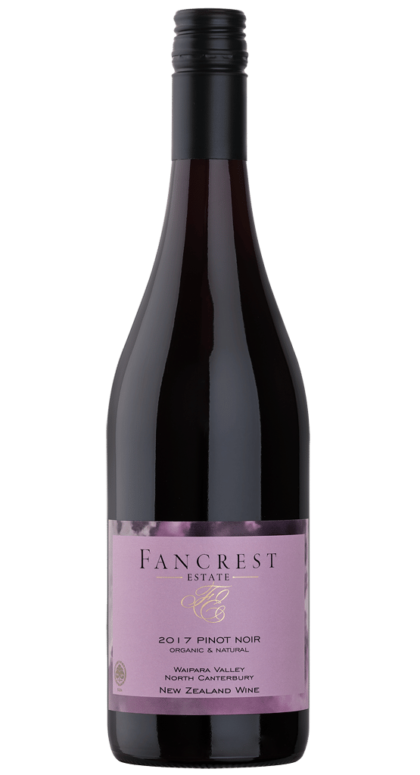
If you love discovering new wines, look for those made from grapes grown by passionate vineyard teams. The story starts in the vineyard, but your journey can end with a glass of Fancrest Estate Pinot Noir, enjoyed wherever you are.
What Is a Winery?
Ever wondered what actually happens inside a winery? If you have only seen the vines in a vineyard, you might be surprised at how different the world of the winery can be. Let’s pull back the curtain and see what sets a winery apart in the winery and vineyard conversation.
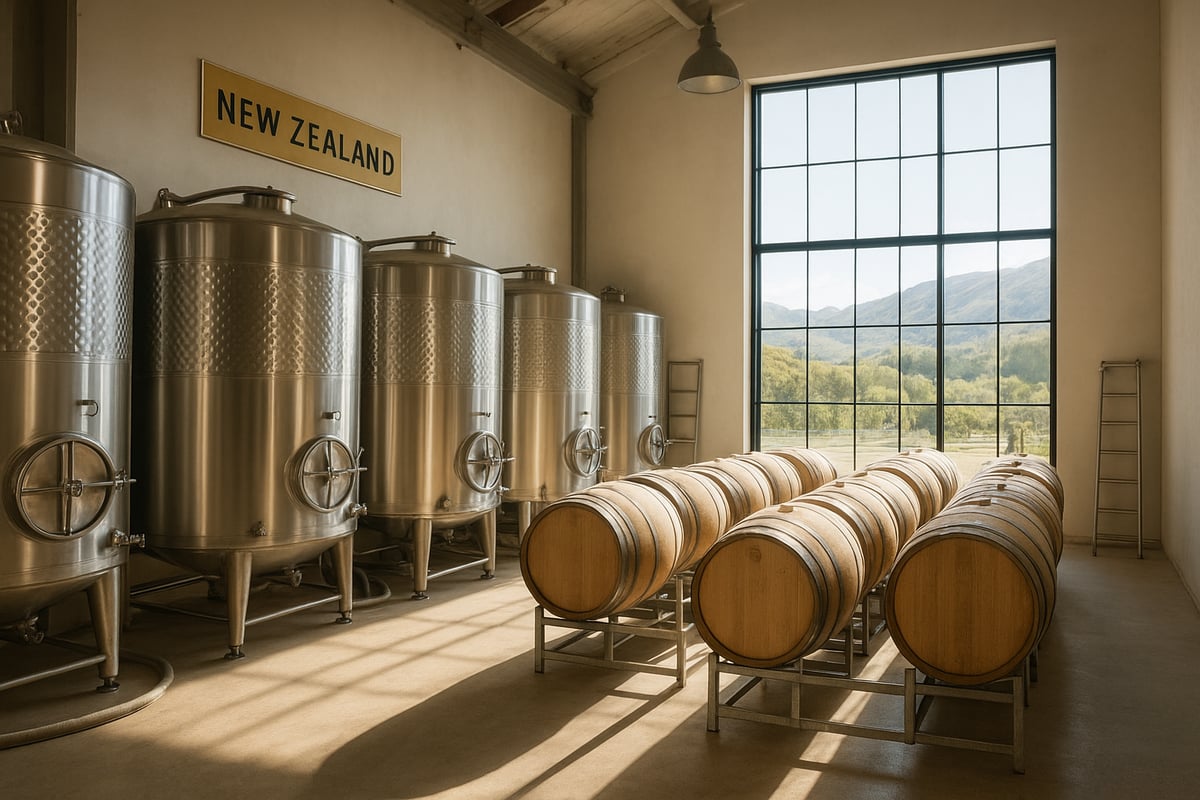
Defining a Winery
A winery is a special place. It is where grapes turn into wine. Unlike a vineyard, a winery is made up of buildings, large tanks, barrels, and bottling lines.
Wineries must be licensed to make wine. Some own their own vineyards, while others buy grapes from growers. The scale can vary, from tiny boutique spaces to large commercial sites.
The main job of a winery is to transform grapes into delicious bottles. When thinking about the winery and vineyard, remember that the winery is about creation, not just cultivation.
Winemaking Process and Facilities
Inside a winery, the magic of winemaking begins. Grapes arrive, ready to be crushed and pressed. The juice is then fermented in tanks or barrels.
Temperature is carefully controlled. Some wineries use high-tech systems, while others stick to traditional tools. The process includes blending, ageing, and finally bottling the finished wine.
Wineries may use only grapes they grow themselves, or they might blend fruit from different sources. This is a key difference in the winery and vineyard story.
Winery Experiences and Offerings
Visiting a winery is more than just tasting wine. Many offer guided tours, letting you see the winemaking process up close. Some host special events, wine clubs, or educational tastings.
You can often buy bottles direct from the cellar door. In fact, 78% of New Zealand wineries in 2025 sold straight to customers. Want to know more about what makes a winery visit special? Check out what to expect from winery visits to plan your next wine adventure.
Every winery and vineyard offers something unique. The best part? You can explore, taste, and even buy Fancrest Estate wines online, bringing the experience home.
Key Differences Between Winery and Vineyard
Ever wondered what really sets a winery and vineyard apart? Many people use the terms interchangeably, but there are clear differences. Let’s break it down so you can make the most out of your next wine adventure.
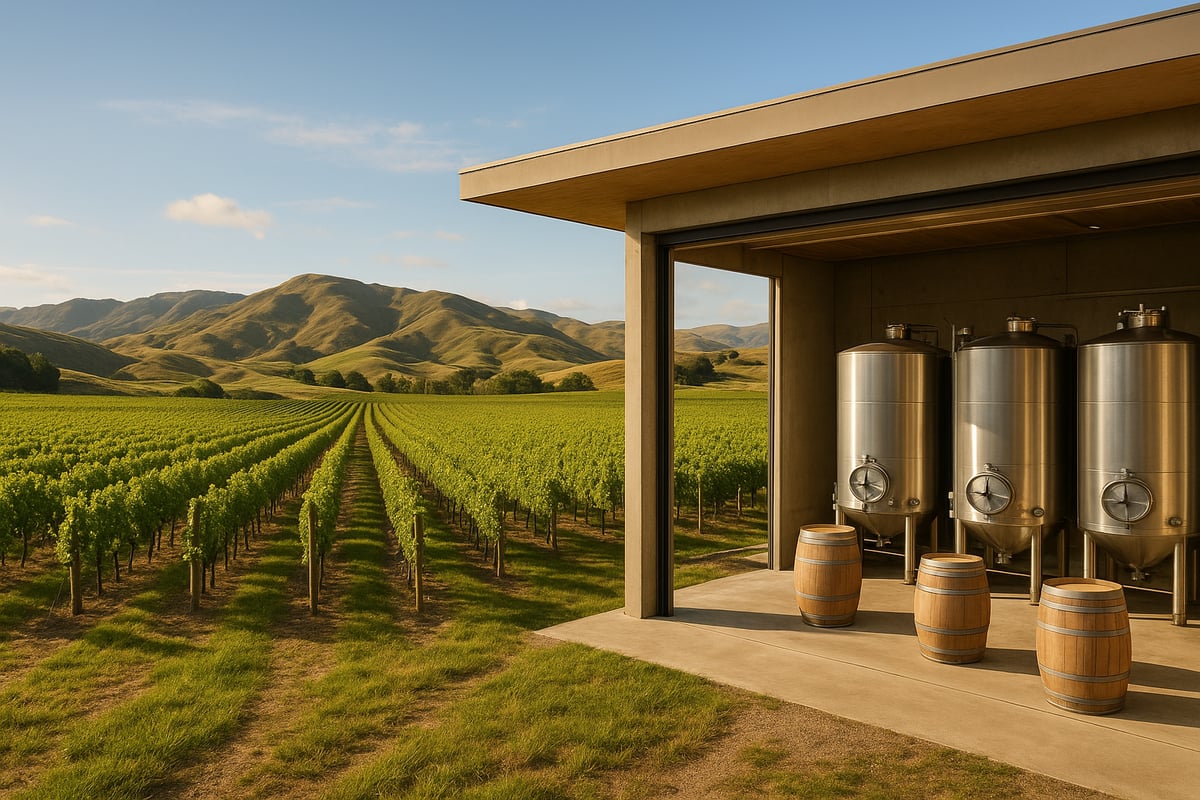
Location and Physical Setup
A vineyard is all about the outdoors. Picture rows of grapevines stretching across the countryside. These sites are usually rural, surrounded by natural beauty.
A winery, in contrast, is where the action happens indoors. Here, you’ll find tanks, barrels, and all the tools needed for making wine. Wineries can be in rural areas or even tucked into city corners.
Sometimes, a winery and vineyard share the same property. Other times, they are miles apart. Urban wineries in Auckland show how you can make wine without growing grapes on site, while Central Otago’s remote vineyards focus on grape growing.
Check out this quick comparison:
| Feature | Vineyard | Winery |
|---|---|---|
| Setting | Outdoors | Indoors |
| Location | Rural | Urban or rural |
| Main Activity | Grape growing | Wine making |
Function and Purpose
Here’s where the real difference lies. A vineyard grows grapes. The focus is on nurturing the vines, tending the soil, and watching the seasons shape the fruit.
A winery takes those grapes and transforms them into wine. This is where you’ll see fermentation, blending, and bottling. Some businesses do both, but many specialise.
If you want to dive deeper into how these roles connect, The art of harvesting Pinot Noir gives a great look at the journey from vineyard to winery. Understanding this process means you can appreciate every sip even more.
Next time you think about a winery and vineyard, remember: one grows, one crafts.
Ownership and Business Models
Ownership is another area where a winery and vineyard can differ. Some vineyards only grow grapes and sell them to others. They focus on what they do best—growing the highest quality fruit.
Wineries might buy grapes from several different growers. Or, they might own their own vines and control every step from soil to bottle. This “estate” model is common with boutique producers in New Zealand.
When you visit, look for estate-grown wines. They often offer the purest expression of place because the winery and vineyard are managed by the same team.
Consumer Experience
What are you looking for as a wine lover? At a vineyard, you can walk among the vines, learn about grape growing, and take in the scenery. It’s peaceful and earthy.
A winery visit is all about tasting. You might sample wines, tour the cellar, or see production up close. Some places offer both experiences together, while others focus on one.
In New Zealand, over 65 percent of wine tourists visit both types of sites. So, whether you’re keen to explore a winery and vineyard or just one, you’ll find something unique.
Curious to taste the difference? Try wines from producers who grow and make their own. Fancrest Estate, for example, lets you buy their wine online and experience the full story in each bottle.
The Rise of Estate Wineries and Integrated Models
Ever wondered what makes an estate winery so different from other winery and vineyard setups? You are not alone. Many wine lovers want to know what sets these special places apart. Let’s dive into what makes estate models stand out and why they matter for your next bottle.
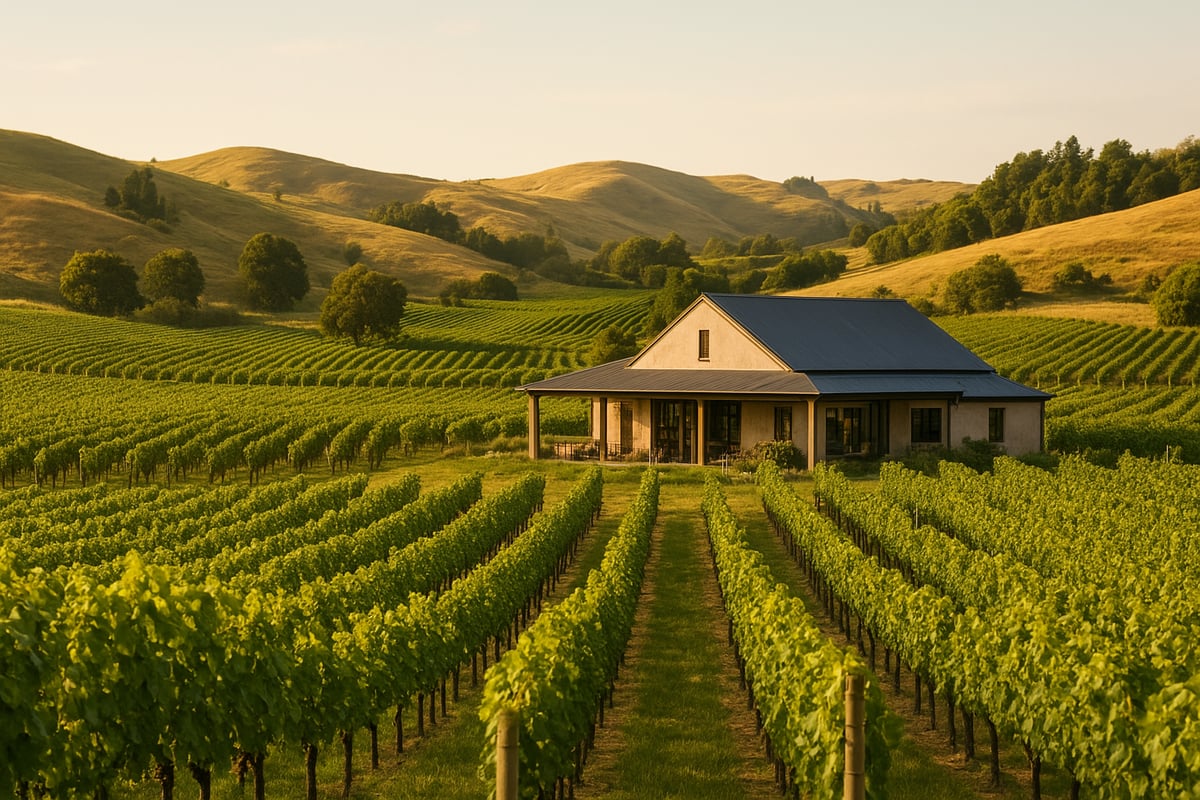
What Is an Estate Winery?
Picture a winery and vineyard all in one place. An estate winery owns both the land where the grapes grow and the facility where wine is made. This means the entire journey, from vine to bottle, happens under one roof.
When you see “estate-grown” on a label, you know every grape is picked from the same vineyard, then turned into wine on site. This gives you a true taste of place. Many Waipara and Central Otago producers use this approach.
The estate model is all about control. Every step, from tending the vines to bottling, is managed by one team. If you are looking for a genuine winery and vineyard experience, an estate winery is a great choice.
Benefits of Integration
Owning a winery and vineyard brings real advantages. First, it lets winemakers oversee every detail, so quality stays high every season.
You also get:
- Consistent style across vintages
- Stronger link to the land and its unique flavours
- Flexibility to adapt to changes in weather or grape growth
Estate wineries often focus on sustainability and care for their land. With both vineyard and winery together, they can quickly adjust their methods for the best result. For wine lovers, this means every sip reflects the true character of the place. If you want a direct connection to the source, this model is hard to beat.
Example: Fancrest Estate’s Approach
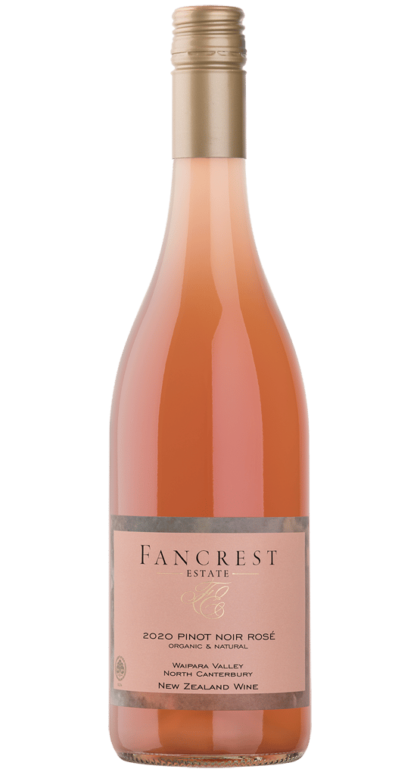
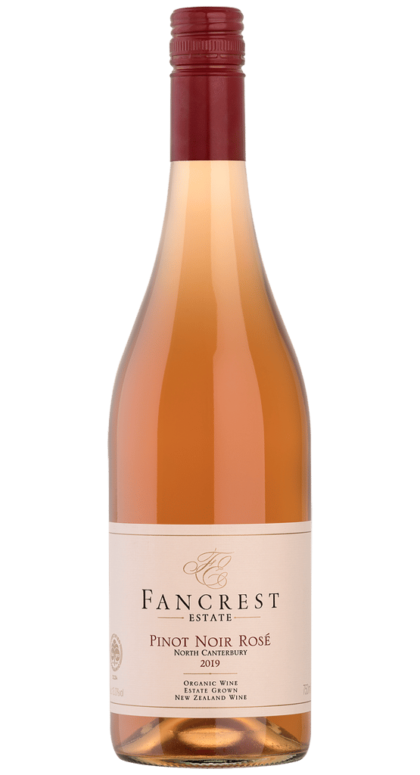
Fancrest Estate is a perfect example of a winery and vineyard working as one. They grow certified organic Pinot Noir grapes on their own land. Every grape is handpicked, then turned into wine with natural yeasts and minimal intervention.
Fancrest does not have a public tasting room. Instead, they offer their aged wines exclusively online. This means you can connect with the vineyard and enjoy their unique wines from home. Fancrest’s focus is on authenticity and sustainability, creating a direct link between you and the land.
Curious to try? Discover Fancrest Estate’s organic Pinot Noir and taste the difference estate-grown wines make.
Trends and Innovations in 2026: Wineries and Vineyards
Curious about what is shaping the future of winery and vineyard experiences in 2026? Let’s explore the latest trends you’ll notice when you visit or taste wines, whether you’re a seasoned enthusiast or just starting to explore.

Sustainability and Organic Practices
Sustainability is now at the heart of nearly every winery and vineyard in New Zealand. Many growers are switching to organic, biodynamic, and regenerative practices. This means fewer chemicals and more care for the land. You’ll see solar panels, composting, and natural pest control.
Waipara and Marlborough are leading the way with certified organic vineyards. These places are not just growing grapes, they are building healthier soils and reducing waste. If you want to learn more about how these changes are making a difference, check out Beyond organics and regenerative agriculture.
Choosing wines from a sustainable winery and vineyard helps protect the environment and gives you a taste that’s pure and unique.
Technology and Winemaking
Technology is transforming every winery and vineyard in 2026. Vineyards use sensors and drones to track weather and soil. This helps growers decide exactly when to pick grapes for the best flavour. Some wineries use smart fermentation tanks that adjust temperature on their own.
AI and data analytics are making vineyard work more precise. In Hawke’s Bay, cloud-based vineyard management is now common. You might see winemakers checking their phones for real-time updates as they walk between the vines.
All these advances mean you get more consistent, high-quality wine. Every bottle tells a story shaped by both tradition and innovation.
Changing Consumer Preferences
Wine lovers like you are changing what a winery and vineyard offers. There’s a big jump in online wine sales and virtual tastings. People want to know where grapes come from and how the wine is made. Small-batch and single-vineyard wines are in high demand.
Did you know online wine sales in New Zealand grew by 35% last year? According to the New Zealand Winegrowers 2025 Annual Report, more people are buying direct from producers. This gives you access to exclusive, limited-edition wines.
Next time you shop for wine, look for stories behind the label. Try an estate-grown Pinot Noir or support a boutique winery and vineyard with a focus on sustainability.
How to Choose: Winery or Vineyard Visit?
When planning your next wine adventure, you might wonder what the real difference is between a winery and vineyard visit. Both offer something unique, but knowing what to expect can help you make the most of your time and taste buds.
What to Expect from Each
A vineyard visit is all about the outdoors. Walk among the vines, feel the soil, and learn how grapes are grown. You might join a seasonal tour, especially close to harvest. The scenery is stunning, with endless rows of vines and hills rolling into the distance.
A winery visit puts you at the centre of winemaking action. Taste finished wines, see barrels stacked in cool cellars, and watch as grapes are turned into something special. Some places offer blending classes or behind-the-scenes tours. While a few combine both, most focus on either the vineyard or winery side.
Each experience is shaped by the unique character of the winery and vineyard you choose. If you want to see grape growing up close, pick a vineyard. If tasting and learning about production excites you, a winery is your best bet.
Tips for Wine Lovers
Start by deciding what you want from your visit. Do you want to know how grapes become wine, or would you rather just taste the finished product? Some winery and vineyard businesses offer both, but not all do.
Always check if the venue is open to the public. Many boutique spots require bookings, so plan ahead. Look for estate wineries if you want a full vine-to-bottle experience. These places control every step, giving you a deeper connection to the land and the wine.
If you love exploring at your own pace, consider online options. Some, like Fancrest Estate, sell their wines exclusively online, letting you discover new favourites from the comfort of home. Remember, every winery and vineyard has its own story to share.
Making the Most of Your Wine Journey
Ask questions wherever you go. Staff at a winery and vineyard love sharing their knowledge, and you’ll learn something new every time. Try wines made from estate-grown grapes for a true taste of the land.
Support producers who focus on sustainability and quality. The New Zealand Wine Industry's Commitment to Sustainability is stronger than ever, so you can enjoy wine that is good for you and the planet.
Don’t forget to explore online shops for exclusive, small-batch wines. Fancrest Estate offers a direct connection to the vineyard through their online-only releases. Every bottle tells a story, so pick one that speaks to you and enjoy the journey.
So now that you know what really sets a winery apart from a vineyard, are you feeling a bit more confident about exploring the world of wine? It’s amazing how understanding where and how your wine is made can completely change your experience, isn’t it? If you’re curious to taste the difference that comes from organic, estate-grown grapes and genuine hands-on winemaking, why not see for yourself what all the fuss is about? You can discover Fancrest Estate’s carefully crafted Pinot Noir and rosé—aged to perfection and available exclusively online. Ready to take the next step on your wine journey? Explore our wine selection here..