
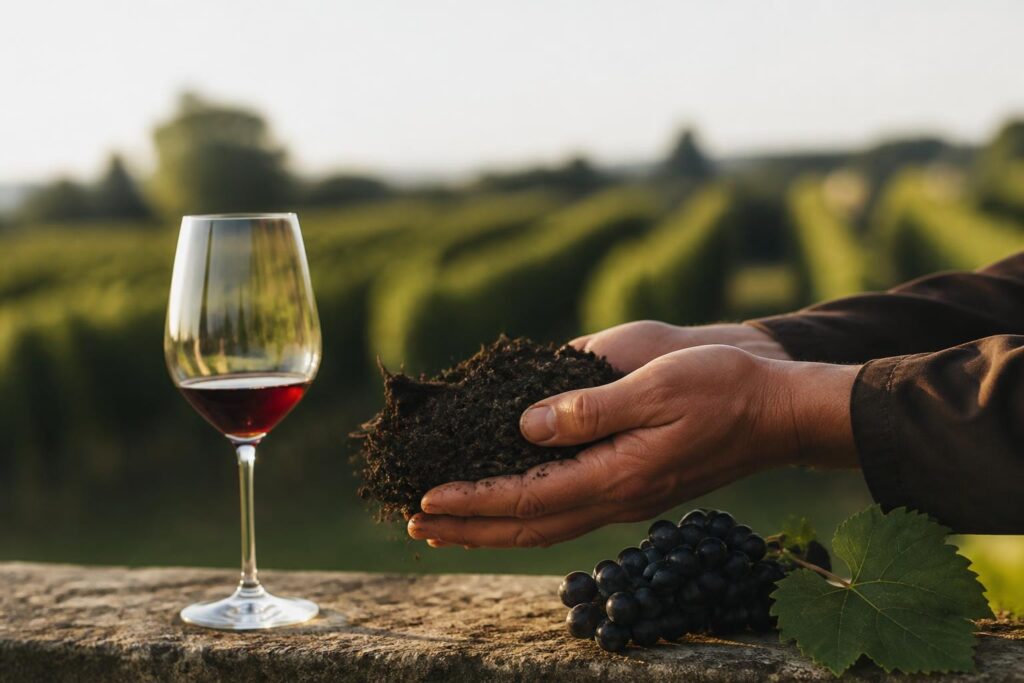
There's something magical about swirling a glass of pinot noir and discovering the story it wants to tell you. But how do you really taste wine, rather than just drink it? Understanding pinot noir wine tasting opens up a whole new world of appreciation for this delicate, complex grape. Whether you're exploring wines for yourself or searching for the perfect gift for a wine lover in your life, learning to taste properly transforms every sip into an experience. The best part? You don't need to be an expert to start appreciating the differences between a mass-produced bottle and something truly special from a small organic vineyard.
What Makes Pinot Noir Unique
Pinot noir stands apart from other red wines.
This thin-skinned grape demands attention from the moment it buds in spring until you pour it into your glass. Unlike robust varieties that mask their origins with bold tannins, pinot noir reveals everything about where it grew and who cared for it. That's why understanding pinot noir's characteristics helps you appreciate the difference between industrial wine and bottles crafted by hand.
The Living Vineyard
Think about what happens when someone tends their vines personally throughout the year.
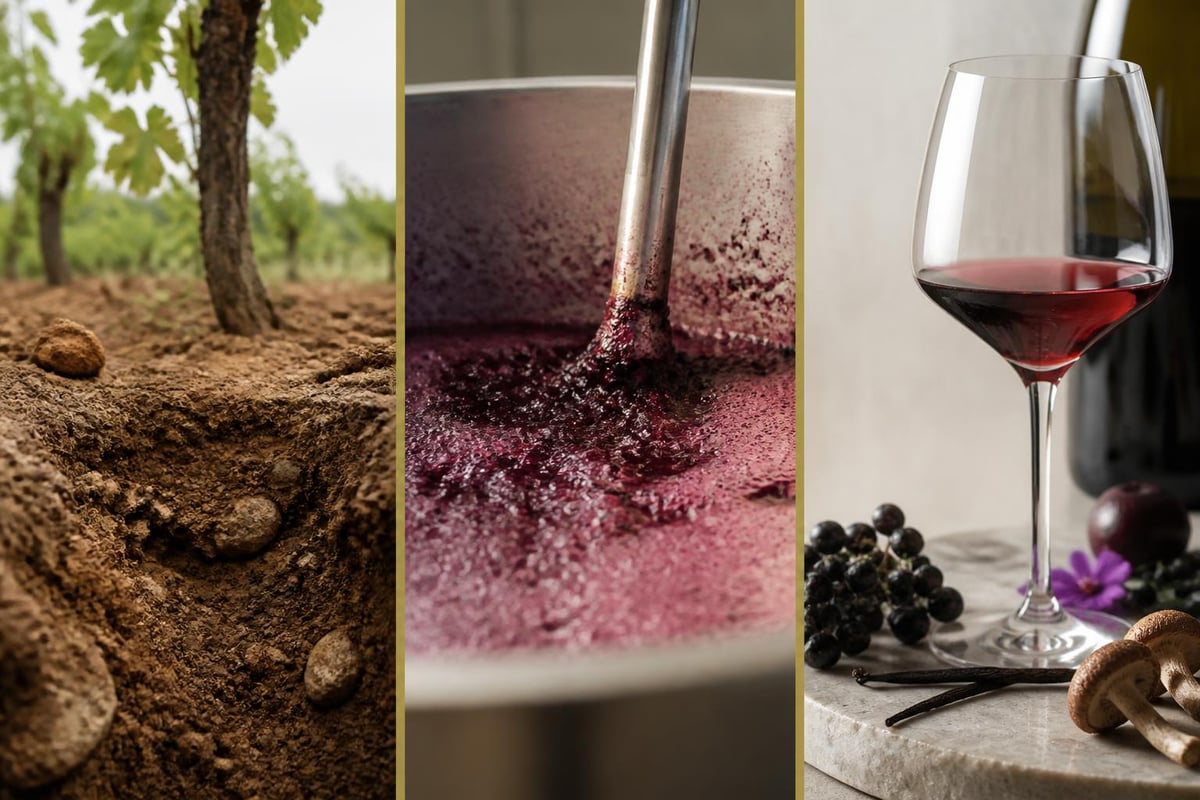
In New Zealand's boutique vineyards, the rhythm of seasons dictates everything. Spring brings the delicate work of managing new growth by hand. Summer means watching each cluster develop, making decisions vine by vine. Autumn harvest requires choosing the exact moment when flavour peaks. This hands-on approach creates wines that actually express their place of origin, unlike standardised commercial products rushed through processing.
The soil teems with life. Beneficial insects maintain natural balance. Wild yeasts wait on grape skins, ready to transform juice into something extraordinary. When you respect this living system through certified organic practices, you're working with nature rather than against it.
How to Approach Pinot Noir Wine Tasting
Start with your eyes before your nose or mouth.
Pour your wine into a proper glass. Notice the colour. Younger pinot noir shows bright ruby tones, while aged bottles develop garnet hues with amber edges. These visual clues tell you about the wine's journey from vineyard to bottle.
The Aroma Phase
Now bring the glass to your nose without swirling.
What do you smell first? Then swirl gently to release volatile compounds. The flavour profile of pinot noir often includes:
- Red cherries and strawberries
- Earthy forest floor notes
- Subtle spice from aging
- Floral undertones in elegant examples
- Complex savory elements in well-aged bottles
Wines aged before release develop additional layers. You might find mushroom, leather, or truffle notes that younger wines simply haven't had time to develop. This complexity rewards patient winemakers who resist rushing products to market.
Tasting Technique
Take a small sip and let it coat your entire mouth.
Draw a little air through your lips to volatilize the flavours. Notice how pinot noir evolves across your palate. The front of your tongue picks up fruit sweetness. Mid-palate reveals structure and body. The finish tells you about quality and aging potential.
Key tasting elements:
| Aspect | What to Notice | Why It Matters |
|---|---|---|
| Acidity | Brightness, mouthwatering quality | Indicates freshness and food pairing potential |
| Tannins | Texture, grip on your tongue | Shows aging and winemaking approach |
| Body | Weight and presence in mouth | Reflects vineyard character and vintage |
| Finish | How long flavours persist | Marks quality and complexity |
Understanding Organic and Artisanal Differences
Have you ever wondered why some wines taste more vibrant than others?
Small-batch organic winemaking creates fundamentally different wines. When a winemaker personally manages every vine, they understand each plant's needs. They know which clusters receive morning sun and which benefit from afternoon shade. This intimate knowledge translates directly into your glass.
Natural vineyard yeasts contribute unique flavour signatures. Commercial operations use standardised cultured yeasts for predictable results. But wild fermentation with native yeasts creates wines that taste authentically of their place. The fermentation might take longer, requiring more patience and expertise, yet the results showcase genuine terroir.
The Aging Advantage
Wines aged before release offer something special.
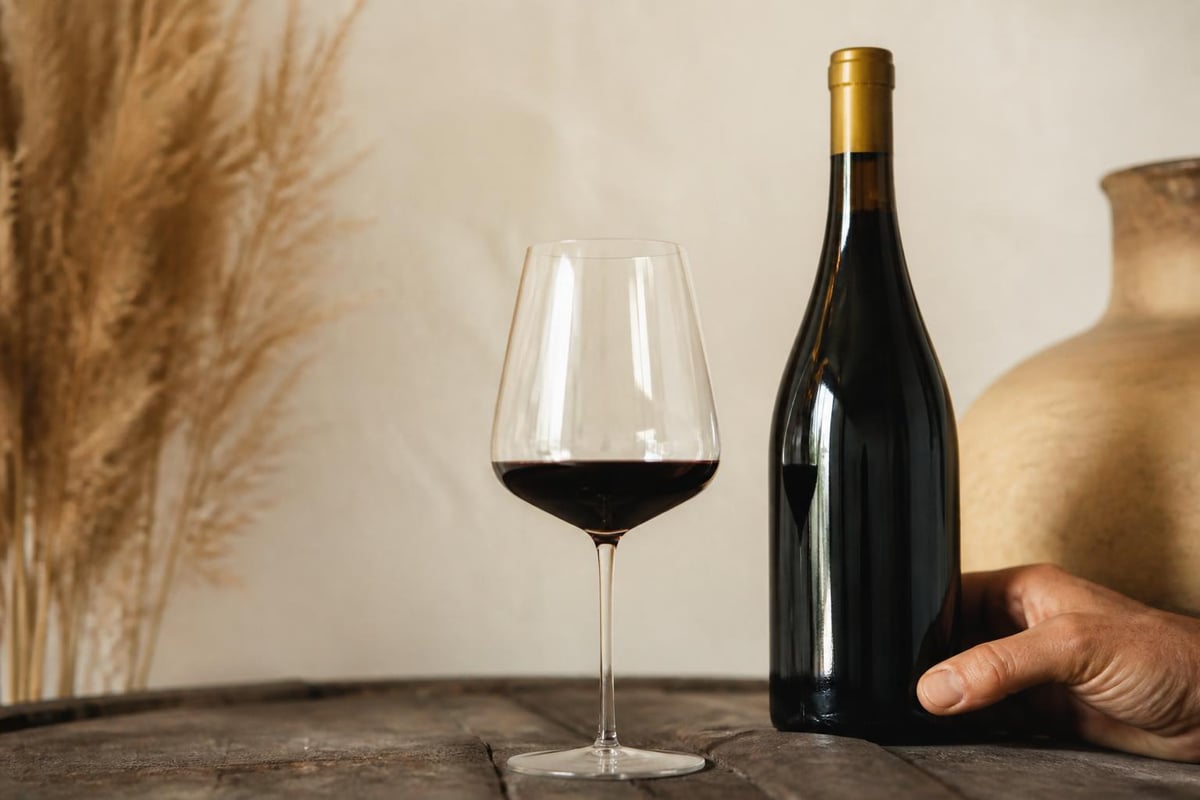
Many commercial wines hit shelves within months of harvest. They taste simple because they are simple. Properly aged pinot noir develops integrated tannins, evolved aromatics, and harmonious balance. The winemaker has done the waiting for you, ensuring the wine reaches your table at its peak rather than years too early.
Matching Food with Your Tasting
Pinot noir wine tasting becomes even more rewarding with food.
This versatile wine pairs beautifully with numerous dishes. The moderate tannins and bright acidity make it food-friendly in ways that bigger reds cannot match.
Excellent pairings include:
- Roasted duck with cherry sauce
- Grilled salmon or tuna
- Mushroom risotto
- Aged cheeses like gruyère
- Lamb rack with herbs
The comprehensive guide to pinot noir pairings offers additional inspiration for your next dinner party. Think about earthy, savory dishes that complement rather than compete with the wine's delicate nature.
Seasonal Considerations
New Zealand's seasons influence both growing and drinking.
Spring and summer call for lighter preparations. Try your pinot noir slightly chilled with grilled fish. Autumn and winter suit heartier fare. Braised dishes and roasted meats match beautifully with well-aged bottles showing developed complexity.
Choosing Wines as Gifts
Looking for the perfect present for a wine enthusiast?
Artisanal pinot noir makes a thoughtful gift. Unlike mass-produced bottles available everywhere, wines from small organic estates show you've put thought into your selection. You're giving something crafted by hand, something that expresses a specific place and philosophy.
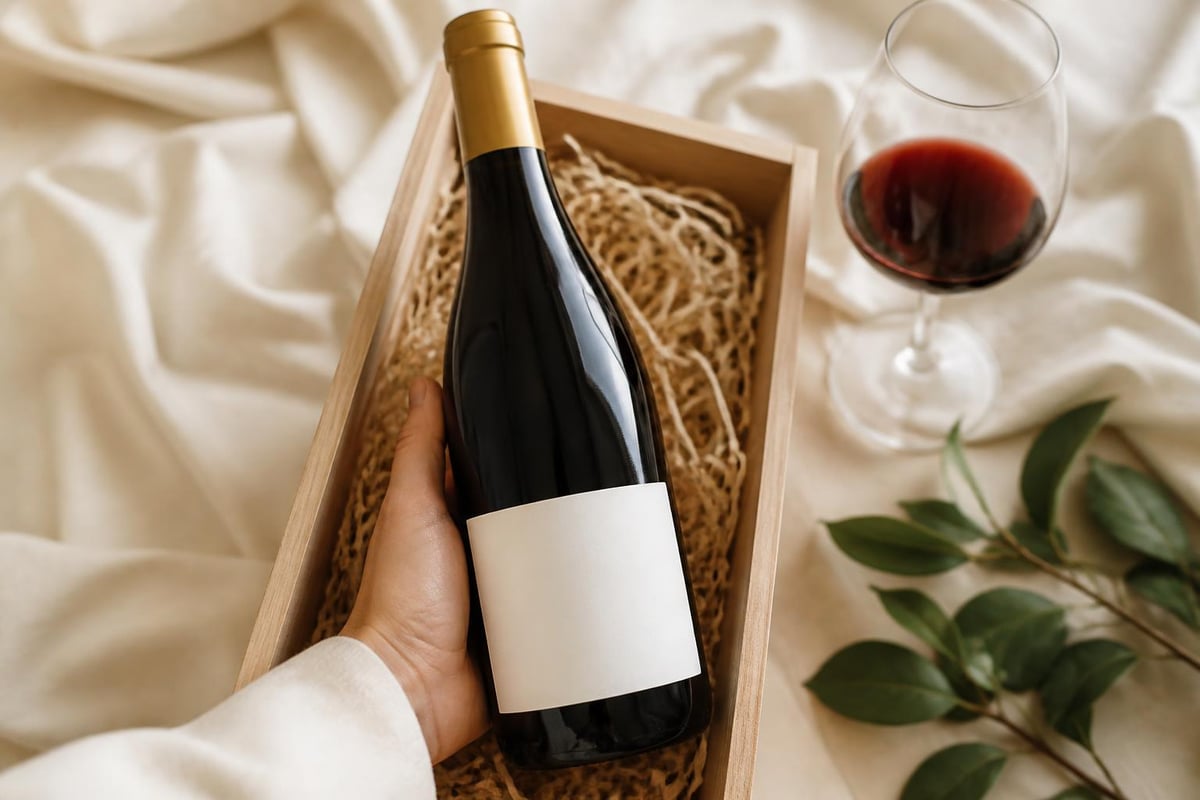
Consider the story behind the bottle. Wines made by a family who personally tends their vines carry meaning beyond the liquid. They represent dedication, patience, and respect for natural processes. That story becomes part of your gift.
Building Your Tasting Skills
Practice makes perfect in pinot noir wine tasting.
Start with one bottle and taste it over several days. Notice how it changes with air exposure. Try the same wine with different foods. Keep simple notes about what you smell and taste. Over time, you'll develop your palate and preferences.
The ultimate guide to pinot noir characteristics provides additional tasting frameworks. But remember that your experience matters most. Trust your senses and enjoy the journey of discovery.
Temperature and Serving
Serve pinot noir slightly cooler than room temperature.
Aim for 14-16°C for optimal flavour expression. Too warm and the alcohol dominates. Too cold and you'll miss subtle aromatics. Let refrigerated bottles warm for 20 minutes before serving.
Proper serving enhances your tasting:
| Element | Recommendation | Reason |
|---|---|---|
| Glass shape | Large bowl, tapered rim | Concentrates delicate aromas |
| Pour amount | One-third full | Allows swirling without spilling |
| Decanting | Optional for aged wines | Separates sediment, adds air |
| Lighting | Natural or bright white | Shows true colour and clarity |
Developing your pinot noir wine tasting skills opens up appreciation for the craftsmanship behind truly exceptional wines. When you're ready to experience the difference that organic practices, wild yeasts, and careful aging make, Fancrest Estate offers hand-crafted pinot noir that expresses the unique character of Waipara's living soils. Each bottle reflects personal attention from vineyard to glass, aged to perfection before release and delivered directly to your door.