

Have you ever wondered what sets a boutique winery estate apart from mass-produced wines? The difference isn't just in the bottle, it's in every step from soil to glass. When you choose wine from a small, family-owned winery estate, you're experiencing something that large commercial operations simply can't replicate: the touch of hands that know every vine, the rhythm of seasons carefully observed, and wines that genuinely express the unique place where they're grown. Let's explore what makes these artisanal operations so special and why wines crafted with patience and passion deliver something truly extraordinary.
The Living Vineyard: More Than Just Grapes
A true winery estate operates as a complete ecosystem, not a factory. Everything connects.
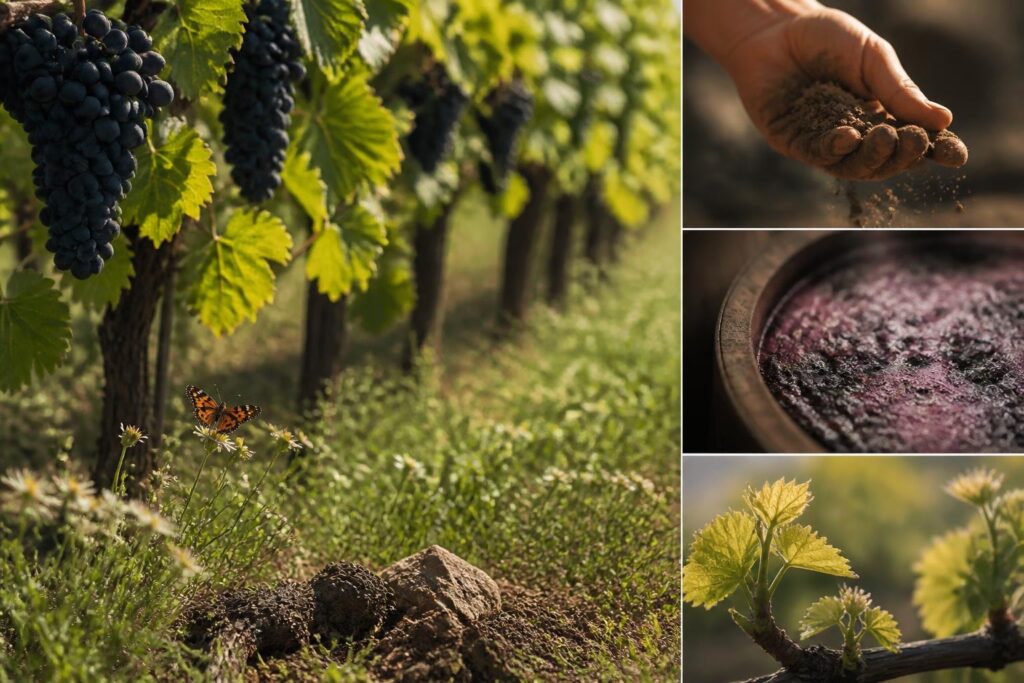
The soil beneath the vines isn't sterile dirt, it's alive with microorganisms, fungi, and beneficial bacteria working together. These invisible helpers break down organic matter, making nutrients available to vine roots in ways that synthetic fertilizers never could. When you work organically, you're nurturing this underground community.
Wild Yeasts and Natural Fermentation
Here's where things get really interesting. Commercial wineries often use cultured yeasts, the same strains used worldwide. But at a small organic winery estate, wild yeasts living naturally on grape skins and in the vineyard air do the work.
These native yeasts create complexity you can actually taste. Each fermentation becomes unique, influenced by that specific year's conditions. It's unpredictable, yes, but that's exactly what makes artisanal wines so captivating. You're tasting the living character of a particular place and time.
The Rhythm of Seasons in New Zealand
Working a boutique vineyard means your life follows nature's calendar, not a production schedule.
Spring brings:
- Bud burst requiring careful monitoring
- Frost protection on cold nights
- Canopy management beginning
Summer demands:
- Daily vineyard walks checking vine health
- Thinning clusters for quality over quantity
- Watching ripeness levels intensify
Autumn delivers:
- Harvest decisions based on taste, not dates
- Hand-picking at optimal ripeness
- The year's culmination in small batches
Winter allows:
- Pruning each vine individually
- Soil regeneration and cover crops
- Planning the next vintage
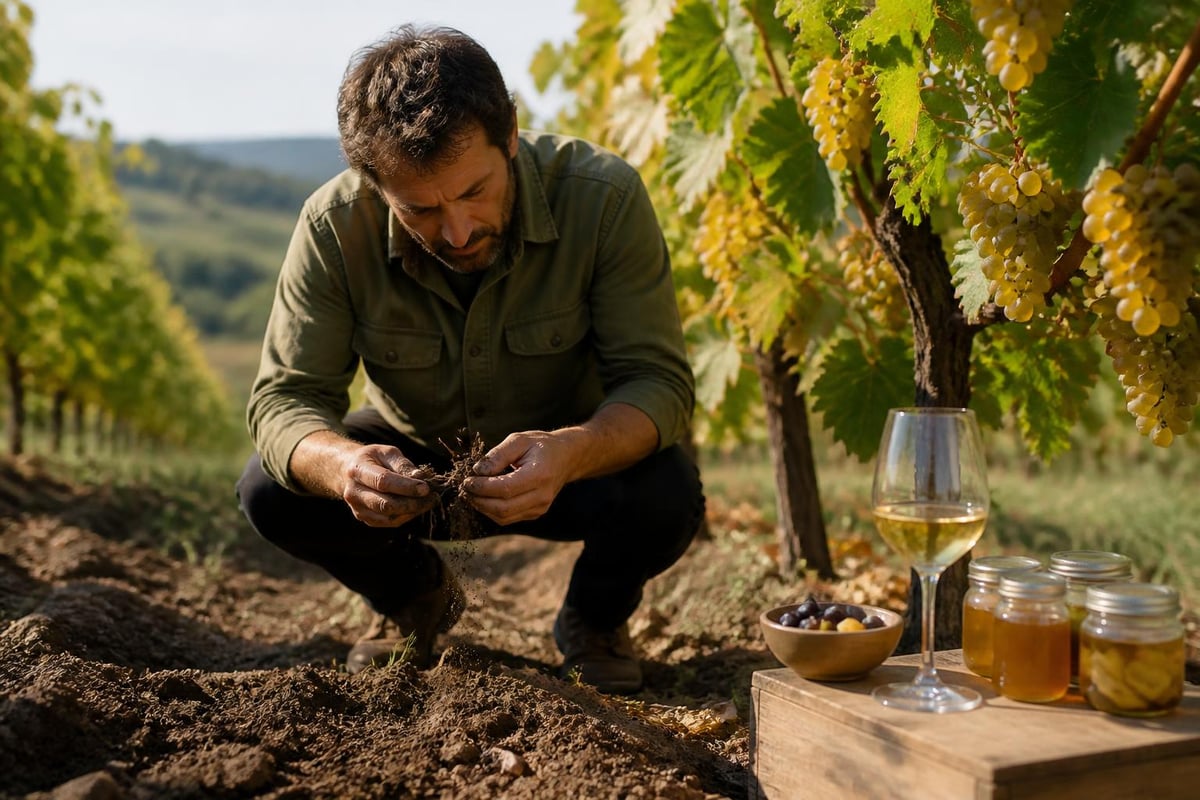
This personal, hands-on approach means the vineyard owner knows every vine's personality. Which plants need extra attention? Where does morning sun hit first? These details matter when you're crafting wines rather than manufacturing them.
Why Patient Aging Changes Everything
Most commercial wines hit shelves within months of harvest. Quick turnover means quick profits, but it doesn't mean better wine.
A dedicated winery estate does something different: they age wines properly before release. Why does this matter to you?
| Rushed Commercial Wines | Estate-Aged Wines |
|---|---|
| Simple fruit flavours | Complex, layered characteristics |
| Harsh tannins | Integrated, smooth structure |
| One-dimensional | Multiple flavour dimensions |
| Drink immediately | Peak drinking window |
When Pinot Noir rests in bottle, chemical reactions slowly occur. Tannins soften. Flavours integrate. Secondary characteristics develop, earthy notes, subtle spice, silky textures. You're getting wine at its best, not wine rushed to market because shareholders demand quarterly returns.
Hands-On Winegrowing: The Personal Touch
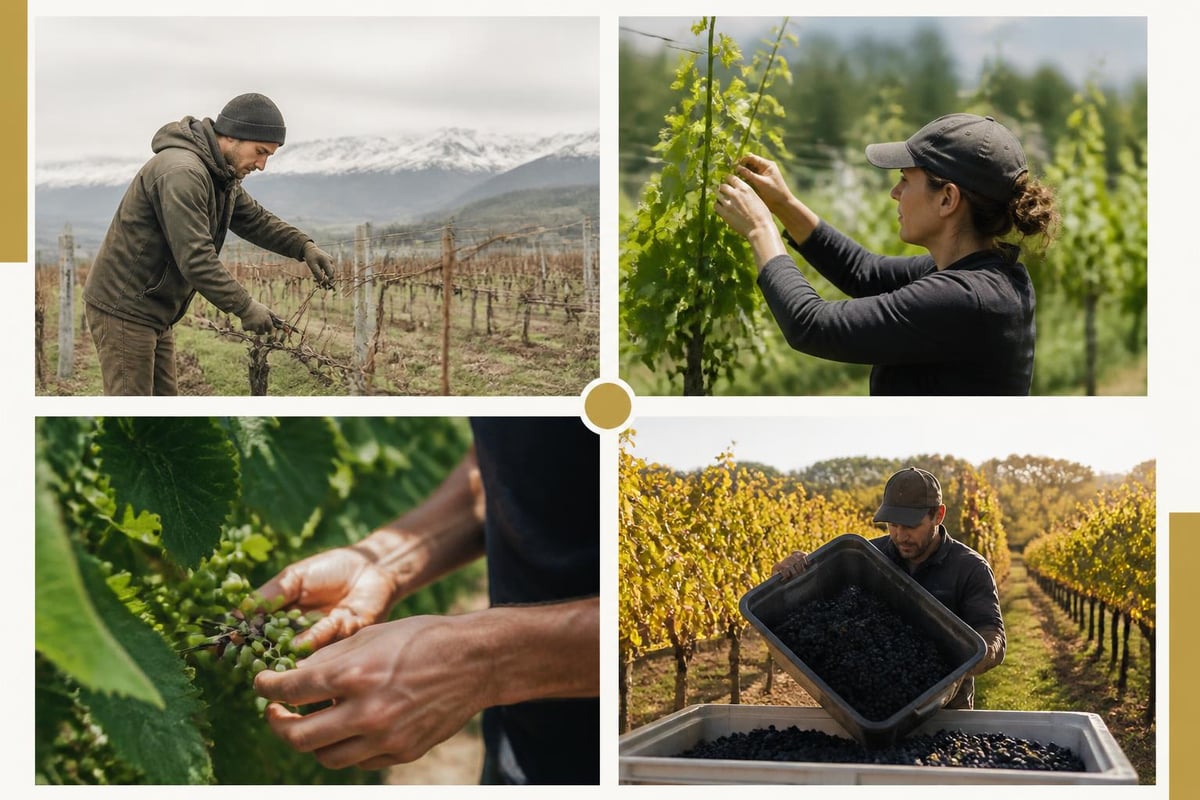
Imagine tending vines personally, sometimes alone in the vineyard, making decisions based on intuition built over years.
This isn't romantic exaggeration. Small winery estate owners live this reality. They're the ones:
- Walking rows in all weather
- Deciding which leaves to remove for sun exposure
- Hand-thinning grape clusters for concentration
- Tasting berries to judge ripeness
- Making every fermentation decision personally
The Unfined, Unfiltered Difference
Here's something you won't find in supermarket wines: truly minimal intervention.
Many commercial operations fine and filter wines heavily, stripping out anything that might cause sediment or cloudiness. It looks cleaner, but you lose flavour compounds, texture, and complexity.
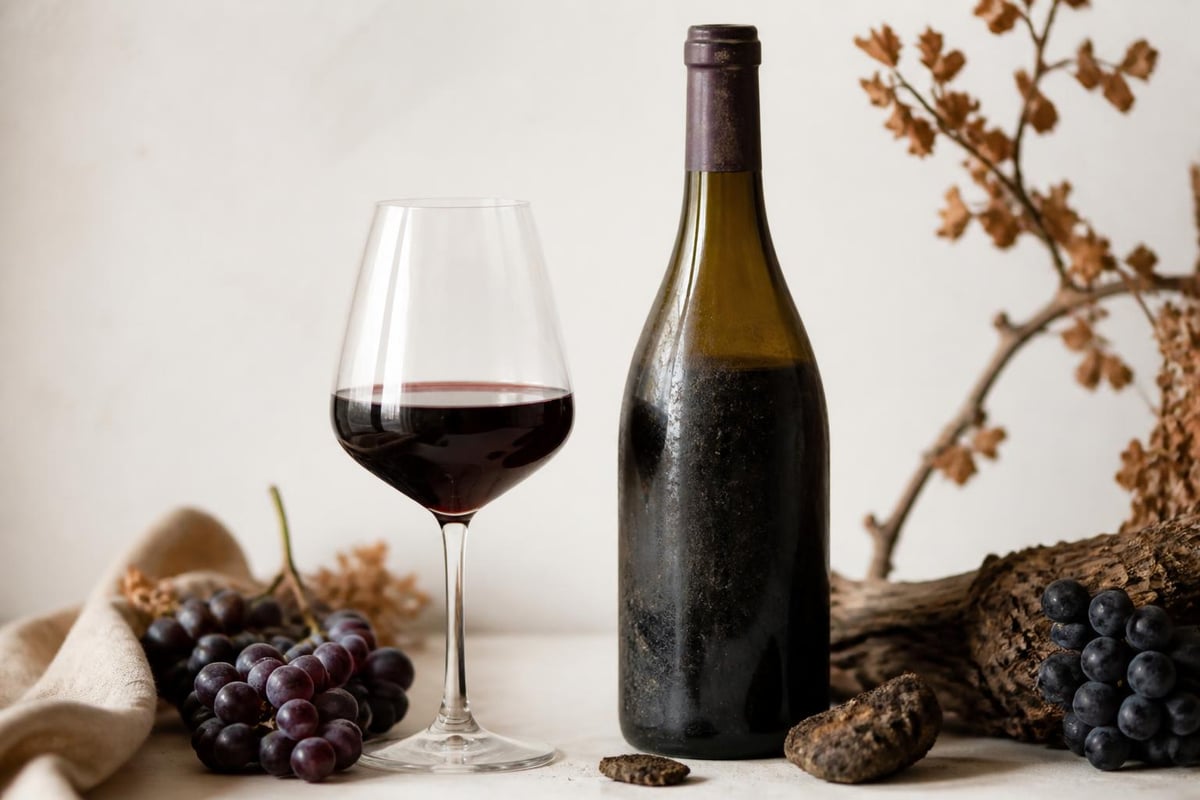
Estate winemakers confident in their craft skip these steps. The result? Wines with more body, more flavour, more of everything that makes wine interesting. Yes, you might see some sediment. That's not a flaw, that's authenticity.
Food Pairing With Estate Wines
Organic, artisanal Pinot Noir offers incredible versatility at your table. The complexity from wild yeast fermentation and proper aging means these wines complement food beautifully rather than overwhelming it.
Perfect pairings include:
- Roasted duck with cherry sauce - The wine's natural acidity cuts through richness
- Grilled salmon - Lighter Pinot Noir styles match perfectly with fish
- Mushroom risotto - Earthy notes in aged Pinot echo forest floor flavours
- Aged cheese platters - Complex wine deserves complex cheese
- Lamb racks with herb crust - A classic New Zealand combination
The absence of sulphites in some estate wines means sensitive drinkers can enjoy wine with dinner without concerns. That's a huge advantage for many people.
Gifts for the Wine Lover Who Has Everything
Finding presents for serious wine enthusiasts gets tricky. They've tried the usual suspects. What they haven't experienced? Truly artisanal wines from small producers.
A bottle from a boutique winery estate offers:
- Uniqueness: Limited production means exclusivity
- Story: Every estate has a compelling narrative
- Quality: Hand-crafted attention throughout
- Discovery: Introducing someone to a new favourite
Gift sets featuring aged Pinot Noir and perhaps a rosé variation create memorable presents. These aren't wines you'll find everywhere, which makes them special.
The Authentic Expression of Place
Here's the fundamental difference: commodity wines taste like their production process. Estate wines taste like where they're from.
When vines grow in Waipara's limestone soils, when wild yeasts from that specific vineyard conduct fermentation, when winemakers make decisions based on that season's unique conditions, you get terroir. Real terroir, not marketing speak.
| Mass Production Approach | Winery Estate Philosophy |
|---|---|
| Consistency above all | Vintage variation celebrated |
| Technology-driven | Intuition-guided |
| Cost optimization | Quality obsession |
| Generic regional character | Specific vineyard expression |
You taste the difference. Estate wines have personality, edges, distinctive characteristics that make them memorable. They're alive in a way that engineered wines simply aren't.
Buying Direct: Connecting With Your Wine Source
Many small estates sell exclusively online, direct to wine lovers. This isn't a limitation, it's an advantage.
Without distributors and retail markups, you get better value. The estate receives fair compensation for their meticulous work. You receive wines shipped carefully, often with personal notes from the winemaker.
This direct connection means you're not just buying a product. You're supporting real people doing exceptional work, one vintage at a time.
Small-batch organic winegrowing creates wines that genuinely express their origins through living soils, wild fermentation, and patient aging. These aren't commodities rushed to market, they're artisanal products worth waiting for. If you're ready to experience Pinot Noir crafted with genuine care from vine to bottle, explore the hand-crafted, organic wines from Fancrest Estate, where every bottle reflects Waipara's unique character and years of dedicated, hands-on viticulture.