


Have you ever wondered what makes organic natural wine truly different from the bottles lining most supermarket shelves? It's not just about avoiding chemicals. When you pour a glass of organic natural wine, you're tasting something alive, something that carries the fingerprint of the soil, the season, and the winemaker's hands. These wines tell stories that commercial production simply can't replicate. In regions like Waipara, North Canterbury, small family vineyards are crafting wines that express their unique place in ways that mass-produced bottles never will.
What Actually Makes Wine Organic and Natural
The term "organic natural wine" might sound like marketing speak, but there's real substance behind it.
Organic wine production follows strict standards. No synthetic pesticides touch the vines. No chemical fertilizers feed the soil. Every decision in the vineyard works with nature rather than against it.
But natural wine takes things further.
The Living Vineyard Ecosystem
Think about your vineyard as a complete ecosystem. The soil isn't just dirt. It's teeming with microorganisms, fungi, and beneficial bacteria. These invisible workers break down organic matter and feed your vines naturally.
Above ground, the diversity continues:
- Native insects pollinate and control pests naturally
- Cover crops between vine rows prevent erosion and add nutrients
- Wild yeasts live on grape skins, ready to ferment
- Birds and beneficial predators maintain balance
This living system creates healthier vines. Healthier vines produce grapes with more concentrated flavours and natural resilience.
The Rhythm of Hands-On Winemaking
Small-batch organic winemaking follows the seasons in ways industrial production never can.
Picture a vineyard owner walking the rows in winter, pruning each vine by hand. She knows these plants individually. She notices subtle changes in leaf colour or berry development that machines would miss.
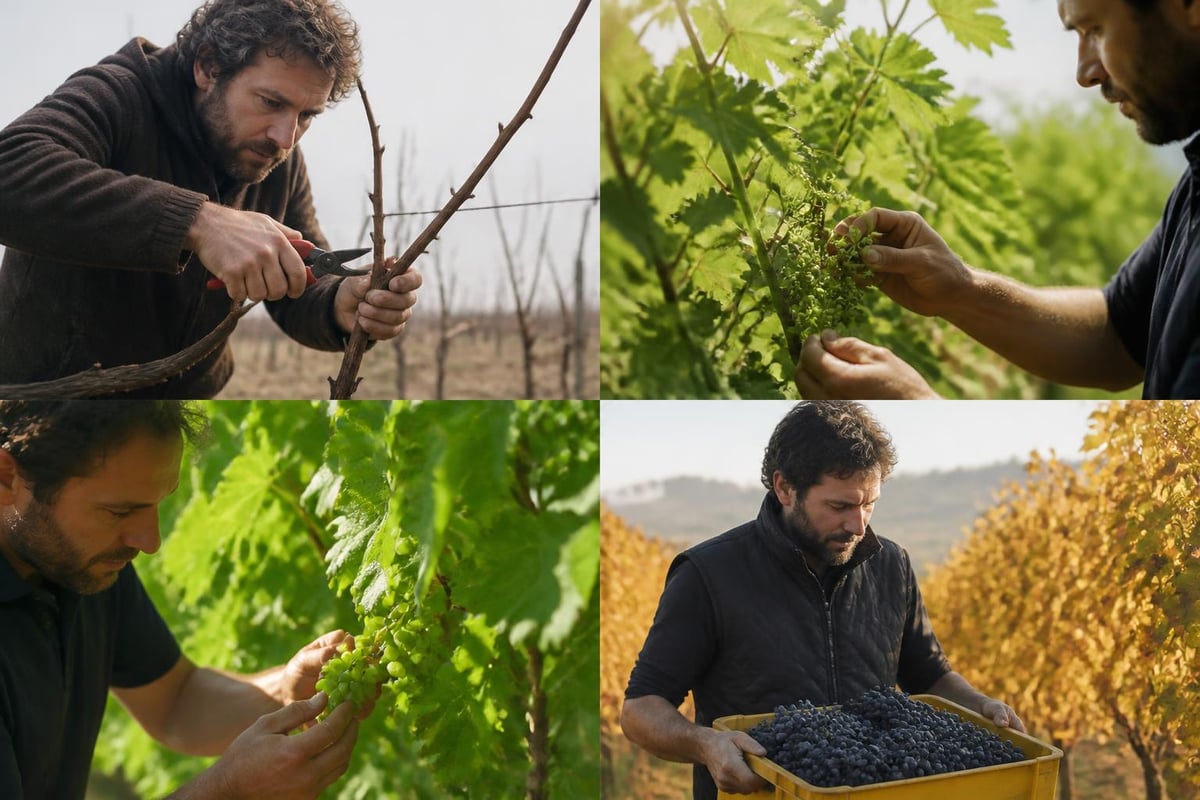
Spring brings canopy management. Every shoot gets positioned to optimize sun exposure and airflow. This prevents disease naturally, without fungicide sprays.
Summer means constant vigilance:
- Walking rows to spot potential issues early
- Thinning clusters for concentrated flavour
- Monitoring ripeness through taste, not just sugar levels
- Making daily decisions based on weather and vine health
When harvest arrives, timing is everything. Commercial operations pick by schedule. Artisanal winemakers pick when the grapes are genuinely ready, sometimes waiting weeks longer for perfect ripeness.
Wild Fermentation Creates Unique Character
Here's where organic natural wine gets truly interesting.
Most commercial wines use cultured yeasts. These laboratory-grown strains produce predictable results. They're reliable, but they create wines that taste similar regardless of origin.
Natural winemakers embrace wild fermentation. The yeasts living naturally on grape skins and in the winery do all the work. Each vintage brings different yeast populations, influenced by that year's weather and conditions.
| Cultured Yeast Fermentation | Wild Yeast Fermentation |
|---|---|
| Predictable flavour profile | Unique to each vintage |
| Fast, controlled process | Slower, natural timeline |
| Same across regions | Expresses specific place |
| Commercial consistency | Artisanal variation |
This approach requires patience and skill. The philosophy behind natural wines emphasizes minimal intervention, allowing the grapes and environment to express themselves fully.
Wild fermentation takes longer. The winemaker can't rush it. But the resulting wines develop complexity and character that cultured yeasts simply can't provide.
Why Ageing Matters More Than You Think
Most commercial wines hit shelves within months of bottling. Quick turnover means quick profits.
Organic natural wine from small estates follows a different path.
The Transformation in Bottle
Wine is alive in the bottle. Compounds continue to evolve, flavours integrate, and tannins soften. This process takes time.
Rushing wines to market means selling them before they're truly ready. You get raw, disjointed flavours that haven't had time to harmonize.
Ageing allows:
- Tannins to polymerize and soften naturally
- Primary fruit flavours to develop secondary complexity
- Wine components to marry into a cohesive whole
- True terroir characteristics to emerge fully
When a family winery ages wines before release, they're making a financial sacrifice. Those bottles represent invested capital sitting in storage. But the quality difference is profound.
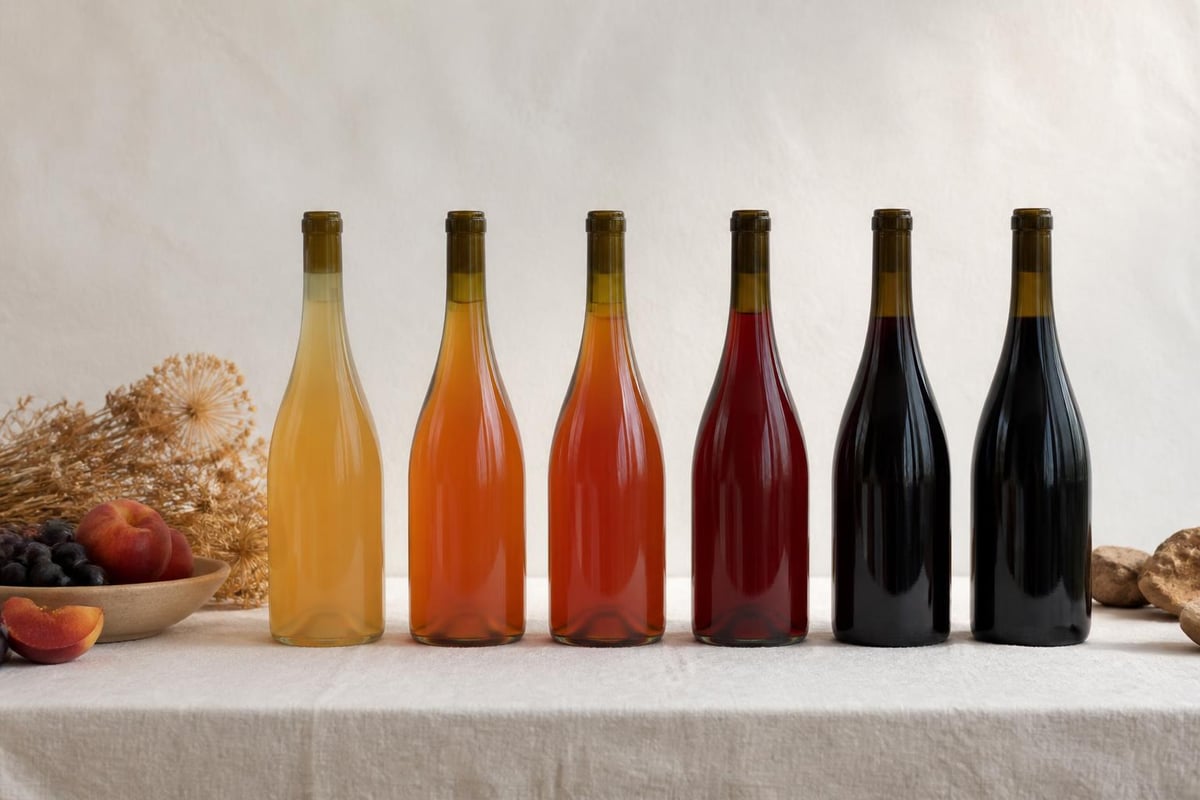
You taste wines at their peak, not at their most profitable release date.
Small Batch Means Personal Attention
Industrial wineries process thousands of tonnes per vintage. Organic natural wine from boutique producers might total just a few hundred cases.
This scale difference changes everything.
With small volumes, every decision is personal. The winemaker tastes every fermenting batch daily. She adjusts extraction by feel and experience, not computerized schedules.
Hand-sorting means imperfect berries never make it to the fermenter. In commercial production, mechanical harvesting and processing can't achieve this selectivity.
The result? Each bottle represents genuine craft rather than commodity production.
Matching These Living Wines with Food
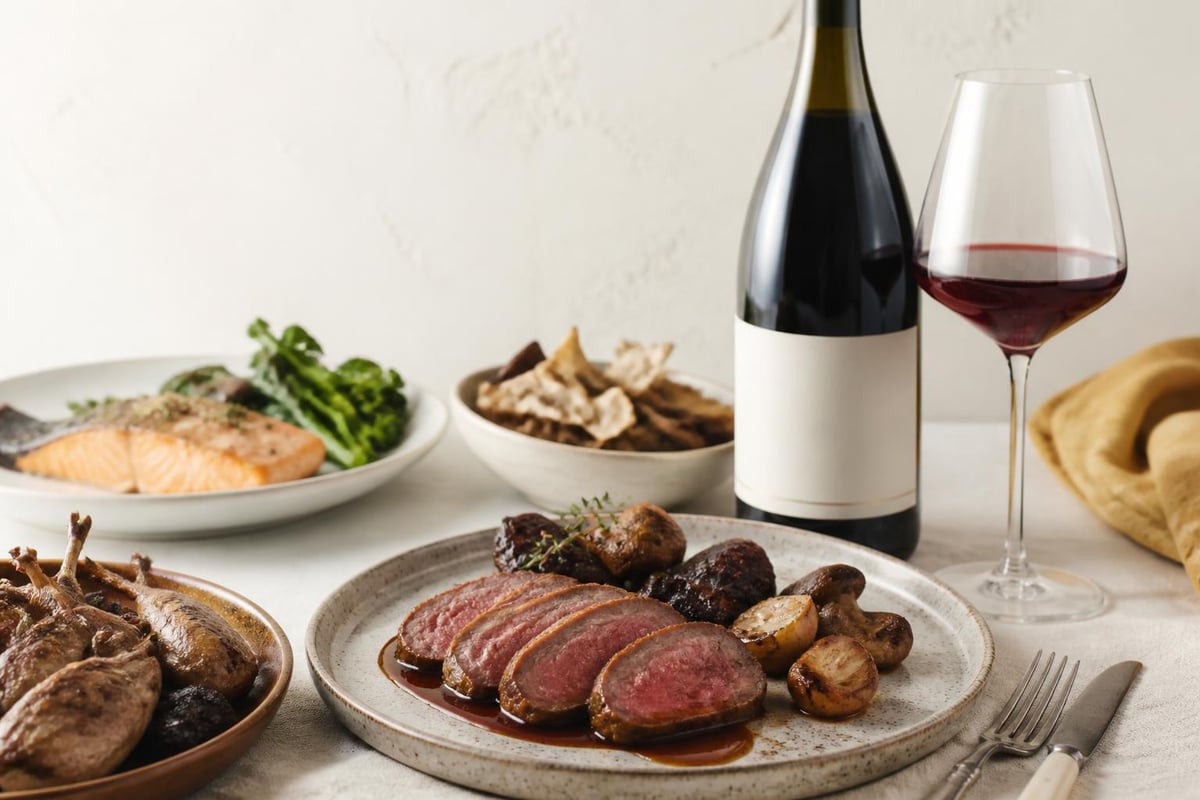
Organic natural wine brings something special to your dinner table. The vibrant acidity and complex flavours make them exceptional food companions.
Pinot Noir particularly shines with diverse cuisines:
- Roasted lamb with herbs captures the wine's earthy notes
- Grilled salmon plays beautifully against berry fruit
- Mushroom risotto echoes umami depth
- Duck confit matches the wine's structure perfectly
The natural fermentation creates wines with better digestibility too. Many people who struggle with conventional wines find organic natural wine gentler on their system.
For gifts, these wines offer something genuinely special. You're giving a bottle that represents someone's life work, not factory output. The story behind each vintage adds meaning that commercial wines can't match.
Understanding Minimal Intervention Production
The differences between organic and natural wine can be subtle but significant.
Organic certification governs vineyard practices. Natural wine extends this philosophy into the winery.
Minimal intervention means:
Avoiding common winemaking additions:
- Commercial enzymes to speed extraction
- Acid adjustments to balance pH
- Excessive sulfites for preservation
- Fining agents to clarify wine
Embracing natural processes:
- Allowing wines to self-clarify through gravity
- Using only indigenous yeasts for fermentation
- Limiting sulfites to minimal necessary levels
- Letting each vintage express its unique character
Organic wine standards provide framework, but natural winemaking goes beyond certification to embrace a whole philosophy.
This approach requires more skill, not less. Without the safety net of additives and interventions, the winemaker must understand fermentation biology deeply and make precise decisions throughout the process.
The True Cost of Quality
Organic natural wine costs more than commercial bottles. That's simply reality.
Consider what goes into each bottle. Hand-pruning takes exponentially longer than mechanical alternatives. Organic vineyard management requires more labor to control weeds and pests naturally. Wild fermentation needs constant monitoring that cultured yeast fermentations don't.
Then there's ageing. Holding wines for months or years before release ties up capital that commercial operations would already have recouped.
But you're not paying for production costs alone. You're investing in:
- Wines that taste distinctly of their origin
- Sustainable practices that protect the land
- Artisanal craftsmanship rather than industrial processing
- Complex flavours that develop from patient winemaking
- Supporting small family operations versus corporate interests
When you choose organic natural wine, you're choosing authenticity.
Organic natural wine represents winemaking as it should be: patient, personal, and connected to place. These living wines deliver complexity and character that rushed commercial production simply cannot match. If you're ready to experience wines crafted with genuine care from vineyard to bottle, explore the hand-crafted, certified organic Pinot Noir range at Fancrest Estate, where each wine is aged to perfection before release, ensuring you receive bottles at their very best.