
Have you noticed more people searching for wines that taste real, honest, and pure? There is a growing buzz around wines made the natural way, and it is changing how many Kiwis enjoy their favourite drop.
This guide is here to lead you through natural winemaking, showing you what makes it different and why it is capturing so much attention for 2026. You will discover the core principles, a step-by-step process, key techniques, common challenges, and the best ways to enjoy pure wines at home.
Ready to dive in and taste something truly authentic? Whether you want to sip, learn, or try making your own, you are about to start your journey into the world of natural winemaking.
Understanding Natural Winemaking: What Makes Wine ‘Natural’?
Curious why natural winemaking is becoming a favourite among wine lovers in New Zealand? You’re not alone. More Kiwis are seeking out wine that speaks of purity, place, and a hands-off approach. Let’s take a closer look at what really makes a wine ‘natural’ and why this movement is capturing attention.
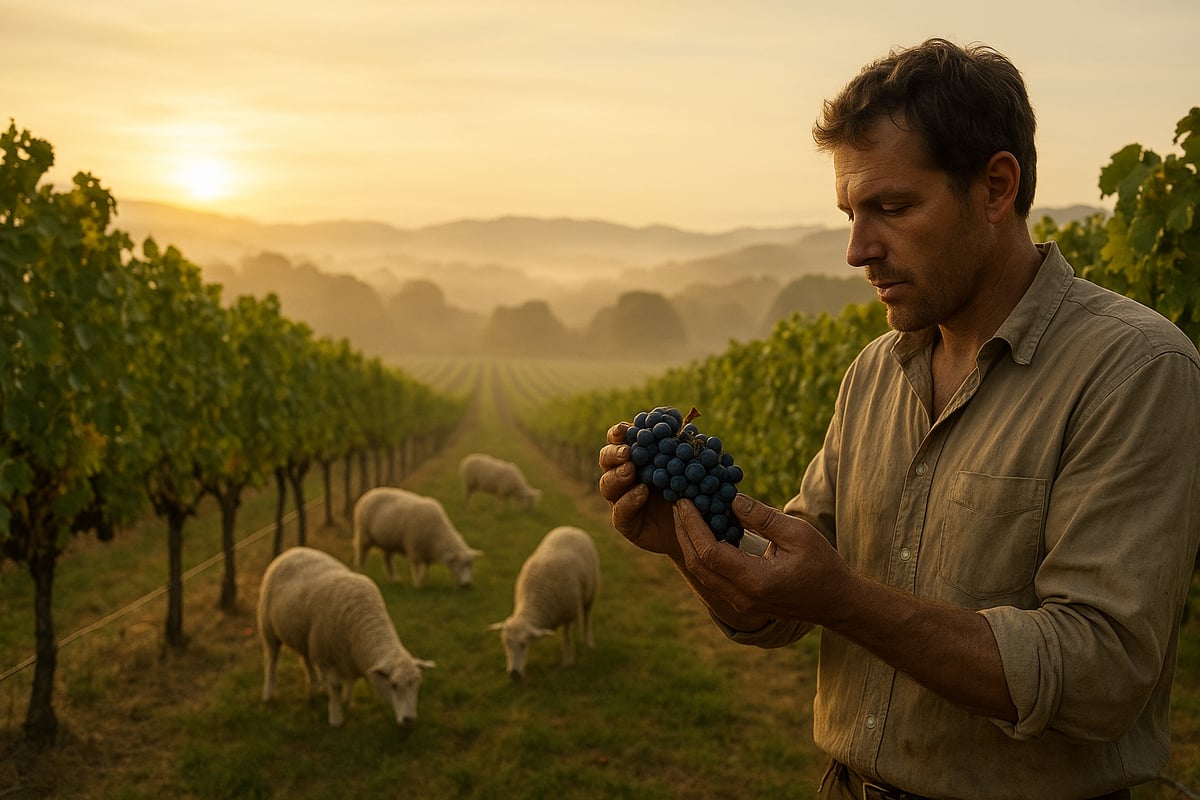
Defining Natural Winemaking
Natural winemaking stands apart from conventional methods in several key ways. At its core, it’s all about minimal intervention. Grapes are grown organically, free from synthetic chemicals and pesticides. Only indigenous yeasts—those found naturally on the grapes and in the winery—are used to start fermentation.
In New Zealand, interest in natural winemaking is rising fast. Over 38% of wine drinkers now look for organic or natural wines, according to Wine Intelligence 2023. This shift is driven by a desire for wines with no added chemicals, fining agents, or artificial stabilisers.
Producers avoid additives at every stage. Instead, they focus on letting the grape and terroir shine. Certification plays a role too, signalling to drinkers that the wine is made transparently and honestly.
Key Principles and Philosophies
At the heart of natural winemaking are some guiding philosophies. Respect for terroir—letting the vineyard’s unique character show—is essential. Winemakers nurture biodiversity, planting cover crops and welcoming wildlife into the vineyard. Sustainability is a must, with many embracing regenerative agriculture to keep soils healthy for generations.
Soil health matters. Healthy, living soils mean better grapes and, in turn, better wine. Practices like composting and minimal tilling are common. Leading natural wine regions include France’s Loire Valley, Italy, and right here in New Zealand, where Waipara and Central Otago shine.
The natural wine movement has roots in Europe but is growing rapidly in New Zealand. More producers are choosing to be open about their methods, with honest labelling and clear communication. If you’re keen to learn more about how this movement is shaping our local wine scene, check out Natural wine in New Zealand for a deeper dive into regional philosophies and trends.
Benefits of Natural Wines for Drinkers
Why choose natural winemaking from a drinker’s perspective? First, it’s all about purity of flavour. Each bottle is a true reflection of the vineyard, offering unique character and a real sense of place. Many fans say these wines are vibrant, with lively aromas and textures you won’t find elsewhere.
There are health benefits too. Natural wines often have lower sulphite levels and fewer allergens, making them easier for some people to enjoy. Drinkers also love knowing their wine is better for the environment—reduced chemical use supports biodiversity and sustainability.
Testimonials say it all. Fans describe natural wines as authentic, alive, and deeply satisfying. No wonder they’re especially popular among millennials and wine enthusiasts who crave something genuine. If you’re looking to experience wine in its purest form, natural winemaking is a path worth exploring.
The Natural Winemaking Process: Step-by-Step Guide
Curious about how pure, authentic wines are crafted? Let’s walk through the natural winemaking process together, from vineyard to bottle. Each step preserves the true character of the grape and the land, so you can enjoy a wine that’s honest, vibrant, and full of life.
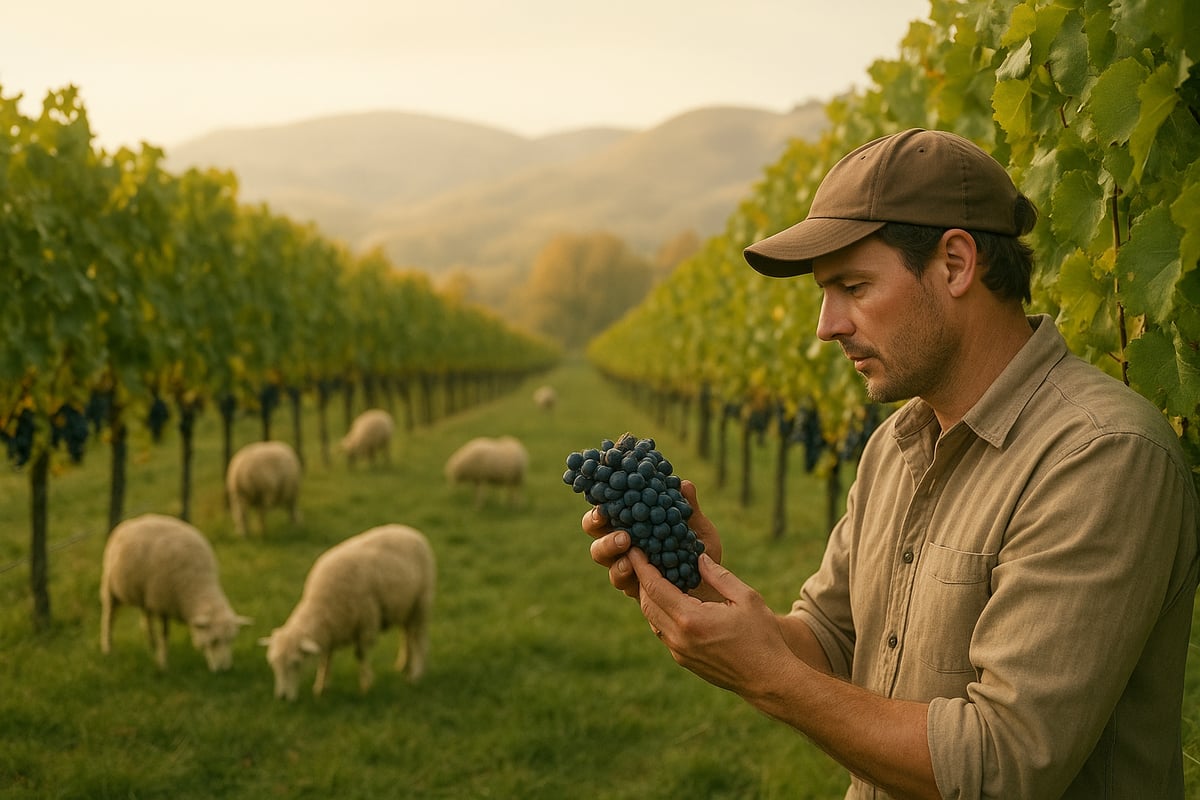
Step 1: Organic Vineyard Management
Natural winemaking starts in the vineyard. Here, grapes are grown using organic or biodynamic methods. That means no synthetic fertilisers or harsh sprays. Instead, growers focus on building healthy, living soils.
You’ll often see cover crops, like wildflowers, planted between the vines. These improve soil structure and attract helpful insects. Integrated pest management is key, using nature to balance pests instead of chemicals.
In New Zealand, over 10% of vineyards are certified organic. Many natural winemaking estates also use sheep to graze weeds and fertilise the soil, which keeps the vineyard tidy and thriving. Healthy soils lead to healthy grapes, and that’s the foundation of natural winemaking.
Step 2: Harvesting & Grape Selection
When the grapes reach perfect ripeness, they’re hand-picked. This gentle approach helps protect delicate fruit and ensures only the best bunches make it into the wine.
Sorting is done right there in the vineyard or back at the winery, removing any underripe or damaged grapes. This careful attention is crucial for maintaining purity and expressive flavours in natural winemaking.
Curious about the details? Check out this Step-by-step harvesting guide to see how small-batch Pinot Noir is picked and sorted for natural winemaking.
Step 3: Indigenous Fermentation
Now comes the magic. Instead of adding commercial yeast, winemakers let wild, indigenous yeasts from the vineyard start fermentation. This preserves the unique taste of the place, a true hallmark of natural winemaking.
Fermentations can be unpredictable, which brings excitement and risk. Sometimes, open-air fermenters are used, letting the wine breathe and develop layers of complexity.
The result? Each batch has its own personality, reflecting the vintage and vineyard. That means every bottle is a new adventure for your palate.
Step 4: Minimal Intervention in the Winery
Natural winemaking is all about letting the grapes shine. Additives, fining agents, or heavy filtration are avoided. Instead, winemakers use gravity to move the wine and handle it as gently as possible.
Ageing usually happens in neutral vessels, like old oak barrels, clay amphorae, or stainless steel. Some producers use no added sulphites at all, or just tiny amounts for stability.
This minimal intervention keeps the wine’s flavours pure and true to its origins. Every sip feels alive and authentic.
Step 5: Bottling and Ageing
Finally, the wine is bottled without stabilisers or aggressive filtration. It might be a bit cloudy, and you could find some sediment in the bottle. That’s a sign of natural winemaking at work.
Letting the wine age before release allows flavours to deepen and integrate. Some natural wines continue to evolve in the bottle, rewarding patience with even more complexity.
Many fans love this authenticity. It’s a chance to taste wine as the winemaker intended—nothing added, nothing taken away.
Key Techniques & Tools for Natural Winemaking Success
Natural winemaking is all about letting the vineyard and grapes shine, but it also takes careful hands and smart choices. You might wonder, what really makes pure wine possible? Let’s break down the core techniques and tools that help winemakers in New Zealand and beyond capture the essence of their land in every bottle.
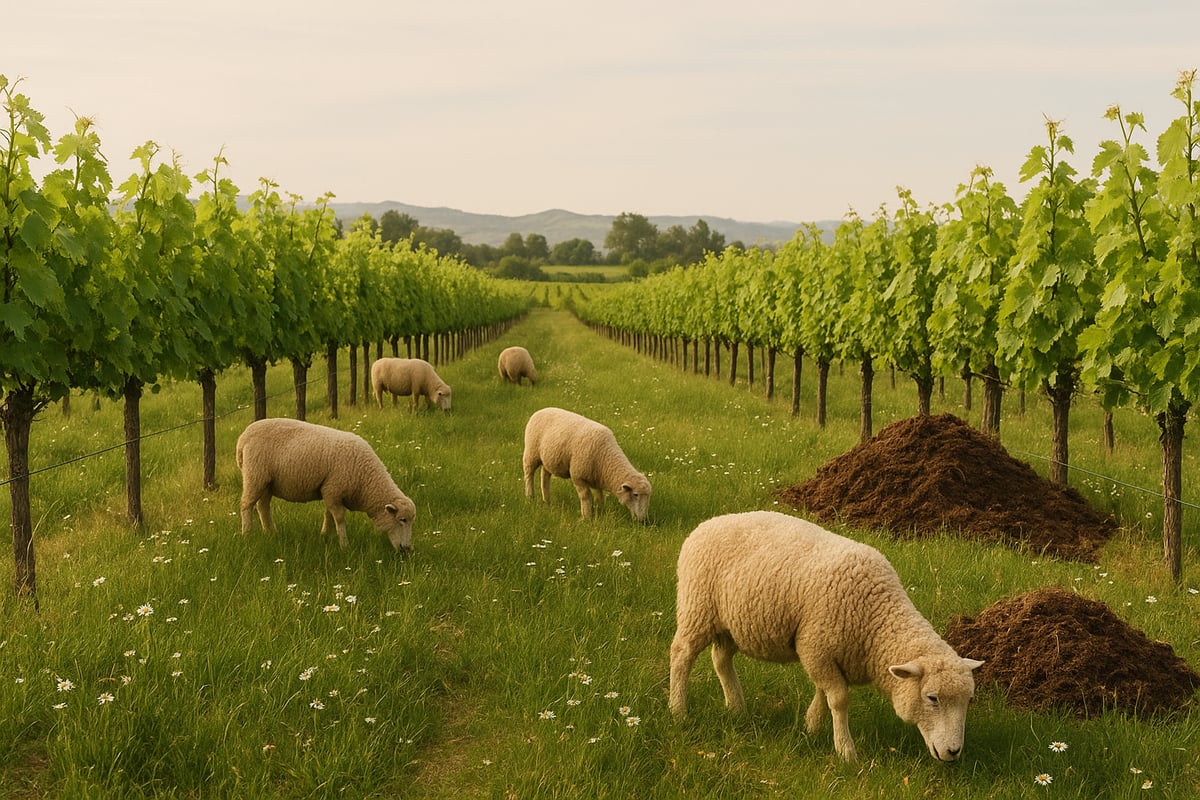
Vineyard Practices for Purity
Healthy vineyards are the foundation of natural winemaking. Growers focus on building rich, living soils using compost and organic matter. Instead of sprays, they use natural pest control like encouraging birds or insects that eat pests.
You’ll often see sheep or even cattle grazing under the vines. This keeps weeds in check and adds natural fertiliser. Canopy management is another key step. By carefully trimming leaves, winemakers make sure grapes get the right amount of sun and airflow, which helps prevent disease.
Cover crops, like wildflowers or clover, are planted between rows to stop erosion and boost biodiversity. Many leading producers use regenerative agriculture practices to support vineyard health and long-term sustainability. Every step is about working with nature, not against it.
Fermentation & Ageing Methods
Once grapes are picked, natural winemaking relies on traditional tools and gentle techniques. Open-top fermenters let wild yeasts, found on grape skins and in the vineyard, start the fermentation. This adds complexity and a real sense of place to the wine.
Some winemakers use foot treading to crush grapes softly, avoiding harsh machines. Ageing happens in neutral vessels, like old oak barrels or clay amphorae, so the wine’s true character can develop. Temperature is watched closely, keeping fermentations clean and lively.
Clay amphorae have seen a resurgence in natural winemaking circles. These vessels breathe a little, helping wines evolve slowly and gain texture without picking up extra flavours from new wood.
Maintaining Wine Stability Naturally
Without synthetic chemicals, natural winemaking needs creative ways to keep wines stable. Microbial risks, like unwanted bacteria or wild yeasts, are managed through careful hygiene and constant monitoring.
Winemakers often use cold stabilisation, letting the wine rest in cool temperatures so solids drop out naturally. Racking, or moving wine off its sediment, and ageing on lees (the spent yeast) can add texture and protect the wine. Gravity helps clarify the wine gently, instead of using heavy filtration or additives.
Checking for faults, like volatile acidity or brettanomyces, is a constant part of the job. The goal is always to keep the wine pure, expressive, and safe to drink.
Tasting and Quality Assessment
Tasting is where you, as a drinker, come in. Sensory evaluation is key in natural winemaking, both in the cellar and at your table. Winemakers train their palates to spot faults and celebrate unique characteristics.
You might notice cloudiness or lively, wild aromas in a natural wine. These are signs of authenticity, not flaws. Learning to recognise the subtle textures and aromas of natural winemaking can be rewarding. Every glass tells a story of its vineyard and the hands that crafted it.
Challenges and Solutions in Natural Winemaking
Every bottle of natural winemaking comes with its own set of hurdles. If you have ever wondered why these wines taste so unique, it is because the process is anything but ordinary. Let us look at what makes the journey challenging and how the best winemakers keep their wines pure and authentic.

Common Challenges Faced
Natural winemaking often means stepping into the unknown. The biggest challenge? Fermentation can be unpredictable. Without commercial yeasts or chemical controls, wild yeast takes the lead. Sometimes, that wildness brings complex flavours. Other times, it can cause spoilage or stuck fermentations.
Lower yields from organic farming are common. Healthy soils and natural pest control can mean fewer grapes per vine. Humid climates make sulphite management tricky, as winemakers try to avoid adding preservatives.
Regulatory and labelling rules are another hurdle. Standards for what makes a wine "natural" vary. This can confuse both producers and drinkers. Each year, winemakers must adapt, staying true to natural winemaking while meeting local requirements.
Innovative Solutions and Best Practices
So, how do skilled winemakers keep their wines safe and tasty? Hygiene is everything. Careful cleaning of equipment helps keep unwanted microbes away. Many use technology to watch over the vineyard—soil sensors and weather trackers help spot problems early.
Wild yeast research is often shared within the community. Collaboration lets winemakers swap tips and learn from each harvest. Some have even started exploring Artificial Intelligence in Sustainable Winemaking to predict fermentation risks and monitor vineyard health.
Natural winemaking thrives on sharing knowledge. This community spirit has led to better results and more consistent wines, all while keeping the process as pure as possible.
Consumer Education and Transparency
Clear labelling is essential. If you pick up a bottle of natural winemaking, you want to know its story. Honest labels, QR codes, and detailed vintage notes help build trust.
Tastings are a great way to teach people about what makes natural wines different. Producers invite you to experience the cloudy look, bold aromas, and lively feel in the glass. The more you know, the more you will appreciate each bottle.
Market Trends and Future Outlook
Natural winemaking is booming. Sales are rising fast, with a worldwide increase of about 20 percent each year. Wine lovers want traceability and pure flavours.
Festivals and online communities bring fans together. In New Zealand, the movement is gaining momentum, as shown in the New Zealand Winegrowers Annual Report 2025. People are seeking out authentic wines with a sense of place—just like those from Fancrest Estate.
Enjoying and Sourcing Pure Natural Wines
Are you ready to explore the world of natural winemaking from glass to table? Enjoying pure, authentic wines is a journey all its own. Whether you are new to the scene or a seasoned enthusiast, there is a special satisfaction in discovering flavours shaped by nature and tradition.
How to Taste and Appreciate Natural Wines
Tasting natural wines is a little adventure. You might notice a cloudy appearance or a bit of sediment, which is a sign of less filtration and more character. Take a moment to swirl your glass and enjoy the lively aromas. These can be wilder and more expressive compared to conventional wines.
Try serving natural wines slightly chilled, especially lighter reds or whites. Decanting can help the wine open up and reveal its complexity. When it comes to food, natural Pinot Noir pairs beautifully with local cheeses or roasted veggies.
Because natural winemaking emphasises purity, each bottle offers a unique experience. Trust your senses and enjoy the surprises that come with every pour.
Where to Buy Authentic Natural Wines
Finding genuine natural wines is easier than ever, but a little guidance helps. Look for reputable producers who are transparent about their methods and ingredients. Check for organic or natural certification on the label.
Online shops and direct-from-vineyard sales are great ways to ensure authenticity. If you are unsure, explore curated selections like Best natural wines to try for trusted recommendations.
Be wary of wines that claim to be natural but lack clear details. Real natural winemaking is about honesty and traceability, so always read the fine print.
Discover Fancrest Estate’s Natural Pinot Noir Wines
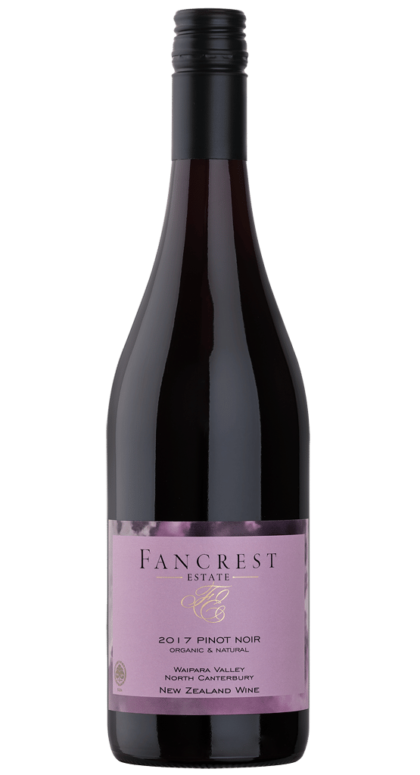
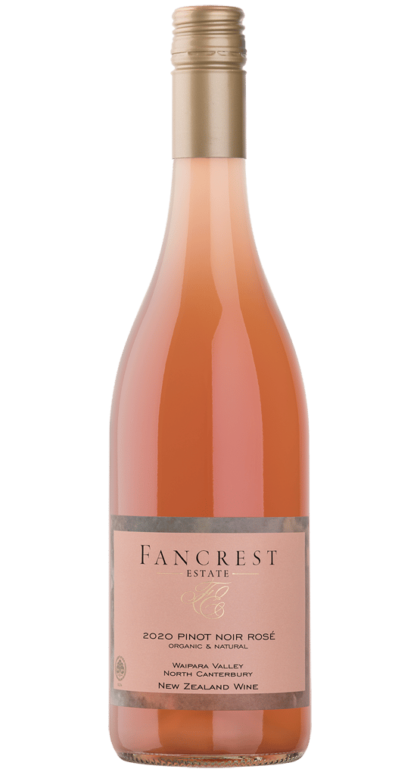
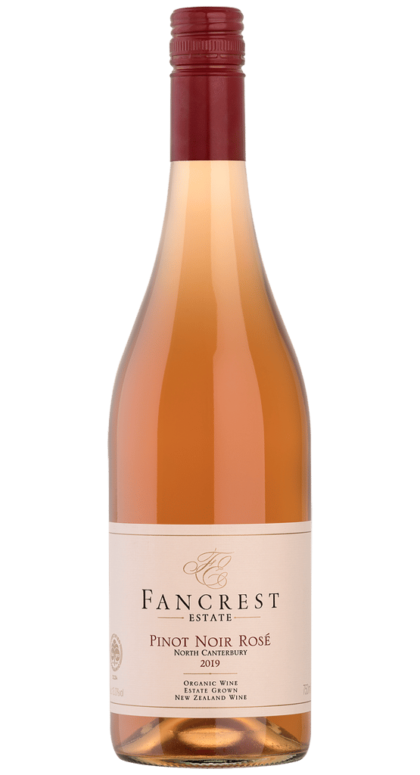
Fancrest Estate in Waipara, NZ, is dedicated to natural winemaking. Their Pinot Noir is made from estate-grown grapes, hand-picked and fermented only with wild vineyard yeasts.
These wines are bottled with minimal intervention and aged before release, capturing the true essence of the land. You can only buy Fancrest Estate wines online, straight from the vineyard to your door.
If you are seeking pure, terroir-driven wines, this is your chance to taste something unforgettable. Visit their official shop to start your journey towards real natural winemaking enjoyment.
So, now that you’ve got a feel for what makes natural winemaking so fascinating and the care that goes into every bottle, you might be wondering where you can actually taste the difference for yourself. I get it—reading is one thing, but experiencing those pure, vibrant flavours is another level entirely. If you’re curious to see how all these principles come together in a real glass of wine, why not check out what Fancrest Estate has to offer? Their Pinot Noir is made with the same organic, hands off approach we’ve talked about. Ready to explore? Explore our wine selection here..