Step into the captivating world of natural wines, where ancient winemaking meets bold, modern taste. These bottles are sparking excitement everywhere, thanks to their purity, energy, and unforgettable character.
Curious about what sets natural wines apart? Think minimal intervention, organic farming, and vibrant, expressive flavours that dance on the palate. Whether you are a seasoned wine lover or just starting your journey, there is something truly special waiting for you.
Ready to discover the best natural wines to try in 2026? Dive in, explore unique producers, and find your next favourite bottle.
What Is Natural Wine? Defining the Movement
Natural wine has ignited the curiosity of wine lovers worldwide. But what truly sets it apart from other bottles on the shelf? At its core, natural wine is all about minimal intervention. Grapes are grown organically or biodynamically, picked by hand, and fermented using only native yeasts found on the fruit and in the cellar. Winemakers avoid adding chemicals, excessive sulphur, or using modern processing aids, resulting in wines that express their place and season with remarkable honesty.

Let’s break down the differences between natural, organic, and biodynamic wines, as these terms are often confused. Organic wine must be made from organically grown grapes, while biodynamic wine follows stricter, holistic farming philosophies inspired by Rudolf Steiner’s teachings. Natural wine, however, is a philosophy that goes beyond certification. It uses organic or biodynamic fruit but also limits additives and technological manipulation in the winery.
Here’s a handy comparison to clarify:
| Wine Type | Farming | Winemaking Approach | Additives Allowed |
|---|---|---|---|
| Natural | Organic/Biodynamic | Native yeast, minimal intervention | Minimal/None |
| Organic | Organic | Can use commercial yeasts, some additives | Limited |
| Biodynamic | Biodynamic | Similar to organic, lunar calendar used | Limited |
Want to learn more about these distinctions? Check out this Are Organic Wines Better? guide for a deeper dive.
Many believe natural wine is a modern invention, but its roots reach back to ancient times. For centuries, winemakers crafted wine without chemicals or industrial aids. In the late 20th century, a new generation reignited these methods, inspired by the desire for purity and authenticity. Over the last decade, natural wine has exploded in popularity. Major cities like New York and Copenhagen have seen a surge in natural wine bars, and global venues have increased dramatically as wine drinkers seek out the best natural wines for their unique flavours and stories.
What makes these wines so captivating? Natural wines often stand out for their lively and expressive characters. Expect bold aromas, surprising acidity, and a spectrum of colours that can range from cloudy golds to vibrant reds. Some bottles might be slightly fizzy, others still. Common myths include the idea that all natural wines are orange, always fizzy, or lower in alcohol. In reality, the best natural wines can be red, white, rosé, or sparkling, and their alcohol levels vary just like any other wine.
Notable voices, like pioneering writers and sommeliers, have championed natural wine’s return. Their advocacy has helped build a global movement. The rise of natural wine bars and specialist retailers means more people than ever can explore these bottles. Whether you’re just starting your journey or searching for the best natural wines to add to your collection, this dynamic category invites you to taste, question, and enjoy wine in a whole new way.
Natural Wine Trends to Watch in 2026
The landscape for the best natural wines is evolving faster than ever. Wine lovers are seeing a transformation in how their favourite bottles are grown, made, and even purchased. What will define the scene in 2026? Let’s dive into the biggest trends shaping your next glass.
Organic and Biodynamic Practices Go Mainstream
Natural wine’s roots run deep in organic and biodynamic farming. In 2026, more vineyards are embracing these low-intervention methods. Growers focus on nurturing healthy soils, boosting biodiversity, and letting nature do the heavy lifting. This approach isn’t just for small producers anymore. Even larger estates are joining the movement, making the best natural wines more accessible.
Small family-run vineyards and new-world pioneers alike are leaning into composting, cover crops, and lunar calendars. These methods help create wines that burst with life and truly reflect their origin.
Emerging Regions Take the Stage
Curious about where the next wave of the best natural wines will come from? Central and Eastern Europe are stealing the spotlight, alongside New Zealand and South America. Winemakers in countries like the Czech Republic, Slovakia, Georgia, and Chile are reviving indigenous grapes and ancient techniques.
New Zealand’s cool climate and diverse soils foster expressive, terroir-driven bottles. South American producers, especially in Argentina and Chile, are experimenting with minimal intervention and native fermentation. This global expansion means more unique and exciting options for natural wine fans everywhere.
Diverse Grape Varieties and Winemaking Innovation
Tradition meets innovation as winemakers push boundaries with lesser-known grapes. Expect to see more bottles featuring varietals like Furmint, Ribolla Gialla, País, and Zibibbo. Producers are blending, co-fermenting, and experimenting with skin contact to create bold new styles.
The Pet-Nat (pétillant naturel) and orange wine boom is still going strong. Creative approaches to sparkling and skin-contact wines are making these categories a staple in the lineup of the best natural wines. Expect more fizz, texture, and colour on shop shelves and wine lists.
Sustainability and Regenerative Agriculture Take Priority
Eco-conscious consumers are demanding more than just organic. Regenerative agriculture is now a buzzword in the natural wine world. This holistic farming approach focuses on restoring soil health, increasing carbon capture, and supporting local ecosystems. If you want to understand how this impacts the glass in your hand, check out this Beyond Organics: Regenerative Agriculture guide.
Sustainable packaging, water conservation, and renewable energy are also taking centre stage. These efforts ensure the best natural wines leave a positive mark on both taste buds and the planet.
Direct-to-Consumer and Online-Exclusive Wineries
The way we buy the best natural wines is changing. More producers are selling directly to drinkers through online shops, wine clubs, and virtual tastings. This trend offers fresher releases, limited editions, and a closer connection between winemaker and enthusiast.
Small estates are thriving by building loyal communities and offering exclusive access to sought-after bottles. The result? Greater choice and convenience for adventurous wine lovers.
Market Growth and Future Outlook
Natural wine’s popularity shows no signs of slowing. Recent market projections suggest continued double-digit growth, with more venues, retailers, and consumers embracing this vibrant category. Influential importers like Jenny & François, along with boutique estates, are driving demand worldwide.
These trends promise an exciting future for the best natural wines. Whether you’re seeking new flavours or supporting sustainable producers, 2026 is set to deliver a dynamic and delicious journey.
10 Best Natural Wines to Try in 2026
Ready to discover the best natural wines for 2026? This curated list brings together trailblazing producers, unique grape varieties, and bottles that capture the heart of the natural wine movement. Each wine has been selected for its quality, character, and the stories behind the label. Whether you are new to the world of natural wine or a seasoned enthusiast, these picks will inspire your next tasting adventure.
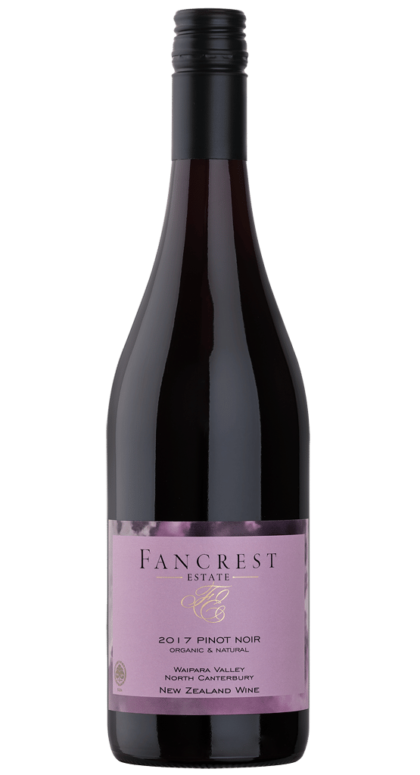
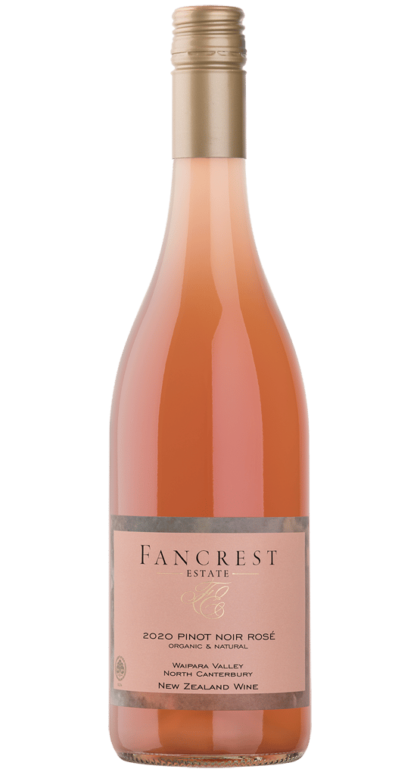
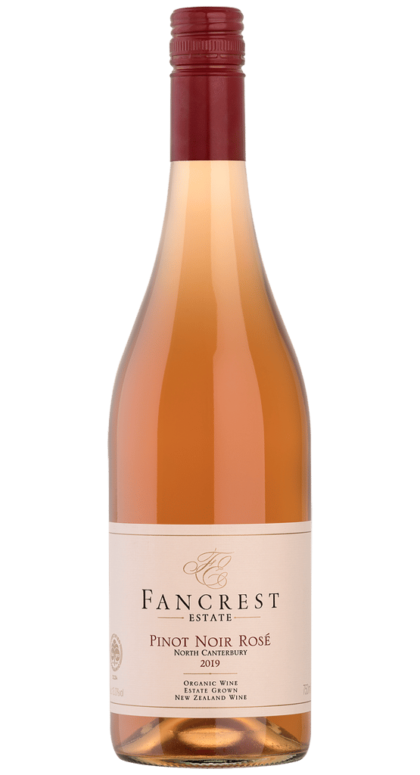
Fancrest Estate Pinot Noir, Waipara, New Zealand
Fancrest Estate Pinot Noir stands out among the best natural wines due to its commitment to organic, hand-crafted winemaking. Nestled on Waipara’s “Golden Mile,” Fancrest’s hillside vineyards are farmed using regenerative methods that prioritise soil health and biodiversity. The Pinot Noir is fermented with native yeasts and crafted in small batches, ensuring each bottle expresses the unique terroir of this part of New Zealand.
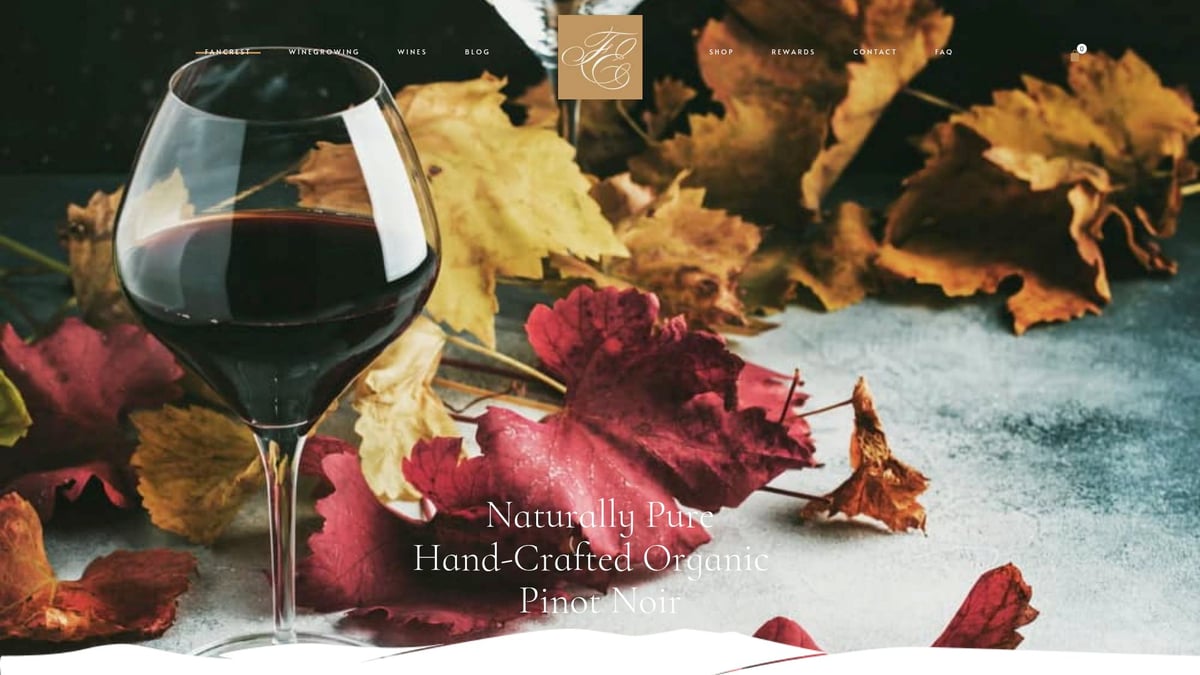
What sets this wine apart is its pure, vibrant flavour profile—think wild berries, earthy spice, and a silky texture. It appeals to Pinot Noir enthusiasts, eco-conscious drinkers, and collectors seeking exclusivity. The direct-to-consumer model means you get fresh bottles straight from the source, though limited public access and online-only availability can make it elusive.
Pros:
- Exceptional quality and purity
- Innovative outdoor fermentation
- Sustainable, regenerative farming
Cons:
- Only available online
- Limited production
Want to elevate your Pinot experience? Check out this Guide to Natural Pinot Noir for tips on selecting and enjoying these unique bottles.
Gut Oggau “Winifred” Rosé, Austria
Gut Oggau “Winifred” Rosé is a cult favourite among the best natural wines, celebrated for its playful character and biodynamic credentials. The unfiltered, minimal sulphur approach allows the wine’s natural vibrancy to shine, delivering lively notes of cranberry and strawberry.

This rosé attracts both newcomers and seasoned fans of Austrian wine, thanks to its juicy, food-friendly style and eye-catching label art. Each vintage is a little different, but you can always expect expressive, energetic flavours that pair brilliantly with a range of dishes.
Pros:
- Fresh, juicy, and highly expressive
- Cult following and unique branding
- Food-friendly versatility
Cons:
- Some vintages are hard to find
- Limited global distribution
Frequently featured at top European wine bars, Winifred is a must-try for anyone seeking the best natural wines with personality and flair.
Momento Mori “Fistful of Flowers”, Australia
Momento Mori’s “Fistful of Flowers” is a standout in the best natural wines category, offering a daring blend of rare white varietals with skin contact and wild fermentation. This small-batch Australian wine explodes with aromatic intensity—think jasmine, citrus peel, and a zesty finish.
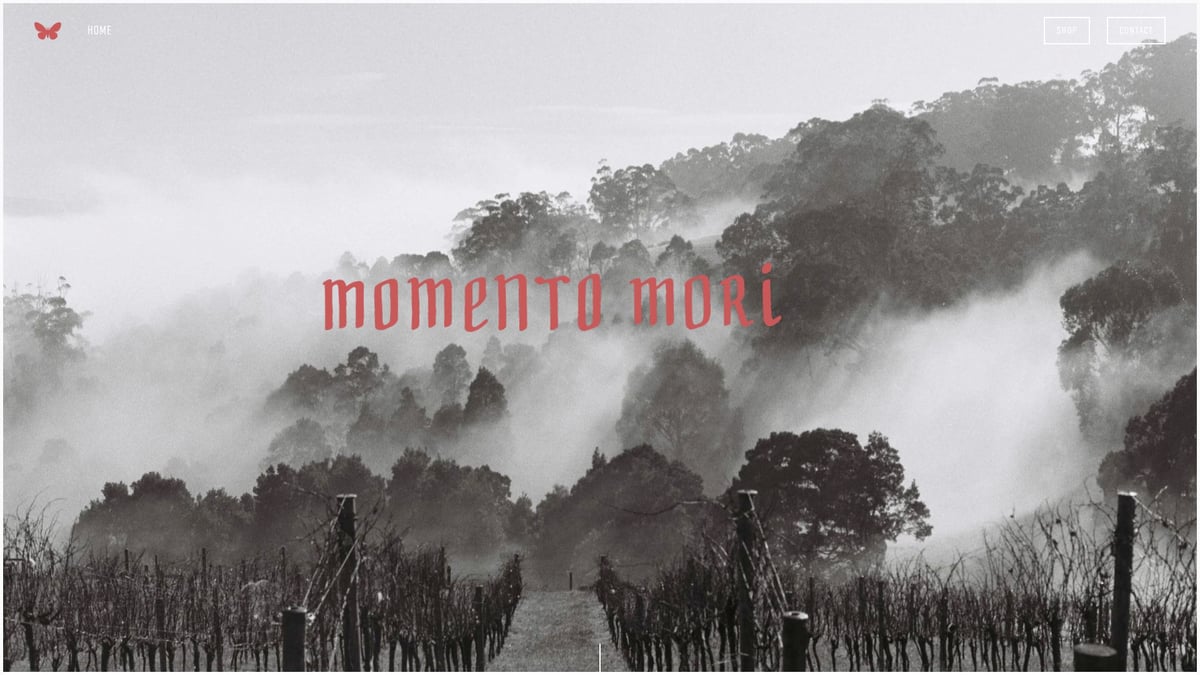
Adventurous drinkers and orange wine fans will love the complexity and freshness packed into every bottle. The innovative approach and limited production make it a collector’s gem, though the price point is higher than some alternatives.
Pros:
- Highly aromatic and unique
- Small-batch craftsmanship
- Praised for complexity in wine publications
Cons:
- Limited availability
- Premium pricing
If you are searching for the best natural wines that push boundaries, “Fistful of Flowers” will not disappoint.
Serragghia Zibibbo Bianco, Pantelleria, Italy
Serragghia Zibibbo Bianco is a benchmark for orange wines and consistently features in lists of the best natural wines. Grown on volcanic soils in Pantelleria, this organic, skin-contact wine uses the indigenous Zibibbo grape to deliver intense tropical fruit and wild acidity.

Collectors and natural wine aficionados prize this bottle for its expressive “funky” profile and age-worthy structure. While its scarcity and premium price can be barriers, its cult status and unique flavour make it worth the hunt.
Pros:
- Intense, expressive flavours
- Cult following and age-worthiness
- Volcanic terroir impact
Cons:
- Scarce and expensive
- Not always easy to source
If you are passionate about the best natural wines, Serragghia Zibibbo Bianco should be on your must-try list for 2026.
[Le Coste Rosato, Lazio, Italy](https://www.agricolale coste.it)
Le Coste Rosato is the “pink panther” of natural rosés and earns its place among the best natural wines for its zingy freshness and rare style. Produced biodynamically with minimal intervention, this wine bursts with grapefruit and blood orange notes, offering a refreshing twist on Italian rosato.
Perfect for rosé and orange wine lovers, Le Coste Rosato’s distinctive style is highly sought after but not easy to find. Its very limited distribution means bottles disappear quickly, so be on the lookout if you spot one.
Pros:
- Distinctive, zingy flavour
- Biodynamic and natural approach
- Highly collectible
Cons:
- Very limited availability
- Often sells out fast
If you are exploring the best natural wines with a love for pinks, Le Coste Rosato is a true gem.
Christian Tschida “Himmel auf Erden”, Austria
Christian Tschida’s “Himmel auf Erden” is a darling of critics and a staple among the best natural wines. This biodynamic, skin-contact white offers elegance, aromatic complexity, and a structure that rewards ageing.
Connoisseurs and collectors flock to this wine for its consistent quality and unique Austrian character. While some bottles can be hard to find, those who secure one are rewarded with a wine that evolves beautifully over time.
Pros:
- Elegant and age-worthy
- Highly regarded by critics
- Complex aromatic profile
Cons:
- Limited availability
- Price varies by vintage
Featured in top natural wine bars worldwide, “Himmel auf Erden” is essential for anyone building a collection of the best natural wines.
Lucy Margaux “Wildman Blanc”, Adelaide Hills, Australia
Lucy Margaux “Wildman Blanc” is a vibrant addition to the best natural wines list, crafted from organic Sauvignon Blanc with skin contact and wild fermentation. This wine dazzles with floral and tropical aromas, underpinned by juicy acidity and a lively palate.
Sauvignon Blanc fans seeking something new will appreciate the innovative style, though some vintages may challenge traditional expectations. It is a favourite at both Australian and global natural wine venues.
Pros:
- Unique aromatics and freshness
- Innovative Australian producer
- Food-friendly versatility
Cons:
- Unconventional for classic palates
- Vintage variation
If you want to experience the best natural wines from Australia, “Wildman Blanc” should be on your radar.
Tom Shobbrook “Giallo”, Barossa Valley, Australia
Tom Shobbrook’s “Giallo” is a collector’s delight and a staple among the best natural wines from Australia. Made with organic grapes and skin contact, “Giallo” delivers passionfruit, guava, and yuzu flavours in an expressive, aromatic style.

Orange wine enthusiasts and collectors appreciate the rare and distinctive nature of this wine. While production is limited and bottles can be hard to source, its unique character and critical acclaim make it a standout.
Pros:
- Distinctive and expressive profile
- Highly aromatic
- Recommended by top sommeliers
Cons:
- Limited production
- Sometimes hard to find
If you are searching for the best natural wines with bold flavours, “Giallo” is a must-try.
Milan Nestarec “OKR Orange”, Czech Republic
Milan Nestarec’s “OKR Orange” is a fresh, vibrant bottle that showcases Central European terroir among the best natural wines. Produced organically with indigenous grapes and skin contact, this wine offers a textural, lively drinking experience at an accessible price.
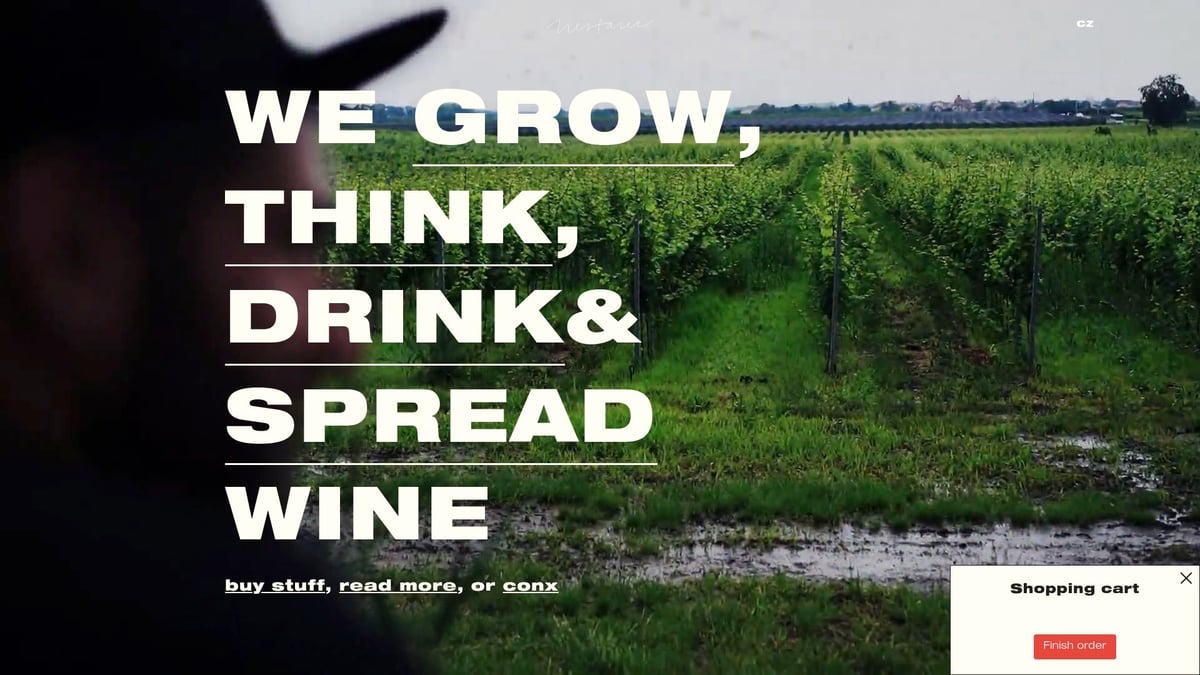
Fans of orange wine and adventurous drinkers will love the affordability and unique regional character. While less known in New Zealand, it is gaining attention from international importers and wine lovers.
Pros:
- Affordable and approachable
- Unique regional expression
- Increasing international recognition
Cons:
- Variable availability in NZ
- Less familiar to local drinkers
If you are keen to explore the best natural wines beyond mainstream regions, “OKR Orange” is a top choice.
Martha Stoumen “Post Flirtation Red”, California, USA
Martha Stoumen’s “Post Flirtation Red” is a fun, easy-drinking addition to the best natural wines for 2026. Crafted with organic grapes and a low-intervention approach, this field blend is juicy, light-bodied, and approachable for those new to natural wine.

Red wine lovers and natural wine beginners will appreciate its food-friendly style and versatility. While advanced palates might seek more complexity, its popularity at US wine bars and online retailers speaks for itself.
Pros:
- Fun and versatile
- Approachable for newcomers
- Organic and sustainable
Cons:
- May lack depth for experts
- Limited export availability
If you want to experience the best natural wines from the US, “Post Flirtation Red” is a great place to start.
How to Choose and Enjoy Natural Wines
Discovering the best natural wines can feel like embarking on a delicious adventure. Whether you are new or experienced, a few simple tips will help you confidently explore and enjoy this vibrant world.
Choosing the Best Natural Wines
Start by considering the producer’s reputation, as passionate winemakers dedicated to organic or biodynamic practices often create the most memorable bottles. Investigate the vineyard’s location and grape varieties, since terroir and indigenous grapes bring unique character to the best natural wines. Do not overlook the vintage, as seasonal changes can influence flavour and quality.
Ask yourself: Are you after something light and fresh, or bold and complex? Reading reviews or tasting notes can help you match your preferences to specific wines.
Decoding Natural Wine Labels
Natural wine labels are full of clues. Look for terms like “Pet-Nat” (short for Pétillant Naturel), which signals a naturally sparkling style made with wild yeasts and bottled before fermentation finishes. “Skin contact” points to orange or amber wines, where white grapes ferment with their skins, giving extra texture and aroma.
“Unfiltered” means the wine might appear hazy or cloudy, and “minimal sulphur” suggests a purer, more expressive taste. For rosé fans, explore innovative producers rewriting expectations, like those featured in Rewriting the Book on Rosé Wines.
Where to Buy and Enjoy
The best natural wines are now easier to find than ever. Specialist wine retailers, boutique bottle shops, and dedicated online stores all offer curated selections. Natural wine bars are popping up in cities around the world, providing the perfect setting to taste and compare bottles.
According to recent reports, global natural wine venues increased 60% in three years, making it even simpler to discover new favourites and connect with like-minded enthusiasts.
Storing, Serving, and Pairing Tips
Natural wines thrive with a bit of care. Store bottles in a cool, dark place, ideally at 12-15°C, and serve whites or rosés slightly chilled. Reds are best enjoyed at cellar temperature, not room temperature. Decanting can help open up complex aromas, especially with skin-contact or unfiltered styles.
For glassware, use tulip-shaped glasses to focus the aromas. Pair vibrant natural whites with seafood or fresh salads, and try Fancrest Estate Pinot Noir with New Zealand lamb or earthy mushroom dishes for a stunning match.
Embracing the Experience
Part of the fun with the best natural wines is their unpredictability. Each bottle can offer a new surprise, rewarding those who are open to discovery. With more online retailers and wine clubs than ever, your next memorable glass is only a few clicks away.
Dive in, taste widely, and enjoy the journey.
The Future of Natural Wine: What to Expect Beyond 2026
The journey into the best natural wines is far from over. As we look past 2026, winemakers are set to push boundaries with fresh approaches to grape selection and fermentation. Expect to see even more unexpected blends, new techniques, and a wave of experimentation that keeps the category lively and unpredictable.
A major trend is the rise in consumer education. More people want to understand where their wine comes from, what makes it unique, and how it reflects its place of origin. This thirst for knowledge is driving producers to highlight terroir and transparency in every bottle of the best natural wines. Wine lovers are becoming more adventurous, seeking out bottles with a story and a sense of place.
Sustainability will remain a core value. Regenerative agriculture, reduced chemical use, and biodiversity are no longer just buzzwords. They are becoming the foundation for the best natural wines. Producers like Fancrest Estate are already leading by example, showing how small, sustainable wineries can thrive with direct-to-consumer models and online exclusives that connect drinkers directly to the vineyard.
As the popularity of natural wine grows, so does the market for organic and low-intervention bottles. According to recent projections, the organic wine market is set to double, surpassing $10 billion globally by 2035. This explosive growth reflects changing consumer values and a collective move toward more ethical, environmentally friendly choices.
The appeal of natural wine is rooted in both its ancient methods and its ability to attract new enthusiasts searching for authenticity and sustainability, as highlighted in this exploration of natural wine's ancient methods. The diversity within the best natural wines category ensures it will remain vibrant and ever-evolving.
Trying the best natural wines in 2026 is just the beginning. The future promises even more discoveries, both in your glass and across the global wine landscape.