
Have you ever wondered what sets a truly unforgettable wine apart from the rest? The answer often lies in the world of estate grown wine, a style that’s capturing the hearts of wine lovers across New Zealand in 2026.
This guide will help you explore what makes estate grown wine so special. You’ll learn how these wines are crafted, why they taste so authentic, and which regions and varieties to try first.
Ready to discover the secrets behind pure, expressive flavours? Let’s dive in and find out how you can make your next glass a genuine estate experience.
What is Estate Grown Wine?
Ever wondered what makes estate grown wine so special? It’s not just a label, but a promise of true flavour and place. Let's explore what sets these wines apart and why more people are seeking them out for a genuine taste experience.
Definition and Key Characteristics
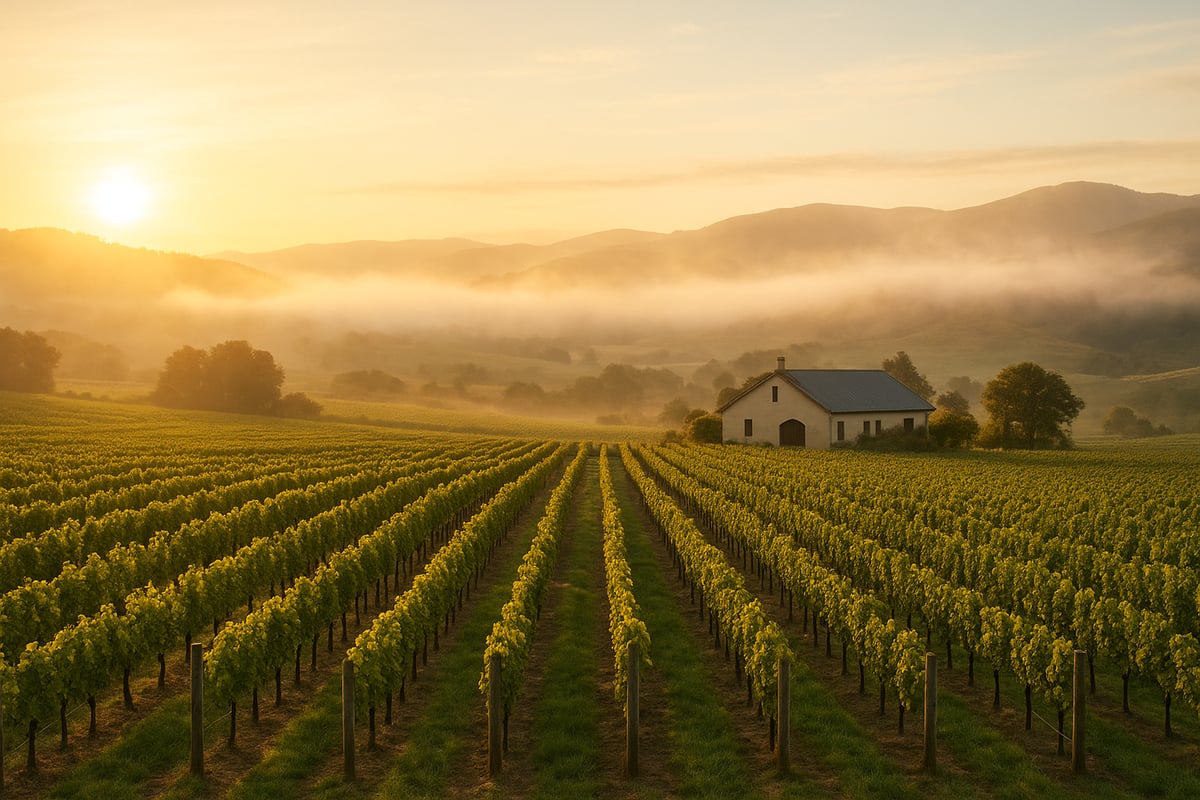
Estate grown wine means every grape in your glass was grown, picked, and transformed into wine on the same property. The process is hands-on, and nothing is left to chance. This is different from wines labelled as “single vineyard” or “producer bottled,” where grapes might be sourced from various places.
In New Zealand and Australia, there are strict rules about using the estate grown wine label. All grapes must come from vineyards owned or controlled by the winery. This ensures full traceability and trust.
If you want to dig deeper into what makes estate vineyards unique, check out Estate vineyard practices explained. Knowing these details helps you spot truly authentic bottles. Estate grown wine is all about transparency, quality, and a clear connection to the land.
Estate Grown vs. Other Wine Labels
How does estate grown wine stack up against other labels? Here’s a quick comparison:
| Label Type | Grape Source | Winemaking Site | Traceability |
|---|---|---|---|
| Estate Grown | Single property | On the estate | Highest |
| Single Vineyard | One vineyard | Can be off-site | High |
| Producer Bottled | Various | Producer’s choice | Moderate |
| Mass Produced | Multiple regions | Multiple sites | Low |
Estate grown wine stands out for its transparency. The grapes never leave the estate until they are in the bottle. Compare this to mass-produced wines, where fruit might come from all over. For example, Awatere Valley Sauvignon Blanc and Central Otago Pinot Noir are well-known for their estate focus, making every bottle unique.
Why Estate Grown Matters for Authentic Flavour
Why does estate grown wine taste so different? It’s all about control. When a winemaker oversees every step, from vine to bottle, quality shines through. The soil, climate, and vineyard care—what’s called terroir—shape the wine’s flavour.
This hands-on approach brings out pure, expressive notes. Did you know that estate grown wines in New Zealand often win top awards? Many Central Otago Pinot Noir bottles score 93 to 96 out of 100. Marlborough Sauvignon Blancs are prized for their fresh, aromatic style.
Choosing estate grown wine means you’re tasting the true character of a place. If you want a more authentic experience, try wines direct from the estate. You’ll notice the difference in every sip.
The Journey from Vineyard to Bottle: How Estate Grown Wines Are Made
Ever wondered what makes estate grown wine truly special? It all starts with the journey from the vineyard to the bottle. Every little step matters, and you can taste the care in every glass.
Vineyard Practices and Harvest
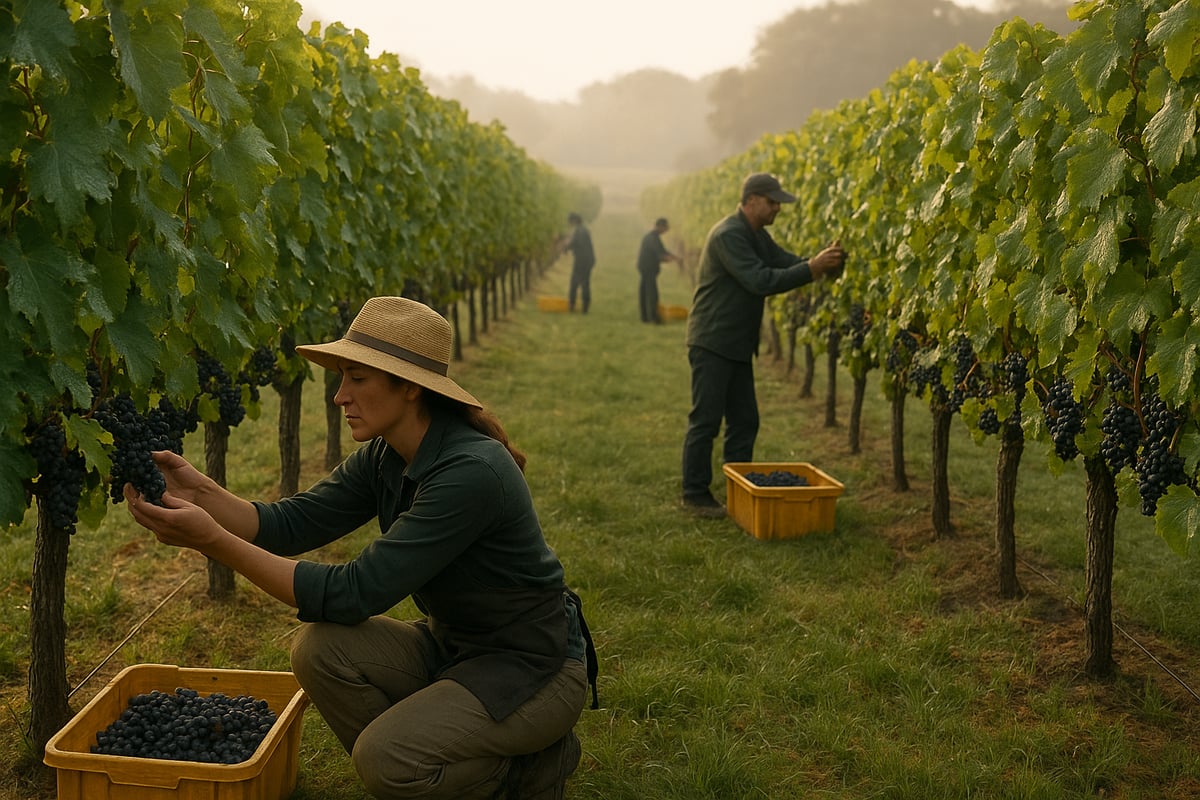
The story of estate grown wine begins in the vineyard. Here, organic and sustainable methods take centre stage. Growers avoid harsh chemicals, caring for the soil and letting the vines thrive naturally.
Hand-picking is the norm. Each grape is carefully selected at just the right moment. Timing is everything, with weather and ripeness watched closely. The 2023 vintage, for example, saw longer hang time, which meant optimally ripe fruit bursting with flavour.
If you want to dive deeper, check out The art of harvesting Pinot Noir to see how estate-level harvesting puts quality first. These extra steps make all the difference to the estate grown wine you enjoy at home.
Winemaking on the Estate
Once the grapes are picked, the magic moves indoors. All winemaking happens on the estate. Grapes are sorted, gently crushed, and fermented right where they were grown.
Many estate grown wine producers use indigenous yeasts for fermentation. This brings out natural character and depth. After fermentation, some wines are left on lees in tank for several months, adding texture and complexity.
Every decision, from grape to glass, is made with the estate’s unique style in mind. You can taste the place in every sip.
Quality Control and Authentic Expression
Estate grown wine shines because of strict quality control. The entire process is overseen on-site, reducing risks and keeping the wine pure. There is less chance for contamination, and more focus on expressing the vineyard’s true character.
Awards and high scores back this up. Central Otago estate grown wine, for example, often earns 93–96 out of 100 from critics. Marlborough Sauvignon Blanc made on the estate is praised for its vivid aromatics and clarity.
Here’s what makes estate grown wine stand out:
| Step | Estate Grown Wine Approach |
|---|---|
| Vineyard | Hand-picked, organic focus |
| Winemaking | Fermented and aged on estate |
| Quality Control | Overseen by estate team |
| Authenticity | True to vineyard, pure expression |
When you choose estate grown wine, you get a bottle that captures the vineyard’s soul. If you want to experience this for yourself, try buying direct from passionate producers like Fancrest Estate. You’ll taste authenticity in every glass.
Exploring Estate Grown Wines by Region and Variety
Estate grown wine is all about place. If you love discovering the real taste of a vineyard, New Zealand’s diverse regions offer some of the world’s most exciting estate grown wine experiences. Where should you start? Let’s explore top regions, grape varieties, and award-winning bottles that bring authentic flavours straight to your glass.
New Zealand’s Leading Regions
New Zealand is famous for estate grown wine, and each region puts its own stamp on classic varieties. Marlborough leads with Sauvignon Blanc and crisp aromatic whites. The soils here are stony and the climate cool, giving wines a punchy freshness that’s hard to forget.
Central Otago is Pinot Noir territory. Here, you’ll find estate grown wine that’s bold, deep, and full of character. The region’s cool nights and sunny days help the grapes ripen slowly, building layers of flavour.
Hawke’s Bay is known for sparkling wines and Rosé. These estate grown wines are lively and elegant, perfect for celebrations. North Canterbury is a rising star, especially for small-batch Pinot Noir that’s earthy and complex.
Each region’s soil, climate, and winemaking style shape the final flavour profile. Want to dive deeper into how the land influences your glass? Check out this Taste of terroir in wine guide for more on authentic regional expression.
Top Estate Grown Grape Varieties
When you pick up an estate grown wine, you’re tasting the best a grape can offer. Sauvignon Blanc is the star in Marlborough, known for its zesty aromatics and vibrant fruit. If you like crisp, refreshing wines, start here.
Pinot Noir shines in Central Otago and North Canterbury. Expect depth, elegance, and a true sense of place in every sip. Maude Mohawk Hill Pinot Noir is a classic example—rich, smooth, and unmistakably local.
Chardonnay from estate vineyards offers structure and a mineral edge. It’s a great match for seafood or creamy dishes. Rosé rounds out the list, with lively, fruit-forward styles that pair with almost anything.
Choosing estate grown wine means you get purity and personality, not just a label. Each grape variety tells its own story, shaped by the vineyard it calls home.
Award-Winning Estate Grown Wines
Estate grown wine from New Zealand is winning gold, and for good reason. Central Otago Pinot Noir often scores 93–96 out of 100 with critics. Marlborough’s MiruMiru Brut took home a 95/100, making it a go to for sparkling fans.
These awards are not just numbers. They show the world that small-lot, estate grown wine is worth seeking out. As more wine lovers look for authentic, boutique bottles in 2026, demand keeps growing.
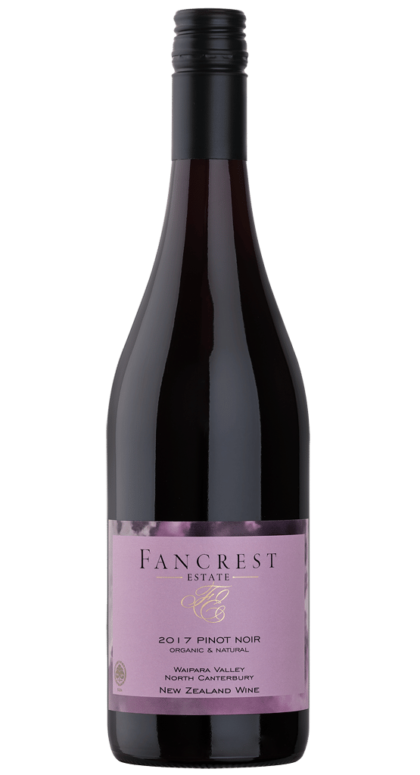
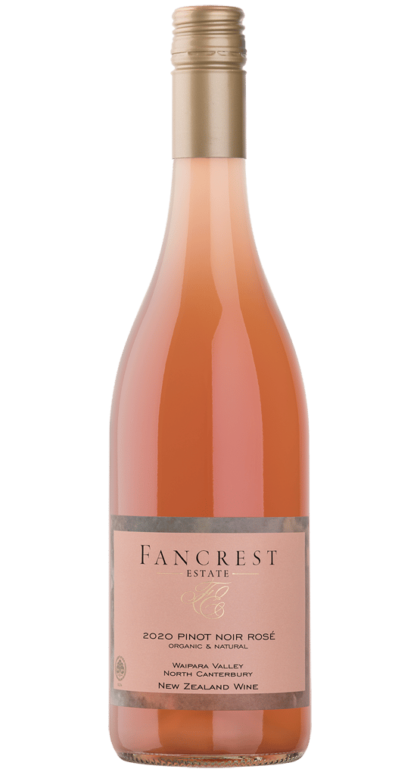
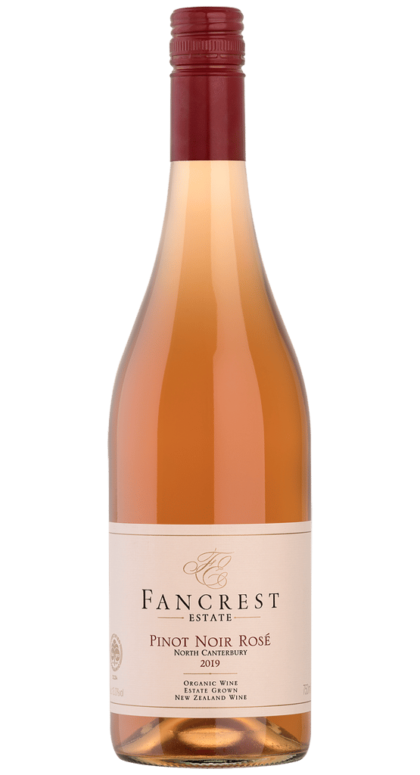
Many of the best estate grown wines are made in small batches and sold only online. Fancrest Estate Pinot Noir is a perfect example—crafted with care, and available direct from the vineyard. If you want to taste something special, estate grown wine is the way to go.
The Unique Appeal of Organic and Natural Estate Grown Wines
Curious about what makes organic and natural estate grown wine truly special? You’re not alone. More Kiwis are seeking out wines that capture the land’s purest expression, and organic estate grown wine is leading the charge.
Why Organic and Natural Practices Matter
You might wonder, does organic really make a difference in estate grown wine? The answer is yes. Organic vineyards skip synthetic sprays, focusing on soil health and natural balance instead. This hands-on approach means grapes are nurtured, not forced.
Growers use compost, cover crops, and sheep or chickens for natural pest control. They rely on the land’s own strength, not chemicals. Many estates are also embracing regenerative agriculture, working to improve the earth for future generations.
Natural winemaking carries this purity into the cellar. Indigenous yeasts from the vineyard start the fermentation, bringing out unique flavours. Minimal intervention keeps the essence of the vineyard in every bottle of estate grown wine.
Fancrest Estate: Artisanal Organic Pinot Noir from Waipara
Fancrest Estate is a shining example of what organic estate grown wine can be. Their vineyard sits on the hills of Waipara, where each vine is tended by hand. The estate is certified organic and follows regenerative methods, putting nature first.
Grapes are hand-picked at peak ripeness. Fermentation happens with wild yeasts from the vineyard, not commercial strains. The focus is on Pinot Noir, crafted in small batches to highlight every detail of the land.
You won’t find Fancrest Estate wines in supermarkets. They’re sold only online, direct from the estate. If you want a true taste of Waipara, this is the purest way to get it. Experience estate grown wine that’s as authentic as it gets.
The Taste of Authenticity: What to Expect
So, what does organic estate grown wine taste like? You’ll notice depth and vibrancy right away. Flavours are layered, with bright fruit, earthy minerality, and a lively freshness. Each sip tells the story of its place.
Fancrest Estate Pinot Noir shows wild berry, spice, and a savoury edge. Other organic estate grown wine from New Zealand, like Central Otago Pinot Noir or Marlborough Sauvignon Blanc, share this clarity and intensity.
When you choose organic estate grown wine, you’re tasting the vineyard’s soul. The flavours are honest, pure, and unforgettable. Try a bottle and see for yourself. There’s nothing quite like the real thing.
How to Identify and Choose the Best Estate Grown Wines
Choosing the right estate grown wine can feel like a journey in itself. You want to be sure you are getting the genuine article, not just a clever marketing label. Let us make it easy and enjoyable for you.
Reading the Label: What to Look For
Start by picking up the bottle and giving the label a close look. The words “estate grown” or “estate bottled” are your best friends here. These terms mean all the grapes were grown and the wine was made at one place, giving you a real taste of that land.
Be careful of labels that use words like “produced by” or “cellared by.” These can mean the wine was made from bought-in grapes, not estate grown wine. In New Zealand, there are clear rules around what wineries can put on their labels. You can read more about these rules in the New Zealand wine labelling requirements.
Here is a quick checklist for spotting the real thing:
- Look for “estate grown” or “estate bottled”
- Check for “single vineyard” if you want even more focus
- Avoid vague terms like “selected vineyards”
- If in doubt, ask the retailer where the grapes come from
Understanding the label is your first step to finding an authentic estate grown wine.
Questions to Ask and Research to Do
Once you have found a wine that looks promising, it pays to dig a little deeper. Ask the staff or winemaker where the grapes are grown. Is the wine made entirely on the same property? This is what sets estate grown wine apart from the rest.
Do a quick search on the winery. Have they won any awards for their estate grown wine? Are they known for sustainable or organic practices? Awards and critical scores can be a good sign, but word of mouth and producer reputation matter too.
When in doubt, check the producer’s website for details about their vineyard and winemaking. Fancrest Estate, for example, shares plenty about their organic methods and focus on terroir. If you are after purity and traceability, these details make all the difference.
Tasting and Buying Tips for 2026
Now comes the fun part: tasting and buying. Try an estate grown wine in a relaxed setting, maybe with friends or at a local tasting. Take notes on what you like best. Keep an eye out for freshness, vibrancy, and that unique sense of place.
Buying direct from the producer is a great way to be sure you are getting genuine estate grown wine. Online shops, like Fancrest Estate’s, often offer exclusive small-batch wines you will not find anywhere else. These bottles come straight from the source, so they are as authentic as it gets.
Start with award-winning varieties like Central Otago Pinot Noir or Marlborough Sauvignon Blanc. Try wines from different regions to find your personal favourites. And remember, keeping your own tasting notes helps you discover what makes each estate grown wine special to you.
Enjoying Estate Grown Wines: Food Pairings and Serving Tips
Estate grown wine shines brightest when shared around the table. What better way to enjoy a bottle than with food that brings out its unique flavours? Let’s explore the best matches and ways to make your next glass unforgettable.
Perfect Food Matches for Estate Wines
Pairing food with estate grown wine is all about harmony. For a classic Kiwi experience, try Pinot Noir with lamb or venison. The wine’s depth and savoury notes complement the richness of the meat.
If you’re pouring Sauvignon Blanc, reach for fresh seafood. Think green-lipped mussels, oysters, or line-caught snapper. The vibrant acidity of estate grown wine lifts the flavours of the sea.
Rosé is a star with salads, goat cheese, and grilled vegetables. Sparkling estate wines go beautifully with canapés or soft cheeses. Using local, seasonal ingredients will always highlight the wine’s authentic character.
Serving and Storing for Best Flavour
Getting the most from your estate grown wine is simple with a few easy tips. Serve whites and sparkling wines chilled, around 8–10°C. Reds like Pinot Noir show best just below room temperature, about 14–16°C.
Use glasses with a bowl shape for reds, and a tulip shape for whites and sparkling. This helps the aromas open up and keeps bubbles lively. Always store estate grown wine in a cool, dark place, away from sunlight and vibrations.
Once opened, finish your wine within a couple of days for the freshest taste. If you have a special bottle, it’s worth investing in a wine fridge to keep it perfect.
Making the Most of Your Estate Wine Experience
Estate grown wine is meant to be enjoyed with others. Plan a tasting night with friends or a themed dinner that features Fancrest Estate Pinot Noir. Compare notes and see how each bottle tells a story of its place.
Why not cellar a few bottles for future celebrations? Estate grown wine often develops more complexity with age. For the best experience, buy direct from the producer or online, ensuring every bottle is authentic.
If you value both flavour and sustainability, you’ll love knowing that the New Zealand Winegrowers Sustainability Report 2025 shows how estate grown wine producers are leading the way in caring for the land. Every glass is a taste of dedication and craft.
So, after diving into what makes estate grown wines so special and seeing how organic practices really bring out those authentic flavours, maybe you’re feeling inspired to try something new for yourself. Why not explore a few bottles from a family-owned vineyard where every drop tells a story of place and passion You don’t need to hunt for a tasting room—these small batch, hand crafted wines are just a click away. If you’re curious to taste the real character of Waipara Pinot Noir or want to find your next dinner party favourite, you can Explore our wine selection here..