Dreaming of running your own thriving estate vineyard in 2025? You are not alone. The allure of crafting world-class wines and building a legacy on your land has never been stronger.
This guide is your blueprint to turning that vision into reality. We cover every step, from choosing the perfect site and setting up your vineyard to adopting organic practices and building a sustainable business.
You will discover insider tips, proven strategies, and expert insights to help your estate vineyard stand out in the evolving wine industry. Ready to future-proof your vineyard dreams? Follow along and start your journey to success.
Understanding the Estate Vineyard Landscape in 2025
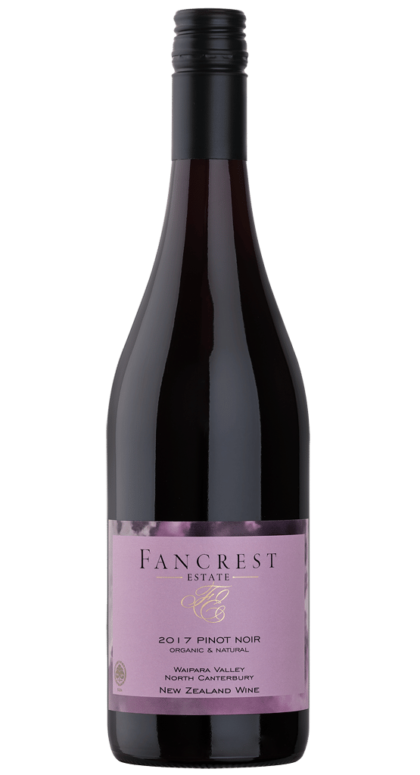
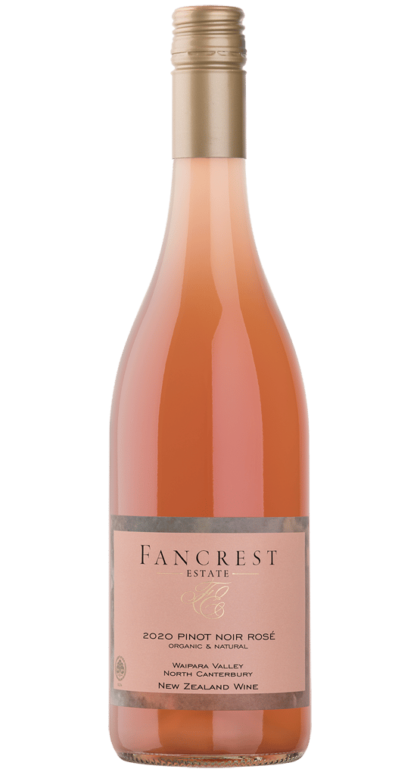
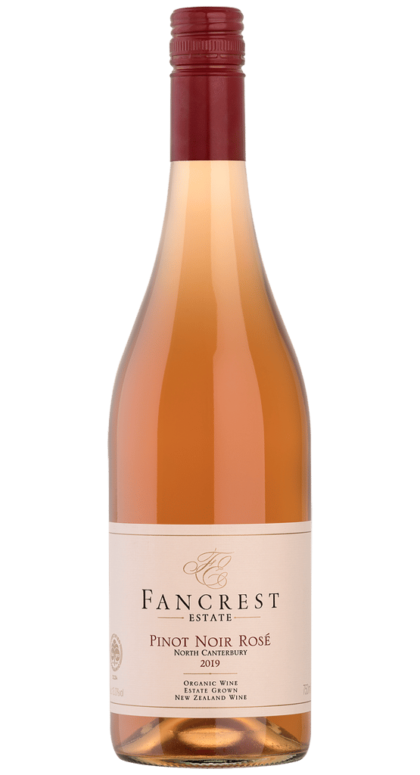
Owning or running an estate vineyard in 2025 means more than just growing grapes, it is about embracing a unique identity and a set of standards. By definition, an estate vineyard is a property where grapes are both grown and wine is produced onsite under the same ownership. This approach gives each estate vineyard a distinct sense of place and provenance, which is highly valued in today’s wine world.
What sets an estate vineyard apart is its direct control over every stage of production. From nurturing the vines to bottling the wine, owners can ensure quality and consistency. Consumers are increasingly drawn to this model, appreciating transparency and the story behind each bottle.
Current Trends Shaping the Estate Vineyard Scene
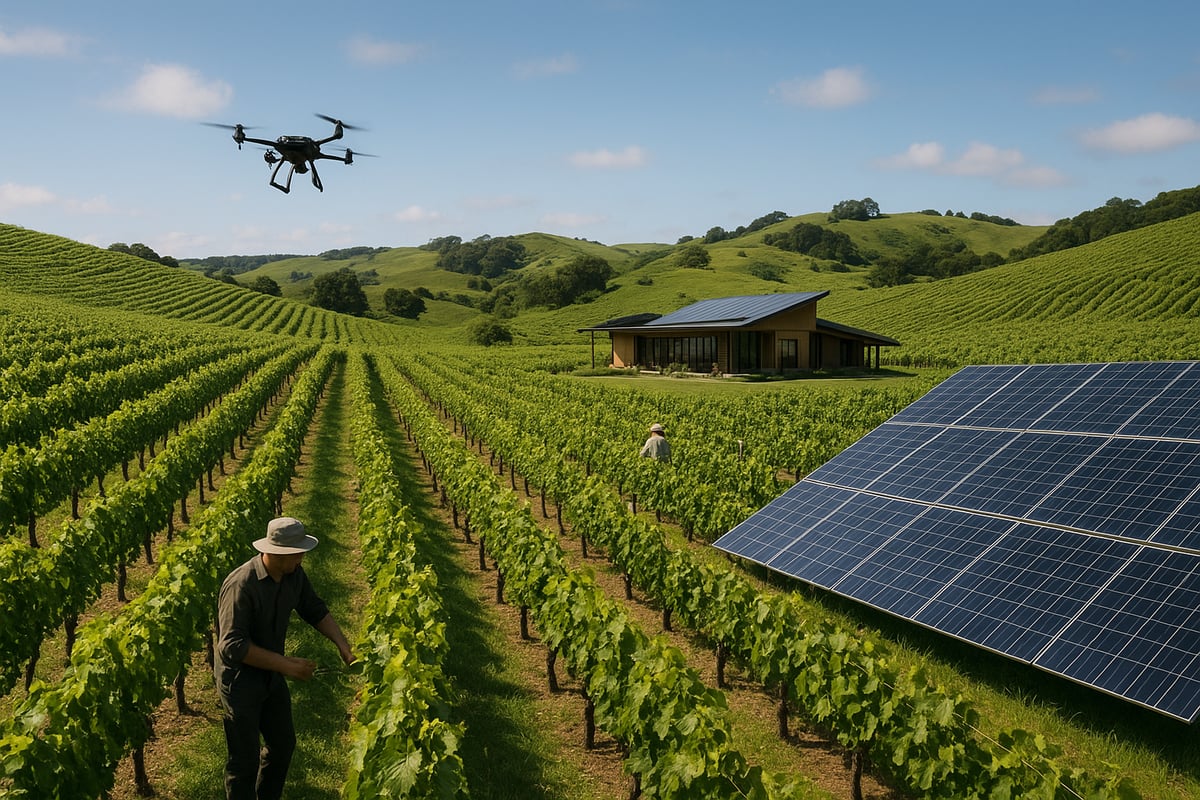
The estate vineyard landscape in 2025 is shaped by three main trends: organic practices, sustainability, and technological innovation. Demand for organic and sustainably produced wines continues to rise, with more vineyards adopting regenerative agriculture, composting, and natural pest control. Technology is now at the heart of vineyard management, with drones, soil sensors, and precision agriculture tools helping owners optimise yields and improve quality.
For those keen to dive deeper, Winegrowing insights and trends provide a comprehensive look at how these practices are transforming the industry. Embracing such changes is essential for any estate vineyard hoping to stay ahead.
Market Outlook: Growing Demand and New Opportunities
Looking ahead, the global market for estate vineyard wines is bright. In 2025, consumers are seeking authenticity, traceability, and premium quality. New Zealand estate vineyards are especially well positioned, with exports hitting record highs. For example, New Zealand’s wine exports have shown double-digit growth in premium segments, reflecting strong demand in key markets like the US, UK, and Asia.
This trend is expected to continue as more buyers prioritise wines with a clear origin story. Estate vineyard owners who invest in sustainable practices and direct-to-consumer sales can tap into these expanding markets.
Regulatory Landscape and Key Challenges
Operating an estate vineyard in 2025 means navigating a complex regulatory environment. In New Zealand, strict rules cover everything from land use and water rights to organic certification and export requirements. Internationally, compliance with organic and sustainability standards is becoming the norm, not the exception.
Challenges remain. Climate change is altering traditional grape-growing regions, bringing unpredictable weather, drought, and frost risk. Labour shortages are also a concern, pushing owners to adopt more automation and flexible staffing models. Market competition is fierce, with new players entering both domestic and export channels.
Opportunities, Innovation, and Industry Leaders
Despite these challenges, there are exciting opportunities for forward-thinking estate vineyard owners. Niche varietals, such as Grüner Veltliner or Albariño, are gaining traction with adventurous consumers. Wine tourism is booming, as visitors seek immersive experiences at cellar doors and vineyard events. Direct-to-consumer sales, including online wine clubs and virtual tastings, are reshaping how wine reaches buyers.
Notably, leading estate vineyards in regions like Marlborough and Central Otago are at the forefront of innovation, trialling new grape varieties and sustainable techniques. According to industry reports, organic vineyard acreage in New Zealand has grown by over 20% in the past five years, while export volumes have reached new heights.
In summary, the estate vineyard landscape in 2025 is dynamic and full of promise. Owners who adapt to trends, leverage technology, and focus on sustainability will thrive in this evolving industry.
Step 1: Selecting and Preparing Your Vineyard Site
The foundation of a thriving estate vineyard is laid long before the first vine is planted. Careful site selection and preparation can transform a patch of land into a legacy. Whether you are dreaming of a boutique operation or a large-scale estate vineyard, this step is where your vision starts to take root.
Assessing Land and Climate Suitability
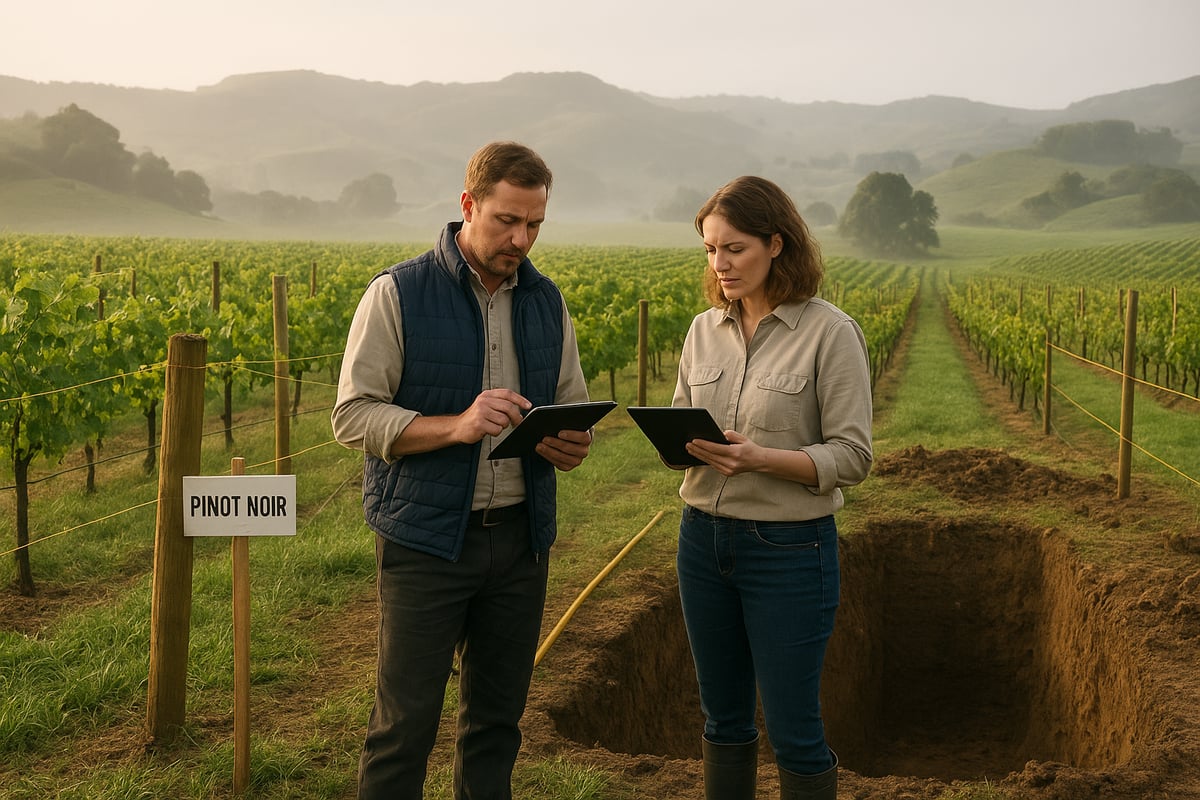
Choosing the right land for your estate vineyard is critical. Begin by analysing soil composition. Loamy soils with good drainage are preferred for most premium varietals, while clay-rich soils can produce structured, age-worthy wines. In New Zealand, regions like Waipara and Marlborough offer diverse terroirs, each with unique microclimates.
Temperature patterns, rainfall, and frost risk shape grape quality and yield. For instance, Marlborough’s sunny days and cool nights create ideal conditions for Sauvignon Blanc, while Waipara’s sheltered valleys foster Pinot Noir. Mapping your site’s terroir is essential—learn more about the role of terroir in vineyard success with Understanding vineyard terroir.
Access to reliable water sources also matters. Drought-prone sites may require irrigation systems. Comparing yields, vineyards on well-drained silty soils in Marlborough average up to 10 tonnes per hectare, while heavier soils often yield less but with greater intensity. Each estate vineyard should tailor varietal selection to its land and climate for the best results.
Legal, Environmental, and Certification Considerations
Before breaking ground, make sure your estate vineyard plans align with zoning regulations and land use permissions. Secure resource consents for water use and land development to avoid costly delays. Environmental impact assessments are often required, especially in sensitive areas.
Biodiversity preservation is not just good ethics, it is good business. Establishing native plant buffers and protecting waterways can enhance both vineyard health and public perception. If you plan to market your estate vineyard as organic, start the certification process early. Achieving BioGro NZ certification involves documenting organic practices, undergoing annual audits, and meeting strict input standards.
Early compliance with legal and environmental requirements sets your estate vineyard up for sustainable, risk-resilient growth. It also streamlines future audits and supports your premium positioning in the market.
Infrastructure Planning and Site Preparation
Thoughtful infrastructure planning is the backbone of every successful estate vineyard. Begin by designing your vineyard layout. Row orientation should maximise sunlight while allowing air flow to reduce disease risk. Standard spacing between vines is 2–3 metres, but this can be adjusted based on varietal and trellising system.
Key infrastructure includes:
- Drainage systems to prevent waterlogging
- Fencing for pest control and security
- Windbreaks to protect young vines
- Access roads for machinery and harvest
Water storage tanks and pump sheds are essentials for irrigation management. Buildings for equipment storage, staff facilities, and potentially a future winery should be included in your master plan.
Here is a basic cost breakdown for initial site development:
| Item | Estimated Cost (NZD/ha) |
|---|---|
| Land Preparation | $2,000–$4,000 |
| Irrigation Setup | $3,500–$6,000 |
| Trellising & Posts | $7,000–$10,000 |
| Fencing & Windbreak | $2,000–$3,000 |
| Access Roads | $1,000–$2,500 |
Investing in robust infrastructure boosts the operational efficiency and long-term value of your estate vineyard. Remember, every decision at this stage shapes the legacy and profitability of your vineyard for years to come.
Step 2: Establishing Vineyard Operations
Launching operations for your estate vineyard is where vision meets soil. This stage sets the foundation for healthy vines, robust grape yields, and a thriving business. Let’s break down the essential steps, from varietal selection to sustainable management, so your estate vineyard can grow with purpose and resilience.
Selecting Grape Varietals and Rootstocks
Choosing the right grape varietals is a cornerstone decision for any estate vineyard. Your site’s climate, soil type, and market demand all shape this choice. For example, Pinot Noir thrives in cool regions like Central Otago, while Sauvignon Blanc excels in Marlborough’s unique terroir.
It’s vital to match each varietal to your land’s characteristics. Disease resistant rootstocks can also safeguard your estate vineyard against pests and environmental stresses. Clonal selection, the process of choosing specific vine clones for their traits, further refines quality and consistency.
Here’s a quick comparison of popular varietals and their ideal conditions:
| Varietal | Best Region | Soil Preference | Market Share in NZ |
|---|---|---|---|
| Pinot Noir | Central Otago | Free draining, loam | 16% |
| Sauvignon Blanc | Marlborough | Alluvial, stony | 65% |
| Chardonnay | Hawke’s Bay | Clay, limestone | 8% |
Curious about hands-on techniques and varietal management? See Pinot Noir vineyard management for a deep dive into success stories and practical advice.
Vineyard Planting and Early Management
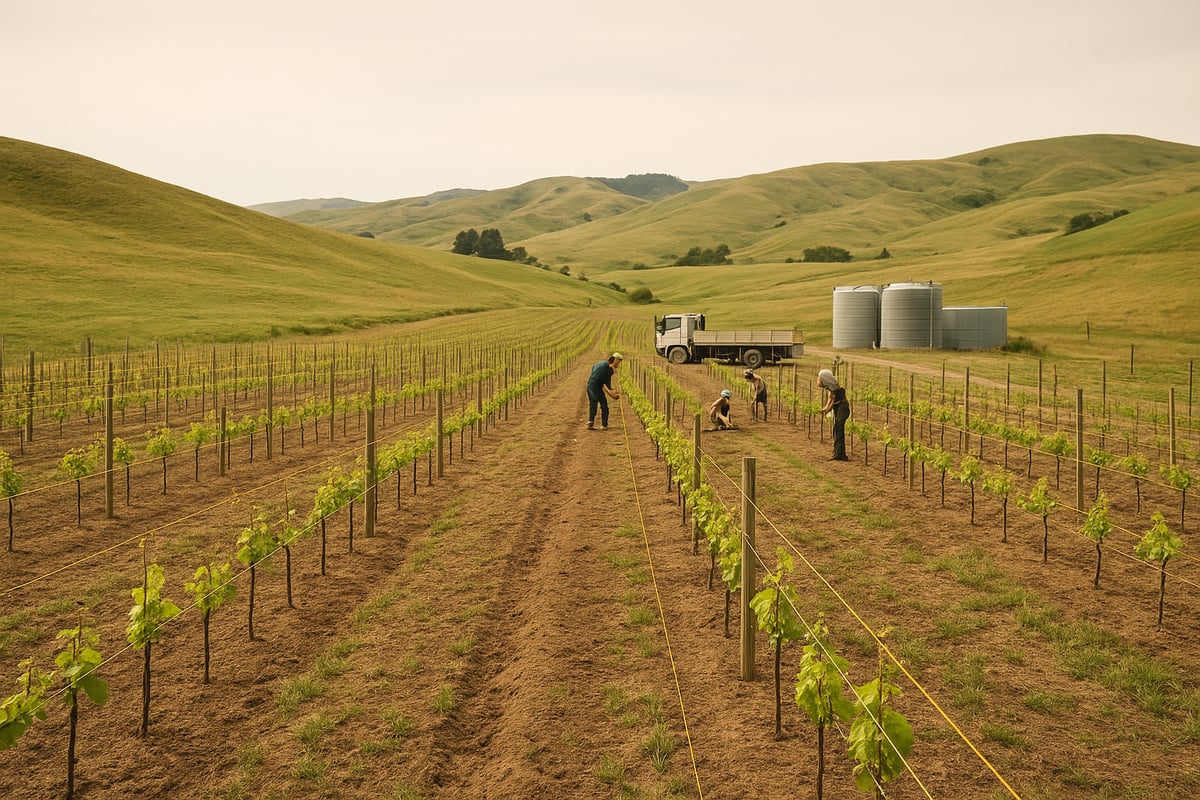
Once you’ve selected your varietals, it’s time to plant. Timing is crucial for an estate vineyard. Most planting takes place in late winter or early spring, taking advantage of soil moisture and mild temperatures.
Planting density influences both grape quality and yield. For premium wines, lower density—around 3,000 vines per hectare—often delivers the best results. Early vine care includes regular irrigation, balanced nutrition, and vigilant pest control. For example, using drip irrigation ensures young vines receive consistent moisture without waterlogging roots.
Success rates for different planting methods can vary. Machine planting is fast but may require more follow up, while hand planting, though labour intensive, often leads to better initial vine establishment. Monitoring for disease and providing wind protection in the first two years is essential for a healthy estate vineyard.
Sustainable and Organic Vineyard Practices
Sustainability is no longer optional for estate vineyard owners. Integrated pest management, organic fertilisers, and cover cropping are powerful tools. These methods not only protect your vines but also enhance soil health and biodiversity.
Composting grape marc and using natural mulches can reduce reliance on synthetic inputs. Planting cover crops between vine rows helps fix nitrogen and attract beneficial insects. Biodiversity corridors support native species and reduce pest outbreaks.
The benefits are clear: organic estate vineyard wines often command premium prices and attract eco conscious consumers. In New Zealand, organic vineyard acreage continues to rise, reflecting strong demand. If you want to learn more about regenerative and organic strategies, check out Sustainable vineyard practices for in depth insights.
By embedding sustainability from the start, your estate vineyard will be well positioned for success in a competitive and evolving industry.
Step 3: Vineyard Business Planning and Financial Management
Charting a clear path to estate vineyard success demands more than passion. It requires a robust business plan, sound financial strategies, and the ability to manage risks and compliance. Let’s break down the essentials for future-focused vineyard owners in 2025.

Creating a Comprehensive Business Plan
Every thriving estate vineyard starts with a strong business plan. Begin by defining your vision and mission—what do you want your vineyard to achieve, and what makes it unique? Set clear goals for production volumes, sales targets, and long-term growth.
A robust plan includes a SWOT analysis to help you identify strengths, weaknesses, opportunities, and threats. For example:
- Strengths: Unique terroir, sustainable practices, estate-grown exclusivity.
- Weaknesses: Limited brand awareness, high initial costs.
- Opportunities: Wine tourism, direct sales, growing export demand.
- Threats: Climate variability, labour shortages, global competition.
The estate vineyard business plan acts as a roadmap, guiding daily decisions and long-term investments. Regularly review and update it to reflect market changes and evolving goals.
Budgeting, Funding, and Financial Projections
Understanding your numbers is vital for any estate vineyard. Start-up costs typically include land acquisition, vines, trellising, irrigation, equipment, and labour. Here’s a simple breakdown for a 5-hectare vineyard:
| Item | Estimated Cost (NZD) |
|---|---|
| Land | $500,000 |
| Vines | $75,000 |
| Infrastructure | $150,000 |
| Equipment | $100,000 |
| Labour | $125,000 |
Explore funding options like agricultural loans, government grants, or strategic partnerships. Financial modelling tools help you project yields, revenue, and break-even points. Consider the strong export growth of New Zealand wine, which has increased for 16 consecutive years in the US market, as reported in New Zealand Wine's 16th Year of U.S. Growth. This trend can boost your estate vineyard’s ROI and shape your financial plans.
Solid projections give you confidence when pitching to investors or lenders. Revisit your budget annually and adjust for market or operational changes.
Risk Management and Insurance
Risk is part of every estate vineyard journey, but smart planning keeps surprises in check. Start by identifying the main risks you face. These might include:
- Weather events (frost, drought, storms)
- Disease outbreaks
- Market price fluctuations
- Labour shortages
Protect your vineyard with tailored insurance policies. Common options are crop insurance, public liability, and business interruption cover. Learning from recent vineyard losses, it’s clear that early risk management saves money and stress down the track.
Regularly review your risk plan and update insurance as your estate vineyard grows and evolves.
Compliance, Record-Keeping, and Reporting
Staying compliant is essential for any estate vineyard aiming for longevity and reputation. Keep accurate records for tax, labour, and export requirements. Digital vineyard management tools make tracking easier and support traceability.
Detailed record-keeping is also crucial for organic certification and audit processes. Strong documentation ensures your estate vineyard meets both local and international standards and can help you access premium markets.
Keeping up with regulations protects your investment and positions your estate vineyard for sustainable success.
Step 4: Wine Production, Branding, and Marketing Strategies
For any estate vineyard, producing wine onsite is more than just a process, it is a statement of authenticity and quality. Owners face a crucial decision: handle production onsite or work with contract winemakers. Onsite winemaking gives complete control over quality and style, but it requires significant investment in facilities and expertise. Contract winemaking, on the other hand, offers flexibility and can be cost effective for new or small-scale estate vineyard operations.
Let us break down the wine production journey:
| Stage | Key Activities | Impact on Estate Vineyard |
|---|---|---|
| Harvesting | Picking at peak ripeness | Influences flavour, quality |
| Fermentation | Yeast transforms sugar to alcohol | Develops aroma, character |
| Ageing | Barrel or tank maturation | Adds complexity, stability |
| Bottling | Packaging for market | Preserves freshness, branding |
A great example is a boutique estate vineyard in Hawke's Bay, where onsite bottlings have attracted attention for their unique terroir expression and consistent quality. Many of these producers are also leading the way in sustainable practices, earning recognition through programmes like the Sustainable Winegrowing NZ Certification Handbook, which signals commitment to both quality and environmental responsibility.
Building Your Brand and Telling Your Story
A compelling brand narrative is at the heart of every successful estate vineyard. Your brand is more than a logo, it is the promise you make to your customers. What makes your story unique? Perhaps it is your family heritage, your innovative approach, or your commitment to sustainability.
Consider these key elements for building your brand:
- Estate identity: Highlight your connection to the land and community.
- Provenance: Showcase your vineyard's location and its influence on your wines.
- Sustainability: Promote certifications and eco friendly practices.
- Storytelling: Use your website, labels, and cellar door to share your journey.
Look at campaigns from leading New Zealand wineries. Their stories are woven through every customer touchpoint, from the vineyard gates to social media. For instance, one renowned estate vineyard in Central Otago built its brand around rugged landscapes and organic farming, resulting in strong consumer loyalty and premium pricing. By focusing on authentic storytelling and transparency, your estate vineyard can stand out in a crowded market.
Direct-to-Consumer and Digital Marketing
The digital landscape offers estate vineyard owners powerful tools to reach customers directly. Selling online through e-commerce platforms has become essential, allowing you to bypass middlemen and build relationships with loyal fans. Wine clubs and subscription services offer recurring revenue, while virtual tastings bring your cellar door experience into customers' homes.
Here are practical ways to boost your digital presence:
- Optimise your website for search engines and easy navigation.
- Leverage social media: Instagram, Facebook, and TikTok are ideal for behind the scenes content.
- Collaborate with influencers who align with your brand values.
- Offer exclusive online releases or limited edition wines.
Since 2020, direct-to-consumer wine sales have surged, with many estate vineyard businesses reporting double digit growth. This approach not only increases margins, it also forges deeper connections with your audience. By embracing digital marketing and storytelling, your estate vineyard can thrive in 2025 and beyond.
Step 5: Future-Proofing Your Estate Vineyard
The future of any estate vineyard depends on its ability to adapt, innovate, and plan ahead. As we look toward 2025, future-proofing your estate vineyard means leveraging technology, tackling climate challenges, enhancing tourism, and planning for long-term growth. Let’s explore how you can set your estate vineyard up for lasting success.
Embracing Technology and Innovation
Technology is transforming the estate vineyard landscape. Precision agriculture tools, such as soil sensors and GPS-guided tractors, allow for targeted irrigation and fertilisation. Drones provide aerial imagery, helping vineyard managers monitor vine health, spot diseases early, and optimise harvest timing.
Many estate vineyard owners invest in vineyard management software to track yields, schedule tasks, and analyse data. This streamlines operations and supports better decision-making. For example, using drone imagery combined with yield prediction algorithms, a Marlborough estate vineyard increased output by 15 percent while reducing water usage.
Here’s a quick comparison of popular vineyard tech solutions:
| Technology | Benefit | Example Use |
|---|---|---|
| Soil Sensors | Real-time moisture data | Irrigation scheduling |
| Drones | Aerial vine health monitoring | Disease detection |
| Management Software | Data-driven decisions | Yield tracking |
By embracing innovation, your estate vineyard can boost efficiency, quality, and profitability.
Adapting to Climate Change and Sustainability
Climate change is reshaping the wine industry, and every estate vineyard must act now to stay ahead. Selecting climate-resilient grape varieties, such as drought-tolerant whites or early-ripening reds, protects against unpredictable weather. Water conservation strategies, like drip irrigation and mulching, help maintain healthy vines even in dry years.
Sustainability goes beyond the vineyard. Regenerative agriculture practices, including cover cropping and composting, restore soil health and biodiversity. Reducing your carbon footprint by using renewable energy or electric equipment also attracts eco-conscious consumers.
For estate vineyard owners pursuing organic certification and export markets, understanding the MPI Organic Export Requirements is essential. These guidelines ensure your vineyard meets global expectations for organic production and traceability.
By prioritising sustainability, your estate vineyard not only safeguards its future but also enhances its reputation in a competitive market.
Enhancing Wine Tourism and Experiential Offerings
Wine tourism has become a vital revenue stream for the modern estate vineyard. Visitors want more than a tasting—they crave memorable experiences. Think guided vineyard walks, hands-on blending workshops, and gourmet picnics among the vines.
Successful estate vineyard operators collaborate with local chefs, artists, and tourism boards to create unique events. Award-winning examples include harvest festivals, music nights, and exclusive barrel tastings. These experiences increase direct-to-consumer sales and build lasting customer loyalty.
Consider offering:
- Personalised cellar door tastings
- Vineyard tours by e-bike or on foot
- Food and wine pairing events
- Seasonal celebrations and private functions
By investing in tourism, your estate vineyard becomes a destination, not just a producer.
Succession Planning and Long-Term Growth
Long-term success for any estate vineyard relies on careful succession planning. Whether keeping it in the family or bringing in new leadership, clear strategies ensure a smooth transition. Start early by involving successors in decision-making and providing training in both vineyard management and business operations.
Multi-generational estate vineyard owners often share that open communication and formal mentoring help preserve legacy while encouraging innovation. Consider creating a checklist for skills transfer, legal documentation, and financial planning.
Key steps include:
- Identifying future leaders
- Outlining roles and responsibilities
- Establishing a transition timeline
- Documenting key processes and contacts
With robust succession plans, your estate vineyard will thrive for generations, adapting to industry changes and new opportunities.