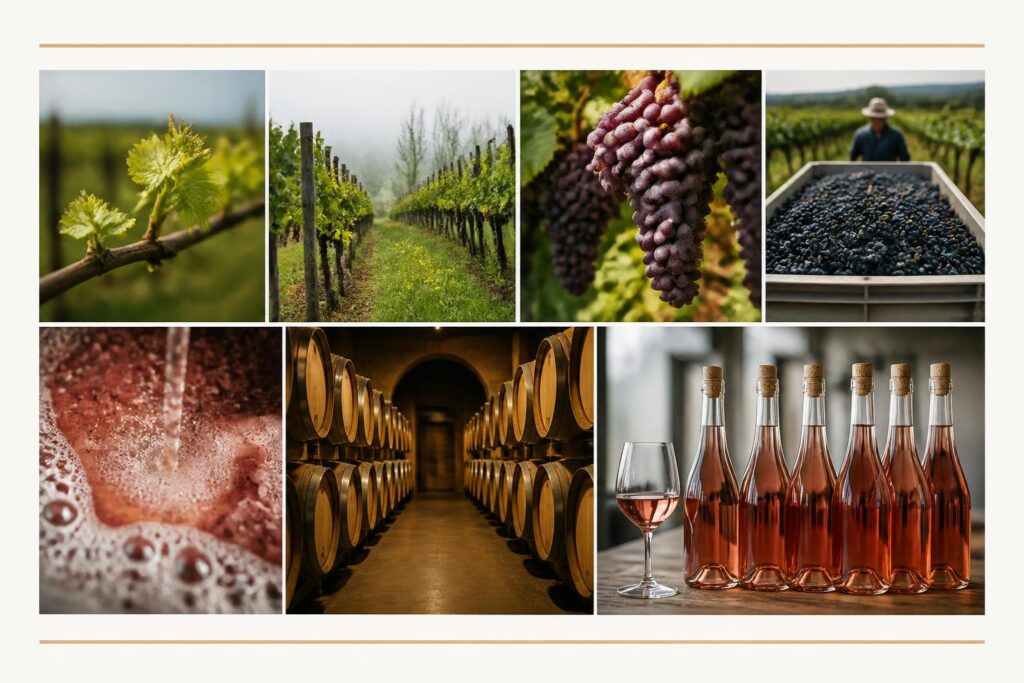
There's something absolutely magical about watching a vineyard wake up each spring, especially when you know those delicate pinot noir vines will eventually become both deep, complex reds and beautifully vibrant rosé wines. If you've ever wondered what makes pinot noir rose wine so special, it's all about the journey from soil to bottle. Unlike mass-produced wines rushed to market, true artisan rosé is a living product shaped by seasons, soil microbes, wild yeasts, and the hands-on care of dedicated growers who know every vine personally.
The Living Vineyard Behind Every Glass
When you're working an organic pinot noir vineyard in New Zealand's Canterbury region, you're not just growing grapes. You're nurturing an entire ecosystem. The soil beneath your boots is teeming with life: earthworms, beneficial fungi, native microbes that have lived there for generations. This biodiversity isn't just good for the environment; it's essential for creating pinot noir rose wine that truly expresses its place of origin.
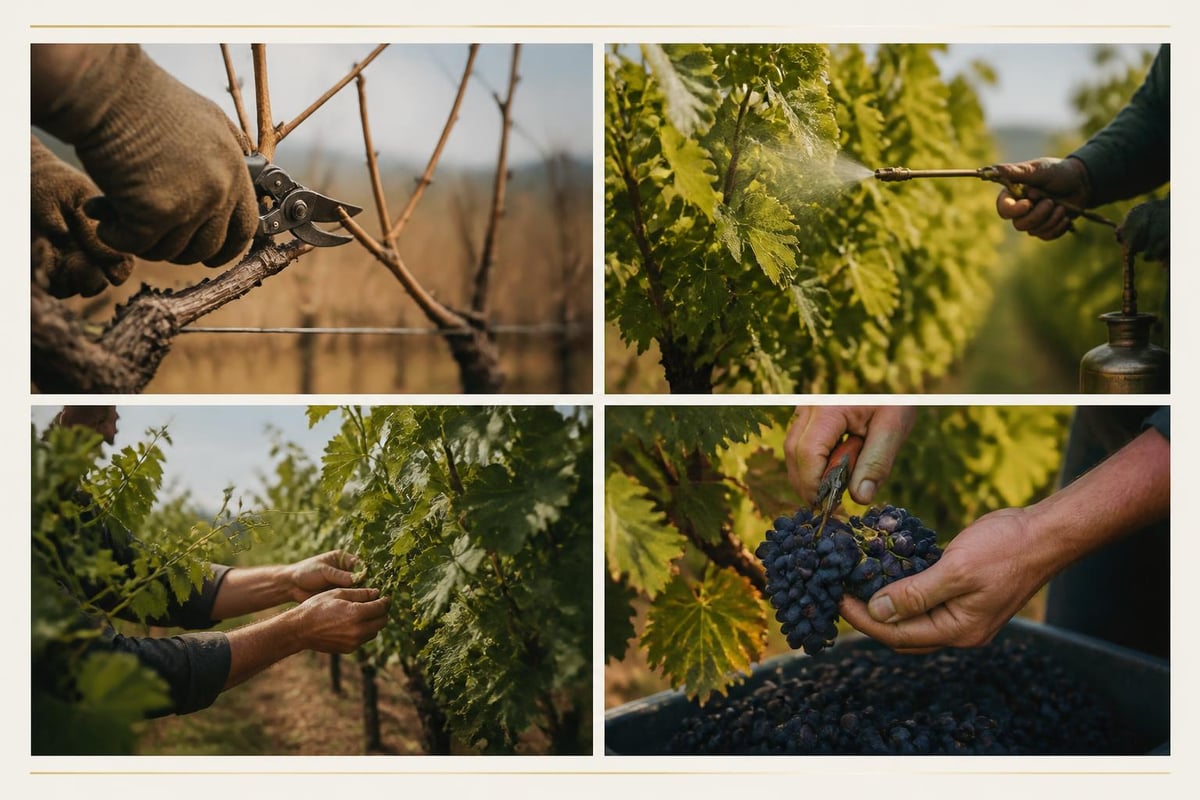
Think about how different this is from conventional viticulture. When a vineyard owner personally tends each vine throughout the seasons, pruning in winter, monitoring bud break in spring, making crucial decisions about leaf removal in summer, there's an intimacy with the land that simply can't be replicated on industrial scales.
The Rhythm of Seasons Shapes Character
New Zealand's distinct seasons create the perfect conditions for crafting exceptional rosé:
- Winter (June-August): Pruning each vine by hand, determining next season's crop load
- Spring (September-November): Watching new shoots emerge, protecting young growth from frosts
- Summer (December-February): Canopy management, ensuring optimal sun exposure for flavor development
- Autumn (March-May): The critical harvest window when sugar, acid, and flavor reach perfect balance
This seasonal dance demands patience. You can't rush the vines, and you certainly can't rush the wine. While commercial producers might bottle their rosé within months, artisan winemakers understand that complexity develops with time.
Wild Yeasts and Living Fermentation
Here's where things get truly fascinating. When you're making pinot noir rose wine using wild yeasts naturally present in the vineyard, you're allowing the wine to ferment with microorganisms that have evolved specifically in your location. These aren't packaged commercial yeasts from a laboratory; they're living populations that reflect your specific terroir.
The fermentation becomes unpredictable in the best possible way. Each vintage tells its own story because the yeast populations vary slightly year to year, responding to weather patterns, harvest timing, and countless other factors. This creates wines with genuine character rather than the standardized profiles of mass-market products.
What This Means for Flavor
| Aspect | Wild Yeast Fermentation | Commercial Yeast |
|---|---|---|
| Flavor complexity | Layered, evolving, unique | Predictable, standardized |
| Vintage expression | Distinct year-to-year | Consistent annually |
| Fermentation time | Slower, more nuanced | Fast, controlled |
| Aromatic profile | Complex, earthy, authentic | Clean, simple, designed |
The result? Wines that genuinely taste like they come from somewhere specific, not just anywhere.
The Art of Timing: When to Harvest for Rosé
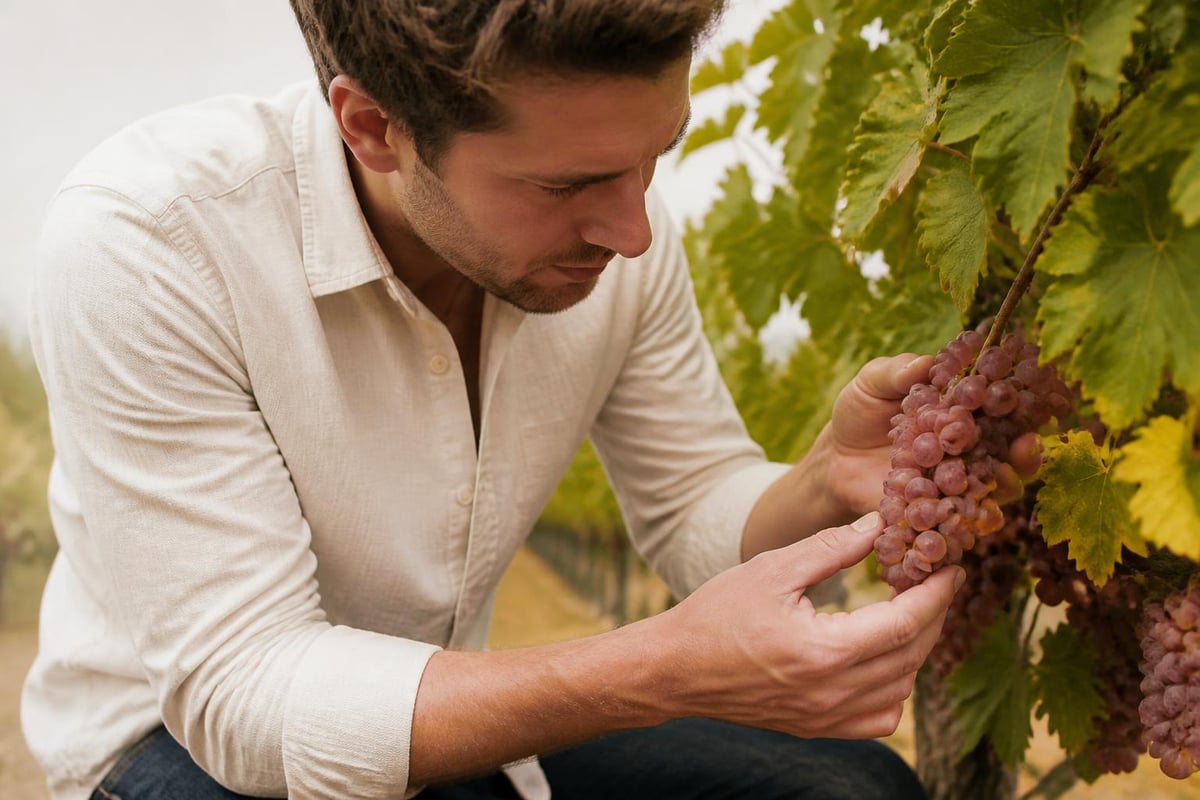
Creating beautiful pinot noir rose wine starts with a crucial decision: when exactly to pick the grapes. For rosé, you're looking for that sweet spot where the grapes have developed flavor but haven't accumulated the heavy tannins you'd want for a full red wine.
Walking through your rows in late summer, tasting berries, checking sugar levels, assessing acid balance. This isn't something you can delegate to a lab report alone. Your palate, your experience with these specific vines, guides the decision. Pick too early, and the wine lacks character. Pick too late, and you've lost that delicate freshness that makes rosé so appealing.
Some producers in regions like Willamette Valley have perfected their approach to this timing, but every vineyard is different. What works in Oregon won't necessarily work in Canterbury.
Gentle Extraction and Patient Aging
Unlike red wines that macerate for days, pinot noir rose wine requires a gentler touch. The grapes might spend just a few hours in contact with their skins, extracting just enough color and flavor while maintaining that characteristic pale pink hue and fresh character.
The extraction process requires constant attention:
- Carefully destem the grapes to avoid crushing seeds
- Monitor skin contact time (typically 2-12 hours)
- Press gently to extract juice without harsh tannins
- Allow wild yeast fermentation to proceed at its own pace
- Age patiently before bottling
Here's something many people don't realize: quality rosé benefits enormously from aging before release. While supermarket brands rush their wines to shelves within months, artisan producers understand that rosé wines develop complexity with time. Those extra months in bottle allow flavors to integrate, textures to soften, and the wine to reveal its true personality.
Understanding Unfined and Unfiltered Rosé
When you choose not to fine or filter your wines, you're making a commitment to authenticity over aesthetics. Commercial winemaking often strips out anything that might make a wine look less than crystal clear, but in doing so, they remove flavor compounds, aromatic molecules, and textural elements.
Unfined, unfiltered pinot noir rose wine might have a slight haziness or throw some sediment over time. That's not a flaw; it's evidence of a living wine that hasn't been processed to death. You're drinking something closer to what came out of the barrel, with all its character intact.
Pairing Artisan Rosé with Food
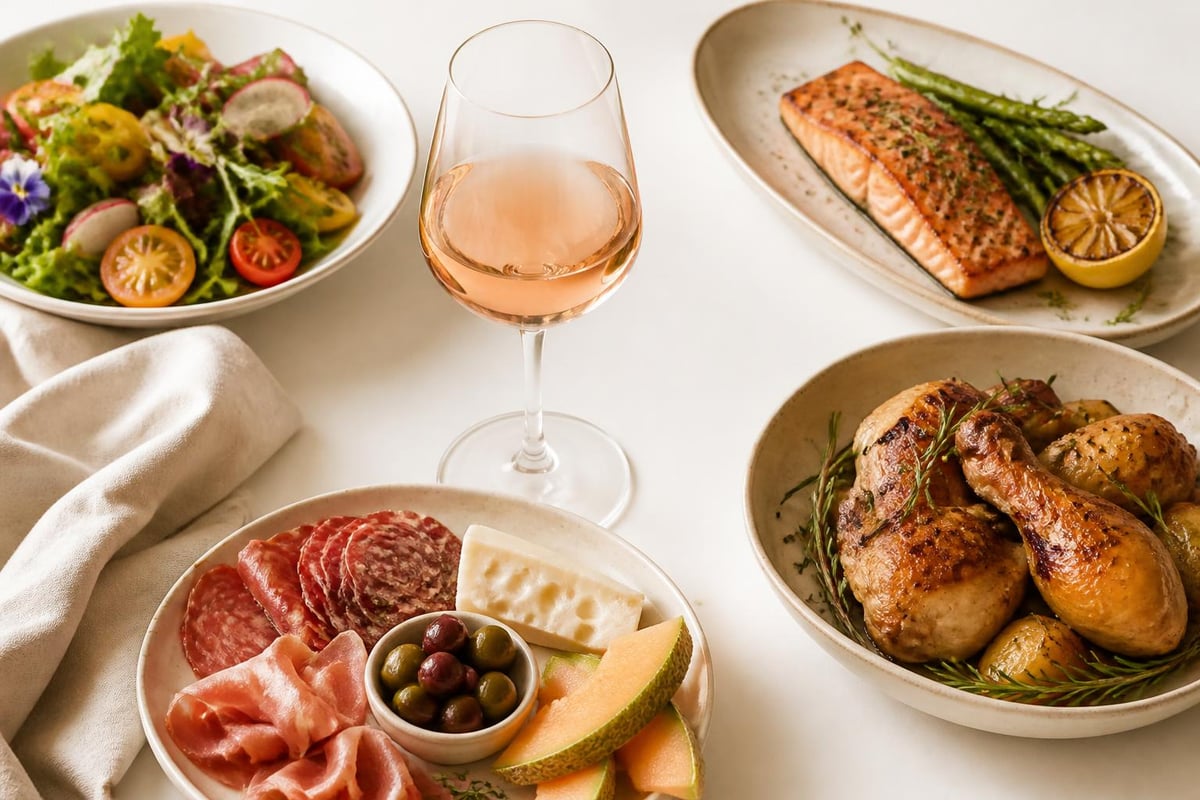
The beauty of quality pinot noir rosé lies in its versatility at the table. The wine's structure and complexity allow it to handle dishes that would overwhelm lighter rosés.
Exceptional pairings include:
- Grilled salmon with herbs
- Roasted chicken with root vegetables
- Charcuterie boards featuring local meats and cheeses
- Summer salads with stone fruits and nuts
- Light pasta dishes with tomato-based sauces
The typical flavor profile of rosé from pinot noir includes strawberry, watermelon, and subtle earthy notes, making it remarkably food-friendly.
Rosé as a Thoughtful Gift
Looking for gifts for wine lovers who appreciate authenticity? Artisan pinot noir rose wine tells a story that mass-market bottles simply cannot. When you gift a wine that's been hand-crafted from organically grown grapes, fermented with wild yeasts, and aged patiently before release, you're sharing something genuinely special.
These wines represent hundreds of hours of personal labor, intimate knowledge of specific vineyard blocks, and a commitment to quality over quantity. That's a gift with real meaning.
The Zero Sulphite Difference
Most commercial wines contain added sulphites as preservatives. While this extends shelf life and ensures consistency, it also masks the true expression of the fruit and terroir. Wines made without added sulphites require more careful handling, better fruit quality, and impeccable winemaking practices.
The result is a wine that tastes more alive, more vibrant, more true to its origins. Yes, these wines may evolve differently in bottle, but that evolution is part of their charm. You're drinking something authentic rather than artificially preserved.
Supporting Small-Scale Organic Viticulture
When you choose wines from small family estates practicing organic viticulture, you're supporting a different model of agriculture. These aren't shareholders demanding quarterly profits; these are families making long-term decisions about soil health, biodiversity, and quality.
The growing interest in rosé wines reflects consumers increasingly seeking authentic products with real stories. Small-batch pinot noir rose wine delivers exactly that.
Every bottle represents a specific vintage, specific weather patterns, specific decisions made by someone who knows every vine personally. That connection between grower and land creates wines with soul.
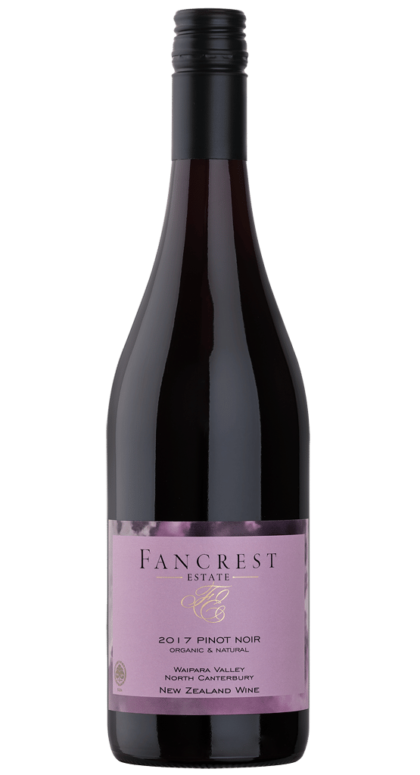
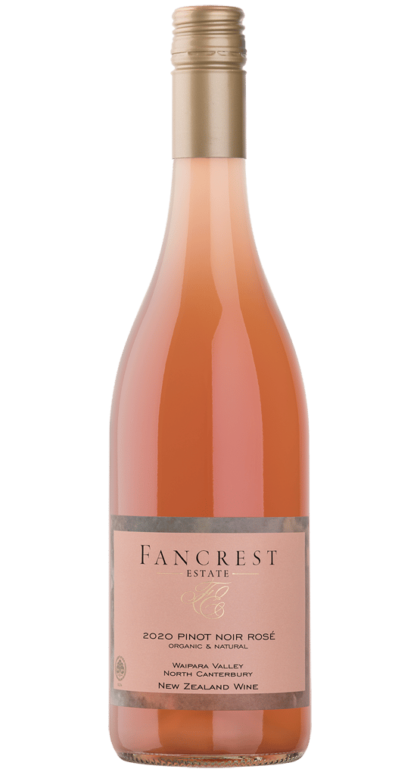
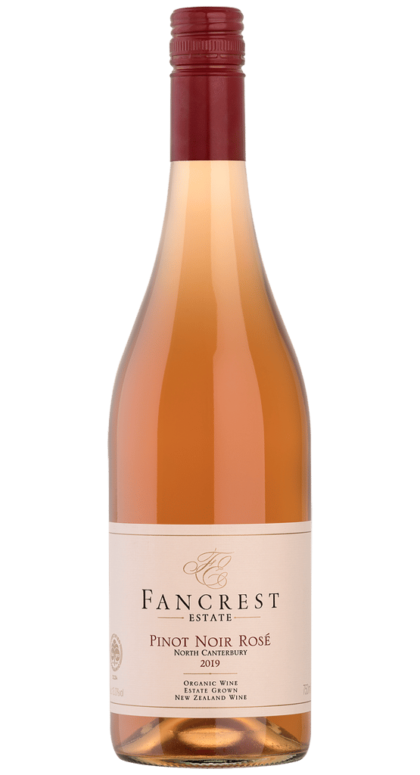
Artisan pinot noir rosé wine offers something far beyond the generic commercial alternative: a genuine expression of place, season, and careful hands-on craft. When you're ready to experience the difference that organic practices, wild yeast fermentation, and patient aging bring to your glass, explore the hand-crafted wines at Fancrest Estate, where every bottle reflects the living rhythms of a Waipara vineyard and the dedication of family winemaking at its finest.