

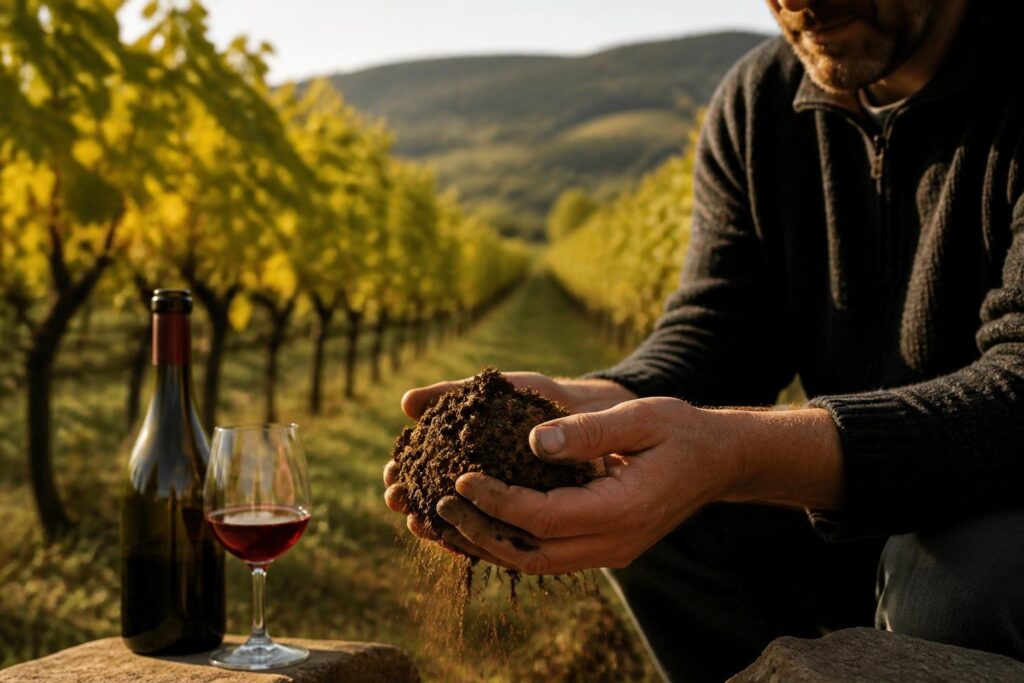
You've probably heard the debates about whether wine can be part of a healthy lifestyle. But have you considered that the way your wine is made might matter just as much as how much you drink? When we talk about wine healthy choices, we're not just discussing moderation. We're exploring how artisanal, organic winemaking practices create wines that are fundamentally different from mass-produced alternatives, wines that reflect living ecosystems rather than industrial processes.
The Living Vineyard: Where Wine Healthy Starts
Think about your last glass of wine. Do you know what was alive in the soil that grew those grapes?
In small-batch organic vineyards, everything is connected and breathing. The soil teems with microorganisms, earthworms tunnel through the earth aerating it naturally, and beneficial insects patrol the vines. This isn't romantic imagery, it's fundamental biology that shapes what ends up in your glass.
Organic viticulture creates a thriving ecosystem:
- Soil organisms break down organic matter, making nutrients available to vines
- Native yeasts colonize grape skins, ready to transform juice into wine
- Predatory insects control pests without chemical intervention
- Cover crops between vine rows prevent erosion and add nitrogen
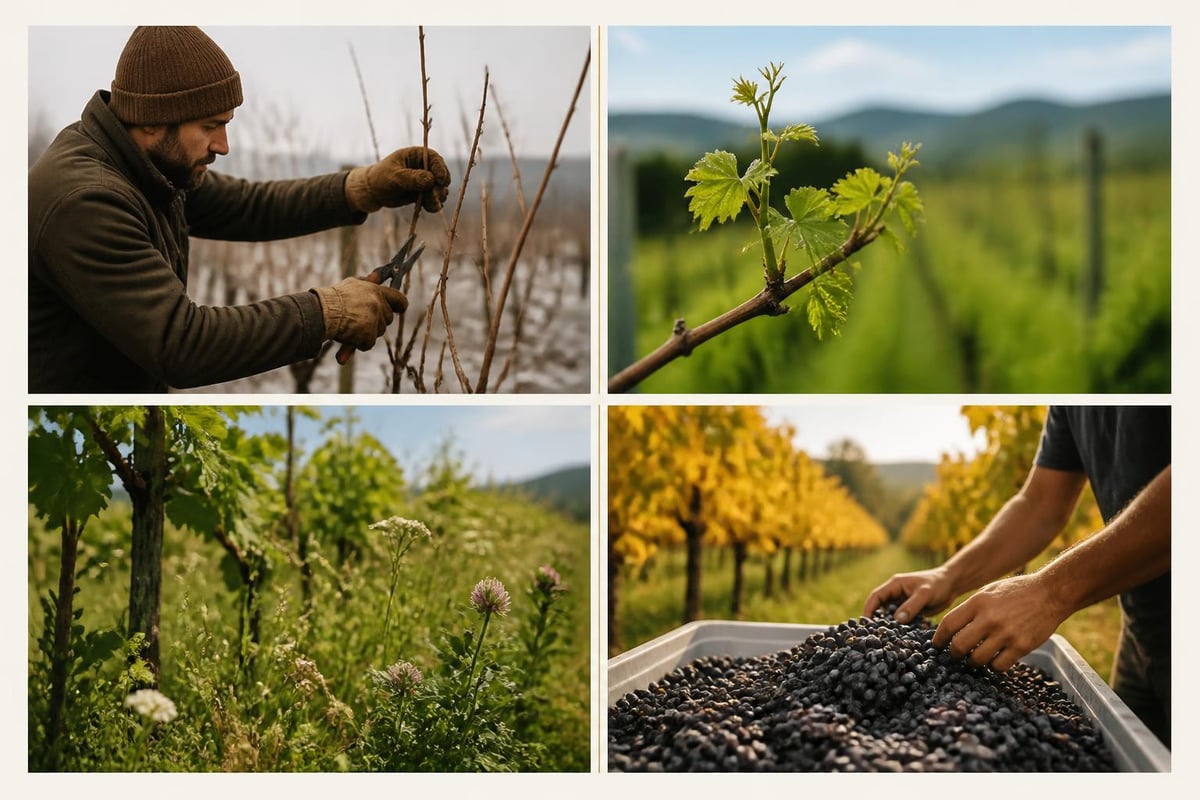
When you're managing a boutique vineyard yourself, walking the rows daily throughout New Zealand's distinct seasons, you witness this life cycle intimately. You're not spraying synthetic chemicals that kill indiscriminately. You're working with nature's rhythms, pruning in winter's chill, watching buds burst in spring, managing canopy in summer's warmth, and hand-harvesting in autumn's golden light.
Natural Fermentation and Wine Healthy Components
Here's where things get fascinating. Those health benefits of wine you've read about? They're largely derived from compounds created during fermentation and aging.
Wild yeasts, the ones that naturally inhabit your vineyard, create more complex flavour compounds than commercial cultured yeasts. They work slower, sometimes unpredictably, but the results are wines with greater depth and more diverse beneficial compounds.
The Chemistry of Authentic Wine
| Component | Source | Potential Benefit |
|---|---|---|
| Resveratrol | Grape skins | Antioxidant properties |
| Polyphenols | Seeds and skins | Anti-inflammatory effects |
| Natural tannins | Extended aging | Heart health support |
| Wild yeast metabolites | Native fermentation | Unique flavour complexity |
Research continues to explore how red wine's antioxidants function in the body. But consider this: wines made without chemical intervention, unfined and unfiltered, retain more of these naturally occurring compounds. You're drinking something closer to what fermented in the barrel, not a product stripped and reconstituted for shelf stability.
When wines are aged properly before release, rather than rushed to market, these compounds integrate beautifully. Tannins soften. Flavours meld. The wine becomes smoother, more digestible, more complete.
The Hands-On Difference
Mass-produced wine is a commodity. Small-batch organic wine is a living product.
What's the practical difference? Everything. When one person manages the vines, makes the wine, and oversees aging, there's accountability at every step. There's also artistry. You can't hide behind industrial processes or additives.
From Vine to Bottle: The Artisanal Process
- Hand-tending vines throughout the growing season
- Selective harvesting of only perfectly ripe fruit
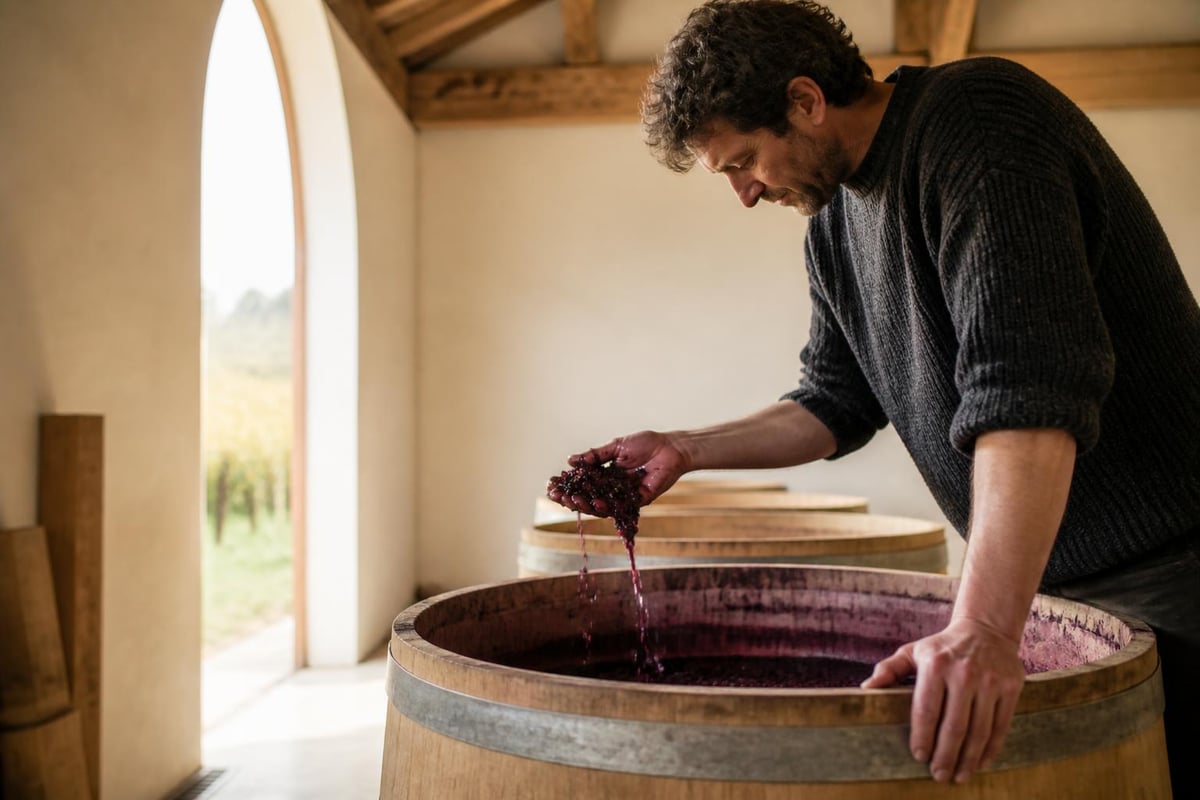
- Natural fermentation with wild yeasts from the vineyard itself
- Minimal intervention during winemaking
- Extended aging to develop complexity
- Bottling without fining or filtering to preserve character
This approach takes longer. It requires more skill. It's riskier. But the wines express their place of origin authentically, what the French call terroir. You taste the cool Waipara climate, the limestone-rich soils, the particular season's weather patterns.
Wine Healthy and Food: The Perfect Partnership
Thinking about wine healthy consumption means thinking about wine with food, not wine in isolation.
Pinot Noir, particularly organic expressions, pairs beautifully with meals because of its balanced acidity and complex flavour profile. The tannins aid digestion. The acidity cuts through rich foods. When you're enjoying wine as part of a thoughtful meal, you're practicing the Mediterranean approach that researchers often cite when discussing wine's potential health benefits.
Perfect Pinot Noir pairings:
- Roasted duck with cherry reduction
- Grilled salmon with herb butter
- Wild mushroom risotto
- Aged cheese platters
- Slow-cooked lamb shanks
These aren't just flavour combinations. They're experiences that slow you down, encourage conversation, and transform a meal into an event. That's wine healthy living, quality over quantity, intention over habit.
Organic Practices and Zero Sulphites
You might wonder why organic certification matters for wine healthy choices. The answer lies in what's not in your glass.
Conventional vineyards can use synthetic pesticides, herbicides, and fungicides. Residues may persist. Conventional winemaking allows dozens of additives, many undisclosed on labels. Sulphites, while naturally occurring in small amounts, are added in much larger quantities to most wines as preservatives.
Wines made without added sulphites, from organically grown grapes, represent a purer expression. For those sensitive to sulphites or concerned about additives, this difference isn't trivial. The benefits of grapes themselves, their antioxidants and polyphenols, come through more cleanly when nothing interferes with their natural chemistry.
The Gift of Authentic Wine
What makes a meaningful gift for a wine lover? Not another bottle of supermarket wine. Something with a story. Something made by hand. Something that connects them to a place and a person.
When you give artisanal organic wine, you're sharing more than alcohol. You're offering:
- A taste of a specific vintage shaped by that year's unique weather
- The work of someone who personally tended those vines
- Wine aged to perfection, not rushed for quick profit
- A product free from unnecessary chemicals and additives
- Support for sustainable farming practices
These wines start conversations. They create memorable moments. They're appropriate for celebrations because they represent something worth celebrating: craftsmanship, patience, ecological responsibility.
Moderation and Mindfulness
Let's be clear about wine healthy consumption. The research on wine's potential benefits consistently emphasizes moderation. Studies suggest that excessive consumption negates any benefits and creates serious health risks.
But moderation is easier when you're drinking wine you savour rather than wine you gulp. Complex, aged Pinot Noir invites you to slow down. To notice the layers of flavour. To appreciate the craftsmanship. One glass with dinner becomes a pleasure, not a habit.
This is where quality truly matters. When wine is authentically made, expressing its origins honestly, you taste the difference. You don't need a second bottle. You need time to appreciate the one you have.
Supporting Small-Scale Winegrowing
When you choose artisanal organic wines, you're voting with your wallet for a different future. You're supporting:
- Family-owned vineyards rather than corporate conglomerates
- Organic farming that builds soil health rather than depleting it
- Regional character and diversity rather than homogenized global brands
- Skilled winemakers who age wines properly rather than rushing to market
- Direct relationships between makers and drinkers
In 2026, as industrial agriculture faces increasing scrutiny, small-scale organic viticulture offers a proven alternative. These vineyards demonstrate that you can grow premium grapes, make exceptional wine, and enhance rather than degrade the land.
Every bottle matters. Every purchase decision either supports this approach or undermines it.
Understanding wine healthy choices means appreciating how wines are made, not just what's written on a laboratory analysis. When you choose organic, hand-crafted, naturally fermented Pinot Noir aged to perfection before release, you're choosing wines that honor both the land and your wellbeing. If you're ready to experience wines made with this level of care and authenticity, explore what Fancrest Estate offers: unfined, unfiltered, zero-sulphite Pinot Noir and rosé from our family vineyard in Waipara, available exclusively online and delivered to your door.