
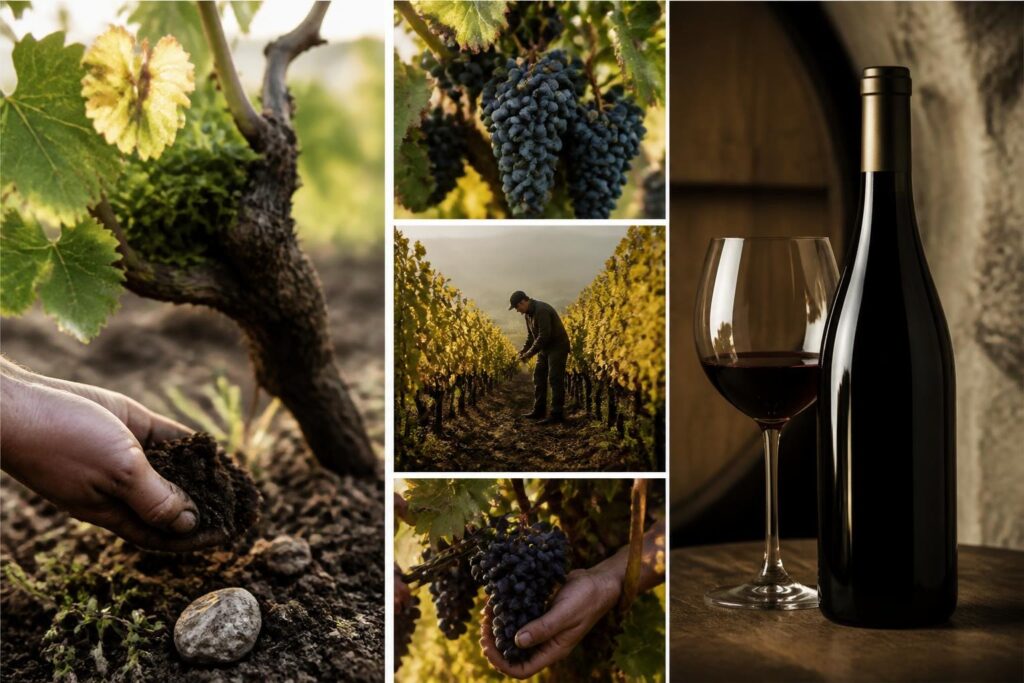
When you pour a glass of truly authentic winery wines, you're tasting far more than fermented grapes. You're experiencing the culmination of countless hands-on decisions, the rhythm of seasonal change, and the vibrant ecosystem that gives life to each vine. Unlike mass-produced commercial wines rushed to market, artisanal winery wines from small organic estates carry the unmistakable signature of place, time, and the winegrower's intimate knowledge of their land.
The Living Ecosystem Behind Exceptional Winery Wines
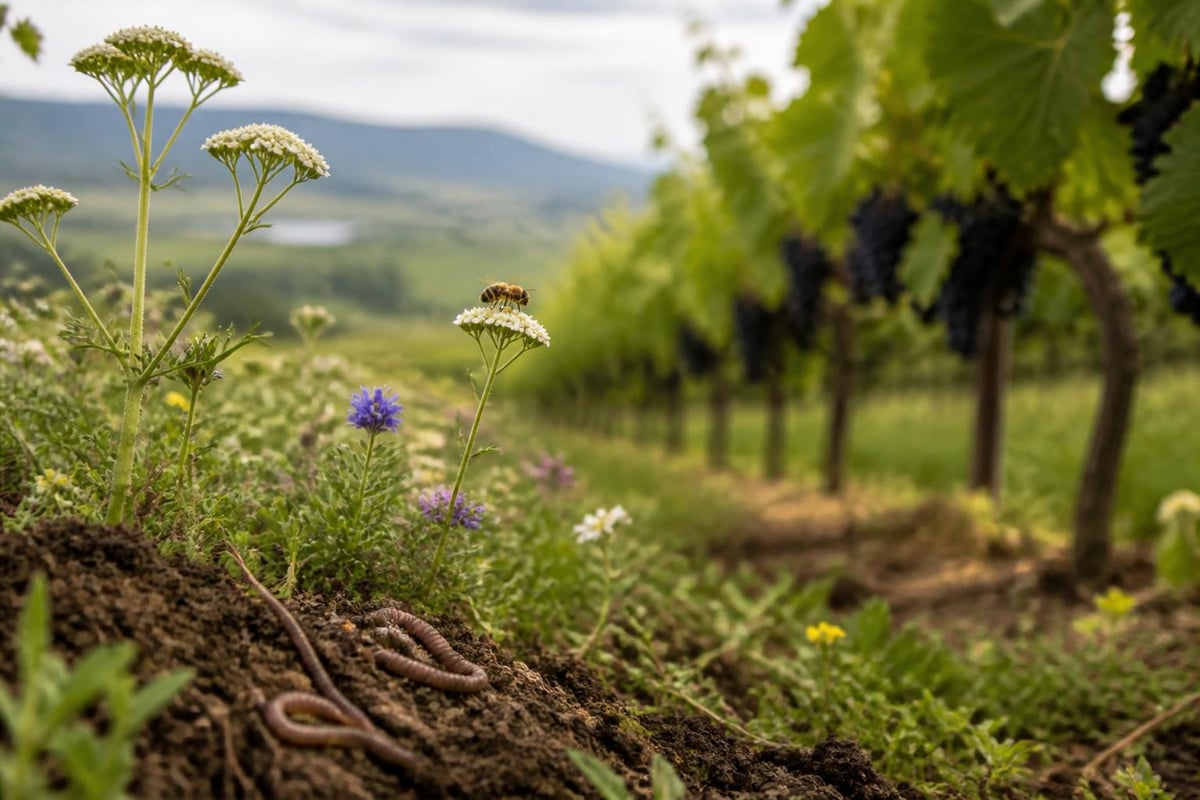
What separates genuine winery wines from industrial products starts beneath your feet. The soil in organic vineyards isn't just dirt; it's a thriving community of microorganisms, fungi, and beneficial insects working together to nourish the vines.
At certified organic estates, you'll find winegrowers who understand that healthy soil creates vibrant wines. Research into soil composition demonstrates how terroir profoundly influences wine characteristics, particularly in varieties like Pinot Noir.
Why Wild Yeasts Matter
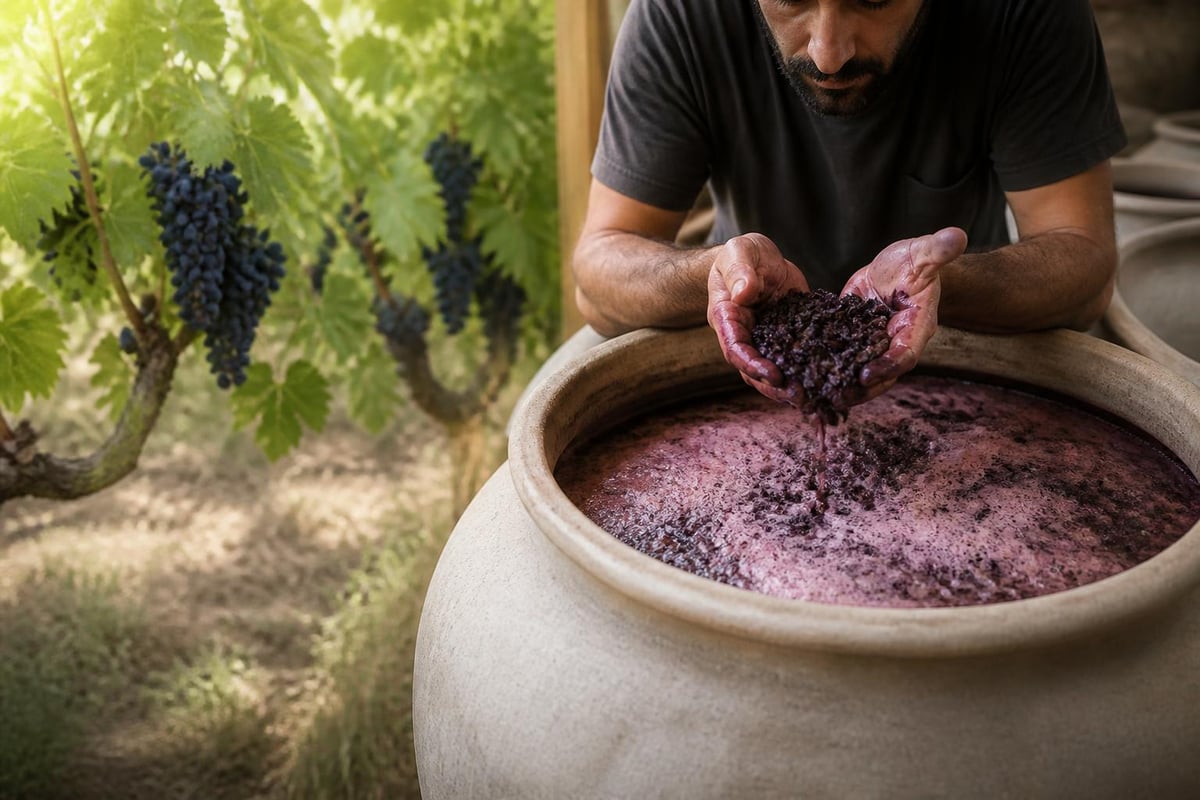
Here's something most wine drinkers don't realize: commercial wineries typically add cultivated yeasts to ensure predictable fermentation. Artisanal winery wines often rely on wild, native yeasts naturally present in the vineyard.
These indigenous yeasts create:
- Complex flavor profiles that change subtly from vintage to vintage
- Authentic expression of the specific vineyard site
- Unique aromatic compounds impossible to replicate with commercial yeasts
- Living connections between the vineyard ecosystem and your glass
Wild fermentation requires patience and expertise, but the resulting wines showcase depth that standardized products simply cannot achieve.
The Seasonal Rhythm of Hand-Crafted Wines
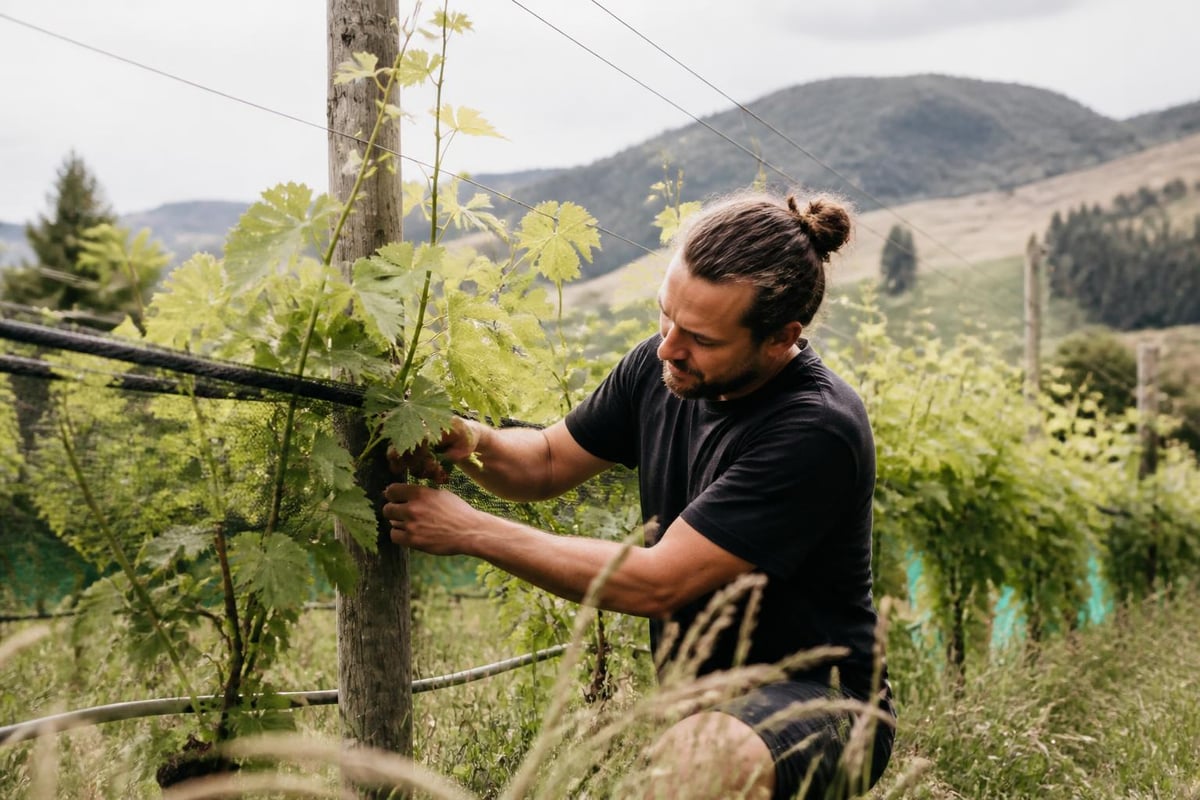
Imagine working your vines personally throughout the year, watching buds emerge in spring, managing canopy growth through summer, and carefully monitoring ripeness as autumn approaches. This hands-on approach defines authentic New Zealand boutique winegrowing.
Spring (September-November) brings bud burst and the critical decisions about shoot positioning. The winegrower walks each row, assessing frost risk and managing early growth.
Summer (December-February) demands vigilant canopy management. Hand-thinning excess fruit ensures remaining clusters develop concentrated flavors rather than diluted character.
Autumn (March-May) is harvest time. Unlike large operations that mechanically harvest entire blocks in hours, small winery wines benefit from selective hand-picking, sometimes cluster by cluster, ensuring only perfectly ripe fruit makes it to the winery.
Winter (June-August) involves pruning each vine by hand, a meditative process that shapes next season's crop and maintains vine health for decades to come.
Age-Worthy Complexity You Can Taste
Why do some winery wines cost more and taste remarkably different from supermarket bottles? Part of the answer lies in aging before release.
| Approach | Typical Release Timeline | Flavor Characteristics |
|---|---|---|
| Commercial wines | 6-12 months after harvest | Fruity, simple, one-dimensional |
| Aged winery wines | 2-4+ years after harvest | Complex, layered, integrated tannins |
| Reserve selections | 4-6+ years after harvest | Tertiary aromatics, refined structure |
When winemakers allow wines to develop in bottle before release, something magical happens. The various components integrate, harsh edges soften, and secondary flavors emerge. This patience creates the complexity wine lovers seek, particularly in Pinot Noir, which rewards careful aging.
The Unfined and Unfiltered Difference
Many artisanal winery wines are bottled without fining or filtration. What does this mean for you?
Fining removes particles using agents like egg whites or fish bladder (not suitable for vegans). Filtration strips out sediment but can also remove flavor compounds and texture. Vegan-friendly, unfined wines retain more of the original character and complexity.
You might notice these wines have more body, deeper color, and occasionally harmless sediment in older bottles. That's not a flaw; it's authenticity.
Pairing Winery Wines with Food and Occasions
Organic Pinot Noir from artisanal producers offers remarkable versatility at your table. The natural winemaking approach, free from heavy manipulation, creates wines that complement rather than overwhelm food.
For everyday meals:
- Roasted chicken with root vegetables
- Mushroom risotto
- Grilled salmon with herbs
- Hard cheeses and charcuterie
For special occasions:
- Duck confit with cherry reduction
- Lamb rack with rosemary
- Beef Wellington
- Aged Gruyère or Comté cheese
Consider rosé wines made from Pinot Noir for lighter fare. These aren't sweet blush wines but serious, dry rosés perfect with summer salads, seafood, or as an aperitif.
Thoughtful Gifts for Wine Enthusiasts
Searching for the perfect gift for someone who appreciates quality? Authentic winery wines from small organic estates make memorable presents that show you've put thought into your selection.
Unlike mass-market bottles available anywhere, artisanal wines tell a story. When you gift someone a carefully aged Pinot Noir that's been hand-tended from bud to bottle, you're offering them an experience, not just a beverage.
Gift considerations:
- Choose wines with some age already on them for immediate enjoyment
- Look for sustainable producers whose values align with the recipient's
- Consider mixed selections including both red and rosé
- Include tasting notes that explain the winemaking approach
Many boutique wineries offer direct online purchasing, making it easy to send quality wines anywhere in New Zealand.
Understanding the Health Conscious Choice
Did you know that winemaking methods impact more than just flavor? Organic winery wines typically contain fewer additives and no added sulfites compared to conventional wines.
For those interested in wine and wellness, artisanal organic Pinot Noir offers potential benefits. The hand-crafted approach means grapes grow without synthetic pesticides or herbicides, and natural winemaking preserves more of the beneficial compounds found in grape skins.
Pinot Noir particularly contains high levels of resveratrol, a polyphenol associated with various health benefits when consumed in moderation.
What Makes Canterbury Wines Distinctive
New Zealand's Canterbury region offers unique conditions for Pinot Noir. Cool nights preserve acidity while sunny days develop flavor complexity. The combination creates wines with elegance and structure.
Small family estates in areas like Waipara work hands-on with their terroir, understanding how each season's subtle variations influence the final wine. This intimate knowledge, passed through years of experience, cannot be replicated by large commercial operations.
| Regional Factor | Impact on Wine |
|---|---|
| Cool climate | Balanced acidity, elegant structure |
| Limestone soils | Mineral complexity, fine tannins |
| Diurnal temperature variation | Flavor development with retained freshness |
| Hands-on viticulture | Site-specific expression, quality focus |
When you explore craft wineries in this region, you're discovering wines that genuinely reflect their origin rather than conforming to a standardized commercial profile.
The journey from living soil through wild fermentation to complex, aged wine creates something far more meaningful than a simple beverage. These winery wines carry the authentic expression of place, season, and the winegrower's dedicated hands-on work throughout the year. If you're ready to experience organic Pinot Noir and rosé crafted with this level of care and patience, explore the hand-crafted, aged wines available from Fancrest Estate, where every bottle reflects the vibrant ecosystem and personal attention that defines truly artisanal winemaking.