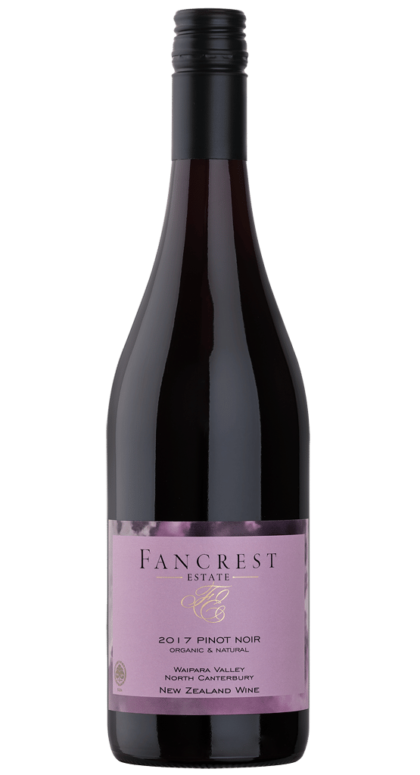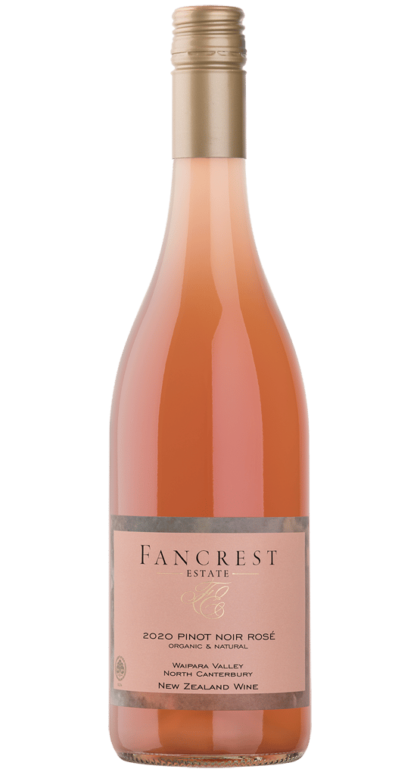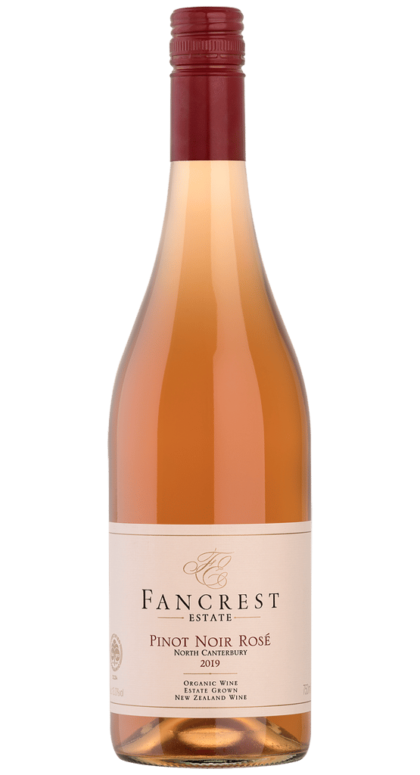
Have you ever wondered what sets a small, family-run wine estate apart from commercial operations? The difference lies in the intimate connection between winemaker and vineyard, where every vine receives personal attention and wines develop their character through patience rather than speed. In boutique organic viticulture, authenticity emerges from soil teeming with life, wild yeasts that capture the essence of place, and a winemaker who knows each row of vines by heart. This is where true wine artistry happens, season by season, year by year.
The Living Vineyard Ecosystem
At a truly organic wine estate, everything is alive. The soil pulses with microbial activity, beneficial insects patrol the canopy, and wild yeasts drift on the breeze, waiting to transform juice into something extraordinary. This isn't just about avoiding chemicals; it's about nurturing a complete ecosystem where each element supports the others.
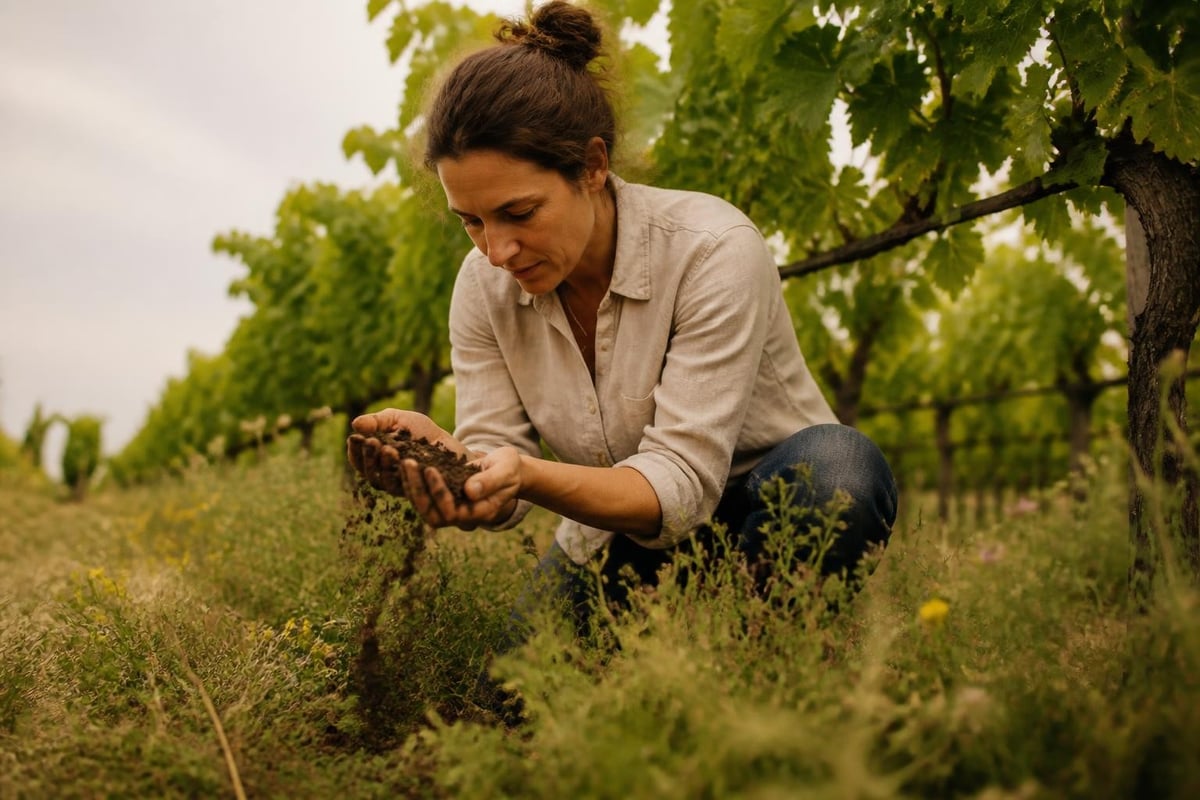
When you work a vineyard organically, you're not just growing grapes. You're stewarding a complex web of relationships between plants, animals, microorganisms, and the land itself. Sheep and cattle graze between vine rows, naturally managing groundcover and fertilizing the soil. Their presence encourages earthworms, which aerate the earth and improve drainage. Birds nest in hedgerows, controlling pest populations without sprays.
The Rhythm of Seasons in Waipara
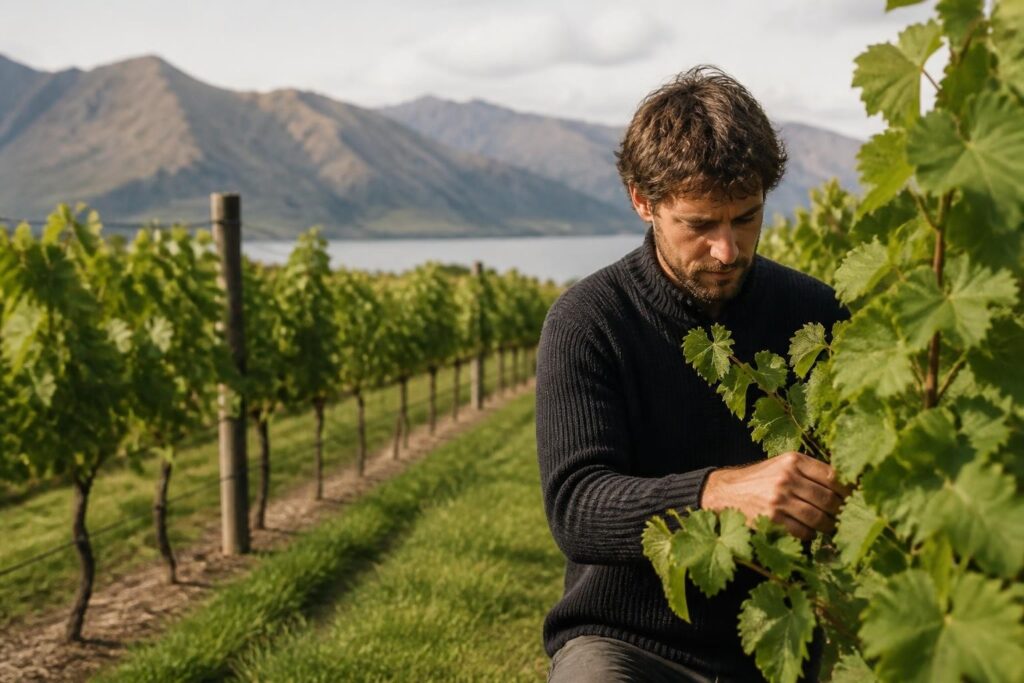
New Zealand's wine regions follow a distinctive seasonal rhythm, and nowhere is this more evident than in the hands-on work of a small wine estate. Winter arrives as a time of renewal, when the vineyard rests and the winemaker faces the monumental task of pruning. Imagine pruning 27,000 vines by hand, often working alone through the cool months, making thousands of careful decisions that will determine the next vintage's quality.
This isn't romantic; it's physically demanding work that requires deep knowledge and commitment. Yet it's exactly this personal attention that distinguishes artisanal wines from mass-produced alternatives. Each cut shapes how the vine will grow, influences fruit concentration, and ultimately affects the wine's expression.
| Season | Vineyard Activity | Impact on Wine Quality |
|---|---|---|
| Winter | Hand pruning, soil preparation | Determines vine structure and crop load |
| Spring | Bud break, canopy management | Influences fruit exposure and ripening |
| Summer | Leaf thinning, monitoring | Controls yield and concentrates flavours |
| Autumn | Harvest, fermentation with wild yeasts | Captures terroir expression in the wine |
From Vineyard to Bottle: The Artisanal Difference
What happens when you combine certified organic practices with hands-on winemaking? You get wines that genuinely express their origin. Using natural vineyard yeasts means fermentation becomes a collaboration with the environment rather than a controlled industrial process. These wild ferments take longer, but they develop complexity that commercial yeasts simply cannot achieve.
The choice to leave wines unfined and unfiltered preserves texture and character. Adding zero sulphites means the wine reaches you in its most natural state. These aren't just philosophical decisions; they're commitments to authenticity that require confidence in your viticulture and winemaking.
The Patient Art of Ageing
Here's something most wine drinkers don't realize: many wines are rushed to market before they're truly ready. Commercial pressures push producers to release wines young, often before their components have fully integrated. A dedicated wine estate takes a different approach.
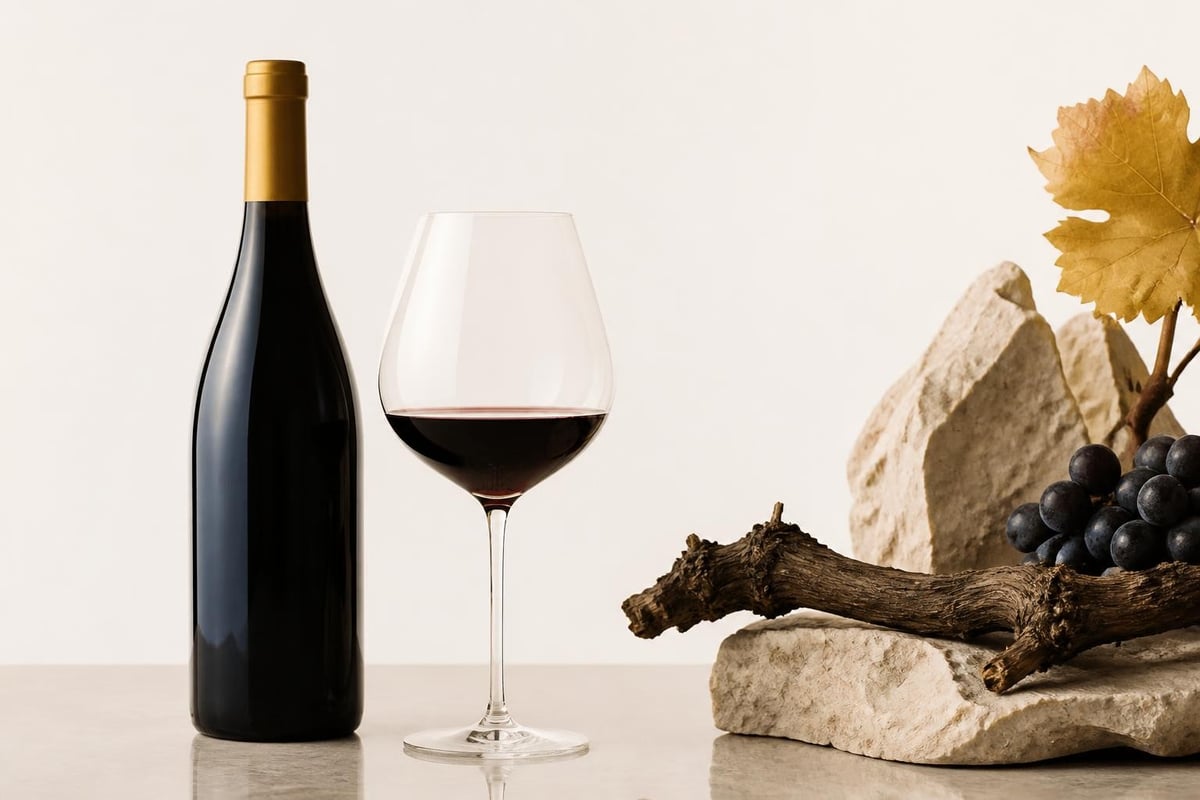
By ageing wines prior to release, winemakers allow tannins to soften, flavours to harmonize, and complex tertiary characters to develop. This patience costs money, as wine sits in barrel and bottle rather than generating revenue. But the result? Wines that are genuinely ready to enjoy, with a depth and complexity that young wines simply lack.
For Pinot Noir especially, this matters enormously. The variety's delicate aromatics and subtle tannins need time to evolve. Research into wine industry financial performance shows that investment in quality pays dividends, though it requires patience and careful resource management.
Understanding Terroir Through Organic Practices
Terroir isn't just marketing speak; it's the genuine expression of place in wine. But terroir only speaks clearly when viticulture allows it to. Sustainable vineyard floor management practices play a crucial role in how vines access nutrients and express their environment.
In organic systems, vine roots explore deeply, interacting with the geology and microorganisms unique to their location. The minerals they absorb, the water stress they experience, the particular wild yeasts present in the vineyard all contribute to wines that taste distinctly of where they're grown.
This is why wines from a small wine estate in Waipara can't be replicated elsewhere. The terroir is unique, and organic practices amplify rather than mask these differences. You're tasting a specific place, a specific year, and the careful stewardship of a dedicated winemaker.
Food Pairing and the Art of Enjoyment
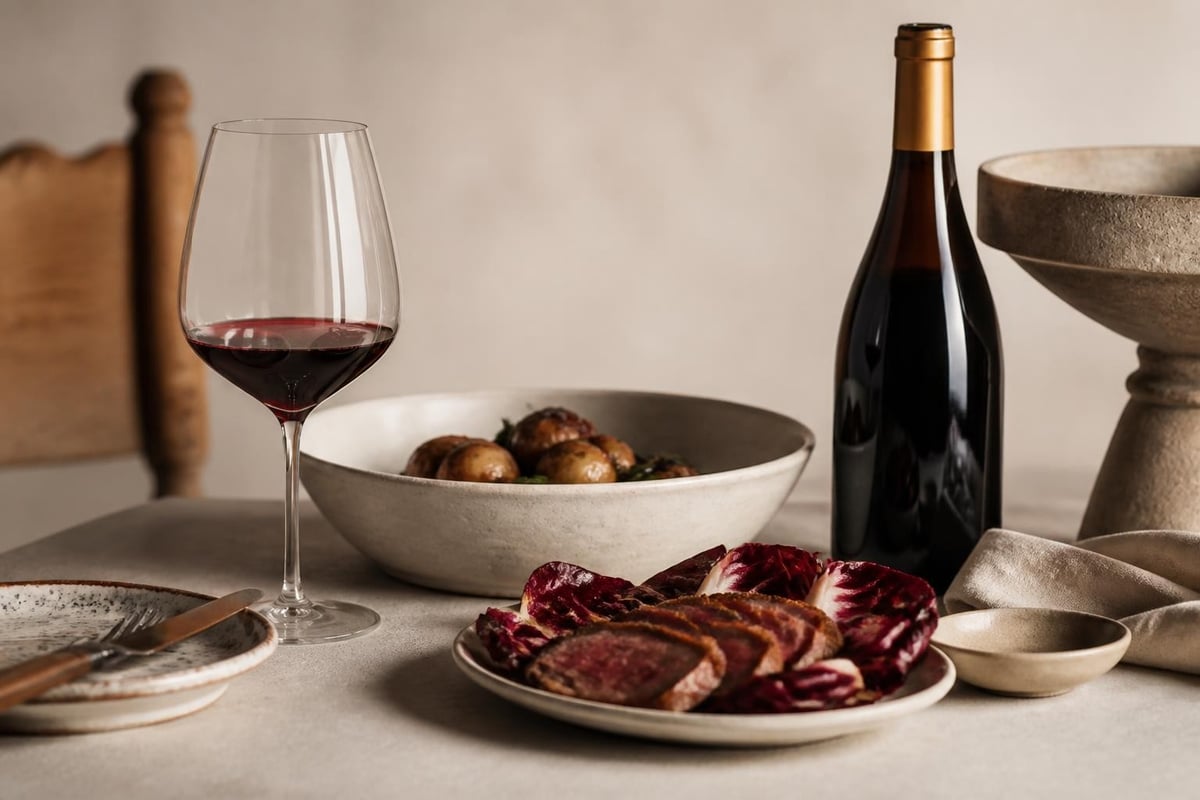
Artisanal Pinot Noir, crafted with care and patience, deserves thoughtful pairing. The variety's versatility makes it magnificent with food, but wines made with organic practices and wild ferments often show particular affinity for natural, seasonal ingredients.
Consider these pairing approaches:
- Wild-caught salmon complements Pinot Noir's earthy complexity and bright acidity
- Duck breast with cherry reduction echoes the wine's fruit and savoury notes
- Mushroom risotto harmonizes with organic Pinot's forest floor characters
- Aged cheese brings out the wine's developed tertiary flavours
The beauty of properly aged Pinot Noir is its ability to enhance a meal rather than dominate it. These are wines for conversation, for savoring slowly, for appreciating the craft behind each bottle.
Perfect Gifts for Wine Lovers
Looking for meaningful gifts for wine enthusiasts? Artisanal wines from boutique wine estates offer something commercial bottles can't: a genuine connection to place and maker. These are wines with stories, crafted by individuals who personally tend every vine.
When you gift organic, hand-crafted Pinot Noir, you're sharing more than fermented juice. You're offering a taste of commitment to quality, respect for the environment, and the patience required to create something truly exceptional. For those who appreciate authenticity, these wines speak volumes.
Understanding wine estate management challenges helps wine lovers appreciate the work behind each bottle. The technical mastery, administrative dedication, and commercial acumen required to maintain a small wine estate make every bottle a minor miracle.
The Future of Artisanal Winemaking
What does the future hold for small wine estates committed to organic, hands-on viticulture? While current wine industry reports highlight various challenges, there's growing consumer appreciation for authenticity and sustainability.
Discerning drinkers increasingly seek wines with genuine stories, made by real people who steward the land responsibly. They're willing to pay premium prices for quality, especially when they can purchase directly from the producer. This direct connection, often through online sales, allows wine estates to share their philosophy and craft without intermediaries diluting the message.
The hands-on, seasonal work of a wine estate creates wines that simply cannot be mass-produced. When a single person prunes tens of thousands of vines, that individual's knowledge and care flow into every bottle. When wild yeasts conduct fermentation, the wine captures something essential about its origin. When wines age patiently before release, they develop complexity that rushed products lack.
This is winemaking as craft, as art, as a living relationship with land and climate. It's viticulture that respects the rhythm of seasons, the needs of the ecosystem, and the patience required for excellence. For those who value authenticity in their glass, these differences matter profoundly.
The journey from vine to glass in a boutique wine estate reveals wine as a living product, shaped by soil, season, and dedicated stewardship. If you're seeking Pinot Noir that genuinely expresses its Waipara origins through certified organic practices, wild ferments, and patient ageing, discover what Fancrest Estate has crafted for you. Each bottle represents thousands of careful decisions, months of patient ageing, and a commitment to authenticity that you can taste in every glass.