

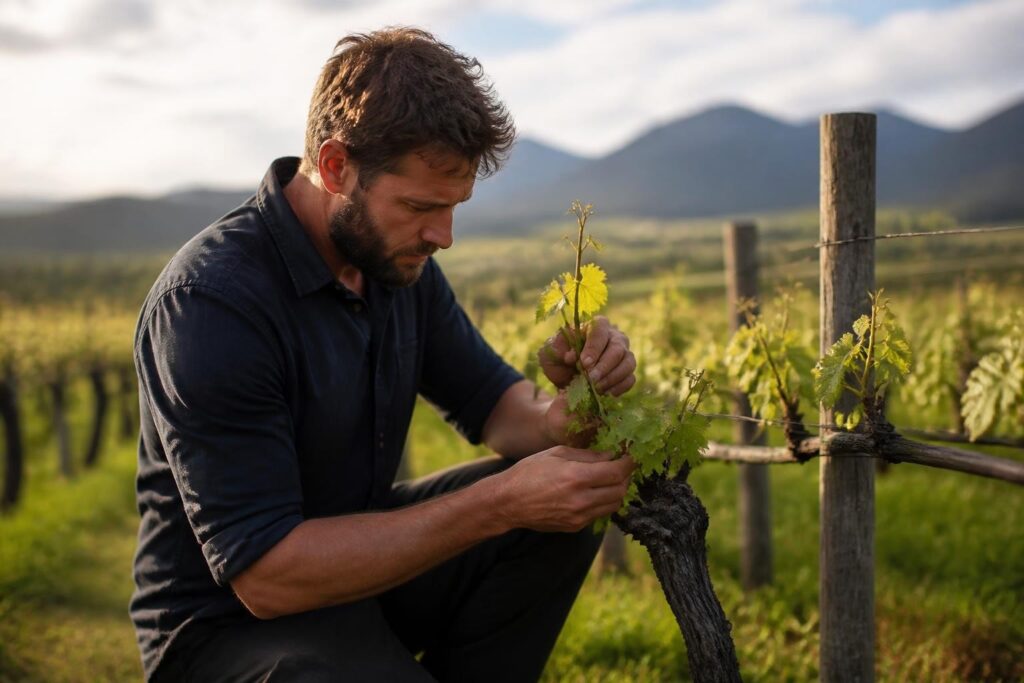
The Living Vineyard: Where Authentic Pinot Noir Begins
Creating exceptional pinot noir starts long before harvest. It begins in the soil itself, where a thriving ecosystem of microorganisms, earthworms, and beneficial insects creates the foundation for healthy vines.
In organic vineyards, this living soil isn't just dirt-it's a complex community that feeds the vines naturally. Rather than relying on synthetic inputs, organic winegrowers work with nature's rhythms, allowing the soil biome to build vine resilience and develop grapes with genuine character.
Winter's Quiet Work
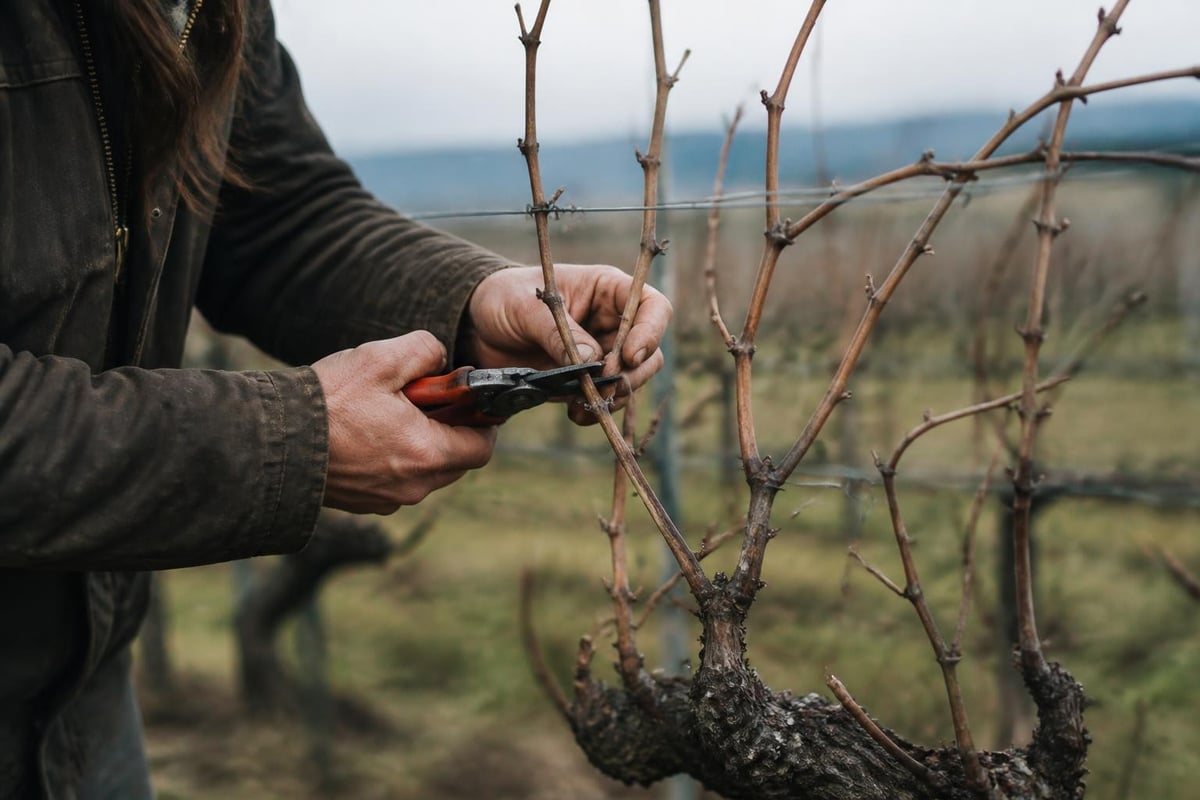
Winter in New Zealand's boutique vineyards brings a critical renewal period. While vines rest dormant, this is when the most demanding work happens. Picture this: 27,000 vines stretching across rolling hills, each one requiring individual attention.
Key winter vineyard tasks include:
- Hand-pruning every single vine to shape next season's growth
- Removing old canes and positioning new fruiting wood
- Assessing vine health and adjusting for individual plant needs
- Managing cover crops between rows to build soil health
- Working alongside grazing animals like cows and sheep
This isn't work that can be rushed or delegated to machines. It requires intimate knowledge of each vine's personality, understanding which shoots showed promise last season and which need encouragement. Many small estate owners spend these winter months working alone among their vines, making countless decisions that will influence the character of wines released years later.
From Bud Break to Harvest: The Rhythm of the Seasons
Spring awakens the vineyard with bud break, when tiny green shoots emerge from dormant canes. This vulnerable stage requires constant vigilance. Organic growers can't reach for convenient chemical sprays-instead, they rely on preventative practices and natural solutions.
As summer approaches, canopy management becomes crucial. Each leaf positioned just so allows optimal sun exposure while maintaining enough shade to prevent sunburn. This delicate balance influences the complexity that Pinot Noir is renowned for globally.
The Wild Yeast Difference
Here's where many commercial wines take a shortcut that boutique producers reject. Native vineyard yeasts-those microscopic organisms living naturally on grape skins and in the cellar-create wines with distinctive character. The Bourgogne region, birthplace of Pinot Noir, has long understood this connection between place and wine.
Commercial winemakers often use laboratory-cultured yeasts for predictable results. But when you allow wild yeasts to ferment your p noir, something magical happens-each vintage captures the unique microbial fingerprint of that specific place and season.
| Approach | Wild Yeasts | Commercial Yeasts |
|---|---|---|
| Flavour Complexity | High, unique each vintage | Predictable, standardized |
| Connection to Place | Strong terroir expression | Generic character |
| Fermentation Time | Slower, more complex | Faster, controlled |
| Risk Level | Higher, requires expertise | Lower, more reliable |
The Art of Patience: Aging Before Release
Most wineries rush their p noir to market within months of bottling. They're focused on cash flow and rapid turnover. But something remarkable happens when wine is allowed to age properly before release.
During bottle aging, harsh tannins soften. Fruit flavors integrate with oak (if used). Complex tertiary notes emerge-hints of forest floor, dried cherry, leather, and spice that simply cannot exist in young wine. This patience transforms good wine into something extraordinary.
Benefits of extended aging before release:
- More integrated tannin structure
- Development of complex aromatics
- Better food pairing versatility
- Immediate enjoyment upon purchase
- Authentic representation of the vineyard's character
When you open a bottle that's been carefully aged, you're experiencing the winemaker's complete vision-not a work in progress.
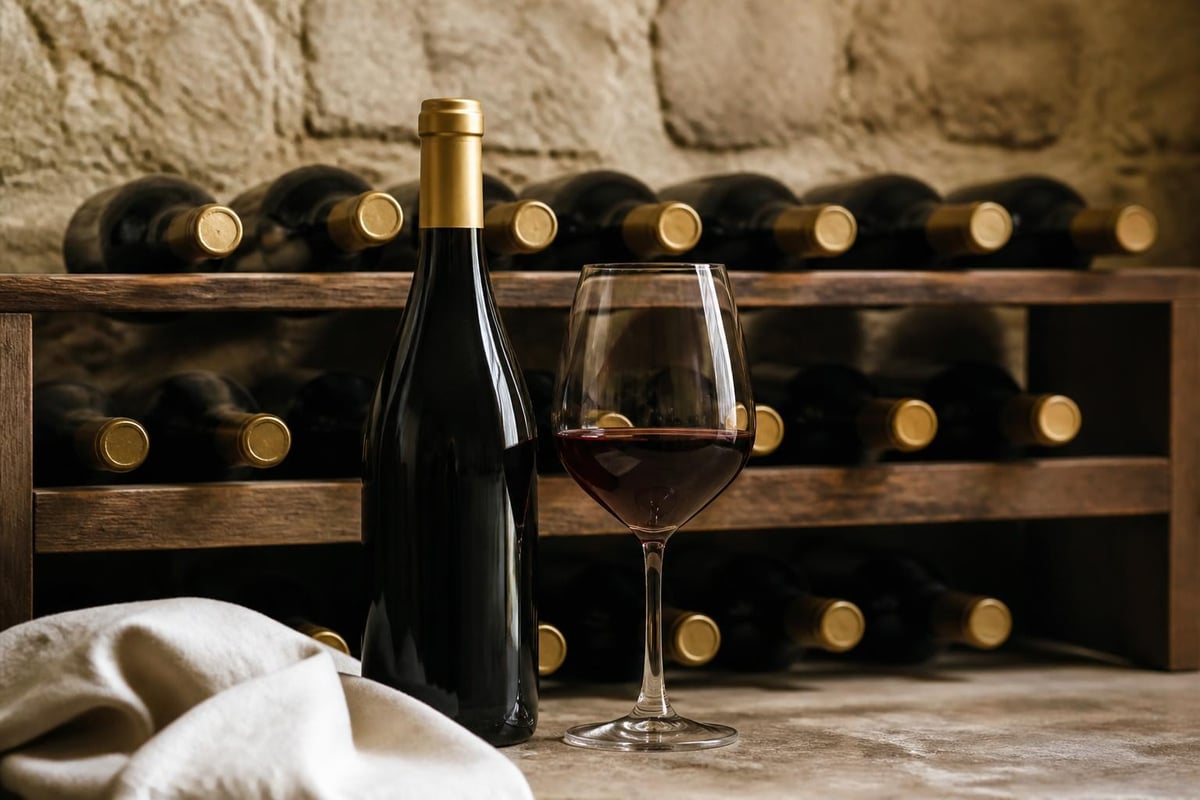
Unfined, Unfiltered, Unsulphited: Wholesome Wine Philosophy
The wine industry has normalized various processing techniques that strip wine of character in pursuit of shelf stability and visual clarity. Fining and filtering remove particles-but they also remove flavour compounds, texture, and personality.
Similarly, sulphites preserve wine but can mask its true nature. Making stable wine without these interventions requires exceptional vineyard management and meticulous cellar hygiene. Only grapes in perfect condition can become wines that stand proudly without technological support.
This approach aligns with modern appreciation for authentic Pinot Noir that expresses its origin honestly. You might notice slight sediment in unfined wines-that's not a flaw, it's proof of authenticity.
Pairing P Noir with New Zealand Cuisine
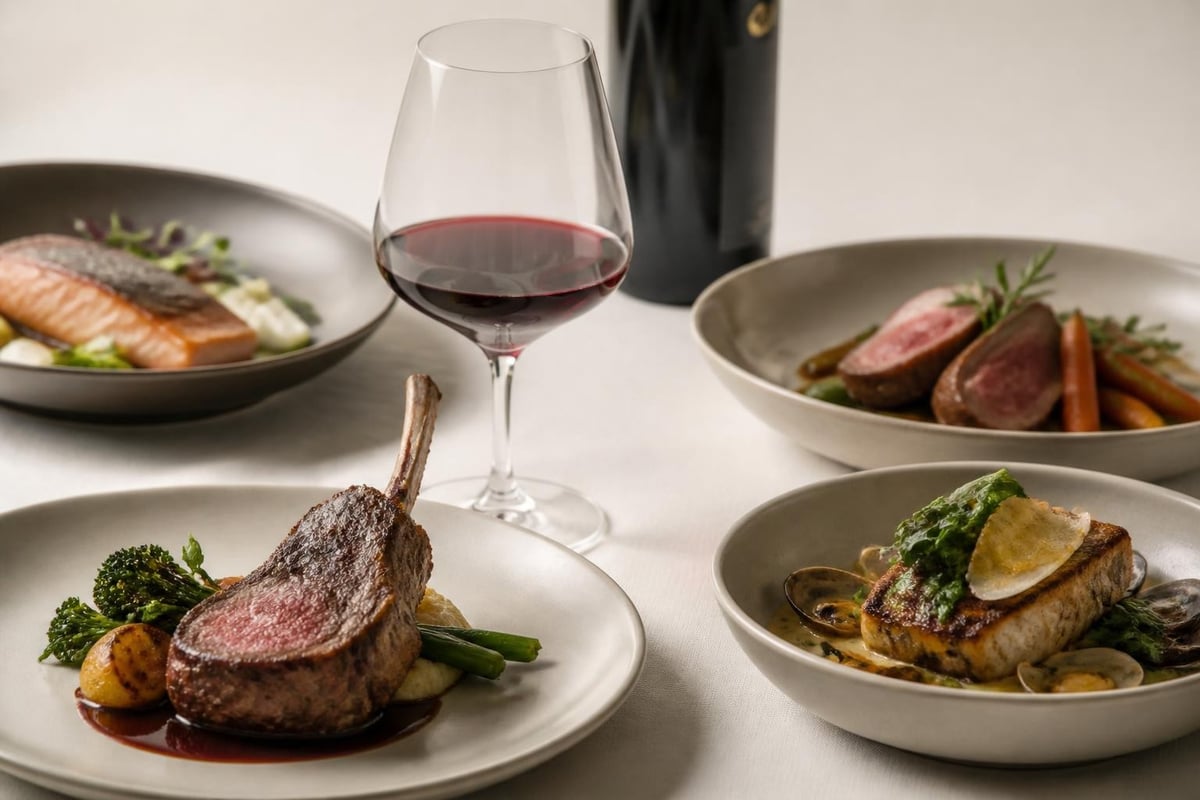
The bright acidity and medium body of well-crafted p noir makes it incredibly food-friendly. Its versatility extends far beyond the classic duck or salmon pairings you might expect.
Perfect Pairings Table
| Dish Type | Why It Works | Serving Suggestion |
|---|---|---|
| Grilled lamb | Matches earthy notes and tannin structure | Serve slightly cool, 14-16°C |
| Wild mushroom risotto | Complements umami and forest floor characteristics | Decant 30 minutes before serving |
| Smoked salmon | Acidity cuts through richness | Serve alongside fresh herbs |
| Aged cheese | Tannins and fat create harmony | Room temperature, 18-20°C |
Don't be afraid to experiment. The best pairing is often the one that brings you joy in the moment-perhaps a simple roast chicken on a Sunday evening or fish and chips from your local takeaway.
Gifts That Connect People to Place
Looking for a meaningful gift for wine lovers in your life? Artisanal p noir tells a story that mass-produced alternatives simply cannot. Each bottle represents a year in the life of a vineyard, the dedication of hands-on growers, and the unique expression of a specific place.
When you give carefully crafted wine, you're sharing more than just alcohol-you're offering an experience that connects the recipient to the seasons, the soil, and the passionate individuals who tend vines through winter's cold and summer's heat. It's a gift that honours both the recipient and the craft itself.
Consider wines from boutique producers who age their releases properly. These wines arrive ready to enjoy, offering immediate gratification while also having the structure to cellar if desired.
The True Cost of Commodity vs. Craft
Yes, artisanal p noir costs more than supermarket alternatives. But understanding what goes into each bottle reveals why this price difference represents genuine value rather than markup.
Small batch organic production requires:
- Hand labor for every vineyard task
- Years of aging before any revenue arrives
- Smaller yields that prioritize quality over quantity
- Certification costs for organic practices
- Personal attention throughout the winemaking process
Meanwhile, commodity wines achieve low prices through mechanization, high yields that dilute character, minimal aging, and industrial-scale processing. You get what you pay for-the question is whether you want wine as a simple beverage or as an authentic expression of craft and place.
Authentic p noir reflects the dedication of those who tend vines through every season, making countless careful decisions that honor both tradition and terroir. When you're ready to experience truly artisanal, organic Pinot Noir crafted with patience and passion in Waipara, North Canterbury, explore the hand-crafted selection at Fancrest Estate. Our unfined, unfiltered wines-aged to perfection before release and made without sulphites-deliver the wholesome, vibrant character that only genuine vineyard-to-bottle care can achieve.