
There is something special about Pinot Noir that draws wine lovers in from every corner of the globe. The mystery and elegance of this variety have made it a favourite for those seeking both challenge and reward in the vineyard.
Are you dreaming of starting your own pinot noir vineyard? This guide is packed with expert insights to help you succeed in 2026. You will discover how to choose the perfect site, work with the right climate, and embrace organic practices.
Get ready to explore vineyard management, harvest timing, and the latest trends. Let’s unlock the secrets to producing world-class Pinot Noir together.
Understanding Pinot Noir: History, Characteristics, and Global Appeal
Pinot Noir has a story that stretches back over a thousand years. Its roots lie in the rolling hills of Burgundy, France. Over time, this grape has enchanted wine lovers with its elegance and depth.
The journey of Pinot Noir began in ancient monasteries. Monks carefully tended the vines, finding the perfect conditions for the grape to thrive. Today, the allure of a pinot noir vineyard remains as strong as ever. People chase the dream of producing wines that capture the grape’s mystique.
What makes Pinot Noir so special? It is a grape of contrasts. The skins are thin, making the fruit delicate and sensitive to its environment. It ripens early, so growers must watch the weather closely. The flavours are complex, offering everything from red berries to earthy notes, sometimes even a hint of spice. These qualities make the pinot noir vineyard both a challenge and a joy.
Growing Pinot Noir is not for the faint-hearted. The grape is prone to disease and needs gentle care. Yet, those who persevere are rewarded with wines that express their site like no other. If you want to dig deeper into what really sets this grape apart, you might enjoy Understanding Pinot Noir Grapes.
The world’s best Pinot Noir comes from select regions. Burgundy still leads, but Oregon, Central Otago, and Waipara have earned global acclaim. Each pinot noir vineyard in these places brings something unique to the glass. In 2026, demand is still rising, especially for organic and single-vineyard wines. Wine lovers now seek out both classic reds and fresh rosés. Iconic bottles like those from Domaine de la Romanée-Conti inspire growers everywhere.
A pinot noir vineyard is more than just rows of vines. It is a gateway to a tradition that spans continents and centuries. Every bottle is an invitation to explore, taste, and perhaps, discover your next favourite wine.
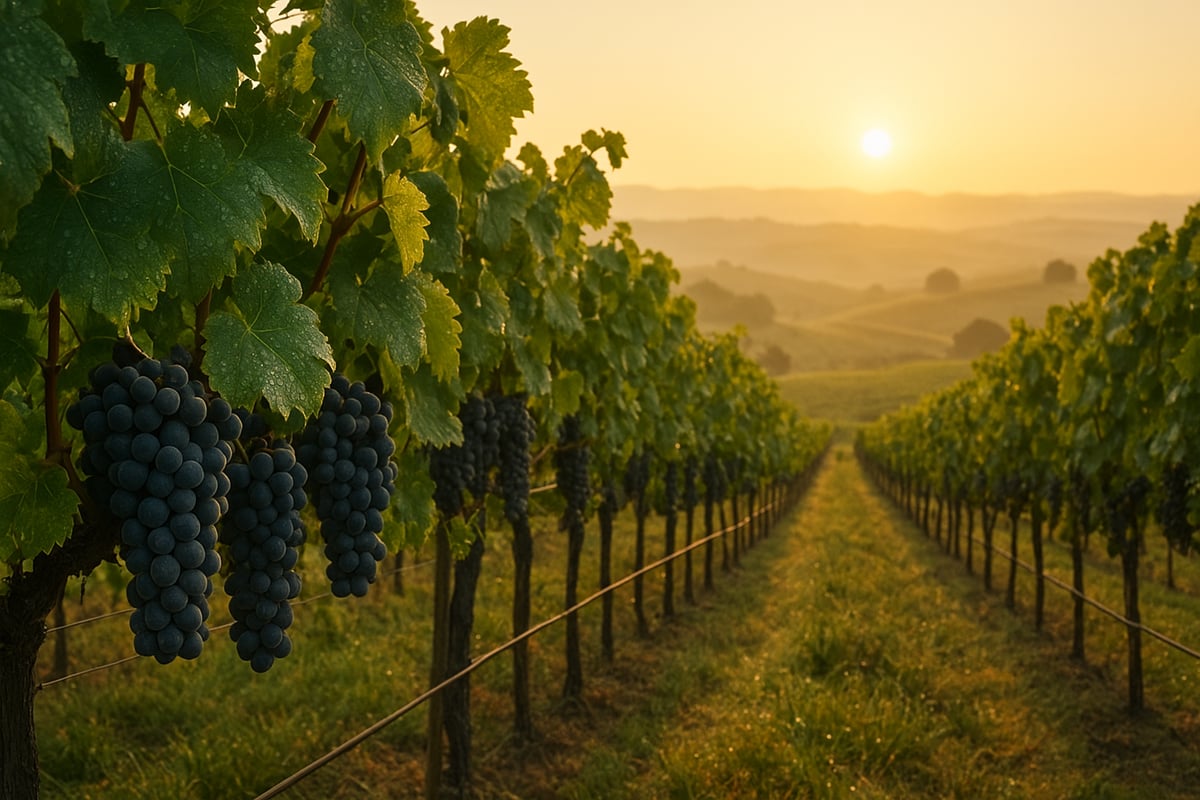
Site Selection and Climate: The Foundation for Pinot Noir Excellence
Establishing a world-class pinot noir vineyard starts with the land. The right site unlocks the grape’s full potential. Are you ready to discover what makes the difference between average and extraordinary? Let’s break down the essentials for your vineyard journey.
Terroir and Soil Requirements
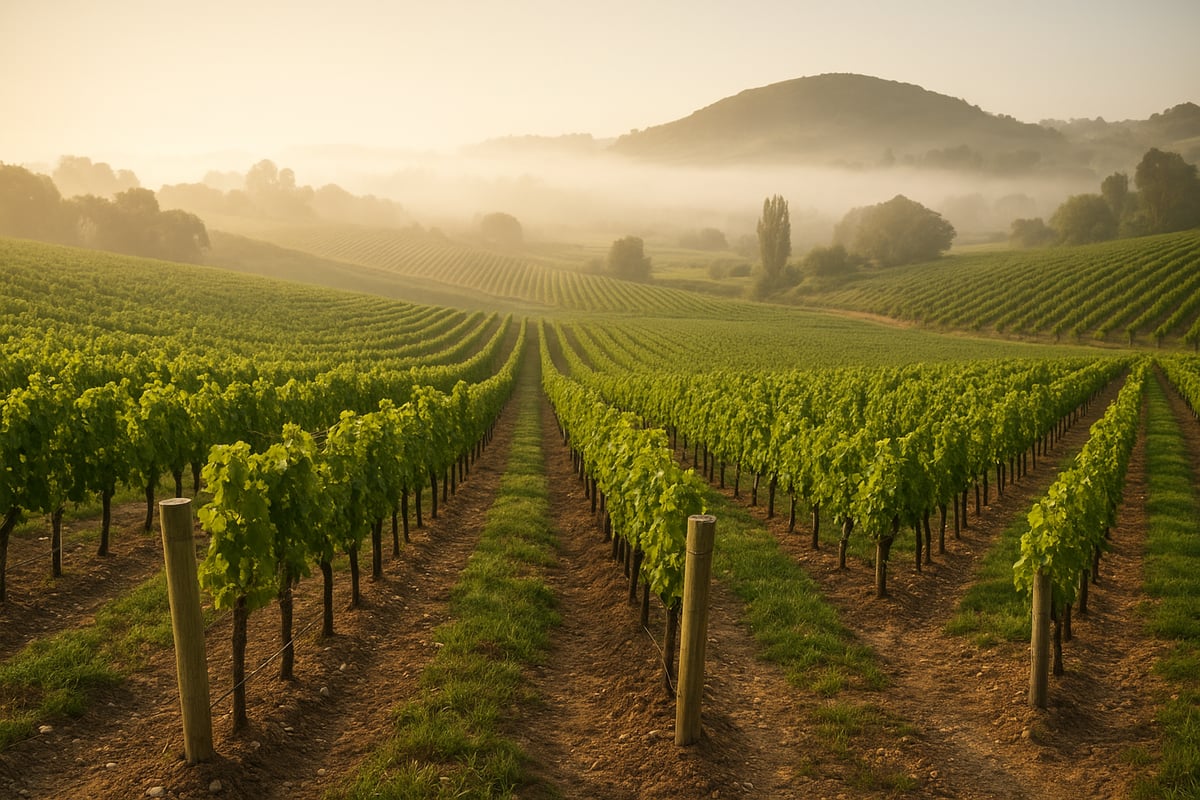
Terroir is the unique fingerprint of your pinot noir vineyard. It combines soil, climate, and landscape to shape every bottle. Pinot noir thrives in soils with good drainage and balanced fertility. Limestone, clay, and gravel soils are ideal, each bringing different flavours and textures.
Proper drainage prevents waterlogging, while slightly acidic to neutral pH (around 6-7) helps the vines access nutrients. Think of Burgundy’s famous vineyards, where centuries of observation have matched pinot noir to the perfect plots.
Curious about how soil and site influence wine? Dive deeper into these details with the Vineyard Site and Terroir Insights guide. You’ll see why great wine starts from the ground up.
Climate Considerations for 2026
Pinot noir loves cool to moderate climates with long ripening seasons. This allows the grapes to develop complex flavours without losing freshness. In 2026, changing weather patterns make it more important than ever to choose your pinot noir vineyard site wisely.
Look for locations with even rainfall and mild summers. Frost can threaten young buds, so consider natural windbreaks and frost fans. Global warming is shifting ideal regions, so research local temperature and rainfall trends before planting.
A pinot noir vineyard in a cooler area may need extra protection, but the reward is fruit with lively acidity and subtle aromas. Adaptation is the name of the game.
Vineyard Orientation and Altitude
The way you position your pinot noir vineyard can make or break your harvest. Slope, aspect, and elevation all affect how vines get sunlight and warmth. North-facing slopes in New Zealand catch more sun, helping grapes ripen evenly.
Higher altitude sites often bring cooler nights, which lock in acidity and freshness. Gentle slopes also help with drainage and reduce frost risk. Look at successful vineyards in Central Otago or Waipara for inspiration.
Careful planning here means your pinot noir vineyard stands out for quality and consistency, vintage after vintage.
Land Preparation and Environmental Impact
Good preparation sets the stage for healthy vines. Clear away old roots and weeds, then improve the soil with compost and organic matter. Erosion control matters too, especially on sloping land.
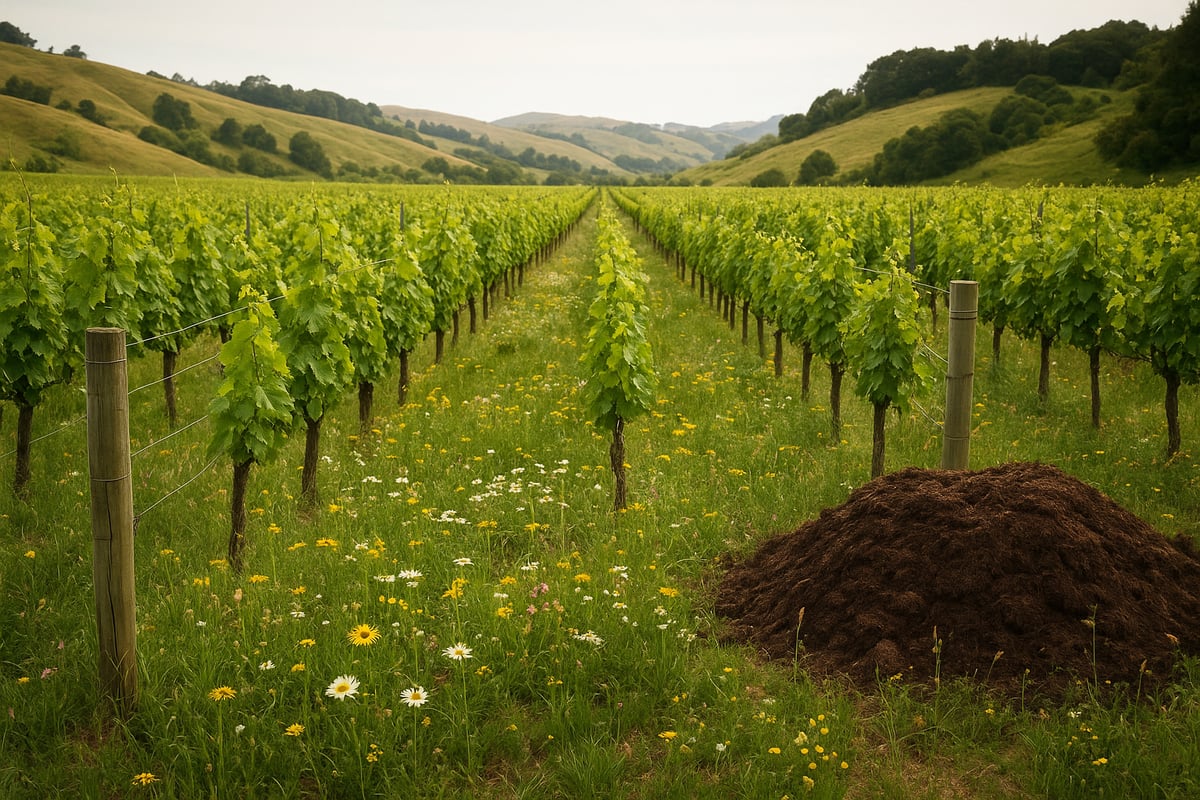
Sustainable practices are key for a thriving pinot noir vineyard. Choose cover crops to boost soil health and attract helpful insects. Every step you take now pays off in better grapes later.
Ready to nurture your land? Each thoughtful decision today brings you closer to producing a pinot noir that wine lovers will crave.
Organic and Sustainable Vineyard Practices
Organic and sustainable practices are at the heart of a thriving pinot noir vineyard. These methods not only protect the environment but also bring out the very best in your grapes. If you want to taste the difference, organic vineyards offer a clear path to premium wine.
Benefits of Organic Viticulture
Why go organic with your pinot noir vineyard? Organic methods keep the soil alive and full of nutrients. Healthy soil means stronger vines and more expressive fruit. You’ll notice the difference in the glass—richer flavours and a sense of place that’s hard to beat.
Studies show organic vineyards support more wildlife and natural balance. This leads to less disease pressure and healthier vines long-term. Organic farming is a perfect match for pinot noir, since the grape responds beautifully to gentle, hands-on care.
To learn more about these methods, check out Organic Vineyard Practices for a closer look at how organic techniques help pinot noir vineyard owners achieve outstanding results.
Natural Pest and Disease Management
Pests and diseases can be a headache in any pinot noir vineyard. Organic growers use clever strategies to keep problems in check. For example, they plant flowers that attract ladybirds, which love to eat aphids. They also use compost teas to boost vine immunity.
Instead of spraying chemicals, many vineyard owners rely on natural predators and careful monitoring. This keeps the vineyard in balance and protects the unique character of the grapes.
Less chemical use means cleaner fruit and healthier soils. That’s good news for your wine and for the planet.
Water Management and Irrigation
Pinot noir vineyard success depends on smart water use. Organic growers often use drip irrigation to deliver water right to the roots. This saves water and keeps the soil structure intact.
Water stress can actually boost grape quality, creating deeper flavours. But it’s a fine balance. Too little water, and the vines struggle. Too much, and you lose concentration in the wine.
Organic vineyards tend to use less water overall. Careful monitoring and mulching help retain moisture, making every drop count.
Certification and Market Value
Getting certified as an organic pinot noir vineyard is a step that builds trust with wine lovers. In New Zealand, certification means following strict rules and passing regular checks. Globally, more buyers seek out certified organic wines each year.
Certified organic pinot noir often commands a higher price. Wine drinkers are willing to pay more for the purity and care that go into every bottle. Going organic not only helps the earth, it can also boost your reputation and sales.
Vineyard Management: From Planting to Canopy Control
Starting a pinot noir vineyard is a hands-on journey. Every decision, from the first cuttings to how you train the vines, shapes the wine in your glass. Ready to see what it takes to grow grapes that make people want to savour every sip?
Selecting Pinot Noir Clones and Rootstocks
Choosing the right clones and rootstocks is the heart of building a strong pinot noir vineyard. Clones like 115, 667, and Abel each offer unique aromas, textures, and ripening times. Rootstocks, such as 3309 or Riparia Gloire, help vines handle soil challenges and resist pests.
Here’s a quick table to compare:
| Clone | Flavour Notes | Ripening | Suitability |
|---|---|---|---|
| 115 | Red fruit, spice | Early | Cool climates |
| 667 | Dark cherry | Mid | Varied soils |
| Abel | Earthy, floral | Early | Classic NZ style |
Matching clones and rootstocks to your soil and climate gives your pinot noir vineyard a real edge. Talk to local growers and nurseries for advice, and think about mixing clones for more complex wines.
Planting and Vine Spacing
How you plant and space your vines will set the stage for your pinot noir vineyard’s future. Rows often run north to south, taking full advantage of sunlight. Spacing between vines can be tight, especially if you want lower yields and more intense fruit.
A typical setup:
- Row orientation: North-south for even sun
- Vine density: 4000-5000 vines per hectare
- Spacing: 1.0-1.2 metres between vines
Close planting helps vines compete, pushing roots deeper. This can mean better grape quality and longer vineyard life. Each pinot noir vineyard site is different, so adapt spacing to your land and goals.
Pruning, Trellising, and Canopy Management
Pruning sets the rhythm for your pinot noir vineyard. Most growers use cane pruning or double Guyot, which keeps yields balanced and disease low. Trellis systems like VSP (Vertical Shoot Positioning) support the shoots, letting in just the right amount of light and air.
Key techniques:
- Prune in late winter to control bud numbers
- Use VSP trellising for even sunlight
- Remove leaves early in the season to prevent mildew
Canopy management is ongoing. Tidy, open canopies help grapes ripen evenly and stay healthy. This hands-on care is what makes a pinot noir vineyard stand out.
Soil Nutrition and Cover Cropping
Healthy soil is the secret weapon of any pinot noir vineyard. Organic compost and seaweed sprays feed the vines naturally, boosting flavour and resilience. Cover crops like clover or vetch grow between rows, fixing nitrogen, improving structure, and keeping weeds in check.
Benefits of cover cropping:
- Suppresses weeds naturally
- Attracts beneficial insects
- Improves soil texture and water flow
Many organic growers swear by cover crops. These simple steps create a thriving pinot noir vineyard and a living, breathing ecosystem.
Fancrest Estate: Organic Pinot Noir Expertise in Waipara
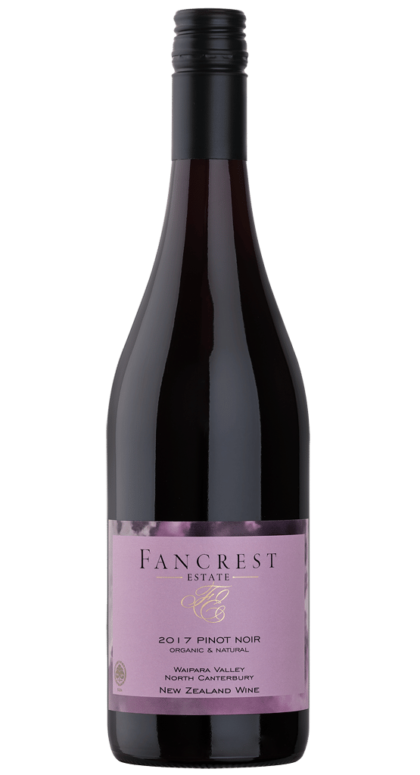
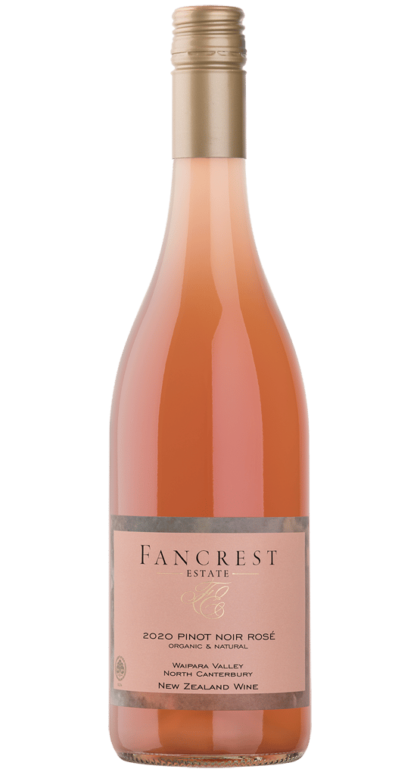
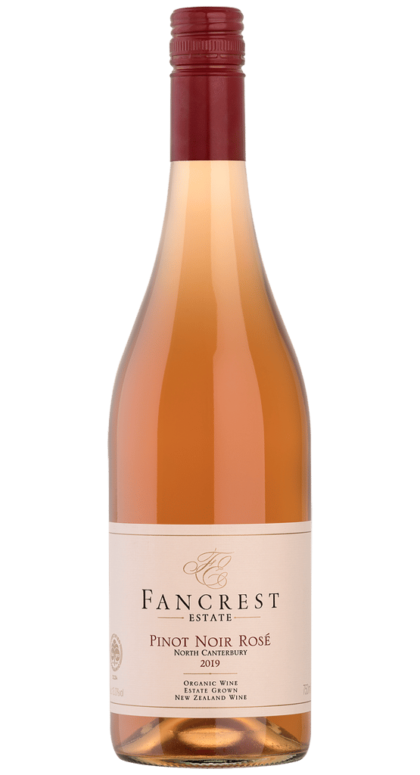
Fancrest Estate shows what’s possible when you put organic principles first. Their pinot noir vineyard in North Canterbury is certified organic, using only natural yeasts and gentle vineyard care.
Wines are crafted in small batches, aged to perfection, and sold exclusively online. This means you get the freshest, most vibrant bottles direct from the source. The aged release approach lets the wine’s true character shine.
Curious about how great organic pinot noir can taste? Head to Fancrest Estate’s website and explore their unique range. It’s a direct connection to the vineyard and a taste of what careful, hands-on management can achieve.
Harvest Timing and Winemaking Decisions
Harvest season is a thrilling time in any pinot noir vineyard. You can almost feel the anticipation in the air as the grapes reach their peak. Making the right decisions now sets the stage for the wine's final character and quality.

Determining Optimal Harvest Dates
Choosing the ideal moment to harvest in your pinot noir vineyard is crucial. It all starts with checking ripeness indicators, including:
- Sugar levels (brix)
- Acidity balance
- Phenolic maturity (skin and seed ripeness)
Weather plays a big role too. Sudden rain or heat can shift the balance quickly. Each vintage brings its own set of challenges, so flexibility is key.
For example, in cool years, grapes may ripen slowly, building intense flavours. In warmer years, you might harvest earlier to keep freshness. Top vineyards sample and taste daily as harvest approaches, aiming for that perfect balance every season.
Gentle Harvesting and Sorting Techniques
Pinot Noir is delicate, so gentle handling matters. Most premium pinot noir vineyard teams pick by hand at dawn, when grapes are cool and firm. This keeps the fruit intact and reduces oxidation.
After picking, the next step is sorting. Only the best bunches make it to the winery. Some estates use vibrating tables or even sort berry by berry. Small batches mean more control and higher quality.
If you want to see this process in action, check out the detailed guide on Natural Pinot Noir Harvesting. It shows why careful harvest and sorting are essential for top results.
Winemaking Choices That Shape Pinot Noir Style
What happens in the winery can transform your pinot noir vineyard’s fruit into something truly special. Winemakers have choices at every step. Some prefer whole bunch fermentation, which brings spicy notes and structure. Others use wild yeast for depth and complexity.
Temperature control is vital. Cooler ferments keep fresh fruit flavours, while warmer ones draw out colour and tannins. Oak ageing adds layers of spice or vanilla, depending on the barrel. Minimal intervention lets the vineyard’s character shine.
Some producers even make rosé from early-picked grapes, creating a vibrant, food-friendly style. Each decision highlights the unique potential of your pinot noir vineyard and can inspire you to explore Fancrest Estate’s wines online for a taste of what’s possible.
Future Trends and Innovations in Pinot Noir Vineyards
Curious where the future of pinot noir vineyard excellence is heading? Let’s explore the latest trends shaping the way you might grow, manage, and enjoy these celebrated wines. By embracing innovation, you can secure your place among the next generation of passionate producers and wine lovers.
Climate Adaptation and New Technologies
Is your pinot noir vineyard ready for a changing climate? New technology is helping growers adapt to unpredictable weather. Frost fans, smart irrigation sensors, and disease monitoring tools now play a big part in protecting delicate grapes.
There is growing interest in new clones bred for resilience, especially in cooler areas. Many vineyards are turning to research-backed methods that increase grape quality and reduce risk. If you want deeper insight, the Adaptive Viticulture Strategies in Cold Climates paper offers practical ideas that work well for pinot noir vineyard owners.
These advances make it easier to maintain healthy vines, even as seasons shift. Staying ahead with innovation means your wine can shine, vintage after vintage.
Sustainability and Regenerative Practices
Have you noticed more talk about eco-friendly vineyards? Sustainable and regenerative practices are now at the forefront. Growers are planting cover crops, building biodiversity corridors, and using fewer chemicals in every pinot noir vineyard.
Regenerative methods also boost soil health and help with carbon capture. Some, like Castle Rock Winery, are leading the way with bold green initiatives. If you want to see what this looks like in action, check out how Sustainable Practices in Mendocino County Vineyards create better wines and a healthier landscape.
These changes are not just good for the planet. They make your wines more appealing to a growing base of conscious consumers.
Evolving Consumer Preferences and Market Opportunities
What are wine lovers looking for in 2026? Many seek out pinot noir vineyard wines that are organic, premium, and available directly from the source. Digital tools are making it easier to connect with fans, whether you are selling online or inviting visitors to your vineyard.
Direct-to-consumer models mean you can deliver freshness and unique experiences. Wine tourism is growing, too, with more people wanting to discover where their favourite bottles begin. Fancrest Estate is a great example, offering aged-release organic Pinot Noir only through their website, so you always get the best.
If you want to be part of this future, explore Fancrest Estate’s range and see how your own pinot noir vineyard journey could start online.
So, after diving into the ins and outs of growing top notch Pinot Noir—everything from picking the perfect site to nurturing your vines organically—you might be wondering what all this looks like in practice. If you’re curious how these expert insights come alive in a real vineyard, why not have a look at Fancrest Estate’s wines? We put all these sustainable, hands on methods to work right here in Waipara, and the proof is in every bottle. Ready to taste what true organic Pinot Noir is all about? Explore our wine selection here..