
New zealand rose wine is taking centre stage, capturing the attention of wine lovers as 2026 draws near. The vibrant pink hues, enticing aromas, and crisp flavours are making waves both locally and on the global stage.
This guide is your passport to the world of new zealand rose wine. We will explore the essentials, from grape varieties and regional highlights to unique winemaking methods and must-try bottles.
Whether you're a seasoned enthusiast or just discovering rosé, get ready to uncover trends, expert picks, and tips for choosing the perfect bottle. Let’s dive in and celebrate the best of new zealand rose wine together.
What Makes New Zealand Rosé Wine Unique?
What sets new zealand rose wine apart from the rest of the world? It’s a story of place, people, and passion. From the tip of the North Island to the cool valleys of the South, each bottle captures a unique combination of climate, grape, and craft. Let’s explore the elements that make new zealand rose wine a standout on the global stage.

Climate and Terroir Influence
New zealand rose wine owes much of its vibrancy to the country’s maritime climate. Cool ocean breezes keep temperatures moderate, preserving acidity and freshness in the grapes. Each of New Zealand’s 10 major wine regions has its own microclimate. In the North Island, warmer days create riper, fruitier rosés, while the South Island’s cooler nights, as in Central Otago, deliver wines with crisp acidity and vivid colour.
Soil diversity is another key. Limestone, gravel, and clay impart different textures and flavour nuances to new zealand rose wine. For a deep dive into how regions and terroir shape style, check out this New Zealand Rosé Wine Overview.
Grape Varieties Used in NZ Rosé
Pinot Noir is the undisputed star of new zealand rose wine, especially in the South Island. Its delicate skins create pale, aromatic rosés bursting with red fruit. In the North Island, Bordeaux and Rhône grapes like Merlot and Syrah are common, giving richer colour and spice.
Winemakers are also experimenting with lesser-known grapes, adding new layers of complexity. Compare a Marlborough Pinot Noir rosé—light, fresh, and floral—to a Syrah rosé from Hawke’s Bay, which is deeper and more robust. This grape diversity keeps new zealand rose wine exciting and ever-evolving.
Winemaking Techniques
How new zealand rose wine is made has a huge influence on style. Most rosés get their beautiful pale hue from just a short period of skin contact, sometimes just a few hours. Stainless steel tanks are popular for fermenting, locking in pure fruit flavours and crispness, while a few producers use oak barrels for added texture.
Blending can be used, where allowed, to balance acidity and complexity. New Zealand also shines in sparkling rosé, especially in Marlborough and Central Otago, with méthode traditionnelle techniques producing fine bubbles and vibrant freshness. These winemaking choices give new zealand rose wine its signature charm.
Style Spectrum: From Dry to Sweet
New zealand rose wine comes in a dazzling array of styles, from bone-dry to lush and sweet. The final taste depends on grape ripeness at harvest and decisions in the winery. Dry rosés are lively and food-friendly, perfect for summer salads or seafood. Off-dry and sweeter styles work beautifully with spicy dishes or as an aperitif.
Look for colour cues—paler shades often mean a crisper, drier wine, while deeper hues can signal more fruit or sweetness. There’s a new zealand rose wine for every palate and occasion.
The Rise of Organic and Sustainable Rosé
Sustainability is a growing force in new zealand rose wine. More than 10 percent of vineyards are now certified organic, with regions like Waipara and Marlborough leading the charge. Consumers are seeking wines made with minimal intervention, caring about both taste and environmental impact.
Organic rosé producers focus on healthy soils and biodiversity, crafting wines that are pure expressions of their land. The movement toward eco-friendly and natural new zealand rose wine is only set to grow, making each glass a little greener and more meaningful.
Key New Zealand Rosé Wine Regions in 2026
From north to south, New Zealand rosé wine regions are thriving in 2026. Each offers its own twist on this vibrant style, shaped by climate, grape choice, and winemaking innovation. Whether you’re after lively freshness or bold fruit, there’s a new zealand rose wine region waiting to surprise you.
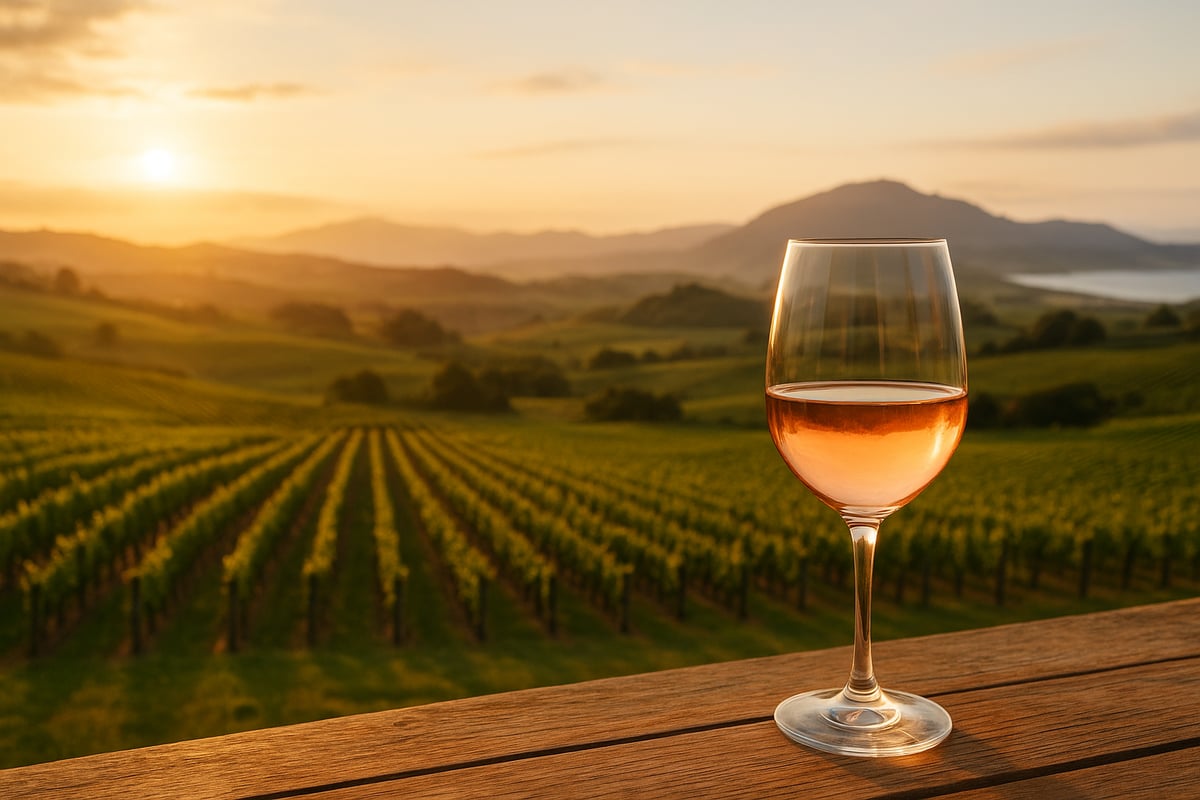
Marlborough: The Heart of NZ Rosé
Marlborough is the powerhouse of new zealand rose wine production, known for its sun-drenched valleys and cool sea breezes. Pinot Noir leads the way here, delivering rosé with vibrant acidity and fresh red berry flavours.
You’ll find a broad spectrum, from pale, dry styles to fruitier options. Marlborough’s signature rosé is crisp and lively, perfect for alfresco dining.
Notable producers include:
- Cloudy Bay
- Saint Clair Family Estate
- Allan Scott
In 2026, Marlborough is seeing a push towards sustainable practices and refined winemaking. Local rosé is a favourite for summer picnics, and its global popularity keeps rising.
Central Otago: Cool Climate Elegance
Central Otago sits high in New Zealand’s south, with dramatic mountains and cool nights. This region crafts new zealand rose wine that’s all about intensity and elegance. Pinot Noir reigns supreme, giving rosé a backbone of crisp acidity and vivid fruit.
Sparkling rosé is a growing trend here, with méthode traditionnelle fizz gaining fans. Exports of Central Otago rosé jumped by 15% in 2025, reflecting soaring demand.
Top picks include:
- Amisfield Pinot Noir Rosé 2024 and 2025
- Akarua
- Quartz Reef
Expect a burst of cherry, strawberry, and mineral notes in every glass. If you love structured, refreshing rosé, this region delivers.
Hawke’s Bay: Bold and Fruity Expressions
Hawke’s Bay offers a warmer climate, ideal for Bordeaux and Rhône varietals. Here, new zealand rose wine takes on a deeper colour and richer profile, with notes of stone fruit and ripe berries.
Producers often use Merlot, Syrah, and Malbec, creating rosé with more body and complexity. Food-friendly styles are a hallmark, pairing beautifully with robust dishes.
Don’t miss:
- Alpha Domus Beatrix Sparkling Rosé
- Trinity Hill
- Elephant Hill
Hawke’s Bay is building a reputation for adventurous blends and innovative sparkling rosé. It’s a must-visit for anyone who wants a fuller, more savoury style.
Waipara & North Canterbury: Boutique and Organic
Waipara and North Canterbury are at the forefront of boutique and organic new zealand rose wine. Small producers focus on terroir-driven expressions, often using organic or natural methods.
The region’s organic vineyard area has doubled since 2022, and natural rosé is now a local specialty. Pinot Noir leads, but you’ll also find creative blends and minimal-intervention wines.
Key names include:
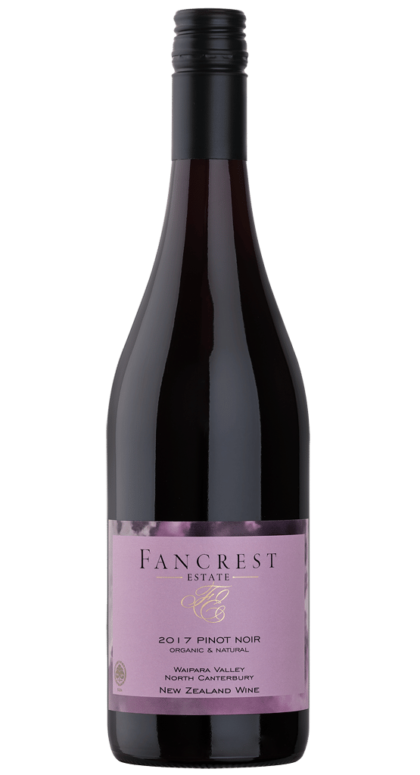
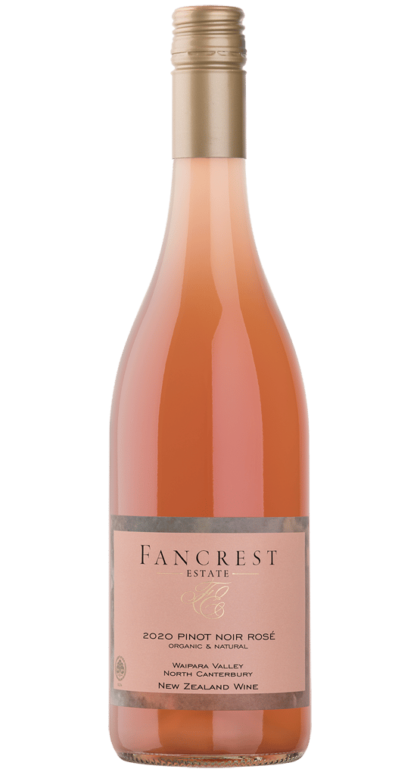
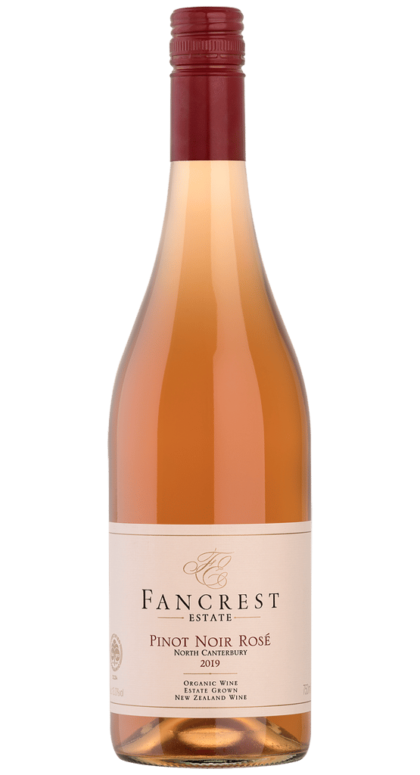
- Fancrest Estate
- Black Estate
- The Bone Line
If you’re eager to explore organic options, check out the Waipara Organic Rosé Wines for a taste of this region’s unique offerings. Expect delicate florals, fresh herbs, and a vibrant finish in every bottle.
Other Notable Regions: Gisborne, Nelson, Waiheke Island
Beyond the big names, other regions are also shining in the new zealand rose wine scene. Gisborne brings early-ripening grapes that deliver aromatic, fruit-forward rosés.
Nelson stands out for boutique producers crafting floral, citrusy styles. Waiheke Island, with its mineral-rich soils, offers limited-production rosé with a savoury twist.
Examples worth tasting:
- Bright, fragrant blends from Nelson’s family-run wineries
- Waiheke’s rare, mineral-driven rosés
- Gisborne’s lush, aromatic Pinot Gris rosé
These regions prove that diversity is one of the greatest strengths of new zealand rose wine. There’s always something new to discover.
Understanding Rosé Styles and How to Choose
Choosing the perfect new zealand rose wine can feel like an adventure in a glass. With so many styles and options, where do you start? Let’s break down what makes each bottle unique, so you can confidently pick the rosé that suits your taste, occasion, and mood.
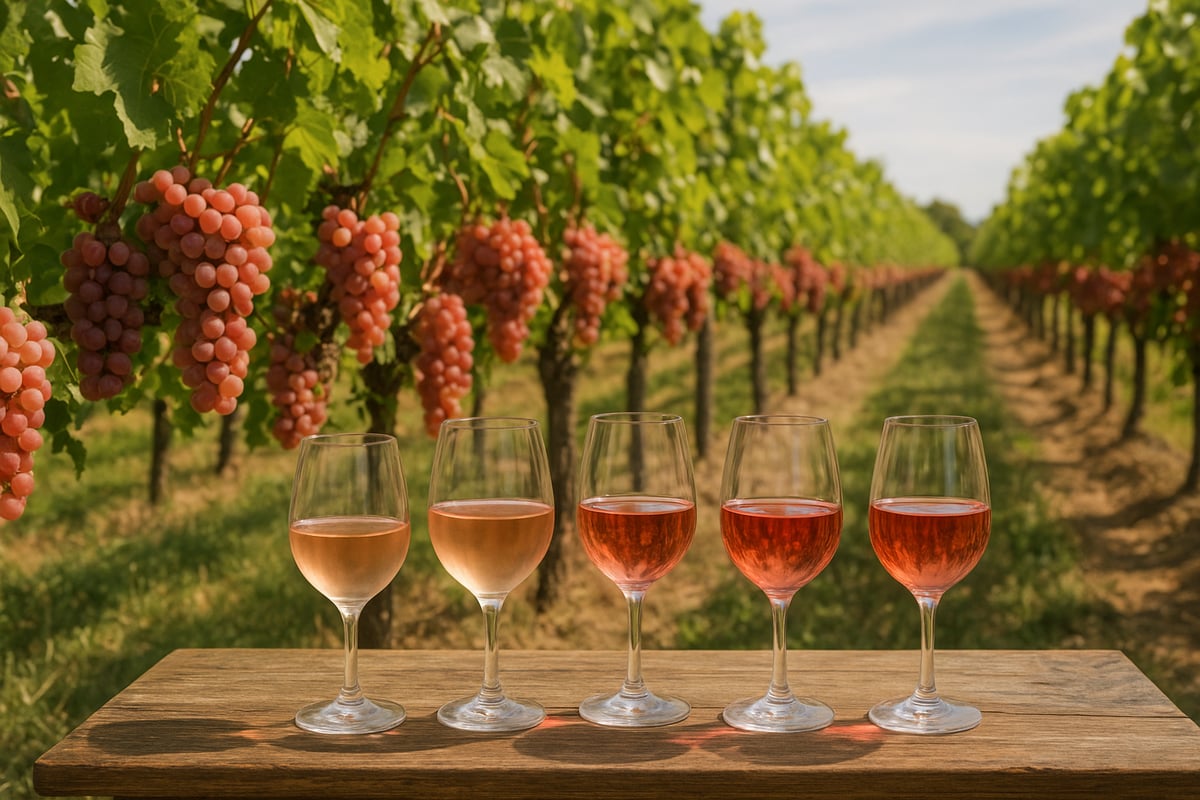
Colour and Appearance: What It Tells You
The first thing you’ll notice about new zealand rose wine is its stunning colour spectrum. From the palest blush to bold watermelon pink, the hue tells a story about grape variety and winemaking.
| Colour | Likely Grape | Winemaking Hint |
|---|---|---|
| Pale salmon | Pinot Noir | Short skin contact |
| Light pink | Merlot, Syrah | Gentle pressing |
| Deep pink | Blends, Syrah | Longer skin contact |
Deeper colours often suggest more time on the grape skins, which can mean a fuller body or riper fruit notes. Lighter shades typically hint at crispness and delicacy, especially in new zealand rose wine from cool regions like Marlborough or Central Otago.
Aroma and Flavour Profiles
Swirl and sniff your new zealand rose wine, and you’ll discover a bouquet as diverse as the landscape it comes from. Expect aromas of strawberries, watermelon, and white flowers, often with hints of citrus or melon.
Marlborough rosés tend to burst with strawberry and watermelon scents, while Central Otago can deliver cherry and redcurrant. Hawke’s Bay might surprise you with stone fruit and a dash of spice. Each region brings its own personality, making new zealand rose wine a treat for the senses.
Dryness and Sweetness Levels
New zealand rose wine ranges from bone-dry to lusciously sweet. The key to finding your style? Check the label for clues like “dry,” “off-dry,” or “medium sweet.” Technical data such as residual sugar (RS) can help, but don’t be afraid to ask your wine merchant for guidance.
Dry rosé is perfect for seafood or summer salads, while a slightly sweeter style shines with spicy dishes. For more expert tips on picking the right bottle, check out this New Zealand Rosé: A Buyer's Guide.
Still vs. Sparkling Rosé
Are you after a quiet night in or a festive toast? Still new zealand rose wine offers pure fruit flavours and versatility, while sparkling rosé brings bubbles and excitement.
Sparkling rosé from Central Otago or Marlborough often uses the traditional method, giving you fine mousse and extra complexity. These wines are fabulous with canapés, seafood, or simply on their own. Still rosé, on the other hand, is the ultimate all-rounder for picnics and BBQs.
Food Pairing and Serving Tips
Pairing new zealand rose wine with food is a delight. Classic matches include fresh seafood, green-lipped mussels, summer salads, and Asian-inspired cuisine.
- Serve well chilled, ideally 8-10°C
- Use white wine glasses to focus aromas
- Try rosé with spicy Thai or Vietnamese dishes
- For a tasting flight, sample a range of dry and off-dry styles
Remember, the best new zealand rose wine is the one that matches your palate and the occasion.
Top New Zealand Rosé Wines to Try in 2026
New zealand rose wine is stealing the spotlight in 2026, with diverse styles, innovative producers, and a fresh wave of excitement across the country. Whether you are a seasoned wine enthusiast or a curious newcomer, there has never been a better time to explore what New Zealand has to offer in the world of rosé. Ready to discover your next favourite pink drop? Let’s dive into the most outstanding bottles and producers you will want on your radar this year.
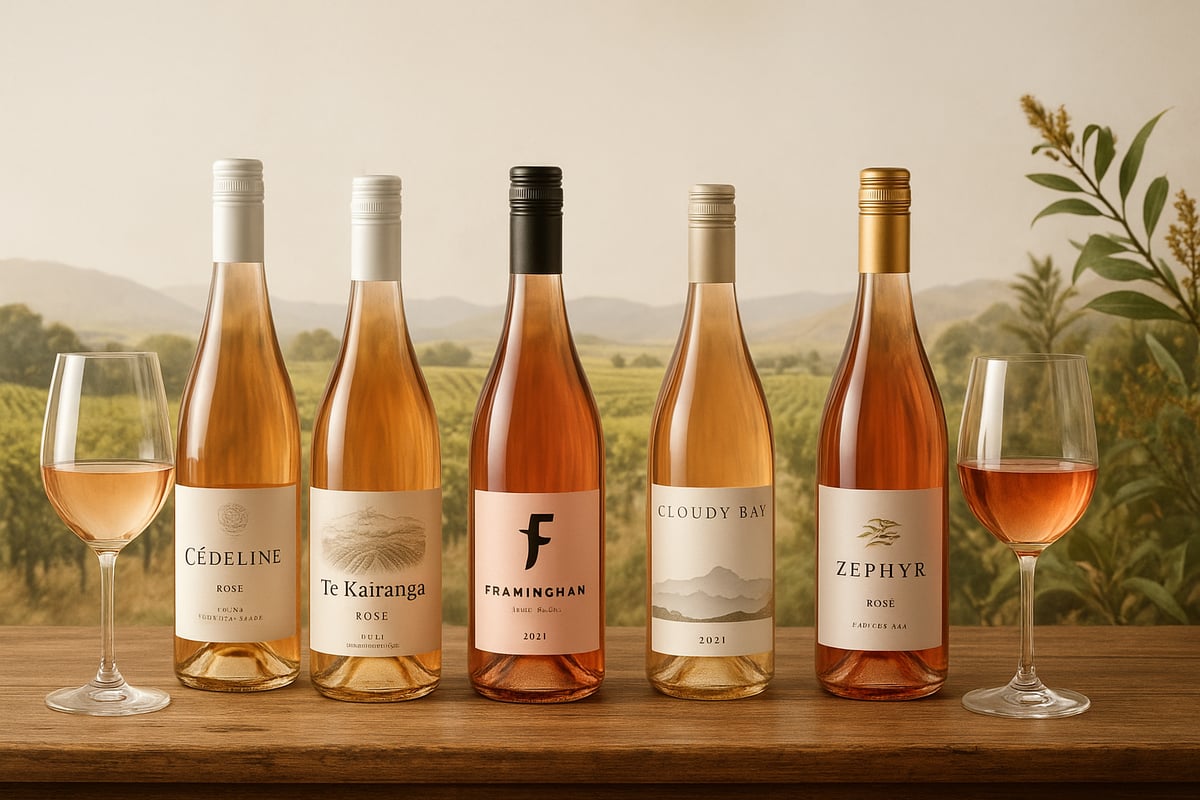
Iconic Producers and Bottles
When it comes to new zealand rose wine, several names stand out for their consistent quality and international acclaim. Cloudy Bay’s Pinot Noir Rosé remains a benchmark, celebrated for its bright berry flavours and crisp finish. Saint Clair Family Estate also delivers top-tier rosé, offering vibrant aromas and a silky texture that fans rave about vintage after vintage.
Amisfield’s Pinot Noir Rosé from Central Otago is another must-try, often praised for its purity and balance. Alpha Domus, meanwhile, shines with its Beatrix Sparkling Rosé, a favourite for festive occasions. These producers have set the bar high, earning medals and critical praise, making their bottles essential for anyone exploring new zealand rose wine in 2026.
If you are seeking a quick summary, here is a handy comparison:
| Producer | Region | Style | Notable Bottle |
|---|---|---|---|
| Cloudy Bay | Marlborough | Still | Pinot Noir Rosé |
| Saint Clair | Marlborough | Still | Pinot Noir Rosé |
| Amisfield | Central Otago | Still | Pinot Noir Rosé |
| Alpha Domus | Hawke’s Bay | Sparkling | Beatrix Sparkling Rosé |
Up-and-Coming and Boutique Labels
The world of new zealand rose wine is buzzing with innovative boutique producers who are reshaping the pink wine scene. In Central Otago, small wineries like Maude and Prophet’s Rock are crafting limited-release rosés with depth and complexity. These labels experiment with wild ferments, amphora ageing, and lesser-known grape varieties, adding intrigue to every sip.
Waipara is another hotspot, where natural winemakers are producing expressive, terroir-driven rosés in tiny batches. The rise of pét-nat (pétillant naturel) rosés has also brought a fun, fizzy twist to the category. If you love discovering hidden gems before they go mainstream, keep an eye on these emerging names in new zealand rose wine—they are leading the charge in creativity and flavour.
Curious about what makes boutique rosé so special? Look for notes of wild strawberries, herbs, and a touch of minerality, all wrapped up in a refreshingly dry finish.
Sparkling Rosé Standouts
Sparkling new zealand rose wine is making a splash for celebrations and everyday enjoyment alike. Methode traditionnelle bottles from Central Otago, like Amisfield and Quartz Reef, deliver fine bubbles and a sophisticated profile with hints of red berries and brioche. These wines are perfect for toasting milestones or pairing with light seafood dishes.
Alpha Domus Beatrix Sparkling Rosé from Hawke’s Bay is a crowd-pleaser, known for its lively mousse, stone fruit flavours, and elegant structure. Charmat-method rosés, which are tank-fermented, offer a fruit-forward, easy-drinking style that is ideal for summer gatherings.
Pair these sparkling rosés with fresh oysters, sushi, or even crispy fried chicken for a delightful contrast. With new zealand rose wine, there is a bubbly option for every palate and occasion.
Organic and Natural Rosé Highlights
Sustainability is at the heart of new zealand rose wine, with more producers embracing organic and natural winemaking. Waipara leads the way, thanks to its thriving community of organic growers crafting vibrant Pinot Noir rosés with minimal intervention. Marlborough has also seen a surge in certified organic vineyards, resulting in pure, expressive rosés with a focus on terroir.
If you are passionate about eco-friendly choices, these bottles deliver both taste and transparency. For a deeper dive into what sets natural rosé apart in New Zealand, check out these Natural Rosé Wine Insights.
Expect flavours ranging from wild raspberry and rose petal to savoury herbs, all with a clean, refreshing finish. These wines not only taste good but also reflect a commitment to the land and future generations.
Value Picks and Best Buys
Finding great new zealand rose wine does not have to break the bank. There are plenty of high-quality options under $30 NZD that deliver on both flavour and value. Amisfield’s Pinot Noir Rosé often appears on special pricing, making it a top pick for savvy shoppers. Saint Clair and Two Rivers also offer excellent rosés at accessible price points, with vibrant fruit and crisp acidity.
Looking for deals? Specialist wine retailers and online shops frequently feature mixed rosé cases, allowing you to sample a range of styles without overspending. Do not overlook supermarket selections, where you can often spot award-winning bottles at wallet-friendly prices.
With so many choices, enjoying premium new zealand rose wine at home has never been easier or more affordable.
Collectible and Age-worthy Rosés
While most new zealand rose wine is crafted for fresh, youthful drinking, a select few are built to improve with short-term cellaring. Structured Pinot Noir rosés from Central Otago, for example, develop greater complexity and subtlety after a year or two in the bottle. Look for wines with a firm acid backbone and layered fruit, as these tend to age gracefully.
To get the most out of your collectible rosés, store them in a cool, dark place and serve slightly chilled to highlight their evolving aromas. Tasting an aged rosé can reveal surprising notes of dried flowers, spice, and savoury earth.
Building a small collection of age-worthy new zealand rose wine adds a rewarding dimension to your wine journey and ensures you always have something special on hand.
Trends and Innovations in NZ Rosé for 2026
As 2026 approaches, the world of new zealand rose wine is buzzing with fresh trends, bold experiments, and exciting shifts. Winemakers are pushing boundaries, while consumers are gravitating toward more sustainable and expressive bottles. Curious about what’s shaping the next wave of your favourite pink pour? Let’s dive into the key innovations defining new zealand rose wine right now.

Sustainability and Regenerative Viticulture
Sustainability is at the heart of new zealand rose wine in 2026. More wineries are moving beyond organic certification, embracing regenerative viticulture. This means cover crops between vine rows, reduced chemical use, and a focus on soil health. These eco-friendly practices are transforming vineyards into vibrant ecosystems. According to the New Zealand Wine Exports Report 2025, the number of certified organic vineyards has jumped, and many are now trialling carbon-neutral initiatives. Consumers are not just looking for delicious wine but also for bottles that tread lightly on the planet. Expect more labels highlighting sustainable credentials and a richer, cleaner taste in every glass of new zealand rose wine.
Winemaking Experimentation
Innovation is the name of the game for new zealand rose wine makers. Winemakers are experimenting with wild ferments, using indigenous yeasts for added complexity. Amphora and concrete eggs are making their way into cellars, bringing new textures and subtle earthy notes. Blending lesser-known grape varieties is on the rise, creating rosé styles that break the traditional mould. Some producers are even reimagining sparkling rosé, mixing classic methods with local flair. For a deep dive into how these trailblazers are rewriting the book on rosé wines, check out this guide to the latest creative moves. These experimental approaches are giving new zealand rose wine an edge, appealing to adventurous palates seeking something unique.
Packaging and Distribution Innovations
The packaging revolution is in full swing for new zealand rose wine. Eco-friendly packaging, such as lightweight bottles and recyclable cans, is now a common sight. This not only reduces freight emissions but also makes rosé easier to enjoy on the go. Subscription services and direct-to-consumer online stores are booming, offering curated rosé packs and global shipping options. Some wineries even release online-exclusive blends, giving fans early access to limited-edition bottles. These new distribution channels mean that no matter where you are, a taste of new zealand rose wine is just a click away. The focus on sustainability extends beyond the vineyard, making rosé a smarter, greener choice for 2026.
Evolving Consumer Preferences
Tastes are shifting in the world of new zealand rose wine. There’s a clear move toward drier, food-friendly styles, especially among younger drinkers. Millennials and Gen Z are making pink wine their go-to for gatherings, picnics, and celebrations. Data from industry reports shows rosé sales rising by 20 percent among 25 to 35-year-olds in the past year. These consumers are also more likely to seek out sustainable and organic options, reflecting a broader trend toward mindful drinking. The versatility of new zealand rose wine, from still to sparkling and dry to off-dry, makes it a favourite for any occasion. Expect bolder, more expressive bottles to continue grabbing attention in 2026.
Awards, Ratings, and Recognition
Recognition for new zealand rose wine is reaching new heights. In recent competitions, Kiwi rosés have scooped up gold medals and high scores, cementing their status on the world stage. The 2025 Decanter World Wine Awards saw multiple New Zealand bottles recognised for their freshness, vibrancy, and complexity. Such accolades influence both trends and buying decisions, inspiring winemakers to raise the bar even higher. As more critics and sommeliers champion new zealand rose wine, international demand is likely to soar. These awards are more than just trophies; they reflect the innovation and dedication driving the world’s best rosé.
How to Buy and Enjoy New Zealand Rosé in 2026
Buying and enjoying new zealand rose wine in 2026 is easier and more exciting than ever. Whether you are shopping online, browsing boutique wine shops, or planning a vineyard adventure, there are endless ways to find your new favourite bottle. Let us guide you through the essentials of selecting, storing, and savouring the best pink drops New Zealand has to offer.
Where to Buy: Online and In-Store
Finding new zealand rose wine is a breeze in 2026. Online retailers offer curated selections, special releases, and global shipping right to your door. Specialist wine shops and supermarkets stock a range of local and international rosés, often with tasting notes and staff recommendations.
For a personal touch, visit a winery cellar door where you can sample before you buy. Many cellar doors also offer exclusive bottlings and seasonal promotions. With options like click and collect or express delivery, enjoying your favourite new zealand rose wine has never been more convenient.
Understanding Labels, Vintages, and Pricing
Decoding a new zealand rose wine label is the first step to a great purchase. Look for the vintage year, which indicates the harvest, and region, which hints at flavour style. Price is influenced by region, production method, and winery reputation.
Premium rosés are often made in small batches or from organic vineyards, while value picks deliver quality for everyday sipping. The growing global demand for New Zealand wines has led to both accessible and luxurious options, as highlighted by New Zealand Wine Continues to Defy Market Trends. Choose according to your taste, budget, and occasion.
Visiting NZ Wineries and Wine Tourism
Visiting wineries is one of the best ways to experience new zealand rose wine culture. Top cellar doors in Marlborough and Central Otago offer guided tastings, behind-the-scenes tours, and vineyard walks. Wine trails connect you to boutique producers and hidden gems across the country.
Look out for rosé-themed events and festivals, where you can sample new releases and meet winemakers. Many regions also host food and wine pairings, live music, and art exhibitions. A trip to New Zealand’s wine country is the ultimate way to immerse yourself in the world of new zealand rose wine.
Storing and Serving Rosé at Home
To keep your new zealand rose wine fresh and vibrant, store bottles in a cool, dark place away from sunlight. Most rosés are best enjoyed young, within two years of release. After opening, reseal and refrigerate the bottle, using a wine preserver if possible.
Serve rosé well chilled, ideally between 8 and 12°C. Use tulip-shaped glasses to concentrate the aromas and enhance the tasting experience. With proper storage and serving, every glass of new zealand rose wine will taste as the winemaker intended.
Building Your Own NZ Rosé Collection
Start your new zealand rose wine collection by exploring different regions, grape varieties, and styles. Mix classic Pinot Noir rosés from Marlborough with bold Syrah blends from Hawke’s Bay and organic picks from Waipara. Balance your selection with sparkling rosé and value buys alongside collectible bottles.
Create themed tasting flights to compare styles with friends. Track your favourites and notes for future reference. With so much diversity in new zealand rose wine, building your own collection is a journey of discovery and delight.