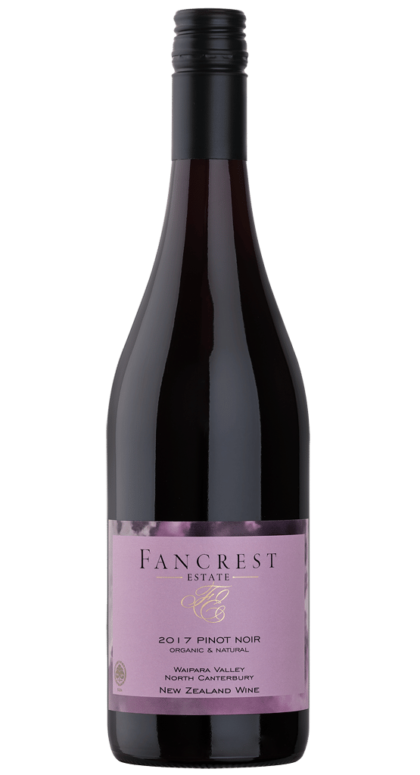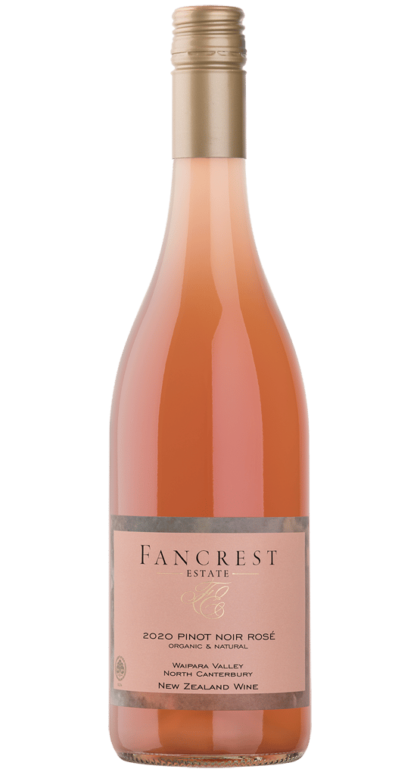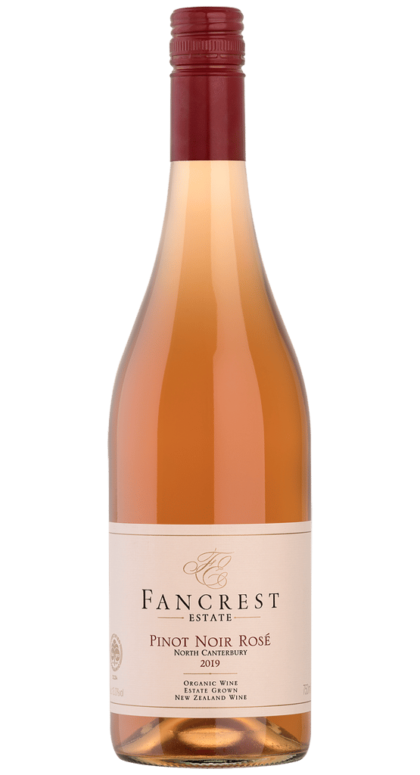

Curious about the next big thing for wine lovers? Natural rose wine is making waves as the must-try trend of 2025, offering a fresh twist for both seasoned enthusiasts and curious newcomers.
This guide breaks down everything you need to know about natural rose wine. You’ll discover what makes a rosé truly “natural”, learn how to spot the best bottles, and pick up expert tips for serving and pairing.
Ready to elevate your wine game? Dive in to explore flavour secrets, top food pairings, and the latest trends shaping the natural rose wine scene this year.
Understanding Natural Rosé Wine: What Sets It Apart
Curious about what makes natural rose wine stand out from the crowd? Let’s peel back the label and see how these wines are rewriting the rules for rosé lovers everywhere. If you’ve ever wondered why natural rose wine is suddenly everywhere, you’re not alone.
Defining Natural Rosé Wine
The term natural rose wine might sound trendy, but it’s rooted in a philosophy that values authenticity, purity, and minimal intervention. In simple terms, natural rose wine is made from organically or biodynamically grown grapes, with as little interference as possible during winemaking.
But how does natural rose wine differ from organic or conventional rosé? Here’s a handy comparison:
| Feature | Conventional Rosé | Organic Rosé | Natural Rosé Wine |
|---|---|---|---|
| Vineyard chemicals | Allowed | Prohibited | Prohibited |
| Yeasts | Commercial | Commercial/Native | Indigenous only |
| Additives | Many permitted | Some allowed | None or minimal |
| Sulfites | Often added | Limited | Low or none |
| Filtration/Fining | Common | Sometimes | Rarely used |
Natural rose wine relies on wild indigenous yeasts for fermentation, which brings a unique sense of place to every bottle. Winemakers avoid chemical additives and use little to no sulfites, keeping the wine as close to its vineyard origins as possible.
Transparency is a core value for the natural wine movement. Labels often highlight minimal intervention, organic certification, and sometimes even the exact vineyard plot. This openness gives drinkers confidence in what’s inside the bottle.
Globally, the popularity of natural rose wine is skyrocketing. According to the Natural Wine Market Analysis 2016-2024, the number of natural wine venues worldwide has grown rapidly, reflecting a surge in both production and demand.
From France’s Loire Valley to New Zealand’s Central Otago, renowned producers like Radikon, Cos, and local Kiwi winemakers are gaining recognition for their natural rose wine. Each region brings its own flair, shaped by climate, soil, and tradition.
The Unique Appeal of Natural Rosé
So, what makes natural rose wine so irresistible? For starters, it’s the vibrancy and freshness that leap from the glass. With minimal intervention, the true character of the grape and terroir shines through, offering a depth and complexity that’s hard to find in conventional rosé.
Natural rose wine typically boasts lower alcohol and sugar levels, making it a popular choice for health-conscious drinkers. Many fans also appreciate the eco-friendly approach, knowing their glass supports sustainable vineyards and biodiversity.
The flavour profile is often more vivid, bursting with red berries, citrus, and sometimes a subtle earthiness. No two bottles are exactly alike, and that unpredictability is part of the adventure.
Producers like Matassa in France or Cambridge Road in New Zealand have made waves with natural rose wine that tells a story of place and passion. These wines invite you to taste the landscape, not just the grape.
For those seeking a wine that’s as unique and lively as the land it comes from, natural rose wine delivers a truly memorable experience.
The Natural Rosé Wine-Making Process: Step-by-Step for 2025
Curious about how your favourite bottle of natural rose wine is created? Let’s break down the step-by-step process that brings this vibrant style to life, from the vineyard to your glass. Each stage is carefully designed to preserve the wine’s purity, freshness, and unique sense of place.
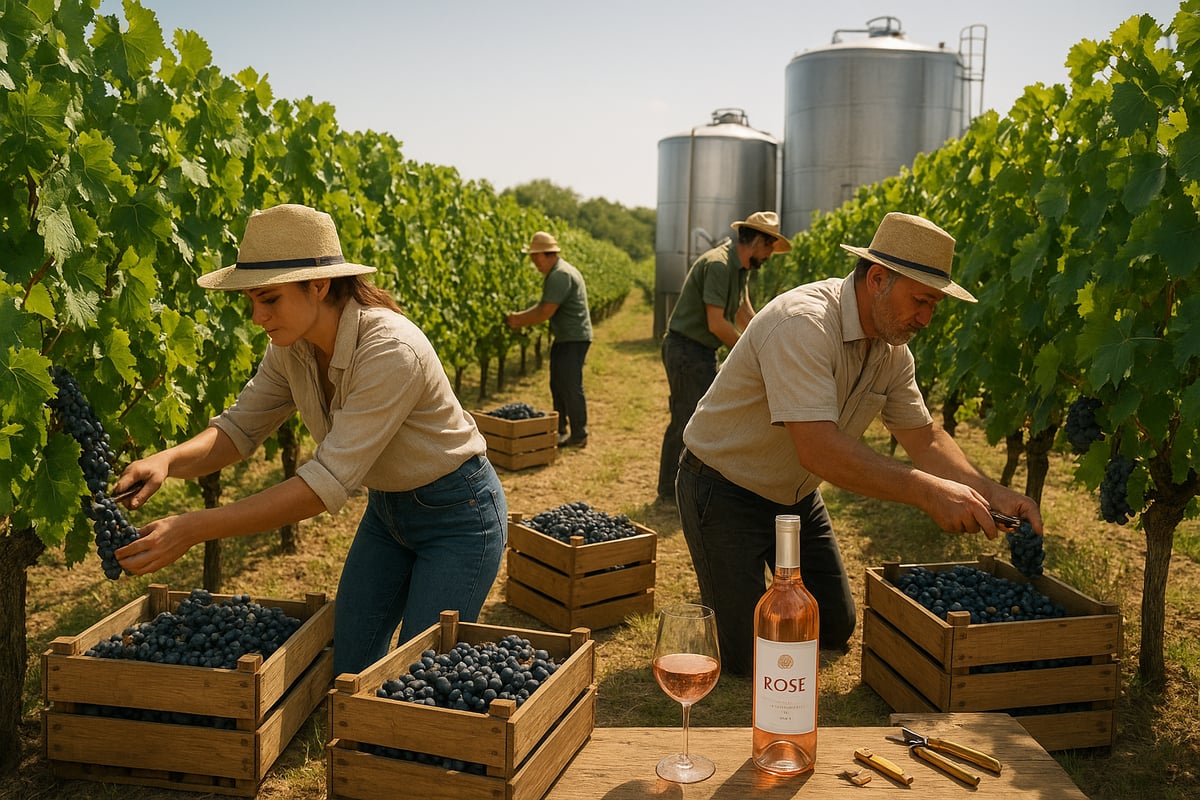
Step 1: Organic Vineyard Practices
The journey of every natural rose wine starts in the vineyard. Healthy, chemical-free vines are the foundation. Growers use organic or biodynamic methods, focusing on soil health and encouraging biodiversity.
Common practices include:
- Planting cover crops to prevent erosion and attract beneficial insects
- Avoiding synthetic fertilisers and pesticides
- Supporting natural pest control with birds and insects
Manual grape harvesting is the norm for natural rose wine. Workers carefully select only the best fruit, picking by hand instead of machines. This attention to detail ensures that grapes arrive at the winery in top condition, ready to express their terroir.
Healthy vineyards lead to healthier grapes, which means less intervention is needed later. When you choose a natural rose wine, you’re supporting not just a delicious drink but also a more sustainable way of farming.
Step 2: Minimal Intervention in the Winery
Once the grapes reach the winery, the focus shifts to minimal intervention. Winemakers gently press the fruit, often allowing only a short skin contact period to achieve that signature pink hue of natural rose wine.
Fermentation is sparked using indigenous yeasts, which come from the vineyard itself. This approach adds complexity and a true sense of place to the final wine. However, it also carries some risk, as wild fermentations can be unpredictable.
In line with natural principles, little to no sulphur is added. Many winemakers also avoid fining and filtration, leaving the wine as pure and unaltered as possible. These steps help preserve the natural rose wine’s vibrant flavours and lively character.
For a deeper dive into these techniques, you might enjoy reading about natural winemaking practices explained.
Step 3: Ageing and Bottling
After fermentation, natural rose wine is typically aged in stainless steel tanks or neutral oak barrels. The choice depends on the desired style. Stainless steel preserves freshness and fruitiness, while neutral oak can add subtle texture without overpowering the wine’s delicate aroma.
Bottling is performed without additives or stabilisers. This “hands-off” approach can sometimes lead to bottle variation, meaning each bottle of natural rose wine may taste slightly different. For adventurous wine lovers, this adds excitement and character to every pour.
Transparency is key. Most producers will clearly label their wines, letting you know if they are unfiltered or contain minimal sulphites. This helps you make informed choices and experience the diversity of natural rose wine.
Innovations and Trends for 2025
The world of natural rose wine is constantly evolving. Winemakers are experimenting with ancient vessels like amphorae, which can lend a unique earthiness and texture to the wine. Carbonic maceration, a technique borrowed from Beaujolais, is being used to create lighter, fruitier profiles that are perfect for summer sipping.
Transparency is more important than ever. Consumers in 2025 want to know exactly how their natural rose wine is made. Data shows a growing demand for detailed information about vineyard practices and winemaking methods.
Eco-friendly choices are also on the rise, with more producers adopting recyclable packaging and reducing their carbon footprint. The future of natural rose wine is bright, innovative, and deeply connected to the land and the people who make it.
How to Choose the Best Natural Rosé Wine in 2025
Choosing the best natural rose wine in 2025 is both an adventure and a lesson in discovery. With so many bottles on the shelves, how do you spot a standout? Let’s break down what matters most, so you can sip with confidence, whether you’re shopping in New Zealand or exploring global selections.
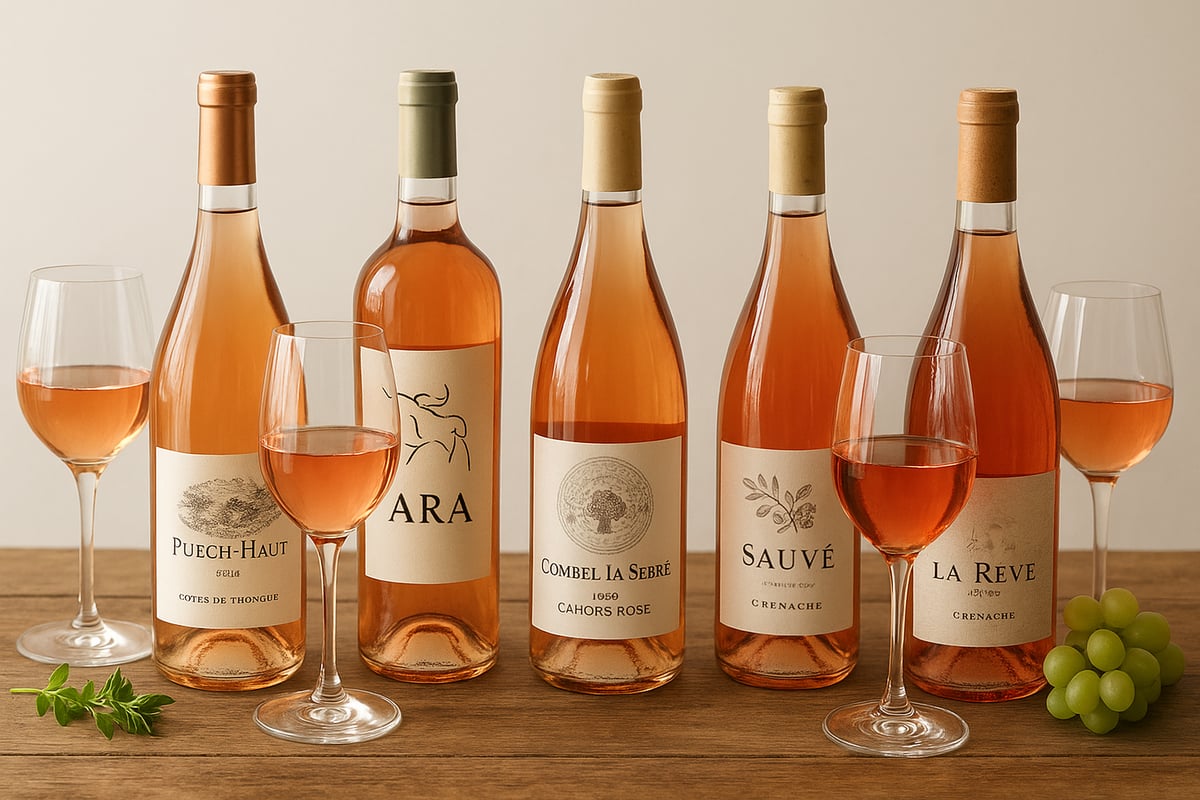
Key Indicators of Quality
When selecting a natural rose wine, start by examining the label. Look for clear signs of minimal intervention, such as “unfiltered,” “no added sulphites,” or “wild fermentation.” Organic certification and biodynamic logos are strong indicators that the vineyard uses healthy, chemical-free practices.
Certification bodies and associations like Demeter, Ecocert, or Biogro NZ help ensure authenticity. Reputable producers will proudly display these on their bottles. The region is another clue. Provence in France, Central Otago in New Zealand, and parts of California are renowned for exceptional natural rose wine. Each region brings its own unique terroir, so exploring different origins can lead to delightful surprises.
Vintage also matters, especially with natural rose wine, as minimal intervention means each year’s weather can influence flavour and quality. While price is not always a guarantee of excellence, higher prices often reflect careful, small-batch production. Awards and critic scores can offer guidance, but trust your own palate too.
For a glimpse into where the market is heading, check out the Rosé Wine Market Forecast 2025-2035, which dives into consumer trends and what to expect in the coming years.
| Indicator | What to Look For | Why It Matters |
|---|---|---|
| Label Claims | Unfiltered, wild yeast, organic | Authenticity, purity |
| Certification | Demeter, Biogro, Ecocert | Verified practices |
| Region | Provence, Central Otago, California | Terroir, reputation |
| Vintage | Recent (2023-2025) | Freshness, style |
| Awards/Scores | Medals, critic reviews | Third-party quality |
Taste Profiles and Styles
Natural rose wine offers a spectrum of colours and flavours. The hue can range from the palest blush to a vibrant salmon pink. Colour often hints at the grape variety and how long the juice was in contact with the skins. A lighter shade usually means a delicate, crisp style, while a deeper tone suggests more body and intensity.
When you swirl your glass, expect aromas of wild strawberries, raspberries, citrus zest, and sometimes floral or herbal notes. The best natural rose wine delivers a sense of place, with minerality and freshness shining through. You might notice a lively acidity and a dry finish, which makes these wines super food-friendly.
Dry natural rose wine is the most popular, but there are also off-dry options with a hint of sweetness, perfect for those who enjoy a softer mouthfeel. The minimal intervention approach preserves the purity of fruit and often results in a lower alcohol content, making it an ideal choice for long lunches or outdoor gatherings.
If you’re looking to try something different, keep an eye out for producers experimenting with unique grape varieties or innovative fermentation techniques. Every bottle tells a story, and exploring the styles on offer in 2025 is a journey worth taking.
Where to Buy Natural Rosé in New Zealand and Beyond
The growth of online natural wine retailers has made it easier than ever to find the perfect natural rose wine. Many specialist shops now curate selections from both local and international producers, offering detailed tasting notes and background on their winemaking practices.
Buying directly from wineries is another excellent option. This often ensures the freshest bottles and supports small, passionate producers. In New Zealand, cellar doors in regions like Central Otago or Hawke’s Bay are must-visits for any natural rose wine enthusiast.
When making a purchase, consider provenance and storage. Natural rose wine is sensitive to heat and light, so look for retailers who guarantee proper storage conditions. If you’re ordering online, check for insulated packaging or shipping during cooler months.
Here are some tips for a smart buy:
- Read reviews and tasting notes before purchasing.
- Ask for recommendations from knowledgeable staff.
- Try mixed cases to discover new favourites.
Whether you’re shopping locally or importing a special bottle, the key is to stay curious and trust your taste buds. With each sip, you’re supporting a movement that values authenticity, sustainability, and the joy of discovery.
Expert Tips for Serving, Pairing, and Enjoying Natural Rosé
Serving natural rose wine is an experience that can be elevated with just a few expert tricks. Whether you are uncorking a special bottle for a sunny afternoon or planning a lively dinner, knowing how to present and enjoy natural rose wine will make every sip memorable.
Get ready to impress your guests, discover unexpected food matches, and create unforgettable moments with this vibrant pink pour.
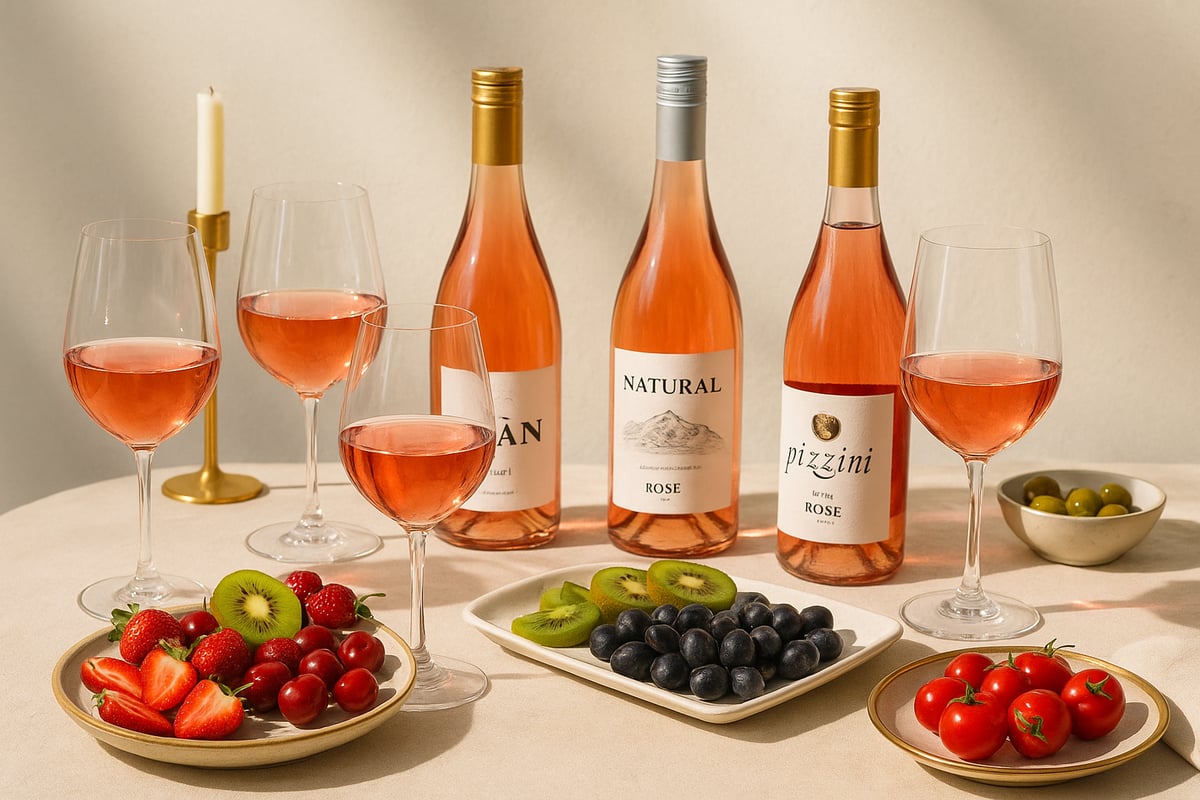
Serving Natural Rosé for Maximum Enjoyment
To truly appreciate natural rose wine, start with the right temperature. Serve it chilled, ideally between 10°C and 13°C. Too cold and the flavours are muted, too warm and the freshness is lost. Pop your bottle in the fridge for about two hours before serving.
Glassware matters more than you think. Use a tulip-shaped glass to capture the wine’s delicate aromas and showcase its colour. This style also helps concentrate the vibrant fruit and floral notes that natural rose wine is known for.
Should you decant natural rose wine? For many bottles, a gentle decant can open up subtle layers, especially if the wine is young or unfiltered. Pouring into a carafe for 10-20 minutes can soften any initial funkiness and highlight the wine’s bright, lively character.
- Chill to 10–13°C for best results
- Choose tulip-shaped glasses
- Light decanting can enhance aromatics
With these serving tips, you can bring out the best in natural rose wine and set the stage for a delicious experience.
Food Pairing Secrets
Natural rose wine is a food lover’s dream. Its lively acidity, fresh fruit, and savoury undertones make it incredibly versatile at the table. Start with classic pairings like grilled salmon, fresh oysters, or a crisp summer salad.
Ready to be adventurous? Try natural rose wine with spicy Asian dishes, smoky BBQ, or even roasted root vegetables. The wine’s subtle earthiness and lower alcohol balance bold flavours without overpowering them. For plant-based eaters, natural rose wine shines with vegan tacos, lentil salads, or grilled eggplant.
When it comes to New Zealand produce, think of pairing natural rose wine with green-lipped mussels, goat cheese, or strawberries. For more inspiration, check out these Best wine and food pairings for creative ideas that will elevate your next meal.
- Seafood, salads, Mediterranean fare
- Spicy, smoky, and plant-based dishes
- Local NZ specialties like mussels and cheese
No matter your menu, natural rose wine brings energy and freshness to every plate.
Hosting with Natural Rosé: Entertaining Ideas
Make your next gathering unforgettable with a natural rose wine theme. Create a tasting flight featuring bottles from different regions or producers. Compare colours, aromas, and flavours — guests will love discovering the unique personalities of each natural rose wine.
Outdoor picnics and summer BBQs are perfect settings for natural rose wine. Pack a cooler with a few chilled bottles, add platters of local cheese and fruit, and you have an instant party. For a playful twist, mix up a rosé spritz with sparkling water, a splash of elderflower, and fresh berries.
- Build a tasting flight with multiple bottles
- Pair with picnic foods and fresh fruit
- Try a refreshing rosé-based cocktail
With a little creativity, natural rose wine can be the star of any celebration, big or small.
Natural Rosé Wine Trends & Predictions for 2025
Natural rose wine is on the brink of an exciting new era in 2025. From surging market demand to innovative packaging and fresh regions making their mark, the world of natural rose wine is evolving fast. Let’s dive into the trends, data, and cultural shifts shaping the scene this year.

Market Growth and Consumer Preferences
The global appetite for natural rose wine is booming. In 2025, more drinkers are seeking wines that are produced with minimal intervention and sustainable practices. According to the latest Organic Wine Market Growth Forecast, the organic wine sector is expected to reach over $24 billion by 2028, with natural rose wine playing a significant role in this expansion.
In New Zealand, boutique producers are responding to increased demand for transparency and eco-friendly wines. Consumers are not only younger—think Millennials and Gen Z—but also more diverse. Many are prioritising health, environmental impact, and authenticity in their wine choices.
Sustainability and climate change are also influencing consumer habits. People want to know their natural rose wine comes from vineyards that care for the land and future generations.
Innovations in Packaging and Distribution
Natural rose wine isn’t just about what’s in the bottle. In 2025, the way wine is packaged and delivered is changing fast. Eco-friendly packaging solutions—like cans, lightweight glass, and boxed wine—are gaining traction with both producers and consumers.
Direct-to-consumer models are on the rise. Online shops and wine subscription services make it easier than ever for Kiwis to access small-batch natural rose wine from local and international producers. This shift is not just about convenience, but also about reducing the carbon footprint associated with traditional retail logistics.
Sustainable packaging and smart distribution align perfectly with the ethical values of natural rose wine lovers, who want their wine to be as good for the planet as it is for their palate.
New Regions and Producers to Watch
While classic regions like Provence continue to shine, 2025 is the year to watch for emerging hotspots. Central Otago in New Zealand is rapidly building a reputation for vibrant, terroir-driven natural rose wine. Other rising stars include South Africa and Chile, where innovative winemakers are experimenting with indigenous grapes and minimal-intervention techniques.
Let’s take a quick look at some regions to watch:
| Region | Notable for |
|---|---|
| Central Otago | Fresh, mineral-driven natural rose wine |
| South Africa | Unique blends, sustainable vineyards |
| Chile | Bold flavours, organic practices |
These regions are pushing boundaries and winning over critics, making the global landscape for natural rose wine more dynamic than ever.
Social Media and Rosé Culture
Social media is accelerating the rise of natural rose wine. Instagram and TikTok are filled with vibrant images and videos of pink pours, vineyard tours, and food pairings. Influencers and sommeliers are shaping perceptions, encouraging wine lovers to explore natural rose wine in new ways.
France, long a trendsetter in rosé, is seeing shifts in how people consume and share their wine experiences. For more on these evolving patterns, check out the Rosé Wine Consumption Trends in France 2025. Globally, hashtags and viral challenges are making natural rose wine part of everyday celebrations, from backyard picnics to stylish soirees.
In 2025, the culture around natural rose wine is more inclusive, interactive, and innovative than ever before.
Common Myths and FAQs About Natural Rosé Wine
Curious about natural rose wine myths and the most common questions people have? You are not alone. Let us break down the myths, address your burning questions, and give you the confidence to explore the world of natural rose wine with a fresh perspective.
Debunking Myths About Natural Rosé
When it comes to natural rose wine, there is no shortage of misconceptions. Let us set the record straight on some of the most common myths:
-
Myth: All natural rose wine is cloudy or funky.
While some bottles may have a slight haze due to minimal filtration, many natural rose wines are clear and vibrant. The style depends on the winemaker’s choices, not a universal rule. -
Myth: Natural rose wine does not age well.
It is true that most rosé, whether natural or conventional, is best enjoyed young and fresh. However, certain natural rose wine bottles crafted for structure can develop lovely complexity with a year or two in the cellar. -
Myth: Natural rose wine is always expensive.
Price points vary widely. You can find excellent value from emerging regions or smaller producers, making natural rose wine accessible for many budgets. -
Myth: There is no difference between organic and natural rose wine.
Organic wines follow farming standards, but natural rose wine goes further, focusing on minimal intervention during winemaking. This means indigenous yeasts, little or no additives, and often lower sulphite levels.
Natural rose wine is as diverse as the people who make and drink it. By looking past these myths, you open yourself up to a world of exciting flavours and styles.
Frequently Asked Questions
With so much buzz around natural rose wine, it is normal to have questions. Here are some FAQs to help you navigate your next bottle:
| Question | Answer |
|---|---|
| How long does natural rose wine last after opening? | Usually 2-3 days in the fridge, though freshness fades faster than conventional rosé. |
| Is natural rose wine suitable for vegans? | Many are, as they avoid animal-based fining agents. For more details and options, visit Vegan-friendly natural wines. |
| Can you cellar natural rose wine? | Most are best young, but structured examples from top producers may age for 1-2 years. |
| What are the health benefits and risks? | Lower additives and sulphites appeal to some, but all wine should be enjoyed in moderation. |
| Are sulphites present in natural rose wine? | Often at lower levels, but rarely zero. Always check the label. |
| How to spot faults in natural rose wine? | Look for off aromas like wet cardboard (oxidation) or vinegar (acetic acid). Some funk is normal, but strong faults are not. |
| Is natural rose wine gluten-free? | Yes, as wine is made from grapes and gluten is not used in production. |
These answers should help you feel more confident selecting and enjoying natural rose wine, no matter your level of experience.
Tips for Newcomers to Natural Rosé
Ready to take your first steps into the world of natural rose wine? Here are some expert tips to help you get started:
-
Develop your palate.
Tasting natural rose wine is all about exploring. Start with a few bottles from different regions and note the differences in flavour, colour, and aroma. -
Join tastings and communities.
Many wine shops and online groups host natural wine tastings. These are perfect places to ask questions, learn from others, and discover new favourites. -
Use resources to learn more.
Seek out blogs, books, and podcasts focused on natural rose wine. The more you know, the more you will appreciate the nuance and care that goes into each bottle. -
Experiment with food pairing.
Try natural rose wine with everything from salads to spicy dishes. You might be surprised by how versatile it can be. -
Keep an open mind.
Natural rose wine is about adventure and discovery. Each bottle is unique, so embrace the unexpected and enjoy the journey.
With these tips in mind, you are well on your way to enjoying natural rose wine like a pro. Whether you are sipping at a picnic or sharing a bottle with friends, the world of natural rose wine is ready for you to explore.