Curious about what makes natural wines so unique in 2026? You are not alone. More Kiwis are reaching for bottles that promise real, unfiltered taste and a true sense of place.
Natural wines are taking centre stage for their bold, lively flavours and genuine approach. They invite you to experience wine as nature intended, with every sip offering something new.
This guide is here to help you explore the world of natural wines. You will discover how they are made, what sets them apart, the best varieties to try, and how to enjoy them at home.
Ready to find your next favourite bottle? Let’s dive in and unlock the secrets of natural wines together.
What Are Natural Wines? Uncovering the Basics
Curious about what makes natural wines stand out? Let’s explore the basics, from what goes into the bottle to why everyone is talking about these vibrant, authentic drops.
Defining Natural Wine
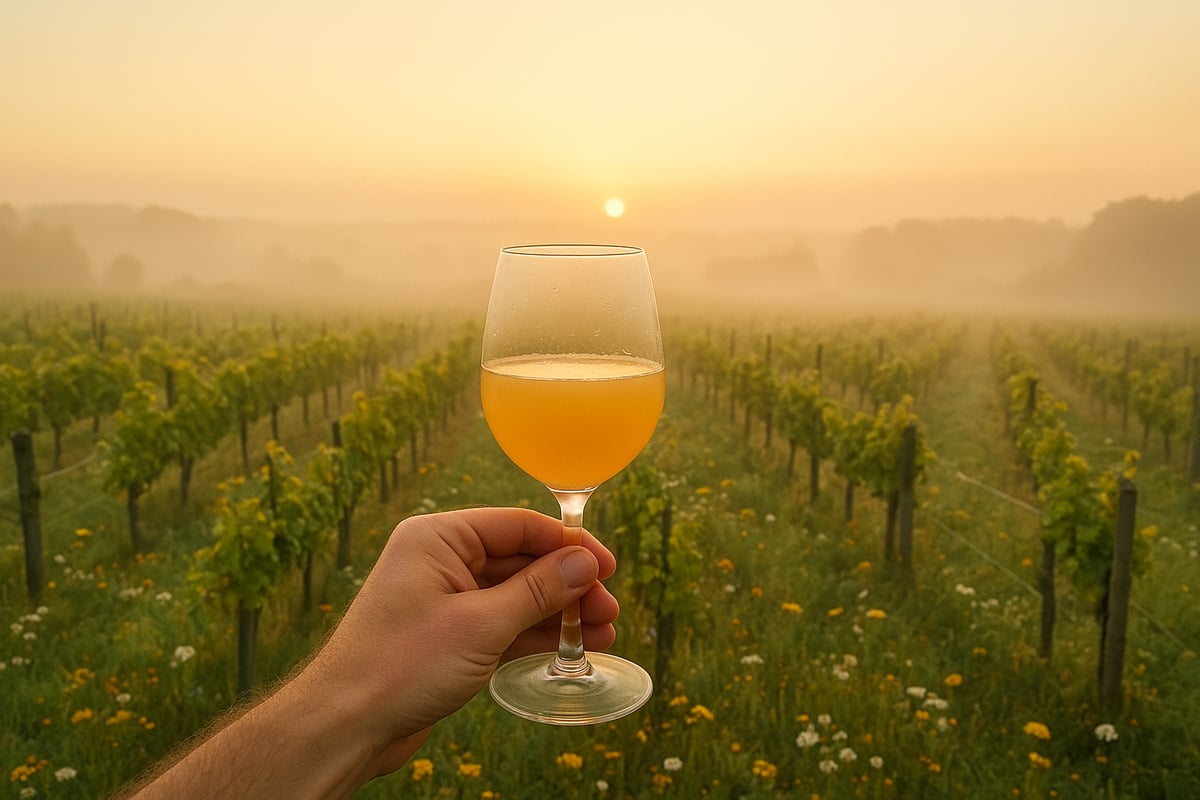
Natural wines are made with minimal intervention. Winemakers use only organic or biodynamic grapes, picked by hand. Instead of commercial yeasts, they rely on native yeasts from the vineyard and winery.
Unlike conventional wines, there are no set global rules for natural wines. Organic wines might allow some additives, while natural wines push for purity. This means what you taste is truly a reflection of the vineyard and season.
Key Principles of Natural Winemaking
With natural wines, nothing synthetic is used in the vineyard. No pesticides or herbicides touch the soil. In the winery, you won’t find added sugars, acids, or artificial agents.
The fermentation happens on its own, thanks to wild yeasts. Many natural wines are unfiltered and unfined, so you might spot a little cloudiness or sediment in the glass. The focus is on letting the land and vintage shine.
The Rise of Natural Wines in 2026
Natural wines are now more popular than ever. Global demand has soared as drinkers look for healthier, more sustainable choices. Health-conscious Kiwis and wine lovers everywhere are drawn to the honest flavours.
From 2021 to 2024, venues offering natural wines grew by 60 percent worldwide, making it easier to try them in more places. If you want to dig deeper, check out the natural wine venues increase globally for more stats and trends.
Common Myths and Misconceptions
Some people think natural wines taste strange or spoil quickly. Others believe they are always the same as organic or biodynamic wines.
In reality, natural wines can be fresh and lively. They are not always funky or unpredictable. Not every bottle is the same, but that is part of the charm.
Authentic Flavours: What To Expect
With natural wines, you can expect flavours that jump out of the glass. The taste is often lively, sometimes a bit wild, and always vibrant.
Popular grape varieties include Pinot Noir, Gamay, and Chenin Blanc. Each bottle offers a unique experience, making every sip a little adventure.
How Natural Wines Are Made: The Journey from Vine to Glass
Curious how natural wines go from grape to glass? It’s a fascinating journey. Let’s break it down step by step, so you can appreciate every sip even more.
Organic and Biodynamic Vineyard Practices
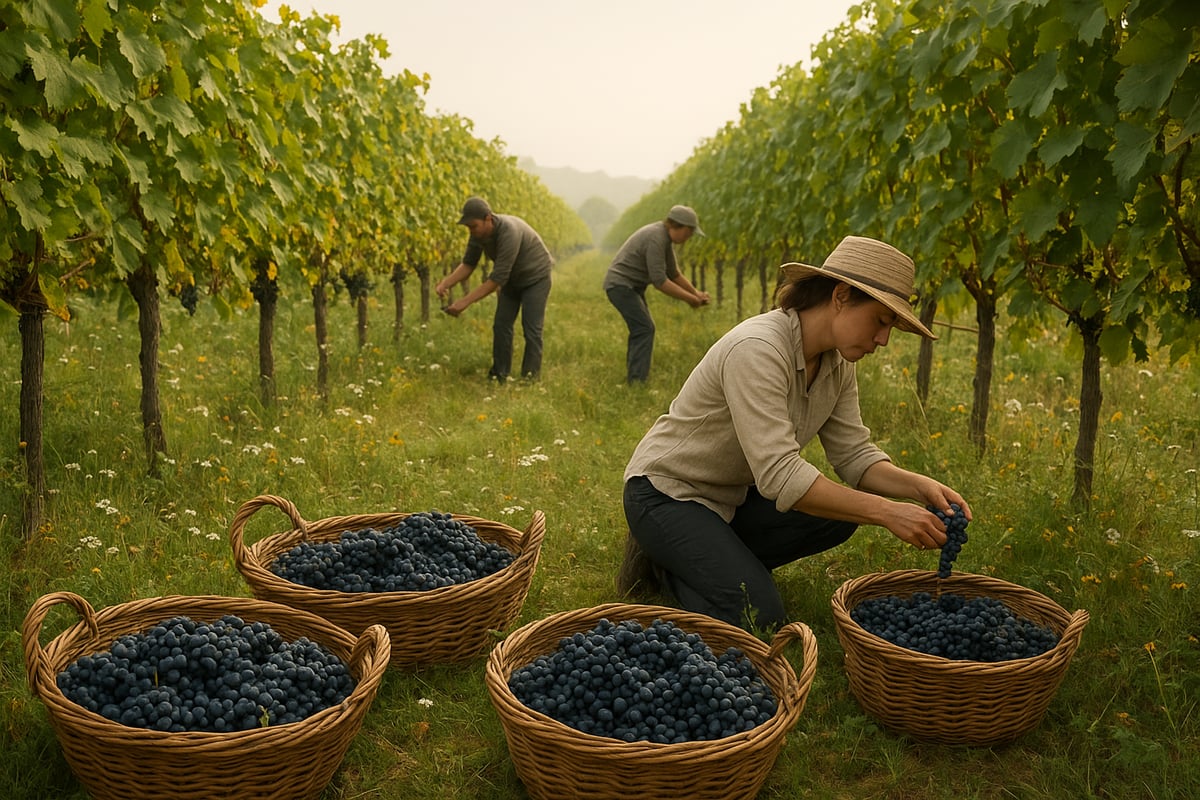
Natural wines start in the vineyard. Growers focus on soil health, plant biodiversity, and chemical-free farming. You’ll see wildflowers between rows and sheep grazing for natural weed control.
In New Zealand, many vineyards use organic or biodynamic methods. They avoid synthetic sprays and fertilisers. All grapes are picked by hand, which protects the fruit and the land.
Want to dive deeper into these eco-friendly methods? Check out the details on Beyond Organics: Regenerative Agriculture to see how these practices shape the flavour of natural wines.
Native Yeasts and Spontaneous Fermentation
Fermentation is where natural wines get their personality. Instead of commercial yeast, wild yeasts from the vineyard and winery do the work. These native yeasts are unpredictable, but that’s the magic.
The process is slower and can create surprising flavours. You might notice a vibrant, lively taste that changes over time. This hands-off approach gives each bottle its own character.
Minimal Intervention in the Cellar
In the cellar, less is more. Winemakers avoid additives, filtration, and fining agents. They use gentle pressing to keep the wine’s texture soft.
Ageing happens in old barrels or neutral containers, never masking the grape’s true taste. Every step is about honesty and transparency. What’s in your glass is pure and unfiltered.
Sulphites and Additives: What’s (Not) Inside
One thing that sets natural wines apart is what they leave out. Sulphite levels are much lower than in conventional wines, sometimes none at all. Additives like sugar, acid, or colour are skipped.
This keeps the wine’s flavour bright and true. For those sensitive to chemicals, natural wines can be a gentler choice. You’ll taste the vineyard, not the lab.
Challenges and Rewards of Natural Winemaking
Making natural wines isn’t easy. There’s a risk of spoilage or bottles tasting different from year to year. Scaling up is tough, so you often get small, unique batches.
But the rewards are huge. Each bottle is a true reflection of its place and vintage. Fans love the adventure and honesty in every glass. That’s why natural wines have such a loyal following.
Tasting Natural Wines: Exploring Authentic Flavours
Curious about what sets natural wines apart in the glass? Let’s explore how to spot, taste, and enjoy these authentic drops. You might discover a new favourite that’s just waiting to be poured at your table.
Recognising the Characteristics
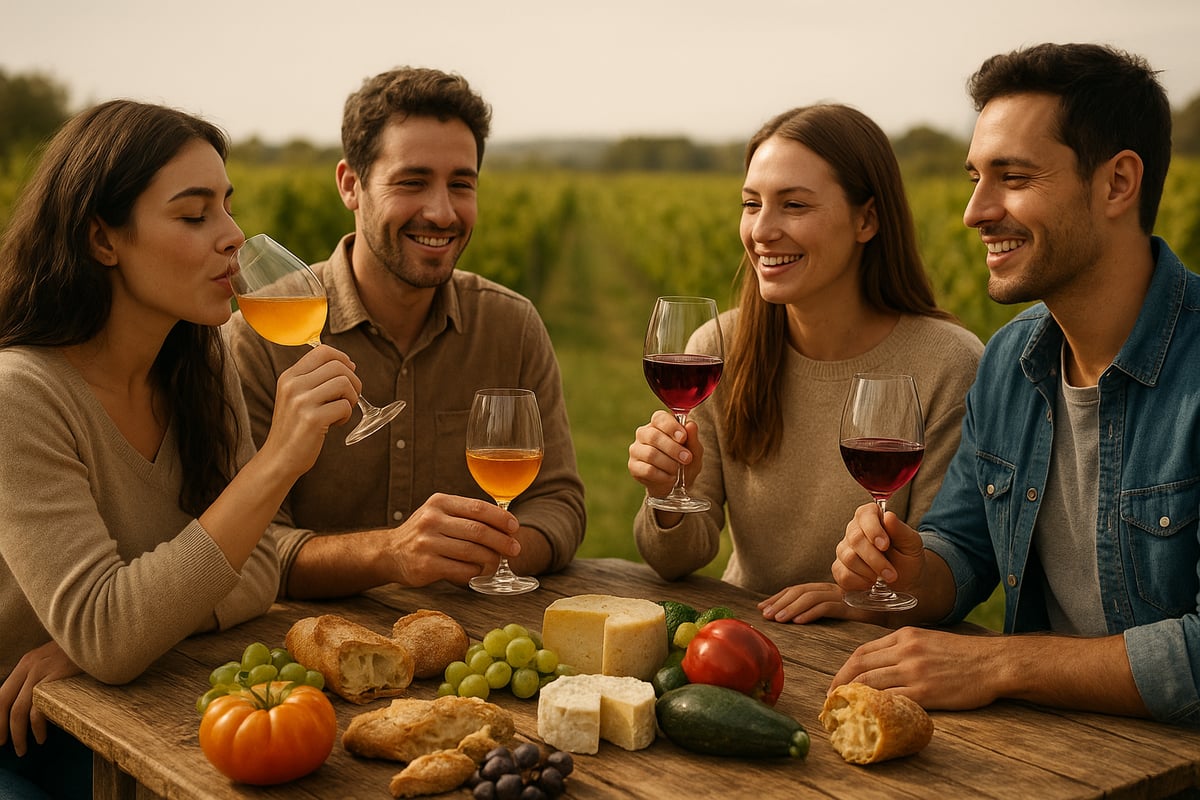
Natural wines are easy to spot once you know what to look for. Colours range from bright gold to hazy pink or deep ruby. Cloudiness and a bit of sediment are normal, not faults. These signs show the wine hasn’t been heavily filtered or fined.
When you pour natural wines, you’ll notice earthy, fruity, sometimes funky aromas. The taste can change as the wine opens up in your glass. Each bottle is a little different, reflecting its vintage and vineyard.
Want to dive deeper into flavour? Check out this study comparing the sensory attributes of natural wines for more insight into what makes them unique.
Step-by-Step: How to Taste Natural Wines
Tasting natural wines is a relaxed adventure. Start by observing the colour and clarity. Swirl the wine gently, then sniff to pick up those wild aromas.
Take a sip and let the flavours coat your mouth. Notice the texture, acidity, and any subtle fizz. Jot down notes about what you experience. Try tasting natural wines alongside conventional ones. You’ll spot the lively, unpredictable nature that makes natural wines so memorable.
Popular Natural Wine Styles in 2026
In 2026, several styles of natural wines are trending:
- Orange wines (white grapes with skin contact)
- Pét-nat (petillant naturel, or naturally sparkling)
- Skin-contact whites and chillable reds
Regions like Central Otago and Waipara are producing standout examples. Each style brings a unique twist, so there’s always something new to try.
Food Pairings for Natural Wines
Natural wines are flexible at the table. Their vibrant character matches beautifully with fresh produce, creamy artisanal cheeses, and charcuterie.
Looking for a simple pairing menu? Try:
- Light pét-nat with goat cheese and olives
- Orange wine alongside roasted vegetables and hummus
- Earthy red with mushroom risotto or grilled lamb
Natural wines also shine with vegetarian and vegan dishes. Let the flavours of both wine and food come alive.
Storing and Serving Tips
To keep natural wines tasting their best, store bottles in a cool spot, away from sunlight. Serve whites and pét-nats chilled, reds just below room temperature.
Decant cloudy wines to help them breathe. Use simple, tulip-shaped glasses to enjoy every aroma and flavour.
Choosing and Buying Natural Wines in New Zealand
Curious about how to find the best natural wines in New Zealand? You are not alone. With so many options popping up, it can feel a bit overwhelming. Let us break it down together so you can sip confidently and maybe even discover your new favourite drop.
Where to Find Natural Wines
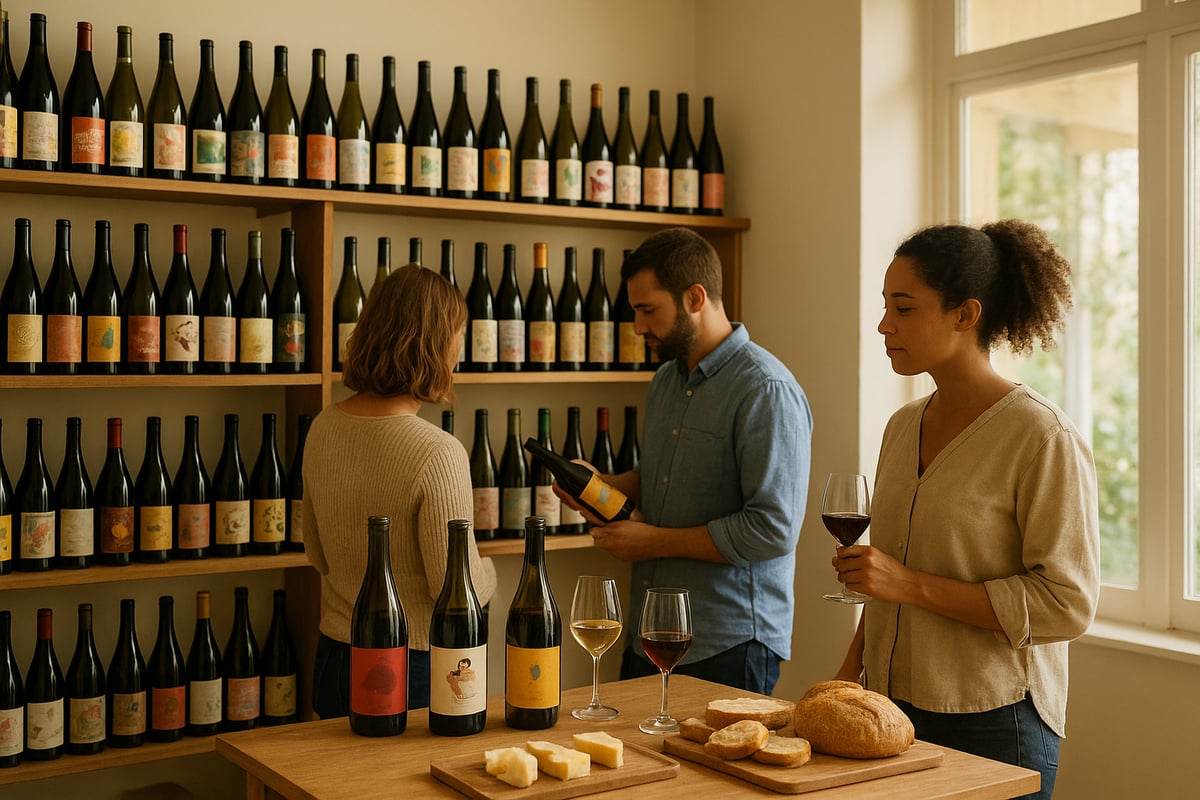
Finding natural wines in New Zealand is easier than ever. You will spot them in reputable online retailers, boutique wine shops, and even at cellar doors of local producers. Many wine clubs now offer curated selections, making it simple to explore new varieties each month.
Direct-to-consumer sales are on the rise. Buying online from vineyards, like Fancrest Estate, means you get the freshest bottles straight from the source. For a deeper dive into the local scene, check out the Natural Wine in New Zealand guide, which highlights regional producers and where to shop.
Wine subscription boxes are a fun way to try something new without leaving home. Look for clubs that focus on natural wines for the most authentic experience.
Reading Natural Wine Labels
Labels on natural wines can look a bit mysterious at first glance. Look for key phrases like:
- “Unfiltered”
- “No added sulphites”
- “Wild yeast fermentation”
These words are signs the wine is crafted with minimal intervention. Authenticity matters, so always check for details about organic or biodynamic certification. If in doubt, ask your retailer or look up the producer’s story.
Reading labels gets easier with practice. Soon, you will spot the hallmarks of true natural wines at a glance.
Budgeting for Natural Wines
Natural wines come in a range of prices, just like traditional wines. You will find bottles starting from around $25, but many artisanal options sit between $40 and $70. Rare releases and single-vineyard wines may be pricier.
Here is a quick price summary:
| Style | Price Range (NZD) |
|---|---|
| Everyday drinkers | $25 – $40 |
| Boutique/small batch | $40 – $70 |
| Limited/rare releases | $70+ |
Think of it as an investment in quality, sustainability, and unique taste. When you buy natural wines, you support small producers who pour their passion into every bottle.
Supporting Local: New Zealand Natural Wine Producers
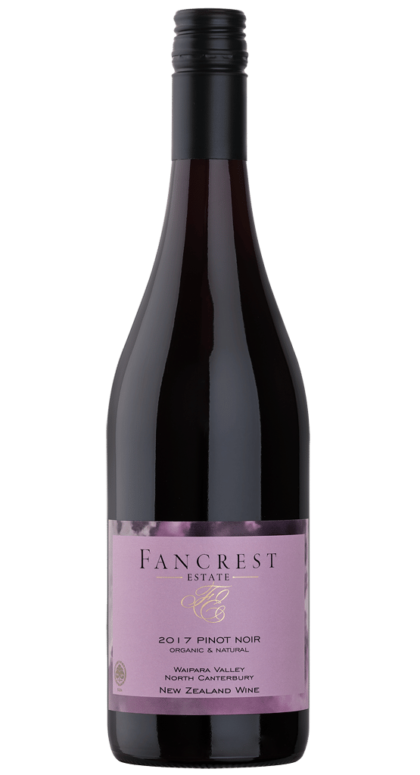
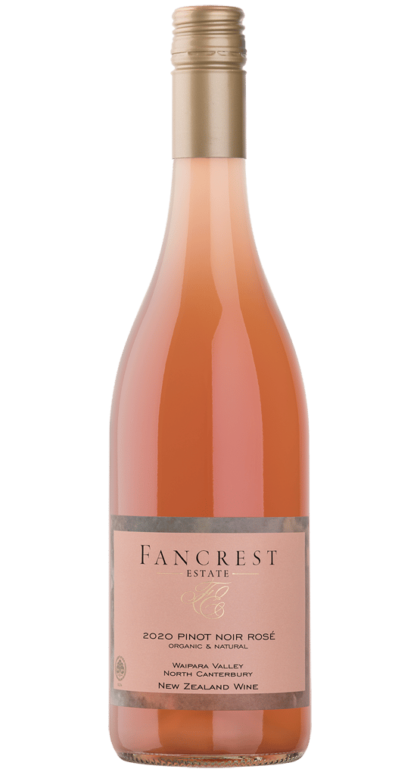
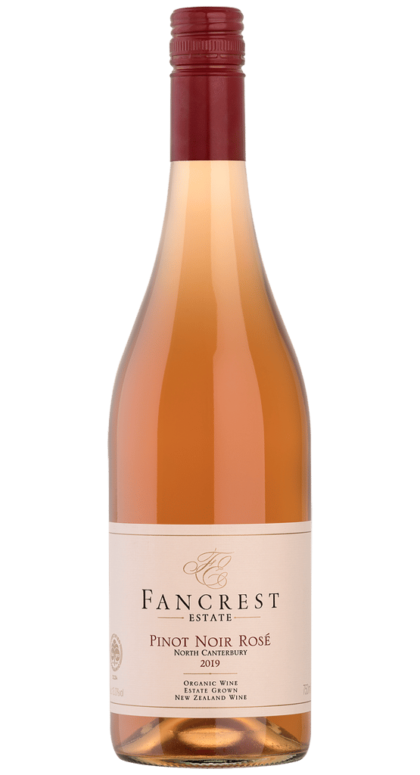
New Zealand is home to some fantastic natural wine producers. Leading names include Fancrest Estate in Waipara, known for organic Pinot Noir and Rosé, as well as wineries in Central Otago and Marlborough.
Each region brings its own twist. Waipara’s limestone soils create vibrant reds, while Central Otago specialises in expressive Pinot Noir. Keep an eye out for seasonal releases and limited-edition bottles, perfect for collectors or special occasions.
Supporting local means you are part of a movement that values craft, care, and connection to the land.
Responsible Enjoyment and Sustainability
Enjoying natural wines is all about balance and mindfulness. Sip slowly, savour the flavours, and share with friends. Choosing natural wines also helps lower your environmental footprint.
Many NZ producers use eco-friendly packaging and farming techniques that protect the land for future generations. Drinking responsibly and supporting sustainable vineyards is a win-win for you and the planet.
Fancrest Estate: Experience New Zealand’s Organic Pinot Noir
Ever wondered where to find some of New Zealand’s most authentic natural wines? Fancrest Estate is a family-owned organic vineyard tucked away in Waipara, North Canterbury. Here, every grape is hand-picked, and the team relies on natural vineyard yeasts and certified organic practices to let each vintage tell its own story.

Their signature Pinot Noir and Rosé are crafted in small batches, aged to bring out rich, layered flavours. You’ll notice the difference in every glass. Because Fancrest sells exclusively online, you get their wines direct from the cellar to your door, ensuring ultimate freshness and a truly unique experience.
Ready to taste the best of New Zealand’s natural wines? Discover their range and learn more from the Best Natural Wines Guide for tips on choosing your next favourite bottle.
The Future of Natural Wines: Trends to Watch in 2026
The world of natural wines is evolving quickly. If you love discovering new flavours and unique bottles, 2026 is shaping up to be an exciting year. Let’s look at what’s ahead and how you can be part of this movement.
Emerging Grape Varieties and Regions
Natural wines are popping up in places you might not expect. New Zealand’s own Waipara and Central Otago are getting noticed for their creative takes on Pinot Noir and skin-contact whites. Around the world, regions like Georgia, Slovenia, and Chile are pushing boundaries with ancient and lesser-known grape varieties.
Curious about what’s next? Keep an eye on grapes like Gamay, Chenin Blanc, and even hybrids that thrive with minimal intervention. These new options mean more choice for you, and a chance to taste natural wines that are truly one of a kind.
Technological Innovations in Natural Winemaking
While tradition rules, technology is making its mark on natural wines. Winemakers are using eco-friendly packaging and experimenting with clay and concrete fermentation vessels for pure flavour.
Blockchain is helping track every step from vineyard to bottle, giving you confidence in what you’re drinking. Artificial intelligence is also being explored to support more sustainable practices and vineyard health. If you’re keen to see how AI is shaping the future, check out AI in sustainable wine production for a glimpse at what’s possible.
Changing Consumer Preferences
Younger wine lovers are driving the rise of natural wines. They want transparency, ethical production, and authentic taste. Recent stats show the global market for organic and natural wines is set to double in the next decade. For details, see the Global organic wine market growth projections.
This shift is great news if you value sustainability and want to support local producers. Natural wines are now easier to find and fit perfectly with a mindful, eco-conscious lifestyle.
Natural Wine Events and Community
Love meeting fellow enthusiasts? 2026 will be packed with natural wine festivals, pop-up tastings, and hands-on workshops. In New Zealand, keep an eye out for events in Auckland, Wellington, and Christchurch. Many local producers, such as those in Waipara, host open days and harvest celebrations.
These gatherings are a brilliant chance to taste, learn, and connect. You might even discover your next favourite bottle or meet the winemaker behind it.
Navigating Challenges and Opportunities
Natural wines face challenges, from unpredictable weather to strict import rules. Climate change can impact vintage quality, and small producers sometimes struggle with supply chain hiccups. Still, the rewards are huge: more unique wines, passionate communities, and a real sense of place in every glass.
Producers are responding with creative solutions, like eco-friendly packaging and direct-to-consumer sales. This means you get fresher bottles and more exclusive releases.
How to Stay Informed and Keep Exploring
Want to keep up with the latest in natural wines? Follow your favourite winemakers on social media, subscribe to wine newsletters, and check out podcasts or books about natural wine. Local wine shops often host tastings, so don’t be shy about asking for recommendations.
Every bottle is a new adventure. Dive in, support New Zealand producers, and maybe even order a special Pinot Noir online to see what all the excitement is about.
Now that you’ve got a handle on what makes natural wines so captivating—from their minimal intervention beginnings to the wild, expressive flavours in every glass—you might be wondering where you can actually taste the difference for yourself. If you’re curious to explore authentic New Zealand natural wines that champion organic practices and true craftsmanship, why not take a look at Fancrest Estate’s hand crafted Pinot Noir and Rosé? Their wines go straight from the family vineyard to your door, so you get to savour each bottle at its very best. Ready to discover your next favourite drop?
Explore our wine selection here..