
Curious about what gives natural wine red its pure, unfiltered charm? You're about to step into a world where wine tastes just as nature intended.
In this guide, you'll discover what sets natural wine red apart from the rest. We'll explain how these wines are crafted with minimal intervention, allowing true flavours to shine. If you're eager to taste something genuine and unique, this is your starting point.
You'll learn how to recognise, choose, and enjoy natural wine red at its best. We'll cover how it's made, highlight must-try varietals, share tasting tips, and show you where to find bottles worth savouring.
Ready to experience the pure essence of natural wine red in 2026? Let's begin your journey into authentic flavour.
What is Natural Wine Red?
Ever wondered what really sets a natural wine red apart from your usual drop? If you have, you’re not alone. More Kiwis are reaching for bottles that promise nothing but pure, honest flavour.
A natural wine red is simply wine made from red grapes with as little human interference as possible. There are no added chemicals, no artificial yeasts, and no unnecessary gadgets involved. What you taste is the grape, the land, and the hands that nurtured it.
Curious about what makes these wines so different? It all starts in the vineyard. Grapes used for natural wine red are grown organically or biodynamically, meaning no synthetic sprays or fertilisers touch the vines. These methods keep the soil healthy and the environment happy. Once picked, the grapes are often hand-harvested to protect their delicate skins and ensure only the best fruit goes into each bottle.
Fermentation is where the magic happens. Instead of using lab-grown yeasts, natural wine red relies on wild, native yeasts found on the grape skins and in the winery. This spontaneous fermentation creates unique, sometimes surprising flavours. No sulphites or other additives are dumped in to mask or stabilise the wine. The process is as pure as it gets.
Transparency is a big deal here. Most natural wine red bottles are clearly labelled, so you know exactly what’s inside. If you’re keen for more detail, check out this helpful guide on What Makes Natural Wines Unique, which breaks down the basics and helps you spot a truly natural bottle.
Let’s clear up a few myths. Some people think natural wine red is always funky or unpredictable. While you might notice cloudiness or sediment, these are signs of authenticity, not faults. Each bottle offers a taste of the vintage, the vineyard, and the season. That’s part of the adventure.
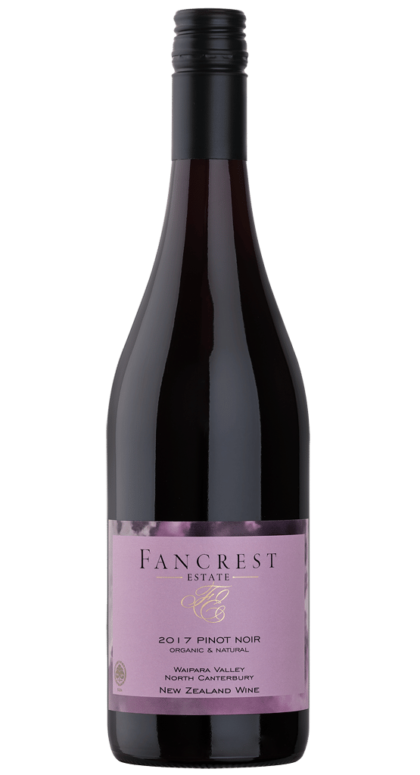
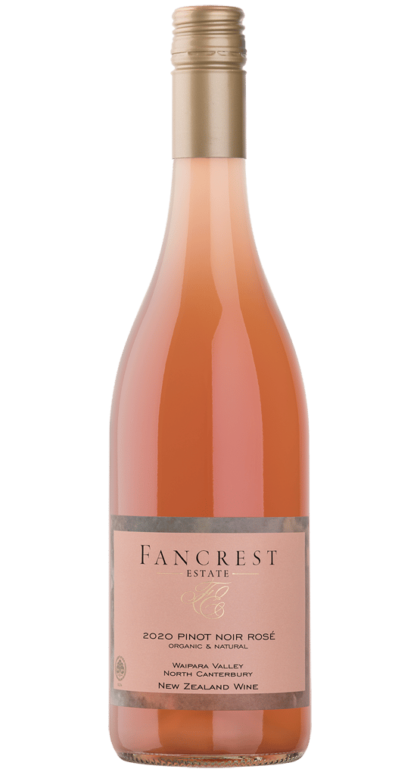
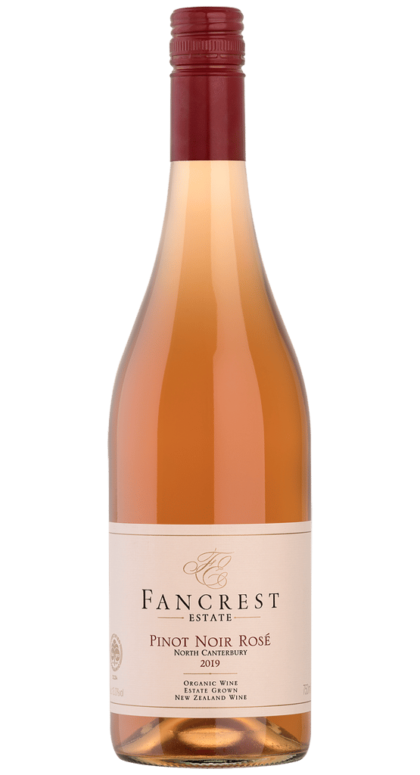
Natural wine red producers are popping up all over the world. France’s Loire Valley, Italy’s Piedmont, and New Zealand’s Waipara are just a few hotspots. Renowned makers like Fancrest Estate lead the way with honest, small-batch reds.
Here’s a quick look at the rise of natural wine red in the market:
| Year | Market Share (%) | Consumer Trend |
|---|---|---|
| 2020 | 1.5 | Growing curiosity |
| 2023 | 3.5 | Focus on authenticity |
| 2026 | 6.0* | Mainstream appeal |
*Projected figures show more people are seeking out true, unfiltered flavour.
Ready to discover the world of natural wine red for yourself? The next time you shop, look for those clear labels and honest producers. Your tastebuds, and the planet, will thank you.
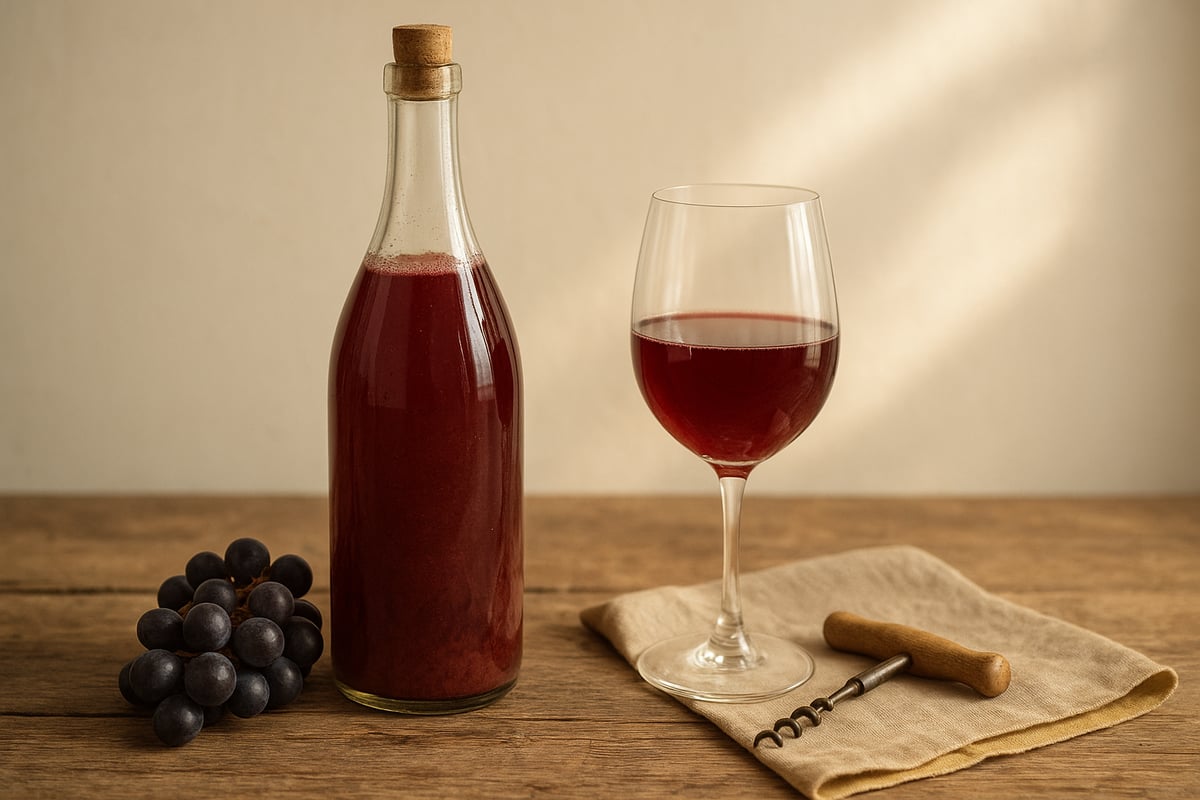
How Natural Red Wine is Made: The Pure Process
Curious about how a bottle of natural wine red goes from grape to glass? The process is refreshingly simple, pure, and rooted in respect for both nature and tradition. Let’s walk through it together.
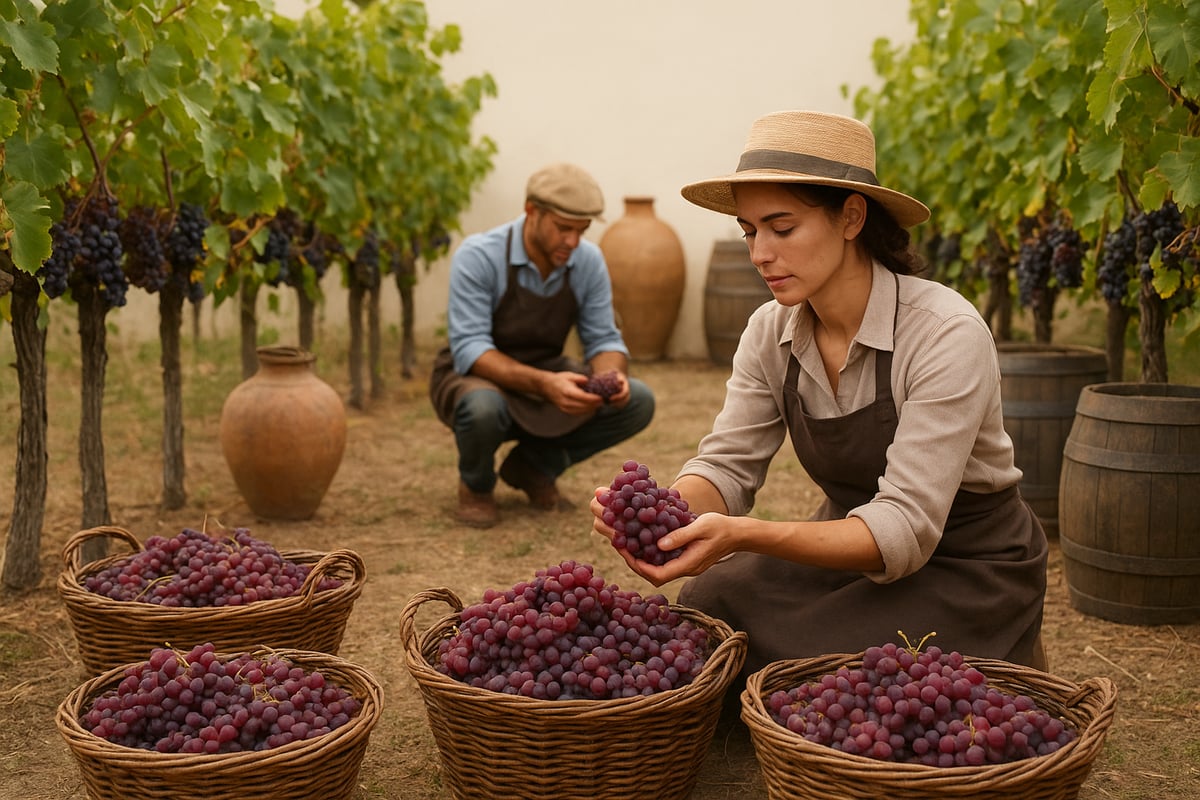
Organic Vineyards and Living Soils
Everything starts in the vineyard, where natural wine red producers avoid synthetic sprays or fertilisers. Grapes are grown using organic or biodynamic methods, letting vines draw true character from the soil. Healthy, living soils full of microbes give the fruit its unique sense of place.
Many winemakers, like those at Fancrest Estate, follow strict organic guidelines to make sure their natural wine red reflects both land and season. If you want a deeper look at these practices, Wine By Nature: Organic Methods offers a great behind-the-scenes view.
Hand-Harvesting and Gentle Handling
When grapes reach perfect ripeness, they’re picked by hand. This gentle approach protects the fruit and keeps out any damaged bunches. Only the best grapes make it into natural wine red, which means a purer, cleaner taste in every sip.
After harvest, grapes are sorted and sometimes left as whole bunches for fermentation. This hands-on care preserves delicate flavours and helps the wine express its natural character.
Wild Fermentation and Minimal Additives
In the winery, fermentation happens with wild, native yeasts that live on the grape skins and in the cellar. There are no commercial yeasts or unnecessary additives. This natural approach means every batch of natural wine red is one of a kind.
Sulphites, used in most conventional wines, are kept to a bare minimum. Sometimes, they’re not used at all. The wine is left to ferment at its own pace, often resulting in vibrant flavours and a lively, unpredictable personality.
Ageing in Neutral Vessels
Once fermented, natural wine red is aged in vessels that don’t add strong flavours. Old oak barrels, clay amphorae, or concrete tanks are common choices. These allow the wine to breathe, soften, and develop complexity, without masking its original fruit and earth notes.
Filtration and fining are usually skipped, so the wine keeps its natural cloudiness and fine sediment. This is all part of the experience, and it’s perfectly safe to enjoy.
Sustainability and Environmental Impact
Natural wine red is as much about caring for the planet as it is about taste. By avoiding chemicals and encouraging biodiversity, these producers boost soil health and reduce their environmental footprint.
Did you know that more than 15% of global vineyards are now tended with organic methods? The movement is growing fast, with many small wineries leading the way.
A Taste of Nature in Every Glass
Choosing a natural wine red is about embracing purity, tradition, and a lighter touch from vineyard to bottle. Each bottle invites you to taste the land and the season, just as nature intended. Ready to discover the difference for yourself? Fancrest Estate’s naturally crafted reds are just a click away.
Exploring Popular Natural Red Wine Varietals
Curious about which grapes make up the world of natural wine red? Let’s take a closer look at the stars of the show and discover why these varietals have become favourites for wine lovers seeking pure, authentic flavours.
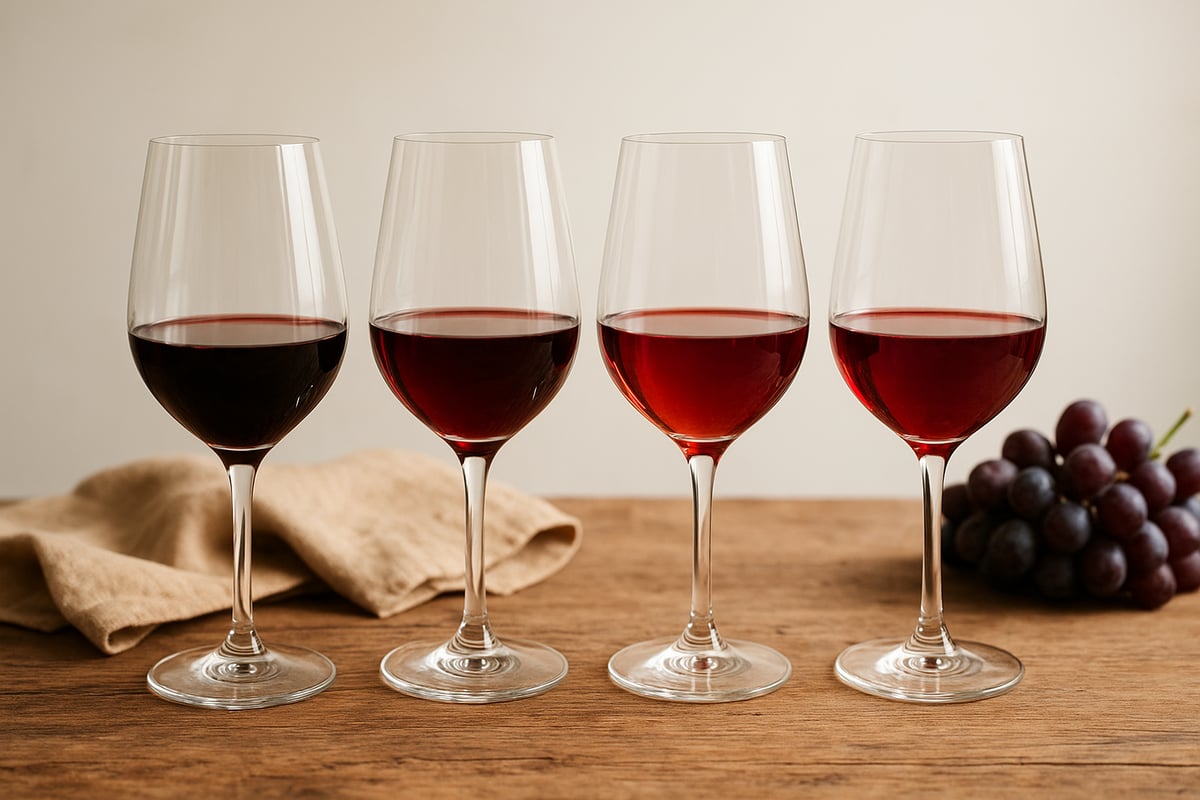
Pinot Noir is a must-try if you’re exploring natural wine red. It’s known for its lively cherry and berry notes, silky texture, and earthy undertones. New Zealand’s Waipara and Central Otago regions have gained international attention for their natural Pinot, offering a fresh take on the classic style. Pair it with roasted lamb, wild mushrooms, or even a simple cheese platter.
Gamay brings a juicy, light-bodied character to natural wine red. Think vibrant red fruits, gentle spice, and a refreshing finish. Its soft tannins make it perfect for chilling slightly before serving. Gamay is a great match for charcuterie, grilled vegetables, or a summer picnic.
Syrah (or Shiraz) is bold, spicy, and earthy. In the natural wine red world, Syrah often bursts with flavours of black pepper, dark berries, and subtle herbs. It pairs beautifully with slow-cooked meats or hearty stews. If you want a red with a bit more punch, this is your go-to.
Cabernet Franc stands out for its herbal, fresh, and elegant style. Expect notes of raspberry, bell pepper, and violets. Natural wine red versions of this grape are often lighter and more aromatic than their conventional cousins. Try it with grilled fish, herby salads, or goat cheese.
Let’s make it easy to compare:
| Grape | Flavour Profile | Pair With |
|---|---|---|
| Pinot Noir | Cherry, earth, spice | Lamb, mushrooms, cheese |
| Gamay | Juicy, floral, light spice | Charcuterie, veggies |
| Syrah/Shiraz | Bold, peppery, dark fruit | Slow-cooked meats |
| Cabernet Franc | Herbal, fresh, floral | Fish, salads, goat cheese |
Natural wine red varietals shine brightest in regions like France’s Loire Valley, Italy’s Piedmont, and New Zealand’s Waipara. Each area brings its own twist, reflecting the unique climate and soil in every bottle.
In 2026, more people are seeking out these expressive grapes for their honest flavours and food-friendliness. If you’re looking for inspiration, check out the Best Fancrest Estate Wine and Food Pairings for ideas that will make your next meal and glass truly memorable.
With so many delicious choices, exploring natural wine red varietals is an adventure that leads straight to your table.
Tasting and Enjoying Natural Wine Red: Tips for 2026
Curious about how to get the most out of your natural wine red? The experience can be a real adventure, full of surprises and bold flavours. Let’s make sure you enjoy every drop with these easy, practical tips.
Choosing a Natural Wine Red
Start by reading bottle labels carefully. Look for words like “organic”, “biodynamic”, or “unfiltered” to spot a true natural wine red. Check for certifications or mentions of minimal intervention. Some bottles will list the use of native yeasts or low sulphites.
Transparency is key. Reputable producers share details about vineyard practices and what goes into the bottle. If you want to try a natural wine red that expresses a unique place, look for a wine with a clear regional identity. Producers such as Fancrest Estate highlight their organic approach and location, which can make your choice easier.
Serving and Storing Tips
Storing your natural wine red is simple. Keep bottles in a cool, dark place, away from direct sunlight. Many natural reds are best enjoyed slightly chilled, around 14–16°C, to keep their flavours fresh.
When you open a bottle, you might find some sediment or cloudiness. This is a sign of minimal processing, not a fault. Decant gently to separate sediment, or just pour slowly. For more tips, check out How to Enjoy a Natural Pinot Noir, which offers great advice on getting the best from your glass.
Food Pairing and Tasting Notes
Pairing a natural wine red with food is easy. The vibrant, fresh flavours work well with many dishes. Try these classic matches:
- Local lamb or venison
- Roasted root vegetables
- Aged cheddar or goat cheese
- Earthy mushroom risotto
Expect lively aromas, a juicy palate, and a finish that can change from bottle to bottle. Embrace the unpredictability. Each natural wine red offers its own personality, so keep an open mind and enjoy the ride.
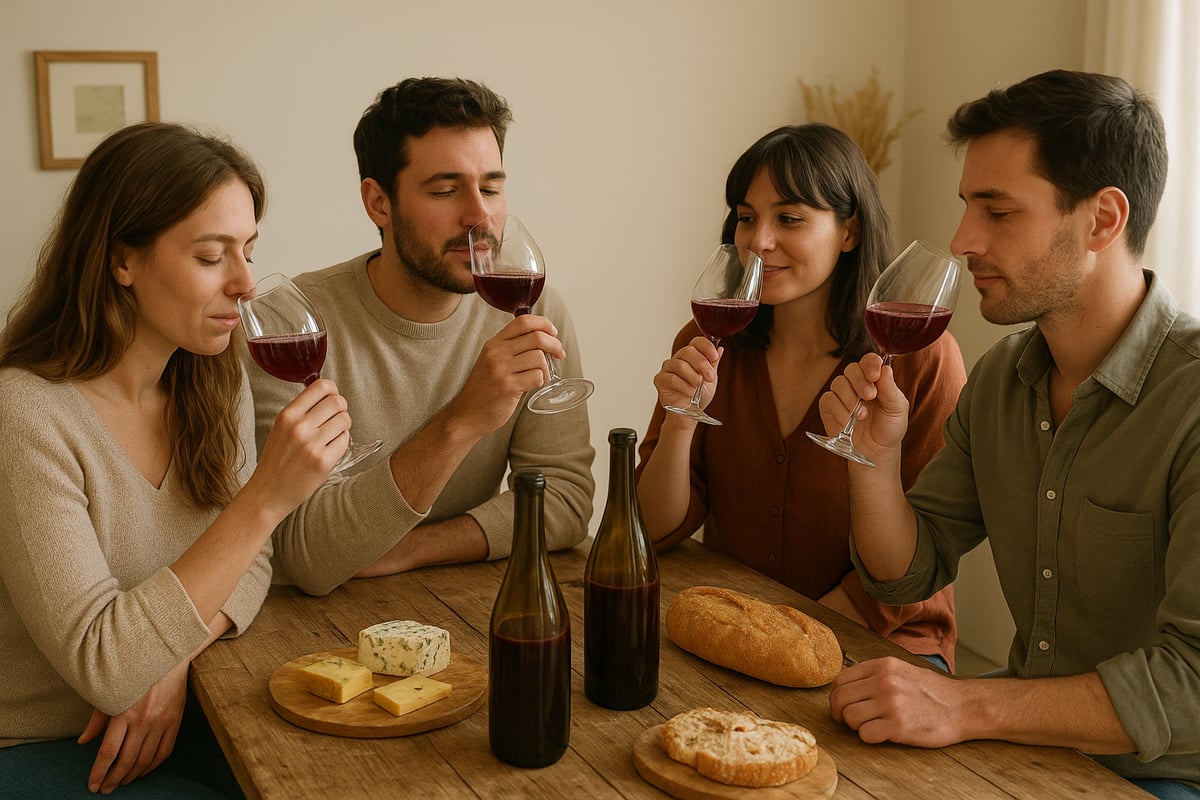
Hosting a Natural Wine Tasting
Why not host a tasting at home? Invite friends to try a range of natural wine reds. Use clear glasses, set out some local snacks, and let everyone share their impressions.
Tips for a fun tasting:
- Taste wines in order from lightest to boldest
- Note colour, aroma, and how flavours evolve
- Encourage conversation and personal favourites
Home tastings are on the rise, with more people discovering the excitement of natural wine red together. For more on this trend, see Emerging wine trends for 2026. Buying directly from producers like Fancrest Estate ensures you get authentic, expressive bottles for your next gathering.
Where to Buy the Best Natural Red Wines in 2026
Finding the best natural wine red can feel like searching for a hidden gem. You want a bottle that is pure, expressive, and true to its origins. So, where should you begin your hunt in 2026?

Start by checking out trusted online retailers and specialist wine shops. Many now feature dedicated sections for natural wine red, making it easy to browse options from both local and global producers. Look for stores that display clear certifications, organic or biodynamic badges, and detailed tasting notes.
The demand for organic and natural wines is booming. In fact, the organic wine market is projected to reach $30.06 billion by 2033, showing just how many people are seeking authentic, additive-free bottles. With so much choice, how do you pick the right one?
Here are a few tips:
- Check for transparency: Reputable producers share details about their vineyards, production methods, and ingredients.
- Look for native yeasts: This is a sign the wine is truly natural and not manipulated.
- Read reviews: Other wine lovers often share honest feedback about taste and delivery.
- Ask questions: Don’t be shy—contact the shop or producer if you want more info.
Direct-to-consumer sales are growing fast. Many small, family-owned wineries now offer their natural wine red directly from their cellar to your door. This means you get fresher bottles and a closer connection to the people behind the wine. For example, Fancrest Estate in Waipara makes it easy to buy aged, organic Pinot Noir online, with full traceability and a personal touch.
Online buying comes with perks, but also a few things to watch out for. Always check shipping policies, especially for temperature-sensitive wines. Make sure there’s a satisfaction guarantee or return policy for faulty bottles. If you’re storing natural wine red at home, keep it in a cool, dark place and enjoy it within a few years for maximum freshness.
Wine clubs and subscription services are now more popular than ever. These clubs deliver curated selections of natural wine red straight to your home. It’s perfect if you love surprises or want to taste bottles you might not find in regular shops. According to The new wine consumer in 2026, more buyers are choosing personalised wine experiences, making clubs and direct sales the go-to options for adventurous drinkers.
Here’s a quick table to compare your options:
| Where to Buy | Pros | Cons |
|---|---|---|
| Online Retailers | Wide selection, easy access, reviews | Delivery times |
| Specialist Wine Shops | Expert advice, in-person tasting | Limited hours |
| Direct from Producers | Freshness, traceability, unique finds | Location dependent |
| Wine Clubs/Subscriptions | Curated selections, convenience | Less control |
If you want to support sustainable winemaking and taste pure, unfiltered flavours, consider buying your next natural wine red directly from a producer like Fancrest Estate. You’ll get a bottle that tells a story, crafted with care, and ready to be enjoyed with good food and friends.
So now that you know what makes natural red wine so unique—those pure flavours, the honest approach, and that sense of adventure in every bottle—you might be wondering where you can actually taste all this for yourself. If you’re keen to explore a truly authentic, organic Pinot Noir crafted right here in New Zealand, why not have a look at what a small family-owned vineyard like Fancrest Estate is doing? Their wines are aged to perfection and ready to enjoy, all available direct from the people who made them. Ready to discover your next favourite?
Explore our wine selection here..