

Are you thinking about securing your family estate for future generations? In 2026, more Kiwi families are realising the value of building generational wealth, not just for themselves but for those who come after. Protecting your legacy and assets is more important than ever.
This guide is here to help you. You’ll discover clear, practical steps to owning and managing a family estate, no matter where you are on your journey. We’ll cover what a family estate means today, legal essentials, succession planning, financial strategies, sustainable practices, and how to avoid common mistakes.
Ready to take the next step? Read on and learn how to protect what matters most.
Understanding Family Estate Ownership in 2026
Have you ever wondered what a family estate really means in New Zealand today? In 2026, a family estate is more than just a big house or a patch of land. It’s a living, breathing legacy that brings together land, homes, businesses, and often a strong sense of family pride.
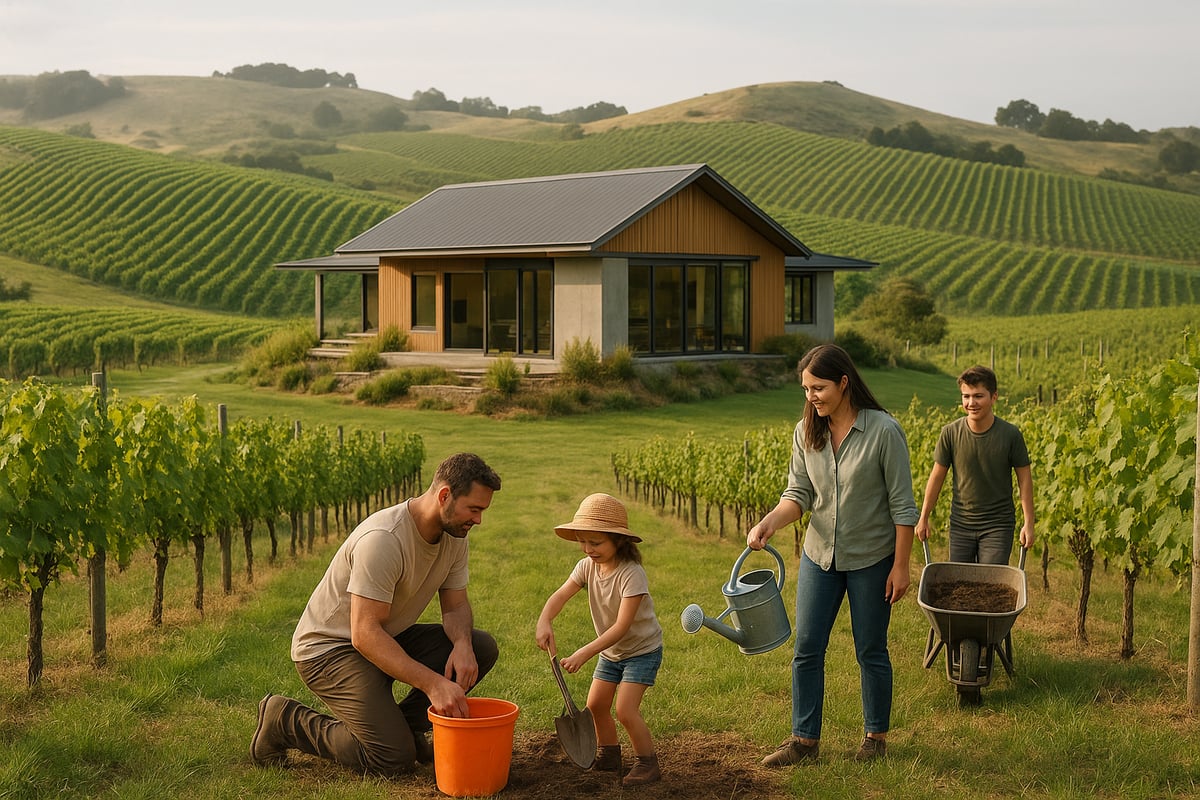
Over the years, the idea of a family estate has changed a lot. Once, estates were grand old properties, sometimes passed down for generations. Now, they include everything from boutique vineyards to farms, olive groves, and even eco-accommodation.
What makes up a family estate? It’s usually a mix of assets like land, a family home, and businesses. You might find a vineyard, a tasting room, or even a small food operation. In places like Marlborough and Waipara, family vineyards are the heart of many estates.
There’s a real focus on sustainable, organic, and regenerative practices now. Families are keen to care for the land and leave it better for the next generation. Clear documentation and having the right title are essential in 2026, so everyone knows who owns what and how it’s managed.
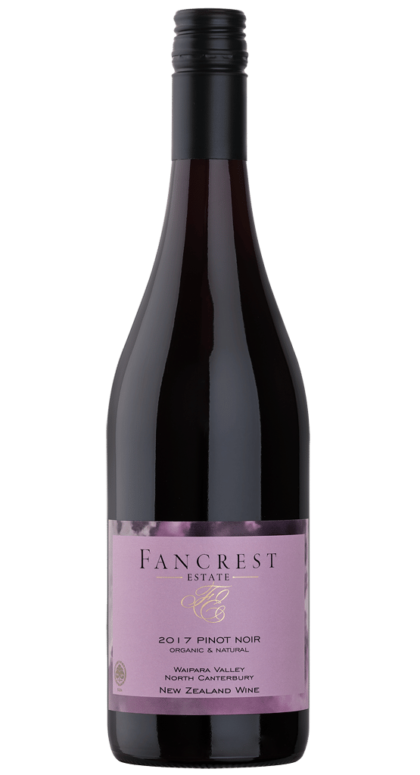
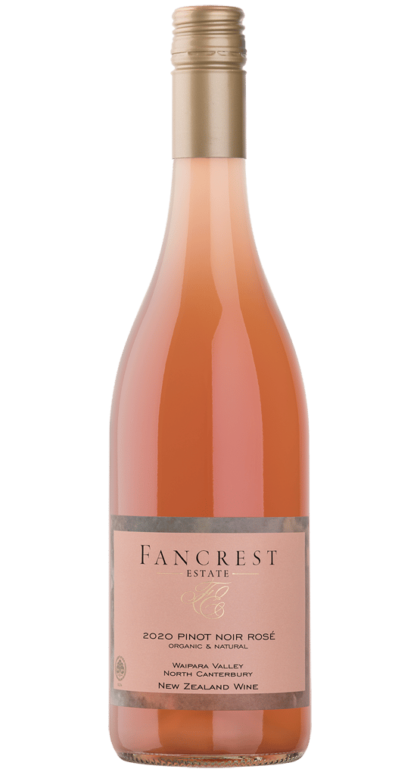
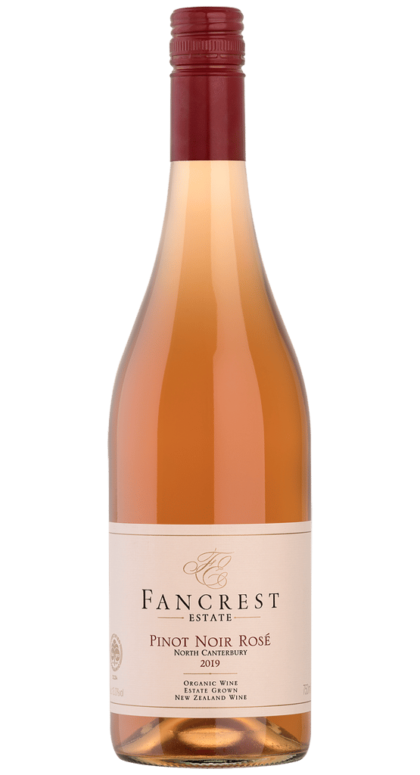
Want a real-life example? The Fancrest Estate family-owned vineyard in Waipara shows how a family estate can blend organic farming, hands-on family involvement, and direct-to-consumer wine sales. Their story is a great model for anyone dreaming of building their own legacy.
Family involvement is at the centre of most estates. Daily decisions, planning for the future, and even working the land often bring everyone together. Recent data shows more families are choosing to own and manage estates, with numbers rising each year in New Zealand.
Thinking about your own family estate? It’s about more than just property. It’s about creating something lasting, sustainable, and uniquely yours.
Legal Framework and Compliance
Legal requirements can feel overwhelming, right? If you dream of owning a family estate, understanding the rules in 2026 is essential. Getting it right means protecting your assets, your legacy, and your family's future enjoyment of the land.
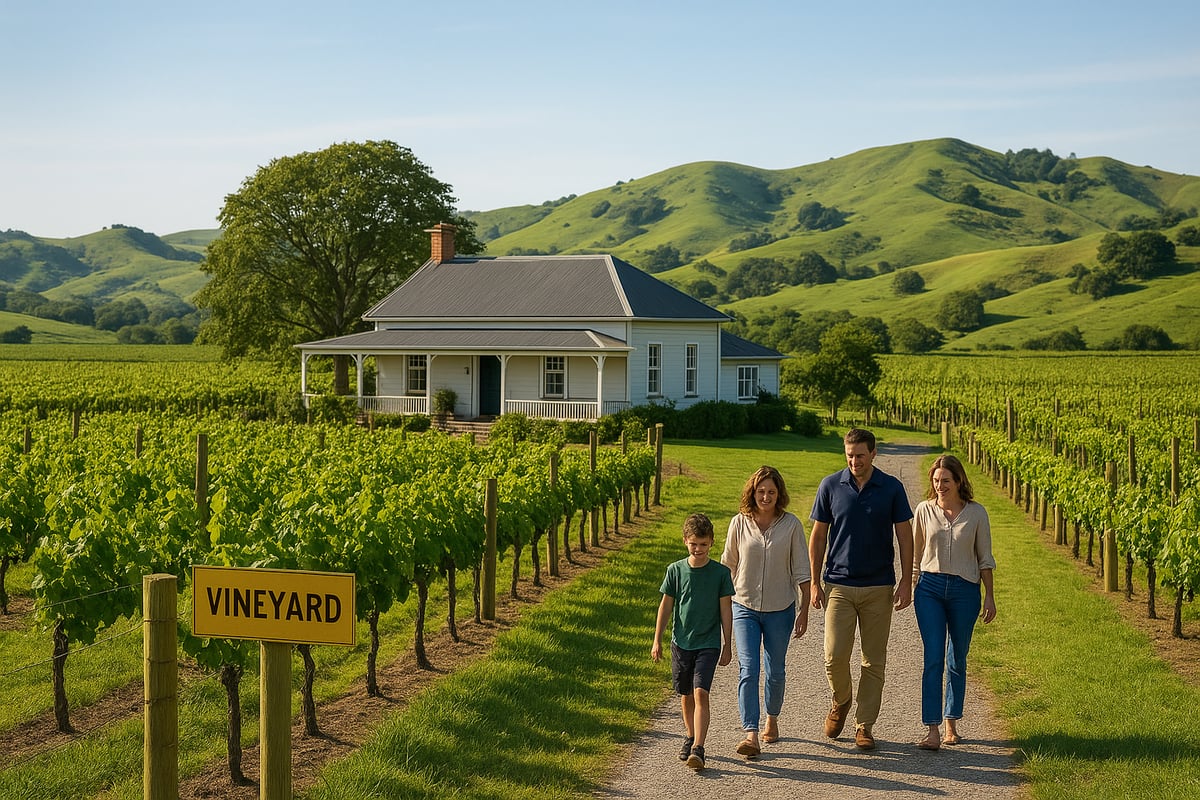
The Legal Essentials for Owning a Family Estate
So, what legal boxes do you need to tick? First, the Land Transfer Act sets the foundation. This law governs how land titles are recorded and transferred. You need to make sure your family estate has a clear, undisputed title. Any issues here can cause headaches down the track.
Next, check if the Overseas Investment Act affects you. This applies if any family members live overseas or if you are considering international investors. Local council rules also play a big part. Each district may have zoning, land use, and environmental restrictions. Ignoring these can delay or even derail your plans.
Structures, Titles, and Compliance: Getting the Details Right
How you own your family estate matters. Many families choose to use trusts, companies, or partnerships to hold their assets. Why? These structures can help protect your property, manage tax, and make succession smoother.
Paperwork is crucial. Make sure your boundaries are clearly marked and all documents are up to date. This avoids disputes with neighbours or within your own family. If you are growing grapes or running a vineyard, you also need to comply with health and safety laws, water rights, and organic certification standards.
For a deep dive into how trusts and legal structures support family businesses, see Private Wealth 2025 - New Zealand.
Compliance for Agricultural and Viticultural Estates
If your family estate includes a vineyard or farm, there are extra layers of compliance. Organic certification is increasingly popular, especially as more buyers want clean, sustainable products. Health and safety is non-negotiable. You must keep records, train staff, and ensure everyone is safe on site.
Water rights are another big one. In many regions, water use is tightly regulated. Make sure you have the right consents and understand your obligations. These requirements help protect your land and your business.
Tax Obligations and Legal Reviews
Every family estate owner must stay on top of tax. Property taxes, GST, and, in some cases, inheritance tax, all need to be managed. Getting professional advice can save you from costly mistakes.
Regular legal reviews are a smart move. They help you spot issues early, keep your paperwork current, and avoid disputes. Real-world cases show that families who ignore compliance risk losing value, facing fines, or even being forced to sell.
By staying informed and proactive, you make your family estate secure for the next generation. This foundation means you can focus on what matters: growing, sharing, and enjoying your estate's unique offerings, perhaps even inviting others to taste the results of your hard work.
Succession Planning: Securing Your Family’s Future
Have you ever wondered what will happen to your family estate when it’s time to pass the torch? Succession planning is the secret to keeping your land, home, or vineyard thriving for generations. Without a clear plan, even the most cherished family estate can quickly run into trouble.
Picture this: you’ve built up a beautiful property, maybe with a vineyard that’s the pride of your family. But if you don’t decide early who takes over, or how decisions get made, things can get messy. That’s why the first step in succession planning is to talk openly with everyone involved. Invite family members to regular meetings. Let everyone share their hopes for the future of the family estate. This way, you can spot disagreements before they grow.
Next, it’s time to put your wishes in writing. Creating a will is a must, but it’s only the start. Many successful estates in New Zealand use trusts or companies to make sure ownership transfers smoothly. Legal structures like these protect the family estate from disputes or unexpected surprises. Some families also use a family charter, which is like a rulebook for how the estate runs and how people join in.
Professional advice is a game changer. Bringing in a lawyer or a succession specialist helps you navigate the legal stuff and avoid costly mistakes. Resources like STEP New Zealand offer expert guidance on inheritance and succession planning. It’s smart to ask for help early, especially if your family estate includes businesses, vineyards, or several properties.
Let’s look at what works. In Marlborough and Waipara, some wine estates have passed smoothly from parents to children by following three simple steps: talking often, writing down their wishes, and getting advice. These estates are still family-run today, with the next generation adding their own ideas and energy.
Here’s a quick table to show the benefit of succession planning:
| With Planning | Without Planning |
|---|---|
| Smooth transfer of assets | Family disputes |
| Clear roles for everyone | Uncertainty |
| Estate stays in the family | Forced sale or breakup |
Getting the next generation involved early is vital. Invite them to help with harvest, learn about winemaking, or even join the business side. When everyone feels part of the family estate, they’re more likely to keep it going strong.
Don’t leave your family’s legacy to chance. Start your plan, talk with your loved ones, and seek expert help. Imagine the pride of seeing your estate flourish, knowing your hard work will be enjoyed by future generations. If you want to taste what a well-planned family estate can achieve, why not explore Fancrest Estate wines? Every sip is a celebration of family, tradition, and a future secured.

Financial Management and Estate Sustainability
Managing a family estate is about more than just keeping the books balanced. It is the heart of your family's future, and getting it right means safeguarding both your legacy and your lifestyle. Good financial management keeps your family estate thriving, no matter what the seasons bring.
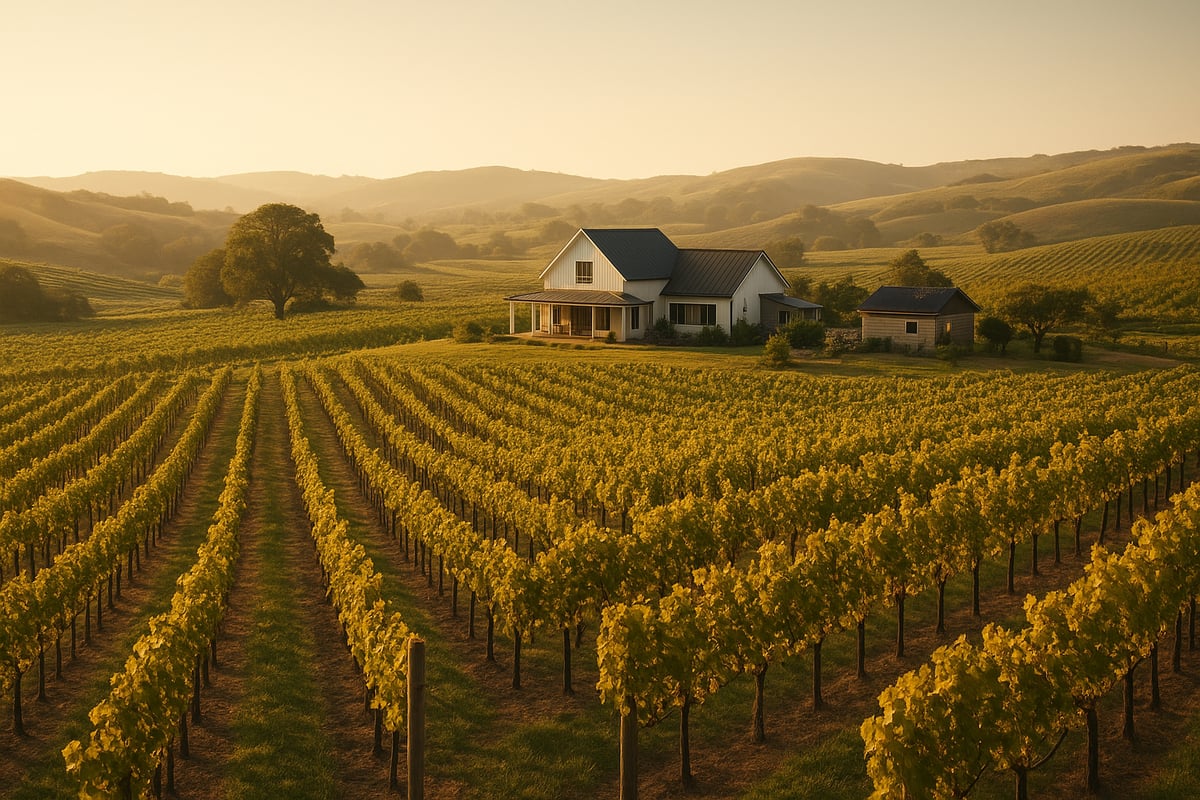
Start With Strong Financial Foundations
First things first: set a budget for your family estate. Know where your money comes from and where it goes. Track cash flow closely, so you are never caught off guard by unexpected costs. Forecasting helps you plan for both good years and leaner ones.
Insurance is a must. Protect your property, crops, and any events you might host. A single storm or accident can have a big impact, so make sure your cover matches your estate's unique risks.
Diversify to Secure Your Future
One of the smartest moves for a family estate is to diversify. Do you grow grapes? Consider adding boutique accommodation or hosting vineyard events. Many family estates in New Zealand now blend wine production with tourism or farm-to-table dining. This spreads risk and gives your estate more ways to earn income, even if one area faces a tough year.
Professional advice is worth its weight in gold. Accountants and financial planners who understand the family estate world can help you make the most of every dollar. They can also guide you on tax, GST, and compliance, so you stay on the right side of the law.
Sustainability Pays Off
Sustainable and organic practices are not just good for the land, but good for your bottom line. More Kiwis are seeking out organic wines and produce, and estates that focus on eco-friendly methods often see stronger, more loyal customer bases.
Want to see how this works in real life? Check out Fancrest Estate's Sustainable winegrowing practices to discover how organic methods can add value and resilience to your family estate.
Plan for Success, Taste the Rewards
The best family estate stories are built on careful planning and smart choices. Learn from estates that have weathered tough times by adapting, diversifying, and looking after the land. When you manage finances well and invest in sustainability, your family estate becomes more than a business, it becomes a legacy.
Curious to experience the results? Exploring quality wines from a successful estate is a great place to start. Every bottle tells a story of family, care, and a future worth investing in.
Steps to Establishing and Managing a Family Estate
Owning a family estate in New Zealand is a dream for many, but turning it into a lasting legacy takes careful planning. If you want your family estate to thrive in 2026 and beyond, you need a clear path from day one. Here’s a step-by-step guide to help you get started and avoid common mistakes.

Step 1: Define Your Vision and Goals
What do you want your family estate to represent? Start with a shared vision. Do you dream of producing world-class wine or creating a peaceful rural retreat? Write down your goals and involve every family member in the conversation. This helps everyone feel invested from the start.
Step 2: Secure Legal Ownership and Compliance
Once your vision is clear, make sure you have secure legal ownership. Double-check titles and boundaries. Work with a lawyer who understands New Zealand property law. Staying compliant with local council rules and national regulations will protect your family estate from future disputes.
Step 3: Develop a Robust Succession and Governance Plan
Think long-term. Who will take over the family estate when you step back? Create a succession plan and set up governance structures, like a family trust or company. For more guidance, check out the Latest news and events on current estate trends and expert advice.
Step 4: Implement Strong Financial and Risk Management Systems
Good financial habits are essential. Set a budget and track your spending. Make sure you have the right insurance to cover your property, crops, and liability. Work with financial advisors who specialise in family estate management to avoid costly surprises.
Step 5: Adopt Sustainable, Organic, or Regenerative Practices
Sustainability is not just a buzzword. Embrace organic or regenerative farming to protect your land for future generations. Consider getting certified organic status. This adds value to your family estate and appeals to today’s eco-conscious buyers.
Step 6: Diversify Income Streams to Maximise Value
Don’t put all your eggs in one basket. Many successful estates offer accommodation, host events, or sell products online. For inspiration, see how other families have thrived by diversifying, or consider how you might Buy Fancrest Estate wines online to experience a vibrant family estate first-hand.
Step 7: Foster Open Communication and Regular Family Meetings
Keep everyone in the loop. Hold regular family meetings to discuss progress, challenges, and future plans. Open communication helps prevent misunderstandings and keeps your estate running smoothly.
Building a family estate is a journey. By following these steps, you’ll set a strong foundation for success. Take time to learn from others, use available resources, and always keep your family’s values at the centre. Your legacy starts now.
The Future of Family Estate Ownership in New Zealand
Looking ahead, the future of the family estate in New Zealand feels bright and full of opportunity. More families are embracing technology to manage land, adapt to climate change, and keep their operations running smoothly.
Organic practices and direct-to-consumer wine sales are becoming the new normal. People want to know where their wine comes from and who made it. This shift is great news for anyone passionate about authenticity and quality.
Family estates are here to stay, offering a sense of belonging and purpose that spans generations. If you want to experience the true spirit of a New Zealand family estate, why not try a bottle from Fancrest Estate’s online shop?
Now’s the perfect time to invest in your family’s future and taste the rewards of a legacy built to last.
So after diving into what it really means to own and manage a family estate in 2026, you’re probably thinking about how all these ideas play out in real life, right? That’s exactly where places like Fancrest Estate come in—they’re proof that with a bit of heart, careful planning, and a commitment to organic practices, your family’s legacy can thrive for generations. If you’re curious to see the results of a hands on approach and want a genuine taste of what a family owned, sustainable estate can create, why not take a look at what Fancrest has to offer?
Explore our wine selection here..