
Are you noticing more friends asking for certified organic wine lately? You are not alone. The demand for these wines is booming in 2026, with more people choosing them for their health, taste, and the planet.
Why are wine lovers making the switch? Certified organic wine offers pure flavours, fewer unwanted chemicals, and supports eco-friendly farming. Many say it just tastes better, too.
In this guide, you will discover what certified organic wine really means, how to spot true certification, and which varietals stand out this year. We will show you how to pick the right bottle for your taste and where to buy the best selections.
Ready to enjoy a glass that is better for you and the earth? Let’s dive in.
What Makes a Wine Certified Organic?
Curious about what sets a certified organic wine apart? Let’s break it down simply. Certified organic wine is made from grapes grown without synthetic pesticides, herbicides, or fertilisers. These vineyards follow strict organic rules every step of the way. Each year, independent auditors check that standards are met. Only bottles with official organic logos have truly earned the title. In New Zealand, the certification process is especially rigorous, making it easy to spot authentic options. When you pour a certified organic wine, you’re tasting the result of care and commitment to purity.
Defining Certified Organic Wine
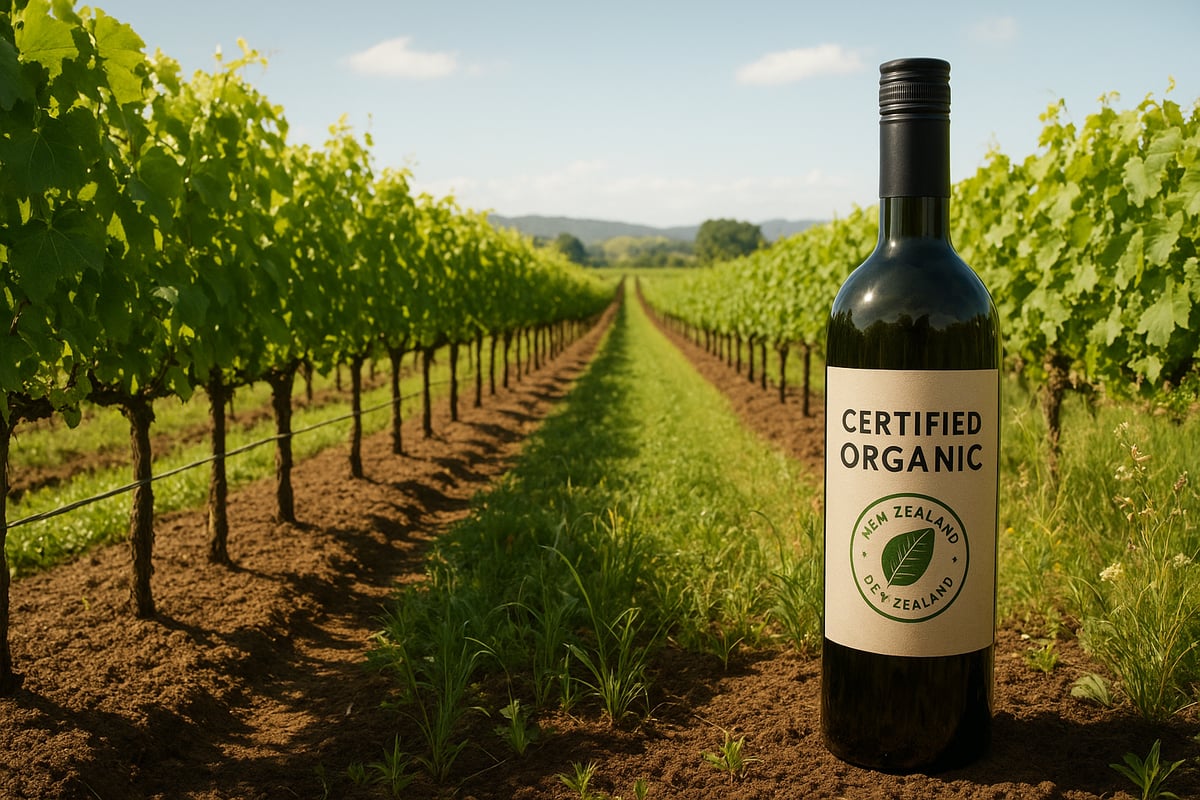
So, what does certified organic wine really mean? It starts in the vineyard. Grapes must be grown without any synthetic chemicals. Instead, growers use natural methods to keep vines healthy and pest free.
To become certified, vineyards must follow strict organic principles and pass yearly inspections. These checks ensure that every batch meets the highest standards. Only wines that pass these audits can display an official organic logo on their label.
In New Zealand, the certification process is among the strictest worldwide. This gives you confidence that when you choose a certified organic wine, you’re getting genuine quality and care in every sip.
Understanding Organic Certification Bodies
Behind every certified organic wine is a trusted certification body. In New Zealand, the main certifiers are Biogrow, AsureQuality, Demeter, and Organic Farm NZ. Each has its own set of rules, but all focus on protecting the environment and your health.
These groups check vineyards each year, making sure no shortcuts are taken. International standards also help keep the bar high for quality, especially for wines exported overseas.
Certification matters because it builds trust. When you see a recognised logo, you know the wine meets strict requirements. Labels with these marks give you confidence to choose the best bottle. Want to dig deeper into the standards? You can find more details at BioGro's Organic Standards.
Organic vs Biodynamic Wines
You might hear about biodynamic wines alongside certified organic wine. What’s the difference? Biodynamic takes organic a step further. It’s a holistic approach, treating the vineyard as a living system. Growers use natural preparations and time their work with lunar cycles.
Both organic and biodynamic wines avoid synthetic chemicals. The main difference is that biodynamics adds extra steps, like compost teas and planting by the moon. Some New Zealand wineries hold both certifications, showing real dedication to the land.
Biodynamic practices boost soil health and encourage more wildlife in the vineyard. The result? Vibrant, lively wines that truly reflect where they’re grown. When you pick a certified organic wine, or even a biodynamic bottle, you’re supporting nature and enjoying pure, expressive flavours.
Why Choose Certified Organic Wine?
More people than ever are searching for wines that match their values and lifestyle. Have you wondered why certified organic wine is popping up everywhere lately? The reasons go far beyond just a trend. Let’s explore what makes these wines so appealing and why you might want to pour a glass yourself.
Health and Purity Benefits
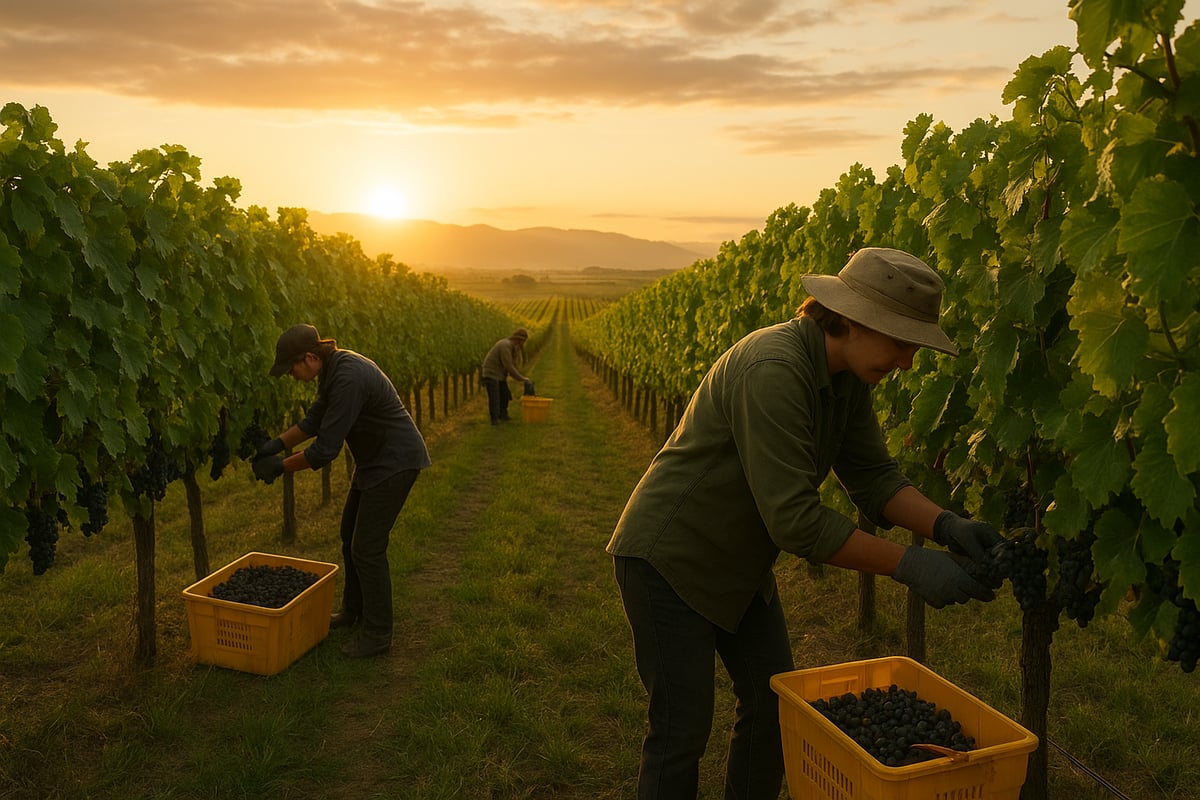
When you reach for a certified organic wine, you are choosing something cleaner for your body. These wines are made from grapes grown without synthetic pesticides or fertilisers. That means you get fewer chemical residues in your glass, which many people find reassuring.
Most certified organic wine also contains lower levels of sulphites. If you have sensitivities or just want a purer drop, that’s good news. The natural fermentation process used by many producers lets the true flavours of the grapes shine through. You can often taste the difference—wines feel brighter, fresher, and more expressive.
There is a growing movement towards “clean label” products, and organic wine fits right in. If you want to learn more about the health advantages, check out this helpful overview on the Health Benefits of Organic Wine.
Environmental Impact and Sustainability
Choosing certified organic wine is a simple way to help the planet. Organic vineyards avoid synthetic chemicals, which protects soil, water, and wildlife. This approach supports the natural balance of vineyard ecosystems and helps native plants and animals thrive.
Here’s a quick look at how organic vineyards stack up:
| Practice | Conventional | Certified Organic Wine |
|---|---|---|
| Pesticides | Synthetic | Natural/None |
| Soil Health | Often Depleted | Regenerative |
| Waterways | At Risk | Protected |
| Biodiversity | Lower | Higher |
Organic wine producers in New Zealand are leaders in sustainability. By supporting these wines, you are backing practices that reduce the carbon footprint and foster a healthier environment for future generations.
Taste and Quality Advantages
Ever noticed how certified organic wine just seems to taste better? That’s no accident. Grapes grown organically are able to express their true regional character, also known as terroir. The flavours are often more vibrant and unique.
Many organic wines are made in small batches, with careful attention to detail. This hand-crafted approach can lead to higher quality in every bottle. Sommeliers and critics have praised the depth, purity, and balance found in these wines.
Recent awards show that certified organic wine is not only better for you and the planet, but also a top pick for taste. Why not explore a bottle yourself and see what all the fuss is about?
Key Organic Certification Standards in New Zealand and Globally
Knowing what sets a certified organic wine apart starts with understanding the rules behind the label. Certification standards make sure you are getting the real thing, not just a clever marketing pitch. Let us break down how these standards work in New Zealand and around the world, so you can choose your next bottle with total confidence.
New Zealand’s Organic Wine Certification
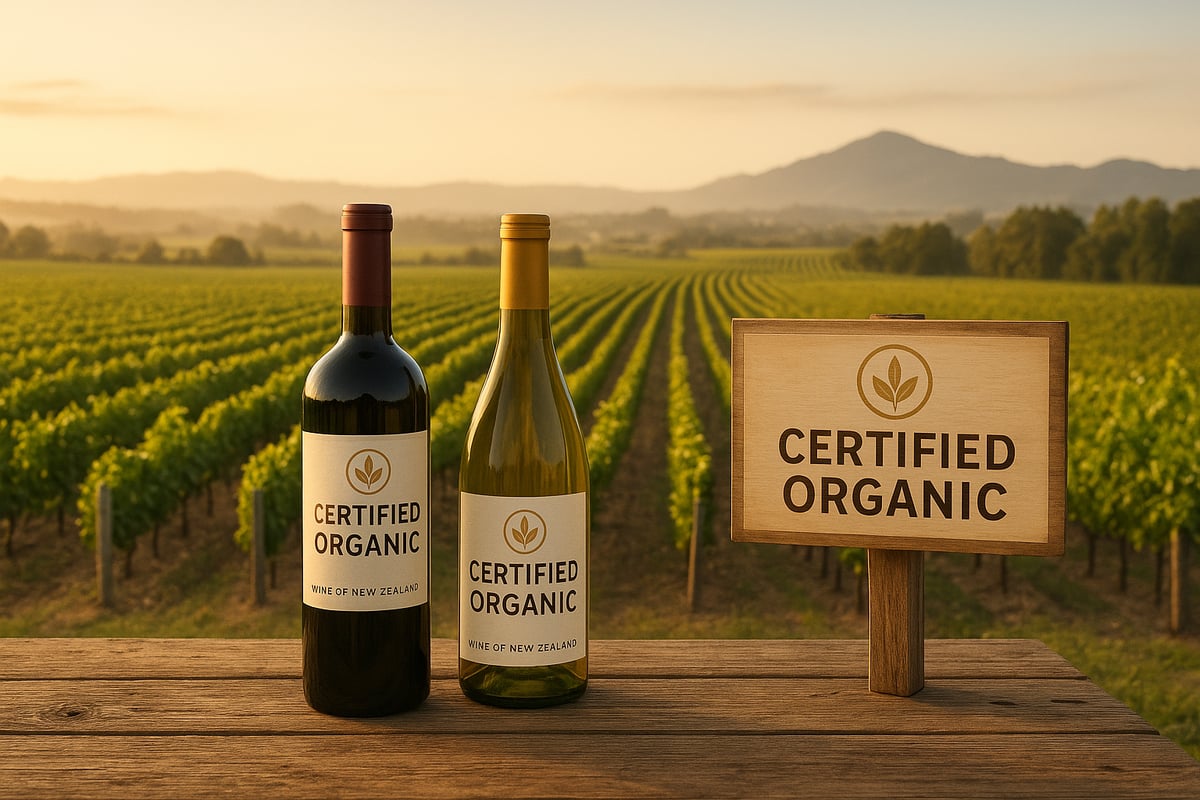
If you are searching for certified organic wine in New Zealand, you will spot labels from four main certifiers: Biogrow, AsureQuality, Demeter, and Organic Farm NZ. Each has strict rules. Vineyards must go through a three-year conversion before they can claim full organic status. During this time, grapes are grown without synthetic pesticides or fertilisers.
Every year, certifiers audit these vineyards to make sure they stick to organic practices. This builds trust and helps you know exactly what you are drinking. Central Otago and Waipara are two regions leading the way with organic vineyards. Want to see these standards in action? Check out Organic Winegrowing in New Zealand for more on how the process works.
Here’s a quick look at the main certifiers:
| Certifier | Logo Appearance | Key Focus |
|---|---|---|
| Biogrow | Green leaf | Organic farming |
| AsureQuality | AQ mark | Food safety, organics |
| Demeter | Orange sun | Biodynamics |
| Organic Farm NZ | Green circle | Small producers |
Certified organic wine from NZ is trusted for its purity and sustainability, setting a high bar for quality.
International Organic Standards
Certified organic wine is not just a New Zealand story. Globally, the EU, USA, and Australia all have their own organic wine regulations. Each country sets rules about what additives and processes are allowed. For example, the EU limits sulphites more strictly, while the USA has different labelling laws.
International recognition is important, especially for New Zealand wines heading overseas. Exporting certified organic wine means meeting both local and international standards. This ensures you are still getting a truly organic product, no matter where you buy it.
Trends show more countries are tightening their organic certification rules. This helps protect both the environment and your glass, making certified organic wine a smart choice for wine lovers everywhere.
Decoding Labels and Logos
Standing in a wine shop, it is easy to get confused by all the green labels. Not every bottle that says “organic” is a certified organic wine. Look for official logos like Biogrow, AsureQuality, Demeter, or Organic Farm NZ. These show the wine has passed strict checks.
Here is a handy tip: “Organic” means certified by a recognised body. “Biodynamic” means even stricter rules, using natural preparations and lunar cycles. “Natural” is less defined, so always check for a certification logo.
To avoid greenwashing, compare bottles side by side. Certified organic wine will always have a transparent label and clear logo. That way, you can sip with peace of mind.
Popular Certified Organic Wine Varietals in 2026
Ever wondered which certified organic wine styles are making waves in 2026? Whether you love reds, whites, or sparkling rosé, there’s never been a better time to explore these pure, eco-friendly drops. Let’s dive into the top varietals you’ll want to sip, share, and enjoy.
Red Wines: Pinot Noir, Syrah & More
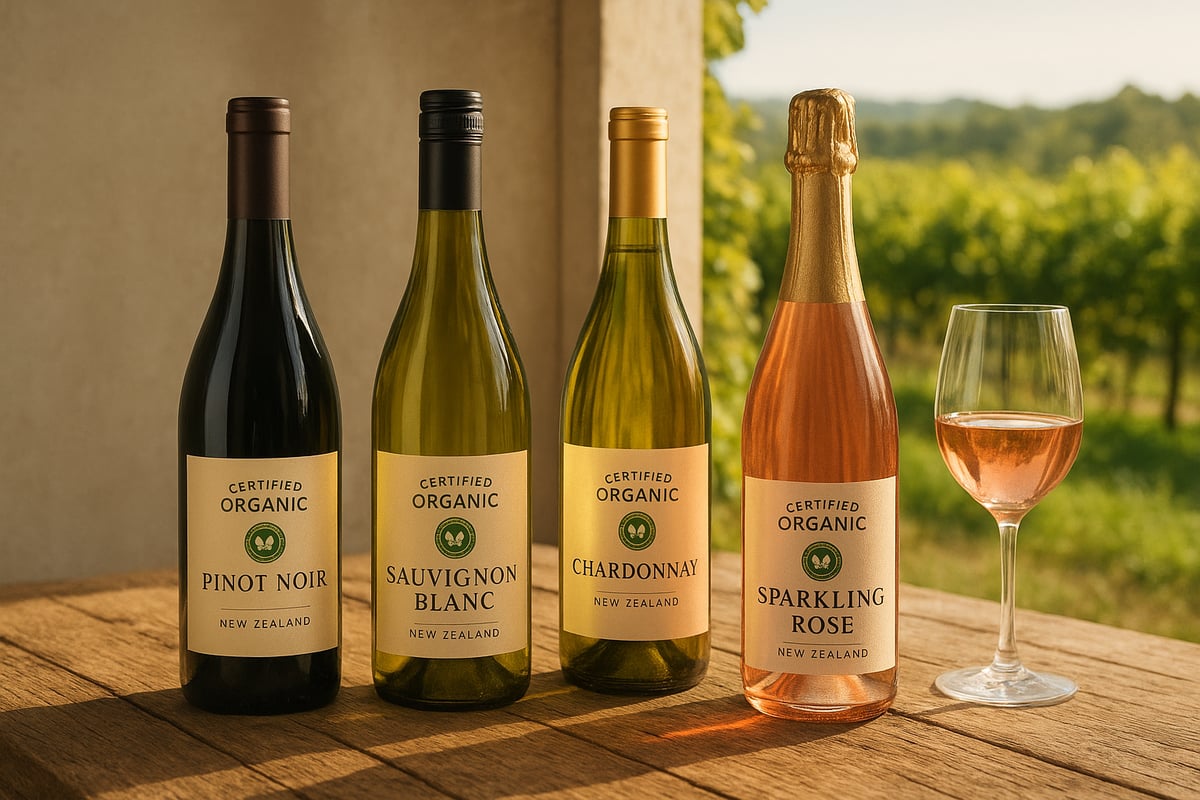
Pinot Noir leads the way for certified organic wine lovers in New Zealand. It’s a bright, elegant red that shows off pure fruit flavours and delicate tannins. You’ll taste the land in every sip. Syrah is another rising star, bringing spicy notes and dark berry richness. Bordeaux blends are also getting attention, especially from smaller, organic producers.
What sets these reds apart?
- Vibrant fruit, without heavy oak or chemical aftertaste
- Subtle tannins for a smoother mouthfeel
- Often hand-picked and made in small batches
Looking for a standout? Award-winning organic Pinot Noir from Waipara is a must-try. These wines often pick up medals for their quality and character. Curious about the accolades? Check out Award-Winning Organic Pinot Noir for more. If you want to savour the best, certified organic wine from Waipara should be on your list.
White Wines: Sauvignon Blanc, Chardonnay, Riesling
Sauvignon Blanc is the superstar of certified organic wine in the white category. It’s crisp, aromatic, and bursting with citrus and tropical notes. Marlborough’s organic Sauvignon Blanc is especially popular, thanks to its zesty freshness.
Chardonnay and Riesling are favourites too. Organic Chardonnay is often mineral-driven, with a clean finish. Riesling shines with pure fruit and lively acidity. These white wines are perfect for relaxed evenings or special meals.
Try pairing organic Sauvignon Blanc with fresh seafood or goat cheese. Chardonnay matches well with roast chicken, while Riesling is lovely with spicy dishes. The purity of certified organic wine means you get the true taste of each grape, every time.
Rosé and Sparkling Organic Wines
Rosé is having a moment among certified organic wine fans. It’s perfect for summer, with lively berry flavours and a crisp, dry style. Sparkling organic wines are catching on too. They’re clean, refreshing, and ideal for any celebration.
Look for producers crafting small-batch rosé with Pinot Noir grapes. Central Otago’s sparkling organic rosé is a real treat, offering delicate bubbles and pure fruit notes.
When choosing rosé or bubbles, seek out bottles with clear organic certification. You’ll enjoy not just the taste, but the peace of mind that comes from sustainable winemaking. These varietals make any occasion feel special, and they’re easy to order online for your next gathering.
How to Choose the Best Certified Organic Wine
Choosing the right certified organic wine can feel a bit overwhelming at first. With so many options out there, knowing what to look for makes a big difference. Let’s break down the process so you can pick a bottle with confidence and enjoy every sip.

Reading Labels and Understanding Certifications
First things first, always check the label when selecting a certified organic wine. Genuine organic wines display official certification logos, like Biogrow or AsureQuality. These logos prove the wine meets strict organic standards and has passed yearly audits.
Here’s a handy table to help you decode what you see on the bottle:
| Logo/Term | What It Means | Trust Level |
|---|---|---|
| Biogrow | NZ organic certifier | High |
| AsureQuality | NZ organic certifier | High |
| Demeter | Biodynamic certifier | Very High |
| Organic Farm NZ | Small producer organic | High |
| “Organic” only | No logo, unverified | Low |
Look for these symbols, not just words like “organic” or “natural.” If you see a certification, you can trust the wine is truly organic. Avoid bottles with vague claims and no clear proof. The certified organic wine label is your best friend for making an informed choice.
Matching Organic Wines to Your Taste
Now, let’s talk about taste. Everyone’s palate is unique, so matching a certified organic wine to your preference is key. Organic farming lets the grapes shine with natural character, often resulting in fresher, more expressive flavours.
Think about what you enjoy—do you like reds with bright berry notes, or whites that are crisp and zesty? Here’s a quick tasting note guide to help:
| Wine Style | Organic Taste Profile | Food Match Ideas |
|---|---|---|
| Pinot Noir | Juicy cherry, soft tannins | Roast chicken, mushroom pie |
| Sauvignon Blanc | Lively citrus, herbal finish | Fresh seafood, goat cheese |
| Rosé | Strawberry, dry, refreshing | Summer salads, grilled veg |
Try different varietals and see what excites your taste buds. Certified organic wine tends to be more vibrant and easy to pair with food. Don’t be afraid to ask for tasting notes or recommendations at your local shop.
Where to Buy Certified Organic Wines in 2026
Ready to find your next favourite bottle? The best place to buy certified organic wine is from trusted retailers or direct from the vineyard. Many New Zealand wineries, including Fancrest Estate, offer online shops with nationwide delivery.
Buying direct ensures freshness and authenticity. You also get access to limited releases and special bottlings. Specialist organic wine stores and local retailers are great for discovering new producers. For a seamless experience, check out the Buy Certified Organic Wines Online guide, which makes it easy to explore and order certified organic wine from the comfort of your home.
Choose with confidence, explore new flavours, and enjoy the pure pleasure that certified organic wine brings to any occasion.
Discover Fancrest Estate: Premium Organic Pinot Noir from Waipara
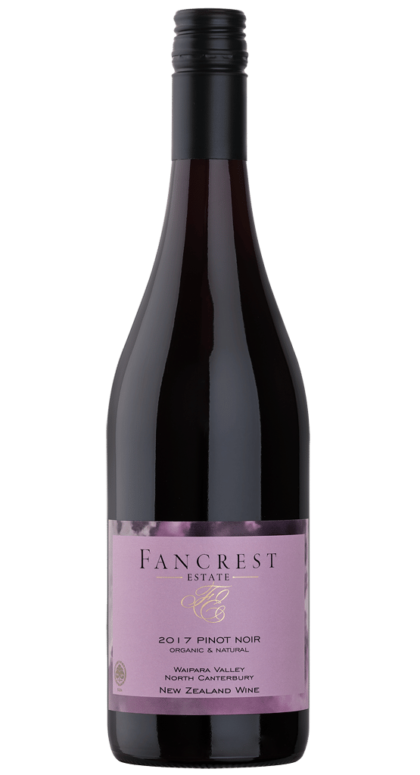
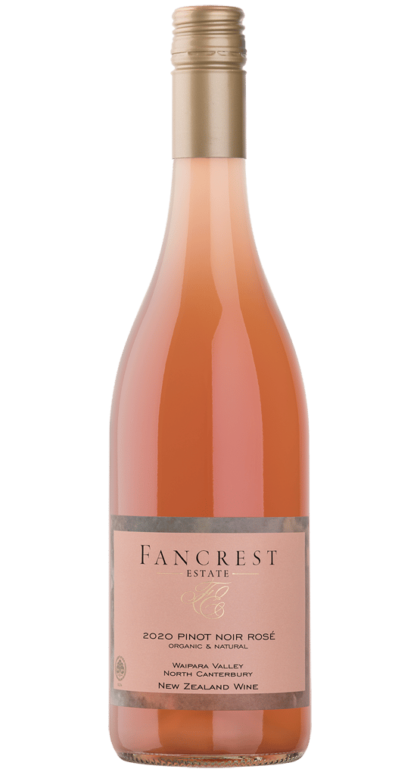
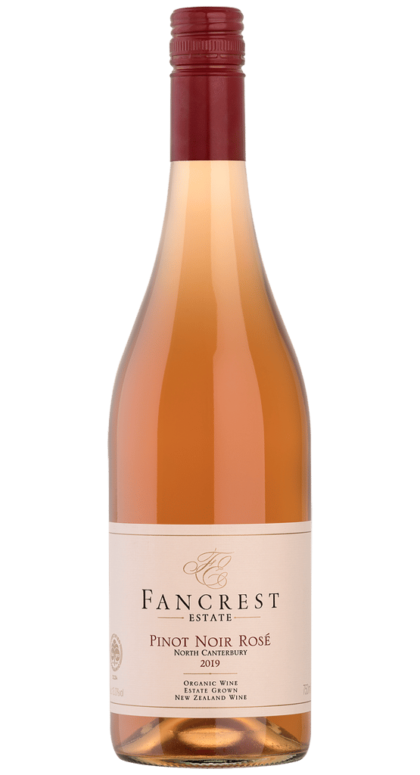
Looking for a certified organic wine that truly stands out? Meet Fancrest Estate, a family-owned vineyard tucked away in Waipara, North Canterbury. This boutique winery is all about hand-crafting exceptional Pinot Noir and rosé, using only the purest certified organic wine practices from start to finish.
At Fancrest Estate, grapes are grown with care and picked by hand. The winemakers rely on natural yeasts from the vineyard, which means each bottle captures the true flavour of the land. Every wine is aged before release, so you enjoy the best quality in every glass. Curious about their approach? Dive deeper into their Organic Winemaking Practices at Fancrest to see what makes their certified organic wine so special.
Ready to try something pure, sustainable, and delicious? You can buy Fancrest Estate wines exclusively online, making it easy to experience their commitment to excellence and taste the difference for yourself.
So, now that you know what sets certified organic wines apart—the purity, the care for the environment, the genuine flavours—it’s only natural to want to taste the difference for yourself, right If you’re curious about how these values come to life in every glass, why not check out a range that’s crafted by a family who truly lives and breathes organic winemaking At Fancrest Estate, you’ll find Pinot Noir and rosé that are as authentic as they come—grown, made, and aged with real hands and heart. Ready to discover your new favourite wine Explore our wine selection here..