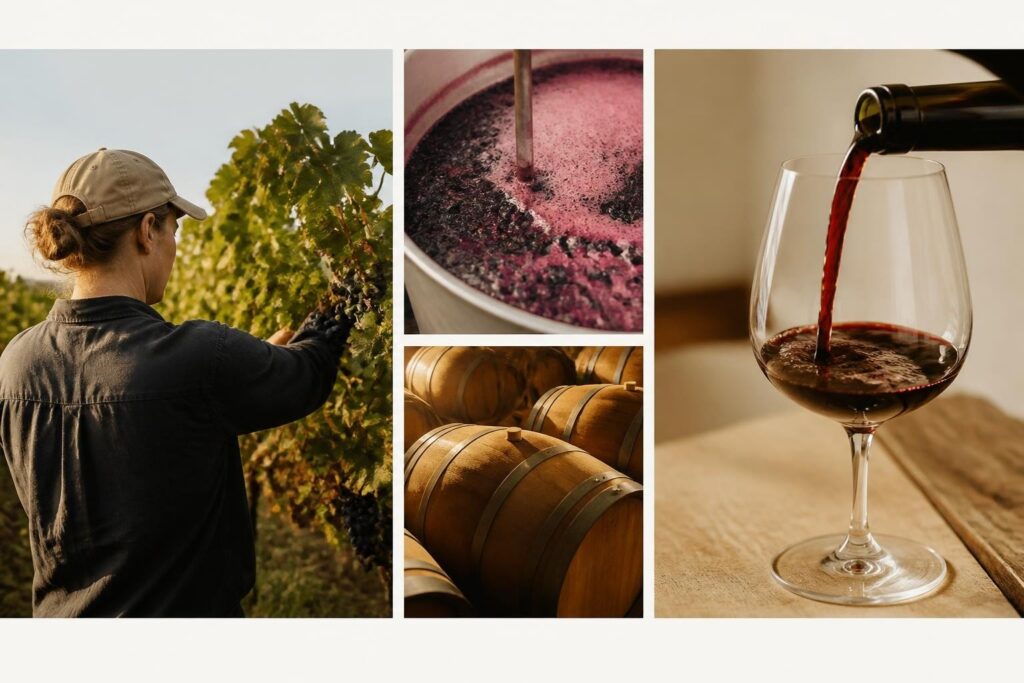
Have you ever wondered what separates an exceptional Pinot Noir from one that's merely okay? Finding a good pinot noir isn't just about the price tag or the fancy label. It's about understanding the artistry, dedication, and natural processes that transform delicate grapes into something truly remarkable. Let's explore what makes this variety so special and how authentic, hands-on winemaking creates wines that genuinely express their origins.
The Soul of Pinot Noir: Why This Grape is Different
Pinot Noir has earned its reputation as the heartbreak grape for good reason. It's notoriously difficult to grow and even harder to vinify well. But when everything aligns, magic happens.
This thin-skinned variety demands attention that generic commercial varieties simply don't require. The characteristics and regional variations of Pinot Noir reveal how sensitive this grape is to climate, soil, and human intervention. You can't rush it. You can't force it. You need to work with nature, not against it.
What Sets Exceptional Pinot Apart
When you're searching for a good pinot noir, certain qualities stand out immediately:
- Authentic expression of place rather than manufactured flavour
- Natural balance between fruit, acidity, and tannins
- Complexity that develops through proper aging
- Purity that comes from minimal intervention
Think of it this way: would you rather drink something that's been manipulated in a laboratory or something that genuinely reflects the soil, the season, and the winemaker's hands?
The Living Vineyard: Where Quality Begins
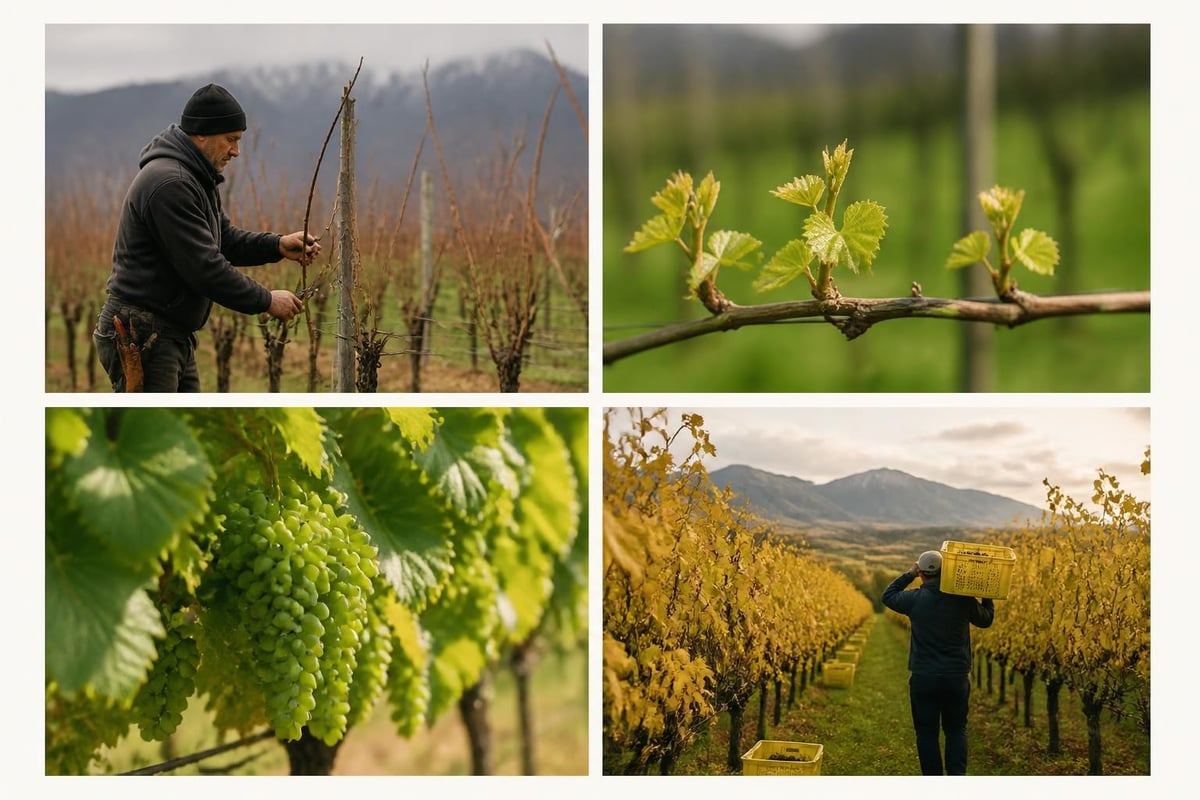
A good pinot noir starts long before harvest. It begins in winter, when the vines are dormant and renewal happens beneath the soil. In Waipara, North Canterbury, this is when the real work begins.
Picture this: 27,000 vines stretching across the landscape, each one requiring individual attention. No machines can replicate the judgment that comes from personally assessing each cane, each bud position, each vine's health. When one person prunes every single vine, they develop an intimate knowledge of their vineyard that's impossible to achieve any other way.
Winter pruning sets the foundation for the entire vintage. Cut too aggressively, and you sacrifice potential. Leave too much wood, and you dilute quality. This hands-on approach, often with just the company of grazing sheep and cattle, creates wines with genuine character.
The Organic Difference You Can Taste
Certified organic viticulture isn't just about avoiding synthetic chemicals. It's about nurturing a living ecosystem where:
- Soil microbes thrive and build natural fertility
- Beneficial insects control pests naturally
- Vines develop deep roots that express terroir
- Wild yeasts indigenous to the vineyard create fermentation
| Conventional Approach | Artisanal Organic Approach |
|---|---|
| Synthetic fertilizers | Natural composting and cover crops |
| Cultured laboratory yeasts | Wild vineyard yeasts |
| Quick fermentation | Slow, natural fermentation |
| Early bottling for cash flow | Patient aging for complexity |
When you choose organic, you're choosing wines where everything from the soil microbes to the yeasts on the grape skins contributes to flavour. Nothing is standardized. Nothing is manufactured. It's genuinely alive.
Crafting Complexity: The Winemaking Philosophy
Here's something most wine drinkers don't realize: a good pinot noir isn't rushed to market. The best examples are aged carefully before release, allowing all those complex compounds to integrate and evolve.
Different regions around the world demonstrate varying approaches to Pinot Noir, but the common thread among great producers is patience. Whether it's Burgundy, Oregon's Willamette Valley, or New Zealand's premium regions, the finest wines are given time.
Unfined, Unfiltered, Unsulphited
Many commercial wines undergo extensive processing:
- Fining agents remove natural compounds
- Filtration strips out texture and complexity
- Sulphites preserve but alter flavour
What happens when you skip all that? You get wine that's more vibrant, more textured, more true to itself. Yes, it requires more skill to create stable wine without these interventions. But the payoff in authenticity is undeniable.
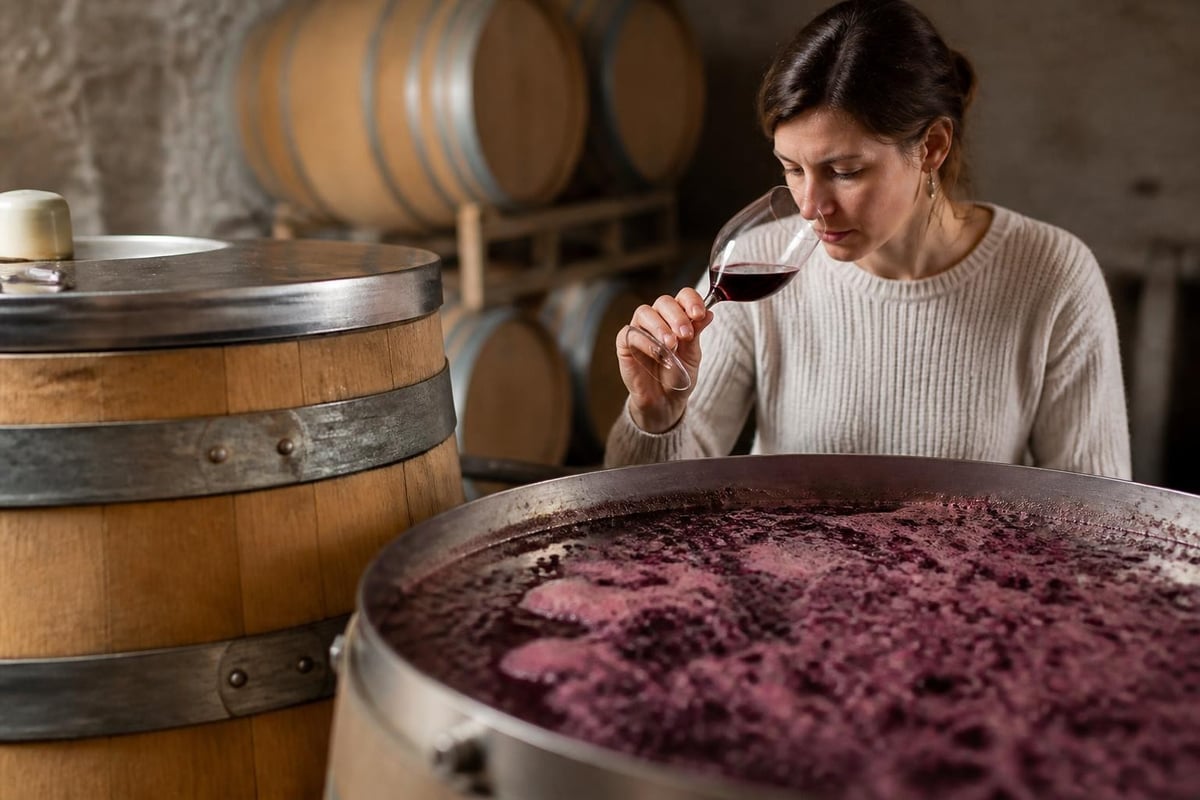
Natural vineyard yeasts create fermentation patterns you simply cannot replicate with commercial cultures. Each vintage develops its own personality, reflecting that specific season's weather, the vineyard's evolution, and the winemaker's decisions. Understanding Pinot Noir's sensory profile helps you appreciate these nuanced differences.
Regions That Get It Right
New Zealand has emerged as one of the world's premier Pinot Noir producers, and for good reason. The combination of cool climate, long growing seasons, and passionate small-scale producers creates ideal conditions.
Central Otago's distinctive approach demonstrates what's possible in New Zealand. But Waipara in North Canterbury offers something equally special: sheltered valleys, limestone soils, and diurnal temperature shifts that preserve acidity while developing flavour.
When you're sourcing a good pinot noir, region matters enormously. But so does scale. Small family estates can give individual attention that large commercial operations simply cannot match.
Pairing and Gifting: Sharing the Experience
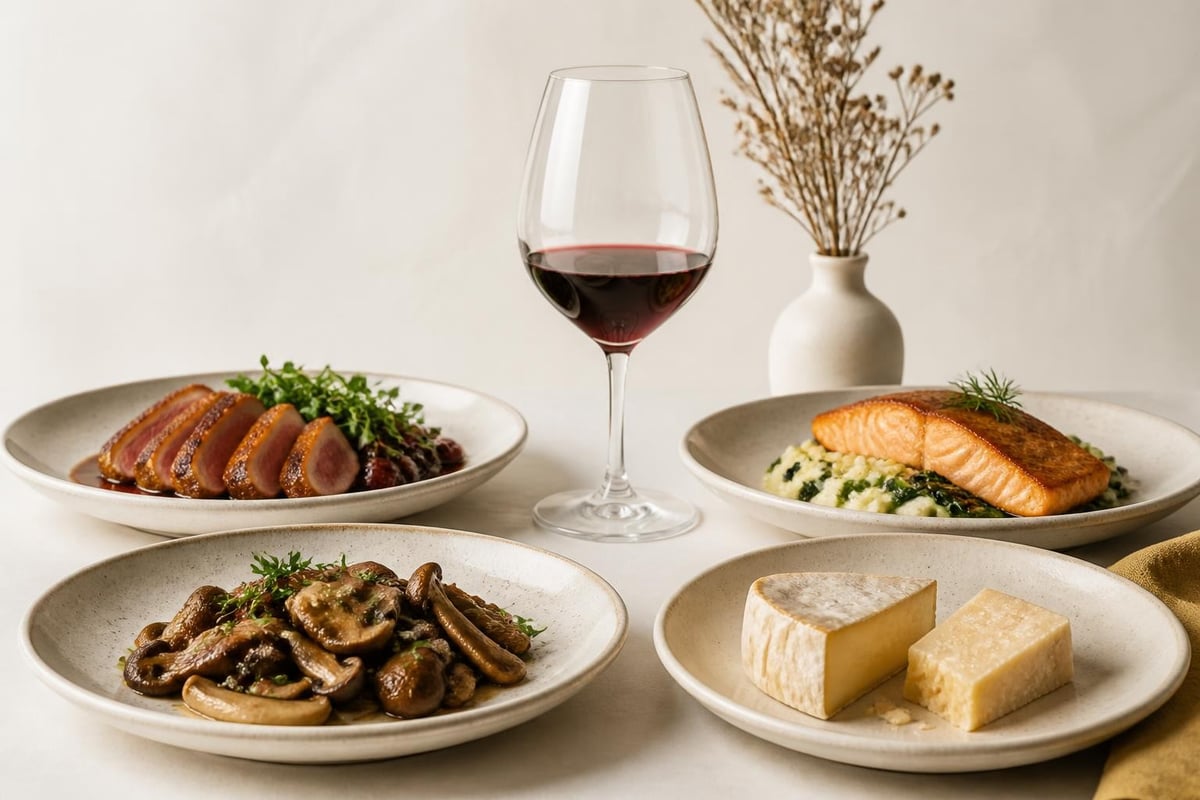
A good pinot noir is incredibly versatile with food. Its medium body and bright acidity make it perfect for:
Classic Pairings:
- Roasted duck or game birds
- Grilled salmon or tuna
- Mushroom risotto
- Aged hard cheeses
Surprising Matches:
- Spiced lamb dishes
- Miso-glazed vegetables
- Charcuterie boards
- Even lighter curries
The key is the wine's natural balance. When you have proper acidity, moderate tannins, and genuine fruit character, pairing becomes intuitive rather than stressful.
Gifts That Truly Impress
Looking for something special for the wine lover in your life? A good pinot noir from a family estate tells a story that generic supermarket wines never can. When you give artisanal wine, you're sharing:
- The dedication of hands-on viticulture
- The patience of proper aging
- The authenticity of organic practices
- The uniqueness of wild fermentation
It's not just a bottle. It's a connection to a specific place, a particular season, and someone's life work.
What to Look For on the Label
Not all Pinot Noir is created equal. When you're shopping, these indicators suggest quality:
- Organic certification (shows commitment beyond marketing)
- Estate-grown (vineyard and winery under same ownership)
- Vintage date (Pinot Noir is rarely improved by blending years)
- Lower alcohol (typically 12.5-13.5% for balance)
- Details about winemaking (transparency suggests pride)
Quality Pinot Noir regions share certain characteristics, but individual producer philosophy matters just as much as location. A dedicated small grower in a lesser-known area often produces more interesting wine than a factory operation in a famous region.
Commercial wines are designed for consistency and mass appeal. Artisanal wines embrace variation and authenticity. Which would you rather experience?
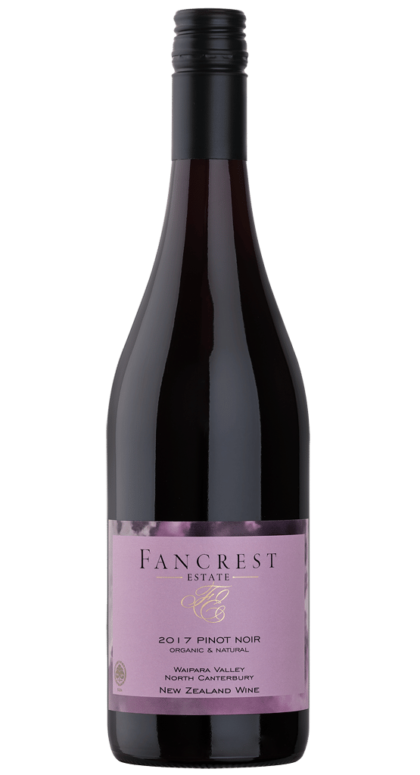
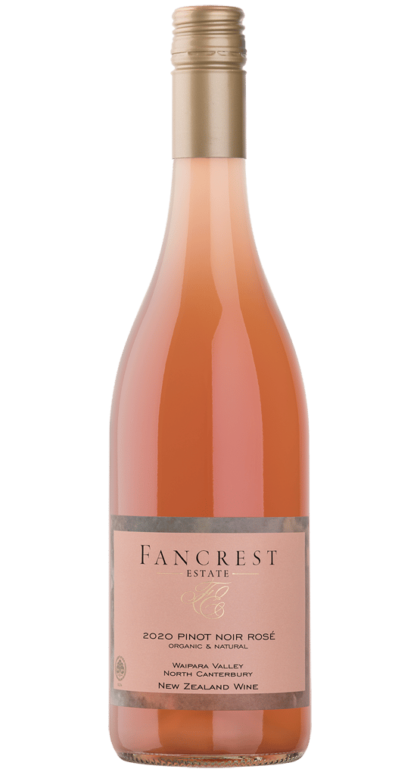
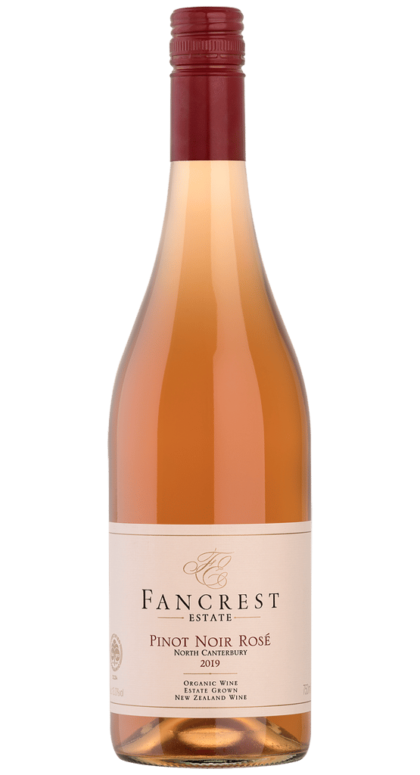
Finding a good pinot noir means seeking out wines made with genuine care, from organically-farmed vineyards where someone personally tends each vine through every season. If you're ready to experience Pinot Noir that truly expresses its origins, crafted with wild yeasts, aged to perfection, and bottled without compromise, explore what Fancrest Estate offers. Their hand-crafted, zero-sulphite wines represent everything we've discussed: authenticity, dedication, and the pure expression of Waipara terroir.