

Have you ever wondered what separates truly exquisite wines from the countless bottles lining shop shelves? It's not just about price tags or fancy labels. The difference lies in something far more profound: the living connection between soil, season, and the human hands that nurture each vine. When you're choosing wines for a special dinner or seeking the perfect gift for wine lovers, understanding what makes a wine truly exceptional transforms your entire experience. Let's explore the artisanal world of organic winemaking and discover why patient craftsmanship creates wines that speak of place, time, and authenticity.
The Living Vineyard: Where Exquisite Wines Begin
Your wine's journey starts long before fermentation, deep in the soil where life thrives. In organic vineyards, the earth teems with beneficial microorganisms, earthworms, and insects that create a vibrant ecosystem. This isn't just environmental idealism-it's the foundation of exceptional wine.
Think about it: conventional vineyards treat soil as an inert growing medium, pumping it full of synthetic fertilisers and pesticides. Organic viticulture respects the soil as a living community. Every creature, from the smallest bacterium to the ladybugs controlling aphids, plays a role in vine health.
The Rhythm of the Seasons
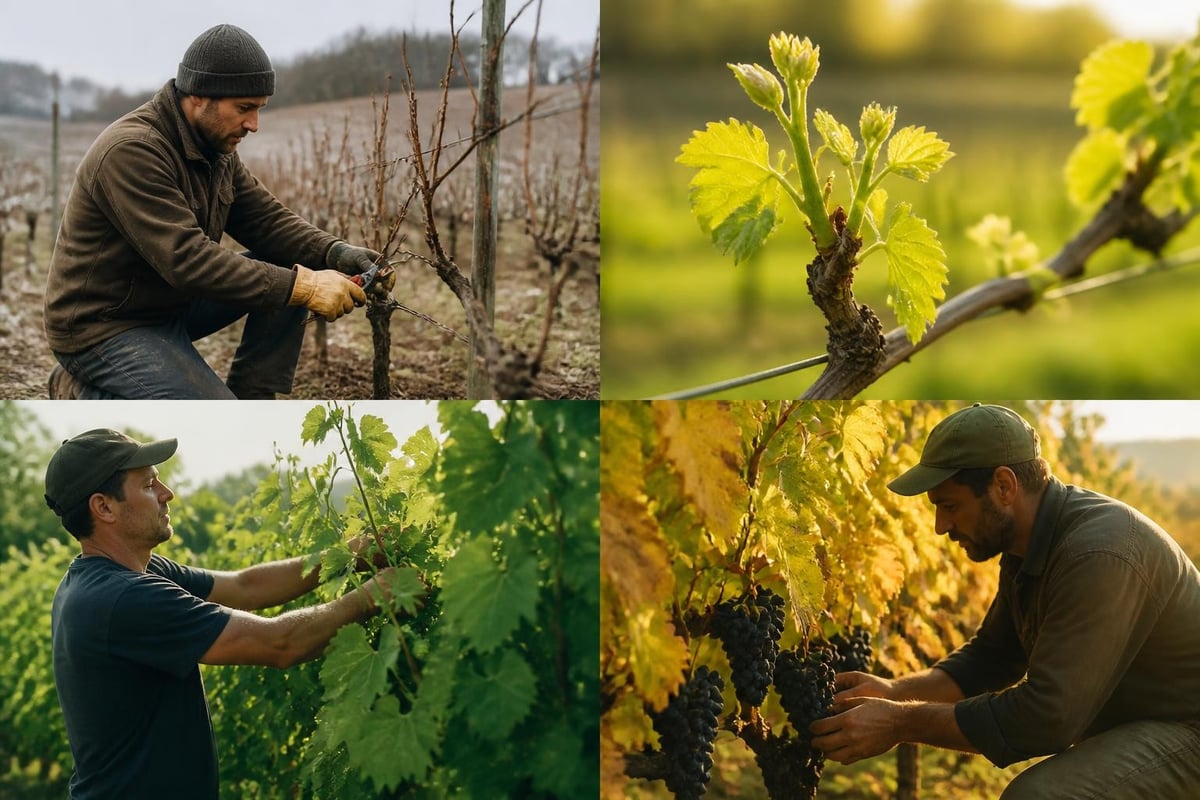
New Zealand's boutique vineyards follow nature's calendar, not industrial schedules. Winter pruning, spring bud break, summer canopy management, and autumn harvest-each season demands intimate knowledge of your vines.
The hands-on approach includes:
- Daily walks through vine rows, checking each plant's health
- Hand-thinning grape bunches to concentrate flavours
- Monitoring soil moisture and organic matter naturally
- Timing harvest by tasting grapes, not laboratory analysis alone
- Managing canopy by hand for optimal sun exposure
When a single person tends their vines throughout the year, they develop an intuitive understanding impossible in large-scale operations. You notice subtle changes: a vine's stress before instruments detect it, the perfect moment when sugar and acid balance aligns, the whisper of approaching weather in how leaves turn.
Wild Yeasts: Nature's Signature
Here's where things get fascinating. Commercial wineries typically add cultured yeasts-predictable, uniform, safe. But exquisite wines often ferment with wild yeasts living naturally on grape skins and in the winery environment.
Why does this matter to you? Wild fermentation creates complexity impossible to replicate. According to Wine Folly, indigenous yeasts contribute unique flavour compounds that reflect the vineyard's specific microbiology. Your glass captures not just the grapes, but the entire living ecosystem.
Benefits of wild yeast fermentation:
| Aspect | Wild Yeasts | Cultured Yeasts |
|---|---|---|
| Flavour complexity | High, unique to location | Predictable, uniform |
| Aromatic profile | Layered, evolving | Straightforward |
| Vineyard expression | Authentic terroir | Generic character |
| Risk level | Higher skill required | Controlled, safer |
The fermentation progresses more slowly, developing nuanced aromatics. It's riskier, demanding experience and constant attention. But the result? Wines that truly taste of somewhere specific.
The Gift of Time: Patient Ageing
You've probably noticed that most commercial wines hit shelves within months of harvest. Rush them out, maximise cashflow, move onto next vintage. Exquisite wines take a different path.
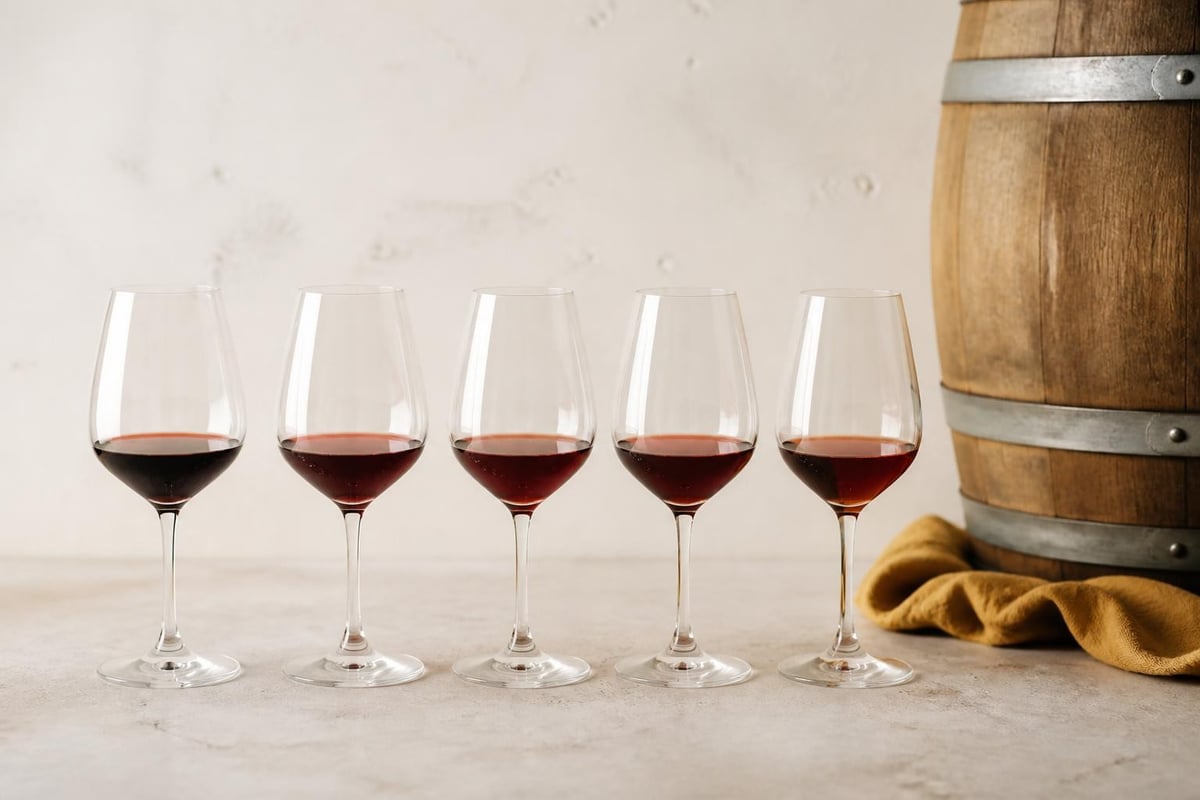
Proper ageing isn't just storage-it's transformation. Tannins soften, flavours integrate, complexity develops. Decanter emphasises that patience in winemaking separates fine wines from everyday bottles. Think of it as the difference between fast food and a slow-cooked meal.
What Happens During Extended Ageing
- Tannin polymerisation creates smoother mouthfeel
- Flavour integration melds fruit, earth, and oak notes
- Aromatic evolution develops tertiary characteristics
- Structural balance harmonises all components
- Bottle complexity emerges that's impossible in young wines
When small producers age wines before release, they're absorbing the cost and risk themselves. They're saying: "This wine isn't ready yet, despite what our bank account says." That commitment to quality over profit defines artisanal winemaking.
Organic Pinot Noir: The Ultimate Expression
Pinot Noir might be the world's most demanding grape. It's thin-skinned, disease-prone, and frustratingly variable. Yet in the right hands and right place, it produces wines of breathtaking elegance.
Waipara in North Canterbury offers ideal conditions: limestone soils, warm days, cool nights, and sheltered valleys. When grown organically here, Pinot Noir develops remarkable character. The grape's natural transparency means it reflects terroir more honestly than robust varieties that can taste similar anywhere.
Why organic matters for Pinot Noir:
- Thin skins absorb whatever's sprayed-organic means purity
- Delicate flavour profile isn't masked by chemical residues
- Natural acidity and structure develop more completely
- True varietal character shines through
According to The World of Fine Wine, the finest Pinot Noirs show a combination of fruit purity, earthy complexity, and silky texture. Organic growing, wild fermentation, and patient ageing create all three.
Unfined, Unfiltered, and Authentic
Modern wine consumers increasingly seek authenticity. They want to know what's in their glass and how it got there. Exquisite wines that are unfined and unfiltered represent this transparency perfectly.
Fining and filtration clarify wine, removing particles and haze. Sounds good, right? But these processes can also strip flavour, texture, and aromatic compounds. Think of it like over-processing food-technically perfect but missing soul.
The Benefits of Minimal Intervention
Unfined wines retain:
- Natural grape tannins for structure
- Complex protein compounds for mouthfeel
- Aromatic molecules for bouquet
- Authentic cloudiness that settles naturally
Some sediment might appear? That's completely natural in serious wines, as explained by Vinorandum. Just decant gently if you prefer crystal clarity, but know that haziness doesn't indicate fault-it indicates authenticity.
Food Pairing and Wine Gifts
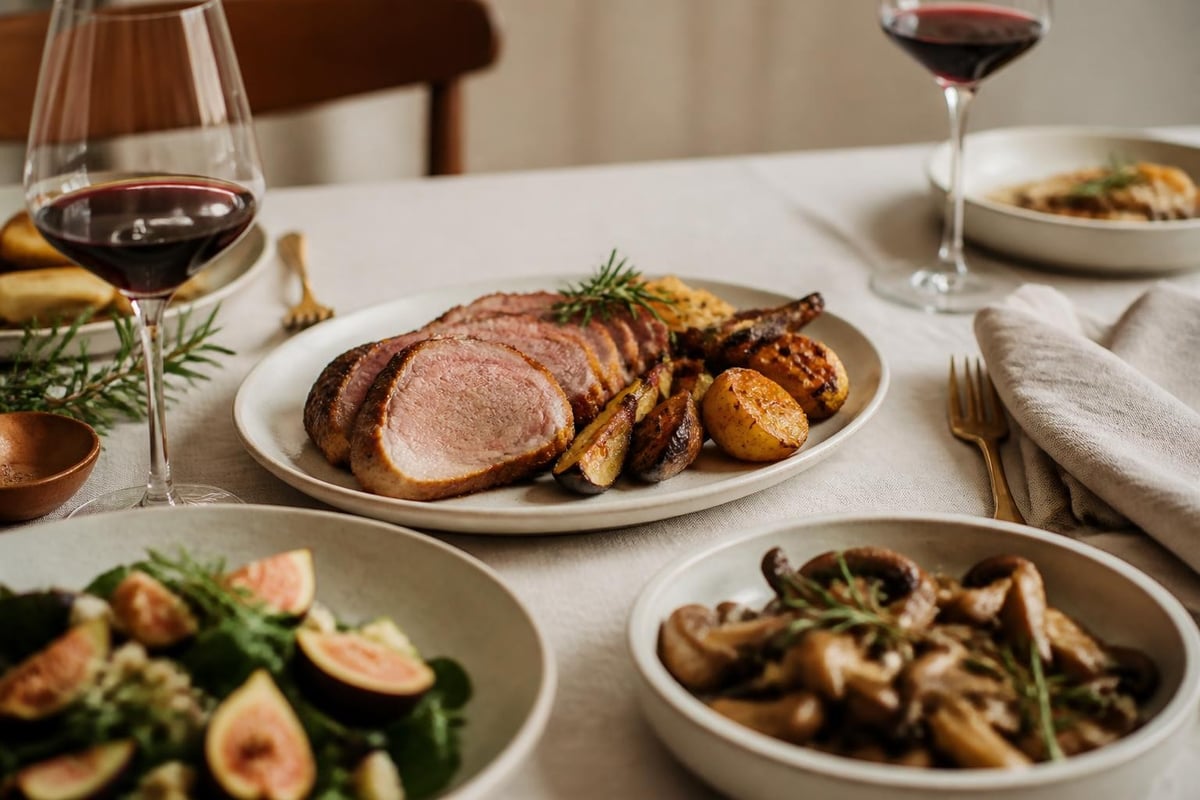
Exquisite wines deserve thoughtful presentation, whether you're serving them at dinner or gifting them to someone special. Organic Pinot Noir's versatility makes it exceptional for food matching.
Perfect Pinot Noir pairings:
| Dish Type | Why It Works |
|---|---|
| Roasted duck | Fat content balances wine's acidity |
| Grilled salmon | Delicate flavours match wine's elegance |
| Mushroom risotto | Earthy notes complement each other |
| Aged cheeses | Complexity matches complexity |
| Charcuterie | Tannins cut through rich meats |
For gifts, consider wines aged and released at optimal drinking windows. You're not just giving a bottle-you're sharing years of careful work, living soil, wild fermentation, and patient waiting. That story transforms any gift into something meaningful.
The Human Touch: From Vine to Bottle
Large-scale wine production relies on machinery, standardisation, and efficiency. There's nothing wrong with that for everyday drinking. But exquisite wines demand something different: human judgment at every step.
When one person hand-prunes every vine, they remember which plants struggled last year and which thrived. They adjust irrigation plant by plant, not zone by zone. At harvest, they taste berries from different rows, different aspects, deciding the perfect picking moment through experience, not formula.
This intimate knowledge continues through fermentation. Daily tasting, monitoring, adjusting. Trusting wild yeasts but watching carefully. Making tiny decisions that collectively define the wine's character. It's exhausting, absorbing work-and it's irreplaceable.
The result? Wines that taste alive, vibrant, wholesome. They're not commodity beverages engineered for mass appeal. They're unique expressions of a specific place, season, and maker. Each vintage differs because each year differs. That variability isn't a flaw-it's authenticity.
Understanding what makes wines truly exquisite transforms how you choose, serve, and enjoy them. When you select wines crafted through organic practices, wild fermentation, and patient ageing, you're supporting a more wholesome, authentic approach to winemaking. If you're seeking hand-crafted Pinot Noir that embodies these artisanal values-wines that express Waipara's unique terroir through certified organic viticulture and zero-sulphite production-explore the carefully aged releases at Fancrest Estate. Each bottle represents years of hands-on vineyard work and unhurried cellar maturation, delivering complexity and character impossible to find in rushed commercial wines.