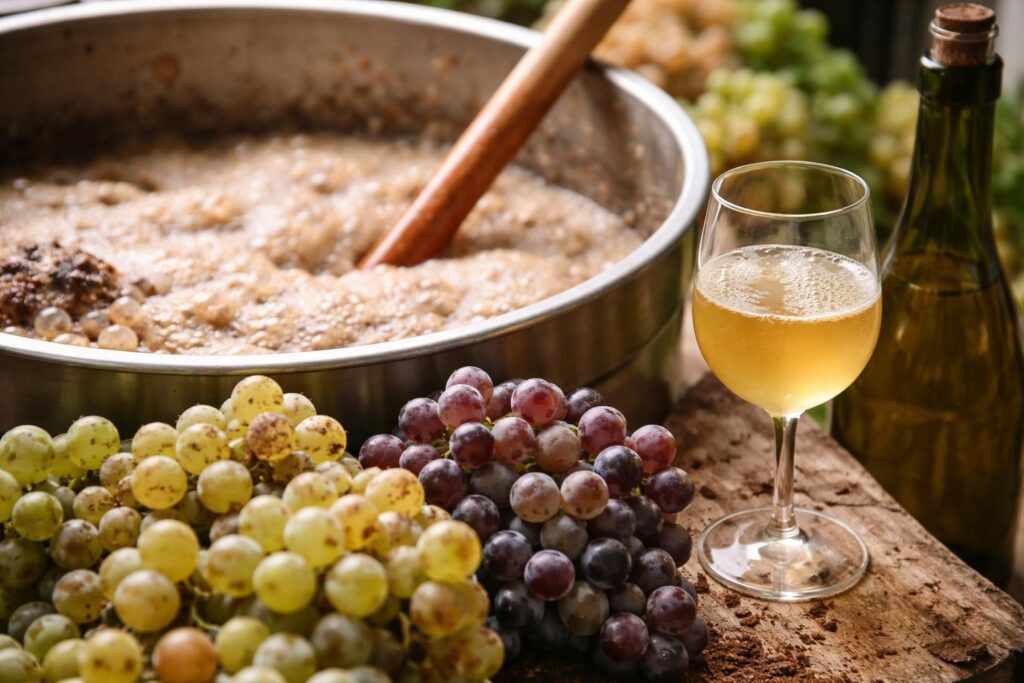
You've probably never thought much about the tiny organisms that transform grape juice into wine. Yet without yeast for winemaking, your favourite Pinot Noir would remain nothing more than sweet grape juice. These microscopic fungi are the invisible architects of every bottle you uncork. They're living creatures with their own preferences, quirks, and contributions to flavour. Understanding yeast opens up a whole new appreciation for what's happening inside that bottle, especially when you're exploring organic, artisanal wines crafted with care and intention.
The Living World of Wine Yeast
Yeast for winemaking is far more than a simple fermentation agent. It's a living organism that breathes, feeds, and reproduces throughout the winemaking process.
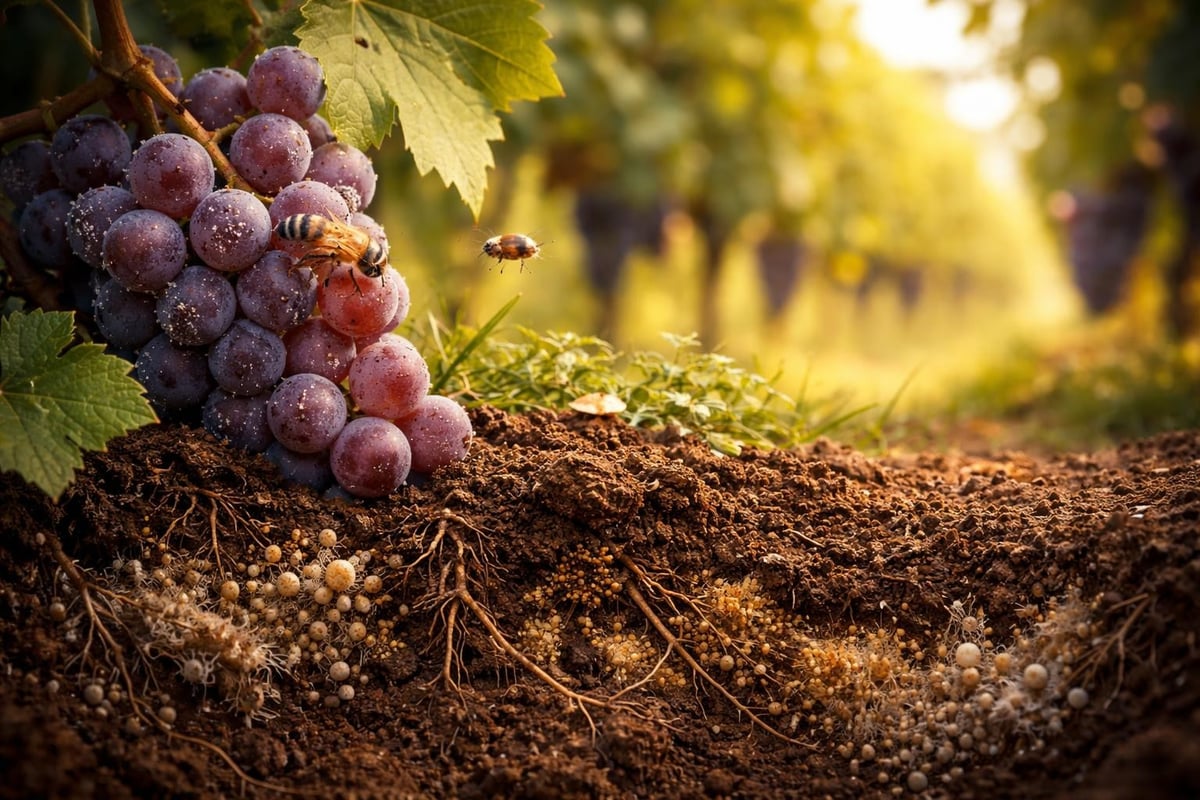
Every grape that comes into your winery carries an entire ecosystem on its skin. Wild yeasts float through the air, settle on berries, and wait for the right conditions to spring into action.
Saccharomyces cerevisiae is the superstar of wine fermentation. This remarkable species has evolved alongside humans for thousands of years. It thrives in the challenging environment of fermenting grape juice, where alcohol levels rise and sugars diminish.
But here's what makes it fascinating: each vineyard hosts its own unique population of yeasts. The soil beneath your feet teems with microbial life. The insects visiting your vines carry yeasts from flower to flower. The air itself becomes a carrier of these invisible winemakers.
Wild Yeasts vs. Cultured Strains
You face a fundamental choice when making wine: let nature take its course or guide the process with selected strains.
Wild fermentation relies on the native yeasts naturally present in the vineyard environment. This approach demands patience and trust. You're working with a community of microorganisms, not a monoculture. The fermentation might start slowly as different yeast species compete and collaborate. Some contribute unique aromatic compounds before Saccharomyces cerevisiae takes over and completes the job.
Commercial yeast strains offer predictability. They've been selected and cultured for specific characteristics. Some produce fruit-forward aromas. Others enhance mouthfeel or tolerate higher alcohol levels.
Benefits of wild fermentation:
- Expresses unique vineyard character
- Creates complex flavour layers
- Connects wine to its specific terroir
- Produces unpredictable, distinctive results
Advantages of cultured strains:
- Reliable fermentation completion
- Predictable flavour profiles
- Reduced risk of stuck fermentations
- Consistent results vintage after vintage
The choice isn't just technical. It's philosophical. What kind of wine do you want to make? One that speaks of a specific place and time, or one that delivers consistent quality year after year?
How Yeast Transforms Grapes Into Wine
The magic happens when yeasts encounter grape juice rich in natural sugars. They begin consuming glucose and fructose, their preferred foods.
As they eat, they produce alcohol and carbon dioxide. This is fermentation in its simplest form. But the process is anything but simple when you look closer.
Temperature matters enormously. Yeast for winemaking prefers specific temperature ranges. Too cold, and fermentation slows to a crawl or stops entirely. Too hot, and the yeasts become stressed, producing off-flavours or dying before their work is complete.
Nutrients play a crucial role too. Vitamins are essential for yeast metabolism during wine fermentation. Thiamin, biotin, and other compounds support cellular function. In organic vineyards, these nutrients come from healthy soil and grape health rather than synthetic additions.
The Fermentation Timeline
Fermentation doesn't happen all at once. It unfolds in distinct phases, each with its own character.
Phase One: Lag Phase (1-3 days)
The yeasts acclimatise to their new environment. They're assessing conditions, building up cell membranes, and preparing for rapid growth. You won't see much visible activity yet.
Phase Two: Exponential Growth (3-7 days)
The population explodes. Millions become billions. The juice starts bubbling vigorously as carbon dioxide escapes. This is when fermentation truly announces itself.
Phase Three: Stationary Phase (7-14 days)
Sugar levels drop. Alcohol rises. The yeasts slow their reproduction but continue converting sugars. The bubbling becomes gentler.
Phase Four: Decline (14+ days)
Nutrients deplete. Alcohol reaches levels that stress the yeasts. Fermentation gradually stops. The wine begins to clarify as dead yeast cells settle.
In small-batch winemaking, you monitor these phases daily. You taste the fermenting juice. You check temperatures. You listen to the changing sound of fermentation. It's hands-on, personal work that connects you directly to the transformation happening in each barrel.
The Flavour Contribution of Different Yeasts
Here's something that might surprise you: yeast for winemaking contributes far more than just alcohol to your wine. It shapes the entire flavour profile.
Different yeast strains produce different secondary compounds during fermentation. These include esters, higher alcohols, and volatile phenols. Each contributes distinct aromatic and flavour notes.
Some yeasts emphasise fruit characters. They enhance the natural berry flavours in Pinot Noir, making them more pronounced and vibrant. Others add spicy or floral notes that weren't present in the original grapes.
| Yeast Contribution | Flavour Impact | Common in |
|---|---|---|
| Esters | Fruity, floral aromas | Wild fermentations |
| Higher alcohols | Body, warmth, complexity | All fermentations |
| Glycerol | Mouthfeel, smoothness | Specific cultured strains |
| Volatile acidity | Lift, brightness (in moderation) | Wild yeasts |
| Sulfur compounds | Reduction, complexity | Temperature-dependent |
Wild yeasts create particularly complex flavour profiles. Because multiple species participate in fermentation, each contributes its own signature. You get layers of flavour that a single cultured strain simply cannot produce.
Think of it like a choir versus a solo singer. Both can be beautiful, but the choir offers harmonic complexity that comes from many voices working together.
Selecting Yeast for Artisanal Winemaking
When you're making wine in small batches, your yeast choices carry extra weight. Every decision affects the final character of a limited production run.
Factors influencing yeast selection extend beyond simple fermentation efficiency. You're considering how yeast interacts with your specific terroir, your grape maturity levels, and your winemaking philosophy.
For organic winemaking, the considerations multiply. You're working without synthetic interventions. Your yeasts need to be robust enough to complete fermentation without chemical assists.
Matching Yeast to Your Winemaking Goals
Let's say you're crafting Pinot Noir from organically grown grapes. Your choices reflect what you want the wine to express.
If showcasing vineyard character is paramount, wild fermentation makes sense. You're allowing the microbial ecosystem of your specific site to shape the wine. Each vintage will differ slightly based on that year's yeast populations. This is terroir in its truest sense.
The risks are real, though. Wild fermentations can stick before completion. They might produce unexpected flavours. You need experience and vigilance to navigate potential problems.
Alternatively, you might choose cultured yeasts selected specifically for Pinot Noir. These strains have been isolated from successful fermentations and propagated for their desirable traits. They offer more security while still allowing grape character to shine through.
Questions to ask when selecting yeast:
- What flavour profile do I want to achieve?
- How much risk can I accept in this vintage?
- Does this yeast support my organic certification?
- What temperature range will my fermentation reach?
- How does this choice express my vineyard's unique character?
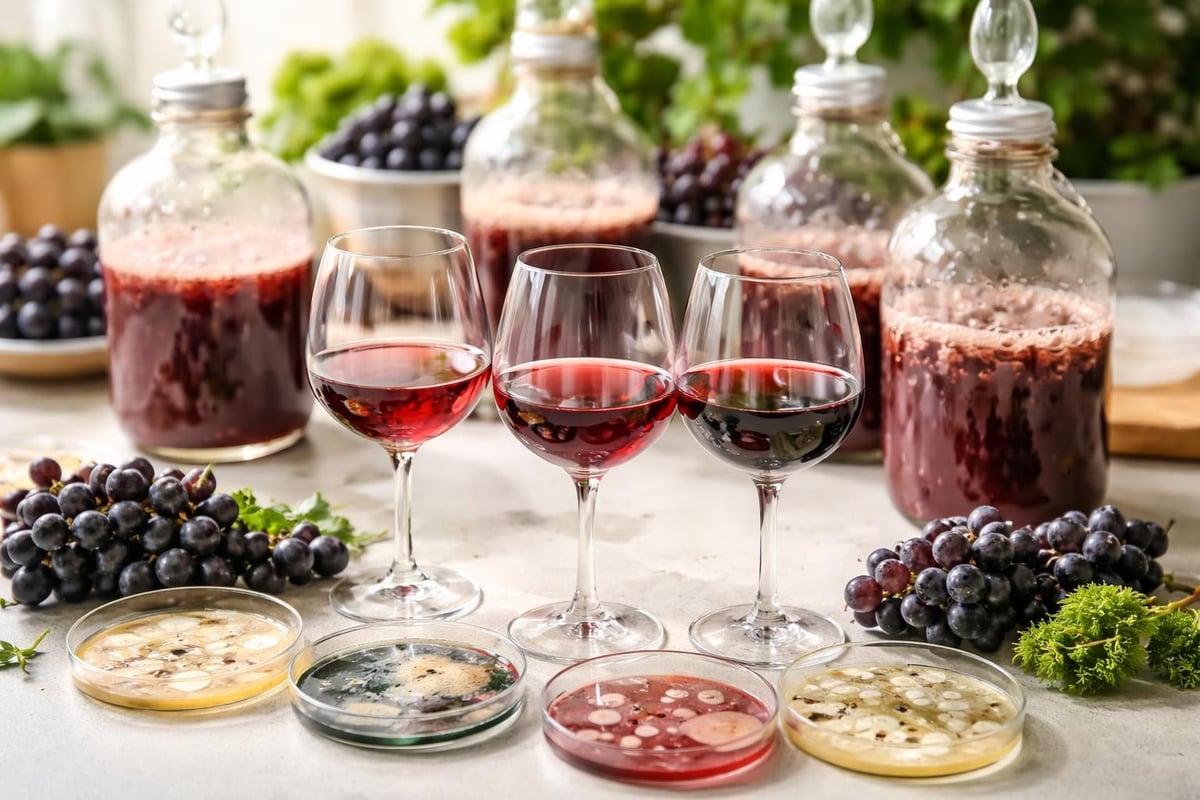
In small-scale production, you have the luxury of experimentation. You might ferment different barrels with different yeasts, then blend them to achieve perfect balance. This hands-on approach lets you craft wine with precision and intention.
Living With Yeast Through the Seasons
Understanding yeast for winemaking means recognising its presence year-round, not just during harvest. These organisms are part of your vineyard's living fabric.
In spring, yeast populations are rebuilding after winter. They live on vine bark, in the soil, and on emerging shoots. As the season progresses, they multiply and spread.
Summer brings peak yeast diversity. Your vineyard hums with microbial life. Beneficial insects carry yeasts from plant to plant. The warm soil supports thriving fungal communities. This is when your vineyard's unique microbial terroir fully develops.
Autumn harvest is when these populations reach grape skins. The moment you pick, yeasts begin colonising any damaged berries. This is why timing matters so much. Pick too early, and yeast populations might be underdeveloped. Wait too long, and fermentation might begin spontaneously in the vineyard.
Organic Practices and Yeast Health
Organic viticulture creates ideal conditions for robust, diverse yeast populations. You're not using synthetic fungicides that would kill beneficial yeasts along with harmful fungi.
Your healthy soil produces healthy vines. Those vines develop grapes with balanced chemistry. The must contains sufficient nutrients for yeast to thrive without supplements.
It's all interconnected. The earthworms in your soil, the predatory insects controlling pests, the cover crops fixing nitrogen, all contribute to conditions that support healthy fermentation. You're not just growing grapes. You're cultivating an entire ecosystem that culminates in the bottle.
This is why organic, artisanal wines often have such distinctive character. They carry the fingerprint of their origin in ways that industrially produced wines cannot match. The yeast for winemaking is genuinely from that specific place, adapted to those conditions, expressing that terroir.
The Science Behind Healthy Fermentation
Successful fermentation requires understanding what yeasts need to thrive. It's biology in action, happening right in your barrel room.
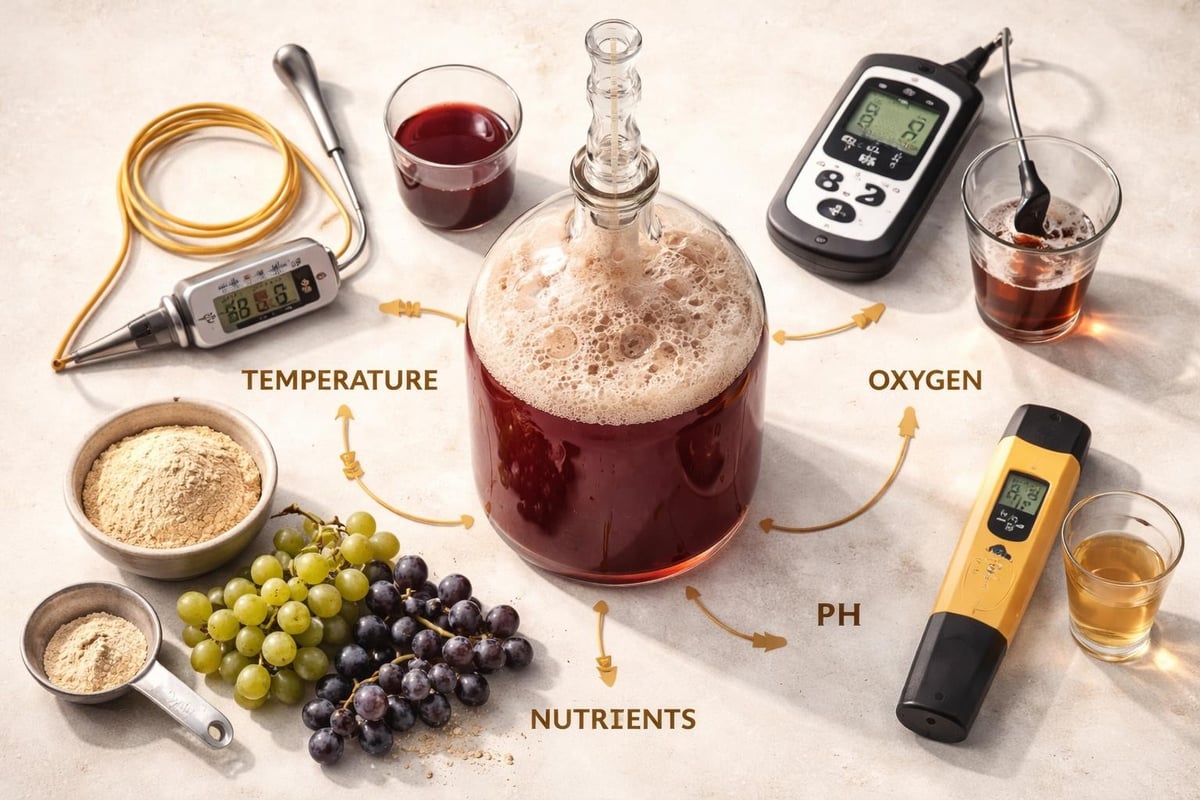
Oxygen plays a complex role. Initially, yeasts need small amounts to build cell membranes during their growth phase. This is why gentle aeration at fermentation start can be beneficial. Later, you want to exclude oxygen to avoid spoilage and preserve fresh flavours.
pH affects yeast performance significantly. Most wine yeasts prefer slightly acidic conditions, which conveniently matches grape juice chemistry. But if pH is too low or too high, fermentation can struggle.
Temperature control is perhaps your most important tool. Keep fermentation too cool, and it might not complete. Let it run too hot, and you'll get aggressive extraction and potentially stressed yeast flavours.
| Temperature Range | Effect on Fermentation | Flavour Impact |
|---|---|---|
| 15-18°C | Slow, gentle fermentation | Delicate fruit, floral notes |
| 18-22°C | Moderate pace, balanced | Good fruit retention, complexity |
| 22-28°C | Fast, vigorous fermentation | Bold extraction, ripe fruit |
| Above 30°C | Stressed yeasts, potential stuck fermentation | Cooked fruit, harsh alcohol |
In small-batch production, you can manage temperature barrel by barrel. You might wrap some in insulation to retain warmth. Others you'll keep in cooler spots. This hands-on temperature management lets you coax the exact character you want from each lot.
Wild Fermentation: Trust and Technique
Choosing wild fermentation means embracing uncertainty as part of the creative process. You're working with nature rather than controlling it.
The fermentation typically starts with a diverse microbial community. Various yeast species begin working simultaneously. Some contribute aromatic compounds before dying off as alcohol levels rise. Others persist longer, adding complexity.
Eventually, Saccharomyces cerevisiae dominates. It's simply better adapted to the high-alcohol environment of fermenting wine. But those early contributors have already left their mark on the developing wine.
This is where trust comes in. You can't predict exactly how wild fermentation will proceed. Each vintage brings different microbial populations. Weather affects yeast diversity. Grape health matters. You're accepting variation as a feature, not a flaw.
Managing Wild Fermentation Successfully
Success requires vigilance and experience. You taste fermenting juice daily, assessing progress. You smell for off-characters that might indicate problems. You monitor temperature and sugar depletion.
Key monitoring points:
- Daily temperature checks
- Sugar level testing every 2-3 days
- Sensory evaluation for off-odours
- Visual assessment of fermentation activity
- pH monitoring throughout
If fermentation slows unexpectedly, you need to diagnose why. Is it too cold? Are nutrients depleted? Has the alcohol level stressed the yeasts? Each problem has solutions, but you must first identify what's happening.
The hands-on nature of this work creates intimate knowledge of your wine. You're present for its entire transformation from grape to wine. This connection is what makes artisanal winemaking so rewarding. You're not just following a recipe. You're collaborating with living organisms to create something unique.
Yeast and the Expression of Place
The concept of terroir extends beyond soil and climate. It includes the microbial communities that make each vineyard unique.
Your specific site develops its own yeast population over time. These strains adapt to local conditions. They survive your climate extremes. They thrive with the grape varieties you grow. Over years and decades, they become part of your vineyard's identity.
When you use these native yeasts for fermentation, you're channelling the complete expression of your site into the bottle. The wine doesn't just taste of your soil and sunlight. It carries the microbial signature of your place.
This is particularly meaningful in regions like Waipara, where unique terroir produces distinctive wines. The limestone soils, the climate patterns, the specific grape clones, all these combine with local yeast populations to create wines that couldn't be made anywhere else.
Research on native yeasts in winemaking confirms what artisanal winemakers have long understood: wild fermentation enhances wine's connection to its origin. The flavour differences are measurable and significant.
The Future of Yeast in Artisanal Winemaking
As consumers increasingly value authenticity and connection to place, yeast for winemaking becomes part of the story you tell through your wine.
People are curious about how wine is made. They want transparency. They appreciate knowing that their wine fermented with yeasts from the vineyard itself, not from a laboratory packet.
This doesn't mean cultured yeasts are wrong or inferior. They serve important purposes and can make excellent wines. But wild fermentation offers something beyond technical perfection. It offers authenticity, variation, and a living connection to place.
In small-scale organic production, this approach aligns perfectly with broader values. You're farming sustainably, harvesting by hand, fermenting naturally, and bottling wines that genuinely express their origin. Every step reinforces the others.
The yeast working in your barrels right now descended from populations that have inhabited your vineyard for generations. They've adapted to your specific conditions. They carry genetic memory of successful fermentations past. When you trust them to make your wine, you're participating in a process far older than modern winemaking.
This perspective transforms how you think about each bottle. It's not a commodity. It's a living product of a specific place and time, shaped by organisms you can't even see but whose presence defines the final result.
Practical Yeast Management in the Cellar
Whether using wild or cultured yeast for winemaking, certain practices ensure healthy fermentation and quality results.
Cleanliness matters enormously. While you want wild yeasts from your grapes, you don't want contamination from spoilage organisms. Clean equipment and barrels support the yeasts you want while excluding the ones you don't.
Monitoring is constant during active fermentation. You're checking temperatures, tasting, smelling, observing. This hands-on attention lets you catch problems early when they're still correctable.
Daily fermentation checks:
- Morning and evening temperature readings
- Visual observation of cap formation and fermentation activity
- Aroma assessment for any off-characters
- Tasting to track sugar depletion and flavour development
- Documentation of observations
Gentle handling preserves yeast health. Harsh pumping or excessive aeration can stress yeast populations. In small batches, you can move wine carefully, minimising disruption to the microorganisms doing the work.
Nutrition management is simpler in organic winemaking than you might expect. Healthy grapes from living soil contain the nutrients yeasts need. You're not relying on synthetic additions because your vineyard produces balanced, complete fruit.
This is the beauty of integrated organic viticulture. Everything connects. The soil life supports vine health. Healthy vines produce nutritious grapes. Those grapes ferment cleanly with wild yeasts. The resulting wine expresses the vitality of the entire system.
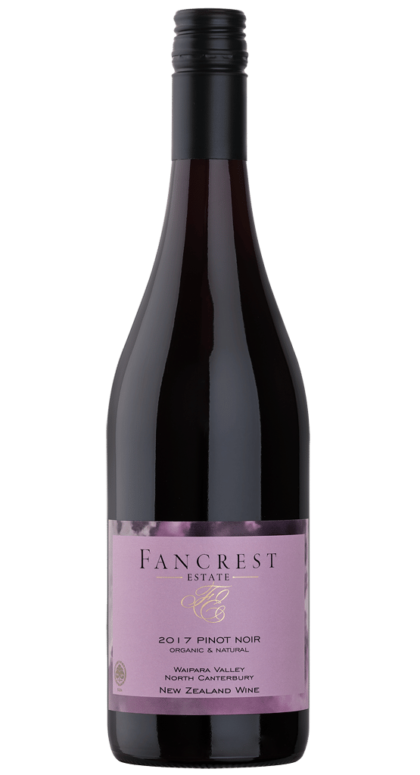
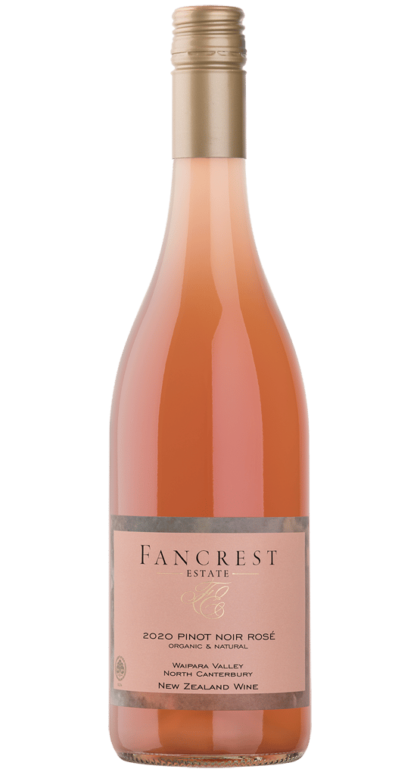
Yeast for winemaking is the invisible partner in every bottle, transforming sugars into alcohol while shaping flavours and expressing terroir. Understanding these living organisms deepens your appreciation for the complexity and craft behind artisanal wines. When you're ready to experience wines made with wild vineyard yeasts and certified organic practices, explore the hand-crafted Pinot Noir collection at Fancrest Estate, where small-batch production and natural fermentation create wines that truly speak of their Waipara origins.