
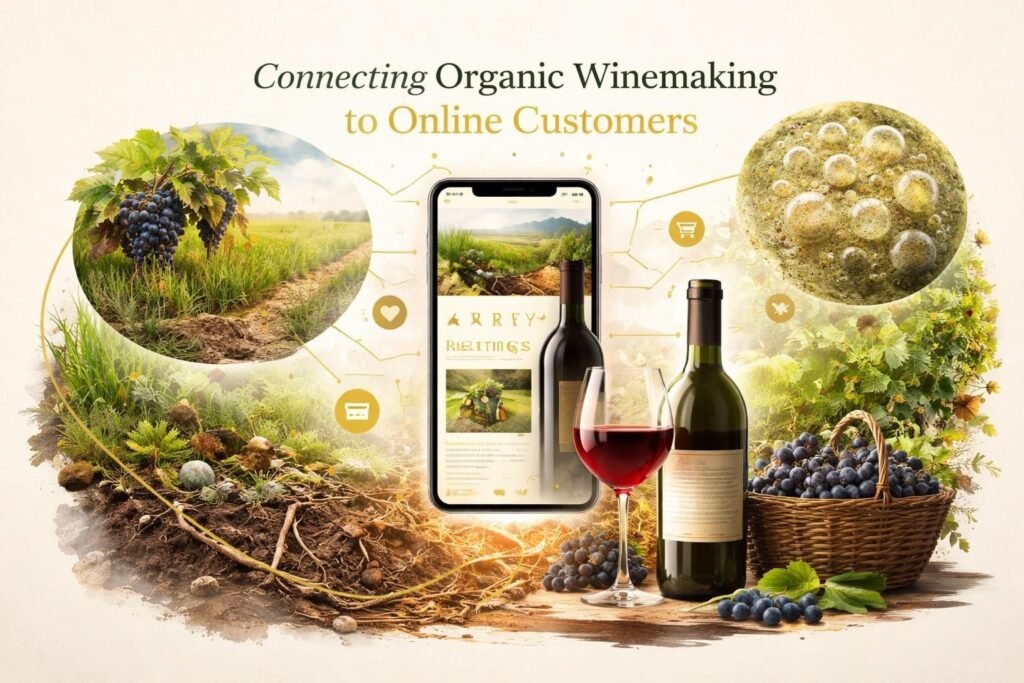
Your winery website is more than a digital brochure. It's the living connection between your vines and the people who'll eventually pour your wine. For small-batch organic producers, your website tells a story that supermarket shelves simply can't. It's where soil health meets customer curiosity, where wild yeasts become conversation starters, and where careful aging transforms into anticipation.
Why Your Winery Website Matters More Than Ever
The wine world has changed dramatically. People aren't just buying bottles anymore. They're buying stories, values, and connections to place. Your winery website serves as the gateway to everything that makes your operation unique. When you're working with natural vineyard yeasts and certified organic practices, you need a platform that communicates this authenticity.
Think about how wine lovers discover new producers today. They're searching online, reading about winemaking practices, and looking for producers who share their values. A well-designed winery website captures this moment of curiosity and turns it into lasting relationships.
The Living Ecosystem Behind Each Bottle
Your website should reflect the vibrant ecosystem you're nurturing. The soil microbes working beneath your vines. The beneficial insects patrolling your rows. The wild yeasts floating through your vineyard air, ready to transform juice into something extraordinary.
These aren't abstract concepts. They're the reality of organic, hands-on winemaking. Your digital presence needs to communicate this living process.
Consider these essential elements:
- Vineyard stories that connect soil health to flavour profiles
- Seasonal updates showing the year's progression from budbreak to harvest
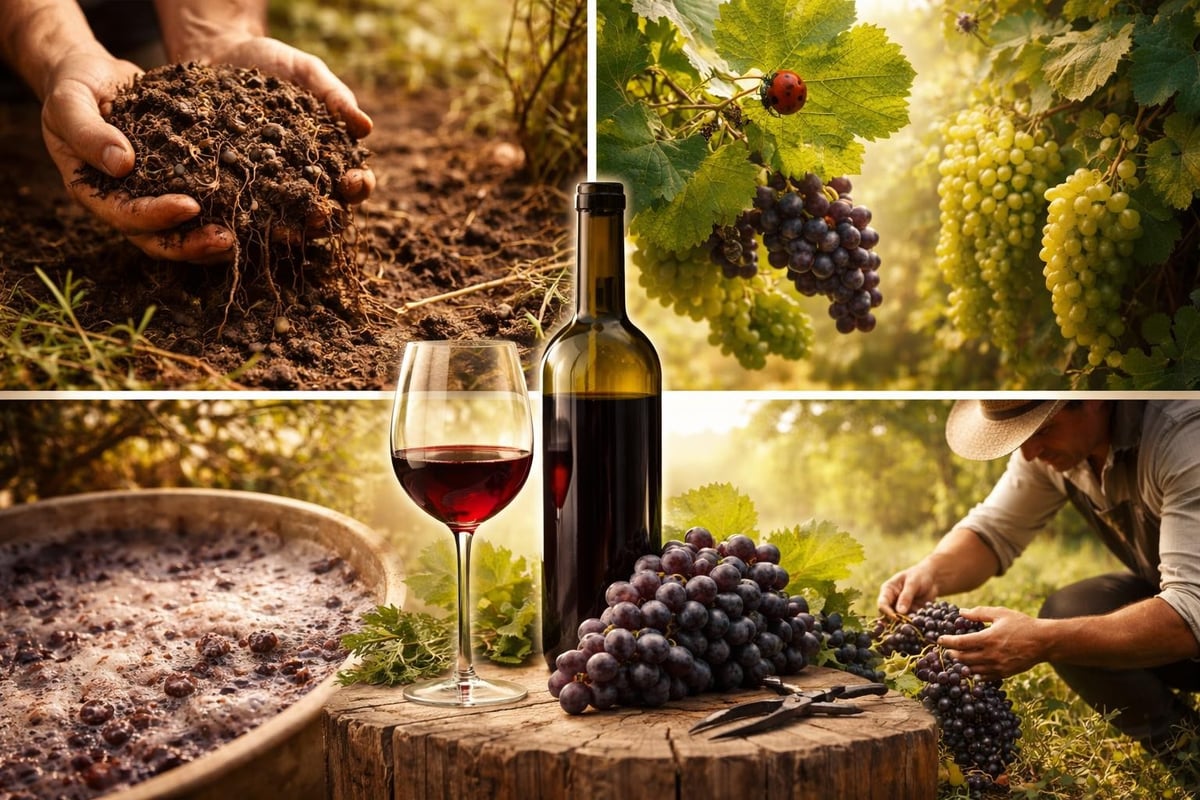
- Behind-the-scenes glimpses of hand-harvesting and gentle processing
- Fermentation narratives explaining how wild yeasts create unique characteristics
- Aging philosophy that helps customers understand why patience matters
Each element builds trust. Each story deepens understanding.
Crafting Content That Reflects Artisanal Values
Your content strategy shouldn't mimic mass producers. You're offering something fundamentally different. Hand-crafted wines deserve hand-crafted communication. Every word on your winery website should reflect the care you put into each vintage.
Start with your core story. Why did you choose organic certification? What drew you to minimal intervention winemaking? How do natural fermentations express your specific vineyard site?
These questions form the foundation of compelling content. They give wine lovers something meaningful to connect with beyond tasting notes and awards.
Writing About the Winemaking Journey
Describe your process with sensory detail. The earthy smell of compost being spread between rows. The sound of hand-picking crews working through morning fog. The sight of spontaneous fermentation beginning in tank. The anticipation of tasting barrel samples as your wine evolves.
This isn't marketing fluff. It's the reality of artisanal production. Share it generously.
Your website visitors want to understand what makes small-batch organic wine different. They're curious about wild yeasts versus commercial strains. They wonder how organic practices affect flavour. They want to know why you age wines longer before release.
Answer these questions directly and honestly. Your transparency becomes your competitive advantage.
Technical Foundations for Small-Producer Success
Let's talk about the nuts and bolts. Your winery website needs solid technical foundations, but these don't require enterprise budgets. Focus on what actually matters for connecting with customers and improving your winery website's search visibility.
Mobile optimization isn't optional anymore. Wine lovers browse on phones while relaxing at home. They compare producers during lunch breaks. They share discoveries with friends via text. Your site needs to work flawlessly on every device.
Page speed matters more than you might think. Slow-loading images frustrate potential customers. They'll move on to faster sites before seeing your beautiful vineyard photos.
| Essential Technical Element | Why It Matters | Implementation Priority |
|---|---|---|
| Mobile responsiveness | 70% of wine shoppers browse on phones | Critical |
| Fast loading times | Reduces bounce rate, improves conversions | Critical |
| Secure checkout | Builds trust for online purchases | Critical |
| Clear navigation | Helps visitors find wines and information | High |
| Email capture | Builds direct customer relationships | High |
| Story-rich product pages | Differentiates artisanal wines from commodity products | High |
Search Engine Optimization for Organic Producers
SEO isn't about gaming algorithms. It's about helping the right people find you. When someone searches for "organic Pinot Noir New Zealand" or "wild yeast fermentation wines," you want to appear. Effective SEO strategies for wineries focus on creating genuinely useful content that answers real questions.
Write about your organic practices in detail. Explain your vineyard management throughout the seasons. Describe how soil health influences wine character. These topics naturally incorporate relevant search terms while providing genuine value.
Long-form content works beautifully for artisanal producers. You have complex, interesting stories to tell. A 1,500-word article about managing vineyard biodiversity organically serves both search engines and curious wine lovers.
Designing for Direct-to-Consumer Success
When you sell exclusively online, your winery website becomes your tasting room. Every design choice affects the customer experience. Every navigation decision influences conversion rates. The key elements for designing an effective winery website centre on creating emotional connections while facilitating smooth transactions.
Your homepage sets expectations. What should visitors see first? Perhaps a striking vineyard image showing organic ground cover between rows. Maybe a short video of hand-sorting grapes. Possibly a seasonal message about current vintage conditions.
Whatever you choose, it should immediately communicate your artisanal approach.
Product Pages That Tell Complete Stories
Generic product pages list technical specs and tasting notes. Artisanal product pages invite customers into the wine's creation story. Describe the vintage conditions. Explain fermentation decisions. Share aging details. Give people reasons to care beyond scores and medals.
Consider this structure for each wine:
- Vintage story – What made this growing season special?
- Vineyard details – Soil type, aspect, organic practices
- Winemaking approach – Wild yeast fermentation, aging choices, bottling timing
- Sensory profile – Honest, accessible tasting notes
- Food pairing suggestions – Practical ideas for enjoyment
- Current availability – Stock levels, release dates for aged wines
This depth transforms browsing into education. It helps customers understand why they're paying premium prices for small-batch organic wines.
Building Genuine Customer Relationships
Your winery website should facilitate ongoing dialogue, not just transactions. Email newsletters become crucial when you don't have a physical tasting room. They're your opportunity to share the vineyard's rhythm, the vintage's personality, the season's challenges and triumphs.
Share generously. Describe the beneficial insect populations you've noticed increasing since adopting organic practices. Explain why you chose to wait an extra six months before releasing this vintage. Show photos of frost protection efforts during a challenging spring.
This transparency builds community. People become invested in your success. They're not just buying wine. They're participating in something meaningful.
Creating Compelling Calls to Action
Every page needs a clear next step. But artisanal wineries shouldn't use aggressive sales language. Your calls to action should feel like invitations, not demands.
Instead of "Buy Now!", consider:
- "Reserve your allocation of this limited vintage"
- "Join our community of organic wine supporters"
- "Discover wines made with wild yeasts and patience"
- "Experience Pinot Noir aged to its perfect moment"
The language reflects your values. It respects your visitors' intelligence. It acknowledges that choosing artisanal wines is a thoughtful decision.
Content Types That Showcase Artisanal Excellence
Diversify your content to match different customer interests. Some people want technical winemaking details. Others care most about organic certification specifics. Many simply enjoy beautiful vineyard photography and seasonal updates.
Blog posts work wonderfully for small producers. Write about topics only you can address. Your specific terroir. Your particular fermentation observations. Your unique aging philosophy. These subjects have limited competition because they're genuinely original.
Video content needn't be professionally produced. Smartphone footage of morning harvest, spontaneous fermentation activity, or barrel tasting brings customers into your world. Authenticity trumps polish for artisanal brands.
Consider these content opportunities:
- Monthly vineyard updates tracking seasonal changes
- Vintage reports explaining year-specific growing conditions
- Wild yeast fermentation progress with photos and descriptions
- Soil health initiatives and biodiversity observations
- Aging decisions with tasting notes at different bottle development stages
The Technical Side of Online Wine Sales
Selling wine online involves specific requirements. Age verification gates aren't just legal necessities. They're opportunities to set expectations about responsible consumption. Your winery website design needs these essential features to function properly while maintaining your artisanal character.
Shipping information deserves clear communication. Where can you ship? What are the timeframes? How do you protect bottles during transit? These practical details matter enormously to customers.
Consider offering:
- Detailed shipping policies explaining temperature-controlled options
- Vintage allocation notifications for customers seeking specific years
- Mixed case options allowing exploration of different wines
- Gift messaging for customers sending wines to others
- Flexible delivery timing accommodating customer schedules
Measuring What Matters for Small Producers
Analytics shouldn't overwhelm you. Focus on metrics that inform real decisions. Which product pages get the most time-on-page? That tells you what stories resonate. Which blog posts generate email signups? That reveals which topics attract your ideal customers.
Track these key indicators:
| Metric | What It Reveals | How to Improve It |
|---|---|---|
| Time on product pages | Story engagement | Add more vineyard and winemaking details |
| Email signup rate | Content value perception | Create more educational resources |
| Repeat purchase rate | Customer loyalty | Develop vintage allocation programs |
| Cart abandonment rate | Checkout friction | Simplify purchasing process |
| Organic search traffic | SEO effectiveness | Continue creating valuable content |
Don't obsess over daily fluctuations. Look for monthly trends and seasonal patterns. Small-batch producers should expect different traffic patterns than large commercial wineries.
Connecting Digital Presence to Vineyard Reality
Your winery website succeeds when it accurately reflects your actual operation. If you're hand-sorting every grape cluster, show it. If you're aging wines longer than industry standard, explain why. If you're observing increased biodiversity since going organic, document it.
This authenticity cannot be faked. It emerges from genuine commitment to quality and sustainability. Your digital presence simply makes it visible to people who share these values.
Remember that every website visitor represents someone potentially interested in what you're creating. They're searching for alternatives to mass-produced wines. They care about farming practices. They appreciate patience and craftsmanship.
Your job is helping them understand why your wines deserve their attention and investment. Not through hype or exaggeration, but through honest communication about your process and principles.
The most effective winery website for an artisanal producer isn't the flashiest or most complex. It's the one that most genuinely represents the living ecosystem behind each bottle. The beneficial insects, the thriving soil, the wild yeasts, the patient aging. These elements create wines worth discovering. Your website makes that discovery possible.
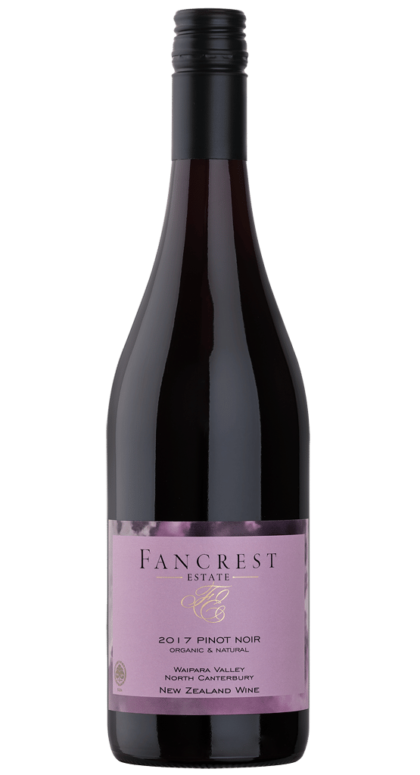
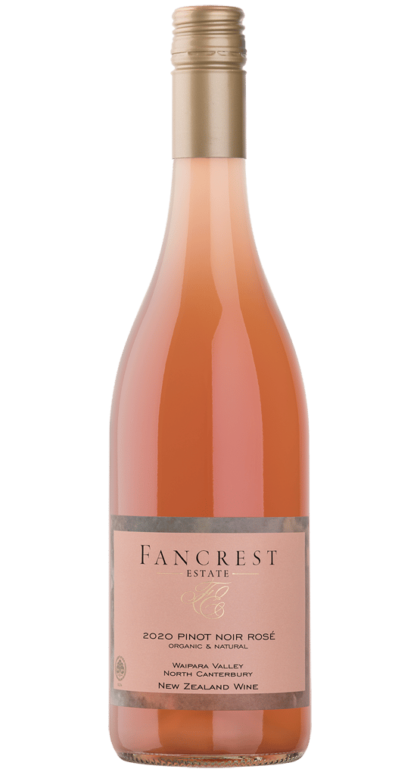
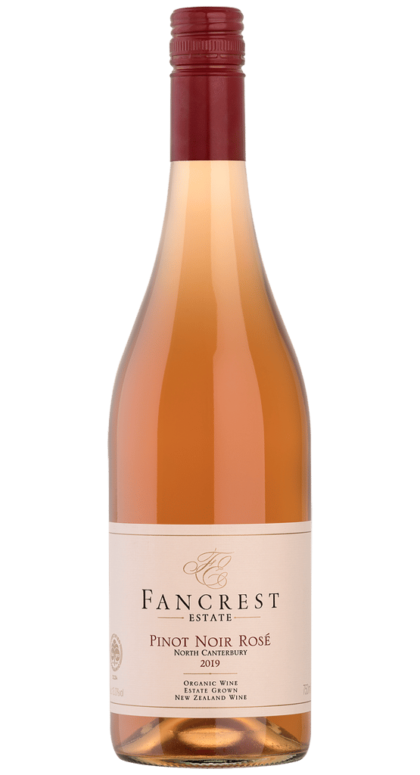
Building an effective online presence means connecting your vineyard's living ecosystem with people who'll appreciate what you're creating. When you focus on authentic storytelling, technical accessibility, and genuine customer relationships, your winery website becomes the bridge between careful winemaking and mindful consumption. If you're seeking hand-crafted organic Pinot Noir made with wild yeasts and aged to perfection, explore what Fancrest Estate offers through our carefully curated online selection.