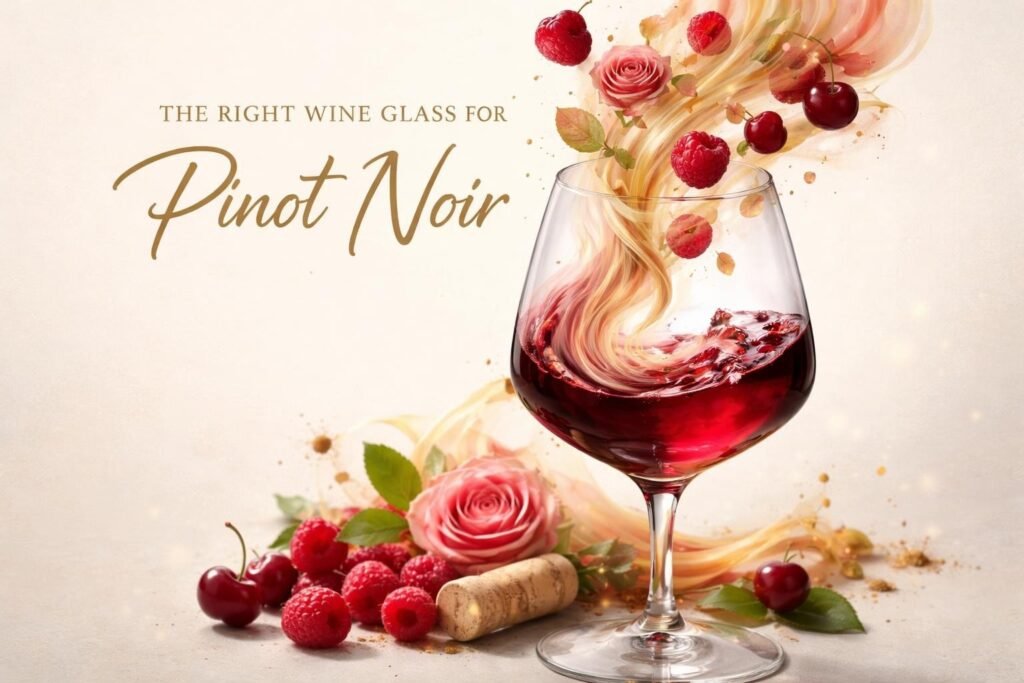
You've invested in a beautiful bottle of Pinot Noir. You're ready to pour. But wait-does your glass really matter? The answer is absolutely yes. The right wine glass pinot noir combination can transform your entire tasting experience. It's not just fancy marketing talk. The shape, size, and design of your glass directly affects how your wine smells, tastes, and feels in your mouth. Think of it this way: your glass is the final piece of the winemaker's vision, the bridge between vineyard soil and your senses.
Why Your Pinot Noir Deserves the Right Glass
Pinot Noir is a delicate grape.
It's subtle, nuanced, and speaks in whispers rather than shouts. When you're drinking wine from small-batch, organic vineyards where every vine is tended by hand and wild yeasts work their magic during fermentation, you want to experience every layer of that craftsmanship.
The wrong glass can muffle those whispers completely.
A narrow glass traps aromatics before they reach your nose. A small bowl doesn't give the wine room to breathe. And if you're using a thick-rimmed glass? You're missing the silky texture that makes great Pinot Noir so memorable.
What Makes a Wine Glass Work for Pinot Noir
The science is fascinating but straightforward. A proper wine glass pinot noir pairing centers on bowl shape and size.
Pinot Noir needs a wide bowl. This allows the wine to interact with oxygen, which opens up those complex aromatics-think cherry, earth, mushroom, rose petals. These scents come from living processes in the vineyard and winery. They're the product of healthy soil microbes, beneficial insects pollinating cover crops, and wild yeasts fermenting the juice.
The wider surface area also lets volatile compounds evaporate and collect in the upper part of the glass.
When you bring the glass to your nose, you're experiencing the full aromatic profile. Research on in-mouth attributes that drive perceived quality in Pinot Noir shows that smoothness, volume, and body are critical quality markers. The right glass helps you perceive these textural elements more clearly.
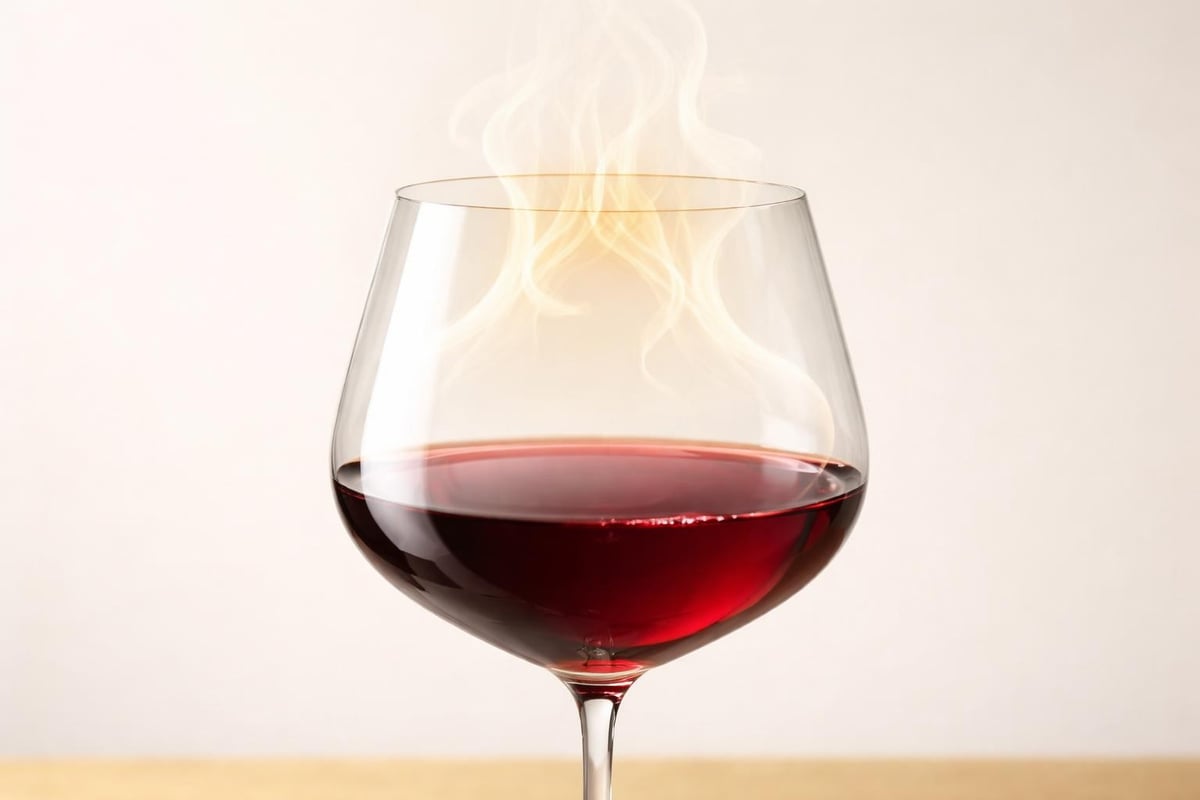
Here's what to look for:
- Bowl diameter: At least 10-12 cm wide at the widest point
- Tapered rim: Slightly narrower than the bowl to concentrate aromas
- Thin rim: Less than 1mm thick lets wine flow smoothly to your palate
- Long stem: Keeps your hand away from the bowl so body heat doesn't warm the wine
- Crystal or fine glass: Enhances clarity and visual appreciation
The Burgundy Glass: Pinot Noir's Best Friend
Burgundy glasses were designed specifically for Pinot Noir. That's because Burgundy, France, is the grape's ancestral home.
These glasses have that signature balloon shape. Wide, generous, almost rounded.
The design isn't arbitrary. It directs wine to the tip and sides of your tongue where sweetness and subtle fruit flavors register first. This highlights Pinot Noir's natural elegance rather than emphasizing tannins or acidity.
Top Wine Glass Pinot Noir Choices
Let's talk specific recommendations. You don't need to spend a fortune, but investing in quality glassware makes sense when you're drinking thoughtfully crafted wines.
| Glass Type | Key Features | Best For |
|---|---|---|
| Riedel Vinum Pinot Noir | Classic Burgundy shape, moderate price | Daily drinking, proven design |
| Zalto Denk'Art Burgundy | Ultra-thin, feather-light, exceptional clarity | Special occasions, ultimate experience |
| Schott Zwiesel Pure Burgundy | Angular modern design, durable Tritan crystal | Dishwasher-safe, contemporary aesthetic |
| Gabriel-Glas StandArt | Universal design that works beautifully for Pinot | Versatile, minimalist |
The sommelier's guide to Burgundy glasses provides excellent insights into why these specific designs enhance Pinot Noir's characteristics.
Each of these glasses brings something different to the table.
Riedel pioneered varietal-specific glassware. Their Burgundy glass remains a benchmark. Zalto takes refinement to another level with impossibly thin glass that seems to disappear. Schott Zwiesel combines performance with practicality-ideal if you want quality without the worry.
How Glass Shape Changes What You Taste
This is where it gets really interesting.
The same wine tastes different in different glasses. Not just subtly different-dramatically different. Bowl shape determines which aromatic compounds you smell first. Rim thickness affects how wine flows into your mouth. Even the angle at which wine hits your tongue changes flavor perception.
Studies on perceived quality and complexity in Pinot Noir wines reveal that wine professionals identify specific attributes that signal quality. Your glass either helps or hinders your ability to detect these markers.
The Living Wine Experience
When you're drinking organic Pinot Noir from vines grown without synthetic chemicals, you're tasting something alive.
The soil teems with beneficial fungi and bacteria. Earthworms aerate the ground. Native yeasts that live on grape skins and in cellar walls conduct fermentation. Cover crops between vine rows support insect populations that keep the ecosystem balanced.
All of this life translates into the bottle.
But you need the right vessel to appreciate it fully. A proper wine glass pinot noir setup lets you experience the vitality that comes from hands-on, artisanal winemaking.
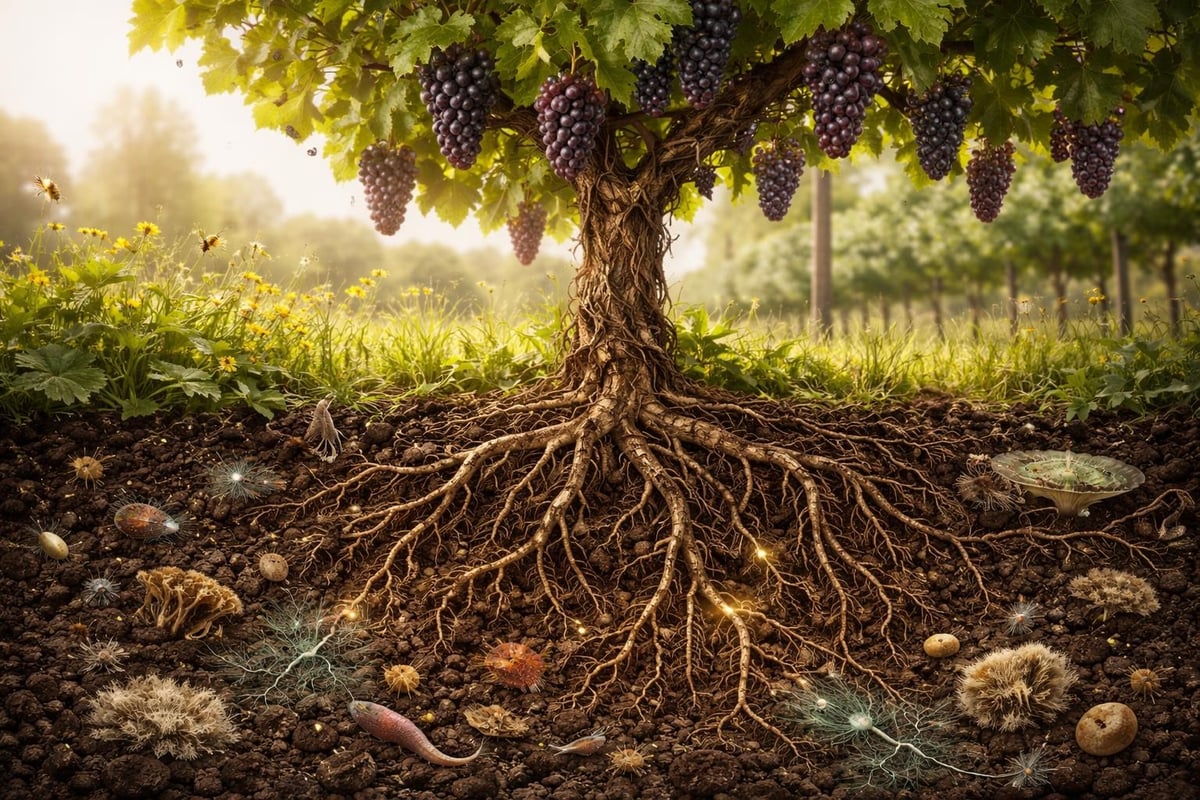
Think about the winemaker's hands:
- Pruning each vine during winter dormancy
- Managing the canopy through spring and summer
- Hand-picking clusters at optimal ripeness
- Sorting berries one by one
- Monitoring fermentation without interfering unnecessarily
- Aging the wine patiently before release
Every step is personal. Every decision affects what's in your glass.
Temperature and Your Wine Glass Pinot Noir Experience
Glass shape isn't the only factor. Serving temperature matters enormously.
Pinot Noir shows best at 13-16°C. Too cold, and aromatics stay locked up. Too warm, and alcohol dominates while fruit flavors turn jammy.
Your glass choice interacts with temperature. A larger bowl means more wine surface area exposed to air. This speeds warming. In a summer kitchen, your wine might climb from perfect to too warm in fifteen minutes.
Practical Temperature Tips
- Chill your bottle to 12°C before opening
- Pour smaller amounts more frequently
- Hold the glass by the stem, never the bowl
- If the wine feels cold or tight, cup the bowl briefly in your palms
- Consider a wine thermometer for precision
The research on attributes essential to Pinot Noir quality emphasizes that both flavor and textural qualities define excellence. Temperature control helps you perceive these elements properly.
When wine is at the right temperature in the right glass, magic happens.
You smell layers: red cherry on top, forest floor underneath, perhaps a hint of violet or spice. The first sip feels silky. The wine has presence but not weight. Tannins provide structure without harshness. Acidity brightens everything without being sharp.
Different Glasses for Different Pinot Noir Styles
Not all Pinot Noir is created equal.
Light, ethereal styles benefit from glasses with very wide bowls. These wines need maximum aeration to reveal their subtlety. Think pale ruby color, delicate red fruit, high-toned florals.
Richer, more structured Pinot Noirs can handle slightly smaller bowls. These wines have more concentration, darker fruit, earthier notes. They don't need as much air to express themselves.
| Wine Style | Ideal Glass Shape | Why It Works |
|---|---|---|
| Light, delicate, young | Extra-wide bowl (12+ cm) | Maximizes aeration, amplifies subtle aromatics |
| Medium-bodied, balanced | Classic Burgundy shape (10-11 cm) | Balances fruit, earth, and structural elements |
| Rich, concentrated, aged | Slightly narrower bowl (9-10 cm) | Focuses intensity, doesn't over-aerate |
Small-batch organic Pinot Noir often falls into the first two categories. Without heavy extraction techniques or oak manipulation, these wines rely on natural vibrancy and terroir expression.
Matching Glass to Wine Age
Young Pinot Noir (1-3 years old) benefits from aggressive aeration. Use your widest bowl. Swirl generously. Let oxygen soften any adolescent tannins and coax out developing aromatics.
Aged Pinot Noir (5+ years) is more fragile. Those delicate tertiary aromas-truffle, leather, dried flowers-can blow off quickly with too much air exposure. Use a slightly smaller bowl. Swirl gently.
The wine's journey from vineyard to bottle to glass is long and deliberate. Respect each stage.
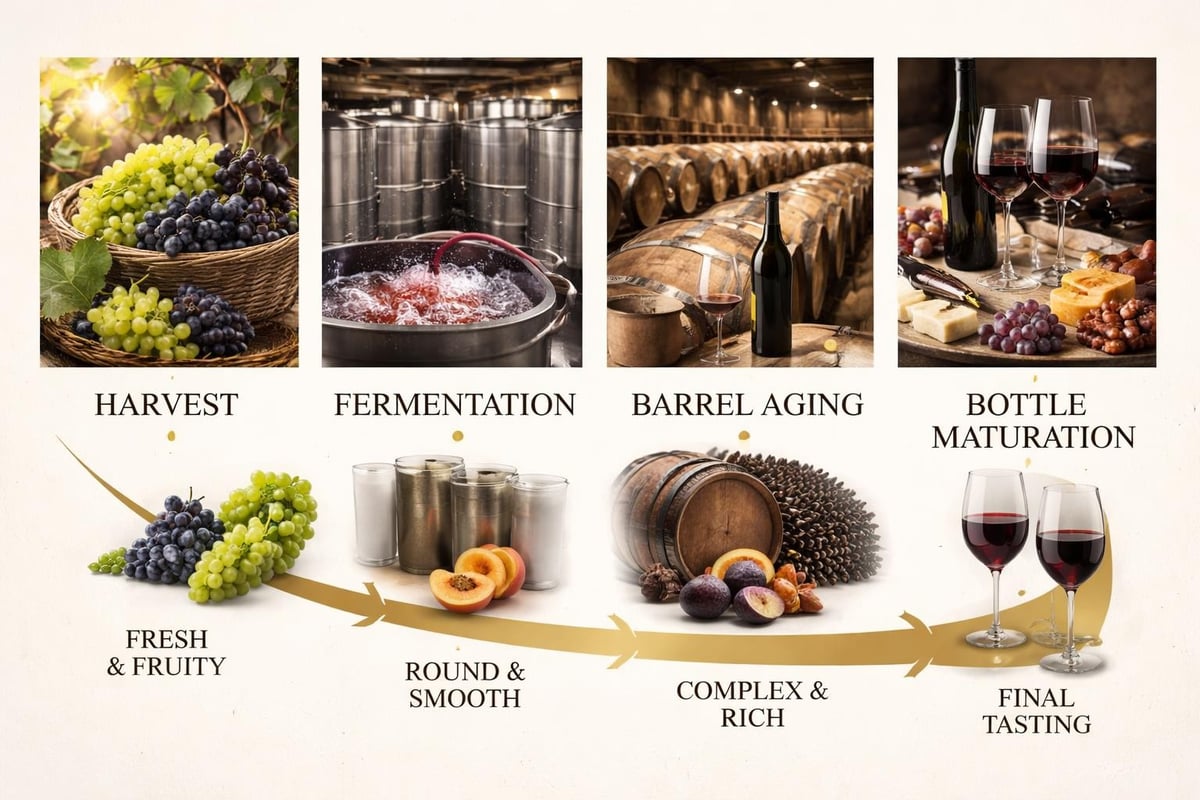
The Ritual of Proper Service
Using the right wine glass pinot noir combination is part of a larger ritual.
It's about mindfulness. Slowing down. Paying attention.
When you know someone spent years nurturing vines, waited for perfect ripeness, hand-sorted fruit, and monitored fermentation day by day, you want to honor that work. The right glass is simply the final step in a chain of care that started in the soil.
Here's a proper serving sequence:
- Open the bottle and smell the cork (checking for faults, not quality)
- Pour a small amount and look at the wine's color and clarity
- Swirl gently and smell the aromatics
- Take a small sip, letting it coat your palate
- Notice the texture, fruit, acidity, tannins, finish
- Pour for your companions and share observations
This isn't pretentious. It's appreciative.
Cleaning and Caring for Your Glasses
Quality wine glasses need proper care. Hand wash them with hot water and unscented detergent. Rinse thoroughly. Dry with a lint-free cloth. Never put fine crystal in the dishwasher unless the manufacturer explicitly approves it.
Store glasses upright, not inverted. Inverted storage can trap musty odors from cupboard shelves. If you must store them bowl-down, use shelf liner or ensure shelves are spotlessly clean.
Before pouring wine, rinse each glass with a small amount of the wine you're about to serve. This removes any residual odors and conditions the glass. Discard the rinse pour.
Beyond the Glass: The Complete Experience
The best wine glass pinot noir pairing is just one element of enjoyment.
Consider your environment. Natural light shows wine color better than artificial. A quiet space lets you focus on subtle aromatics. Good company enhances everything.
Food pairing matters too. Pinot Noir's versatility is legendary. The grape's moderate tannins and bright acidity complement rather than overwhelm:
- Mushroom dishes: Echo earthy notes in the wine
- Duck or salmon: Match the wine's medium weight
- Aged cheeses: Play with umami and texture
- Tomato-based dishes: Work with the wine's acidity
But sometimes the best pairing is no food at all. Just you, the glass, and the wine.
This is when you truly appreciate everything that went into the bottle. The decisions to farm organically. The trust in wild yeasts. The patience to age wine properly before release. The care in every detail from bud break to bottling.
Investing in Your Wine Experience
Quality wine glasses represent value, not expense.
A set of four good Burgundy glasses might cost what you'd pay for two or three bottles of quality Pinot Noir. But those glasses will last years. They'll enhance every bottle you pour.
Think of it as completing your wine toolkit. You wouldn't cook a beautiful meal on a dirty plate. Why would you drink carefully crafted wine from an inappropriate glass?
Some practical buying advice:
- Start with four to six glasses of the same type
- Choose a design you genuinely like aesthetically
- Consider durability based on your lifestyle
- Buy from reputable brands with replacement programs
- Test one glass before committing to a full set
The best wine glasses for red wine include several excellent Pinot Noir options at various price points. You don't need the most expensive glasses to enjoy better wine.
You just need thoughtful design and proper care.
Understanding What Makes Pinot Noir Special
Why does this grape deserve such attention?
Pinot Noir is famously difficult to grow. The vines are temperamental. Yields must be controlled. Timing harvest requires experience and judgment. Small variations in weather, soil, or winemaking create huge differences in the final wine.
This challenge is exactly what makes great Pinot Noir so rewarding.
When everything aligns, you get wines of incredible delicacy and depth. Wines that taste like a specific place. Wines that evolve beautifully in the glass as they warm and breathe.
Organic viticulture adds another layer. Without synthetic pesticides or herbicides, the vineyard ecosystem becomes incredibly complex. This complexity shows up in the wine as nuance and interest.
Natural fermentation with wild yeasts creates unique flavor profiles. Commercial yeasts produce predictable results. Wild yeasts bring spontaneity. Each fermentation is slightly different, reflecting the specific microbial population of that vintage, that cellar, that moment.
The wine becomes truly alive. A snapshot of a specific time and place.
Your wine glass pinot noir choice is the lens through which you view this snapshot. Make it a good one.
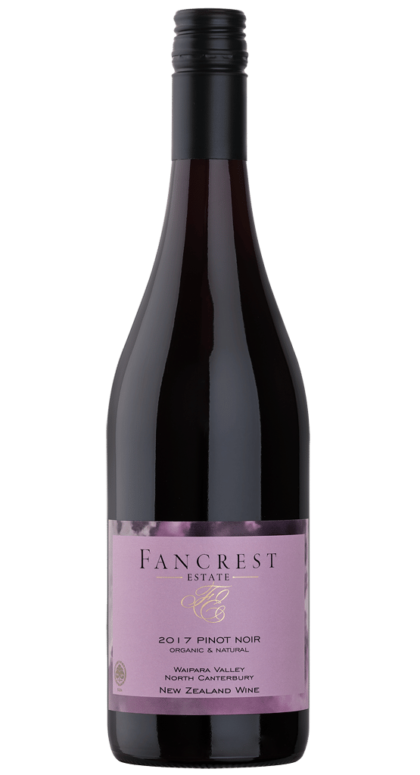
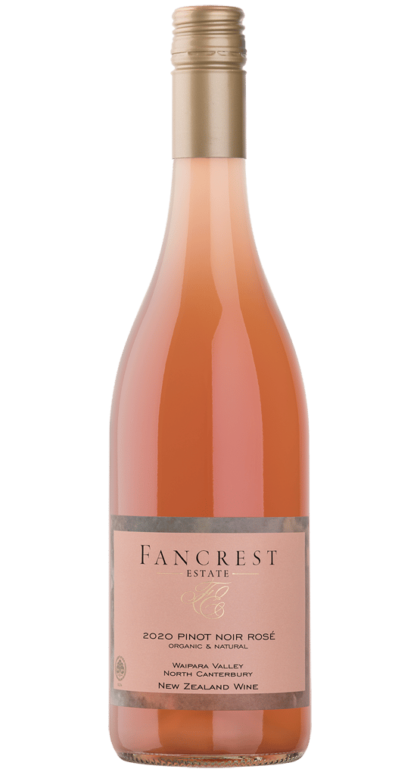
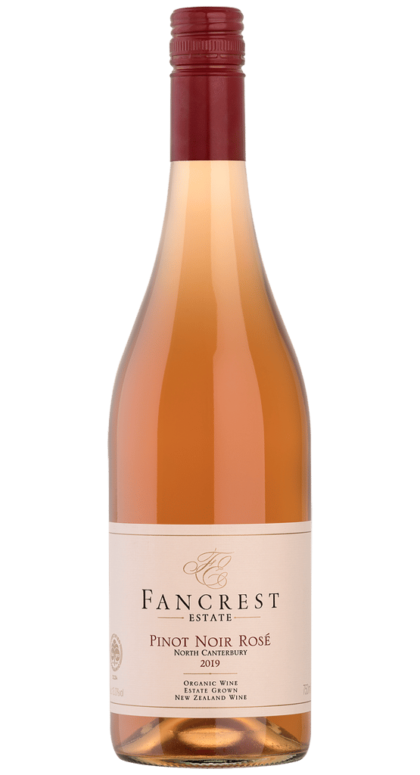
Choosing the right glass unlocks everything Pinot Noir has to offer. From aromatics to texture to the complete sensory experience, your glassware matters. At Fancrest Estate, we craft organic Pinot Noir using wild yeasts and certified organic practices that honor the living ecosystem of our Waipara vineyard. Every bottle reflects hands-on winemaking from vine to bottle, aged carefully before release. Experience the difference small-batch, artisanal winemaking makes.