
Have you noticed how the conversation around wine and health is heating up as we near 2026? There are lots of questions out there. Some people say wine is a secret to good health. Others warn it could do more harm than good.
So, what is the real story? This guide will give you clear, science-backed answers. You’ll learn about wine’s powerful compounds, the benefits, the risks, and how to enjoy wine wisely. We’ll also share the latest research and trends. Ready to take a fresh look at wine and health? Let’s get started.
Understanding Wine’s Bioactive Components
Wine and health go hand in hand for many people, but do you know what makes wine unique? The answer lies in its rich mix of natural compounds that set it apart from any other drink. Let’s break down what’s inside your glass and why it matters for your wellbeing.
The Science Behind Wine’s Health Effects
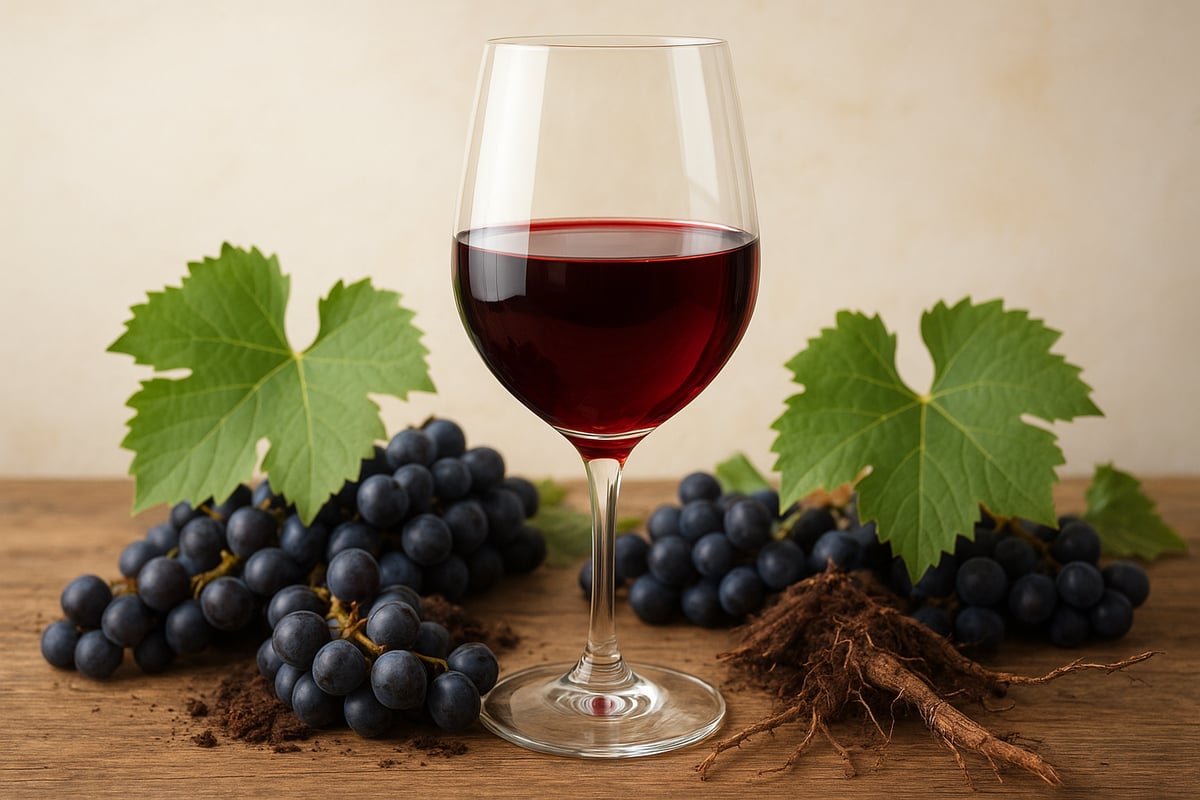
When you think about wine and health, it helps to start with the science. Wine isn’t just alcohol. It’s packed with polyphenols, which are natural compounds found in grape skins, seeds, and stems.
Red wine is especially rich in antioxidants. These antioxidants, like resveratrol and procyanidins, can help protect your body’s cells. Did you know red wines from regions like the South of France have two to four times more procyanidins than others? These compounds work together in a way that isn’t seen in spirits or beer.
Here’s a quick comparison:
| Compound | Red Wine | White Wine |
|---|---|---|
| Polyphenols | High | Low |
| Resveratrol | High | Trace |
| Procyanidins | High | Low |
This synergy of antioxidants is what makes wine and health such a fascinating topic.
Factors Influencing Bioactive Levels
The amount of healthy compounds in wine depends on many things. Grape variety is key. Pinot Noir, for example, is famous for its higher polyphenol content.
Where grapes are grown matters too. Soil, climate, and even the year of harvest all play a part. Grapes grown at higher elevations often have more resveratrol because they face more natural stress.
Vineyard practices also matter. Organic and sustainable farming can boost the levels of beneficial antioxidants in the grapes. Scientists are always working to improve the health profile of wine by tweaking these growing conditions.
If you want to make the most of wine and health, it pays to learn where and how your wine was made.
Wine Production and Bioactive Retention
How wine is made has a big impact on its health value. The length of time the grape skins stay with the juice, called maceration, helps extract more antioxidants. Using natural yeasts and keeping things simple in the winery helps keep these good compounds intact.
Wines made with organic or minimal-intervention methods tend to hold onto more healthy polyphenols. There’s a real difference between conventional and organic wines here. Even storage and aging change the antioxidant levels. Wines with extended skin contact have higher antioxidant activity.
Curious if organic wines truly offer more benefits for wine and health? Find out more in Are Organic Wines Better for You?.
Choosing a wine made with care is a great way to support your health. Next time you select a bottle, think about how it was grown and made.
Health Benefits of Moderate Wine Consumption
Curious about the real impact of wine and health? New research is shining a light on how enjoying wine in moderation might boost your wellbeing. Let’s break down what the science says about heart health, diabetes, brain function, and living longer.
Cardiovascular Health
When it comes to wine and health, heart benefits are often top of mind. Moderate wine drinking is linked to a lower risk of heart disease, thanks to bioactive compounds like polyphenols and resveratrol. This is sometimes called the “French Paradox,” where populations with regular wine intake have fewer heart problems despite a rich diet.
Multiple studies suggest moderate wine drinkers may see a 20 to 30 percent reduction in all-cause mortality compared to non-drinkers. Wine’s polyphenols help raise HDL (good cholesterol) and slow down LDL (bad cholesterol) oxidation, which protects arteries. It’s not just the alcohol, but the unique mix of antioxidants that matter.
For more detail on how red wine and resveratrol affect heart health, check out Red Wine and Resveratrol: Heart Health Insights. Remember, moderation is key to these benefits.
Diabetes and Metabolic Syndrome
The connection between wine and health extends to diabetes prevention. Research shows moderate wine consumption may help lower the risk of type 2 diabetes. Studies have found that people who enjoy wine in moderation often have better insulin sensitivity and improved blood sugar control.
Wine’s polyphenols appear to play a role in reducing inflammation and supporting healthy lipid levels. Regular, moderate wine intake is also linked to better outcomes for people with metabolic syndrome, a cluster of risk factors for heart disease and diabetes.
The benefits only apply when wine is consumed sensibly. Drinking too much reverses the positive effects and increases health risks.
Neurological and Cognitive Benefits
Wine and health are closely tied when it comes to your brain. Scientific studies suggest moderate wine drinkers may have a lower risk of developing neurodegenerative diseases, including dementia and Alzheimer’s.
This protective effect is linked to antioxidants and anti-inflammatory compounds found in wine, especially resveratrol. These substances help protect nerve cells and may slow down age-related cognitive decline.
Researchers are also looking at how wine’s polyphenols might support memory and mental sharpness as you age. Again, moderation is essential for these benefits.
Longevity and General Wellbeing
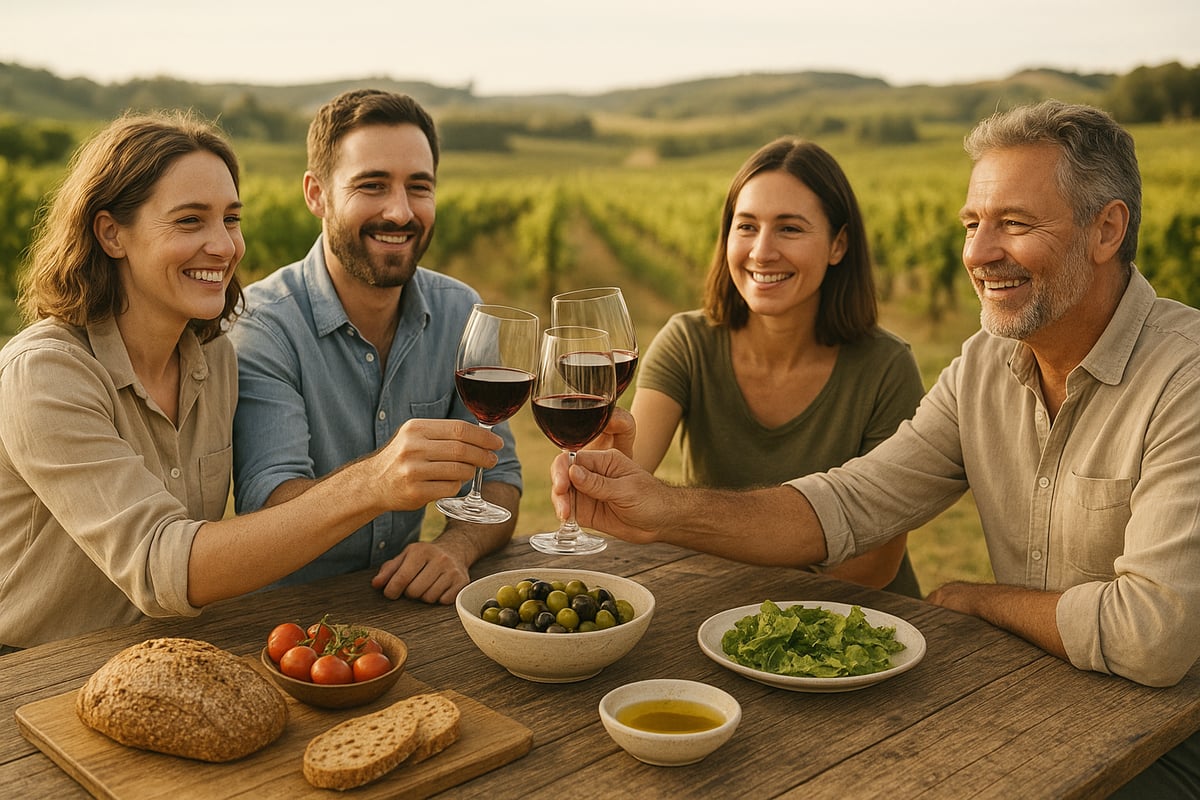
If you’re wondering how wine and health relate to living longer, the answer is promising. Data from longevity studies shows people who drink wine in moderation, especially as part of a Mediterranean-style diet, often enjoy longer and healthier lives.
Wine’s influence goes beyond physical health. It can contribute to social wellbeing, adding joy and connection to meals and gatherings. Populations with regular wine intake report better quality of life and lower rates of chronic disease.
The key takeaway is clear: moderation is crucial. Enjoying wine as part of a balanced lifestyle may support a longer, happier life.
Risks and Considerations: When Wine May Not Be Beneficial
Enjoying wine and health benefits sounds appealing, right? But it is important to know when wine may do more harm than good. Not everyone gets the same results from a glass of wine. Let's look at the risks, when to be cautious, and how to drink responsibly.

Health Risks of Excessive Consumption
Moderation is key when it comes to wine and health. Drinking too much wine increases your risk of serious problems. Heavy or binge drinking can lead to liver disease, high blood pressure, and even certain types of cancer.
Alcohol abuse is one of the leading causes of preventable illness worldwide. When you drink more than the recommended limits, the risks quickly outweigh any benefits. For most adults, that means no more than one glass a day for women, and two for men. Going over this can harm your heart, raise your cancer risk, and damage your liver.
Remember, the positive effects of wine and health only apply if you keep your intake moderate.
Wine and Cancer Risk
The relationship between wine and health is complex, especially when it comes to cancer. Even small amounts of alcohol may increase your risk for some cancers, like breast or mouth cancer. The risk depends on your personal and family health history.
Recent reports, like the Surgeon General's Cancer Warning on Alcohol, show that even moderate drinking can have an impact. Wine may be less risky than spirits, but it is not risk-free. If you have concerns or a family history of cancer, talk to your doctor before making wine part of your routine.
It is best to weigh the risks and benefits of wine and health for your unique situation.
Who Should Avoid Wine?
Some people should not drink wine at all. If you are pregnant, taking certain medications, or managing specific health conditions, it is safest to avoid alcohol. Some individuals have genetic factors that make processing alcohol harder.
If you are unsure, a chat with your healthcare provider can help you make a safe choice. If you do not already drink, there is no need to start for wine and health reasons. For those who want the taste, grape juice or non-alcoholic wine are good alternatives.
Everyone's body handles wine and health differently, so listen to what works for you.
Responsible Drinking Guidelines for 2026
To enjoy wine and health benefits, stick to updated advice. For women, that means up to one glass per day; for men, up to two. Avoid binge drinking and try to enjoy wine with meals.
A quick tip: regular, mindful sipping is much better than saving up for a big night. Always check your own health needs before reaching for a bottle, and choose quality over quantity for the best experience.
Maximising Wine’s Health Potential: Practical Tips
Looking to get the most health benefits from your favourite glass? Good news—you can make simple choices to boost the positive link between wine and health. Here’s how to choose wisely, enjoy responsibly, and make wine part of your wellness routine.
Choosing the Right Wine
Want to enhance the wine and health connection? Start by picking the right bottle. Red wines, especially Pinot Noir and Cabernet Sauvignon, are known for higher polyphenol content. These antioxidants are key players in the wine and health story.
Check the label for organic or sustainable practices. Wines from cooler regions and higher elevations often pack more beneficial compounds. Minimal-intervention and natural wines typically retain more antioxidants.
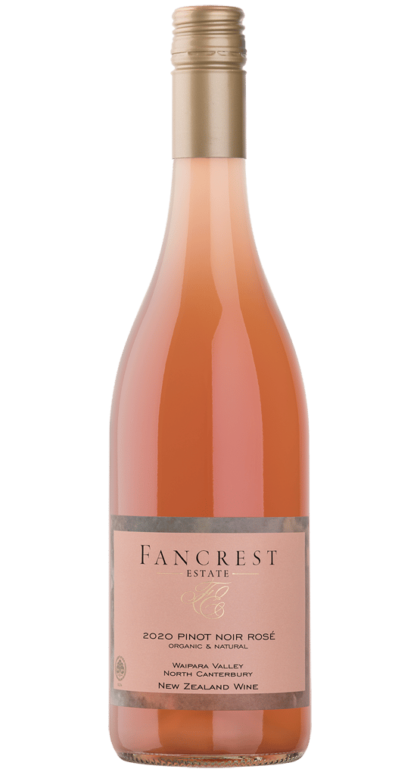
Fancrest Estate crafts hand-made, organic Pinot Noir with a focus on health and flavour. For more details on why Pinot Noir stands out, see the Health Benefits of Pinot Noir.
Pairing Wine with a Healthy Lifestyle
Pairing wine and health works best when you combine good choices with a balanced lifestyle. Enjoy wine as part of a Mediterranean-style diet—think veges, olive oil, nuts, and whole grains. This approach lets you get the most from both your food and your wine.
Physical activity boosts the overall benefits. Social connections matter too. Sharing a glass with friends or family can lift your mood and help you slow down. Many long-lived cultures make wine part of daily meals, not special occasions.
Fancrest Estate: Organic Pinot Noir for Health-Conscious Wine Lovers
Fancrest Estate in North Canterbury is a boutique, certified organic winery. Their Pinot Noir is crafted with natural yeasts and aged for rich flavour and higher polyphenols. Every bottle is made with care, using organic methods that support wine and health.
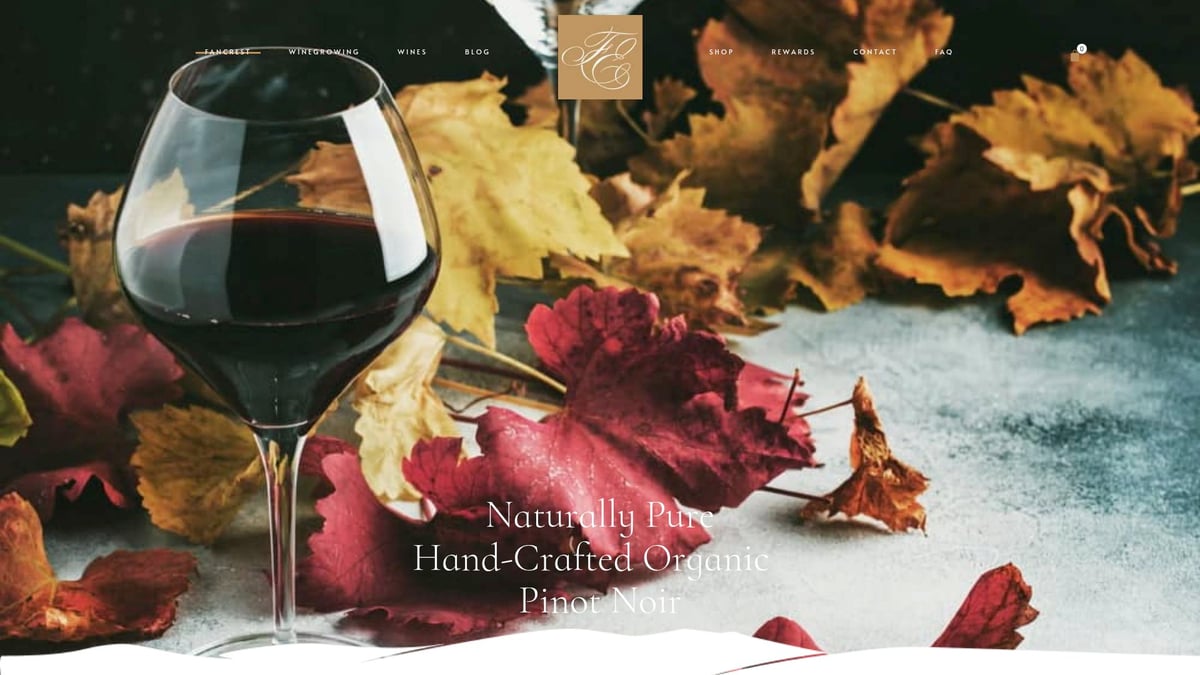
What’s unique? Fancrest sells directly online, so you get fresh, premium wine delivered to your door. If you want a health-conscious choice, their selection is well worth exploring.
Steps for Mindful Wine Consumption
Make wine and health work for you by following these simple steps:
- Choose quality over quantity, picking wine with a known origin.
- Pour moderate servings, ideally with meals.
- Savour slowly—notice aroma and taste.
- Alternate sips of wine with water.
- Reflect on your own health needs before drinking.
Mindfulness helps you enjoy every drop and keeps your wellbeing in focus.
Future Trends: Wine, Health, and Research Insights for 2026
Curious about where wine and health are heading as we look to 2026? There is a wave of new science, tech, and mindful habits reshaping how you can enjoy wine for your wellbeing. Let’s dive into the trends set to transform your glass and your health.

Advances in Wine and Health Research
The world of wine and health is evolving quickly. Scientists are finding new ways that wine’s polyphenols can support your gut microbiome and heart. There’s a move towards personalised health advice, with some research aiming to match your genetics to the best wine choices.
Tech is changing how you track both your wine and health. Digital tools help you monitor your intake and understand how wine fits into your lifestyle. Artificial intelligence is even being used to study how wine compounds interact with your body. You can read more about these developments in Artificial Intelligence in Sustainable Wine Industry.
Researchers are also studying how wine might help prevent chronic diseases. The focus is shifting from just alcohol to bioactive compounds. The message is clear: informed choices and moderation will matter more than ever.
Innovations in Viticulture and Winemaking
Vineyards are embracing organic, regenerative, and sustainable practices to boost the health benefits of wine. Growers are rethinking how they care for the land, using natural methods that protect both the vines and the environment. This approach can lead to wines with more polyphenols and antioxidants.
Natural and low-intervention winemaking is gaining ground. These wines keep more of the natural goodness from the grapes. Climate change is also pushing winemakers to adapt, choosing grape varieties that thrive in new conditions.
Some wineries are leading the way with regenerative agriculture. Curious how? Check out Beyond Organics: Regenerative Agriculture for a look at how these practices are shaping the future of wine and health.
Consumer Preferences and Health-Conscious Choices
You are not alone if you are seeking wines that are better for your health and the planet. More Kiwis are choosing organic, natural, or sustainably made bottles. Labels now share more about how wine is made, making it easier to find options that fit your values.
There is a growing interest in lower-alcohol and alcohol-free wines. These choices let you enjoy the taste and tradition without overdoing it. Health-focused wine and health trends are shaping what you see on shelves and in online shops.
As you look for wines with more benefits, consider exploring boutique producers like Fancrest Estate, where quality and health come first.
Integrating Wine into a Healthy Future
How can you bring wine and health together as part of your wellness journey? Stay up to date with the latest health guidelines and research. Enjoy wine as one part of your healthy lifestyle, linking it with good food, exercise, and social connection.
Education is key. The more you know, the better choices you can make. Wine has always been part of our cultural heritage, bringing people together in celebration and community.
As 2026 approaches, let your wine choices reflect your commitment to both pleasure and wellbeing. Explore thoughtfully, savour slowly, and let every glass enhance your life.
So, after diving into the science and stories behind wine and wellbeing, you might be wondering where to go next, right? If you’re keen to put some of these insights into practice—especially around choosing wines that are both delicious and crafted with your health in mind—why not check out what Fancrest Estate has to offer? Their small batch, organic Pinot Noir is made with care from vine to bottle, and you can only get it directly from the family who makes it. Ready to see for yourself how mindful choices taste?
Explore our wine selection here..