Have you ever wondered what truly happens at a vineyard estate before that bottle reaches your table? It's not just about grapes and wine. It's about a living, breathing ecosystem where every element connects. From soil microbes to wild yeasts floating on the breeze, a genuine vineyard estate pulses with life throughout the year. This is especially true when organic practices guide every decision, creating wines that genuinely express their origin.
The Living Soil Beneath Your Feet
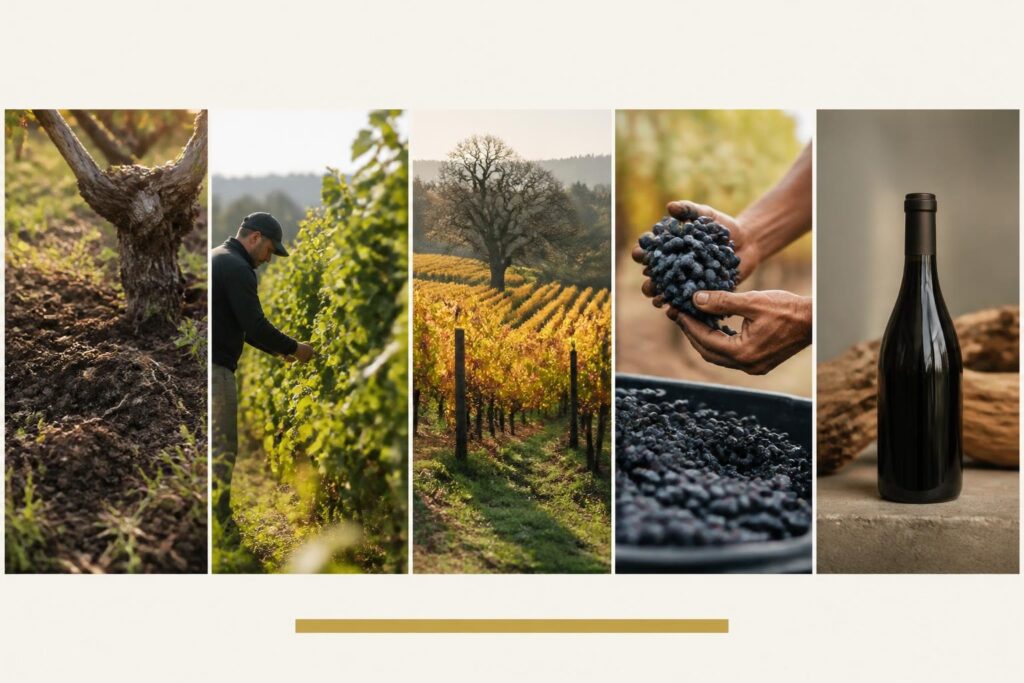
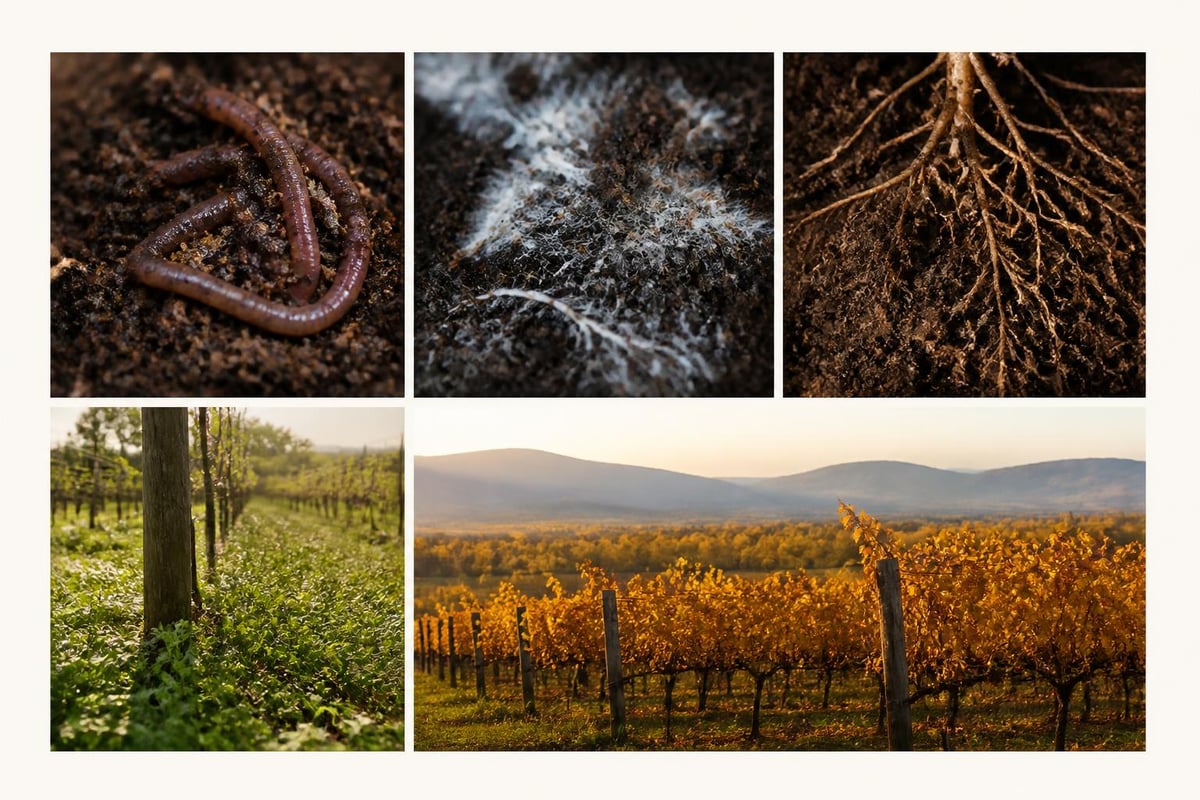
Walk through an organic vineyard estate and you'll notice something different underfoot.
The soil feels alive because it is.
Earthworms tunnel through layers of organic matter. Beneficial fungi form partnerships with vine roots. Insects buzz between cover crops that feed the earth rather than deplete it.
This is certified organic viticulture at work. No synthetic chemicals interrupt these relationships. The ecosystem builds itself stronger each season.
Key benefits of living soil include:
- Natural pest control through beneficial insects
- Improved water retention during dry spells
- Enhanced nutrient availability for vines
- Deeper root systems that access trace minerals
- Distinctive flavour compounds in resulting wines
When you choose wines from an authentic vineyard estate practicing organic methods, you're tasting this vitality in every sip.
Seasonal Rhythms Shape Everything
Winter arrives and the vines sleep.
But the work continues. Pruning each cane by hand requires decisions that affect the entire vintage. Too many buds and the vine spreads its energy thin. Too few and you've limited potential.
Spring brings bud break and the vineyard awakens. Each shoot needs positioning. Every cluster requires consideration.
Summer means canopy management. Leaves must balance sun exposure with shade. Grapes need warmth but not scorching heat.
| Season | Key Vineyard Tasks | Impact on Wine Quality |
|---|---|---|
| Winter | Hand pruning, soil preparation | Sets crop load, vine balance |
| Spring | Shoot positioning, frost protection | Determines cluster development |
| Summer | Canopy management, monitoring | Optimizes ripening conditions |
| Autumn | Harvest timing, selective picking | Captures peak flavour development |
Autumn brings harvest decisions. Wait too long and you risk rain. Pick too early and flavours haven't developed.
This rhythm demands presence. You can't phone it in.
The Hands-On Difference
Mass-produced wines come from vineyards where machines do most work. That's efficient for volume.
But character requires touch.
A boutique vineyard estate owner knows each vine section intimately. She notices when one area needs water while another doesn't. She spots disease pressure before it spreads. She tastes berries throughout the block to determine optimal picking.
This personal attention creates authenticity you can taste. Modern architecture trends emphasizing biophilic design reflect similar values, bringing nature's rhythms into our living spaces.
Wild Yeasts Create Unique Expression
Here's where vineyard estate wines truly differentiate themselves.
Commercial wineries add cultured yeasts. These deliver predictable results every time.
Natural vineyard yeasts tell a different story. They float in from surrounding flora. They live on grape skins. They carry the signature of place.
Fermentation with wild yeasts takes longer. It's less predictable. But the resulting complexity cannot be replicated.
What wild yeast fermentation brings:
- Distinctive aromatic compounds
- Layered flavour development
- True terroir expression
- Individual vintage character
- Living connection to the land
Each vintage becomes genuinely unique when wild yeasts drive fermentation. You're not drinking a formula. You're experiencing a specific time and place.
Time Creates Complexity
Most commercial wines rush to market. Six months from harvest to shelf maximizes cashflow.
But is that what's best for the wine?
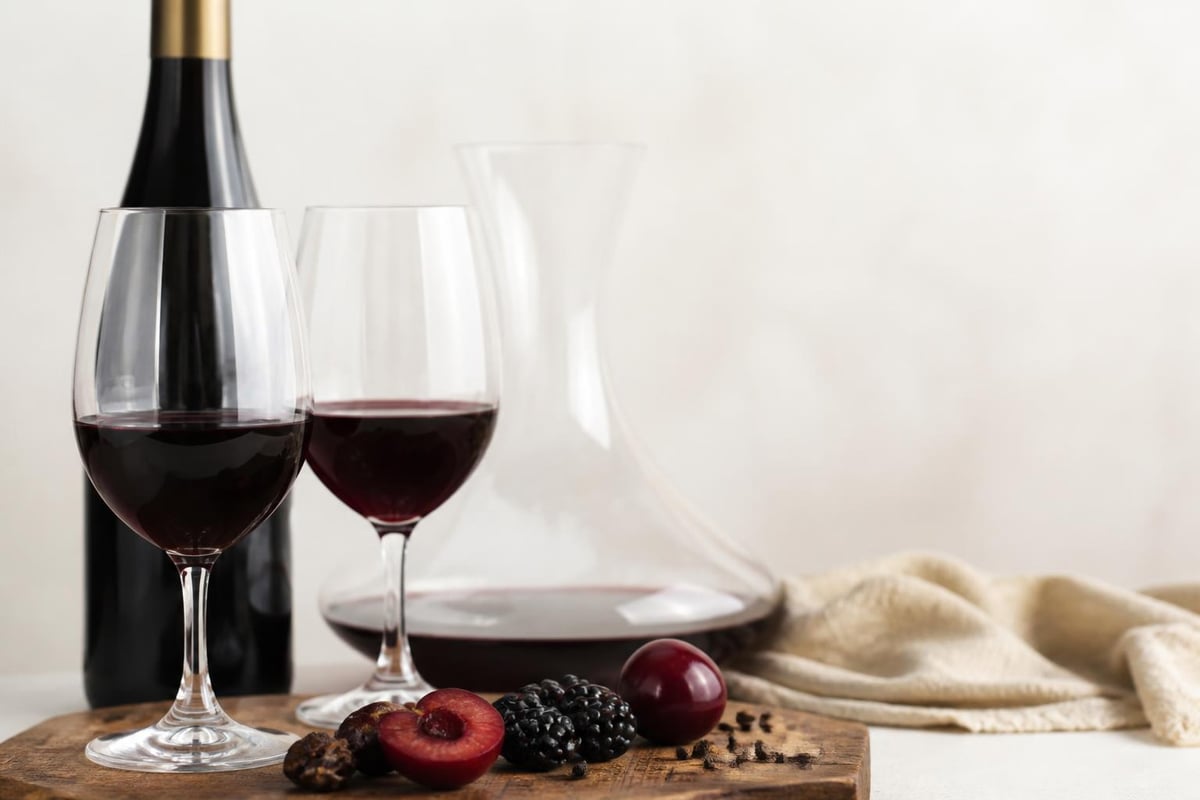
Organic Pinot Noir from a dedicated vineyard estate benefits enormously from patient aging before release. Tannins soften. Flavours integrate. Complexity emerges that simply wasn't there at six months.
This requires commitment. Bottles sit in storage while bills need paying. But the result speaks for itself.
Food Pairing Rewards Patience
Wines aged properly before release offer remarkable food versatility.
Pinot Noir pairing suggestions:
- Duck breast with cherry reduction
- Wild salmon with herb butter
- Mushroom risotto with aged parmesan
- Grass-fed lamb with rosemary
- Roasted beetroot and goat cheese salad
The wine's complexity matches the dish rather than overwhelming it. Young, rushed wines often taste one-dimensional alongside food.
Artisanal Versus Commercial
What makes a wine artisanal rather than simply small-batch?
It's about philosophy as much as scale. An artisanal vineyard estate views wine as a living product expressing its origin. Commercial operations see wine as a commodity meeting market specifications.
Artisanal winemakers work intuitively. They taste constantly. They adjust based on what the vintage offers rather than forcing a predetermined style. Whether you're exploring Stockholm's historic alleys with guided tours or seeking authentic wine experiences, the personal touch matters.
Commercial winemakers follow recipes. Laboratory analysis determines additions. The goal is consistency across vintages.
Both approaches have their place. But only one delivers wines that transport you to a specific vineyard in a specific year.
Gifts That Tell a Story
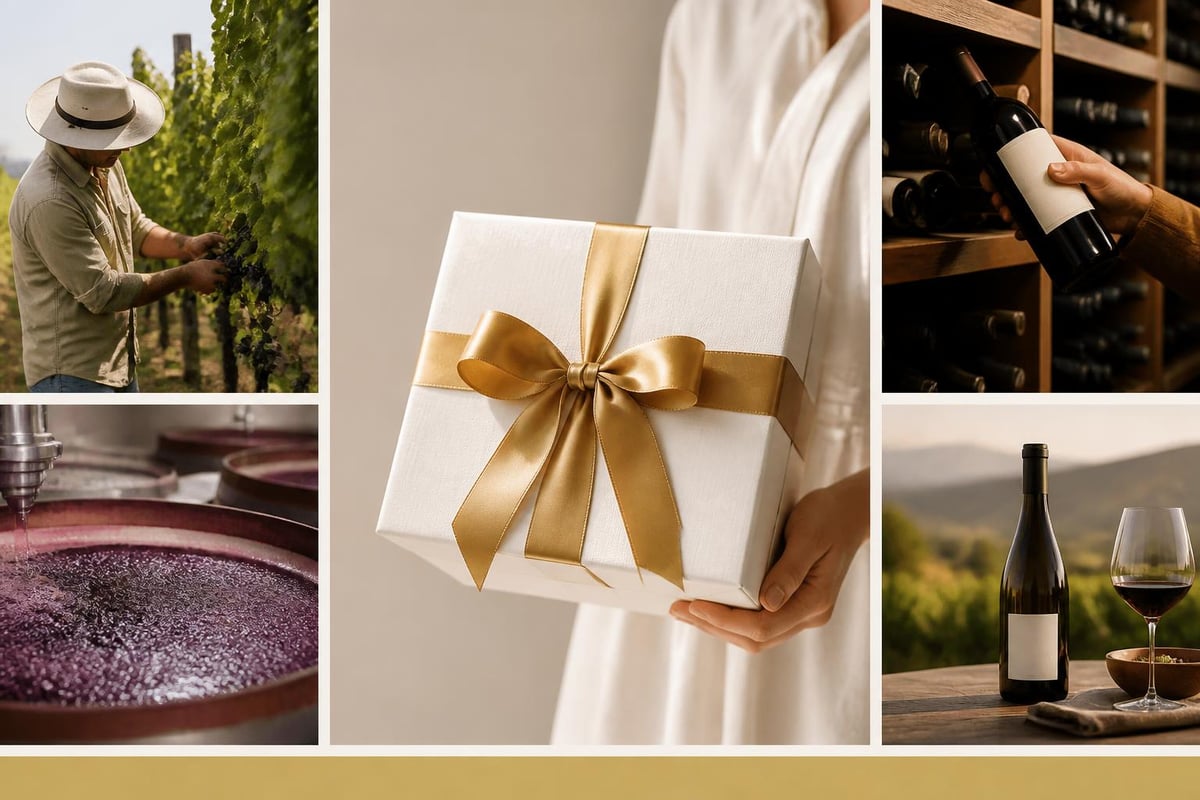
Looking for meaningful gifts for wine lovers in your life? Wines from an authentic vineyard estate offer something generic bottles cannot.
Each bottle carries its story. The hands that pruned the vines. The wild yeasts that fermented the juice. The seasons that shaped the vintage. The patience that allowed complexity to develop.
When you gift such a wine, you're sharing more than alcohol. You're offering connection to place, process, and person.
| Generic Commercial Wine | Vineyard Estate Wine |
|---|---|
| Predictable consistency | Vintage variation |
| Laboratory-driven | Intuition-guided |
| Quick to market | Aged before release |
| Cultured yeasts | Wild fermentation |
| Volume focus | Quality priority |
That's a gift worth giving. Especially when celebrating special occasions requiring something memorable. For those times when you need special transport for celebrations, consider party limo hire services to make the entire experience extraordinary.
Whole Wines From Whole Ecosystems
The concept of "whole wines" extends beyond organic certification.
It means wines arising from complete, functioning ecosystems. Where insects pollinate cover crops that feed soil biology that nourishes vines that host wild yeasts that create distinctive wines.
Nothing artificial interrupts these cycles. Everything connects.
You taste this wholeness. The wine feels vibrant rather than manufactured. It carries energy that generic commercial wines lack.
Understanding the vineyard landscape integration helps appreciate how thoughtful design supports these natural systems without interfering.
When viticulture respects natural processes, the resulting wines reward your attention. They evolve in the glass. They pair beautifully with food. They age gracefully in your cellar.
This is what a true vineyard estate offers. Living wines from living systems, crafted with hands-on care from soil to bottle.
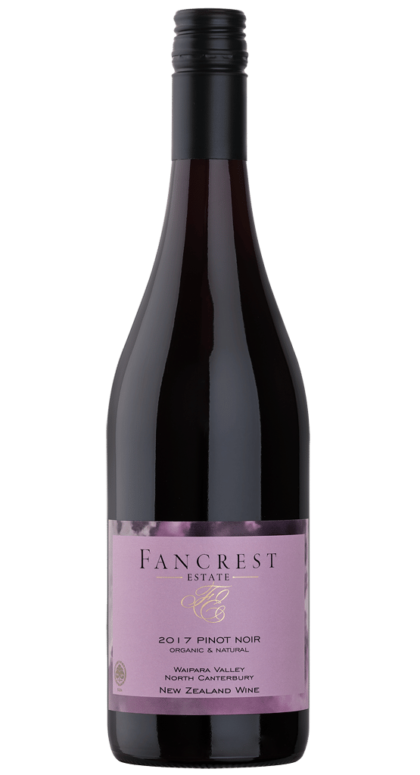
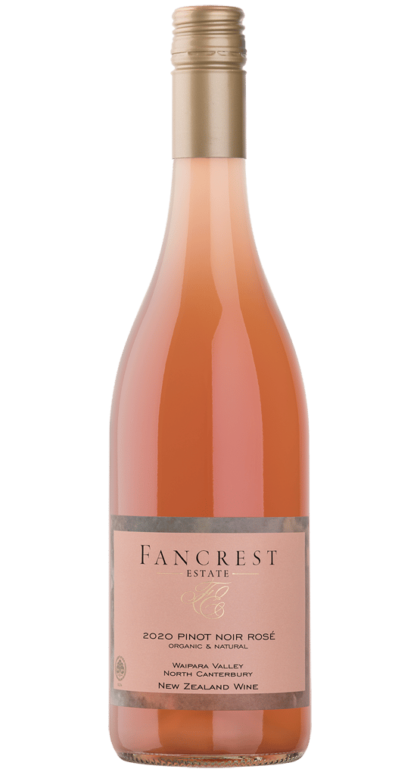
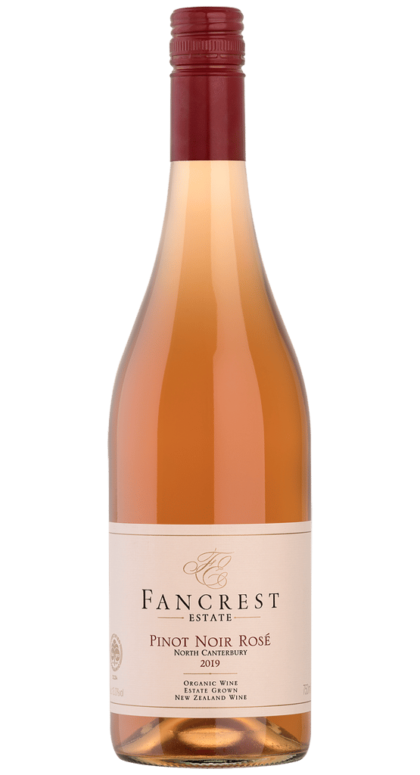
The rhythm of seasons, the vitality of organic ecosystems, and patient craftsmanship create wines that genuinely express their origins. When you're ready to experience hand-crafted Pinot Noir from a family-owned vineyard estate where every vine receives personal attention and wild yeasts create unique character, explore the carefully aged releases from Fancrest Estate, where certified organic practices and time-honored methods produce wines that stand proudly alongside the world's finest expressions of this noble variety.