

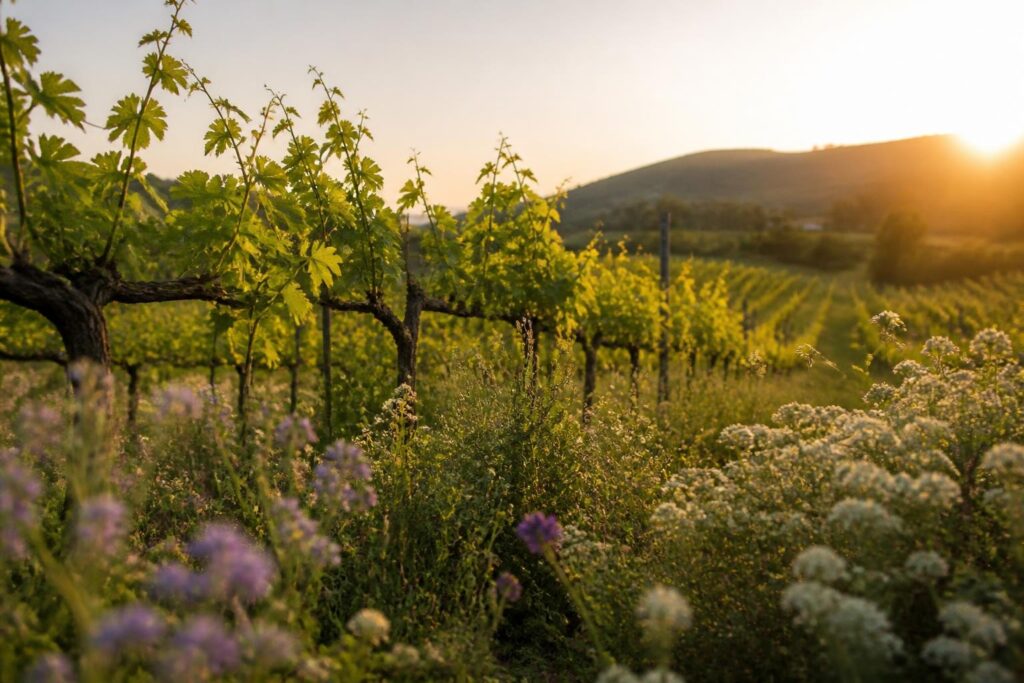
When you think about a vines vineyard, what comes to mind? Perhaps neat rows of grapes stretching toward distant hills. But there's so much more happening beneath the surface and between those carefully tended plants. A truly organic vines vineyard is a living, breathing ecosystem where every element contributes to the wine in your glass. From the microorganisms in the soil to the wild yeasts on grape skins, it's all connected in a rhythm that commercial wineries simply can't replicate when they rush wines to market.
The Living Soil Beneath Your Feet
Walk through an organic vines vineyard and you're standing on something extraordinary.
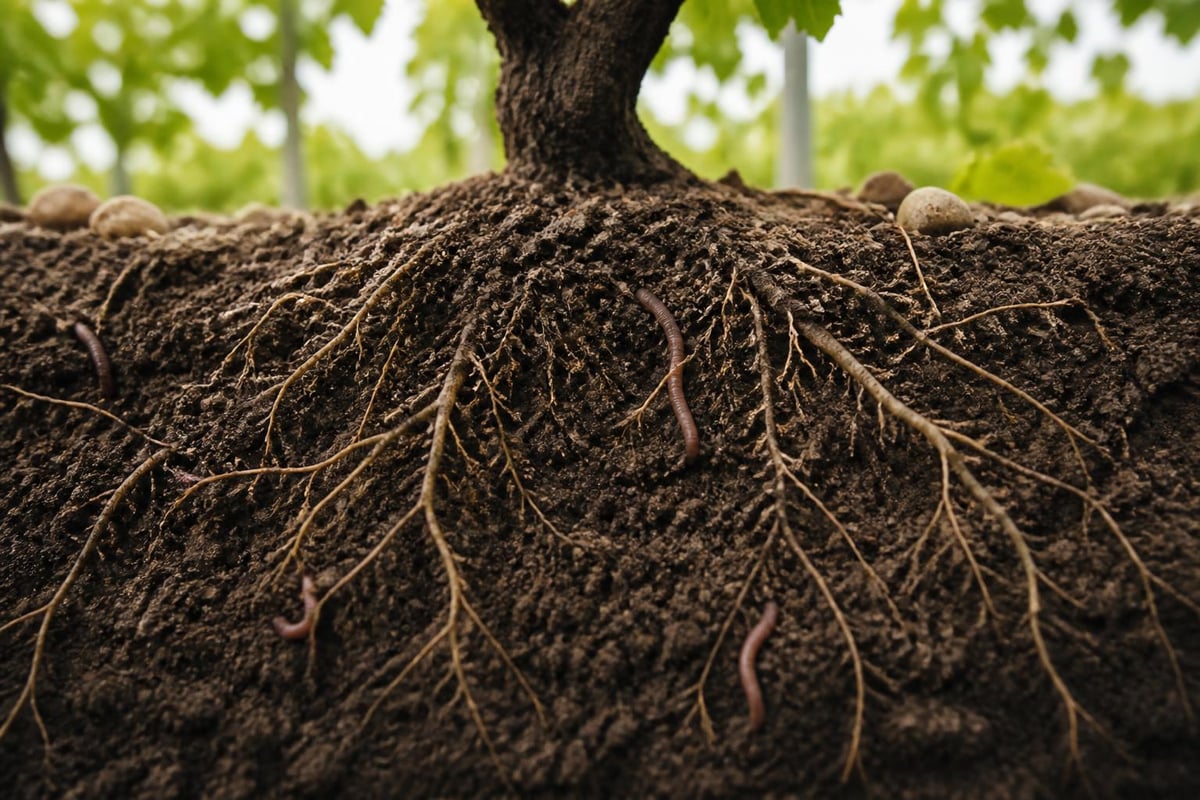
The soil isn't just dirt. It's alive with billions of microorganisms working together to feed the vines. These tiny creatures break down organic matter, fix nitrogen, and create the complex mineral profiles that give wines their distinctive character.
Key soil organisms include:
- Mycorrhizal fungi that extend root systems
- Beneficial bacteria that improve nutrient uptake
- Earthworms that aerate and enrich the soil
- Microbes that suppress disease naturally
When you manage a vines vineyard organically, you're nurturing this entire underground community. Chemical fertilizers and pesticides destroy these relationships. Organic practices preserve them. The difference shows up in every bottle.
Canopy Management: The Hands-On Approach
Managing vine canopies requires constant attention throughout the growing season.
You can't just plant vines and walk away. Each plant needs individual care. Shoot thinning in spring controls yield and concentrates flavors. Leaf removal in summer exposes fruit to sunlight while maintaining enough foliage for photosynthesis. Proper canopy management improves air circulation, reducing disease pressure without synthetic sprays.
This work happens by hand. One person, one vine at a time. It's physically demanding but deeply rewarding. You develop a relationship with each plant, understanding its individual character and needs.
The Seasonal Rhythm
New Zealand's seasons dictate the vineyard calendar:
| Season | Key Activities | What's Happening |
|---|---|---|
| Spring | Bud burst, shoot thinning, frost protection | Vines wake from dormancy, new growth emerges |
| Summer | Canopy management, veraison monitoring | Grapes develop, color change signals ripening |
| Autumn | Harvest, immediate post-harvest care | Fruit reaches peak flavor complexity |
| Winter | Pruning, soil preparation, equipment maintenance | Vines rest, grower plans next vintage |
Each season brings different challenges and joys. You work with nature's timing, not against it.
Wild Yeasts: The Invisible Artisans
Here's where organic viticulture gets truly fascinating.
Commercial wineries often use cultured yeasts for predictable fermentation. But a healthy organic vines vineyard cultivates its own yeast populations. These wild yeasts live on grape skins, in the air, throughout the vineyard environment. They're unique to each place.
When you ferment with natural vineyard yeasts, you're capturing the essence of that specific location. The resulting wines express their origin authentically. They taste different from wines made anywhere else. This is true terroir.
Benefits of wild yeast fermentation:
- Unique flavor complexity
- Enhanced aromatics
- Authentic expression of place
- Living wine that evolves in bottle
The process takes longer and requires more skill. But the results justify the patience.
Integrated Pest Management Without Chemicals
Protecting vines without synthetic pesticides requires observation and knowledge.
You learn to recognize beneficial insects that control pests naturally. Ladybirds eat aphids. Lacewings control mites. Encouraging biodiversity through vineyard floor management creates habitat for these allies. Cover crops between rows provide nectar for beneficial insects while improving soil structure.
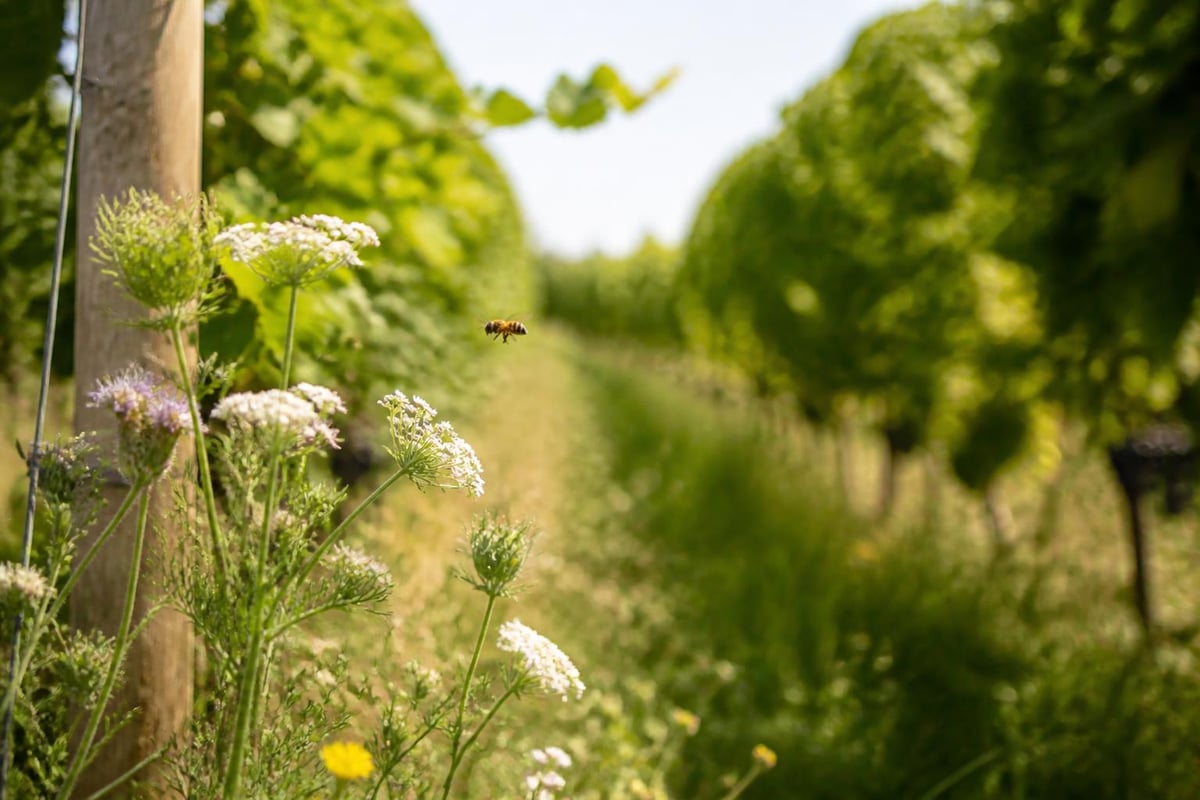
Disease management relies on prevention. Good air circulation through careful canopy work reduces fungal pressure. Integrated pest management strategies emphasize cultural practices over chemical solutions. When you work organically, you're constantly reading the vineyard, responding to what you observe.
Water Wisdom in the Vineyard
Irrigation isn't just about keeping vines alive.
It's about strategic stress that concentrates flavors. Too much water produces dilute grapes. Too little compromises vine health. Thoughtful irrigation practices balance these concerns, adjusting water delivery based on soil type, weather patterns, and vine response.
In a small vines vineyard, you can monitor individual blocks closely. You notice subtle differences in soil moisture, adjust accordingly. This precision is impossible at industrial scale.
Signs You're Getting It Right
- Deep root systems seeking water deep in the soil
- Balanced vegetative growth and fruit production
- Grapes with concentrated flavors and proper acidity
- Healthy leaf color without excessive vigor
Every decision affects the final wine. That's both the challenge and the beauty of hands-on viticulture.
Aging: Patience Creates Complexity
Most commercial wines reach market within months of harvest.
Rushing wine to shelves means missing crucial development. Proper aging allows flavors to integrate, tannins to soften, and complexity to emerge. Small batch production makes patient aging economically viable. You're not pressured to clear tank space for the next vintage.
Pinot Noir particularly benefits from bottle age. The variety's delicate structure needs time to reveal its full potential. Releasing wines only when they're truly ready shows respect for both the fruit and the consumer.
From Vineyard to Your Table
Understanding vines vineyard practices helps you appreciate what's in your glass.
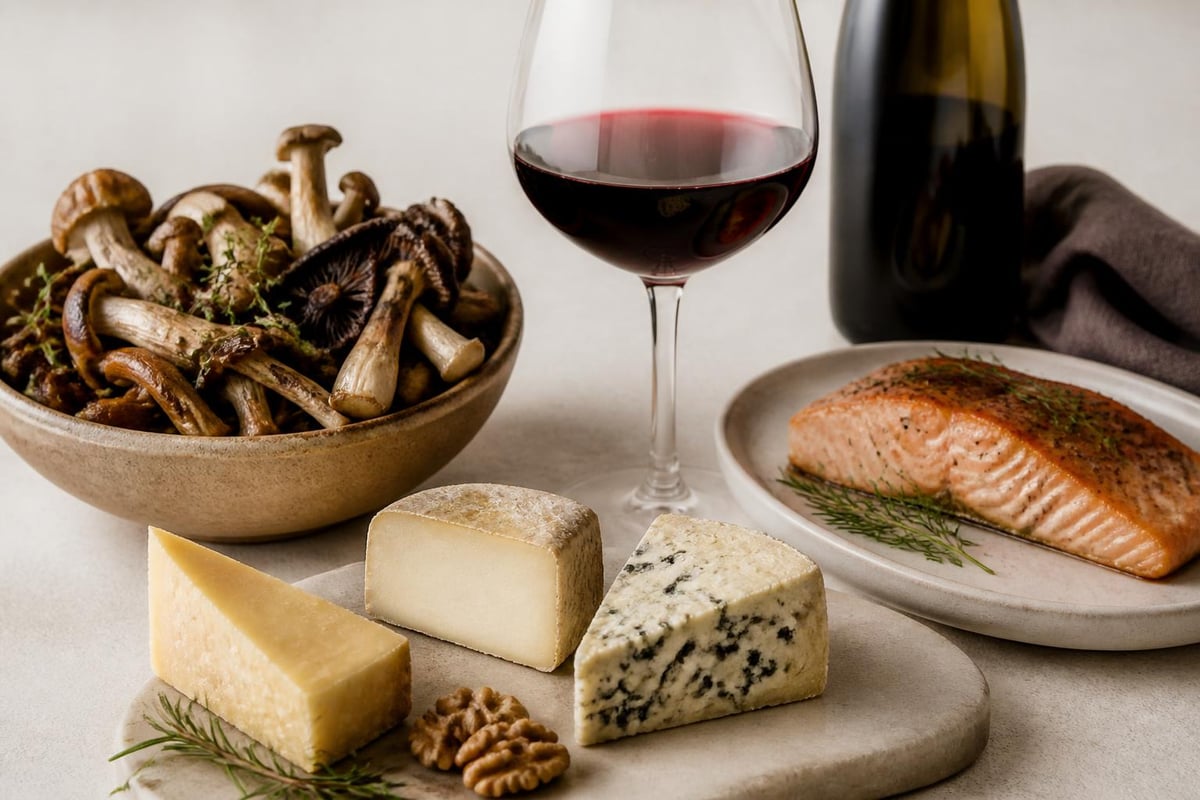
That organic Pinot Noir pairs beautifully with dishes that share its earthy complexity. Think mushroom risotto, roasted duck, or aged cheeses. The wine's natural fermentation creates flavors that complement food rather than overwhelming it.
Perfect food pairings for organic Pinot Noir:
- Wild mushroom dishes
- Salmon or tuna
- Free-range poultry
- Soft, washed-rind cheeses
- Autumn vegetables like beetroot
These wines also make thoughtful gifts for people who value authenticity and sustainability. You're sharing something genuinely special, not just another bottle.
The True Cost of Authenticity
Organic, hands-on viticulture costs more in time and labor.
But what you receive in return can't be measured purely in economic terms. These wines carry the story of their place. They express the season that created them. They represent choices made in favor of long-term soil health over short-term profit.
When you choose wines from a vines vineyard managed organically, you're supporting a different vision of agriculture. One that values life over efficiency. Complexity over uniformity. Authenticity over convenience.
Creating authentic wines from a living vineyard ecosystem takes dedication, patience, and respect for natural rhythms. Every choice from soil management to aging reflects a commitment to quality over convenience. If you're seeking organic Pinot Noir that truly expresses its Waipara terroir through hands-on viticulture and natural fermentation, explore what Fancrest Estate offers. These carefully aged wines deliver the complexity and authenticity that only small-batch, organic winemaking can achieve.