Ever wondered how a simple grape becomes a glass of extraordinary wine? The journey from vines to wine is magical, full of discovery at every step.
This guide is your companion for 2026. You will learn how to select the right grapes, care for your vineyard, harvest at the perfect moment, and master fermentation, ageing, and bottling.
Curious about how to make your own wine or just want to appreciate great bottles? Let’s dive in. By the end, you’ll feel ready to start your own journey or seek out premium wines crafted with passion.
Understanding Grapes and Terroir
Ever wondered why some wines taste so distinctive while others feel familiar? The secret lies in the grapes and the land they grow on. If you want to master the vines to wine journey, you need to start by understanding these foundations.
The Importance of Grape Varieties
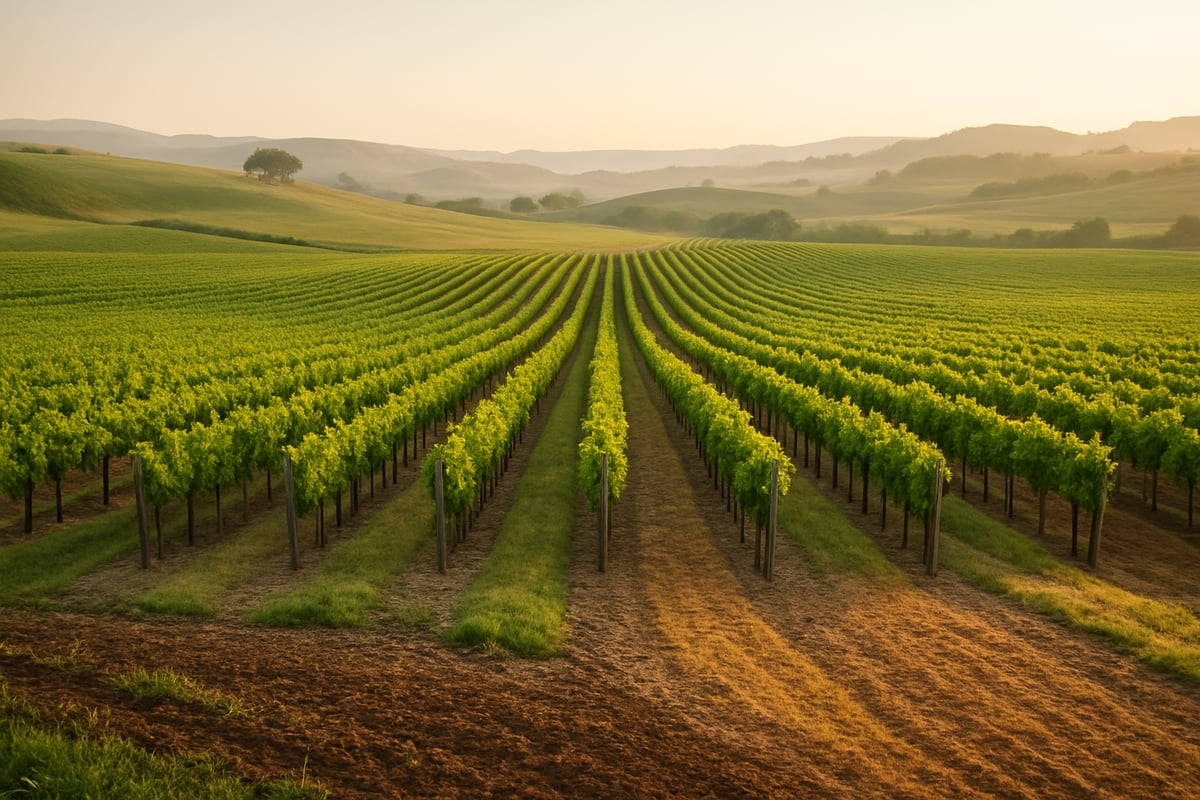
Choosing the right grape is the first step in your vines to wine adventure. Each variety brings its own personality. Pinot Noir, for example, is loved for its elegance and thrives in cooler regions like Waipara. Sauvignon Blanc bursts with crisp flavours and grows best in places with cool nights and sunny days, such as Marlborough. Chardonnay is versatile, adapting to both warm and cool climates, offering anything from citrusy freshness to creamy richness.
Your grape choice shapes the style and flavour of your final wine. The New Zealand climate is perfect for these grapes, but each needs the right spot. Pinot Noir prefers sheltered valleys, while Sauvignon Blanc loves open, breezy sites. Waipara is a great example, producing world-class Pinot Noir thanks to its unique climate and soils.
If you want your vines to wine story to shine, start with the grape that fits your land and your taste.
Terroir: Soil, Climate, and Location
Terroir is a French word that means the complete natural environment where grapes grow. It includes soil, climate, and the vineyard's position. The magic of vines to wine happens when you match the grape with the right terroir.
Soil matters more than you might think. Here’s a quick look:
| Soil Type | Influence on Wine |
|---|---|
| Clay | Rich, full-bodied wines |
| Limestone | Bright acidity, elegance |
| Gravel | Ripe fruit, good drainage |
Microclimates also play a big part. A sunny slope gives more warmth, while a valley floor might stay cooler and damper. Orientation towards the sun boosts ripening and flavour. New Zealand’s regions, from stony Marlborough to limestone-rich Waipara, each give their own stamp to the grapes. These small differences are what make every vines to wine journey unique.
If you want to dive deeper, check out this Terroir and Wine Flavour guide for a closer look at how land shapes taste.
Selecting the Right Site for Your Vineyard
Picking the right spot is where your vines to wine dream takes root. Start by looking for:
- Lots of sunlight for ripening
- Good drainage to prevent waterlogging
- Low frost risk, especially in spring
Prepare your land by testing the soil and removing weeds. Even on a small or home vineyard, these steps matter. In Canterbury, many successful vineyards started by carefully matching grape to site.
Here are a few tips:
- Use certified, disease-free cuttings
- Plant rows north to south for even sunlight
- Choose gentle slopes if you can
The site you pick will impact your vines to wine results for years to come. Careful planning now means better, more expressive wines to share later.
Planting, Growing, and Caring for Vines
Curious about how healthy vines become the heart of every great glass of wine? This is where your vines to wine adventure truly starts. From planting the very first cutting to nurturing each vine through the seasons, every step shapes the final drop you’ll pour. Let’s break down what it takes to grow grapes that set your winemaking journey apart.

Planting New Vines: Step-by-Step
Thinking about planting your own vineyard? The best time to plant in New Zealand is late winter or early spring, when the soil is warming up and frost risk is low. Give each vine plenty of space for airflow and sunlight, usually about two metres apart. Trellising helps guide growth and supports fruit later on.
Always choose certified disease free cuttings, especially for varieties like Pinot Noir. This keeps your vines healthy right from the start. Prepare your rows so they face north for the sunniest exposure. Water new plantings well and mulch to keep moisture in. Early care is crucial for strong roots and healthy shoots. These first steps set the tone for your vines to wine journey, making sure every grape gets the best start.
Vineyard Management for Healthy Grapes
Once your vines are in, it’s all about careful management. Pruning each winter shapes the vines and controls how much fruit they’ll produce. Canopy management is next — keep leaves trimmed so sunlight and air reach every bunch. This helps prevent disease and ripens fruit evenly.
Many growers embrace sustainable and organic practices for pure, vibrant grapes. Watch for pests and diseases, and act fast with gentle, natural controls. Using natural yeasts and minimal intervention in the vineyard is key to letting unique flavours shine. For more tips and insights on healthy vineyard care, check out Vineyard Management and Care. With a little extra attention, your vines to wine story will flourish, and every grape will reflect your hard work.
Seasonal Vineyard Care Calendar
Each season brings new tasks for your vines to wine adventure. In winter, prune back old wood to get ready for spring growth. As buds burst in spring, watch for frost and protect young shoots. Summer is all about managing the canopy, thinning leaves, and checking for pests.
When autumn arrives, prepare for harvest by testing grapes and clearing weeds. Keep a close eye on the weather — sudden rain or heat can change everything. Timing is everything for the best quality grapes. Many North Canterbury vineyards follow a similar calendar, adjusting tasks as needed for their unique site. With each season, your vines get closer to producing the perfect glass.
Harvesting: Timing and Techniques
Harvest is where the magic of your vines to wine adventure truly comes alive. This is the moment you’ve watched for all season, waiting for those grapes to reach their peak. Getting harvest right is essential, as every decision now shapes the wine you’ll enjoy later.
Deciding When to Harvest
How do you know when it’s time to pick? The answer lies in a mix of science and instinct. You’ll check sugar levels with a refractometer and taste the grapes for acidity and tannin balance. In the vines to wine process, timing is everything.
Weather plays a big part too. A sudden cold snap or rain can force your hand, so you need to watch the forecast. Many New Zealand winemakers wait for that perfect window, when grapes are just right.
For example, in recent North Canterbury vintages, growers monitored ripeness daily, sometimes picking at dawn to capture freshness. Each decision in this step sets the stage for the wine’s style and character. The right moment brings balance, flavour, and that special sense of place to your bottle.
Harvesting Methods: Hand vs. Machine
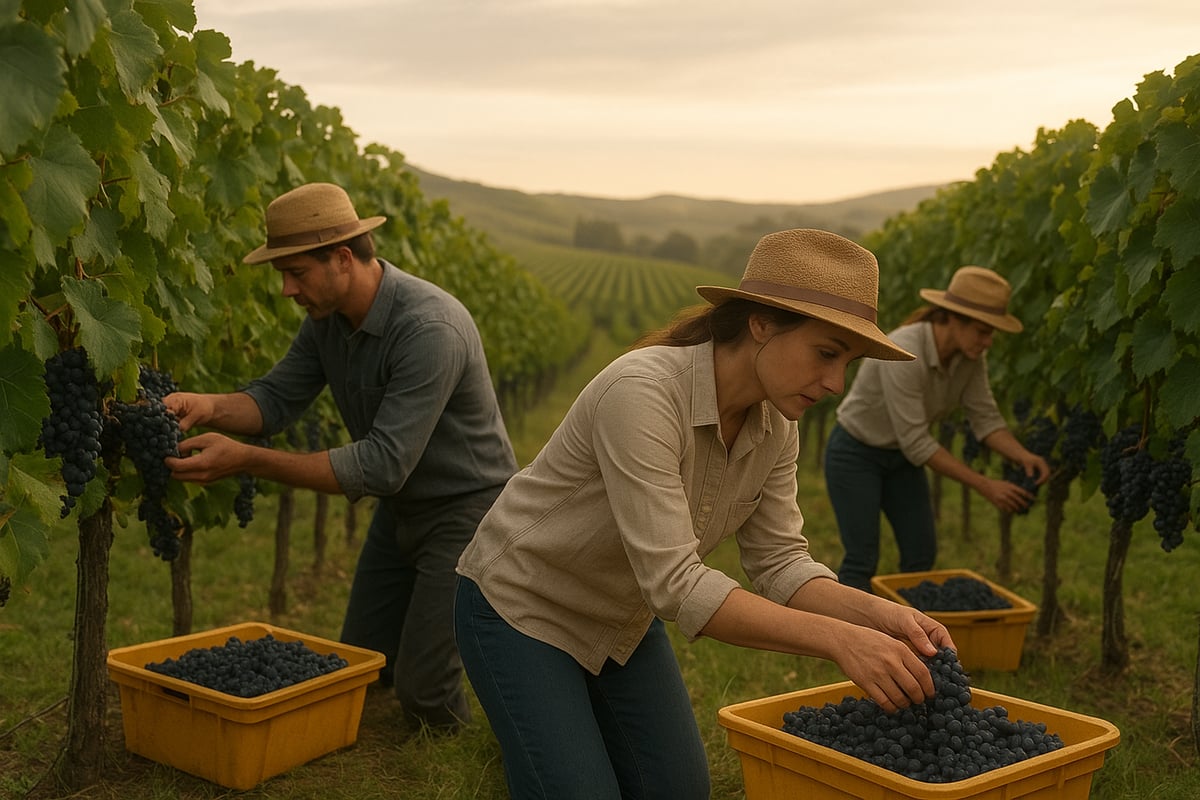
Now, let’s talk about how you actually get those grapes off the vine. Hand-picking is gentle, letting you select only the best bunches. This method is often chosen for premium wines, where quality matters most. Machine harvesting is faster and less costly, but can be rougher on the fruit.
Hand-harvested grapes often arrive in better shape, with fewer leaves and stems mixed in. Small producers, especially in regions like Waipara, tend to favour hand-picking to protect flavour and aroma. Want to know more about natural harvest techniques? Check out these Pinot Noir Winemaking Insights for a closer look at the vines to wine approach.
Choosing the right method depends on your vineyard size, budget, and the style you hope to create. For most home winemakers, hand-picking is the way to go, offering a personal connection to your wine.
Handling and Transporting Grapes
Once the grapes are picked, gentle handling is vital. You want to keep the berries whole, avoiding crushing or bruising. On-site sorting helps remove any damaged fruit or leaves, ensuring only the best grapes continue the vines to wine journey.
Speed matters too. The quicker you can get grapes to the winery, the fresher and cleaner the juice will be. Temperature control is key, especially on warm days. Many boutique New Zealand vineyards use small bins and chilled transport to protect quality.
Careful handling at this stage keeps unwanted flavours out and lets the true character of your grapes shine. Every small step helps you pour a glass that captures the best of your hard work.
From Grapes to Wine: The Winemaking Process
Turning grapes into wine is where the magic truly happens. This step is at the heart of your vines to wine adventure. Every winemaker, whether at home or in a boutique estate, follows this transformation with care and excitement.
Crushing, Destemming, and Pressing
Once you harvest, the first step is to separate the grapes from their stems. This process, called destemming, helps avoid harsh flavours in your finished wine. Some winemakers, especially with Pinot Noir, might leave a portion of whole bunches for extra complexity.
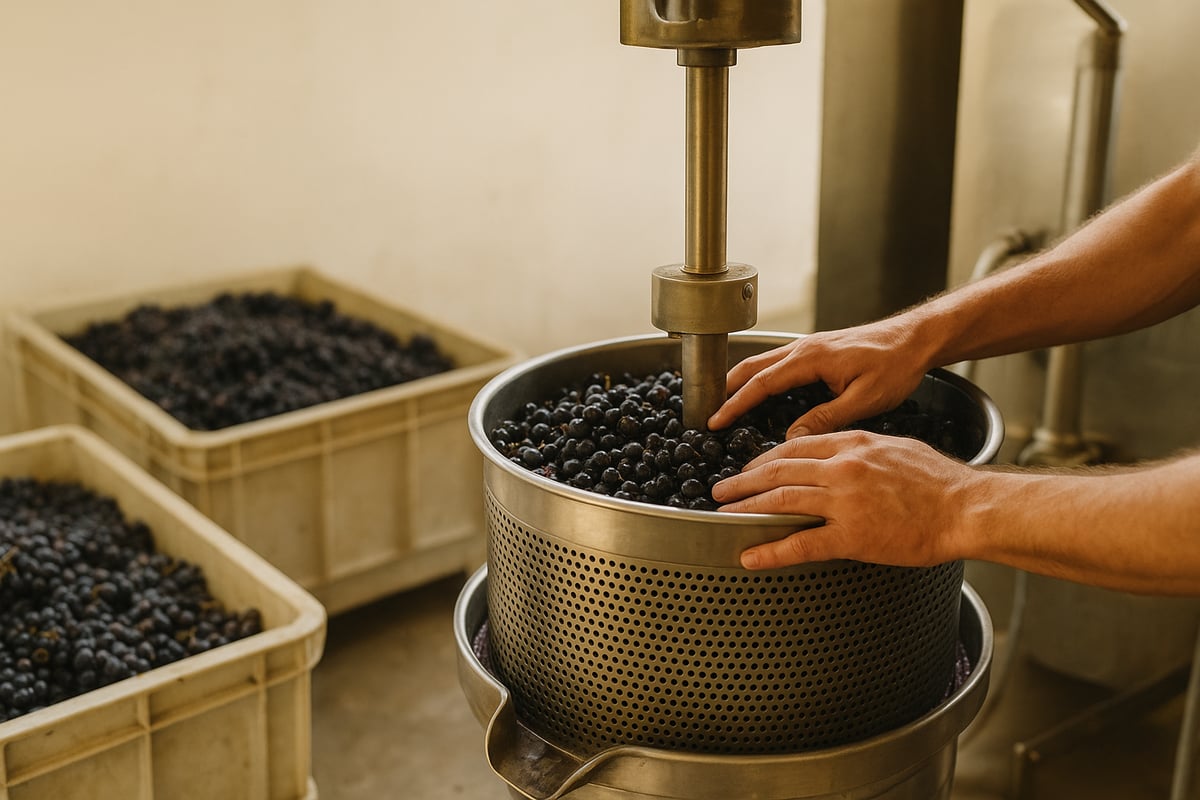
Next comes crushing. Here, you gently break the skins to release juice. For small batches, a basket press is perfect. It presses slowly and gently, protecting delicate aromas. Larger setups might use pneumatic presses for greater control.
The way you press matters. Gentle pressing keeps tannins soft and preserves fruitiness. For vines to wine success, always start with clean equipment and sort your grapes well. Home winemakers in New Zealand often find that small details, like careful pressing, make a big difference in the glass.
Want to dive deeper into these steps? The New Zealand Wine Textbook offers a great technical guide for every stage, no matter your experience.
Fermentation: Turning Juice into Wine
Fermentation is where the grape juice becomes wine. Natural yeasts from the vineyard or cultured yeasts both get the job done, but they shape flavours differently. Many New Zealand winemakers love using natural yeast to show off their terroir.
Temperature control is key. Cooler ferments keep white wines fresh, while warmer ferments help red wines like Pinot Noir develop colour and body. Stainless steel tanks, oak barrels, and even clay vessels all offer unique results.
During red fermentation, you might hear about punchdowns. This means pushing grape skins back into the juice to extract colour and flavour. Winemakers check sugar levels daily, watching as they drop and alcohol rises. Choosing the right vessel and yeast can make your vines to wine journey truly unique.
Maturation and Ageing
After fermentation, your wine needs time to mature. Ageing can happen in stainless steel, oak barrels, or even concrete eggs. Each vessel shapes the wine’s aromas, texture, and complexity. Stainless steel keeps things crisp, while oak adds spice and softens tannins.
Red wines, especially Pinot Noir, often age in oak barrels for 12 to 18 months. Whites might need less time, sometimes just a few months in tank. Regular tasting helps decide when your wine is ready for bottling.
Patience is key. Your vines to wine process ends with a wine that reflects your care and the land it came from. When it’s time to enjoy, you’ll taste the journey in every sip.
Bottling and Cellaring
Bottling and cellaring are the final steps in your vines to wine adventure. These moments turn your hard work into something you can share and savour. Let’s walk through each step so your wine reaches its full potential.

The Bottling Process
Cleanliness is key. You want every bottle spotless and dry before use. Prepare your bottles by rinsing with hot water and a sulphite solution.
Choose your closure. Corks are traditional, but screwcaps are popular in New Zealand. Both help protect your vines to wine creation.
Minimise oxygen contact when filling. Use a siphon or a small bottling wand to keep things gentle. Fill bottles to just below the neck.
Label your bottles clearly. Include the vintage, grape variety, and any special notes. Check if you need to meet any local legal requirements for labelling.
For small batches, bottle by hand. Take your time, work in a clean space, and enjoy the ritual. Your patience now pays off later.
Storing and Ageing Wine at Home
Store your bottles in a cool, dark place. Aim for a steady temperature around 12–15°C, with humidity at 60–70 percent. Keep bottles lying on their side if using corks.
Short-term storage is fine for fresh, fruity wines. If you want to age your vines to wine, choose a spot away from sunlight and vibration.
Different varieties age differently. Pinot Noir, for example, develops complex flavours over several years. To learn more, read about cellaring and ageing Pinot Noir.
How do you know when your wine is ready? Taste a bottle each year. Notice how the aroma and texture change. Trust your senses and enjoy the journey.
Enjoying the Fruits of Your Labour
Pour a glass and look at the colour. Swirl, sniff, and take a sip. Pair your vines to wine with local cheeses or roast lamb.
Share your wine with friends and family. Celebrate how far you’ve come—from grape to glass.
Exploring Premium Pinot Noir: The Fancrest Estate Example
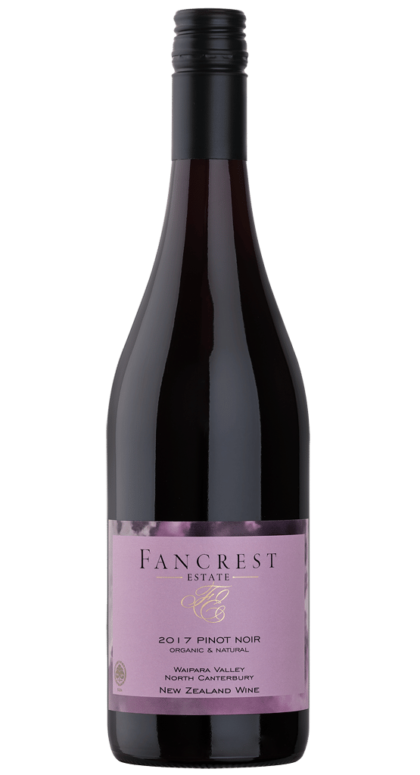
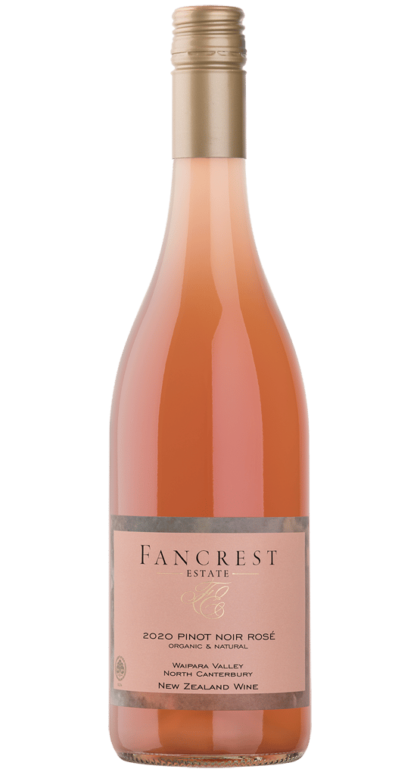
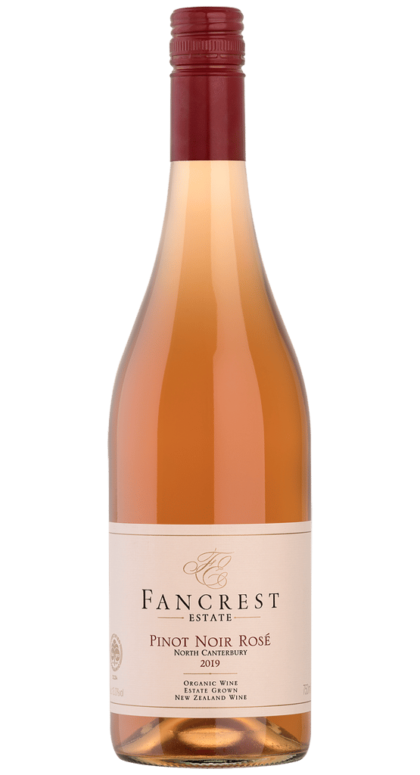
Ever dreamed of tasting a wine where every detail matters? Fancrest Estate in Waipara, North Canterbury, is where passion for vines to wine comes alive. Here, you’ll discover a philosophy built on organic, artisanal, and sustainable winemaking. Every decision, from soil to bottle, is made with care for both the land and the final glass you enjoy.
The vineyard sits high on the Waipara hills, soaking up the sun and cool breezes that Pinot Noir loves. This special spot is known for its unique terroir, giving Fancrest’s wines a true sense of place. If you’re curious about what makes Waipara and other regions tick, check out the New Zealand Wine Expert Guide for more insights.
Fancrest Estate uses certified organic methods to keep vines healthy and the wine pure. They rely on wild yeasts from the vineyard itself, letting nature guide the transformation from vines to wine. Grapes are hand-picked, and the winemaking process uses minimal intervention, so every bottle reflects the vineyard’s character.
Patience is key here. Wines are aged before release, giving them depth and complexity. You won’t find these bottles on every shelf. Fancrest Estate sells exclusively online, sharing their vines to wine journey directly with you.
Ready to experience the craft for yourself? Explore Fancrest Estate’s range and bring a taste of Waipara Pinot Noir into your home. There’s nothing quite like sharing a wine that’s a true labour of love.
So, after following the journey from vine to wine, you can really see how much care and passion goes into every bottle—especially when it comes to Pinot Noir grown in a place like Waipara. If you’re curious to experience the difference for yourself, why not take a look at what Fancrest Estate has crafted? Their wines tell the story of the land and the people behind them. Whether you’re just starting out or you’ve been a wine lover for years, exploring their selection could be your next great adventure. Explore our wine selection here..