

The Truth About Vegan Wines and Fining Agents Used in Wine
When discussing vegan wines, it's essential to consider the role of fining agents used in wine production. Fining agents, which help clarify the wine, can sometimes include animal-derived substances, which are not suitable for vegans.

Regardless of whether a wine is certified Organic or Biodynamic, it may not be suitable for Vegans.
Understanding the various fining agents used in wine can enlighten consumers on what they are drinking. Many winemakers prioritize clarity and quality, but this often involves using fining agents that may compromise vegan integrity.
The debate surrounding vegan wines often leads to misconceptions. While many wines may be labelled organic or biodynamic, this does not inherently mean they are vegan-friendly. The production methods and materials used can vary significantly.
Some fining agents used in wine production are derived from animals. This raises valid concerns for those adhering to a vegan lifestyle, highlighting the importance of knowing which fining agents are used in wine.
Moreover, the origin of fining agents used in wine may impact the wine’s overall quality and clarity. It's vital to understand how these agents influence the final product.
For instance, some winemakers might use natural sediment as a fining agent, which can vary in its impact on the overall clarity and texture of the wine. Yet, clarity does not always equate to quality, as many aficionados appreciate the character of unfiltered wines.
Many consumers may not be aware that these fining agents can consist of animal-derived products, bringing into question the integrity of the wine for those who adhere to a vegan lifestyle. This is where transparency in wine production becomes crucial.
During the clarification process, winemakers often seek to enhance the wine’s appearance, but at what cost? The origin of fining agents can be a significant concern. For example, gelatin is derived from animal collagen, and its use may render what could otherwise be a vegan product unsuitable.
Most producers, apart from Natural Wine producers like Fancrest Estate, try to present their wines as perfectly brilliant and clear, without any hint of cloudiness.
Furthermore, it’s essential to highlight that the use of these agents is not uniformly regulated across the industry. This lack of standardisation can lead to confusion among consumers. As more people lean towards plant-based diets, the demand for vegan wines is on the rise, prompting producers to rethink their processes.
It's also worth noting that vegan-friendly fining methods are becoming more prevalent, thus enhancing the appeal of wines that don't rely on traditional animal-based fining agents used in wine production.
The process they use to remove all the particles that contribute to cloudiness is called clarification.
As the market for vegan wines grows, many producers are opting for alternative fining agents that do not compromise their products' vegan status. This shift reflects a broader trend toward transparency regarding the fining agents used in wine.
During this process the winemaker will usually add "Fining agents" to the fermenting wine. It was discovered a long time ago that many of these troublesome particles carry a small electric charge, and that by adding something else with the opposite charge, the particles bond together and either sink to the bottom or float to the top of the wine where they are more easily separated out, usually by filtration, leaving clear wine behind. This is important to understand when considering the use of fining agents used in wine.
The awareness around the fining process is crucial as it directly affects the wine's compatibility with vegan diets. For consumers who are keen to avoid animal products, understanding the fining agents used in wine is paramount.
It is heartening to see a growing number of wineries opting for vegan-friendly methods. Many are experimenting with alternatives like bentonite clay, pea protein, and activated charcoal to achieve the desired clarity without compromising their vegan status.
As a result, the landscape of vegan wines is rapidly evolving. More producers, such as Fancrest Estate, are leading the charge by offering wines that are not only unfiltered but also free from any fining agents. This commitment to transparency has garnered a following among vegan and health-conscious consumers.
Does your wine contain traces of dairy, egg, or maybe even fish? Understanding the fining agents used in wine is critical.
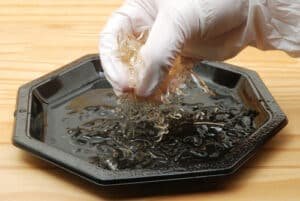
Traditionally the most commonly used fining agents were casein (a milk protein), albumin (egg whites), gelatin (animal protein usually from hooves) and isinglass (fish bladder protein). These fining agents are strictly speaking not wine additives as very little remains behind in the wine after processing if the job is done right.
However Vegans have zero tolerance for any residual fining agent in the wine.
At Fancrest Estate we neither use fining agents nor do we filter our wine making them 100% suitable for Vegans. Our choice does however result in wines that are naturally a little cloudy.