What makes the best wine? It's not just about fancy labels or prestigious regions. The best wine comes from living, breathing vineyards where every element works in harmony. From vibrant soil ecosystems to wild yeasts that transform carefully tended grapes, truly exceptional wines tell the story of their origin. When you understand the difference between rushed commercial production and patient, hands-on craftsmanship, you'll never settle for ordinary wine again.
The Living Vineyard Makes the Difference
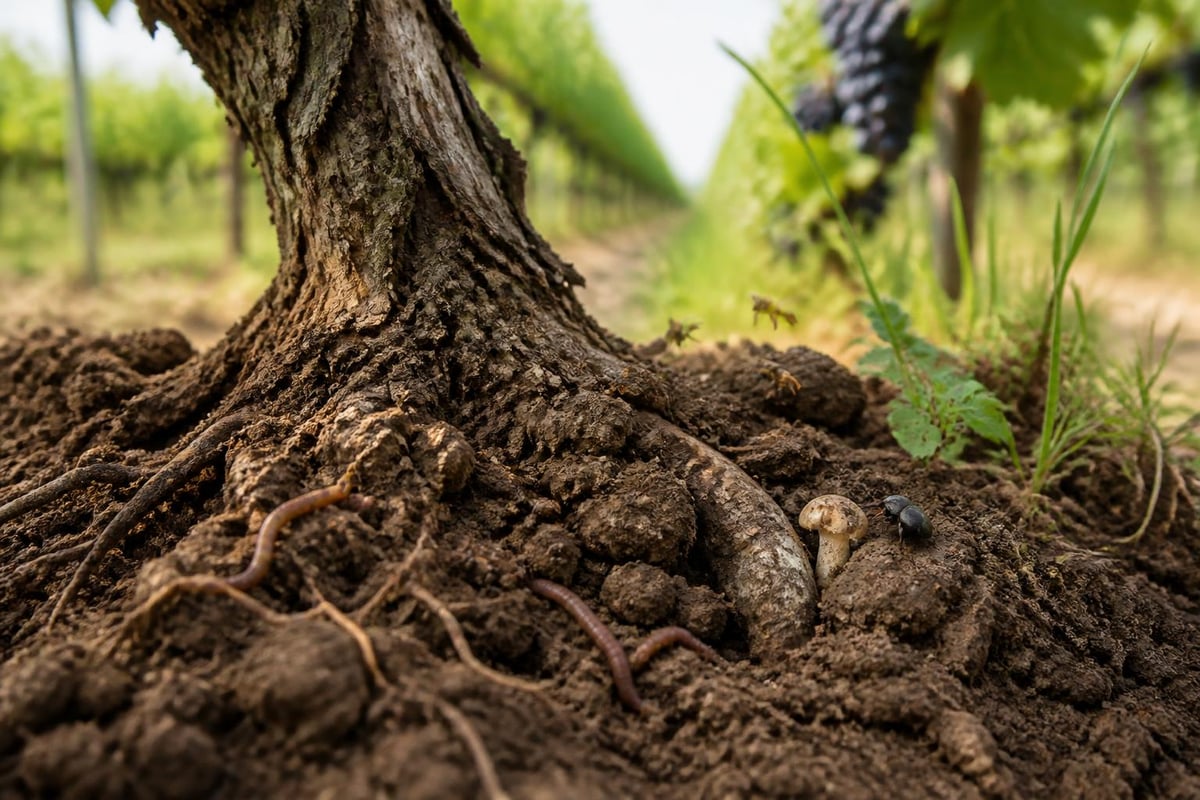
The best wine begins in the soil.
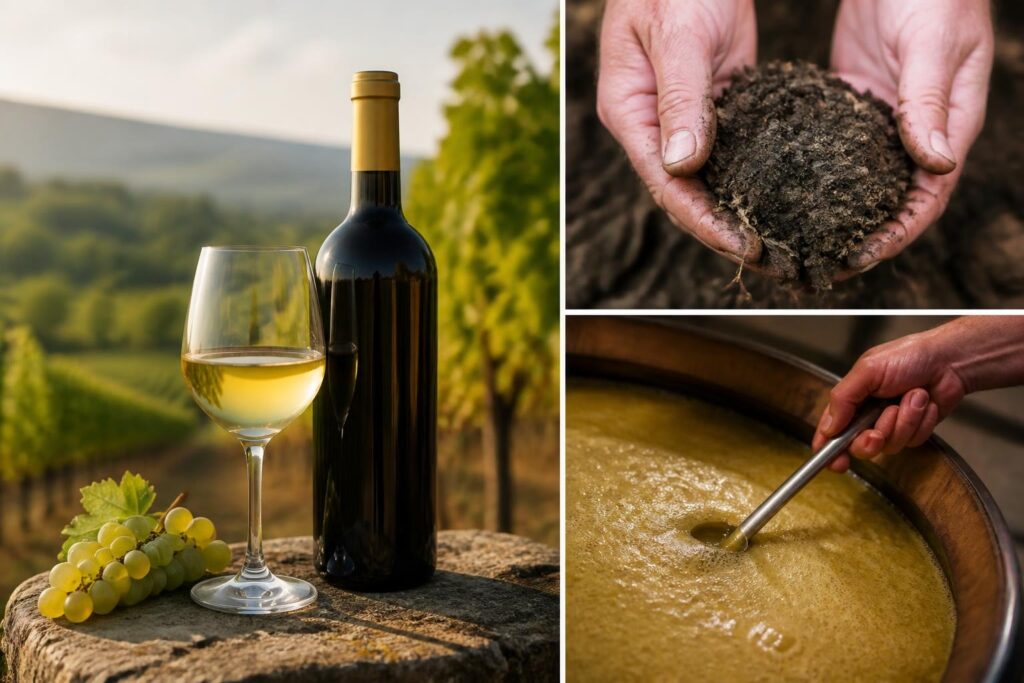
Organic vineyards teem with life. Beneficial insects, microorganisms, and earthworms create a complex ecosystem that feeds the vines naturally. This biodiversity isn't just good for the environment. It's essential for developing grapes with genuine character and depth.
When you compare organic viticulture to conventional methods, the differences are striking:
| Organic Approach | Conventional Approach |
|---|---|
| Living soil ecosystem | Chemical dependency |
| Natural pest management | Synthetic pesticides |
| Wild yeast fermentation | Commercial yeast strains |
| Patient ageing process | Rush to market |
Commercial wineries often treat grapes as commodities. They rush production to meet market demands. The result? Generic wines that taste the same year after year, with little connection to place or season.
The Rhythm of the Seasons in New Zealand
New Zealand's boutique vineyards follow nature's calendar, not corporate timelines.
Spring brings budbreak and the careful work of canopy management. Summer demands constant vigilance as grapes ripen under the southern sun. Autumn's harvest requires split-second decisions about perfect picking times. Winter offers a brief respite before the cycle begins again.
In small family-owned operations, the winemaker often works the vines personally. This hands-on approach creates an intimate knowledge of every row, every vine, sometimes every individual plant. You can't replicate this understanding in large-scale operations where workers rotate through sections they barely know.
The Personal Touch from Vine to Bottle
When one person tends the vines throughout the season, they notice subtle changes. A slight colour shift in the leaves. The way morning dew settles differently in certain blocks. These observations inform critical decisions about:
- Pruning techniques for optimal fruit quality
- Canopy management to balance sun exposure
- Harvest timing for peak flavour development
- Fermentation approaches that honour the vintage
This intimate relationship between grower and vineyard produces grapes that express their terroir authentically. Wine education resources often emphasize terroir, but they rarely explain how hands-on vineyard work brings it to life.
Wild Yeasts Create Authentic Character
Commercial wineries typically use laboratory-cultured yeasts. These produce predictable, reliable results. They also create sameness.
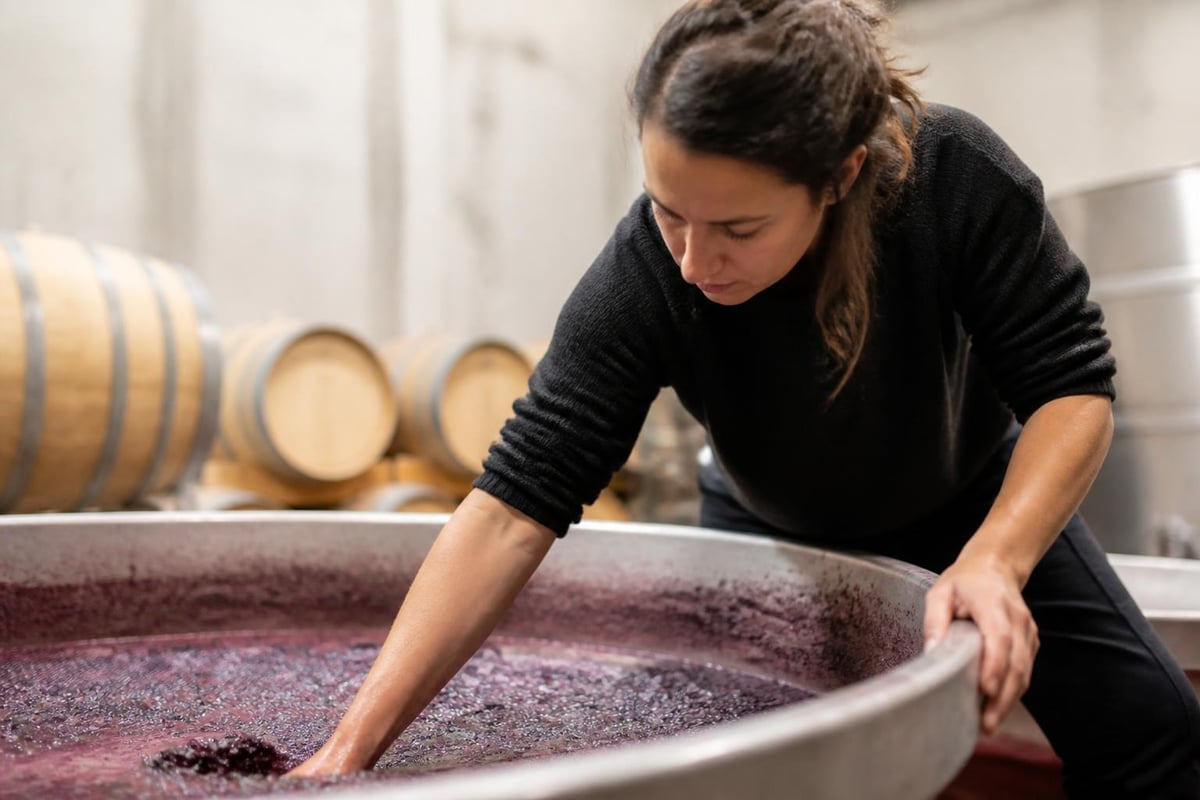
The best wine embraces complexity through natural fermentation. Wild yeasts living on grape skins and in the winery environment conduct fermentation. Each vintage develops its own unique character.
This approach requires courage. Natural fermentation takes longer and demands careful monitoring. But the rewards are extraordinary. You get wines with layers of flavour that manufactured yeasts simply cannot create.
Patience Rewarded Through Proper Ageing
Here's where many modern wineries fail their wines. Market pressure pushes them to release products quickly. Young wines hit shelves before they've had time to integrate and develop.
The best wine requires patience. Proper cellaring allows:
- Tannins to soften and integrate
- Fruit flavours to evolve complexity
- Oak influences to harmonize
- Secondary characteristics to emerge
- Overall balance to develop
Leading wine publications consistently rate aged wines higher than their rushed counterparts. There's scientific basis for this. Chemical reactions during ageing create compounds that simply don't exist in young wine.
For Pinot Noir, this patience is particularly crucial. The variety's subtle nature benefits enormously from time. Where a generic Pinot might taste one-dimensional when young, carefully aged examples reveal extraordinary depth.
What Organic Certification Really Means
You've probably seen "organic" on wine labels and wondered if it matters. It absolutely does.
Certified organic viticulture prohibits:
- Synthetic pesticides
- Chemical fertilizers
- Herbicides
- GMO materials
Instead, organic growers rely on compost, cover crops, and biological pest control. This creates healthier vines that produce grapes with more concentrated flavours. The comprehensive wine information available often highlights how organic practices improve wine quality.
But certification goes beyond avoiding chemicals. It represents a philosophy of working with nature rather than against it. The vineyard becomes a complete ecosystem where every element supports wine quality.
Pinot Noir: The Ultimate Expression of Place
Why does Pinot Noir appear so often when discussing the best wine? This variety reveals its origins like no other.
Pinot Noir's thin skin and delicate nature make it challenging to grow. It demands:
- Cool climate conditions
- Well-drained soils
- Careful canopy management
- Gentle handling during winemaking
When these conditions align, especially in regions like Waipara, North Canterbury, the results can be spectacular. Expert wine resources describe Pinot Noir as the "heartbreak grape" because it's so difficult yet so rewarding.
Small-batch organic Pinot Noir represents the pinnacle of artisanal winemaking. Every bottle reflects countless decisions made in the vineyard and winery. You're not just drinking wine. You're experiencing a complete vintage story.
Perfect Pairings and Gift Ideas
The best wine deserves thoughtful presentation. Whether you're planning a special meal or selecting gifts for wine lovers, quality matters more than quantity.
Food Pairing Suggestions
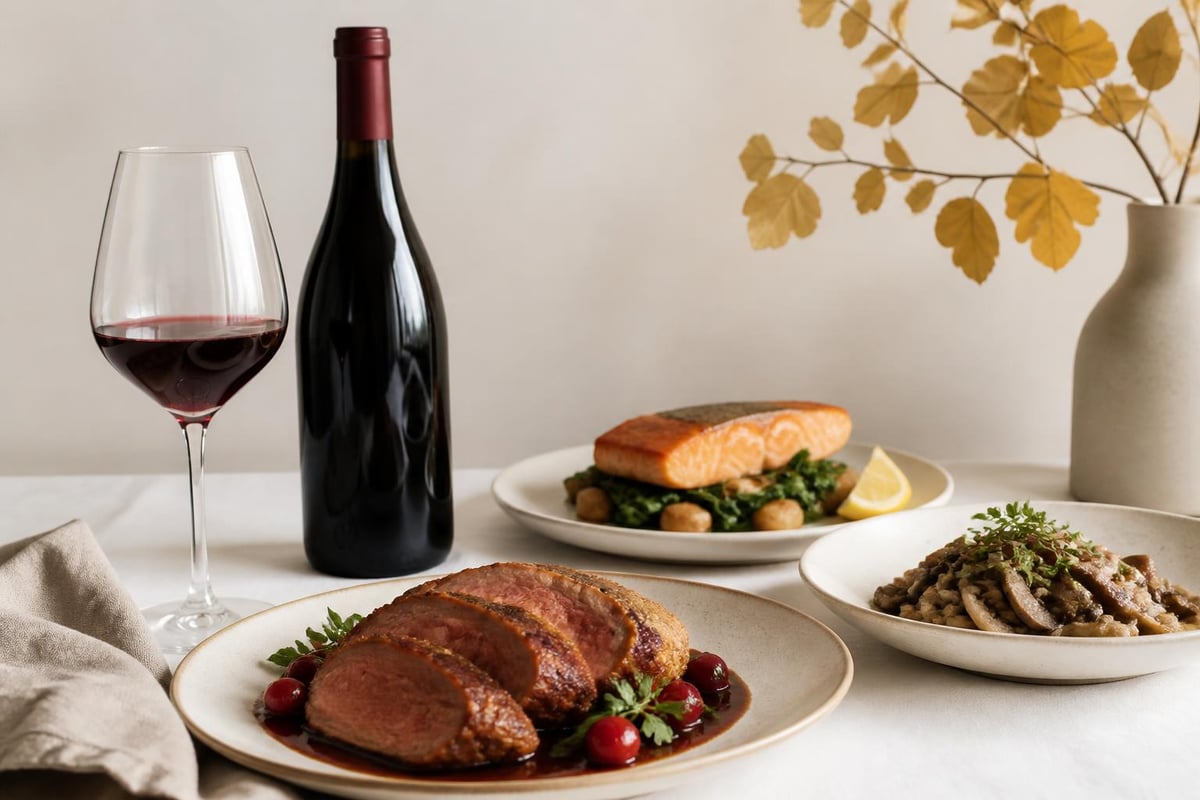
Organic Pinot Noir offers remarkable versatility:
| Dish Type | Why It Works |
|---|---|
| Duck breast | Complements rich, gamey flavours |
| Grilled salmon | Balances fatty fish perfectly |
| Mushroom risotto | Echoes earthy undertones |
| Roasted lamb | Matches medium-bodied structure |
| Aged cheeses | Harmonizes with complex flavours |
The wine's natural acidity and fruit-forward character make it incredibly food-friendly. Unlike heavy reds that overwhelm delicate dishes, well-crafted Pinot Noir enhances without dominating.
Gifts That Impress
When you give artisanal wine, you're sharing something meaningful. Hand-crafted bottles from small producers offer:
- Unique character impossible to find elsewhere
- Connection to place and maker
- Quality that discerning recipients recognize
- Stories worth sharing over dinner
Wine-Searcher's database can help you appreciate the rarity of truly artisanal wines. Mass-market options flood the market, but bottles from dedicated small producers remain distinctive.
Why Direct Purchase Makes Sense
Many boutique wineries sell exclusively online, direct to wine lovers. This model benefits everyone.
You get fresher wine that's been stored properly since bottling. You avoid the markups that retailers and distributors add. Most importantly, you support sustainable, quality-focused winemaking.
Direct relationships between winemakers and wine drinkers create accountability. When someone puts their name and reputation on every bottle, they ensure it meets their standards. No middlemen, no compromises, just authentic wine that represents genuine craftsmanship.
The wine industry insights increasingly highlight this direct-to-consumer trend. It's not just convenient. It's about connecting with the people who actually made your wine.
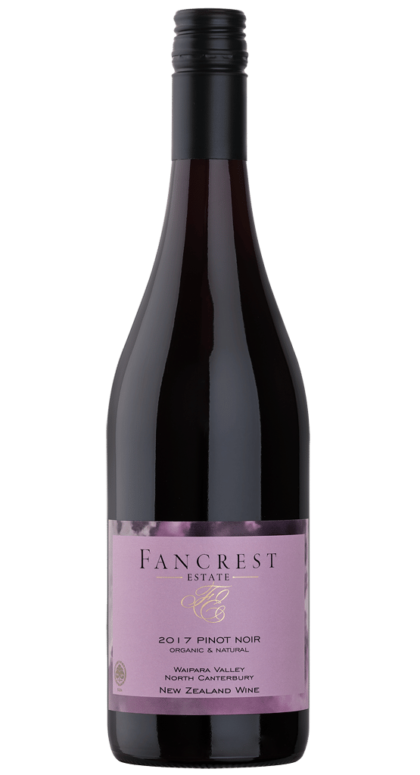
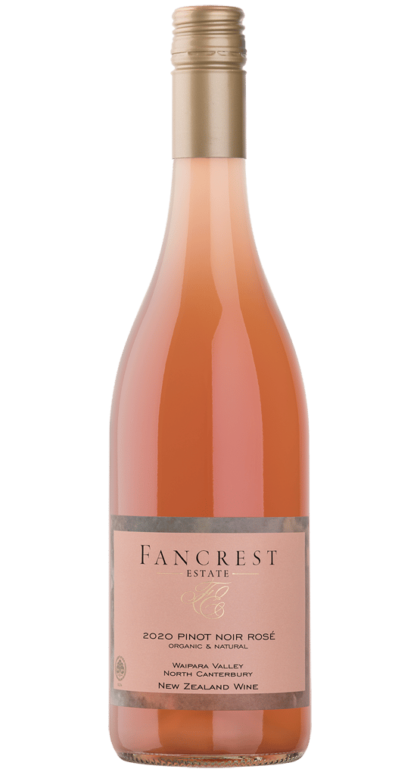
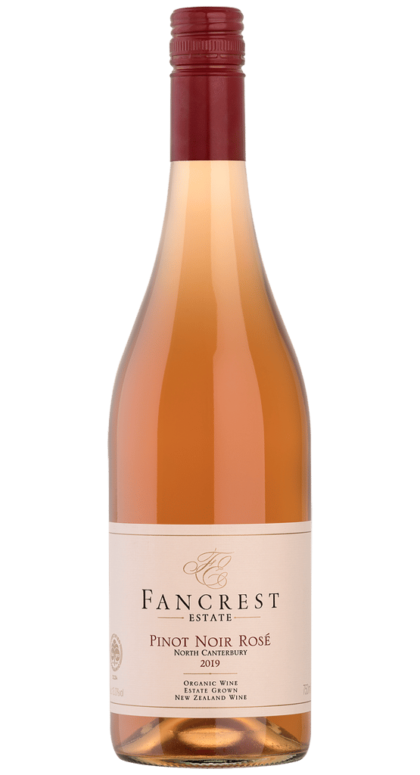
The best wine comes from living vineyards where patient, hands-on work creates authentic expressions of place. When you choose wines made with organic practices, natural fermentation, and proper ageing, you're experiencing something genuinely special. Fancrest Estate embodies this philosophy, crafting premium Pinot Noir through certified organic viticulture and natural winemaking in Waipara, North Canterbury, with wines aged to perfection before release. Discover wines that truly express their origin and reward your patience.