
There's something magical about red pinot noir that goes beyond the glass. When you sip a truly organic, hand-crafted pinot noir, you're tasting a living ecosystem. Every bottle tells a story of soil microbes working beneath the vines, wild yeasts dancing through fermentation, and hands carefully tending clusters throughout the seasons. This isn't just wine. It's a conversation between earth, vine, and winemaker that captures a specific place and time in liquid form.
The Living Ecosystem Behind Red Pinot Noir
Red pinot noir begins its journey in the soil, and that's where organic viticulture truly shines.
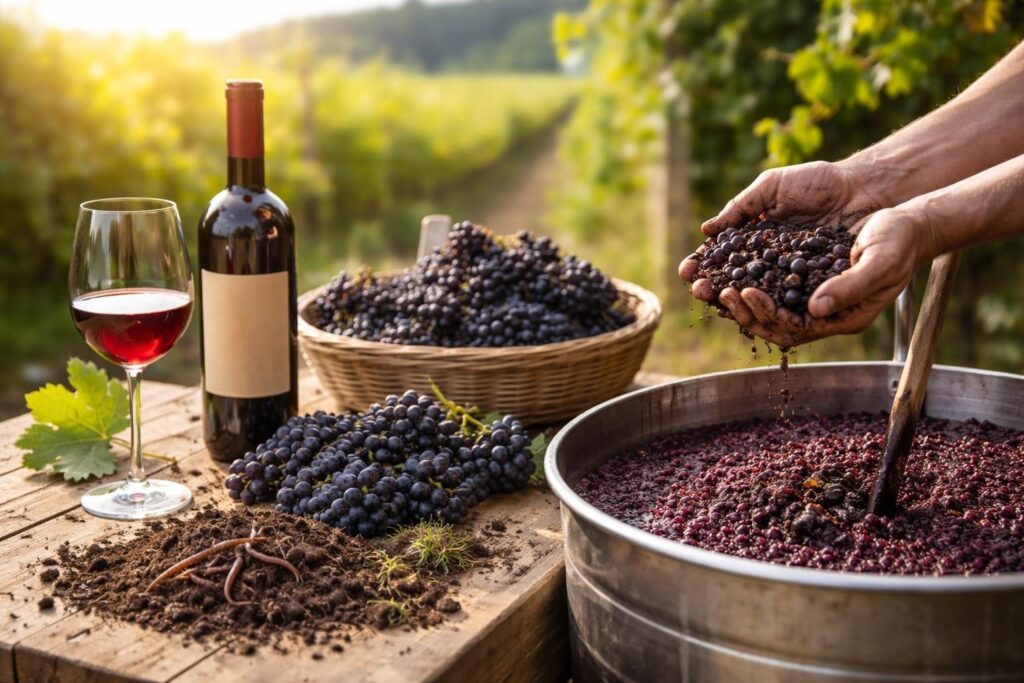
The underground world beneath pinot noir vines teems with life. Beneficial fungi form mycorrhizal networks with vine roots, trading nutrients for sugars. Earthworms aerate the soil while bacteria break down organic matter into accessible nutrition. This living web creates complexity you can taste in the finished wine.
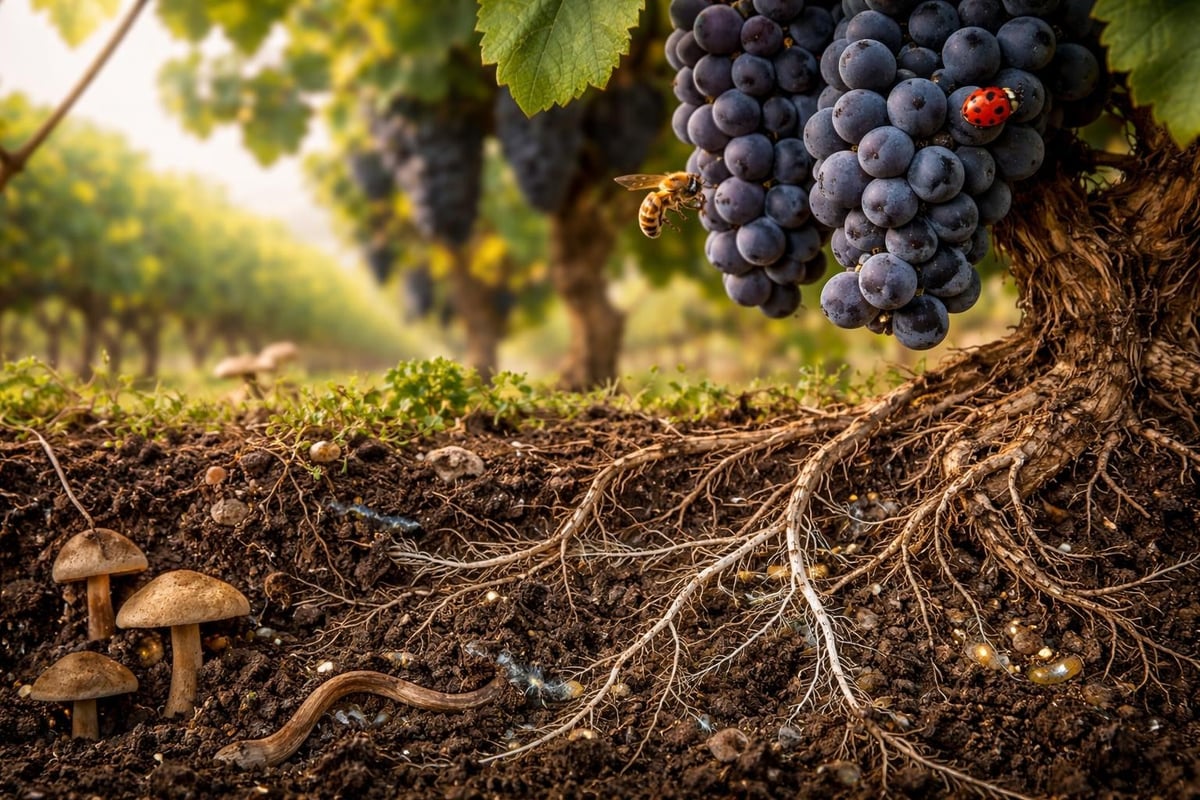
When you choose certified organic practices, you're protecting this invisible workforce.
Biodiversity Creates Character
Small-batch organic vineyards become entire ecosystems. Native grasses between vine rows attract beneficial insects. Predatory mites control spider mites naturally. Lacewings hunt aphids while bees pollinate cover crops that later enrich the soil.
This biodiversity doesn't just protect vines. It creates microclimates and influences grape development in subtle ways. The resulting red pinot noir grapes express their environment with honesty and depth.
Birds patrol for insects at dawn. Spiders weave webs among the canes. Everything connects in a balanced system that conventional viticulture disrupts with synthetic interventions.
Hand-Crafted From Bud Break to Bottle
Making exceptional red pinot noir requires constant attention and personal connection to every vine.
The work begins in winter during pruning. Each cut shapes the vine's energy for the coming season. Too many buds dilute quality. Too few reduce yield unnecessarily. This balance comes from knowing individual vines over years.
Key stages in artisanal pinot noir production:
- Winter pruning by hand to balance vigour and fruit load
- Spring bud counting and shoot thinning for optimal canopy
- Summer leaf removal to expose fruit to morning sun
- Harvest timing based on taste, not just sugar levels
- Gentle hand sorting to remove imperfect berries
- Natural fermentation with indigenous yeasts
- Extended aging before release
Each step demands decisions based on observation rather than formulas.
The Personality of Wild Yeasts
Here's where red pinot noir truly comes alive. Commercial yeasts create predictable wines. Wild yeasts create conversation.
Indigenous yeasts live on grape skins and in the winery atmosphere. They're unique to each vineyard and vintage. When you let them drive fermentation naturally, they add layers of complexity no laboratory strain can replicate.
The fermentation might take longer. The process requires more monitoring. But the result captures something genuinely unique to that specific place and harvest.
These microscopic organisms are very much alive, transforming grape sugars into alcohol while creating hundreds of flavour compounds. They respond to temperature, oxygen, and nutrients in ways that reflect their wild nature.
Small Batches, Maximum Attention
Volume and quality exist in tension. Small-batch production resolves this beautifully.
When you're making 500 cases instead of 50,000, every barrel receives individual attention. You can taste each one regularly. Adjust oak levels precisely. Blend with surgical precision rather than rough approximation.
| Small Batch Advantages | Large Production Compromises |
|---|---|
| Individual barrel monitoring | Batch averaging required |
| Hand sorting every grape | Mechanical processing |
| Natural yeasts manageable | Commercial yeasts necessary |
| Flexible harvest timing | Logistical constraints |
| Personal quality decisions | Committee compromises |
This intimacy with each stage creates red pinot noir that expresses intention and care.
The Waipara Advantage
Waipara's North Canterbury location offers particular gifts to pinot noir. The region benefits from warm days and cool nights during ripening. This diurnal temperature range preserves acidity while developing complex flavours.
Limestone soils provide excellent drainage and mineral character. The nor'west föhn winds reduce disease pressure naturally. These conditions align perfectly with organic practices.
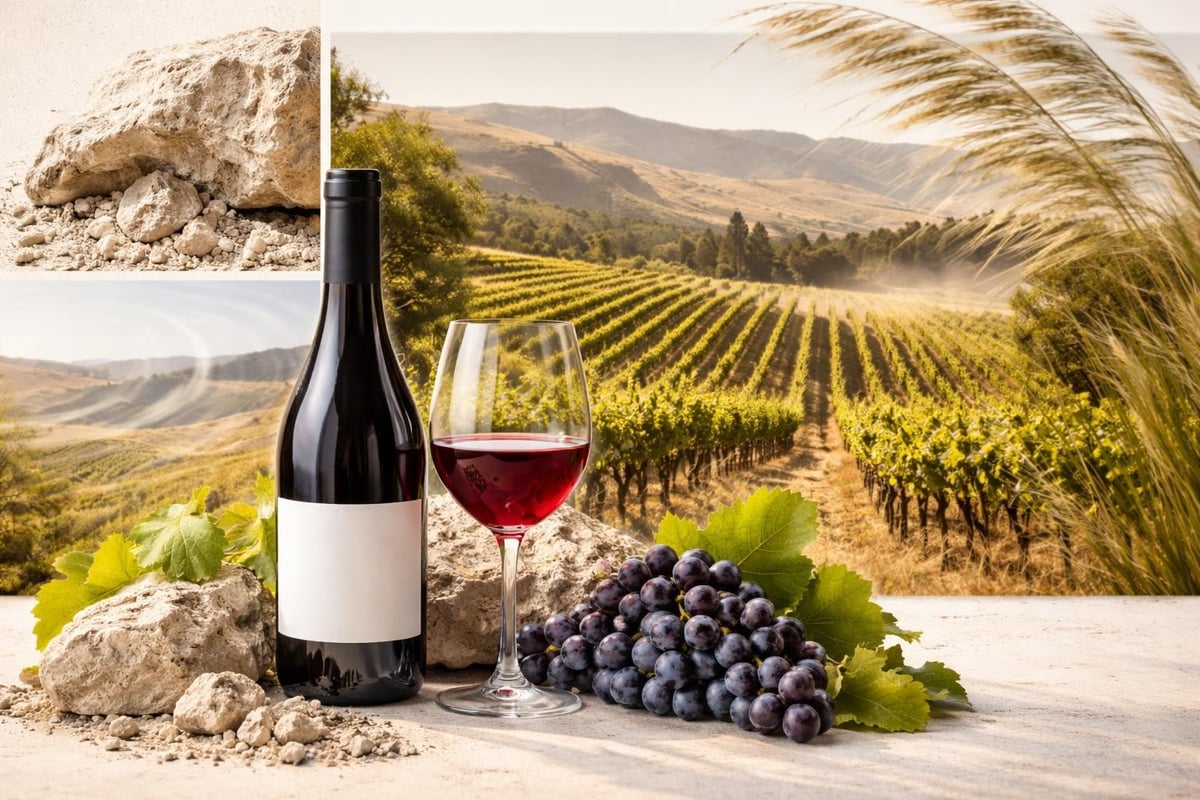
New Zealand's pinot noir regions have gained international recognition. Research continues to refine production techniques while respecting the variety's delicate nature.
The cool climate coaxes elegant rather than heavy wines from pinot noir. You get bright red fruit, silky tannins, and remarkable aging potential.
The Hands-On Harvest Moment
Harvest timing separates good red pinot noir from exceptional.
Sugar levels tell part of the story. pH and acidity matter enormously. But the ultimate decision comes from tasting berries in the vineyard, day after day, as harvest approaches.
You're looking for flavour ripeness, not just physiological ripeness. The seeds should taste nutty rather than green. Skins should have developed their full flavour potential. This requires judgment earned over years, not readings from instruments.
Signs of optimal pinot noir harvest readiness:
- Seeds turn brown and taste pleasant when chewed
- Skins separate easily from pulp with gentle pressure
- Stems begin lignifying (turning woody) at the base
- Flavour intensity peaks while acidity remains vibrant
- Weather forecast supports picking timing
Small producers can respond quickly. If conditions turn perfect on Tuesday, you harvest Wednesday. Large operations need weeks of advance planning.
Gentle Handling Preserves Quality
Pinot noir's thin skins bruise easily. Rough handling releases bitter compounds and starts oxidation.
Hand harvesting into small bins prevents crushing. Grapes arrive at the winery intact rather than broken. Sorting tables allow removing any less-than-perfect fruit before it enters the fermentation vessel.
This gentleness extends through every stage. Pump-overs rather than punch-downs during fermentation. Gravity flow instead of harsh pumping. Minimal handling preserves the delicate character pinot noir offers when treated respectfully.
Natural Fermentation's Living Drama
When wild yeasts begin fermenting red pinot noir, something unpredictable and magical unfolds.
Different yeast species dominate at different stages. Some start the process but can't tolerate rising alcohol. Others wait for specific conditions before becoming active. The succession creates complexity in aroma and flavour.
You can't rush it. Natural fermentation takes its own time, sometimes twice as long as commercial yeast versions. But patience rewards you with wines that taste alive and complete.
Managing the Wild Side
Natural fermentation requires more attention than inoculated versions. Temperature must stay within reasonable ranges without becoming too controlled. Nutrients might need supplementing if the must (grape juice) lacks natural balance.
Daily tasting tracks progress. The wine tells you what it needs through subtle changes in flavour and structure. This dialogue between winemaker and fermenting juice creates truly artisanal results.
Some ferments finish quickly. Others slow down and require coaxing. Each barrel develops its own personality, just like the varied expressions of pinot noir from different Burgundian climats.
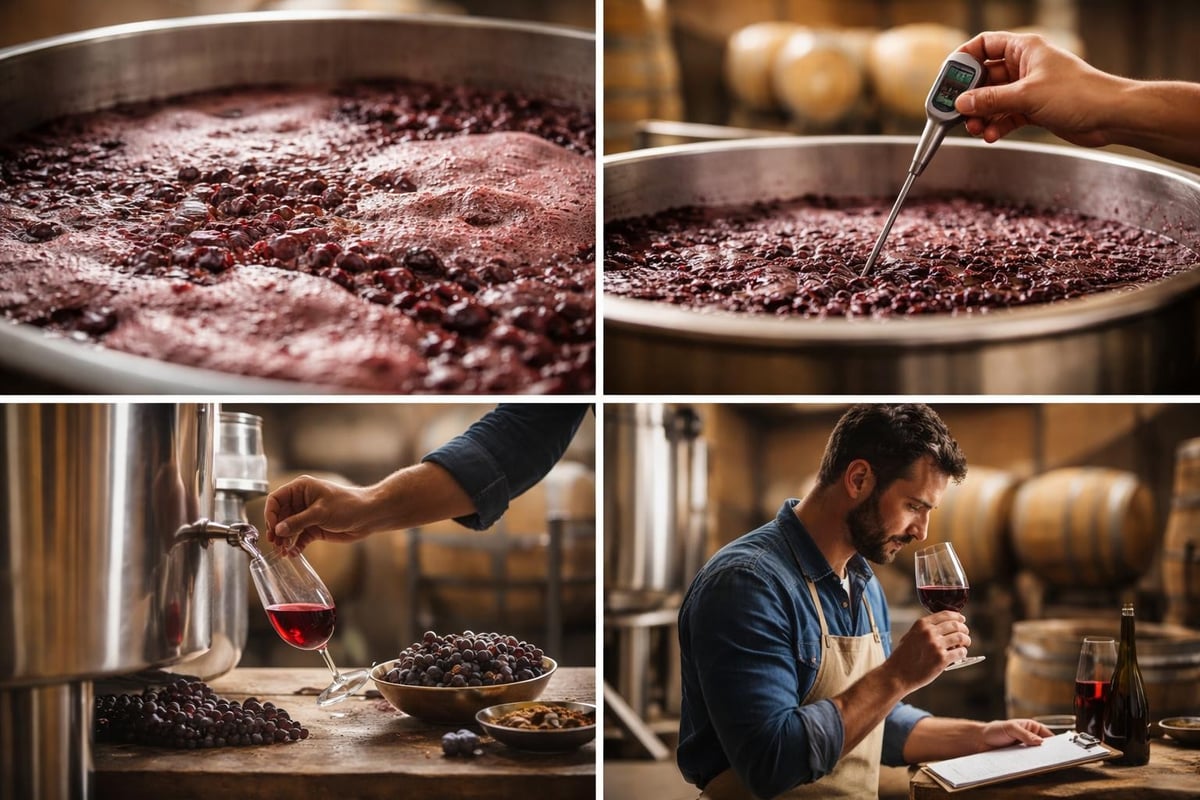
Aging: Time's Essential Contribution
Red pinot noir needs time to integrate and evolve. Rushing it to market does the wine and drinker a disservice.
Oak aging softens tannins and adds complexity. But pinot noir demands restraint with new oak. Too much overwhelms the variety's delicate fruit and earthy characteristics. Many artisanal producers use only a portion of new barrels, with the rest being seasoned oak.
Optimal aging considerations:
- Time in barrel (typically 10-16 months for pinot noir)
- Percentage of new oak versus neutral barrels
- Toast level selection (light to medium suits pinot best)
- French oak versus other origins (French is traditional)
- Bottle aging before release (essential for development)
The wine continues evolving after bottling. Releasing red pinot noir only when it's genuinely ready requires financial patience. But it ensures you experience the wine at its best.
The Bottle Aging Transformation
What happens in bottle can't be rushed. Tannins polymerize and soften. Fruit flavours evolve from primary to secondary. The wine becomes more seamless and integrated.
Pinot noir particularly benefits from this rest period. The variety shows pronounced bottle bouquet development. Earthy, mushroom, and forest floor notes emerge alongside the fruit. These tertiary characters define mature pinot noir's complexity.
Releasing wines before this integration occurs robs drinkers of the full experience. Small producers can afford to hold stock longer because they're not servicing massive distribution networks demanding constant product flow.
Organic Certification Means Accountability
Anyone can claim organic practices. Certification provides verified accountability.
Annual inspections ensure compliance with strict standards. Synthetic pesticides, herbicides, and fertilizers remain prohibited. Record-keeping documents every vineyard input. This transparency builds trust.
For red pinot noir specifically, organic certification means the grapes come from genuinely living soil. The ecosystem's health directly influences wine quality and character.
| Organic Requirement | Wine Quality Impact |
|---|---|
| No synthetic pesticides | Cleaner fruit expression |
| Soil health focus | Enhanced mineral character |
| Biodiversity promotion | Complex terroir influence |
| Natural inputs only | Authentic place expression |
The certification process isn't simple or cheap. But it matters for those who want assurance their wine comes from verified sustainable practices.
The Direct Connection to Your Table
Buying directly from small producers creates a different relationship with wine.
You're not purchasing through distribution layers that separate you from origin. Instead, you're connecting with the people who pruned the vines, walked the rows, and made every decision from bud to bottle.
This direct model allows producers to age wines properly before release. There's no pressure to push young wine to market for cash flow. The result? You receive red pinot noir when it's genuinely ready to drink.
Why Small Producers Sell Online
Physical cellar doors require staff, facilities, and limiting their time in the vineyard. Online sales let small family operations focus on what matters most: making exceptional wine.
You get access to carefully crafted wines at fair prices. They avoid wholesale markups and distribution costs. Everyone benefits from this direct connection.
The wines arrive at your door having been aged by the winemaker, not rushed to shelf. You're tasting the producer's vision fully realized rather than a work in progress.
Understanding the Living Product
Red pinot noir from organic, artisanal production isn't a commodity. It's a living expression of a specific place, season, and approach.
Each vintage captures that year's weather patterns, the soil's evolution, and the vineyard ecosystem's health. The wine continues changing in bottle, developing new characteristics as it ages.
This aliveness distinguishes hand-crafted organic pinot noir from industrial wine. You're drinking something that grew from living soil, fermented with wild organisms, and was guided by human hands throughout its creation.
When you understand this living nature, wine becomes more meaningful. You're not just consuming a beverage. You're experiencing agriculture, ecology, and craft combined in your glass.
Sustainable Practices for Future Vintages
True sustainability means protecting the land for future generations. Organic viticulture does this while creating better red pinot noir today.
Healthy soil sequesters carbon. Biodiversity strengthens ecosystem resilience. Natural pest management avoids chemical accumulation. These practices ensure vineyards can continue producing quality grapes decades ahead.
Sustainability benefits beyond certification:
- Improved soil structure and water retention
- Natural pest and disease resistance
- Enhanced vineyard worker health and safety
- Reduced environmental impact overall
- Long-term vineyard productivity
Small family estates have particular motivation for sustainability. They're stewarding land for their children, not maximizing short-term returns for distant shareholders.
The Next Generation's Inheritance
What you pass to the next generation matters. Depleted soil and chemical dependency create difficulties. Vibrant, living soil provides opportunity.
Organic practices rebuild soil health over time. Microbe populations increase. Organic matter accumulates. The vineyard becomes more resilient and productive naturally.
This stewardship approach aligns with climate adaptation strategies becoming necessary as growing conditions shift. Healthy, living systems adapt better than chemically dependent ones.
The Sensory Experience of Living Wine
When you pour exceptional red pinot noir, take a moment before drinking. Notice the clarity and colour. Swirl and observe the wine's movement in the glass.
The aroma should be complex and inviting. You might detect red cherry, strawberry, or cranberry fruits. Earthy notes like mushroom or forest floor. Perhaps hints of spice or dried flowers.
Taste reveals structure and balance. Acidity provides freshness. Tannins give texture without harshness. Fruit, earth, and subtle oak integrate seamlessly. The finish lingers, evolving as the wine opens in your glass.
Pairing With Food and Occasion
Red pinot noir's elegance and moderate body make it remarkably versatile. It pairs beautifully with duck, salmon, mushroom dishes, and mild cheeses.
But it's equally wonderful on its own, inviting contemplation rather than demanding attention. The wine rewards focus but doesn't punish casual enjoyment.
Serving temperature matters. Too cold mutes the aromatics. Too warm emphasizes alcohol. Slightly cool (around 14-16°C) reveals pinot noir's full character.
Regional Expression in Every Bottle
Where grapes grow shapes the wine fundamentally. Waipara's terroir creates red pinot noir distinct from other regions.
The limestone influence brings mineral tension and aging potential. Cool nights preserve the vibrant acidity that gives pinot noir its characteristic freshness. Moderate yields from naturally balanced vines concentrate flavours without heaviness.
New Zealand pinot noir research continues exploring how site and practice combine to create distinctive regional expressions. But ultimately, terroir speaks through the finished wine.
You can taste place when winemaking respects rather than manipulates what the vineyard provides. This honesty defines artisanal production.
Making the Choice for Quality and Values
Every wine purchase supports a production philosophy. When you choose certified organic, small-batch red pinot noir, you're voting for specific values.
You're supporting biodiversity over monoculture. Choosing living soil over chemical dependency. Valuing craft over volume. Preferring patience to rush.
These choices matter beyond your immediate enjoyment. They influence what kind of agriculture thrives and what gets passed to future generations.
The wine tastes better too. That's not romanticism. It's the result of healthier grapes, more careful handling, and greater attention throughout production.
Red pinot noir crafted with organic practices, wild yeasts, and patient aging offers something genuinely special. It's wine as living product rather than manufactured commodity, expressing place and season with honesty.
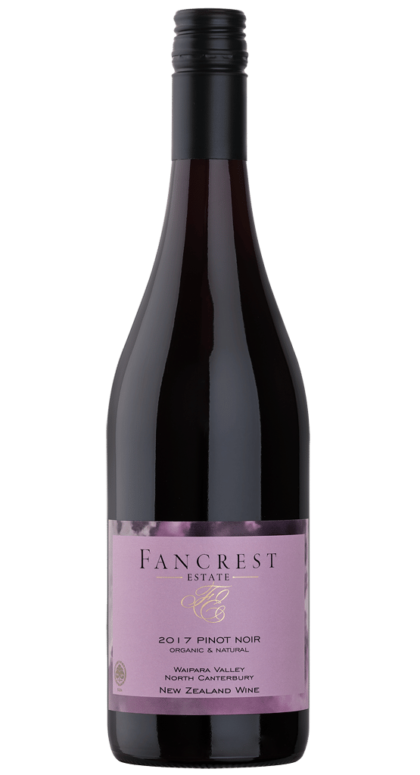
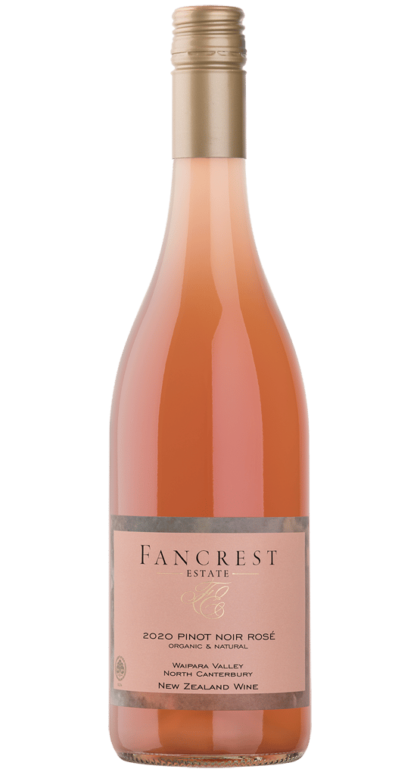
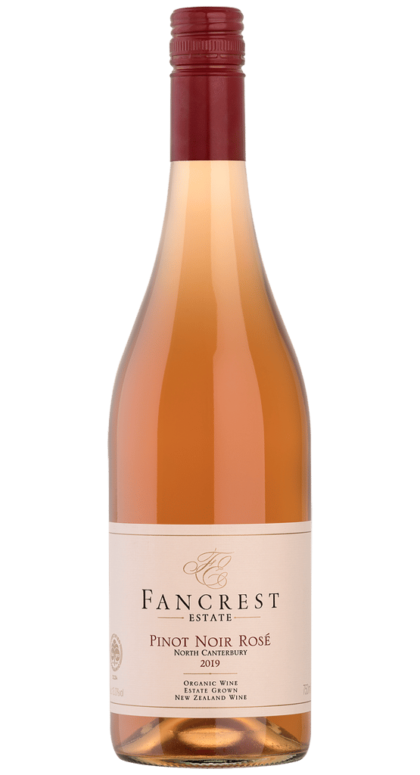
If you're drawn to wines that tell authentic stories and support sustainable viticulture, explore what small family estates create. Fancrest Estate in Waipara specializes in hand-crafted, certified organic pinot noir made with natural vineyard yeasts and aged carefully before release. Experience the difference that living soil and artisanal attention create in every bottle.