
Step into the world of pinot wine, where every glass promises a journey of complexity and elegance. Whether you are new to wine or a seasoned enthusiast, this guide is your passport to the best of pinot wine in 2025.
Discover the fascinating history of this celebrated varietal, explore the unique flavours of Pinot Noir, Pinot Gris, and Pinot Blanc, and find out why New Zealand has become a global hotspot. We will share expert tasting notes, highlight top regions, reveal perfect food pairings, and offer smart buying tips for this year.
Curious to expand your wine horizons? Let’s raise a glass and explore pinot wine together.
The Origins and Evolution of Pinot Wine
The story of pinot wine is as captivating as the wines themselves. At its heart, the Pinot family includes three main characters: Pinot Noir, Pinot Gris, and Pinot Blanc. Each belongs to a group of ancient grape varieties that have given rise to countless mutations and styles, making pinot wine a true chameleon in the world of viticulture.
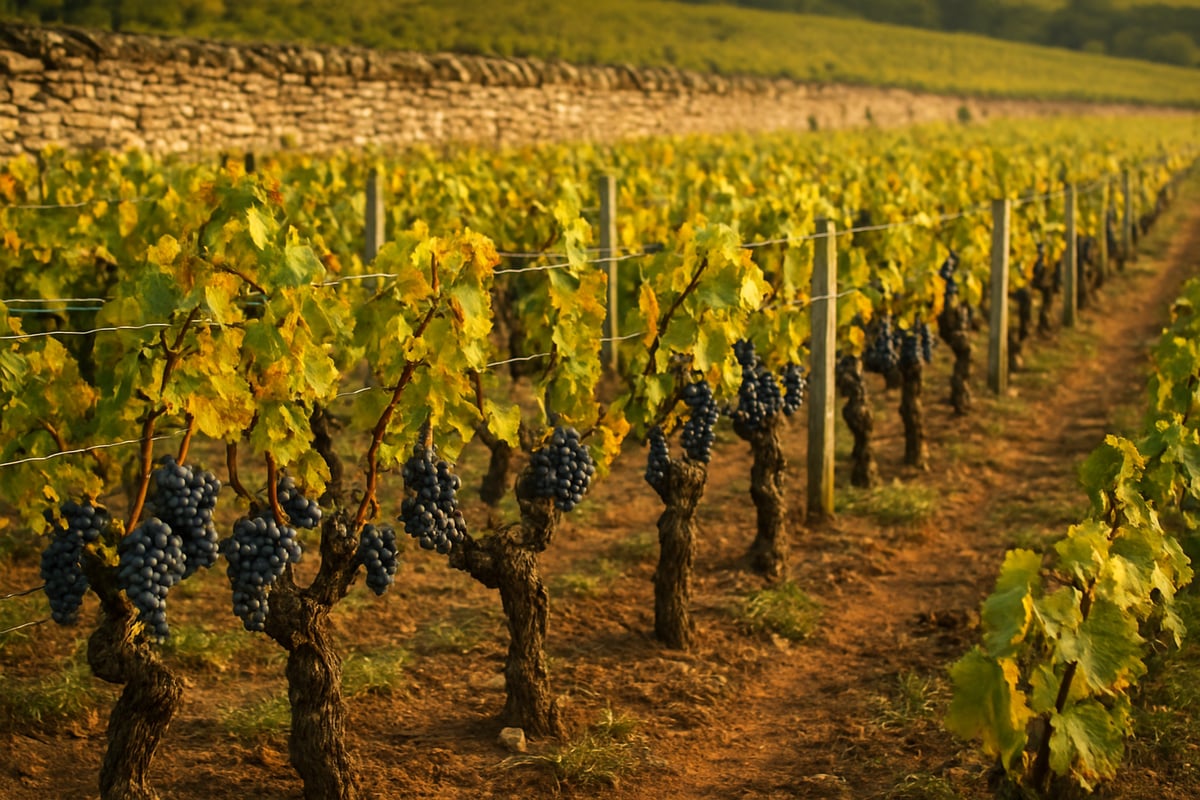
Archaeological findings and historical texts trace the roots of pinot wine back over 1,000 years to the rolling hills of Burgundy, France. Here, early monks and farmers noticed the grape’s uncanny ability to reflect even the slightest changes in soil and climate. The word “Pinot” is thought to reference the pinecone shape of the grape clusters, a distinctive trait that has survived through centuries of cultivation. Over time, the Pinot family branched out, with Pinot Gris and Pinot Blanc arising as natural mutations of Pinot Noir.
The evolution of pinot wine is a fascinating journey of adaptation and diversity. Pinot grapes are notoriously sensitive to their environment, which has led to a dazzling array of clones—each with its own flavour profile and growing preference. This clonal diversity has allowed pinot wine to thrive in regions as varied as the sun-soaked valleys of California and the cool, rugged landscapes of New Zealand. As the grape travelled the globe, winemakers discovered that even subtle shifts in temperature or soil could create strikingly different styles of pinot wine.
The global spread of pinot wine accelerated in the late 20th century, with New Zealand, Australia, and the United States embracing the grape’s potential. In New Zealand, especially, pinot wine has found a new home in regions like Central Otago, Marlborough, and Martinborough. Central Otago, in particular, is celebrated for its dark-fruited, spicy expressions, while Marlborough showcases more delicate, red-fruited styles. According to the New Zealand Winegrowers 2025 Annual Report, pinot wine plantings in New Zealand continue to rise, confirming the grape’s growing importance.
Terroir—the combination of soil, climate, and vineyard practices—plays a starring role in shaping the identity of pinot wine. Burgundy remains the gold standard for Pinot Noir, with its Grand Cru vineyards producing some of the world’s most sought-after bottles. Meanwhile, New Zealand’s unique combination of cool climate and diverse soils has helped pinot wine gain international acclaim, offering a vibrant alternative to Old World styles.
Notable milestones in the history of pinot wine include the recognition of Burgundy’s Grand Crus in the 1930s and the rapid ascent of Central Otago as a world-class region in the late 20th century. Today, pinot wine is celebrated for its ability to express place and vintage like no other, captivating both wine newcomers and seasoned collectors alike.
Whether you’re drawn to the earthy elegance of Burgundy or the bold, fruit-forward charm of New Zealand, the evolution of pinot wine is a testament to nature’s creativity and human curiosity. As we continue to explore these wines, it’s clear that the journey of pinot wine is far from over.
Key Pinot Wine Varieties and Their Characteristics
Pinot wine captivates wine lovers with its wide-ranging styles and unique personalities. The Pinot family offers something for every palate, from the iconic reds to aromatic whites and even sparkling delights. Let us dive into the key varieties that make pinot wine such a global sensation.
Pinot Noir: The Iconic Red
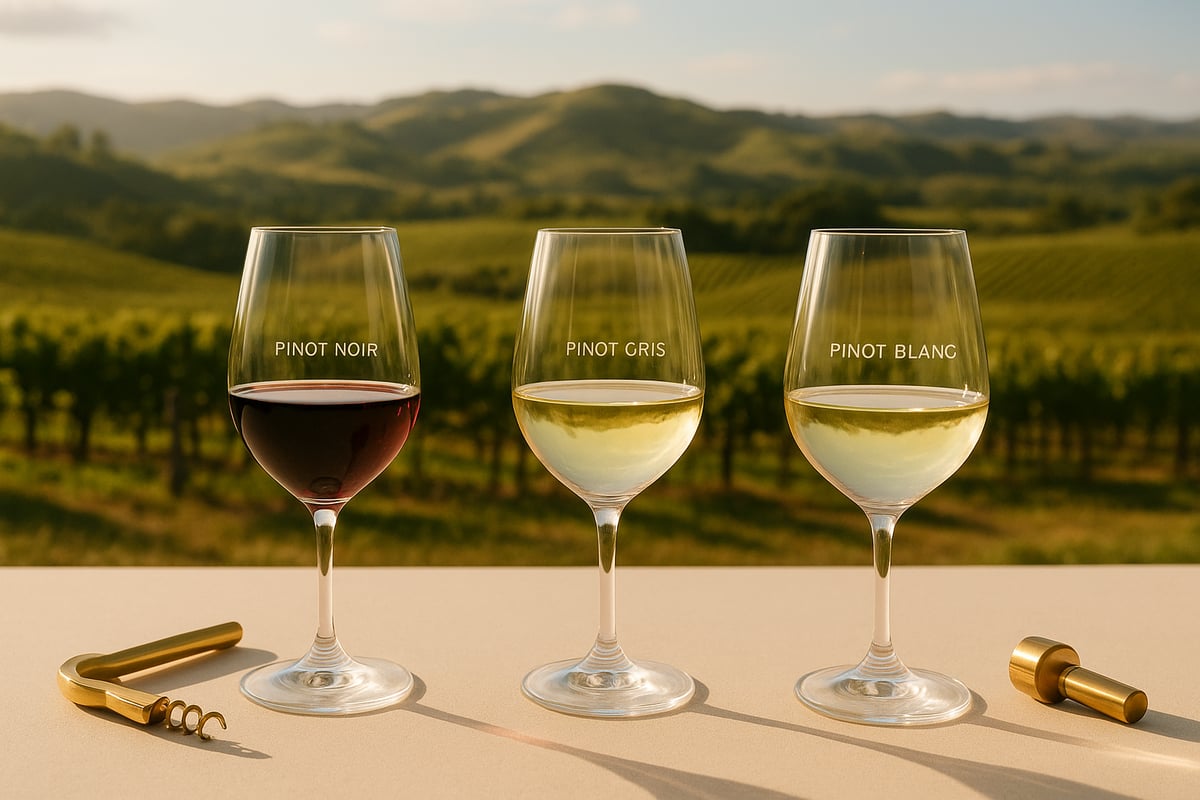
Pinot Noir stands at the heart of the pinot wine family. Known for its translucent ruby hue and seductive aromas, Pinot Noir delivers notes of cherry, raspberry, plum, and a signature earthy spice. Its structure is typically light to medium bodied, with silky tannins and a fresh acidity that keeps each sip lively.
Styles of Pinot Noir range from fruit forward and juicy to savoury and complex, depending on region and winemaking approach. With age, Pinot Noir evolves into earthy, truffle like depths, offering a rewarding experience for collectors. Burgundy in France remains the global benchmark, but New Zealand regions like Central Otago, Marlborough, and Martinborough have gained acclaim for their expressive styles.
Curious about how Pinot Noir became such a star? Discover more in this Pinot Noir basics and history guide, which covers its fascinating journey and essential traits. Pinot Noir’s versatility shines at the table, pairing beautifully with dishes like lamb, duck, salmon, and mushrooms. It is no wonder pinot wine is New Zealand’s second most planted red grape, a statistic that highlights its growing popularity.
Pinot Gris and Pinot Blanc: The White Expressions
Pinot Gris brings a different side to the pinot wine family. Aromatic and medium bodied, Pinot Gris bursts with flavours of ripe pear, apple, and a hint of spice. In New Zealand, you will find both dry and off dry styles, often with a lush, textured palate. Alsace in France produces richer, more powerful Pinot Gris, while Italian Pinot Grigio tends to be lighter and crisper.
Pinot Blanc, a mutation of Pinot Noir, is lighter still, with bright citrus, green apple, and floral notes. Its refreshing acidity and subtle fruit make it the perfect match for salads, seafood, and vegetable dishes. Winemakers experiment with everything from stainless steel fermentation for crispness to gentle oak ageing for texture.
Regional differences bring even more diversity to pinot wine. New Zealand’s cool climate Pinot Gris is aromatic and food friendly, while Alsace Pinot Blanc is known for its clean, mineral driven style. Whether you prefer a dry, zesty white or a fuller, spiced version, pinot wine offers endless possibilities.
Rosé and Sparkling Pinot
Pinot Noir is also the backbone of many top rosé and sparkling wines. In rosé, it delivers fresh strawberry and cherry notes, with a vibrant pink hue that makes it a summer favourite. Winemakers often use gentle skin contact to extract just the right colour and fruitiness.
In the world of sparkling wine, Pinot Noir and its cousin Pinot Meunier are essential for Champagne and high quality New Zealand bubbles. The result is a lively, elegant pinot wine with fine bubbles and layers of red fruit, citrus, and brioche.
Trends for 2025 point to rising interest in single vineyard Pinot rosé and organic, small batch sparkling wines. Whether served as an aperitif or paired with oysters and summer salads, these pinot wine styles bring energy and excitement to any occasion. The adaptability of the pinot grape ensures there is always something new to discover in every glass.
Exploring Flavours: Tasting Notes, Aromas & Structure
Embarking on a journey through pinot wine is an adventure for the senses. Whether you are new to pinot wine or a seasoned enthusiast, understanding what’s in your glass can transform every tasting into a memorable experience.
The Pinot Tasting Experience
Sight:
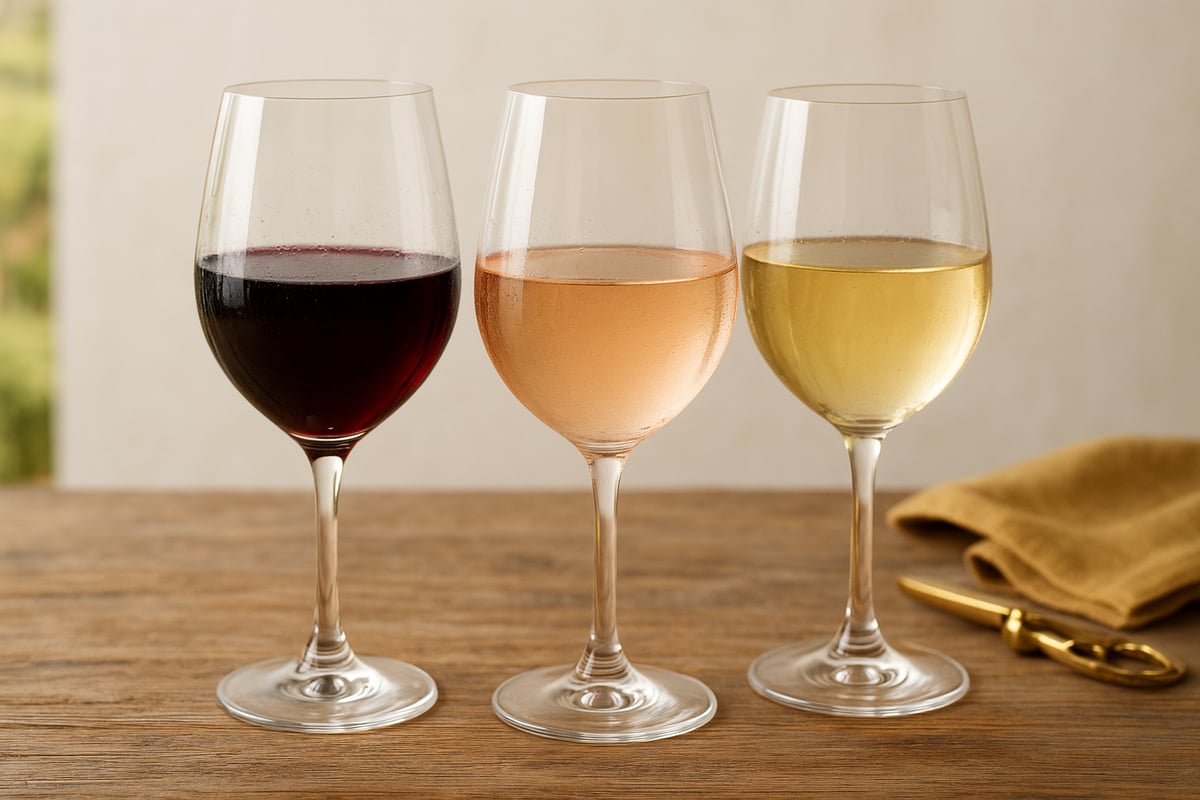
The first step in appreciating pinot wine is to observe its colour. Pinot Noir often shines with a translucent ruby or garnet hue, hinting at its light-to-medium body. Rosé styles burst with pale salmon or pink, while Pinot Gris can range from pale straw to a deeper gold, especially if there has been some skin contact during winemaking. Pinot Blanc typically appears crystal clear, almost shimmering in the glass. These visual cues offer a preview of what to expect on the palate.
Aroma:
Bring the glass to your nose and inhale deeply. Pinot wine is famed for its expressive bouquet. Pinot Noir leads with red fruits like cherry, raspberry, and strawberry, layered with notes of violet, rose petal, and sometimes earthy undertones or forest floor. Savoury hints of spice, mushroom, or even truffle can emerge as the wine matures. Pinot Gris dazzles with aromas of pear, apple, honeysuckle, and subtle spice, while Pinot Blanc is more restrained, offering citrus, white blossoms, and a mineral freshness. The complexity of pinot wine’s aroma is a big part of its enduring appeal.
Palate:
Tasting pinot wine reveals a dance of texture and flavour. Pinot Noir is celebrated for its silky tannins, lively acidity, and a medium body that feels both delicate and vibrant. Flavours echo the nose, with red fruit, spice, and earthiness blending seamlessly. Pinot Gris tends to be rounder and fuller, offering juicy orchard fruit, gentle spice, and a touch of sweetness or richness depending on the style. Pinot Blanc is crisp and refreshing, with a clean, zesty finish. The balance of acidity, tannin, and fruit intensity makes pinot wine a favourite for food pairing.
Influence of Winemaking:
The character of pinot wine is shaped not only by grape variety but also by the winemaker’s choices. Oak ageing can introduce subtle vanilla, toast, or smoke, while wild fermentation brings complexity and a touch of earthiness. Whole-bunch pressing, often used for top pinot wine, can add tannic grip and aromatic lift. Each decision in the winery leaves its mark on the finished wine.
Vintage Impact:
Weather conditions in 2023 and 2024 have left their stamp on current pinot wine releases. Cooler years may highlight bright acidity and floral notes, while warmer seasons tend to bring riper fruit and a fuller body. For a deeper dive into how recent seasons have shaped New Zealand’s offerings, check out Decanter's New Zealand Pinot Noir Vintage Report, which showcases expert tasting notes and regional insights.
Tasting Note Breakdown:
| Central Otago Pinot Noir | Alsace Pinot Gris | |
|---|---|---|
| Colour | Deep ruby, clear rim | Golden yellow, slight copper tint |
| Aroma | Dark cherry, plum, wild thyme, spice | Ripe pear, apple, honeysuckle, ginger |
| Palate | Silky, bright acidity, spice, savoury | Lush, rounded, gentle spice, off-dry finish |
| Finish | Long, mineral, slightly earthy | Smooth, lingering fruit and floral notes |
Data and Accolades:
Pinot wine, especially Pinot Noir, consistently garners high praise, with many New Zealand bottles scoring 90 points or more at international competitions. These accolades reflect both the quality and global appeal of pinot wine.
Tasting Like a Pro:
Elevate your pinot wine experience with a few expert tips:
- Use a tulip-shaped glass to enhance aromas and focus flavours.
- Serve Pinot Noir slightly cool, around 14–16°C, and whites at 10–12°C.
- Decant young pinot wine for 30 minutes to soften tannins and open up the bouquet.
- Taste in a well-lit space, free from strong smells that can mask the wine’s aroma.
With these insights, every glass of pinot wine becomes an opportunity to explore, compare, and savour. Whether you are seeking subtlety or boldness, pinot wine offers a spectrum of flavours to delight every palate.
Pinot Wine Regions: A Global and New Zealand Focus
Pinot wine is celebrated for its ability to express the character of where it’s grown. Every region brings its own twist, inviting wine lovers on a world tour of flavours, textures, and traditions. Whether you’re drawn to the classics or want to explore new horizons, the global landscape of pinot wine offers something for every palate.
Burgundy, France: The Spiritual Home
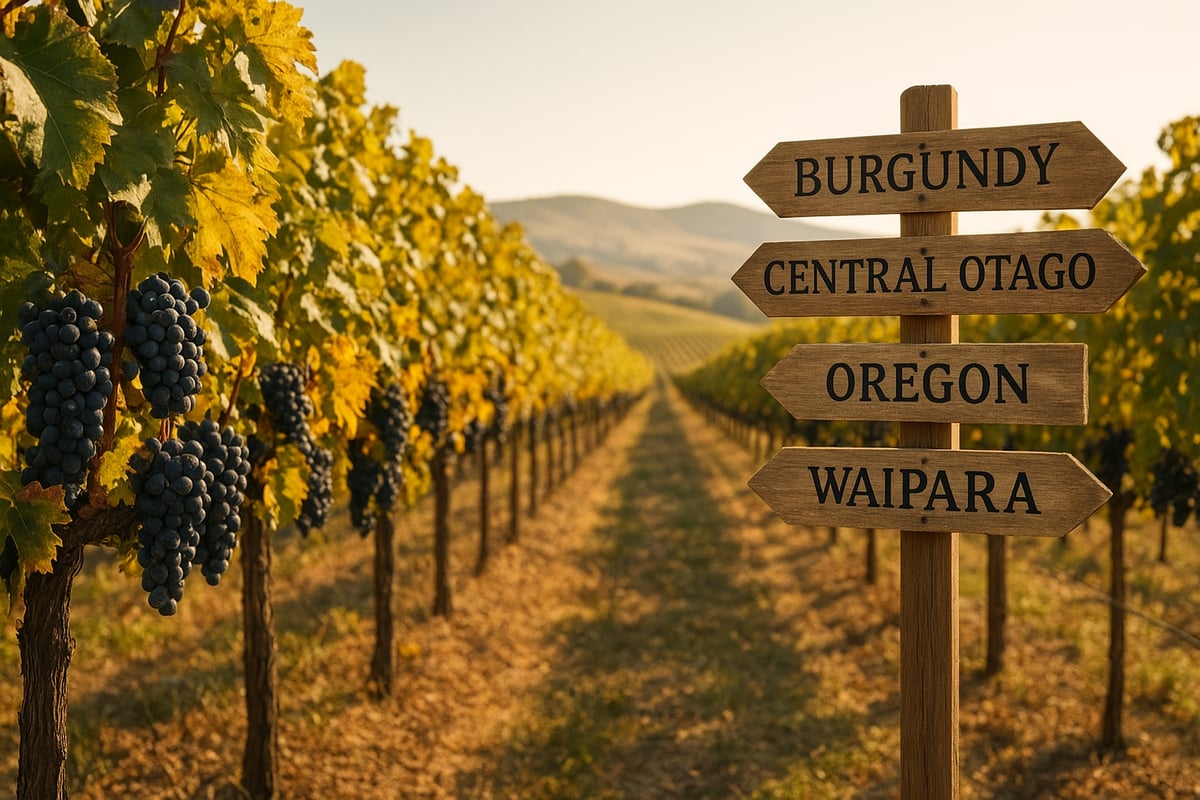
Burgundy is the birthplace of pinot wine and remains the ultimate benchmark for quality and tradition. This historic French region has cultivated Pinot Noir and its relatives for over a thousand years, shaping the world’s understanding of elegance and terroir.
The Côte de Nuits and Côte de Beaune are Burgundy’s crown jewels. These subregions are home to legendary Grand Cru vineyards, where pinot wine achieves remarkable depth and finesse. Producers like Domaine de la Romanée-Conti and Domaine Leroy set global standards, often fetching record prices at auction.
Burgundy’s strict classification system, with its focus on single-vineyard expressions, highlights the impact of soil and microclimate. Here, pinot wine is typically light in colour but rich in aroma, with notes of cherry, earth, and spice. Every bottle tells a story of place and heritage.
New Zealand: Pinot’s Southern Star
New Zealand has quickly risen as a powerhouse in the world of pinot wine. Its cool climate and diverse soils, from limestone in Waipara to schist in Central Otago, create vibrant, expressive wines that rival the best in the world.
Regions like Central Otago, Marlborough, Martinborough, and Waipara/Canterbury each offer their own signature styles. Central Otago’s pinot wine is known for its dark fruit and spice, while Martinborough brings silky textures and savoury complexity. Marlborough, famous for Sauvignon Blanc, is now gaining international attention for its bright, fruit-driven Pinot Noir.
Notable wineries such as Ata Rangi, Akarua, and Pegasus Bay have helped put New Zealand on the map. The country’s pinot wine exports have seen impressive growth, with producers earning accolades at global competitions. For a deeper dive into New Zealand’s journey and milestones, explore the Pinot Noir NZ 2025 Conference Overview.
Other Key Pinot Regions
Beyond France and New Zealand, pinot wine thrives in many corners of the globe. Oregon’s Willamette Valley and California’s Sonoma Coast are celebrated for their lush, fruit-forward styles, often with a touch of earthiness. In Australia, regions like the Yarra Valley and Tasmania produce pinot wines with bright acidity and elegant red fruit.
Emerging hotspots include Germany’s Baden and Pfalz, Italy’s Alto Adige, and Chile’s Casablanca Valley. Each brings a unique personality, shaped by climate, altitude, and local winemaking traditions.
Let’s compare some key regions:
| Region | Style Profile | Notable Feature |
|---|---|---|
| Burgundy | Earthy, savoury, complex | Grand Cru vineyards |
| New Zealand | Vibrant, fruit-driven, spicy | Cool climate expression |
| Oregon | Silky, cherry, floral | Volcanic soils |
| Australia | Bright, crisp, red fruit | Maritime influence |
| Germany | Light, floral, mineral | Coolest climate Pinots |
Pinot wine is now one of the fastest-growing premium red wine segments globally, with both old world and new world producers pushing boundaries.
Waipara’s Organic Pinot: The Fancrest Estate Example
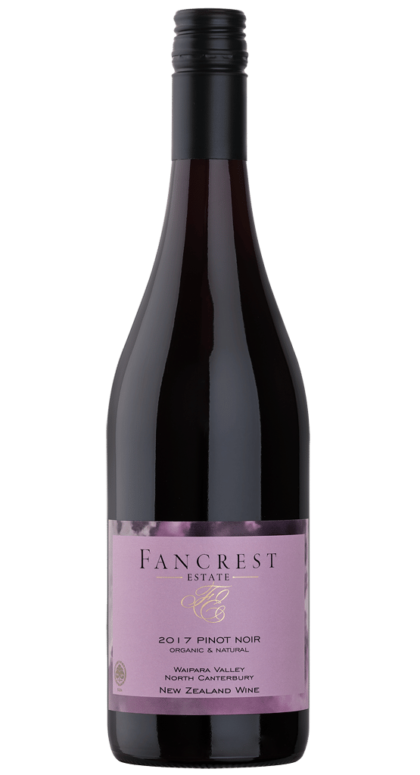
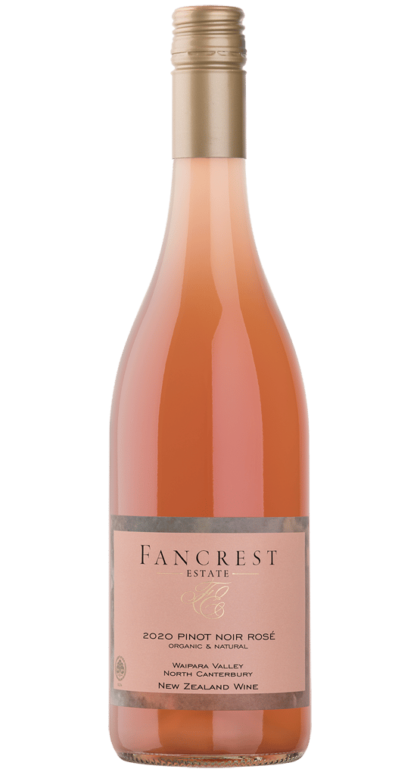
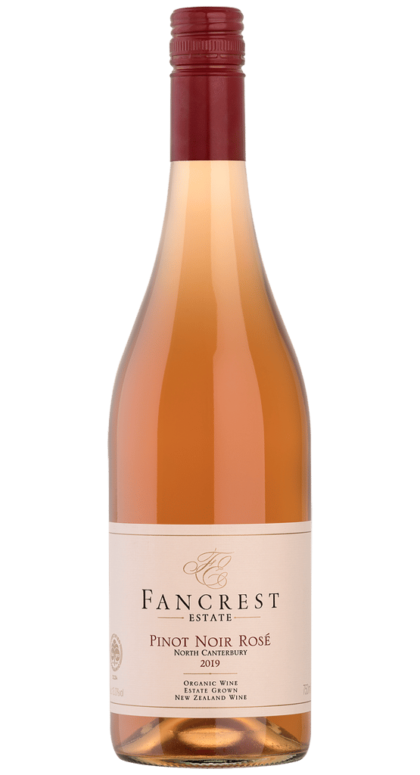
Waipara, in North Canterbury, is making waves with its focus on organic and sustainable pinot wine. The region’s limestone-rich soils and dry climate are ideal for healthy, expressive vines. The organic movement here is led by passionate growers who believe that respecting the land results in more authentic wines.
Fancrest Estate stands out as a family-owned, certified organic vineyard. They specialise in hand-crafted, single-vineyard pinot wine, using natural yeasts and minimal intervention. Their approach showcases the true character of Waipara terroir and appeals to health- and eco-conscious wine lovers.
Fancrest’s dedication to sustainability, from vine management to online direct sales, is part of a wider trend. More consumers are seeking out organic pinot wine for its purity and sense of place. As this movement grows, expect Waipara to become a must-visit destination for those wanting to experience the next wave of pinot wine innovation.
Food Pairings: Matching Pinot Wines with Cuisine
Pairing food with pinot wine is an experience that unlocks new dimensions in both the glass and on the plate. Have you ever wondered why pinot wine is so often called the ultimate food wine? Its bright acidity and complex aromas mean it can adapt to a remarkable range of dishes, from hearty meats to delicate seafood. Let’s explore how to make every meal shine with the perfect pinot pairing.

Classic Pairings for Every Pinot Style
Pinot wine comes in many forms, and each style brings its own perfect match. Pinot Noir, with its silky tannins and vibrant red fruit, pairs beautifully with roast duck, seared lamb, or earthy mushroom risotto. The savoury notes in pinot wine also make it a star with charcuterie and truffle-infused dishes.
Moving to white expressions, Pinot Gris shines with seafood, Asian-inspired cuisine, and pork belly. Its aromatic profile and gentle spice play well with creamy cheeses and fresh salads. Pinot Blanc, lighter and more citrusy, is a natural companion for delicate fish, spring vegetables, and goat cheese.
For summer days, a glass of rosé pinot wine brings out the best in grilled chicken, Mediterranean salads, or even a simple platter of antipasto. And don’t forget sparkling pinot wine – its crisp bubbles cut through fried appetisers, oysters, and sushi with ease.
Here’s a quick reference table:
| Pinot Wine Style | Best Food Pairings |
|---|---|
| Pinot Noir | Duck, lamb, salmon, mushrooms, charcuterie |
| Pinot Gris | Seafood, pork, Asian dishes, soft cheeses |
| Pinot Blanc | Fish, salads, veggies, goat cheese |
| Rosé Pinot | Chicken, salads, antipasto |
| Sparkling Pinot | Oysters, sushi, fried starters |
For more detailed inspiration, check out these food pairings for Pinot wines, which dive even deeper into matching pinot wine with cuisine.
Tips for Perfect Matches
Getting the most from your pinot wine pairing is all about balance. Consider the acidity in the wine – pinot wine’s lively freshness lifts creamy sauces and rich meats, while its gentle tannins won’t overpower lighter proteins like salmon or chicken.
Match the intensity of the dish with the style of pinot wine. A robust Central Otago Pinot Noir loves bold flavours such as roasted lamb or wild mushroom. A lighter Pinot Gris works wonders with sashimi or grilled prawns. Texture plays a role too: soft cheeses and creamy risottos are enhanced by the silky mouthfeel of pinot wine.
Don’t be afraid to experiment. Try Pinot Blanc with spicy Thai salads, or sparkling pinot wine with tempura vegetables for a fresh twist. The key is to let the wine and food enhance each other, not compete. Use your senses, trust your palate, and remember that pinot wine’s versatility means there are few “wrong” answers.
Regional Pairings & Sommelier Picks
Some of the most memorable food and pinot wine combinations celebrate their origins. Picture slow-roasted New Zealand lamb with a glass of Central Otago Pinot Noir, or classic French coq au vin with Burgundy’s finest. These regional matches highlight how pinot wine’s terroir-driven character complements local fare.
Sommeliers often recommend pinot wine because it adapts gracefully to both simple and complex dishes. Restaurant wine lists frequently feature pinot wine alongside charcuterie boards, wild game, and earthy vegetarian mains. According to industry data, the food-friendliness of pinot wine is a major reason for its popularity in New Zealand and beyond.
Curious about the broader appeal? Some studies even highlight the health benefits of Pinot Noir, adding yet another reason to explore new pairings at your next meal. No matter your favourite cuisine, there’s a pinot wine waiting to elevate it.
Buying Pinot Wine in 2025: Tips, Trends & Recommendations
Discovering the perfect pinot wine in 2025 is more exciting than ever, thanks to new trends and greater accessibility. Whether you are an enthusiastic newcomer or a seasoned collector, knowing what to look for can make every bottle a memorable experience.
Choosing the Right Pinot Wine
When searching for the ideal pinot wine, start by examining the label for key details. Look for the vintage, region, and producer name, as these give clues about style and quality. Organic certification is increasingly common and appeals to those who value sustainability.
Pay attention to the wine's origin, as a Central Otago or Marlborough pinot wine will taste different from a Burgundy or Oregon bottle. Award stickers and ratings can help guide your choice, especially if you are less familiar with certain producers.
Price Points and Where to Buy
Pinot wine comes in a broad range of prices, from everyday bottles around $15 to premium selections exceeding $100. In New Zealand, a quality Central Otago pinot wine can be found in the $20–$40 range, while top Burgundy examples often command higher prices.
You can buy pinot wine at online retailers, cellar doors, wine clubs, and boutique wine shops. Shopping online lets you compare reviews and prices, while cellar doors offer the chance to taste before buying. Wine clubs are a great way to discover new releases and limited editions.
2025 Trends: Organic, Single-Vineyard, and More
One of the biggest shifts in pinot wine for 2025 is the rising demand for organic and sustainable production. More winemakers are focusing on natural methods, which not only appeal to eco-conscious consumers but also create unique flavour profiles. For a look into these practices, explore Organic and natural Pinot winemaking.
Single-vineyard bottlings and alternative packaging, like lightweight bottles and recyclable cans, are becoming more popular. Producers such as Cloudy Bay are expanding their offerings, reflecting the global growth in premium pinot wine.
Storage, Serving, and Final Tips
Proper storage is crucial for getting the most out of your pinot wine. Keep bottles on their side in a cool, dark place, ideally at a steady 12–14°C. Pinot wine benefits from being served slightly cooler than room temperature, around 15–18°C for reds and 8–10°C for whites and rosé.
Decanting young pinot wine can help open up its aromas and flavours. When choosing between a $20 Central Otago pinot and a $60 Burgundy, consider the occasion—both can offer exceptional experiences. Look for recent award winners, trusted producers, and wines that match your taste preferences.