Pinot Noir—often called the “heartbreak grape”—has a magnetic pull for wine lovers. Its silky texture, complex aromas, and subtle power make it a favourite worldwide. Yet, when it comes to pinot noir wine price, even experienced enthusiasts can feel overwhelmed by the range of options.
This handbook is here to demystify pinot noir wine price for 2025. Whether you enjoy the occasional glass or you’re building a cellar, you’ll find practical insights tailored to your needs.
We’ll explore what shapes the cost of Pinot Noir, compare regions, break down vintage effects, and share tips for smart buying. Ready to make confident, informed choices? Let’s dive in.
What Influences Pinot Noir Wine Prices?
Pinot Noir is a wine that keeps drinkers guessing, especially when it comes to price. What makes some bottles affordable and others skyrocket in value? Understanding the key factors behind pinot noir wine price will help you shop smarter and appreciate every glass just a little bit more.
The Role of Terroir and Region
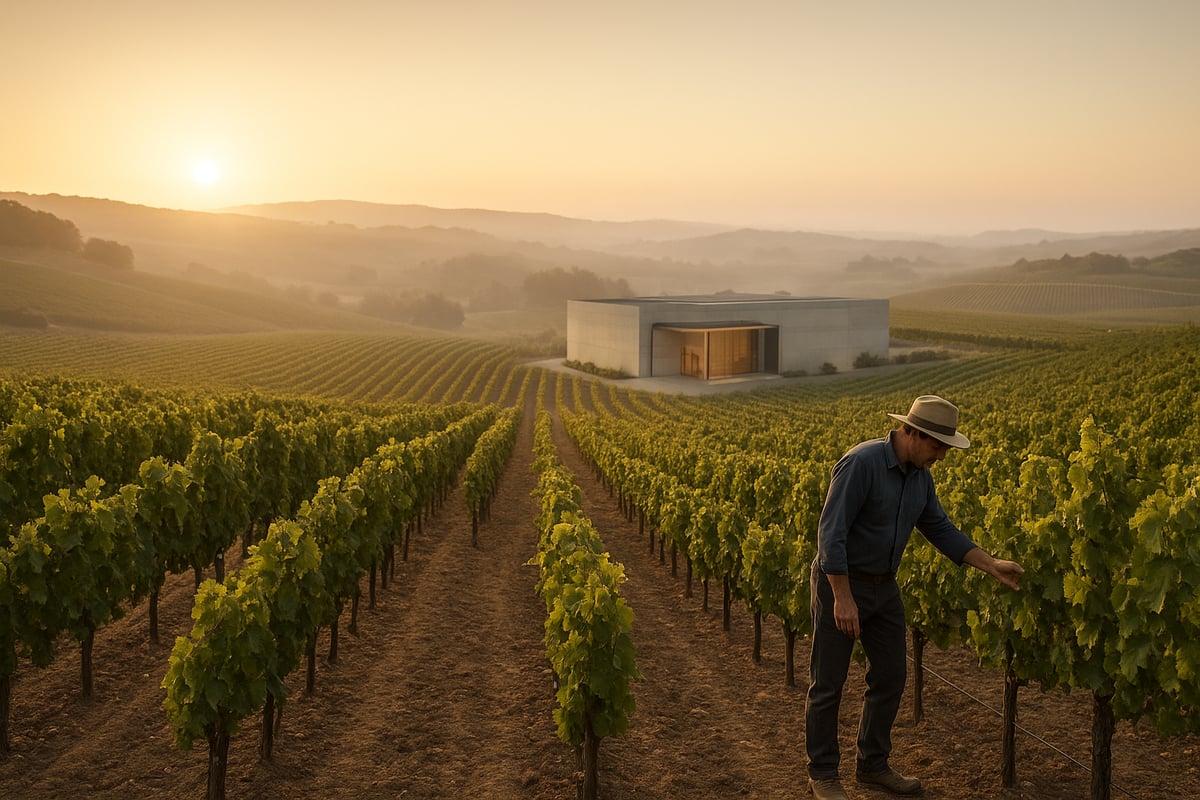
Terroir is the unique mix of soil, climate, and geography that shapes every bottle of Pinot Noir. Regions like Burgundy, Central Otago, and Sonoma each produce distinct styles due to their terroir. For example, Burgundy’s limestone soils and cool climate create world-famous wines with high pinot noir wine price tags. Land costs and vineyard management also play a big part. Curious about how terroir shapes what you taste and pay? Dive deeper with this Taste of terroir in Pinot Noir guide.
Winemaking Techniques and Practices
How your Pinot Noir is made affects both its flavour and pinot noir wine price. Hand-harvesting, organic or biodynamic viticulture, and using wild yeasts all increase production costs. Barrel ageing in French oak adds complexity but also expense. Compare a small-batch, handcrafted Pinot Noir to a mass-produced one and you’ll spot the difference in both taste and price. The extra care and labour behind artisanal wines often justifies their higher value.
Supply, Demand, and Market Trends
The global thirst for Pinot Noir is growing, driving pinot noir wine price higher for sought-after bottles. Limited releases from top vineyards create buzz and scarcity, which pushes prices up. Awards and high scores from wine critics can send demand soaring overnight. In recent years, trends like the rise of Blancs de Noirs Champagnes and increased interest from younger drinkers have shaped the market, making it more dynamic than ever.
Vintage Variation and Climate Change
Not every vintage is created equal, and that matters for pinot noir wine price. Weather swings can shrink yields or boost grape quality, causing standout years to command premium prices. For instance, exceptional vintages like 2015 in Burgundy or 2019 in Central Otago are especially prized. Climate change has added new challenges, with unpredictable conditions impacting both the cost of production and the quality in your glass.
Branding, Reputation, and Packaging
Pinot Noir from iconic producers or historic regions often fetches a higher pinot noir wine price simply due to reputation. A beautiful bottle, unique label, or premium closure can also sway buyers and boost perceived value. Marketing efforts and limited-edition packaging create a sense of exclusivity, which can justify a higher price at checkout.
Import, Export, and Taxation
International trade rules, tariffs, and taxes all influence what you pay for Pinot Noir. Shipping costs and regional levies can make the same bottle much pricier in one market than another. For example, imported Burgundies in New Zealand often cost more than local options, even before retail markups are added.
Retail Channels and Distribution
Where you buy your Pinot Noir matters. Bottles sold direct from the winery or at the cellar door often offer better value compared to those found at high-end restaurants or traditional retailers. Online shops and subscription models are gaining popularity, sometimes delivering exclusive deals or limited releases that you won’t find elsewhere. The path from vineyard to your glass can affect the final price as much as the wine itself.
Pinot Noir Wine Price Ranges by Region
Pinot Noir is produced in some of the world’s most celebrated wine regions, but the pinot noir wine price can vary dramatically depending on where it comes from. To help you navigate this landscape, let’s break down typical price ranges and what drives them in each key region.
Burgundy, France: The Benchmark
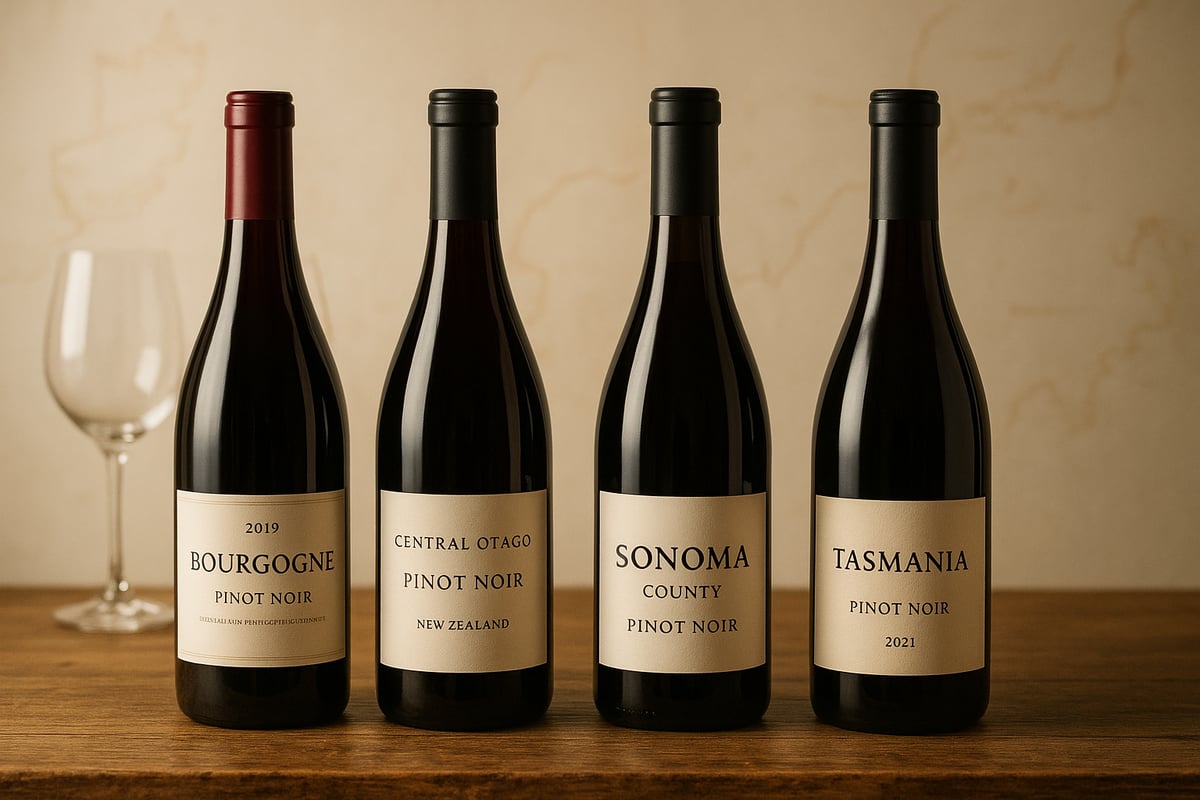
Burgundy is the spiritual home of Pinot Noir, and here the pinot noir wine price is shaped by a unique hierarchy. Wines are classified as Grand Cru, Premier Cru, Village, or Bourgogne. Grand Cru bottles, sourced from legendary vineyards like Romanée-Conti, often command prices well into the thousands per bottle. Premier Cru and Village wines offer more accessible entry points, typically ranging from $100 to $400 for quality producers. Even Bourgogne-level Pinot Noir, considered the region’s most approachable, can start around $50.
Recent auctions have seen record-breaking sales for rare vintages, reflecting global demand. Iconic producers such as Domaine de la Romanée-Conti and Domaine Leroy set the tone for the region’s top-tier values. This prestige and scarcity help explain why Burgundy consistently leads the world in pinot noir wine price.
New Zealand: Value and Excellence
New Zealand has rapidly become a hotspot for Pinot Noir, with Central Otago, Marlborough, and Waipara leading the charge. The pinot noir wine price here is generally more accessible, with excellent bottles available from $25 to $40 and premium offerings ranging up to $120. Central Otago’s intense, fruit-driven style and Marlborough’s purity both contribute to the country’s growing reputation.
Award-winning New Zealand Pinot Noirs under $50 regularly appear in international competitions, making these regions a favourite for value hunters. Producers in Waipara and North Canterbury are also gaining attention for their refined, site-driven wines. Overall, New Zealand offers a compelling balance of quality and price for pinot noir lovers.
United States: Diversity of Offerings
The United States boasts an impressive diversity of Pinot Noir styles and prices, especially in California and Oregon. In California, regions like Sonoma and Santa Barbara offer bottles ranging from $30 for solid entry-level wines to $400 or more for cult favourites. Production scale and AVA (American Viticultural Area) status heavily influence pinot noir wine price, with boutique producers often demanding a premium.
Oregon’s Willamette Valley is renowned for its elegant, balanced Pinot Noir. Here, most quality wines fall between $35 and $120, with a handful of collectible labels reaching $300 or higher. For more detailed insights on production volumes and pricing, check out the 2024 Oregon Vineyard and Winery Census Report.
Australia, Germany, and Beyond
Australia’s Tasmania and Yarra Valley are now home to some of the Southern Hemisphere’s best Pinot Noir. The pinot noir wine price in these regions typically starts at $25, with premium bottles exceeding $250. Tasmanian Pinot Noir is prized for its cool-climate finesse, while Yarra Valley offers a silky, fruit-forward style.
Germany, known locally for Spätburgunder, has seen rapid improvements in quality and recognition. Prices have followed, with top bottles from Baden and the Ahr region fetching $200 or more. Emerging regions like Chile, South Africa, and Canada offer exciting, affordable alternatives, often with pinot noir wine price points below $40.
Collectible vs. Everyday Pinot Noir
Not all Pinot Noir is destined for collectors’ cellars. Everyday drinking options abound, with pinot noir wine price points from $20 to $60 in most regions. These wines are crafted for immediate enjoyment, balancing fruit, freshness, and affordability.
Collectible Pinot Noirs, on the other hand, are driven by factors like vineyard pedigree, critical acclaim, and age-worthiness. Investment-worthy bottles from Burgundy or cult producers in the US can fetch thousands, especially for exceptional vintages. While these wines can appreciate in value, most consumers find the greatest joy in discovering hidden gems at more approachable prices.
Regional Price Table and Data
To help you compare pinot noir wine price across the globe, here’s a summary of average price ranges by region:
| Region | Entry-Level (NZD) | Mid-Range (NZD) | Premium/Collectible (NZD) |
|---|---|---|---|
| Burgundy | $50–$90 | $100–$400 | $1,000+ |
| NZ | $25–$40 | $45–$75 | $120+ |
| California | $30–$60 | $65–$150 | $400+ |
| Oregon | $35–$60 | $65–$120 | $300+ |
| Australia | $25–$50 | $55–$100 | $250+ |
| Germany | $30–$45 | $50–$110 | $200+ |
As you can see, the pinot noir wine price is shaped by a mix of region, reputation, and rarity. Whether you’re seeking a weekday bottle or an investment-worthy treasure, there’s a Pinot Noir at every price level to suit your taste and budget.
How Vintage and Age Affect Pinot Noir Prices
Ever wondered why two bottles of Pinot Noir from the same producer can have wildly different price tags? The answer often lies in the year the grapes were harvested and how long the wine has been ageing. Let’s explore how vintage and age shape the pinot noir wine price, turning some bottles into instant classics and others into affordable treats.
The Vintage Effect
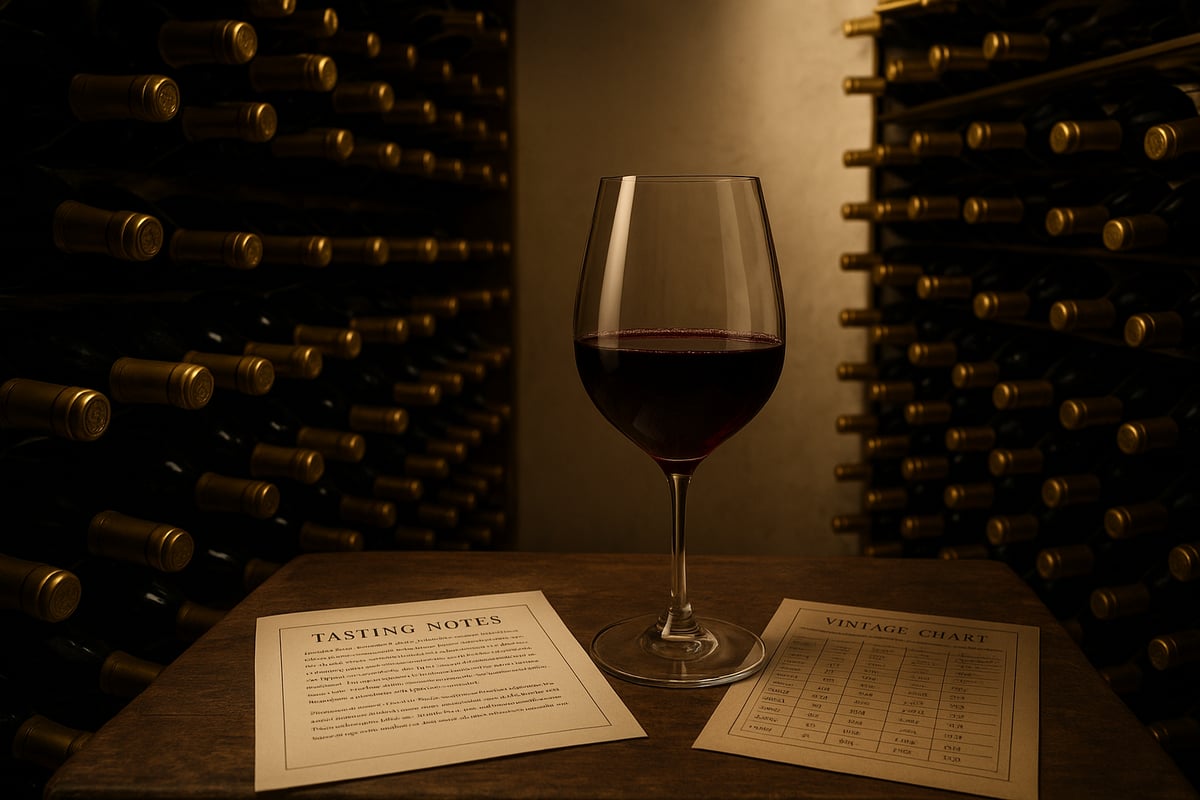
Not all years are created equal in the world of Pinot Noir. Weather plays a huge role in determining whether a vintage will become legendary or just average. Cool, steady seasons often produce grapes with perfect balance, leading to wines that fetch higher prices. In contrast, extreme weather like heavy rain or heat can reduce yields and impact flavour, sometimes lowering the pinot noir wine price.
Take the 2015 Burgundy vintage, which saw ideal conditions and is now highly sought after by collectors. In Central Otago, the 2019 vintage offered concentrated fruit and glossy tannins, making these bottles pricier than those from less celebrated years. Vintage charts often highlight such standout years, showing how prices can spike when supply is limited and reviews are glowing.
For savvy buyers, tracking vintage reports and market trends can reveal when to invest and when to enjoy a bargain. Remember, the pinot noir wine price for top vintages often rises as bottles become rarer over time.
Ageing Potential and Secondary Market
Pinot Noir’s ability to evolve in the bottle is part of its magic. Some wines improve dramatically with age, developing complex aromas and silky textures. This potential can drive up the pinot noir wine price on the secondary market, especially for bottles with proven cellaring pedigree.
Auction results often show older Pinot Noir releases fetching premium prices, particularly from acclaimed producers and great vintages. Yet, ageing wine is not without risk. Poor storage or cork failure can diminish value and enjoyment. That’s why collectors and enthusiasts pay close attention to provenance and storage conditions.
Curious about how ageing changes both value and taste? Explore the effect of cellaring on price to see real-world examples of how time in the cellar can turn a modest bottle into a prized collectible.
Tips for Evaluating Vintage Value
So, how do you decide if a bottle’s age or vintage justifies its pinot noir wine price? Start by reading vintage reports from trusted sources and checking producer notes for each release. Look for years with balanced weather and strong critical acclaim.
Balance price, ageing potential, and your own taste preferences. Not every expensive vintage will match your palate, and some affordable years offer surprising quality. If you plan to cellar wine, research how long a specific Pinot Noir typically improves in bottle.
Finally, keep an eye on market trends and auction data. Sometimes, lesser-known vintages from top producers can deliver great value, letting you experience the magic of aged Pinot Noir without breaking the bank.
Smart Buying: Tips for Finding the Best Pinot Noir at Every Price Point
Finding the right Pinot Noir can feel like a treasure hunt. With so many choices, price points, and regions, it pays to have a strategy. Let’s explore how you can confidently navigate the pinot noir wine price landscape, no matter your budget or taste.
Setting Your Budget and Priorities
Start by deciding how much you want to spend on your next bottle. Pinot Noir spans a wide spectrum, from affordable weeknight sips to rare, investment-worthy bottles. Knowing what you value most—region, vintage, or producer—will help you get the best pinot noir wine price for your needs.
If you’re new to Pinot Noir, check out the Pinot Noir basics and history to understand what makes this grape special and how its unique qualities influence cost. Balance your budget with your priorities, whether that’s quality, origin, or a particular style.
Where to Shop: Retailers, Online, Auctions
Where you buy can have a big impact on pinot noir wine price. Local bottle shops offer personalised service but may have higher prices than supermarkets or online stores. Online merchants often provide broader selections and competitive deals, especially for international labels.
Wine auctions are exciting for collectors seeking rare finds, but they require research to ensure authenticity. Always compare prices across channels, and don’t hesitate to ask staff for recommendations based on your preferences and budget.
Reading Reviews and Ratings
Expert reviews and user ratings are invaluable tools for smart Pinot Noir buying. Look for critic scores from respected publications, but also check user experiences on wine forums and retailer websites. Awards from wine competitions can signal good value, but remember that taste is subjective.
When comparing bottles, consider both the pinot noir wine price and the tasting notes. Sometimes a lesser-known producer offers exceptional quality at a fraction of the cost of a famous name.
Understanding Labels and Certifications
Pinot Noir labels can be a puzzle. Learn to decode terms like “single vineyard,” “reserve,” or “estate grown.” These often indicate higher attention to detail and may justify a premium pinot noir wine price.
Certifications such as organic or biodynamic can also influence cost and quality. Look for official seals, which guarantee certain standards and can help you make informed choices about sustainability and authenticity.
Buying Direct from Wineries
Buying directly from a winery can offer excellent value. You often get the freshest releases, exclusive bottlings, and transparent provenance. Many wineries now sell online or through subscription clubs, sometimes offering better pinot noir wine price than retail shops.
Direct sales also give you the chance to connect with producers, ask questions, and even join special tasting events. This personal connection can enhance your wine journey and help you discover hidden gems.
Storage and Serving Tips to Maximise Value
Protect your investment by storing Pinot Noir correctly. Keep bottles in a cool, dark place, ideally lying on their side to maintain cork moisture. If you plan to cellar wine for years, consider a dedicated wine fridge or storage service.
Serve Pinot Noir slightly chilled, around 14–16°C, in a large-bowled glass to highlight its aromas and flavours. Proper storage and serving help you get the best experience from every pinot noir wine price point.
Pinot Noir Wine Price Trends and Predictions for 2025
Curious where pinot noir wine price trends are heading in 2025? The market is shifting rapidly, with changing consumer tastes, economic factors, and global supply all shaping what you might pay for your next bottle. Let’s break down the latest data and expert insights so you can stay ahead of the curve.
Recent Market Trends (2023–2024)
Pinot noir wine price movements over the past two years have reflected both scarcity and shifting demand. Global production faced weather challenges, with reduced yields in Burgundy and Central Otago, while Californian growers saw stable volumes but rising costs.
In California, average grape prices for Pinot Noir climbed as detailed in the California Grape Crush Report 2024, pushing up bottle prices across the board. Meanwhile, the increased popularity of Blancs de Noirs Champagnes, made from Pinot Noir, added further pressure on the supply chain.
These trends mean consumers are seeing higher pinot noir wine price tags, especially for premium and single vineyard releases.
Expert Forecasts for 2025
Industry analysts expect the pinot noir wine price trajectory to continue upward, but some regions may offer better value. New Zealand’s 2024 harvest was robust, with strong yields in Marlborough and Central Otago, according to New Zealand Wine Vintage Indicators 2024.
Experts predict that while Burgundy and top US AVAs will remain expensive, New Zealand and select Australian regions could deliver quality at a more accessible pinot noir wine price point. The key? Look for lesser-known producers and recent vintages that balance supply and demand.
Factors Likely to Influence Future Prices
Climate change is set to reshape pinot noir wine price dynamics. Weather extremes increase farming costs and reduce yields, making top vintages rarer. Sustainability and organic certification also add to production expenses, which are reflected in shelf prices.
Consumer interest in organic and sustainable wines is growing, pushing demand—and prices—higher for certified bottles. Keep an eye on tariffs and global trade policies, as these can quickly shift regional price advantages.
Investment Potential and Risks
Is pinot noir wine price appreciation a safe bet for collectors? While blue-chip Burgundies have seen record auction prices, not all bottles are guaranteed to rise in value. Investment-grade Pinot Noir requires careful selection of producer, vintage, and provenance.
Risks include storage challenges, shifting critic scores, and market corrections. For most buyers, focusing on enjoyment and drinkability is often more rewarding than speculation.
How to Stay Informed
Want to track pinot noir wine price trends in real time? Leverage global wine market reports, price tracking apps, and respected wine publications. Subscribing to newsletters from top producers and auction houses helps you spot new releases and rare finds early.
Staying connected to the latest news ensures you make informed choices, whether you are hunting for value or investing in cellar-worthy bottles.
The Rise of Organic and Sustainable Pinot Noir
Curious why more wine lovers are reaching for organic bottles? The surge in demand for organic Pinot Noir is unmistakable, both globally and right here in New Zealand. Shoppers are looking beyond taste, motivated by health, sustainability, and a desire for authenticity. In fact, organic wine sales have grown steadily year on year, with organic Pinot Noir leading the charge. This shift in consumer behaviour is starting to influence the pinot noir wine price in many regions.
Certified Organic and Biodynamic Pinot Noir
Not all organic Pinot Noir is created equal. Certified organic and biodynamic wines must meet strict standards set by organisations like BioGro NZ and Demeter. These certifications ensure vineyards avoid synthetic chemicals and embrace sustainable practices, which can raise production costs. As a result, you might notice the pinot noir wine price is often slightly higher for bottles carrying these labels. Still, many buyers see this premium as an investment in both quality and environmental stewardship.
Spotlight on New Zealand’s Organic Pinot Noir Movement
New Zealand has become a hotspot for organic Pinot Noir, with regions like Central Otago, Marlborough, and North Canterbury leading the way. Producers here focus on biodiversity, soil health, and minimal intervention winemaking. North Canterbury, in particular, is recognised for its commitment to sustainable viticulture. This dedication is now reflected in the pinot noir wine price, as wine drinkers seek out bottles with genuine organic credentials.
Fancrest Estate: Pioneering Organic Pinot Noir in Waipara
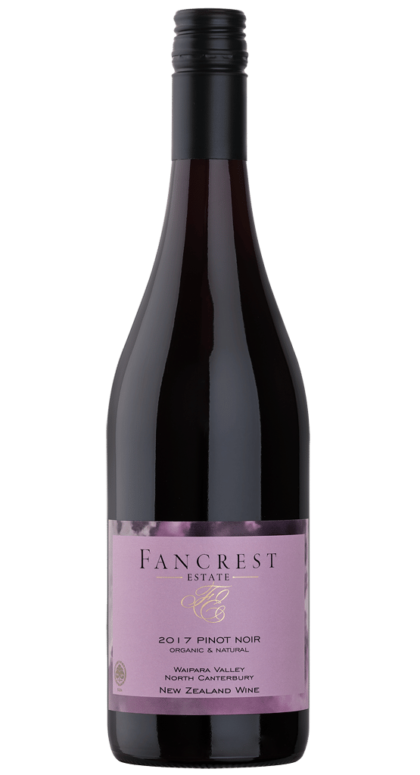
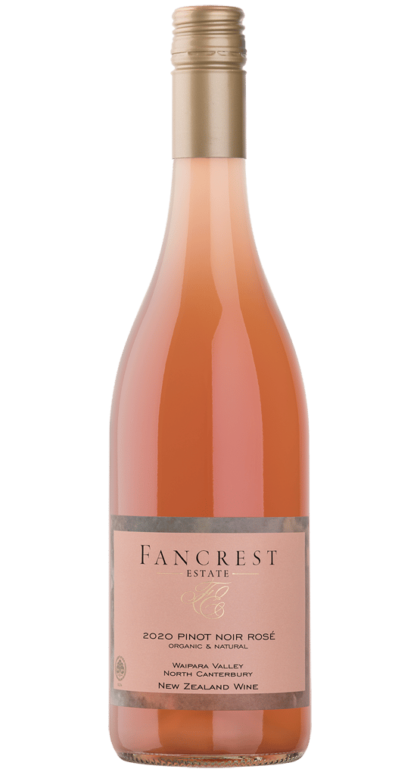
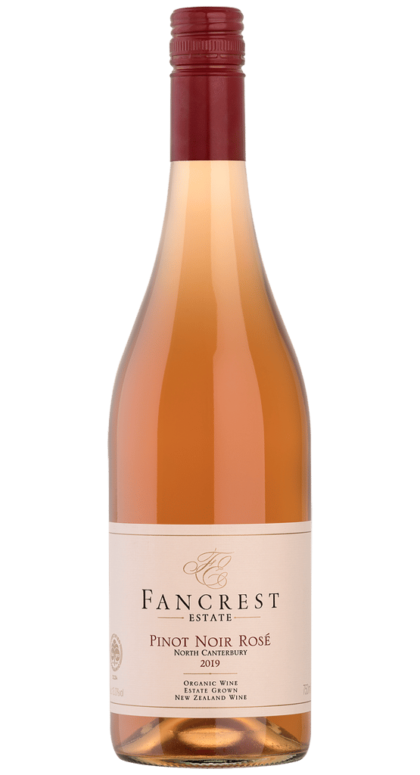
Fancrest Estate in Waipara stands out as a pioneer in organic Pinot Noir. Their approach centres on natural yeasts and hands off techniques, producing wines that reflect the land’s unique character. Fancrest’s commitment extends to exclusive online sales, offering a direct connection between the vineyard and your glass. The sustainable practices they champion are a key reason why their pinot noir wine price represents both quality and ethical value.
Is Organic Pinot Noir Worth the Premium?
Is paying more for organic Pinot Noir a smart move? Comparing price and quality, many enthusiasts argue the benefits outweigh the extra cost. Organic wines often showcase greater purity and terroir expression. Plus, supporting sustainable producers helps the environment and encourages industry change. For more insight into what you get for the price, check out this guide on Organic Pinot Noir value. Looking ahead, the long term advantages of choosing organic may make the pinot noir wine price a worthwhile investment for both your palate and the planet.