
Are you curious about what makes pinot noir wine so captivating? This red wine is cherished worldwide for its elegance and complex flavours. In New Zealand, pinot noir wine is celebrated for its vibrant character and food-friendly style.
Whether you are new to wine or already a fan, learning more about pinot noir wine can make every glass more enjoyable. This guide will help you explore its origins, tasting notes, regional differences, and expert food pairings.
Ready to discover the world of pinot noir wine? Let’s dive in and find out how to pick the perfect bottle, enjoy delicious pairings, and unlock the best of New Zealand’s famous red.
The Origins and Evolution of Pinot Noir
Pinot noir wine has a story as rich as its flavours. If you have ever wondered why this wine holds such a special place in the world, you are not alone. Let us look at how pinot noir wine began its journey, found a home in New Zealand, and evolved into the expressive wine you love today.
The Birthplace: Burgundy’s Legacy
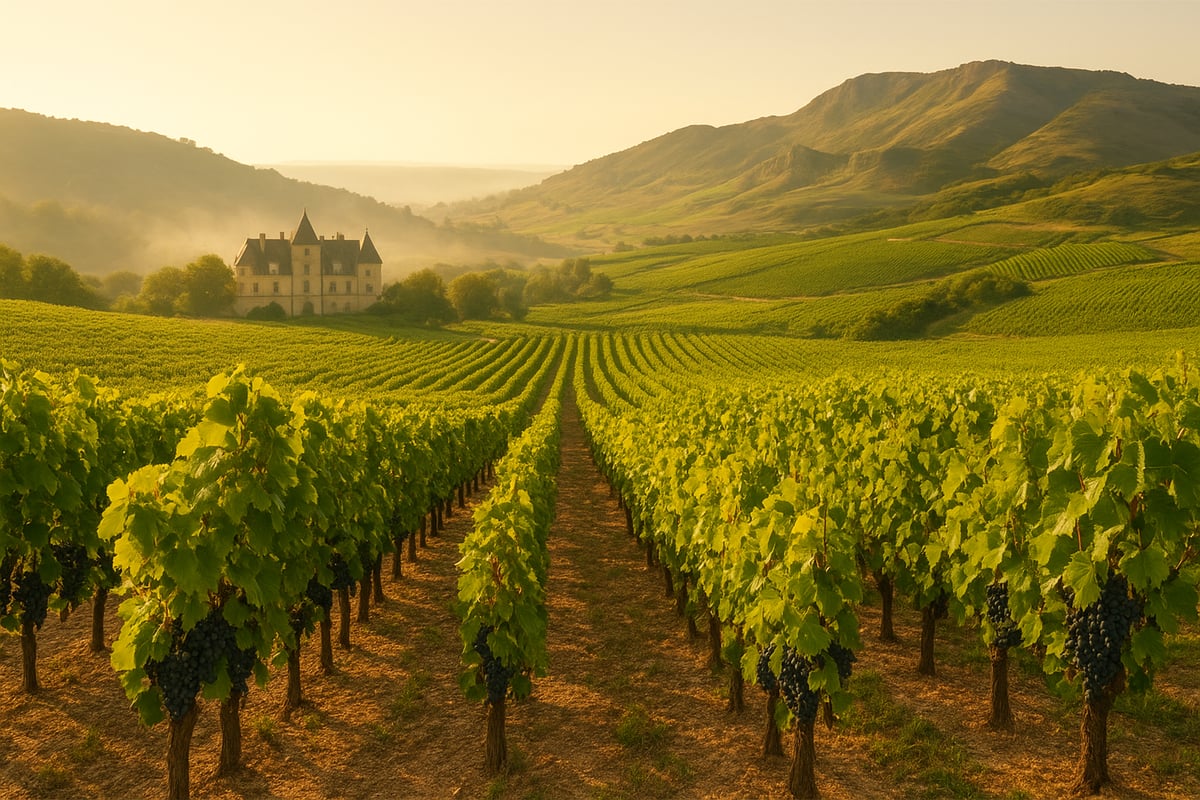
Burgundy, France, is where pinot noir wine began. These vineyards have grown pinot noir grapes for centuries. The region’s limestone-rich soils and cool climate are perfect for delicate grapes.
French winemakers refined their craft here, shaping the character of pinot noir wine worldwide. Grand Cru vineyards became the gold standard. Their wines are prized for complexity and elegance.
Burgundy’s influence spread as people discovered the magic of pinot noir wine. Exporting these wines inspired new regions to try their hand, always chasing the balance found in Burgundy.
Pinot Noir’s Journey to New Zealand
Pinot noir wine first landed in New Zealand in the 1970s. Early pioneers planted vines in places like Central Otago, Marlborough, Martinborough, and Waipara. The cool climate and diverse soils were a natural fit.
By the 21st century, New Zealand pinot noir wine was winning awards. The vineyards grew to over 5,500 hectares by 2023, showing huge growth and passion. Each region brings its own twist, from bold fruit to earthy spice.
If you are curious about how New Zealand’s style and reputation developed, you will enjoy Vinography's Analysis of New Zealand Pinot Noir. This deep dive highlights what makes New Zealand’s pinot noir wine truly special.
Modern Winemaking Innovations
Today, pinot noir wine is crafted with care and creativity. Many winemakers use organic and sustainable methods. Indigenous yeasts help create unique, site-driven flavours.
Barrel ageing adds layers of spice and texture. Single-vineyard and small batch pinot noir wine are now in demand. These wines let you taste the land in each sip.
Modern techniques focus on letting the grape and terroir speak. This approach brings you closer to the true spirit of pinot noir wine, whether you’re enjoying a bottle from Burgundy or discovering a hidden gem from New Zealand.
Understanding Pinot Noir Flavours & Aromas
If you have ever swirled a glass and wondered what makes pinot noir wine so captivating, you are not alone. This wine’s flavours are a treasure trove for the senses, offering something new with every sip. Let’s break down what you can expect, where those flavours come from, and how you can taste like a true enthusiast.
Tasting Profile: What Makes Pinot Noir Unique
Pinot noir wine stands out for its light to medium body, high acidity, and silky tannins. It is a wine that feels smooth and lively at the same time. The most common fruit notes you will find are cherry, raspberry, and plum.
But it is not just about fruit. Pinot noir wine often brings earthy undertones, like forest floor, mushroom, or truffle. These earthy notes give it a sense of place and depth that can make each bottle feel like a walk through the woods.
Spice also plays a role, with hints of cinnamon, clove, or allspice appearing in many glasses. Some bottles add floral or herbal accents such as rose, violet, or thyme. All these elements blend to create a wine that is both complex and easy to love.
Influence of Terroir and Climate
The land where pinot noir wine grows makes a huge difference to its taste. Soil, sun, and rainfall all leave their mark on the grapes. In Central Otago, the wine bursts with bold fruit, spice, and a touch of minerality.
Marlborough pinot noir wine leans towards red cherry, subtle earth, and bright acidity. Martinborough wines are known for their savoury depth and firm structure. Waipara’s bottles often show herbal, floral, and elegant traits.
These regional flavours mean you can explore New Zealand’s landscape with every glass. Each sip tells a story of where it came from, making every bottle a new adventure in taste.
How to Taste Pinot Noir Like a Pro
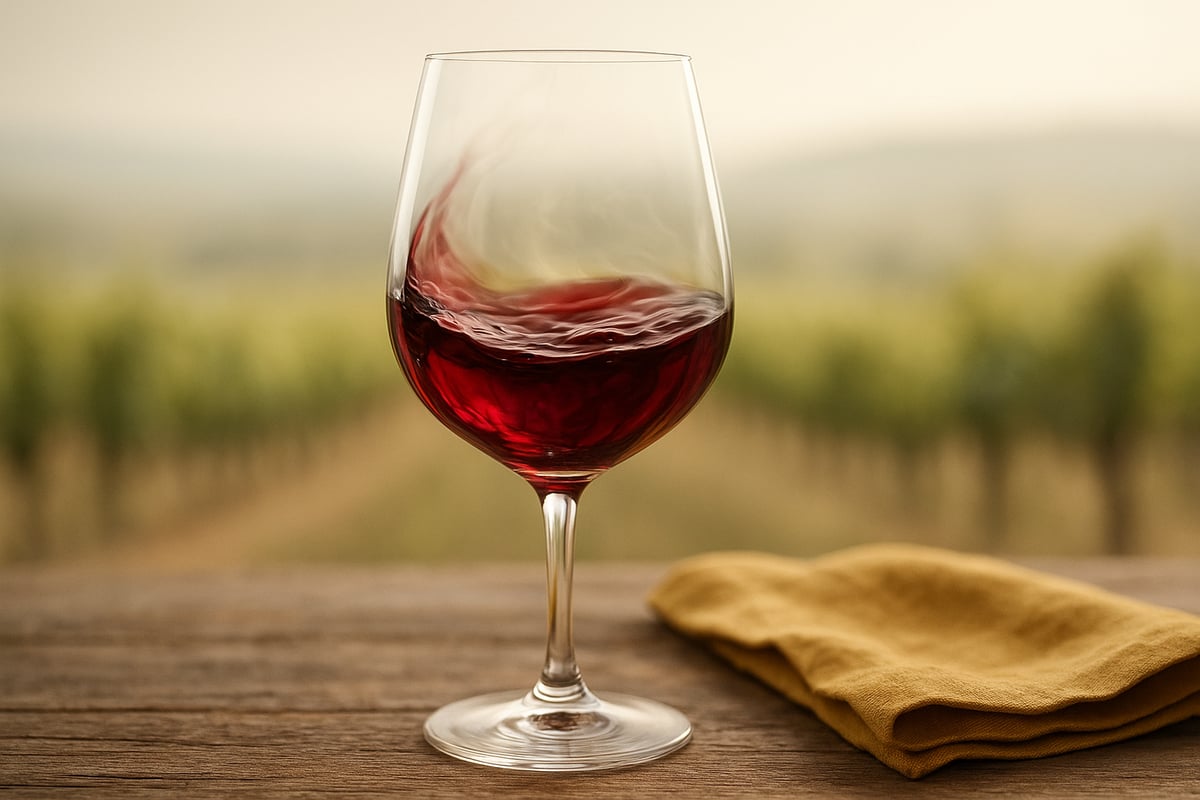
Want to get the most from your pinot noir wine? Start with the five S’s: See, Swirl, Smell, Sip, and Savour. Look at the colour, swirl to release aromas, inhale deeply, then take a small sip and let the flavours linger.
Use a tulip-shaped glass to focus those lovely aromas. Serve your pinot noir wine at 14–16°C, just cool enough to keep it fresh but warm enough for the flavours to shine. Young wines might benefit from a quick decant, while older bottles should be poured gently.
For more tips and a step-by-step approach, check out this Pinot Noir tasting guide. The right tasting ritual will help you appreciate every nuance, and maybe inspire you to explore a bottle from Fancrest Estate.
Pinot Noir Regions of New Zealand: A Regional Guide
Curious about what makes New Zealand pinot noir wine so special? Each region brings its own magic, creating flavours that will keep you coming back for more. Let’s take a tour through the country’s top pinot noir wine spots.
Central Otago: The Southern Star
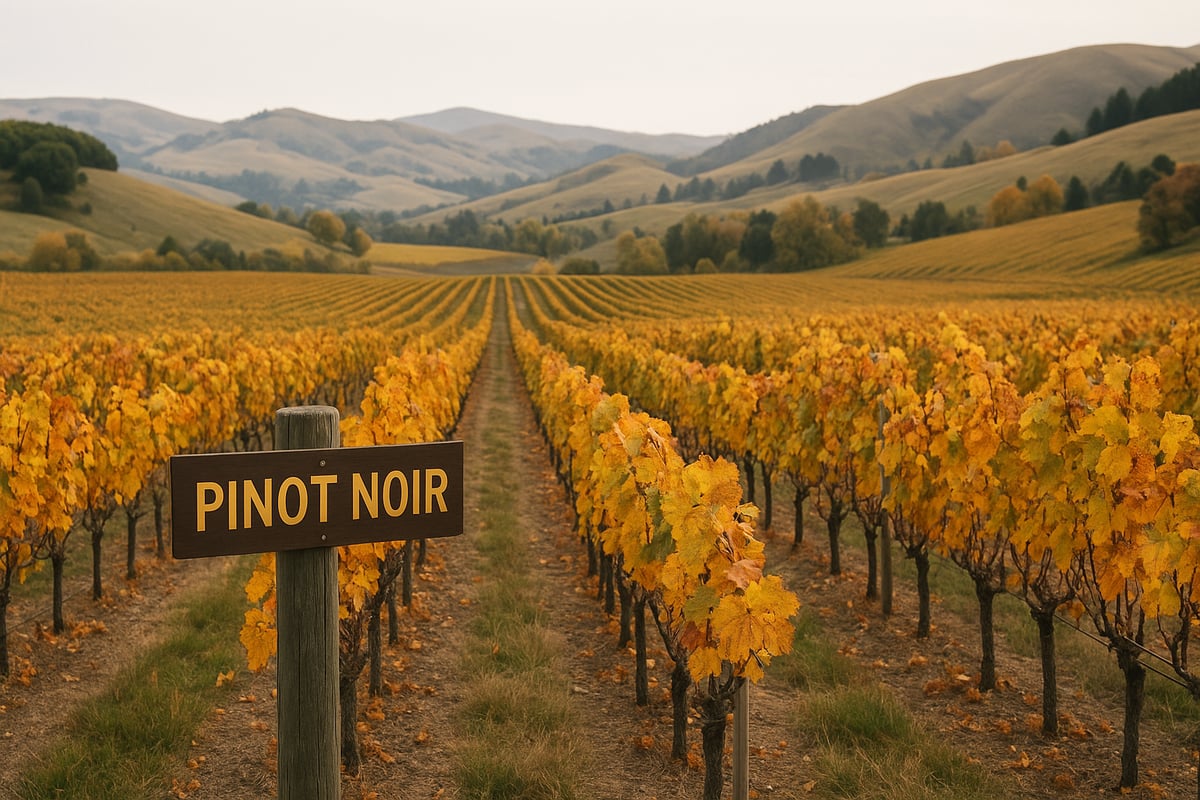
Central Otago is New Zealand’s southernmost pinot noir wine region. The climate here is cool and dry, with high-altitude vineyards that soak up sunshine and cool nights. This helps the grapes hold onto their acidity and develop intense flavours.
You’ll notice dark cherry, wild herbs, and a touch of spice in every glass. The landscape itself is rugged, and that character shines through in the wine.
Notable producers include Felton Road, Mount Difficulty, and Rippon. Central Otago pinot noir wine exports have jumped 12 percent recently, showing the world is paying attention. If you want bold, expressive pinot noir wine, this region is a must-try.
Marlborough: Fresh and Fruity
Marlborough is the largest pinot noir wine producer in the country. The climate is sunnier, and the soils are varied, giving you juicy red berry flavours with subtle oak notes.
Sub-regions like Wairau, Awatere, and Southern Valleys each add their own twist. Marlborough pinot noir wine is known for being bright, vibrant, and very approachable.
Allan Scott Marlborough Pinot Noir is a popular choice if you’re just starting out. If you’re looking for a pinot noir wine that’s easy to enjoy with friends or food, Marlborough should be on your list.
Martinborough: Savoury and Structured
On the North Island, Martinborough has built a reputation for savoury and structured pinot noir wine. The area’s small vineyards and hands-on producers focus on quality, not quantity.
Flavours here lean towards earthy, dark fruit, and sometimes a hint of dried herbs. Craggy Range Martinborough Pinot Noir is a great example of what this region can offer.
If you want to explore the difference between regions, Martinborough delivers a more complex, layered style. Want expert opinions? Check out Decanter's New Zealand Pinot Noir Vintage Report for trusted reviews and ratings.
Waipara & North Canterbury: Elegant and Expressive
Waipara and North Canterbury are rising stars for pinot noir wine. The soils are rich in limestone, and the maritime climate keeps things cool and balanced.
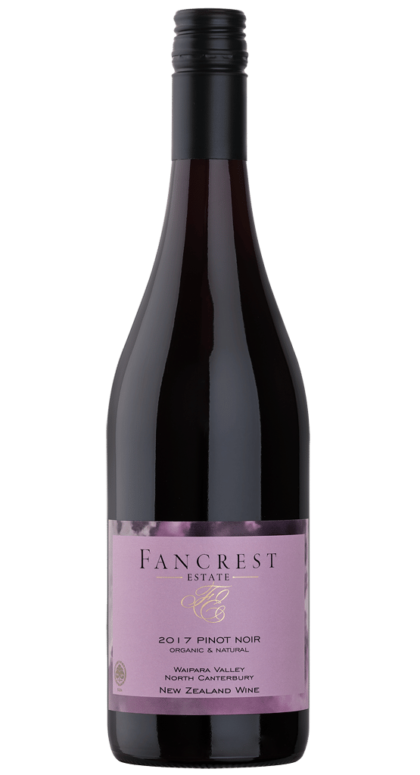
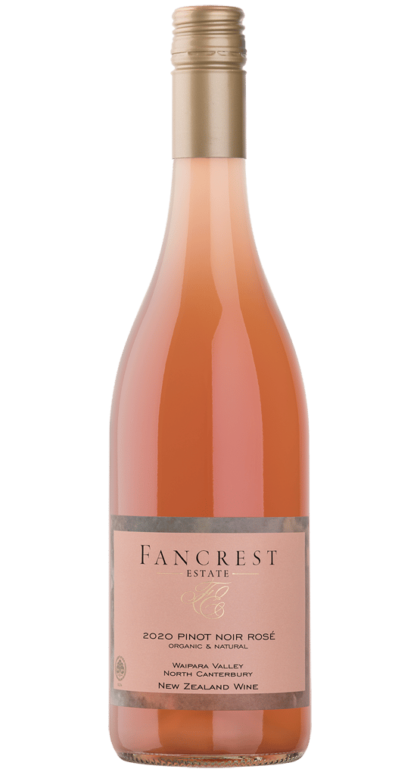
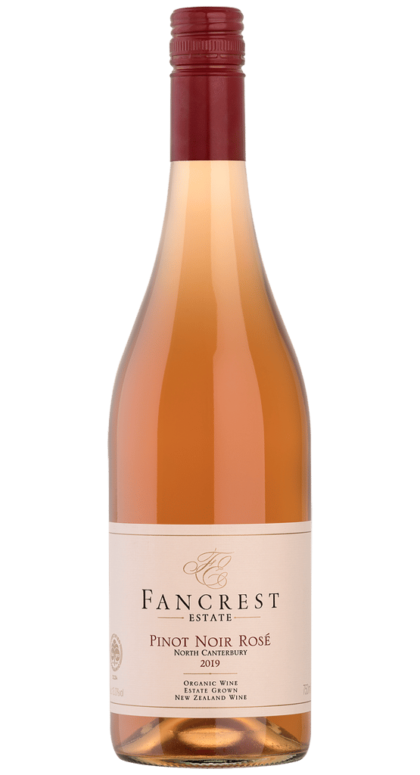
You’ll find floral, herbal, and mineral-driven notes in the glass. Fancrest Estate stands out for its organic, hand-crafted approach. Their pinot noir wine is pure, expressive, and aged for optimum flavour.
Want a true taste of New Zealand pinot noir wine, shaped by terroir and sustainable practices? Waipara and North Canterbury are perfect for the adventurous wine lover.
Food Pairings: What to Eat with Pinot Noir
Pairing food with pinot noir wine is one of life’s simple pleasures. The wine’s elegant flavours and lively acidity make it perfect for a wide range of dishes. Whether you’re hosting a dinner party or planning a cosy night in, the right food pairing can turn a glass of pinot noir wine into a memorable experience.
Classic Pairings for Every Occasion
Pinot noir wine is famous for its versatility at the table. Its vibrant fruit, gentle tannins, and bright acidity help it shine with many foods.
Here are some classic pairings:
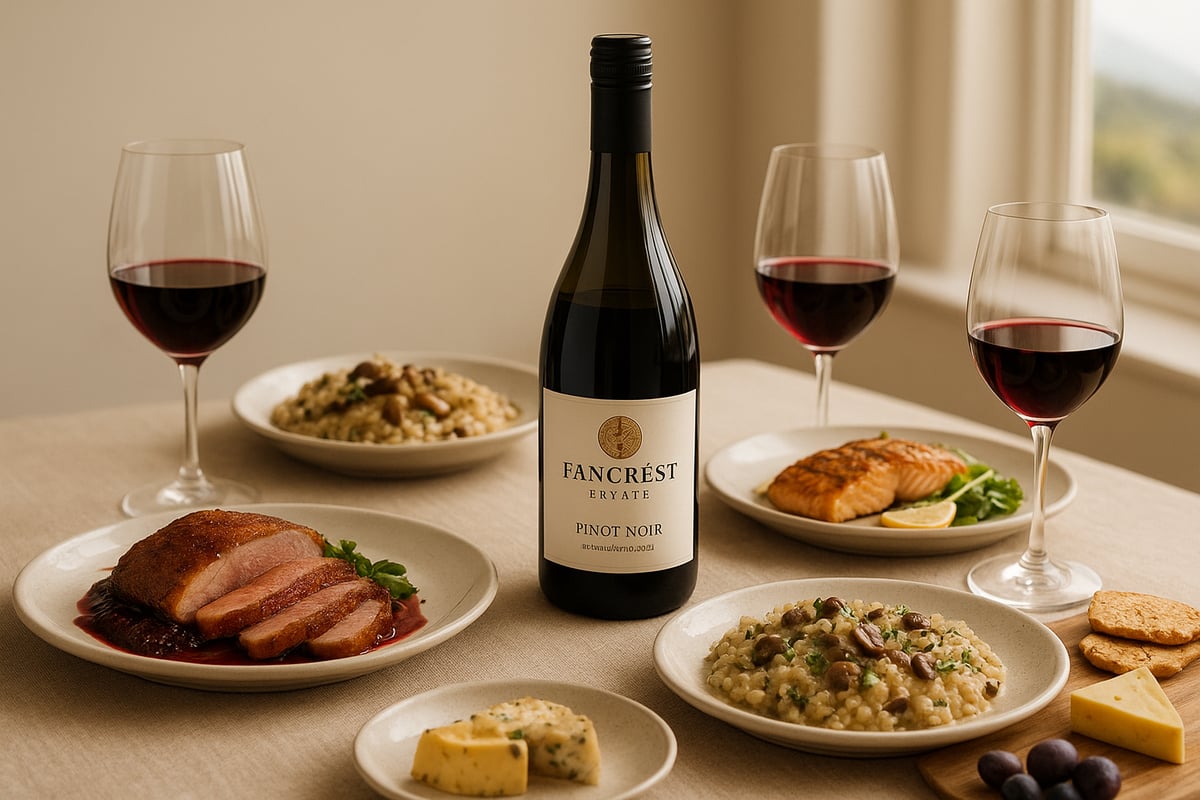
- Roast duck, lamb, or pork
The acidity of pinot noir wine cuts through the richness, creating balance. - Mushroom risotto and truffle pasta
Earthy flavours in the wine echo the savoury notes of mushrooms and truffle. - Salmon and tuna
Pinot noir wine’s light body is a natural match for oily, flavourful fish. - Cheese board
Try brie, camembert, or gruyère for creamy textures and soft flavours. - Vegetarian options
Beetroot, lentil stew, and grilled aubergine all highlight pinot noir wine’s depth.
If you want more inspiration, check out these Best Pinot Noir food pairings for expert tips and new ideas.
Regional Pairing Inspirations
New Zealand’s top pinot noir wine regions each bring something special to the table. Matching local wine styles with regional dishes can make your meal shine.
| Region | Wine Style | Food Pairing Idea |
|---|---|---|
| Central Otago | Bold fruit, spice | Venison, wild game |
| Marlborough | Juicy, fresh | Grilled salmon, chicken |
| Martinborough | Savoury, structured | Lamb shanks, root veg |
| Waipara | Floral, herbal | Canterbury lamb, mushrooms |
Imagine a glass of Fancrest Estate pinot noir wine with Canterbury lamb. The herbal notes in the wine echo the fresh, local flavours. Or try a Central Otago pinot noir wine with venison for a taste of the wild.
Tips for Perfect Pairings
Pairing pinot noir wine is all about balance and enjoyment. Here are a few tips to help you get it right:
- Match intensity
Light wines with delicate dishes, fuller wines with richer foods. - Use acidity
Pinot noir wine’s acidity cuts through creamy sauces and rich meats. - Go easy on spice
Avoid dishes that are too spicy, as they can overpower the wine. - Serve slightly chilled
Pinot noir wine shines at 14–16°C, perfect for summer meals or lighter fare.
When you’re ready to try something new, order a bottle of Fancrest Estate pinot noir wine online and experiment with your favourite dishes. Finding your own perfect match is half the fun.
How to Choose and Buy Pinot Noir in 2026
Choosing your perfect pinot noir wine in 2026 can feel like a journey. With so many styles, regions, and options, it helps to know what to look for on the label, where to shop, and how to care for your bottle once it arrives. Let’s break it down step by step.

Reading Labels and Understanding Styles
When you pick up a bottle of pinot noir wine, the label gives you plenty of clues. Look for terms like single vineyard, organic, or reserve. These often mean the wine comes from a special site, uses eco-friendly practices, or has spent extra time ageing.
Vintage matters too. A 2024 pinot noir wine can taste different from a 2025, thanks to weather and growing conditions. Red and rosé pinot noir wine each have their own charm. Regions like Central Otago or Waipara on the label can hint at flavour, from bold fruit to herbal elegance.
Shopping Online vs. In-Store
Buying pinot noir wine online is more popular than ever. Many wineries, like Fancrest Estate, now sell direct to your door. Online shops often offer exclusive releases, detailed tasting notes, and the convenience of home delivery.
Shopping in person lets you ask questions and get recommendations. But online, you can research, compare styles, and even read reviews at your own pace. If you want a truly unique bottle, check out boutique producers who sell only through their websites.
Factors to Consider When Buying
There are a few key things to keep in mind before you buy. Vintage variation can make each pinot noir wine unique, so check tasting notes for that year. Price often reflects quality, but you can find great value in lesser-known producers.
Awards and ratings help, but trust your own palate and preferences. If a wine is organic or single vineyard, it often means extra care went into making it. Look for honest producer stories and clear information about how the wine was grown and crafted.
Storing and Serving Your Pinot Noir
Once you’ve chosen your bottle, proper storage is key. Keep your pinot noir lying on its side in a cool, dark place. Most bottles are ready to drink within a couple of years, but some benefit from cellaring. Serving your wine at 14–16°C brings out the best flavours.
Young pinot noir can be decanted for a short time to open up aromas. For aged bottles, gentle handling is best. Curious about how ageing changes the taste? Check out the effect of cellaring on Pinot Noir for more insights.
Expert Tips for Enjoying Pinot Noir
Ready to take your pinot noir wine experience from good to unforgettable? Let’s break it down with practical tips, fresh ideas, and a focus on getting the most out of every bottle. Whether you’re sipping solo or sharing with friends, these insights will help you explore, taste, and enjoy pinot noir wine like a true enthusiast.
Maximising Your Tasting Experience
Curious how to make every glass of pinot noir wine count? Start by hosting a tasting at home. Invite friends, choose bottles from different regions, and compare flavours. Use a large-bowled glass to let those aromas shine.
Keep a notebook handy. Jot down what you taste and smell. Try a blind tasting for extra fun. Notice how Central Otago pinot noir wine differs from Martinborough or Waipara. These small details make the journey memorable and help you spot your favourites.
Exploring Beyond the Basics
Want to dig deeper? Taste aged pinot noir wine next to a fresh release. Notice the difference—older bottles often show earthy, subtle notes, while younger ones burst with fruit.
Seek out organic or natural styles. These wines can feel more vibrant and pure. Join a wine club or online tasting group. You’ll get insider tips, exclusive bottles, and a chance to chat with others who love pinot noir wine as much as you do.
Sustainable and Ethical Choices
Thinking about the planet while you sip? Look for producers who use organic or regenerative methods. These practices not only protect the land but can lift the quality of your pinot noir wine.
Fancrest Estate’s approach is a great example. Their wines, crafted with care and minimal intervention, are both delicious and responsible. Plus, there are health benefits of Pinot Noir to enjoy when you choose a glass made with integrity.
Pinot Noir Trends for 2026
What’s next for pinot noir wine lovers? Expect more single-vineyard releases, letting you taste the story of each unique site. Lighter, lower-alcohol styles are set to shine, perfect for summer and long lunches.
There’s also a growing focus on terroir, with winemakers sharing the journey from vine to glass. Keep an eye out for new stories and bold expressions from New Zealand’s top regions.
So, after diving into the world of Pinot Noir—exploring its origins, flavours, and perfect food pairings—you might be wondering where you can actually get your hands on a truly special bottle. If the idea of sipping a hand crafted, organic Pinot Noir from New Zealand’s limestone hills sounds tempting, why not see what Fancrest Estate has to offer? Their wines are made with care, aged for peak flavour, and only available direct. Curious to taste the difference for yourself?
Explore our wine selection here..