Pinot noir vines are the secret behind some of the world’s most elegant and captivating wines. If you’ve ever wondered what makes a great pinot noir, you’re in the right place.
This expert guide will walk you through everything you need to know about pinot noir vines for the 2026 season. Whether you dream of sipping a perfect glass at home or planting your own vines, you’ll find the essentials here.
You’ll discover what makes pinot noir unique, the best clones and rootstocks for New Zealand, how to pick the right site, and smart ways to care for your vines. We’ll also cover disease prevention, harvest timing, and tips for enjoying your wine.
Ready to unlock the full potential of pinot noir vines? Let’s dive in and set you on the path to enjoying or even producing your own top-quality pinot noir.
Understanding Pinot Noir: The Grape and Its Legacy
Pinot noir vines have a reputation for producing some of the world's most captivating wines. If you've ever wondered what makes this grape so special, you're in the right place. Let's dive into the beauty, history, and ongoing appeal of pinot noir vines.
The Unique Characteristics of Pinot Noir
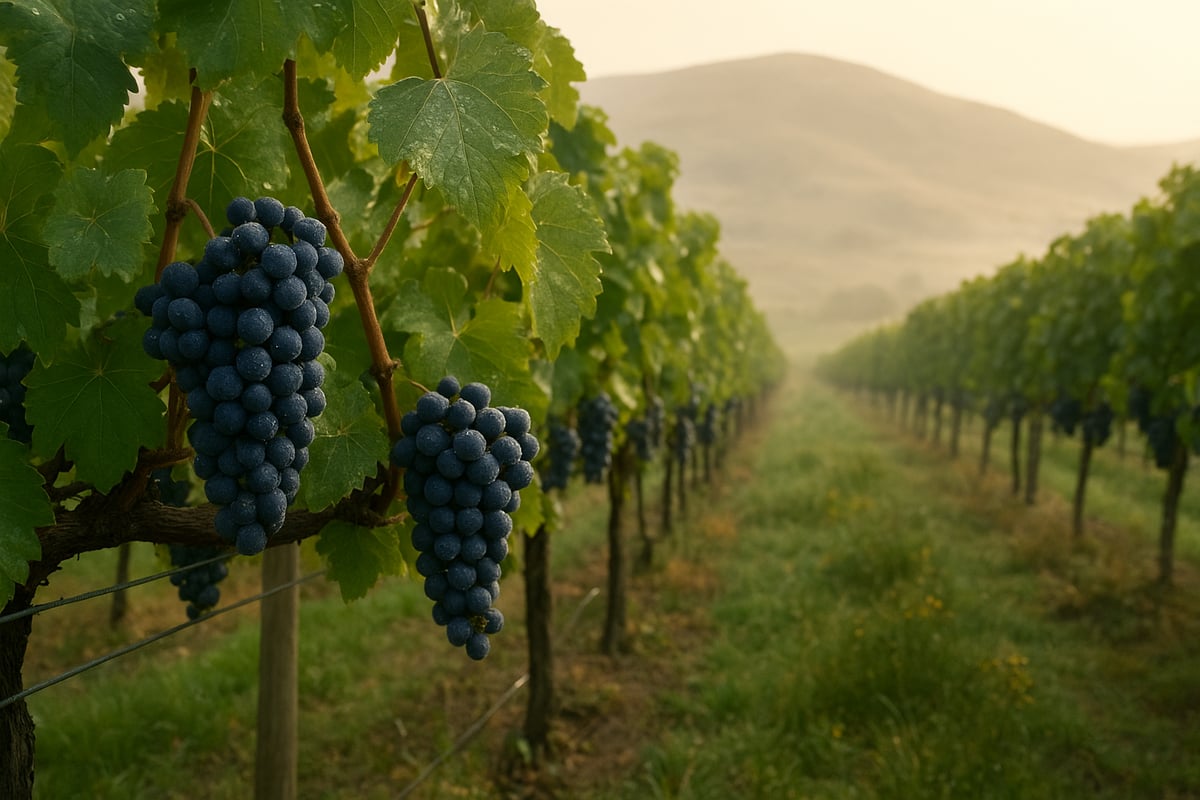
Pinot noir vines are known for their thin skins and delicate structure. These grapes are highly sensitive to their environment, picking up subtle changes in soil and climate. If you swirl a glass of Pinot Noir, you might notice aromas of cherry, raspberry, or even a hint of forest floor.
This grape is versatile, producing both red and rosé wines. It usually shows lower tannins but higher acidity, making it lively and food friendly. Pinot noir vines also bud and ripen early, which means timing is everything for growers.
Want to know more about what sets these grapes apart? Check out Pinot Noir grape essentials for a deeper dive into their unique traits.
Historical and Global Significance
Pinot noir vines originated in Burgundy, France. Over centuries, they have spread across the globe and found a second home in places like Central Otago, Waipara, and Marlborough.
New Zealand’s cool climate brings out the best in pinot noir vines, helping them develop complex flavours and elegance. These vines have inspired winemakers worldwide, shaping the style of both still and sparkling wines.
With every bottle, you taste a little piece of history and the influence of each region’s terroir. The journey of pinot noir vines continues to inspire wine lovers everywhere.
Why Pinot Noir Vines Remain in Demand for 2026
Interest in pinot noir vines is stronger than ever. Global wine lovers are seeking lighter, food-friendly reds, and pinot noir fits the bill perfectly. New Zealand pinot noir vines have won international awards, putting them in the spotlight.
Climate change is shifting where these vines thrive, opening new opportunities for growers. Boutique producers and organic vineyards are also gaining more recognition, adding to the appeal.
If you’re dreaming of enjoying or growing your own pinot noir vines, you’re not alone. Their legacy and ongoing demand make them a smart and delicious choice.
Selecting Pinot Noir Vines: Clones, Rootstocks, and Quality for 2026
Choosing the right pinot noir vines for your vineyard or home block is like picking the perfect ingredients for a special meal. Each choice shapes your wine’s character for years to come. Let’s break down what matters most for the 2026 season.
Clone Selection: Finding the Right Fit
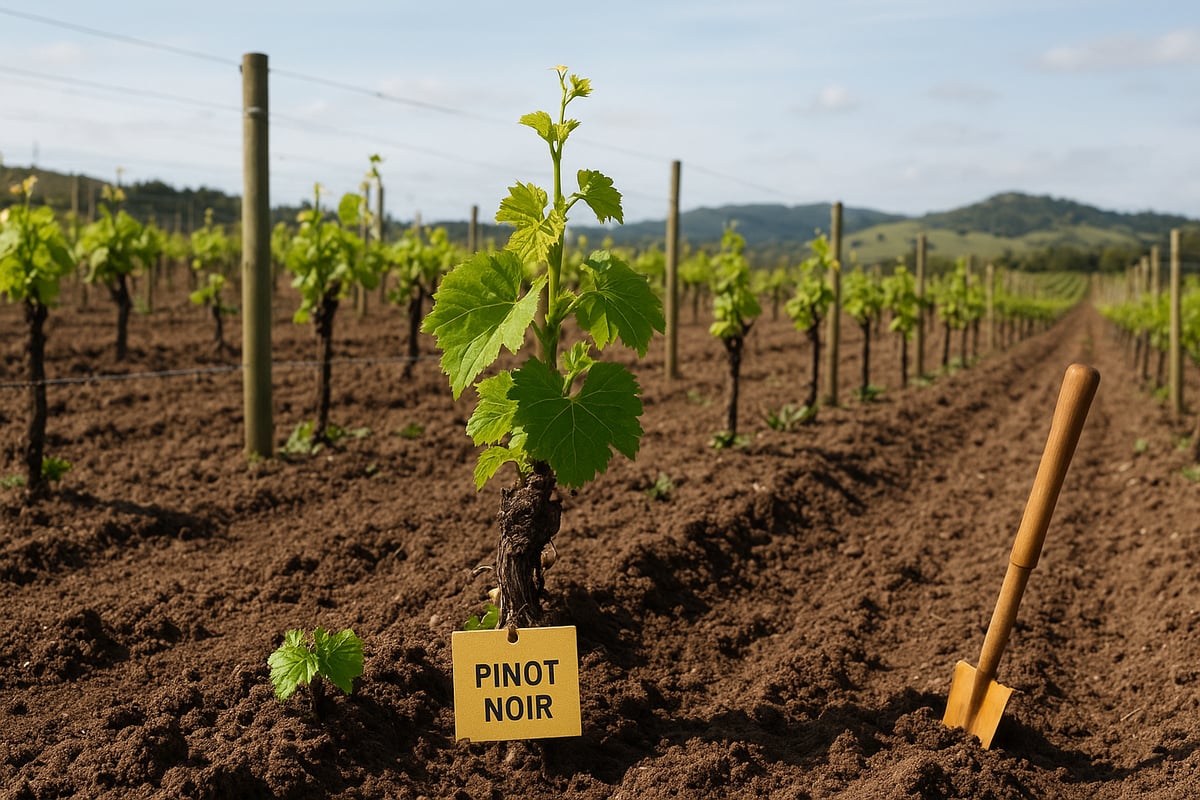
When it comes to pinot noir vines, clone choice is where the journey begins. In New Zealand, popular clones like 115, 667, Abel, and UCD 5 each bring something special. Some offer bright cherry aromas, others deliver structure or higher yields.
Your site’s climate and soil matter. A cooler spot might benefit from a clone with early ripening. Want more complexity? Mix clones for layered flavours and resilience.
New trials are underway for disease resistance and climate adaptation. Diversity in the vineyard helps buffer against weather swings, too. For a deep dive, check out this guide on Pinot Noir clone selection in New Zealand. Selecting the right clones now sets your pinot noir vines up for success.
Choosing the Best Rootstocks
Rootstocks are the unsung heroes of pinot noir vines. They influence vigour, drought tolerance, and disease resistance. In New Zealand, Riparia Gloire, 3309C, and SO4 are go-to options.
Matching rootstock to your soil is key. Heavy clay may need a different rootstock than free-draining gravel. Phylloxera resistance is non-negotiable, so certified choices are a must.
Here’s a quick comparison:
| Rootstock | Vigour | Disease Resistance | Soil Suitability |
|---|---|---|---|
| Riparia Gloire | Low | Good | Free-draining soils |
| 3309C | Moderate | Good | Versatile |
| SO4 | Moderate | Excellent | Clay-loam, varied |
Get the pairing right, and your pinot noir vines will reward you with healthy growth and balanced fruit.
Sourcing Certified Plant Material
Healthy pinot noir vines start with certified, virus-free plants. Always buy from reputable nurseries with a track record for quality. This ensures your vines are true to type and free from hidden threats.
Check biosecurity and import rules for 2026. Keep all documentation for traceability. Plan ahead, as top-quality material can have long lead times.
Ask for certification and inspect plants before planting. Good records mean you know exactly what you’re putting in the ground, setting your vineyard up for future success.
Anticipating 2026: Innovations and Trends
Looking ahead, pinot noir vines are evolving. New disease-resistant clones are being developed. Growers are prioritising organic and sustainable sources. Climate-adapted selections are gaining traction as conditions shift.
Early adopters will benefit from these advances. By choosing wisely now, you’ll be ready for the future of premium Pinot Noir. This is the path to wines with true character—wines you’ll be proud to share, enjoy, or even cellar from Fancrest Estate.
Site Selection and Preparation: Setting Pinot Noir Up for Success
Choosing the right spot for your pinot noir vines is the first step toward producing wines with depth and character. Let's break down what makes a site truly sing for this special grape.
Ideal Climate and Microclimate Factors
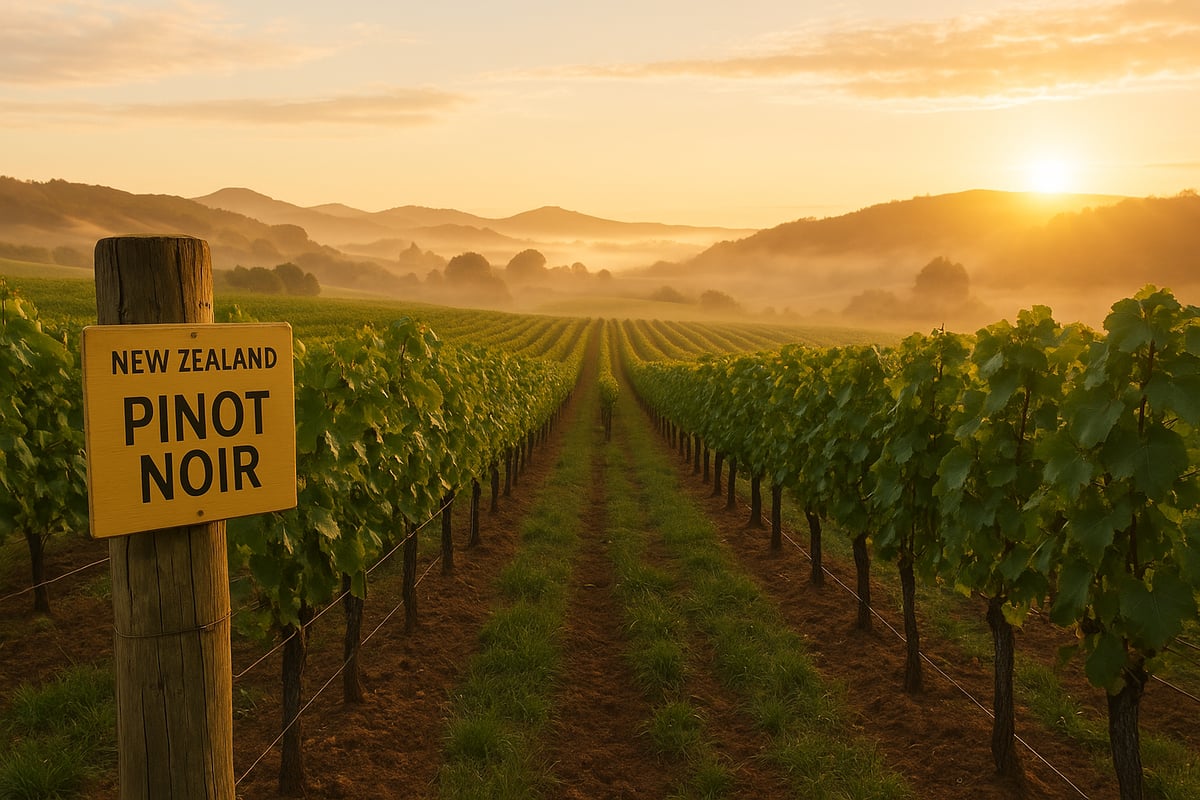
Pinot noir vines thrive in cool to moderate climates. If you want to grow grapes with complex flavours, look for sites that avoid frost pockets and get steady sun without harsh heat.
Sheltered slopes can help protect vines from strong winds. Too much rain can cause disease, so well-drained areas are best. Central Otago and Waipara show how the right microclimate leads to world-class wine.
Curious about how your site could shape your wine? You might enjoy reading about terroir expression in New Zealand Pinot Noir for real-world examples.
Soil Preferences and Preparation
Soil quality is just as important as climate for pinot noir vines. These vines prefer soils like gravel, clay-loam, or limestone, which drain well and encourage deep roots.
Avoid areas with waterlogged or salty soils. Before planting, test your soil for pH and nutrients. Adding compost or organic matter can boost vine health and wine flavour.
Simple improvements, like adding drainage pipes or planting cover crops, can make a big difference. Healthy soil sets your pinot noir vines up for a long, fruitful life.
Vineyard Layout and Planting Density
How you design your vineyard can impact the success of your pinot noir vines. Rows should run north-south for even sun. Good airflow between vines helps prevent disease and ensures grapes ripen evenly.
- Spacing depends on your goals for yield and vine vigour.
- Trellis systems like VSP or Guyot suit pinot noir well.
- Plan for irrigation lines before planting.
Will you manage your vines by hand or use machines? Set your layout early, so your pinot noir vines can thrive with less stress.
Organic and Sustainable Practices (Fancrest Estate Example)
Organic growing is gaining ground, especially for pinot noir vines. At Fancrest Estate, organic management means healthier vines and more expressive wines.
- Natural yeasts allow the vineyard's personality to shine.
- Minimal sprays protect both vines and the environment.
- Cover crops boost biodiversity and soil life.
This approach leads to wines full of character and purity. If you want to enjoy or grow truly memorable pinot noir, look for producers who care for their vines and land in a similar way.
Vineyard Management: Growing Healthy Pinot Noir Vines
If you want your pinot noir vines to thrive, vineyard management is the key. Healthy vines mean flavourful wines. Let’s break down the essentials so you can grow the best grapes for your next bottle.
Canopy Management and Pruning
Getting the canopy right is like setting the stage for your pinot noir vines. You want plenty of light and airflow. This helps the grapes ripen evenly and keeps disease at bay.
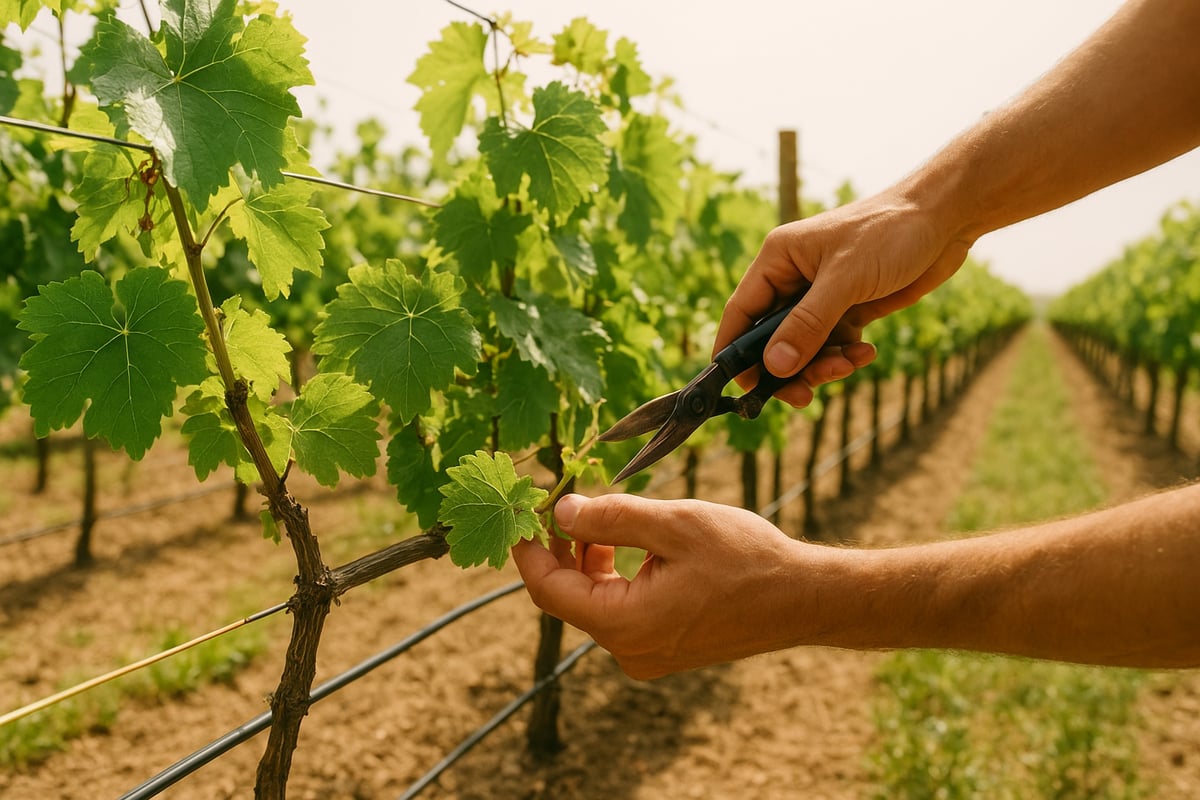
Start with winter pruning. This shapes the vines and sets your yield. Aim for balanced growth, not too leafy, not too bare. In spring, thin shoots and remove extra leaves around the fruit. This gives bunches more sun and reduces the risk of mildew.
Use a vertical shoot positioning (VSP) system if you can. It makes it easier to manage leaves and fruit. Pruning at the right time keeps buds healthy and helps your pinot noir vines produce top-quality grapes.
Irrigation and Water Management
Pinot noir vines are sensitive to water. Too much or too little can spoil the fruit. Drip irrigation is popular because it delivers water straight to the roots. It also helps save water and keeps the soil just moist enough.
Check your soil moisture often. If you dry farm, watch the weather closely. Drought can stress the vines, but a bit of struggle often produces more concentrated grapes. If you irrigate, adjust timings to match the season.
Efficient water use is vital for pinot noir vines. It keeps berries small and flavourful. Plan ahead for dry spells, and always make sure your irrigation system is ready for action.
Nutrition and Soil Health
Pinot noir vines need balanced nutrition for healthy growth. Start by testing your soil. Look for magnesium, nitrogen, and boron levels. If anything is low, use foliar sprays or organic fertilisers to boost them.
Compost and green manure are great for the soil. They feed the microbiome, which helps the vines absorb nutrients. Healthy soil means resilient pinot noir vines, even in tough seasons.
Choose organic options when you can. They support long-term vine health. For more tips on natural soil care and organic management, check out Sustainable winegrowing practices. This resource can help you grow better grapes and enjoy a richer glass of wine.
Pest and Disease Control for 2026
Pinot noir vines are delicate, so pests and diseases need constant attention. Powdery mildew and botrytis are common threats. Check your vines often, especially after rain or humid days.
Use integrated pest management (IPM). This means combining natural predators, organic sprays, and careful monitoring. Disease-resistant clones are a smart choice for 2026.
Keep your vineyard tidy. Remove fallen leaves and old fruit. Early intervention is the best way to protect your pinot noir vines. As the climate shifts, stay alert for new pests and be ready to adapt your approach.
Harvesting and Vinification: From Vine to Wine in 2026
Bringing out the best in pinot noir vines starts in the vineyard at harvest. Picking the right moment is part science, part art. If you want to enjoy a truly elegant wine, you need to get this step just right.
Determining Harvest Timing
Timing matters. For pinot noir vines, harvest is guided by a mix of lab tests and tasting. Winemakers check sugar (Brix), acidity, and phenolic ripeness. They watch the weather closely, ready to move if rain threatens.
Walking the rows, you might taste berries for flavour and texture. Sometimes, the seeds and skins give clues. The goal is to find that sweet spot where fruit, acid, and tannins balance beautifully. Many growers prefer hand picking, as it protects the delicate bunches.
Curious about the process? Dive deeper into the art of harvesting Pinot Noir for a behind-the-scenes look at what makes this moment so special.
Pinot Noir Winemaking Essentials
Once pinot noir vines are picked, gentle handling is key. Grapes are sorted by hand, removing anything less than perfect. Small batch fermenting lets you coax out the grape’s subtle flavours.
Natural yeasts from the vineyard kick off fermentation. Many winemakers use a cold soak to extract colour and aroma before things get bubbly. Punch downs are done by hand, keeping things soft and careful.
After pressing, juice is aged in French oak barrels. This adds complexity and structure. Minimal intervention is the philosophy, letting the pinot noir vines shine through in every glass.
Trends in Pinot Noir Styles for 2026
Looking ahead, you’ll notice more wines from pinot noir vines leaning toward lighter, fresher styles. Lower alcohol and bright acidity are in. Single vineyard and organic bottlings are on the rise, telling the story of place and people.
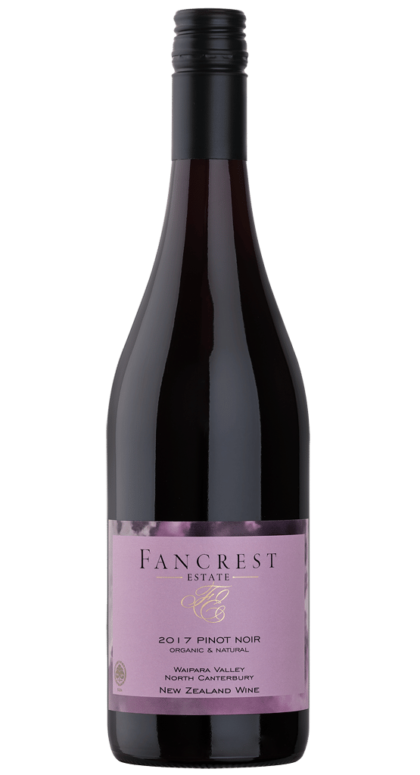
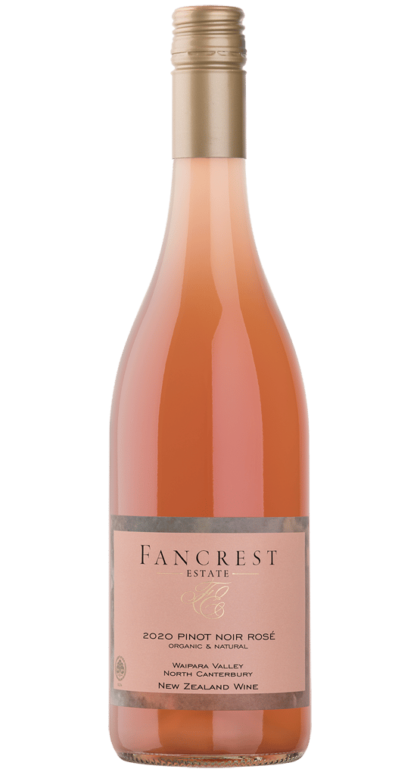
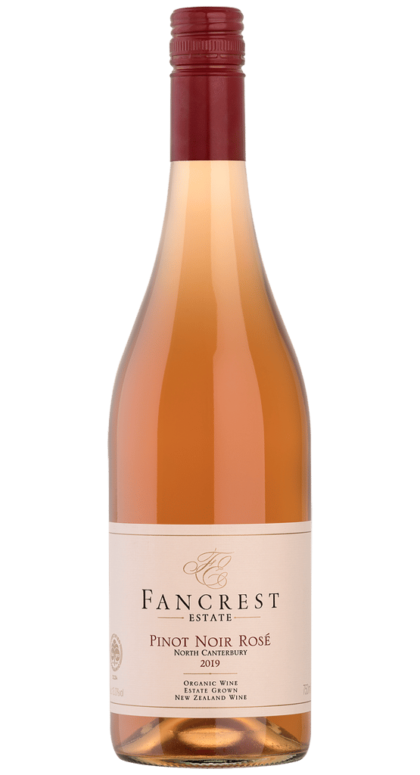
Rosé and sparkling Pinot Noir are also gaining fans. Drinkers want wines with character and a sense of origin. If you’re keen to taste what’s next, seek out award-winning New Zealand bottles. Fancrest Estate offers a beautiful example of what pinot noir vines can become in the right hands.
Buying, Enjoying, and Cellaring Pinot Noir Wines
Enjoying Pinot Noir is about more than pouring a glass. The journey from pinot noir vines to bottle shapes each sip. Let’s explore how to spot great wine, serve it beautifully, and store it for future pleasure.
What to Look for in Quality Pinot Noir
A top Pinot Noir will greet you with a fragrant nose. Expect notes of cherry, raspberry, and sometimes a hint of earth or spice. The texture should be silky, with a gentle flow across your palate.
Check the label for details about the pinot noir vines. Look for information on the clone, vineyard site, and vintage. These clues help you understand the wine’s origin and character.
Small-batch and estate-grown bottles often stand out. Awards and positive reviews offer extra reassurance. Curious about how vine care impacts the final wine? Explore the close relationship between wines and vines for deeper insight.
Food Pairing and Serving Tips
Pinot Noir shines at the table. Its bright acidity and soft tannins make it easy to pair with food. Try these classic matches:
- Duck or salmon
- Mushrooms or truffle-based dishes
- Roast chicken or lamb
For the best experience, serve Pinot Noir slightly cool, about 14-16°C. Use a tulip-shaped glass to let aromas bloom. Decant young bottles for 20-30 minutes to soften the flavours.
Pinot Noir’s versatility means it pairs well with many New Zealand favourites. Hosting a tasting at home? Let friends sample different styles from various pinot noir vines for a fun, flavourful evening.
Cellaring and Ageing Potential
Pinot Noir evolves beautifully with time. As it ages, you’ll notice earthy, savoury notes joining the fruit flavours. Store bottles in a cool, dark place, ideally at 12-14°C, with steady humidity.
Here are some tips for cellaring:
- Lay bottles on their side to keep corks moist
- Avoid light and temperature swings
- Check labels for age-worthiness or vintage guides
Some New Zealand examples from special pinot noir vines can age for 5-10 years, even longer. Building a collection? Taste a bottle every year or two to find your favourite drinking window. Each vintage is a new adventure.
If you’re feeling inspired to put all this Pinot Noir know how into practice or simply want to taste what a truly organic, hand-crafted approach delivers, why not see what’s on offer straight from our vineyard? After all, there’s something special about experiencing wines that are aged to perfection and made with real care for the land—just like we’ve discussed throughout this guide. Whether you’re a grower, collector, or just love a good glass, you deserve a bottle that captures everything you value in Pinot Noir.
Explore our wine selection here..