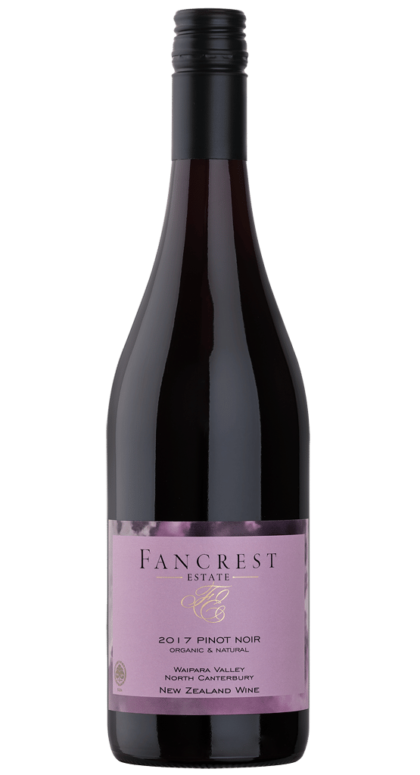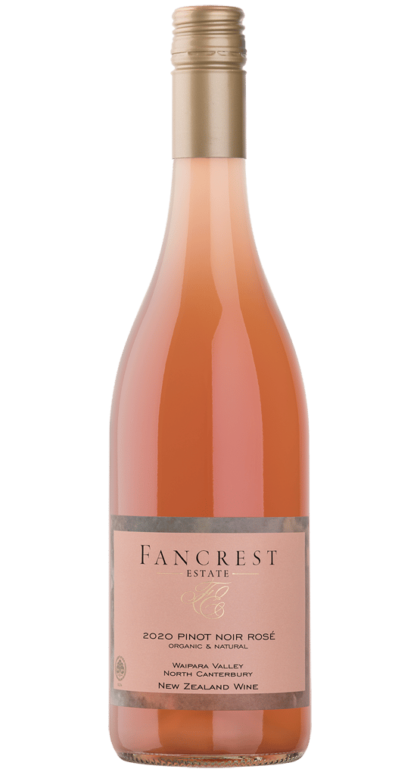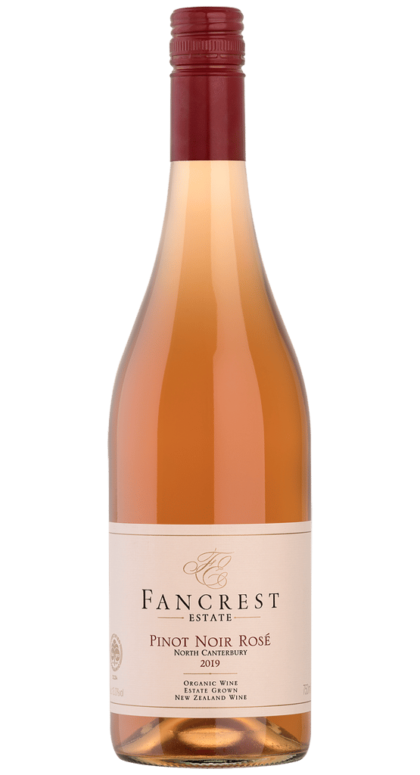

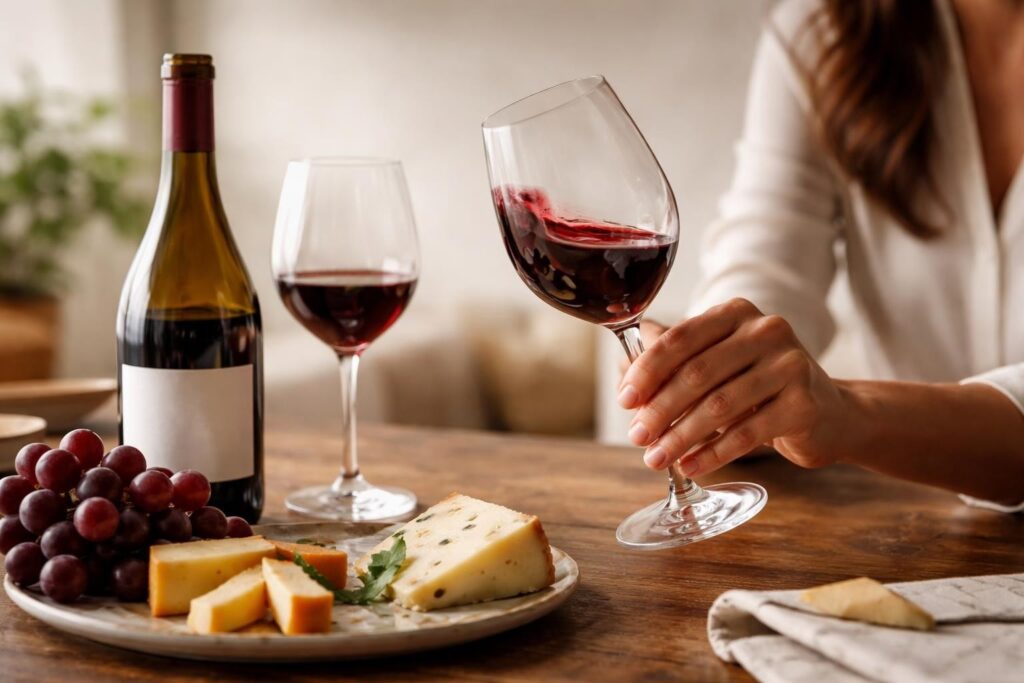
Have you ever wondered why pinot noir tasting feels so different from tasting other wines? This delicate, expressive grape demands your full attention, revealing layer after layer of complexity with each sip. When you approach a glass of Pinot Noir from an organic vineyard, you're not just tasting fermented grape juice. You're experiencing a living product shaped by soil microbes, wild yeasts, careful hands, and time. Every element from the vineyard floor to the bottle contributes something unique. Let's explore how to properly taste this remarkable wine and discover what makes each glass a distinct expression of place and craft.
Understanding What Makes Pinot Noir Special
Pinot Noir stands apart from other red wines in almost every way.
The grape itself is notoriously temperamental. It demands specific conditions, careful handling, and patience from those who grow it.
Unlike robust varieties that muscle through challenges, Pinot Noir shows you everything. A hot week in January, a cool spell during flowering, the presence of beneficial insects in the vineyard. All these factors appear in your glass.
When you're conducting a pinot noir tasting, you're reading a story written by nature and guided by human hands. The wine's thin skin means less tannin extraction. This creates a silkier, more elegant texture compared to Cabernet Sauvignon or Syrah.
The ultimate guide to Pinot Noir highlights how this grape expresses terroir more clearly than almost any other variety.
The Living Vineyard Connection
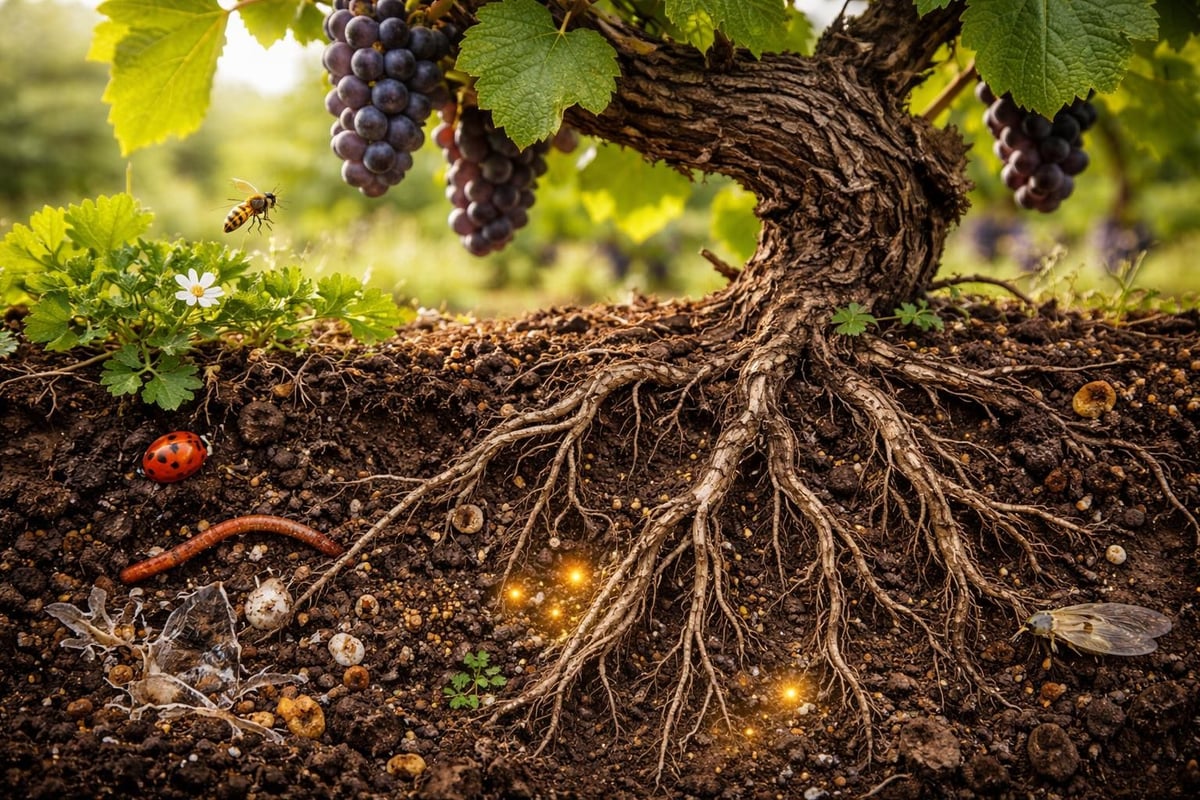
In organic vineyards, the wine's character starts deep in the soil.
Beneficial microorganisms create a thriving underground network. Earthworms aerate the earth. Fungi form relationships with vine roots. Native insects maintain natural balance without synthetic interventions.
This vibrant ecosystem produces grapes with distinctive characteristics. The vines aren't just surviving. They're participating in a complex biological community that influences everything from sugar development to aromatic compounds.
When natural vineyard yeasts ferment the juice, they add another layer of wild complexity. These aren't standardized commercial yeasts. They're unique strains that live in that specific location, carrying the fingerprint of place into every bottle.
Preparing for Your Pinot Noir Tasting
The right setup makes all the difference.
You don't need fancy equipment. But a few simple considerations will help you experience everything the wine offers.
Temperature Matters More Than You Think
Serve your Pinot Noir slightly cool, not at room temperature.
Aim for around 13-16°C. This temperature range allows the wine's aromatic compounds to express themselves fully without the alcohol becoming overwhelming.
Too cold, and you'll mute the delicate flavours. Too warm, and you'll emphasize alcohol over nuance.
If your bottle has been stored at room temperature, pop it in the fridge for about 20 minutes before serving. This small step transforms the tasting experience.
Glass Selection and Environment
Use glasses with a generous bowl and a tapered rim.
The bowl allows oxygen to interact with the wine. The tapered rim concentrates aromas toward your nose.
| Glass Feature | Why It Matters | Impact on Tasting |
|---|---|---|
| Large bowl | Aerates wine | Opens up aromatics |
| Tapered rim | Focuses aromas | Intensifies nose |
| Thin glass | Temperature control | Prevents hand warming |
| Clear crystal | Visual assessment | Shows true color |
Choose a neutral environment for your pinot noir tasting. Strong perfumes, scented candles, or cooking smells will interfere with the wine's subtle aromatics.
Natural light helps you assess color accurately. White backgrounds work better than patterned tablecloths.
The Visual Assessment
Pour about one-third of the glass and hold it against a white surface.
Pinot Noir's color tells you stories before you even smell the wine.
Young Pinot Noir often shows bright ruby or cherry red hues. As the wine ages, these evolve toward garnet, brick, or even tawny tones at the rim.
Organic wines sometimes display more variation in color. This isn't a flaw. It reflects the natural variation in grape ripeness and the absence of additives that might standardize appearance.
Reading the Rim
Tilt your glass away from you at a 45-degree angle.
Look where the wine meets the glass edge. A purple-tinged rim suggests youth. Amber or orange hints indicate maturity.
The color intensity reveals extraction levels during winemaking. Paler wines often come from gentler handling and shorter maceration periods. Deeper wines might indicate riper fruit or extended skin contact.
Waipara Pinot Noir often shows particularly brilliant clarity. The region's cool climate and intense sunshine create grapes with vibrant natural pigments.
Exploring the Aromatics
Now the real magic begins.
Swirl the wine gently in your glass. This releases volatile aromatic compounds into the air space above the liquid.
First Nose: Initial Impressions
Bring the glass to your nose without swirling first.
What do you notice immediately? These are the most volatile, delicate aromas. They're often the first to fade as wine sits in the glass.
You might detect:
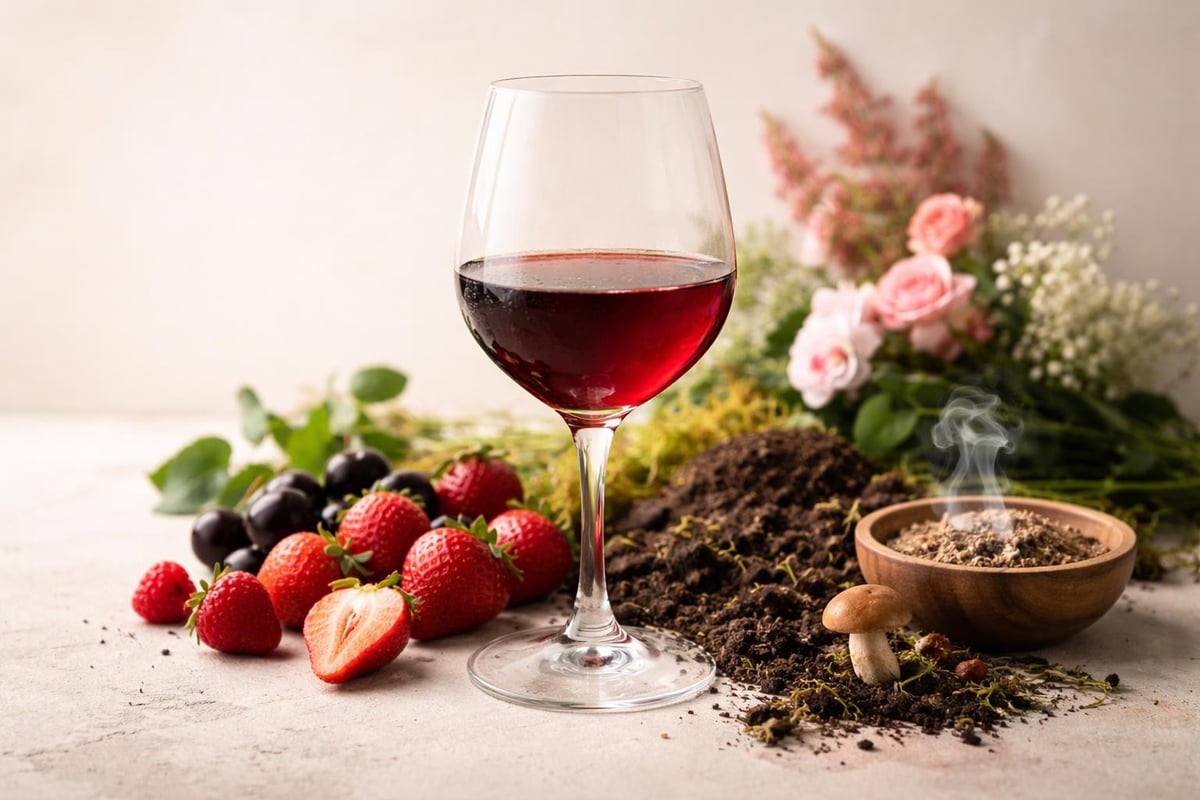
- Fresh red berries
- Rose petals
- Subtle earth notes
- A whisper of spice
In wines made with wild yeasts, you'll sometimes find unexpected aromatic complexity. These native microorganisms create compounds that commercial yeasts can't replicate.
Second Nose: After Swirling
Swirl vigorously and immediately bring your nose deep into the glass.
This releases the fuller aromatic spectrum. You're looking for layers now, not just first impressions.
Common Grape's tasting profile describes how Pinot Noir can express cherry, raspberry, strawberry, mushroom, earth, rose, and game, sometimes all in the same wine.
The Tasting Process
Finally, you taste.
But don't just sip and swallow. This is where technique matters.
First Sip: Texture and Structure
Take a small amount into your mouth.
Let it sit on your tongue for a moment. What's the texture like? Pinot Noir should feel silky, almost weightless compared to bigger reds.
Notice the tannins. They should be present but gentle, creating structure without grittiness. In well-made organic Pinot Noir, tannins integrate seamlessly rather than announcing themselves.
The acidity should be bright and refreshing. Pinot Noir's characteristics include this natural freshness that makes the wine so food-friendly.
Drawing Air Through the Wine
Here's a technique professionals use.
With wine in your mouth, purse your lips slightly and draw a small amount of air through the liquid. You'll make a quiet slurping sound.
This aerates the wine inside your mouth, releasing flavors across your entire palate. It helps you identify subtle nuances you'd miss with a simple sip.
Flavour Evolution
Pay attention to how flavors develop from entry to finish.
The initial taste might show bright fruit. Mid-palate could reveal earthiness or spice. The finish might linger with mineral notes or subtle tannins.
In handcrafted wines where natural processes dominate, you'll often find this evolution more pronounced. The wine isn't manufactured to taste the same from start to finish. It unfolds like a story.
Identifying Quality Markers
Not all Pinot Noir tastes the same.
Understanding quality helps you appreciate what you're experiencing.
Balance Is Everything
Great Pinot Noir achieves harmony among competing elements.
Fruit shouldn't overwhelm earth. Acidity should complement rather than clash with tannins. Alcohol should integrate seamlessly rather than burn.
When tasting, ask yourself: Does anything stick out awkwardly? Or do all the components work together like instruments in an orchestra?
Complexity and Length
Simple wines give you one or two flavors and finish quickly.
Complex wines reveal new elements with each sip. The finish lingers, evolving even after you've swallowed.
| Quality Indicator | Simple Wine | Complex Wine |
|---|---|---|
| Aroma layers | 1-2 distinct notes | 5+ identifiable aromas |
| Flavor evolution | Same start to finish | Develops across palate |
| Finish duration | Fades quickly | Lingers 20+ seconds |
| Texture | One-dimensional | Multi-layered mouthfeel |
Artisanal winemaking often enhances complexity. Small-batch production allows for gentle handling, extended aging, and minimal intervention. Each step preserves the grape's natural character.
The Sense of Place
Can you taste where the wine comes from?
Great Pinot Noir expresses terroir. Cool-climate regions like Waipara produce wines with bright acidity, elegant structure, and distinctive mineral notes that reflect limestone-rich soils.
When you taste soil-driven minerality alongside pure fruit, you're experiencing genuine terroir expression. This isn't something winemakers can manufacture. It comes from living vines connected to living soil.
Comparing Multiple Wines
A pinot noir tasting becomes even more revealing when you compare bottles side by side.
This technique, called comparative tasting, highlights differences you might miss when drinking wines separately.
Organizing Your Comparison
Start with lighter-bodied wines and progress toward more intense examples.
Pour small amounts of each wine. Use separate glasses if possible. This prevents flavors from mingling.
Assess each wine using the same process: appearance, aroma, taste, finish. Take notes. Your memory will play tricks as you move between wines.
What to Look For
Notice how regional differences appear in your glass.
Even wines from the same grape variety show remarkable variation. Climate, soil, vineyard management, and winemaking philosophy all leave their mark.
Organic wines often display more vintage variation. This reflects the natural conditions of each growing season rather than heavy-handed winemaking that creates consistency at the expense of character.
Taking Notes That Actually Help
Writing down your impressions serves two purposes.
First, it deepens your tasting experience. Searching for words to describe what you're sensing makes you pay closer attention.
Second, it creates a reference for future tastings. You'll start recognizing patterns in what you enjoy.
What to Record
Keep it simple and personal.
Note the wine name, vintage, and date you tasted it. Then jot down:
- Visual impressions
- Aromatic characteristics
- Flavor notes
- Texture and structure
- Overall impression
Don't worry about using "correct" wine vocabulary. If a wine reminds you of your grandmother's garden after rain, write that down. Personal associations are often more memorable than technical terms.
Building Your Palate Memory
Over time, your notes create a flavor library in your mind.
You'll start recognizing certain characteristics. That earthy note you loved in one wine? You'll spot it in others. The silky texture that impressed you? You'll know it immediately next time.
This accumulated experience transforms pinot noir tasting from guesswork into genuine appreciation.
Seasonal and Food Pairing Considerations
Pinot Noir's versatility makes it exceptional with food.
The wine's bright acidity, moderate tannins, and complex flavors complement rather than compete with dishes.
Natural Pairings
Think about what grows together, goes together.
Pinot Noir loves:
- Duck and game birds
- Salmon and other rich fish
- Mushroom-based dishes
- Aged cheeses
- Earthy root vegetables
The wine's earthy undertones especially shine with fungi. A wild mushroom risotto beside a glass of organic Pinot Noir creates one of wine pairing's great marriages.
ABC Fine Wine & Spirits' overview explores how this varietal's food-friendliness makes it a dinner party staple.
Matching Intensity
Consider the weight of both wine and food.
Delicate Pinot Noir works beautifully with lighter preparations. More concentrated examples can stand up to richer dishes.
Waipara wines often strike a beautiful middle ground. They have enough structure for hearty meals but maintain the elegance that makes Pinot Noir special.
The Artisanal Difference
When you taste wine from small-batch organic producers, you're experiencing something fundamentally different from mass-produced alternatives.
Every decision in the vineyard affects what ends up in your glass.
Hands-On Vineyard Work
Commercial vineyards often rely on machines and standardized treatments.
Artisanal growers walk their vines regularly. They notice when individual plants need attention. They respond to what they see rather than following predetermined schedules.
This hands-on approach means grapes receive exactly what they need, when they need it. Nothing more, nothing less.
Natural Fermentation Character
Wild yeast fermentation creates wines that taste alive.
These fermentations don't follow predictable paths. Each barrel develops its own personality. The winemaker guides rather than controls the process.
You can taste this in the glass. There's a vibrancy, an energy that standardized fermentation can't replicate.
Extended Aging
Artisanal producers often age wine longer before release.
This isn't just patience. It's a commitment to showing wine at its best rather than rushing it to market.
During aging, harsh edges soften. Flavors integrate. The wine develops complexity that can't be forced or manufactured.
When you open a bottle that's been carefully aged, you're tasting the result of time and attention. The wine is ready to drink, to enjoy, to appreciate fully.
Developing Your Own Tasting Practice
The best way to improve your pinot noir tasting skills is simple: taste regularly and mindfully.
You don't need to drain bottles nightly. Small, focused sessions teach you more than casual drinking.
Creating Tasting Rituals
Set aside dedicated time for deliberate tasting.
Maybe it's Sunday afternoon with cheese and bread. Perhaps it's Friday evening after a busy week. Find a rhythm that works for you.
Approach each session with curiosity rather than judgment. You're exploring, not evaluating.
Trusting Your Palate
Your preferences matter more than critics' scores.
If you enjoy a wine, it's a good wine for you. Period. Don't let technical language or expert opinions override your own experience.
At the same time, stay open to new experiences. Sometimes wines that don't immediately appeal reveal themselves with repeated exposure.
Buying Direct from Producers
Purchasing directly from estates connects you to the wine's story.
You learn about the people who made it, the land it came from, the philosophy behind each bottle. This context enriches every sip.
Online direct sales make this easier than ever. You can explore offerings from family-owned vineyards without leaving home.
The Journey Continues
Every pinot noir tasting is an opportunity for discovery.
Even when you return to a familiar bottle, you bring different experiences, different foods, different moods to the glass. The wine itself evolves with each month in the bottle.
This living quality makes Pinot Noir endlessly fascinating. It's not a static product manufactured to specifications. It's a snapshot of a specific place, vintage, and philosophy.
When you choose organic, handcrafted wines, you're supporting an approach that values quality over quantity, patience over speed, and authenticity over standardization.
Your palate becomes more refined with practice. You'll start noticing subtleties that once escaped you. The earthy undertones from living soil. The floral notes that suggest gentle handling. The textural complexity that comes from natural fermentation.
This deepening appreciation transforms drinking wine into something more meaningful. Each glass becomes a connection to land, season, and craft.
Developing your ability to taste Pinot Noir thoughtfully opens up a world of nuance and pleasure that casual drinking simply can't match. When you're ready to experience organic, artisanal Pinot Noir crafted with natural yeasts and sustainable practices in Waipara's exceptional terroir, explore what Fancrest Estate offers. Every bottle represents our family's hands-on commitment to creating wines that express the living vineyard and the unique character of each vintage.