Curious about why original wines are turning heads in 2025? Around the globe, wine lovers are seeking new tastes and real stories, craving bottles that capture authenticity and character. This essential guide is your passport to the world of original wines, revealing what they are, why they matter, and how to discover them this year. Whether you’re a seasoned collector or just starting your wine journey, you’ll find expert tips, trend insights, and practical advice for exploring original wines. Ready to make informed choices and taste the difference? Let’s dive in and uncork the secrets together.
Defining “Original Wines” in 2025
Curious about what sets original wines apart in today’s fast-changing wine world? The concept has evolved rapidly, blending deep tradition with cutting-edge innovation. Let’s dive into what defines original wines in 2025 and why they’re capturing so much attention.
The Evolution of the “Original Wine” Concept
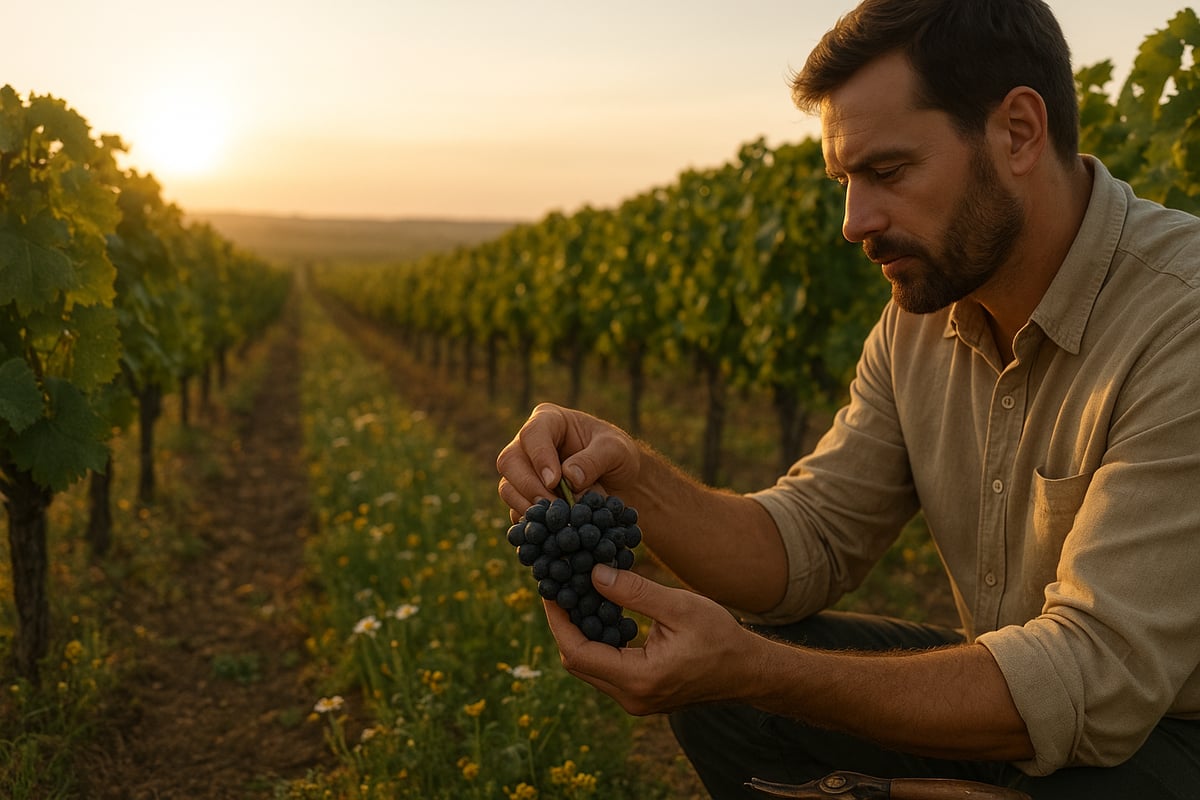
The journey of original wines began with a focus on natural and organic practices, but in 2025, the definition is both broader and more precise. Original wines are crafted with minimal intervention, relying on native yeasts and a true expression of terroir. They prioritise authenticity, transparency, and a strong connection to place.
Key features of original wines include:
- Native yeast fermentation
- Limited additives or manipulation
- Emphasis on terroir and vineyard health
- Traditional methods balanced with selective innovation
Regulatory bodies, especially in the EU, have developed stricter standards for labelling and certification. These ensure that original wines meet specific criteria, such as organic or biodynamic farming, natural fermentation, and clear provenance.
How do original wines compare to other categories? Here’s a quick look:
| Type | Farming | Fermentation | Additives | Focus |
|---|---|---|---|---|
| Conventional | Chemical | Commercial yeast | Many | Consistency |
| Organic | Organic | Commercial/Native | Fewer | Health, purity |
| Natural | Organic | Native | Minimal | Minimalism |
| Original Wines | Organic+ | Native | Minimal | Terroir, origin |
For a deeper dive into distinctions, see Are Organic Wines Better?.
Tradition and innovation go hand-in-hand, with winemakers in regions like France’s Loire Valley, Italy’s Sicily, Georgia, and even New Zealand leading the way. These pioneers blend age-old techniques with modern insights, shaping the future of original wines.
Why Original Wines Are Gaining Global Attention
Why are original wines suddenly in the spotlight? Consumers are craving authenticity and traceability, wanting to know not just what’s in their glass, but how it was made. In fact, sales of organic and natural wines jumped by 10 percent from 2023 to 2024, showing a clear shift toward original wines.
Health and sustainability are big drivers. People are more aware of what they consume and how it affects the planet. Original wines appeal to those seeking a cleaner, more honest product, one that supports biodiversity and careful stewardship of the land.
Media and influencers have amplified this movement, making original wines a talking point across social platforms and wine publications. Yet, challenges remain. Some consumers are confused by terms or sceptical about quality, while others worry about the lack of consistency from bottle to bottle.
Despite these hurdles, the momentum is undeniable. The story of original wines in 2025 is one of passion, innovation, and a return to roots—with a modern twist.
Key Trends Shaping Original Wines in 2025
The world of original wines is evolving rapidly in 2025, driven by a mix of sustainability, technological innovation, shifting consumer values, and expanding regional diversity. Let’s explore the four key trends that are reshaping how original wines are produced, enjoyed, and appreciated worldwide.
Sustainability and Regenerative Viticulture
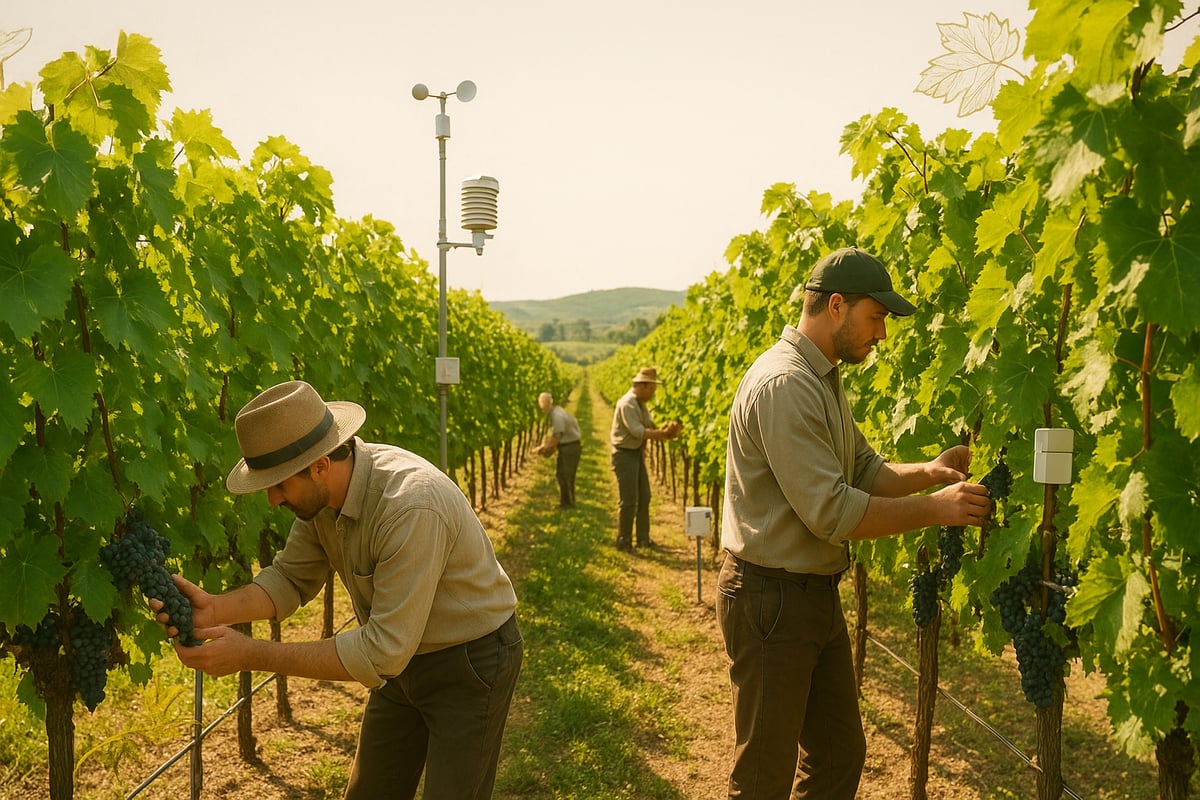
Sustainability is at the heart of the original wines movement. As climate change puts pressure on vineyards, more growers are turning to regenerative agriculture to restore soil health and boost biodiversity. In New Zealand alone, over 20 percent of vineyards adopted organic or regenerative methods by 2024.
These practices focus on water conservation, cover cropping, and encouraging beneficial insects, all of which help vineyards thrive with less chemical input. This shift not only protects the environment but also enhances the unique expression of terroir in original wines.
Many producers now share their sustainability stories, making it easier for wine lovers to choose eco-friendly bottles. The trend is clear: original wines are leading the way in responsible winemaking.
Technological Innovations in Winemaking
Technology is transforming how original wines are crafted. Winemakers now use AI and IoT devices to monitor vineyard conditions in real time, optimising everything from irrigation to harvest timing. Blockchain technology is gaining traction for tracking provenance and ensuring transparency from grape to glass.
Low-intervention tools like amphorae and concrete eggs are also making a comeback, allowing for gentle fermentation and more authentic flavours. In both Europe and New Zealand, wineries are blending tradition with innovation to create outstanding wines.
For a deeper dive into how AI and blockchain are shaping the future of original wines, check out this overview of technological innovations in winemaking. These advancements are opening up new possibilities for quality and authenticity.
Shifts in Consumer Preferences
The way people buy and enjoy original wines is changing fast. Younger drinkers in particular crave authenticity and want to know exactly where their wine comes from. This demand for transparency has led to clearer labelling and more detailed information about vineyard practices.
Direct-to-consumer sales and online wine shops are booming, with 30 percent of wine sales in 2024 happening online. Social media and influencers are also playing a big role, introducing new audiences to the world of original wines.
Consumers are now more adventurous, seeking out lesser-known varietals and producers who prioritise sustainability and minimal intervention. This shift is creating a vibrant, diverse marketplace for original wines.
Regional Diversity and Emerging Markets
Original wines are no longer limited to classic regions. Exciting new producers are emerging in places like Eastern Europe and South America, bringing unique indigenous grapes and fresh perspectives to the table. These non-traditional regions are quickly gaining international recognition for their distinctive styles.
Exports of original wines from these areas have surged, with more global wine lovers eager to taste something different. In France, the Loire and Jura regions continue to innovate, while New Zealand and Australia are making their mark with bold, terroir-driven expressions.
This growing regional diversity means there’s never been a better time to explore original wines. Whether you’re after a rare Georgian qvevri or a vibrant Chilean blend, the options are expanding and the adventure is just beginning.
How Original Wines Are Made: From Vineyard to Bottle
Ever wondered what makes original wines stand out from the first grape to the last sip? The journey from vineyard to bottle is a fascinating blend of tradition, innovation, and a relentless pursuit of authenticity. Let’s explore how original wines are crafted, delving into the meticulous choices and natural processes that define this movement.
Vineyard Practices and Grape Selection
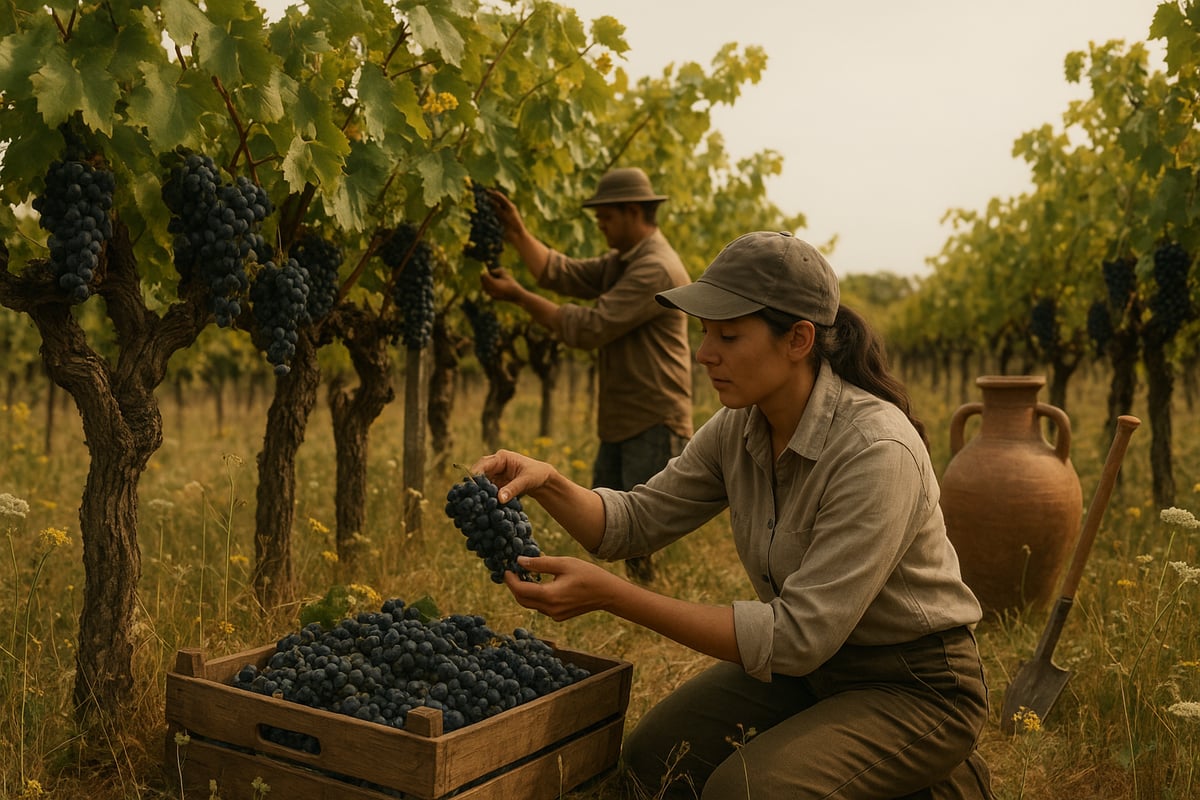
At the heart of original wines is the vineyard itself. Site selection is crucial, with winemakers seeking locations where climate, soil, and topography come together to express unique terroir. Farming practices have evolved beyond organics, with many producers now embracing regenerative agriculture. These techniques not only nurture the land but also enhance the natural flavours of original wines. For a deeper dive into these practices, see Beyond Organics: Regenerative Agriculture.
Grape choice is equally vital. Original wines often rely on indigenous varieties and old vines, which bring complexity and a sense of place to the glass. In regions like the Loire Valley or Georgia, winemakers use ancient methods and local grapes to highlight authenticity. New Zealand’s own producers are leading the charge, showcasing how sustainable farming and careful site selection create original wines that truly reflect their origins.
Natural Fermentation and Minimal Intervention
Original wines are renowned for their “hands-off” approach in the winery. Native yeast fermentation allows the grapes’ natural microflora to guide the process, preserving subtle nuances and regional character. By avoiding commercial yeasts, winemakers let the vineyard’s essence shine through.
Additives are kept to a bare minimum. Most original wines skip heavy filtering and fining, which means you might spot some haze or sediment in your glass. Sulphite use is dramatically reduced or even eliminated, responding to consumer demand for purity. This minimalist ethos doesn’t just shape flavour, it also supports the health and vibrancy of original wines, making each bottle a true reflection of its environment.
Ageing, Bottling, and Storage
When it comes to ageing, original wines balance time-honoured methods with modern innovation. Traditional oak barrels impart subtle spice, while amphorae and concrete eggs are increasingly popular for their neutrality and ability to enhance texture. These vessels allow original wines to develop complexity without masking their core identity.
Bottling is done with care, often without stabilisers or aggressive filtration. This preserves the wine’s natural character but makes storage more important. Original wines are typically more sensitive to temperature swings and light, so a cool, dark cellar is ideal. With proper handling, their unique qualities can evolve beautifully over time, rewarding patience and careful storage.
Quality Control and Certification
Authenticity is key in the world of original wines, so third-party certifications play a big role. Labels like Demeter (for biodynamics) or organic certification offer consumer confidence and transparency. These independent checks ensure that original wines are produced with integrity and respect for the land.
Traceability is another cornerstone. Many producers use detailed records or even blockchain technology to guarantee provenance. This transparency builds trust, helping drinkers know exactly where and how their original wines were made. Such measures are vital for maintaining quality and credibility as the movement grows.
Challenges in Production
Crafting original wines is not without its hurdles. Vintage variation can lead to unpredictable results, and the absence of additives increases the risk of spoilage. Scaling up production while maintaining strict standards is tough, especially for small, independent winemakers.
Balancing tradition with innovation is a constant challenge. Economic pressures also loom large, as original wines often require more labour and care, raising costs. Despite these obstacles, passionate producers are committed to the cause, believing that the rewards—a wine that truly tells a story—are worth every effort.
Where to Find and Experience Original Wines in 2025
Curious where to begin your journey into original wines? Whether you are a seasoned collector or just starting out, there’s never been a better time to explore the world’s most authentic wine experiences. From celebrated vineyards to vibrant city wine bars, the opportunities to taste, learn, and buy original wines are growing every year.
Leading Regions and Wineries
The world’s best original wines are emerging from both traditional and unexpected corners of the globe. France’s Loire and Jura regions have long championed minimal intervention, while Italy’s Sicily and Georgia’s ancient qvevri winemakers are making waves with their bold, terroir-driven styles. New Zealand and Australia are now recognised for their commitment to organic farming and native grape varieties.
In the USA, California and Oregon lead the original wine movement, blending innovation with respect for nature. Notable producers like Radikon (Italy), Domaine Huet (France), and Pyramid Valley (New Zealand) are setting the benchmark for quality and authenticity. For a look at what’s shaping the scene, check out Emerging wine trends 2025.
Original wines from these regions are celebrated for their unique flavours, sense of place, and commitment to tradition.
The Role of Wine Fairs, Festivals, and Events
Wine fairs and festivals are vibrant hubs for discovering original wines first-hand. Events like RAW Wine Fair, Real Wine Fair, and the Orange Wine Festival gather pioneering winemakers, importers, and passionate consumers under one roof. These festivals offer a rare chance to taste hundreds of original wines, meet the makers, and deepen your understanding of different styles.
Attendees can join masterclasses, panel discussions, and guided tastings, making these events ideal for both learning and networking. Many festivals also highlight emerging regions, giving you a glimpse into the future of original wines. If you want to experience the culture and energy behind these wines, mark your calendar for the next big fair in your area.
Online Wine Shops and Direct-to-Consumer Models
The digital revolution has transformed how we access original wines. Specialised online retailers now curate selections from small, independent producers around the world. Platforms like Wine Searcher, RAW Wine’s shop, and regional boutiques make it easy to discover and order bottles that are hard to find in local stores.
Direct-to-consumer models empower you to buy straight from the winery, ensuring provenance and freshness. Look for online shops that detail each wine’s production methods, grape varieties, and farming practices. To ensure authenticity, check for third-party certifications and customer reviews. Shopping online opens up a world of original wines, delivered right to your door.
Wine Bars and Restaurants with Original Wine Lists
Cities known for their dynamic food and drink scenes are leading the charge with original wine-focused venues. London, Paris, Melbourne, and New York boast wine bars and restaurants dedicated to showcasing these expressive, artisanal bottles. Venues like Terroirs (London), Septime La Cave (Paris), and Embla (Melbourne) feature rotating lists of original wines, with knowledgeable staff ready to guide your tasting journey.
Many of these venues offer flights, pairing menus, and educational events to help you explore the diversity of original wines. If you’re seeking a relaxed yet adventurous experience, visiting one of these hotspots is the perfect way to expand your palate and meet like-minded wine lovers.
Fancrest Estate: A New Zealand Example of Original Wines
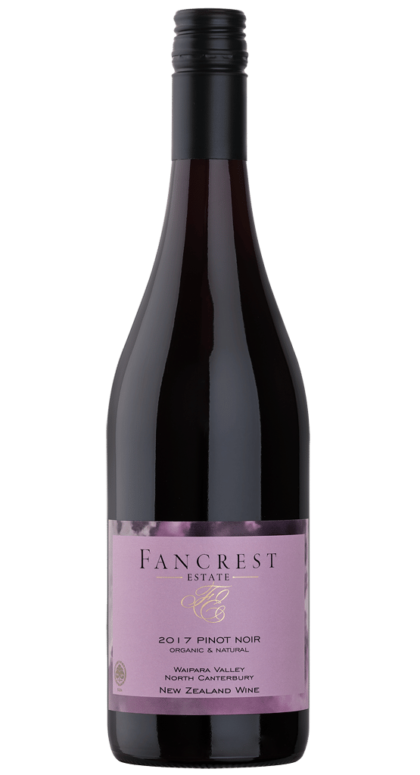
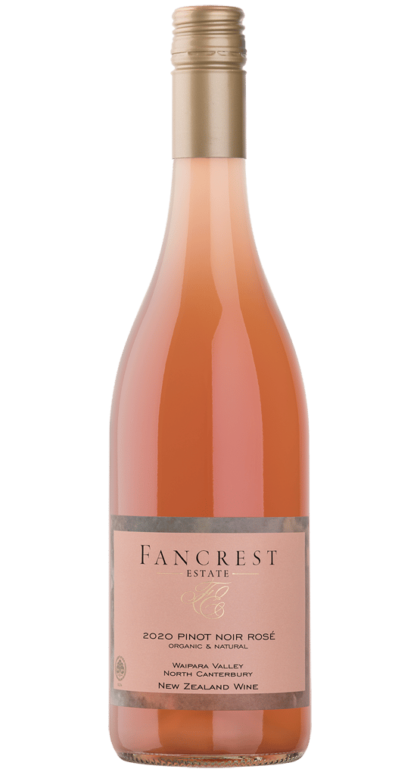
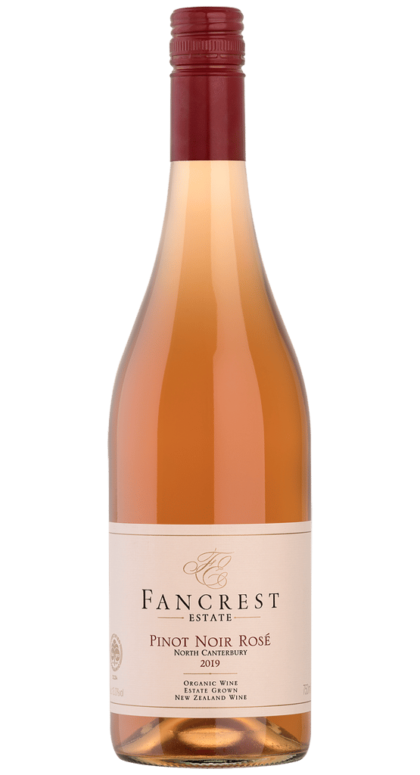
Fancrest Estate, nestled in Waipara, North Canterbury, is a shining example of how New Zealand excels in original wines. Their organic, single-vineyard Pinot Noir is crafted using natural fermentation and minimal intervention, allowing the terroir to shine through in every glass. The estate’s commitment to sustainability is evident in their vineyard practices and biodiversity initiatives.
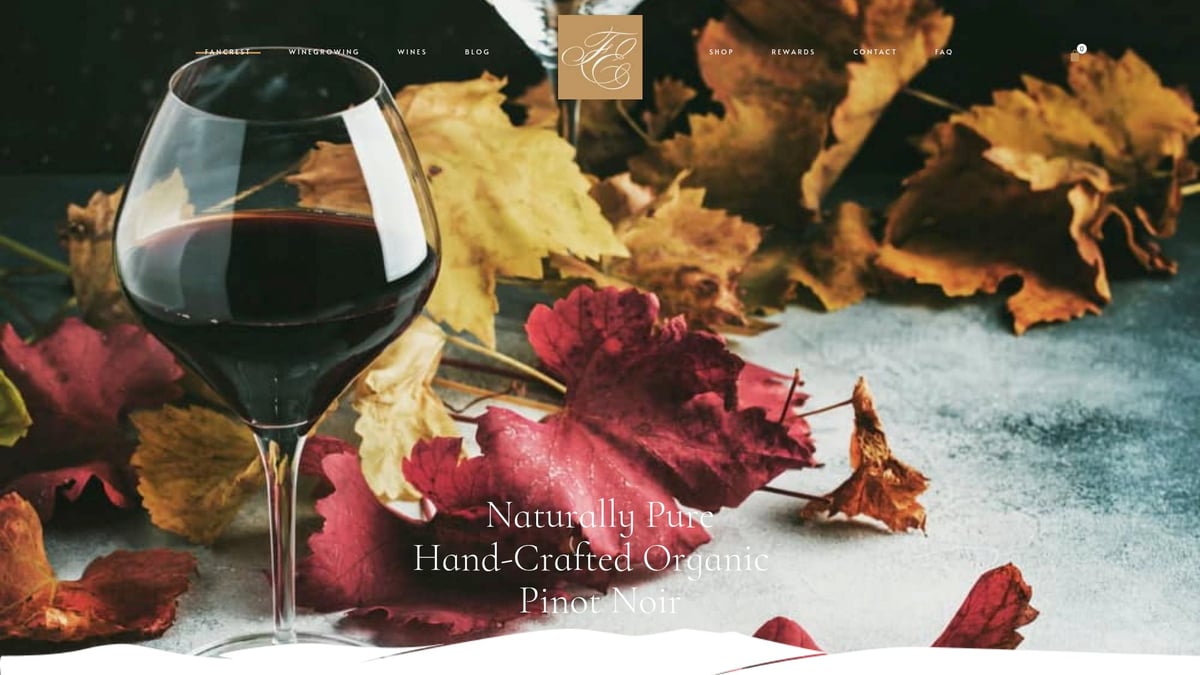
Fancrest Estate stands out for its exclusive online sales model, making their original wines accessible to enthusiasts across the globe. They also provide educational content to help consumers appreciate the nuances of their wines. By combining tradition, innovation, and a deep respect for the land, Fancrest Estate truly embodies the principles of original wines in 2025.
How to Taste, Evaluate, and Enjoy Original Wines
Tasting original wines in 2025 is an adventure for your senses. Unlike conventional bottles, these wines invite you to explore character, texture, and authenticity in every glass. Curious about how to make the most of your original wines experience? Let’s break it down step by step.

Tasting Techniques for Original Wines
Original wines offer a sensory journey unlike any other. Expect a kaleidoscope of aromas, from wild herbs to earthy notes, and a texture that can be richer, more layered, or slightly fizzy. Visual cues matter too—don’t be surprised by cloudiness or vibrant hues, which signal minimal intervention.
Use this simple tasting table to guide your experience:
| Step | What to Observe | Why It Matters |
|---|---|---|
| Look | Colour, clarity, sediment | Reveals natural winemaking choices |
| Swirl | Release aromas | Aerates complex scents |
| Sniff | Earth, fruit, funk, florals | Highlights unique terroir |
| Sip | Texture, acidity, tannin, fizz | Explores palate and structure |
| Savour | Finish, evolution in glass | Detects layers and authenticity |
Don’t shy away from “funk” or sediment—they’re often signs of authenticity. For deeper guidance, check out the tips in How to Enjoy a Natural Pinot Noir, which apply to many original wines styles.
Food Pairing and Serving Suggestions
Pairing original wines with food is all about embracing freshness and local flavours. These wines shine with seasonal produce, artisan cheeses, and earthy dishes. Orange wines, for instance, love bold, spicy foods, while a natural Pinot Noir pairs beautifully with mushrooms or roasted root vegetables.
Here are a few tips to elevate your enjoyment:
- Serve whites and oranges slightly chilled, reds at cellar temperature.
- Use tulip-shaped glasses to concentrate aromas.
- Consider decanting young or cloudy bottles to enhance clarity and texture.
Remember, original wines are expressive and dynamic, so experiment with pairings to discover new favourites.
Storing and Ageing Original Wines
Proper storage preserves the integrity of original wines. Keep bottles in a cool, dark place with steady humidity. Unlike mass-produced wines, some original wines evolve rapidly, while others can age gracefully for years—especially those with robust acidity and structure.
When cellaring, watch for natural variation. Sediment, colour shifts, and slight fizz are common, not flaws. However, strong vinegar aromas or excessive cloudiness may indicate spoilage. Trust your senses and don’t hesitate to revisit bottles as they mature.
Building a Collection of Original Wines
As original wines become more sought-after, building a collection is both rewarding and challenging. Source bottles directly from wineries, specialist online shops, or reputable auctions to ensure authenticity. Track provenance and vintage notes in a journal or digital cellar app.
Budget wisely: some original wines are limited runs and can be investment-worthy. Focus on diversity—collect different regions, grape varieties, and producers to experience the full spectrum of original wines. This approach transforms your cellar into a living showcase of the movement’s evolution.
The Future of Original Wines: Opportunities and Challenges
Where are original wines heading as we look toward 2030? The landscape is evolving fast, presenting both bright opportunities and real challenges for producers, retailers, and wine lovers alike. As authenticity and sustainability reshape the market, understanding what lies ahead can help you make better, smarter choices as a consumer or industry insider.
Market Growth and Industry Predictions
The market for original wines is set for robust expansion over the next decade. Industry forecasts predict a compound annual growth rate of around 9.5 percent from 2024 to 2030. This growth is driven by increasing consumer awareness, growing demand for authenticity, and a shift away from mass-produced labels.
As more regions embrace original wines, we’re seeing a wider variety of styles and price points. Small producers and established wineries alike are investing in original wine projects, ensuring that innovation continues. For collectors and enthusiasts, this means more choice and higher quality than ever before.
Regulatory and Labelling Developments
With the rise of original wines comes a pressing need for clearer definitions and regulations. Governments and industry bodies are working to refine certification standards, aiming to protect both consumers and producers. This includes more transparent labelling requirements and stricter guidelines for terms like “natural,” “organic,” and “original.”
These changes help prevent greenwashing and build trust in the market. As regulations evolve, producers must adapt quickly to stay compliant, while consumers benefit from reliable information when choosing their wines.
Sustainability, Climate, and Social Responsibility
Sustainability is at the heart of the original wines movement. Climate change is forcing vineyards to adopt regenerative practices, conserve water, and boost biodiversity. Many wineries are going beyond organics, embracing holistic farming and renewable energy to lower their environmental footprint.
A great example is the innovative approach detailed in Sustainable winemaking practices, which shows how eco-friendly methods can enhance both quality and community impact. As social responsibility grows in importance, supporting small producers and rural economies becomes a key part of the original wines story.
Consumer Education and Accessibility
As original wines become more mainstream, education is essential. Many consumers are still unsure how to identify authentic bottles or understand the unique flavours and textures these wines offer. Wine education platforms, social media influencers, and tasting events are helping to bridge this gap.
Accessible resources and transparent communication empower drinkers to explore original wines with confidence. The more people know, the more they appreciate the diversity and craft behind each bottle.
Challenges Facing Producers and Retailers
Despite the momentum, original wines face several hurdles. Economic pressures, distribution bottlenecks, and the need to maintain authenticity in a growing market all pose real risks. One major challenge is the overall decline in global wine consumption in recent years, as outlined in Global wine consumption decline. This trend puts extra pressure on producers to innovate and target new audiences.
Maintaining quality and navigating complex regulations require significant resources, especially for small growers. Balancing tradition with the need for scalability remains a delicate act.
The Evolving Role of Technology
Digital innovation is reshaping the future for original wines. Wineries now use AI, IoT sensors, and blockchain to monitor vineyard conditions, manage traceability, and guarantee provenance. These tools not only boost efficiency but also help communicate the story of each wine to consumers.
Technology makes it easier to ensure transparency and quality, which are central to the appeal of original wines. As these advancements become standard, the gap between artisan and industrial production continues to narrow.
Opportunities for Innovation
The original wines sector is a hotbed of creativity. Producers are experimenting with new grape varieties, alternative fermentation vessels, and eco-friendly packaging. Regional collaborations and cross-industry partnerships are sparking fresh ideas, from carbon-neutral logistics to community-led marketing campaigns.
For those willing to embrace change, the opportunities are vast. Original wines are set to lead the way in both tradition and innovation, offering a taste of the future that is as exciting as it is authentic.