
You've probably noticed more organic wine options popping up at wine shops and online retailers lately. But what makes organic wine different from conventional bottles? It's not just about avoiding synthetic chemicals. Organic wine represents a completely different philosophy about how wine should be made. The difference starts in the vineyard soil and continues through every hand that touches the grapes until the bottle reaches your table. When you choose organic wine, you're selecting a product that's alive in ways that mass-produced wines simply can't match. Let's explore what makes these wines special and why they deserve a place in your wine collection.
What Actually Makes Wine Organic
Organic wine begins with certified organic viticulture practices in the vineyard.
This means growers avoid synthetic pesticides, herbicides, and fertilizers. Instead, they build healthy soil through composting, cover cropping, and encouraging beneficial insects. The regulations for organic wine production vary between countries, but the core principles remain consistent. Natural methods replace chemical interventions at every turn.
The Certification Process
Becoming certified organic isn't quick or simple.
Vineyards must undergo a transition period, typically three years, where they follow organic practices before they can label their wines as organic. During this time, the soil gradually recovers from years of conventional farming. Beneficial organisms return. The ecosystem rebalances itself. Independent certifiers inspect the vineyards and winemaking facilities regularly to ensure compliance with strict standards.
Key certification requirements include:
- No synthetic pesticides or herbicides
- No chemical fertilizers
- No GMO organisms
- Detailed record-keeping of all vineyard practices
- Annual inspections and soil testing
- Separation from non-organic crops
The paperwork alone can feel overwhelming for small family operations. But the commitment to these standards ensures you're getting genuine organic wine.
Living Soil: The Foundation of Organic Viticulture
Healthy soil isn't just dirt. It's a complex, living ecosystem.
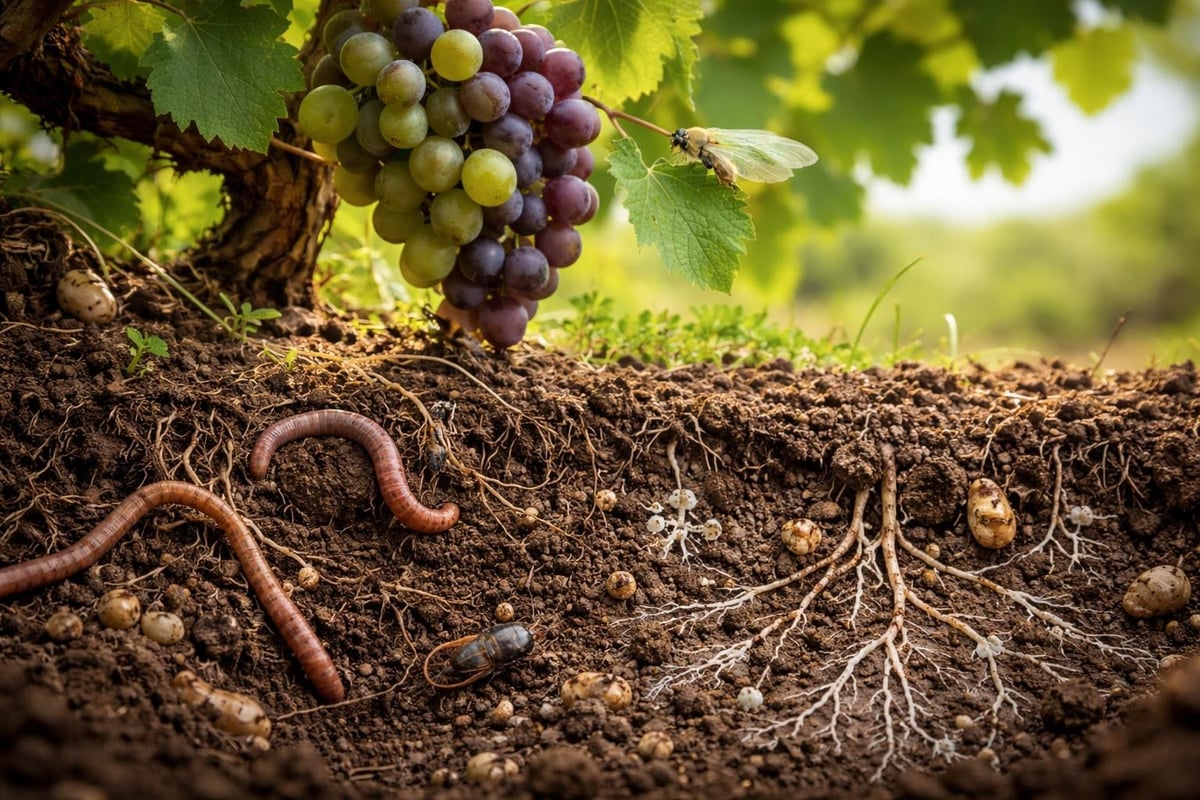
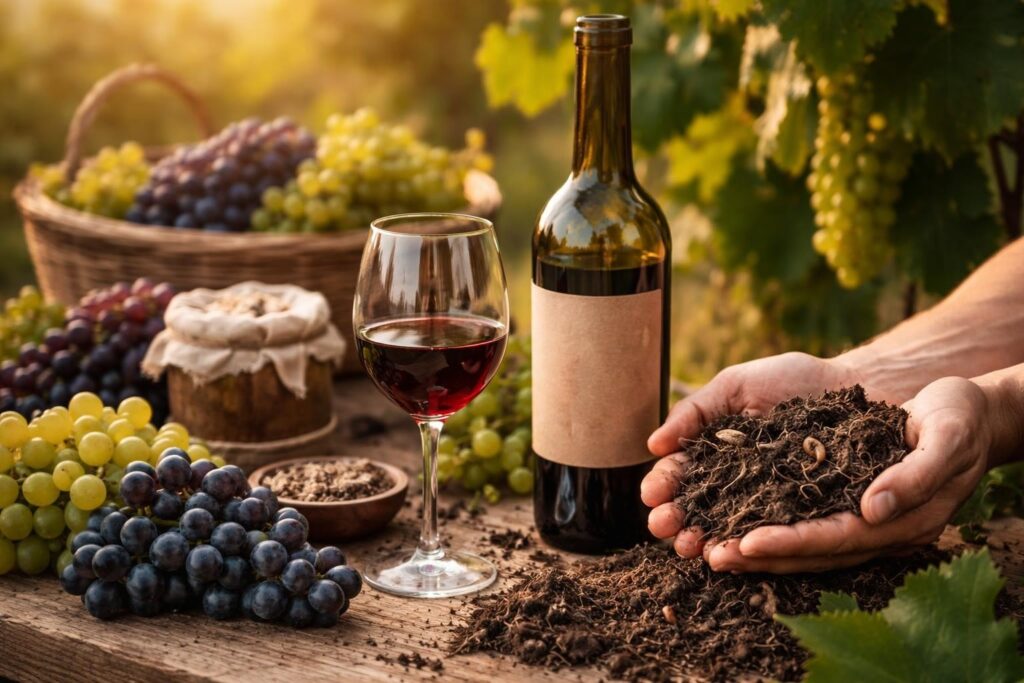
In organic vineyards, the soil teems with life. Bacteria, fungi, earthworms, and countless microorganisms work together to break down organic matter. They create nutrients that vines can absorb. This biological activity produces wines with distinctive mineral characteristics that reflect their specific vineyard location. Conventional farming often sterilizes soil with chemicals, killing this vibrant community.
Building Soil Health Naturally
Organic grape growers use time-tested methods to nurture their soil.
Composting transforms organic waste into nutrient-rich amendments. Cover crops like clover and vetch fix nitrogen naturally while preventing erosion. Sheep or cattle might graze between vine rows, adding natural fertilizer while controlling weeds. Every practice aims to increase biodiversity and biological activity.
The results show in the vines themselves. Organic vines develop deeper root systems. They become more resilient to drought and disease. The grapes express more complex flavors because they're drawing from biologically rich soil rather than chemical formulas.
The Role of Wild Yeasts in Organic Winemaking
Here's where organic winemaking gets truly fascinating.
Most commercial wines use cultured laboratory yeasts. These produce predictable, consistent results batch after batch. But organic winemakers often embrace wild yeasts that occur naturally in the vineyard. These indigenous yeasts live on grape skins and in the winery environment. They've evolved alongside the vines for generations.
Wild yeast fermentation creates unpredictable magic. Each fermentation develops its own character. The wine captures flavors and aromas unique to that specific vintage and vineyard. You're tasting something that cannot be replicated exactly, even by the same winemaker the following year.
| Aspect | Wild Yeasts | Cultured Yeasts |
|---|---|---|
| Origin | Vineyard environment | Laboratory-produced |
| Consistency | Variable, vintage-specific | Highly predictable |
| Flavor complexity | Rich, layered, unique | Clean, controlled |
| Fermentation speed | Slower, gradual | Fast, efficient |
| Risk level | Higher skill required | Lower risk |
The Art of Natural Fermentation
Working with wild yeasts requires skill and patience.
Fermentation might take weeks instead of days. The winemaker must monitor temperature carefully. They watch for signs that fermentation is progressing healthily. Sometimes wild fermentations get stuck or develop off flavors. There's real risk involved. But when it works, the results are extraordinary.
The wines develop layers of complexity impossible to achieve with commercial yeasts. You might notice subtle floral notes, earthy undertones, or intriguing savory characteristics. These come from the diverse population of yeasts working together throughout fermentation.
Small-Batch Artisanal Production
Mass production and organic winemaking don't mix well.
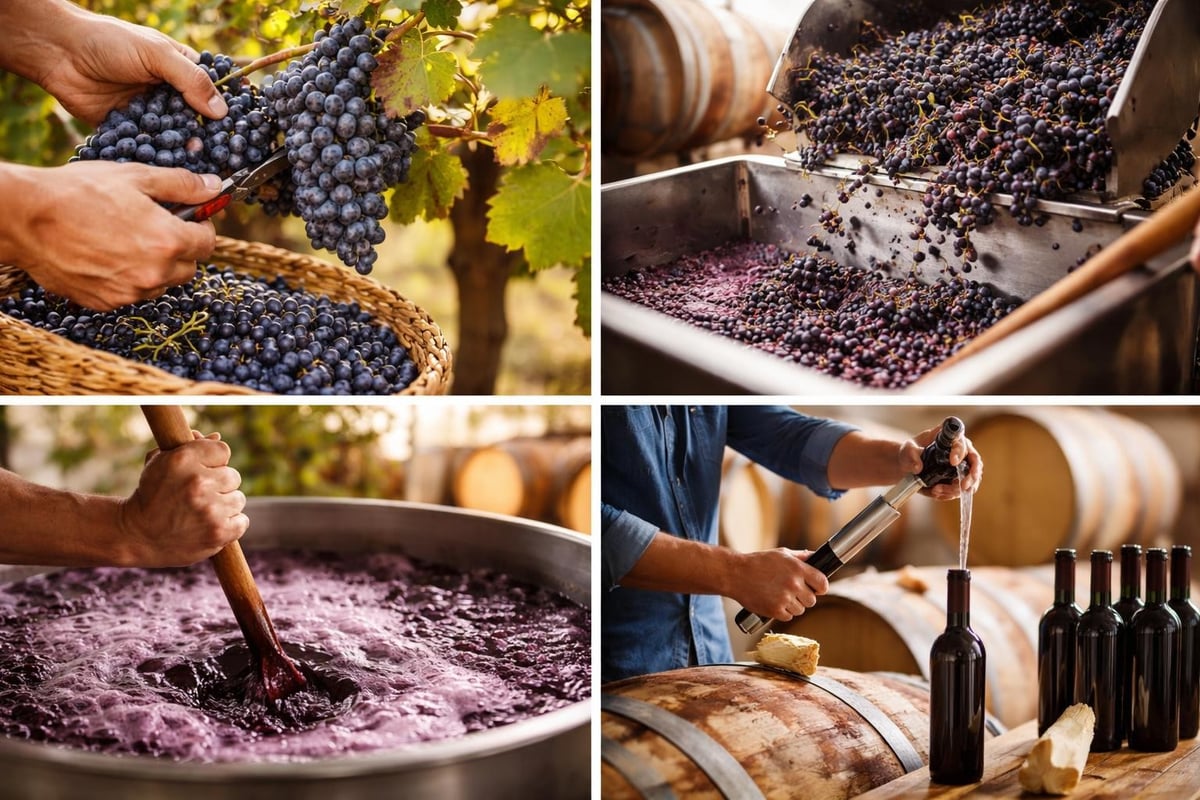
Organic wine typically comes from smaller operations where human hands guide every step. The winemaker walks the vineyard rows regularly. They notice when certain blocks need attention. They taste grapes to determine optimal harvest timing rather than relying solely on sugar measurements.
Hands-On From Vine to Bottle
In artisanal organic wineries, quality takes precedence over quantity.
Grapes might be hand-harvested and sorted berry by berry. Gentle handling preserves the delicate wild yeasts on grape skins. Small fermentation vessels allow the winemaker to treat each batch individually. Barrel aging happens in carefully selected oak that complements rather than overwhelms the wine's natural character.
This personal approach creates wines with soul. You can taste the winemaker's decisions in every glass. When you learn that a real person selected those particular barrels, tasted the wine at every stage, and decided exactly when to bottle, the wine becomes more than a beverage. It becomes a craft product made with intention and care.
Benefits of small-batch production:
- Individual attention to each fermentation vessel
- Flexibility to adjust techniques based on vintage conditions
- Direct connection between grower and winemaker (often the same person)
- Ability to harvest specific vineyard blocks at optimal ripeness
- Limited production maintains quality focus
The Difference You Can Taste
Can you actually taste the difference in organic wine?
Many wine drinkers report they can. Organic wines often show more vibrant fruit character. The flavors feel more alive, less manipulated. There's usually greater complexity, with layers of subtle aromas that develop as the wine breathes. Some people also notice they feel better the morning after drinking organic wine, possibly due to lower sulfite levels and the absence of chemical residues.
Expressing Terroir Authentically
Terroir describes how a wine reflects its specific growing location.
Soil type, climate, elevation, and countless other factors influence grape character. Organic viticulture allows terroir to express itself more clearly. Without chemical interventions masking or altering natural flavors, you taste the vineyard's true personality. This is especially important in regions like Waipara, North Canterbury, where limestone soils and cool climate conditions create distinctive characteristics.
Sustainable wine practices like organic farming preserve these unique expressions for future generations. When you choose organic wine, you're supporting winemakers who prioritize authenticity over standardization.
Why Organic Wine Matters for Pinot Noir
Pinot Noir responds exceptionally well to organic viticulture.
This temperamental grape variety thrives when vines struggle slightly in balanced, living soil. Too much fertilizer produces bland, dilute flavors. Chemical inputs can overwhelm Pinot Noir's delicate aromatics. Organic farming naturally creates the stress conditions that produce concentrated, expressive Pinot Noir.
The grape's thin skins make it vulnerable to pests and disease. Organic growers must stay vigilant, but the payoff is remarkable. Organically grown Pinot Noir often shows pure, bright red fruit character. The wines express elegant earthiness and subtle spice notes. They age beautifully because the grapes developed proper physiological ripeness through natural means.
New Zealand's Organic Wine Movement
New Zealand has embraced organic viticulture enthusiastically.
The country's relatively isolated location means fewer pest pressures. Cool maritime climates reduce disease risk. Many regions, particularly Canterbury, suit organic farming naturally. Resources for finding organic wine often highlight New Zealand producers as leaders in the movement.
Waipara Valley has become known for exceptional Pinot Noir. The combination of limestone soils, cool nights, and organic farming practices produces wines with finesse and longevity. Small family estates in this region craft some of the most compelling organic Pinot Noir available anywhere.
Understanding Natural Wine and Organic Wine
You might hear "natural wine" and "organic wine" used interchangeably, but they're different.
Organic wine follows specific certification standards for vineyard practices. Natural wine is a broader philosophy about minimal intervention winemaking. Many natural wines are organic, but not all organic wines are natural. Natural wine production typically involves even fewer additives and less manipulation than organic wine.
| Wine Type | Vineyard Standards | Winemaking Standards | Certification |
|---|---|---|---|
| Organic | Certified organic practices | May use some approved additives | Yes, formal certification |
| Natural | Often organic (not always certified) | Minimal to no additives | No formal certification |
| Biodynamic | Organic plus biodynamic preparations | Minimal intervention | Yes, Demeter certified |
| Conventional | Chemical inputs allowed | Full range of additives allowed | Not applicable |
The best organic wines combine certified organic viticulture with thoughtful, minimal intervention winemaking. You get the guarantee of organic farming plus the winemaker's skill in preserving the grapes' natural character.
Buying and Enjoying Organic Wine
Finding quality organic wine has become easier in recent years.
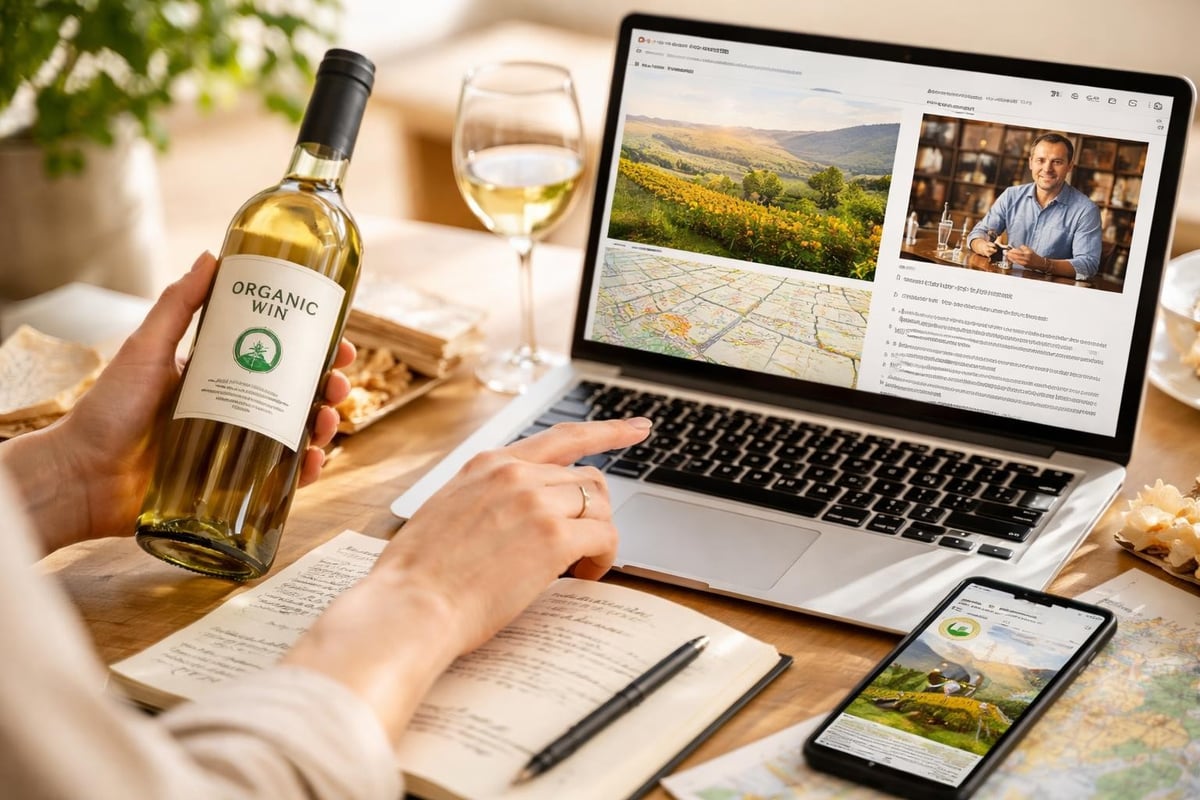
Many producers now sell directly to consumers online. This direct relationship benefits everyone. You get fresher wine at better prices. The winemaker receives fair compensation for their work. You can learn the story behind each bottle and understand exactly what went into making it.
What to Look for When Selecting Organic Wine
Key factors in choosing organic wine:
- Organic certification verification
- Information about the vineyard's location and soil
- Details about winemaking practices (wild yeasts, fermentation methods)
- Aging information (how long before release)
- The winemaker's story and philosophy
- Vintage characteristics and conditions
Smaller producers often age their wines longer before release. This patience allows the wine to integrate and develop complexity. You receive wine that's ready to drink rather than needing years of cellaring. The extra aging represents another investment of time and care by the winemaker.
Storing and Serving Organic Wine
Organic wine deserves proper treatment.
Store bottles on their side in a cool, dark place. Avoid temperature fluctuations. When you're ready to drink, many organic wines benefit from decanting. This allows the wine to breathe and develop its full aromatic complexity. The extra oxygen helps soften tannins and release layered aromas.
Serving temperature matters too. Pinot Noir shows best slightly cool, around 14-16°C. Too warm and the alcohol dominates. Too cold and the delicate aromatics hide. Take the bottle from your wine fridge about 15 minutes before serving.
Supporting Small Organic Producers
When you buy organic wine from small producers, you're supporting a different vision of agriculture.
These winemakers choose quality over quantity. They invest in soil health for the long term. They accept the risks of wild yeast fermentation because they believe in authentic expression. Your purchase validates their commitment to these principles.
Small organic estates can't compete on price with industrial wineries. Their yields are lower. Their labor costs are higher. They age wines longer before release. But what you receive is incomparable. Each bottle represents a specific place, vintage, and winemaker's vision. You're drinking something genuine and alive.
The Value of Direct Relationships
Buying directly from the winery creates connection.
You can ask questions about specific vintages. You learn about harvest conditions and winemaking decisions. Some producers share tasting notes or food pairing suggestions. This relationship deepens your appreciation for each bottle. Wine becomes more than something to drink. It becomes a story to share.
Direct purchasing also ensures the wine has been properly stored from bottling to delivery. You know it hasn't sat in questionable warehouse conditions. The winemaker controls the entire experience, ensuring you receive wine at its peak.
Organic Wine and Food Pairing
Organic wine's vibrant character makes it fantastic with food.
The living quality of these wines means they interact beautifully with complex flavors. Organic Pinot Noir particularly shines with dishes that have earthy or savory elements. Think mushroom risotto, duck confit, or aged cheeses. The wine's natural acidity cuts through rich foods while its subtle earthiness complements umami flavors.
Excellent pairings for organic Pinot Noir:
- Wild mushroom dishes (highlighting earthy parallels)
- Slow-roasted lamb with herbs (matching savory depth)
- Grilled salmon (complementing delicate richness)
- Aged cheddar or gruyère (contrasting and complementing)
- Roasted beetroot salad (echoing earthiness with brightness)
The key is matching intensity. Delicate organic Pinot Noir gets overwhelmed by heavily spiced or charred foods. Choose preparations that let both wine and food shine. Simple seasoning with quality ingredients works best.
The Future of Organic Winemaking
Organic viticulture represents wine's future, not just a passing trend.
Climate change makes conventional farming increasingly risky. Healthy, biologically active soil helps vines adapt to changing conditions. The biodiversity in organic vineyards creates resilience. As more consumers demand transparency about farming practices, organic certification provides verifiable proof of sustainable methods.
Young winemakers entering the industry often choose organic from the start. They've seen the environmental costs of chemical agriculture. They want to leave the land healthier than they found it. This generational shift promises more exceptional organic wines in years to come.
The focus on quality over quantity aligns with changing consumer preferences. People want fewer bottles of better wine. They seek authenticity and connection. Organic wine from small producers delivers exactly this. You're choosing something crafted with care rather than manufactured for profit margins.
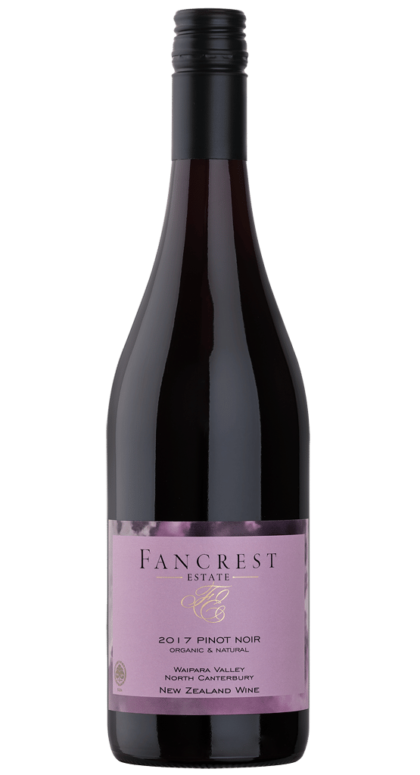
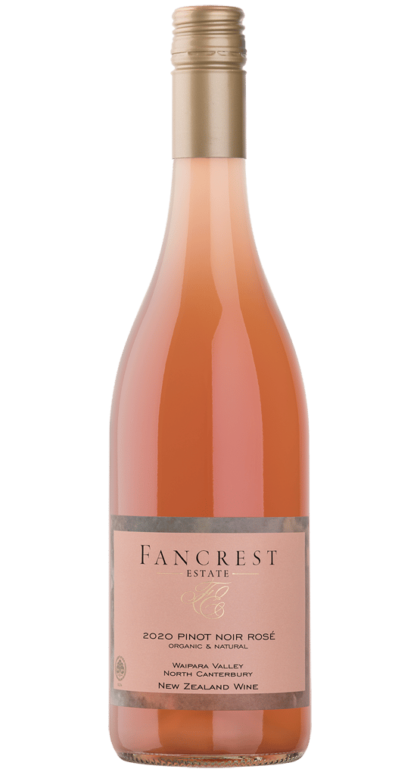
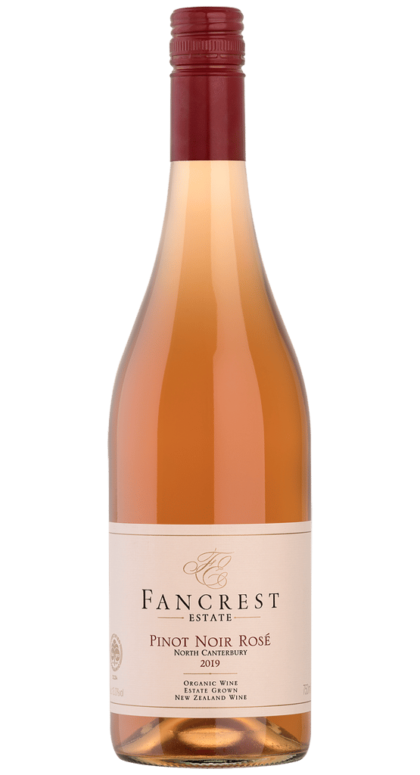
Organic wine offers something conventional wines can't match: a genuine connection to place, time, and the hands that crafted it. From living soil to wild yeasts to patient aging, every aspect creates wine with soul and character. If you're ready to experience the difference that certified organic viticulture and artisanal winemaking can make, explore the hand-crafted Pinot Noir and rosé wines from Fancrest Estate, where every bottle reflects Waipara's unique terroir and a family's commitment to quality over quantity.