
There's something special about holding a glass of organic rose wine and knowing exactly where it came from. Not just the region or the vineyard, but understanding the living soil, the wild yeasts, and the hands that tended every vine. When you choose organic, you're not just selecting a wine. You're connecting with a philosophy that values life at every level, from the tiniest soil microbe to the moment you pour that beautiful pink-hued liquid into your glass.
What Makes Organic Rosé Wine Different
Organic rose wine starts its journey in soil that's alive.
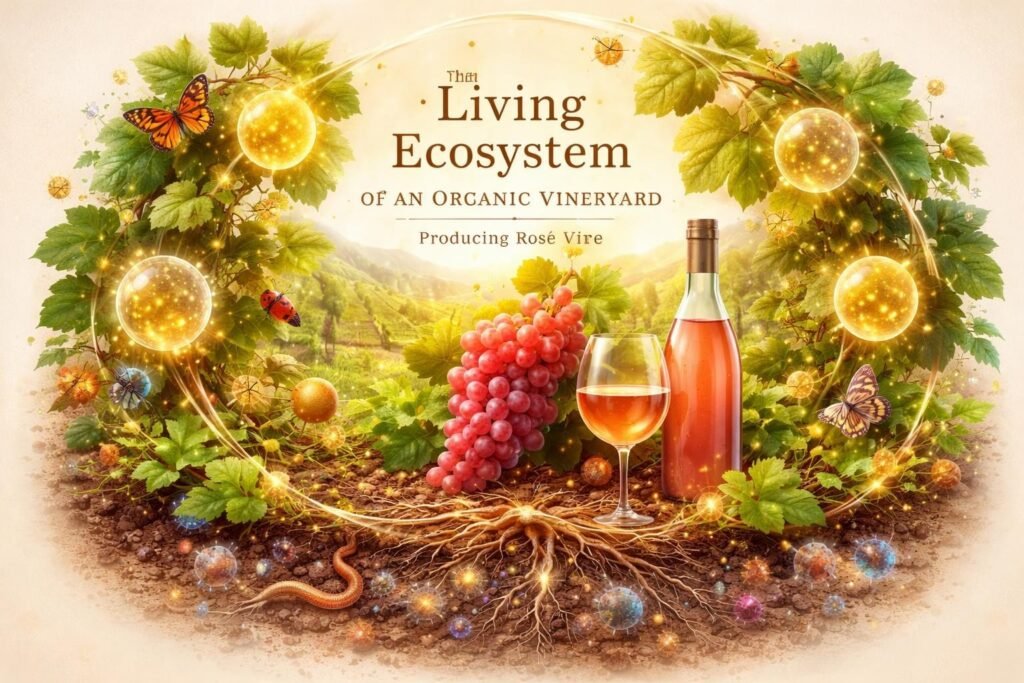
We're talking about dirt that breathes. Soil teeming with earthworms, beneficial bacteria, fungi, and countless microorganisms working together. This isn't the sterile, chemically-treated ground you find in conventional vineyards. It's a living ecosystem.
The difference shows up in the grapes. Vines grown organically develop deeper root systems because they're searching for nutrients naturally. They're not being spoon-fed synthetic fertilizers. Instead, they're drawing minerals and character from the earth itself.
The Living Vineyard Ecosystem
Every element in an organic vineyard plays a role:
- Beneficial insects control pests naturally without chemical sprays
- Cover crops between vine rows fix nitrogen and prevent erosion
- Native grasses provide habitat for predatory insects
- Wild yeasts colonize grape skins, waiting for harvest
- Soil fungi form mycorrhizal networks connecting vine roots
This interconnected web creates complexity you can taste. When winemakers talk about terroir, this is what they mean. The unique character of a place, expressed through wine.
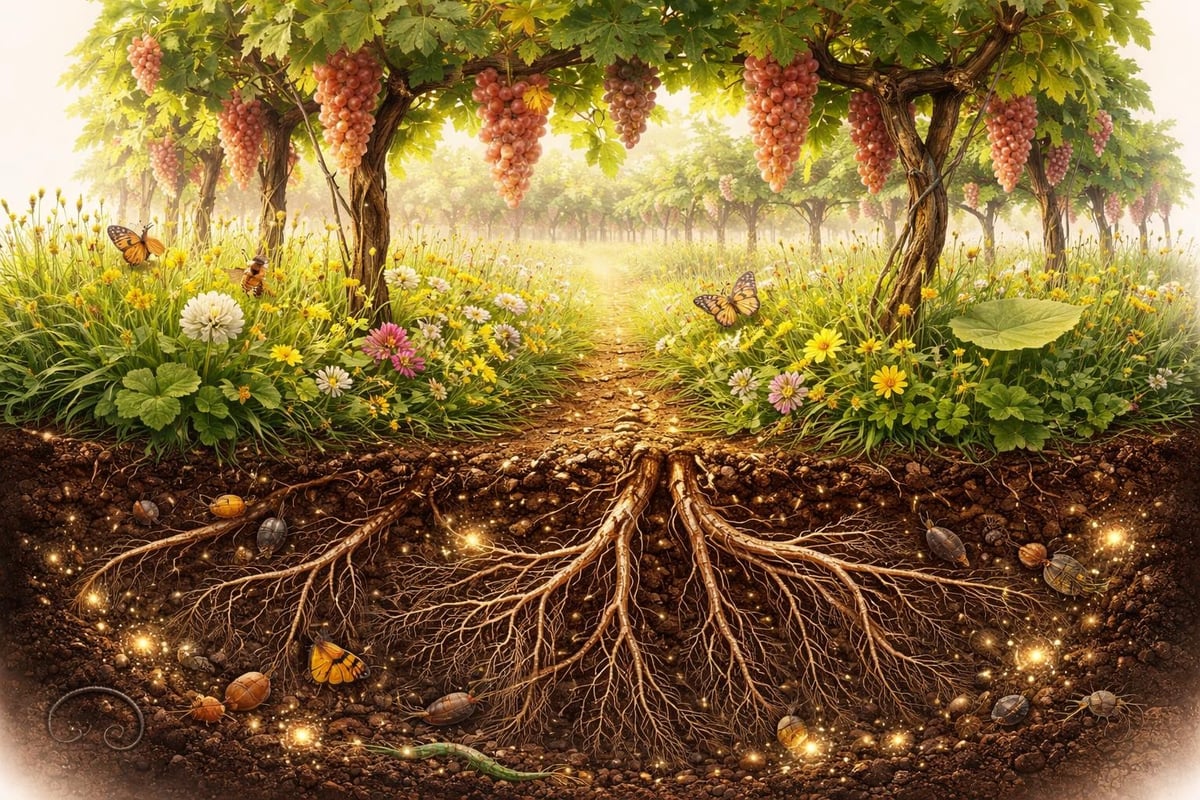
Small-batch producers understand this intimately. They walk their rows daily. They notice when a particular section develops different characteristics. They see which wild yeasts colonize their grapes each vintage.
The Hands-On Artisan Approach
Mass-produced wines follow formulas. Artisanal organic rose wine follows intuition, experience, and respect for the vintage.
Small family-owned vineyards can't rely on volume. They depend on quality. Every decision matters when you're crafting limited quantities.
Hand-harvesting is standard practice. Workers select only the ripest clusters. They leave behind grapes that aren't quite ready or have been damaged. This level of attention simply isn't possible with mechanical harvesters.
From Grape to Glass: The Personal Touch
The winemaking process in small organic operations is genuinely hands-on:
- Hand sorting removes any remaining imperfect grapes after harvest
- Gentle pressing preserves delicate flavors and aromatics
- Natural fermentation uses indigenous yeasts from the vineyard
- Careful monitoring through daily tasting and observation
- Minimal intervention lets the wine express its natural character
- Extended aging develops complexity before release
Each step requires human judgment. You can't automate terroir. You can't program a machine to understand when wild yeasts have created the perfect flavor profile.
Bonterra Organic Estates offers insights into how organic farming practices influence the final wine character, demonstrating the commitment required at every stage.
Wild Yeasts and Natural Fermentation
Here's where organic rose wine gets truly interesting.
Conventional winemaking typically uses commercial yeast strains. They're predictable, reliable, and produce consistent results. But they're also a bit boring.
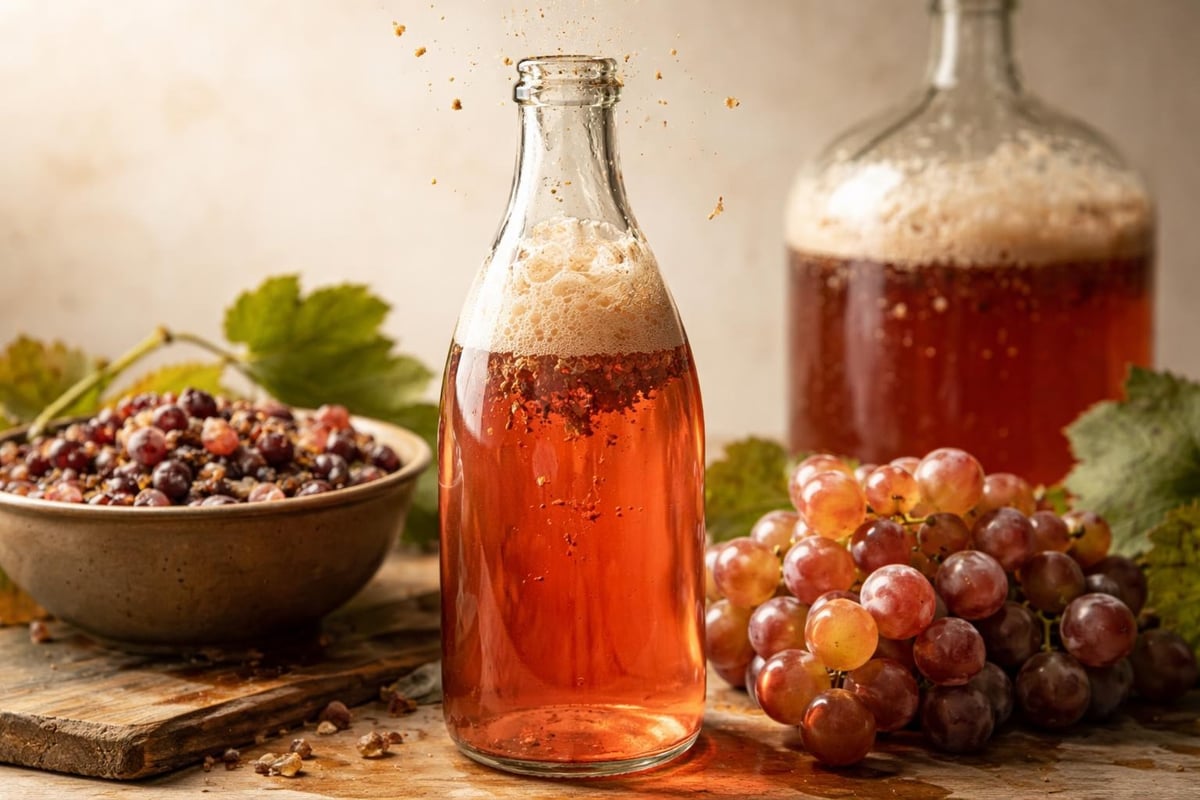
Wild yeasts are different. They're the native microorganisms living on grape skins and in the winery environment. Every vineyard has its own unique yeast population.
When you let these wild yeasts drive fermentation, magic happens. The wine develops layers of complexity that commercial yeasts simply can't create. You get unexpected flavor notes, subtle aromatics, and a living quality that makes each vintage unique.
The Risk and Reward of Natural Fermentation
| Aspect | Commercial Yeast | Wild Yeast |
|---|---|---|
| Predictability | Highly consistent | Varies by vintage |
| Fermentation time | 7-14 days | 14-45 days |
| Flavor complexity | Clean, straightforward | Layered, nuanced |
| Risk level | Very low | Moderate to high |
| Vintage expression | Limited | Pronounced |
Using wild yeasts requires courage. Fermentation takes longer. The process is less predictable. Sometimes things don't go as planned.
But when it works, you create something genuinely special. A wine with personality. A wine that couldn't have been made anywhere else.
Small producers who choose this path are betting on quality over safety. They're willing to accept some risk for extraordinary results.
The Pinot Noir Connection
Most people think of Pinot Noir as a red wine grape. And it is. But those same grapes create exceptional organic rose wine.
Pinot Noir has thin skins and delicate flavors. These characteristics make it challenging to grow but perfect for rosé production. The grape naturally produces wines with elegance rather than power.
When you press Pinot Noir grapes gently and limit skin contact, you extract just enough color for beautiful pink hues. You also capture the grape's inherent aromatics: strawberry, raspberry, subtle floral notes.
Why Pinot Noir Makes Outstanding Rosé
The grape's structure works beautifully for rosé:
- Thin skins mean gentle extraction without harsh tannins
- Natural acidity provides freshness and food-pairing versatility
- Delicate aromatics shine through without being overwhelmed
- Elegant structure creates sophisticated, age-worthy wines
Regions like Waipara in North Canterbury offer ideal conditions for Pinot Noir. The climate, soil, and maritime influence combine perfectly.
Cool nights preserve acidity. Warm days develop flavor. Limestone-rich soils add mineral complexity. When you grow Pinot Noir organically in these conditions, you're working with nature's advantages.
Stoneleigh introduces their approach to organic viticulture, showing how different regions interpret organic rosé production with their own unique terroir.
Soil Health: The Foundation of Quality
Everything in wine begins with soil. Not just any soil, but living, breathing earth.
Organic certification requires more than avoiding synthetic chemicals. It demands active soil building. Composting, cover cropping, and biological diversity become priorities.
Healthy soil creates healthy vines. Healthy vines produce grapes with balanced sugars, acids, and phenolics. These grapes make better wine.
Building Living Soil
Organic viticulturists focus on several key practices:
- Adding compost to increase organic matter and microbial life
- Planting diverse cover crops for nitrogen fixation
- Encouraging earthworm populations for natural aeration
- Maintaining beneficial fungal networks around roots
- Testing and balancing soil biology, not just chemistry
This approach takes years to develop fully. You can't rush soil health. It's a long-term investment in quality.
Family-owned estates often have the patience for this investment. They're thinking in generations, not quarterly profits. They understand that what they build today will continue improving for decades.
The payoff appears in the glass. Wines from healthy organic soils have more complexity, better structure, and clearer expression of place.
The Aging Process and Release Timing
Most commercial wines hit the market as quickly as possible. Cash flow demands it.
Artisanal producers can afford to wait.
Aging develops complexity that young wines simply don't have. Even organic rose wine benefits from time in bottle before release. The wine settles, integrates, and becomes more than the sum of its parts.
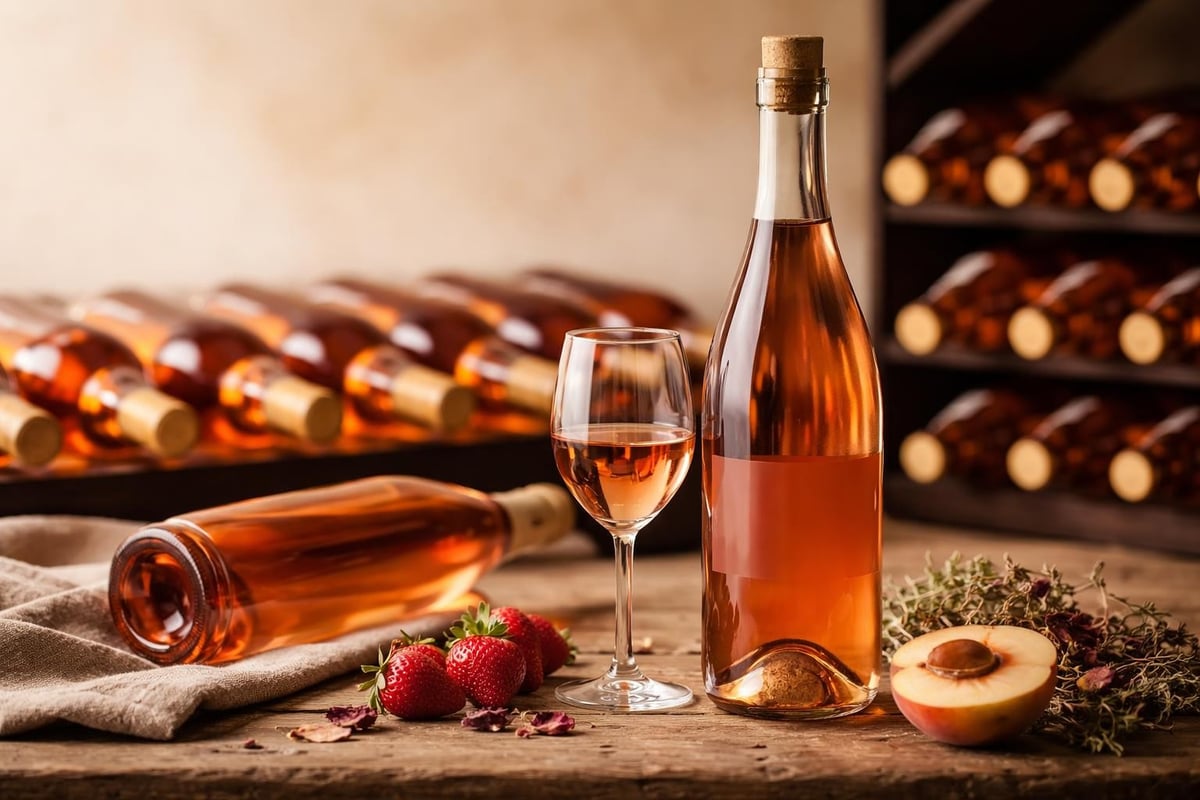
This patience reflects confidence. The winemaker knows their organic rose wine will improve with time. They're willing to delay gratification for superior quality.
What Happens During Bottle Aging
| Time Period | Changes Occurring | Flavor Impact |
|---|---|---|
| 0-3 months | Initial settling | Primary fruit mellows |
| 3-6 months | Integration begins | Layers start combining |
| 6-12 months | Complexity develops | Depth and nuance emerge |
| 12+ months | Full maturation | Complete harmony achieved |
When you receive wine that's been properly aged before release, you're getting it at peak drinking quality. You don't need to cellar it for years hoping it improves. The work has been done for you.
This service-oriented approach puts the consumer's experience first. It requires storage space, tied-up capital, and patience. But it delivers something special.
Buying Direct: The Online Connection
Small organic producers face interesting challenges. They create exceptional wines in limited quantities. They need to reach customers who appreciate quality and organic practices. But they often lack retail distribution networks.
Direct online sales solve this problem beautifully.
When you buy straight from the vineyard, several things happen:
- You get fresher wine with shorter supply chains
- The winery captures full value to reinvest in quality
- You access wines unavailable in retail stores
- You support sustainable family operations directly
There's no middleman markup. No wine sitting in warehouses for months. Just carefully aged organic rose wine shipped from the estate to your door.
Benefits of Direct Purchase
For the Consumer:
- Access to limited production wines
- Guaranteed provenance and storage conditions
- Direct communication with winemakers
- Often better pricing than retail
For the Winery:
- Sustainable business model without distributor margins
- Direct feedback from customers
- Control over wine handling and delivery
- Ability to focus on quality over quantity
Line 39 Wines presents their organic rosé showing how producers communicate their organic philosophy and wine character directly to consumers.
This relationship feels different. You're not buying a commodity from a faceless corporation. You're connecting with people who grew the grapes, made the wine, and aged it carefully before sending it to you.
Understanding Organic Certification
Organic certification isn't just a marketing label. It's a rigorous, verified commitment.
Third-party certifiers inspect vineyards regularly. They test soil. They review every input used in the vineyard. They verify harvest and winemaking processes.
The standards are specific. No synthetic pesticides, herbicides, or fertilizers. No genetically modified organisms. Strict limits on sulfites. Detailed record-keeping of every vineyard operation.
What Organic Certification Guarantees
When you see organic certification on a bottle:
- Vineyard practices follow certified organic standards
- Chemical inputs are restricted to approved natural substances
- Winemaking processes meet organic requirements
- Third-party verification confirms compliance annually
- Traceability documents every step from vine to bottle
This level of oversight provides confidence. You know what you're getting. The label means something concrete and verifiable.
For small producers, certification represents significant investment. The fees, paperwork, and compliance costs add up. They do it anyway because they believe in the principles.
Domaine Bousquet provides detailed technical information showing how certified organic practices influence soil composition and wine characteristics in their rosé production.
The Sensory Experience of Organic Rosé
Tasting organic rose wine is about more than flavor. It's about experiencing the vineyard in your glass.
Pour a glass and look at the color first. Organic Pinot Noir rosés often show delicate salmon or pale pink hues. The color comes entirely from brief skin contact, nothing artificial.
Now smell. You might notice red berry fruits: strawberry, raspberry, cherry. Perhaps some floral notes or subtle minerality. Each vintage expresses itself differently based on that year's growing conditions.
Typical Tasting Profile
Appearance:
- Pale to medium pink color
- Brilliant clarity
- Fine persistent bubbles if sparkling
Aroma:
- Fresh red berries
- Delicate florals
- Subtle mineral notes
- Clean, vibrant fruit
Palate:
- Crisp natural acidity
- Light to medium body
- Fresh fruit flavors
- Mineral finish
- Elegant balance
The finish in quality organic rose wine persists. You're not left with harsh alcohol burn or chemical aftertaste. Just clean, pure fruit and mineral character slowly fading.
This purity comes from the organic approach. When grapes are healthy and fermentation is natural, there's nothing to mask. The wine can be transparent and honest.
Food Pairing Possibilities
Organic rose wine shows remarkable versatility with food.
The natural acidity makes it food-friendly. The delicate fruit doesn't overwhelm subtle flavors. The elegant structure bridges red and white wine territory.
Try it with salmon or tuna. The wine's body matches the fish's richness while the acidity cuts through oil. Perfect balance.
Charcuterie and aged cheeses work beautifully. The wine's freshness contrasts with fatty, salty elements. Each bite and sip refresh your palate.
Excellent Pairing Categories
- Seafood: grilled salmon, seared tuna, prawns, oysters
- Poultry: roast chicken, duck breast, turkey
- Vegetarian: grilled vegetables, mushroom dishes, Mediterranean cuisine
- Cheese: aged cheddar, gruyère, soft goat cheese
- Light meats: pork tenderloin, veal, lamb
Summer salads with strawberries and goat cheese sing alongside organic rose wine. The fruit in the salad echoes the wine's berry notes. The tangy cheese matches the wine's acidity.
Or simply enjoy a glass on its own. Quality organic rose wine doesn't need food to shine. It's complete and satisfying by itself.
Storage and Serving Recommendations
Treating organic rose wine properly ensures you experience it at its best.
Store bottles on their sides in a cool, dark place. Temperature stability matters more than exact degrees. Avoid heat and temperature swings.
Serve chilled but not ice-cold. About 8-10°C is ideal. Too cold and you'll mute the aromatics. Too warm and the alcohol becomes prominent.
Optimal Serving Conditions
| Factor | Recommendation | Why It Matters |
|---|---|---|
| Temperature | 8-10°C | Balances freshness and aroma |
| Glassware | Medium white wine glass | Concentrates aromatics |
| Decanting | Generally unnecessary | Preserves delicate character |
| Opened bottle | Consume within 2-3 days | Maintains freshness |
Let the wine warm slightly in the glass. As temperature rises, aromatics develop and flavors open. You'll discover new layers with each sip.
Use proper glassware. A decent white wine glass works perfectly. The bowl shape concentrates aromatics while the stem keeps your hand from warming the wine.
Supporting Sustainable Winegrowing
Every bottle of organic rose wine you purchase supports sustainable agriculture.
You're voting with your wallet for farming practices that build soil health. You're supporting biodiversity in vineyard ecosystems. You're encouraging winemakers to continue organic practices despite higher costs and risks.
Small family estates particularly depend on this support. They can't compete on price with industrial producers. They compete on quality, sustainability, and authenticity.
When you choose organic, you're choosing:
- Living soils over chemically-dependent agriculture
- Biodiversity over monoculture
- Long-term sustainability over short-term profits
- Artisanal quality over mass production
- Family businesses over corporations
This matters beyond just wine quality. Agricultural practices affect water quality, soil health, and ecosystem vitality. Organic vineyards become refuges for beneficial insects, birds, and wildlife.
Your choice to buy organic rose wine from small producers creates demand for better farming. It helps families continue crafting exceptional wines using methods that respect the land.
The wine industry shifts slowly, but consumer demand drives change. Each bottle makes a difference.
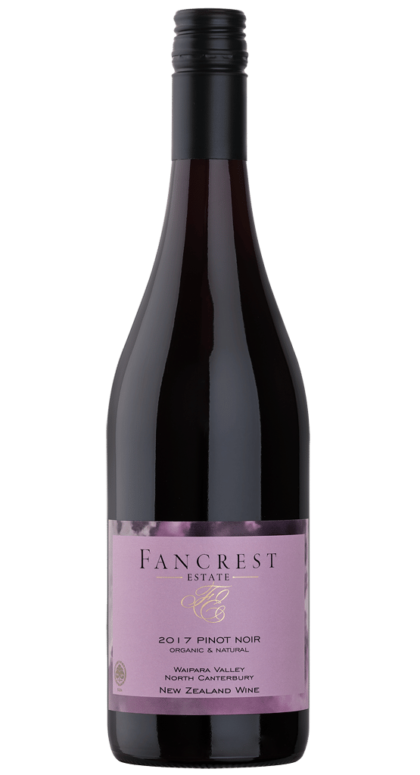
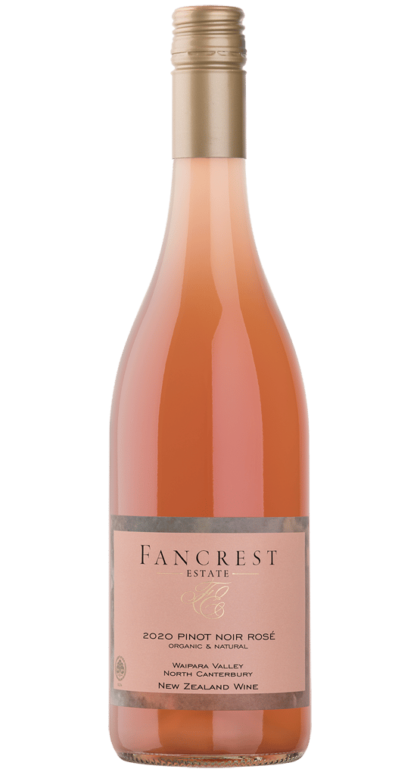
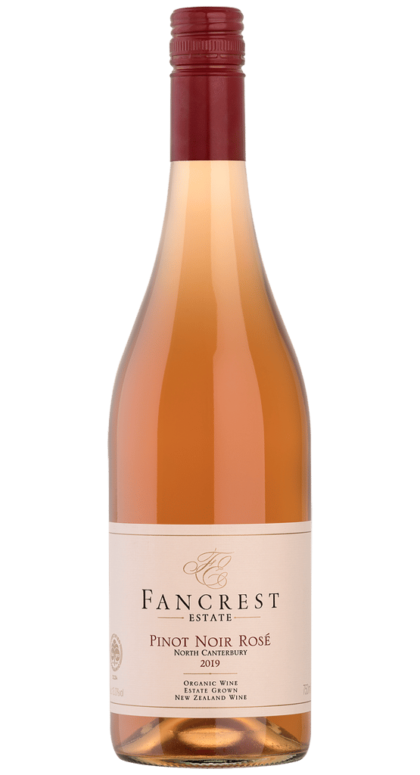
Organic rose wine offers a transparent connection between vineyard and glass, where you taste the living soil, wild yeasts, and careful hands that shaped each vintage. If you're ready to experience hand-crafted organic Pinot Noir rosé that captures the unique character of Waipara's limestone-rich terroir, Fancrest Estate offers limited-production wines made with natural vineyard yeasts and aged to perfection before release. Explore their exclusively online collection to discover what's possible when family dedication meets certified organic practices.