

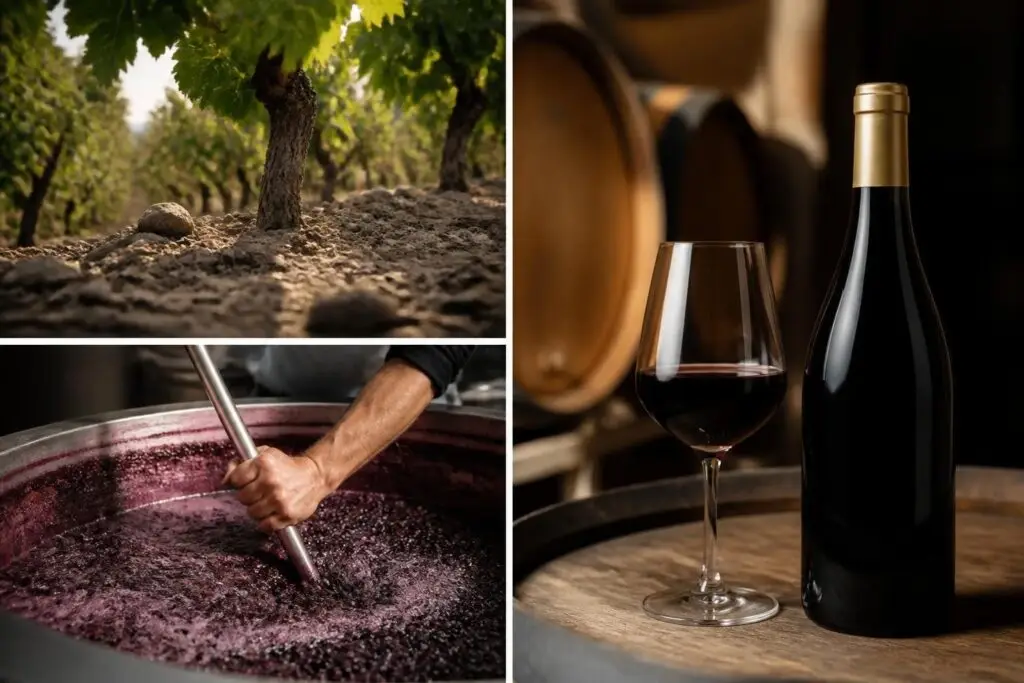
Have you ever wondered what sets apart wines from a natural wine store versus what you'll find on supermarket shelves? The difference is profound. When you choose natural wine, you're choosing a living product that captures the essence of its place, crafted with minimal intervention and maximum respect for the land. It's about connecting with something authentic, something that reflects the rhythm of the seasons and the hands that nurtured every vine.
What Makes a Natural Wine Store Different
A natural wine store curates selections that follow strict principles: organic or biodynamic farming, natural fermentation with wild yeasts, and minimal or zero added sulphites. Unlike conventional wine retail, these stores champion winemakers who work their vineyards personally, understanding every row and vine.
The philosophy behind natural wines centers on authenticity. You won't find mass-produced wines here. Instead, expect small-batch bottles from producers who spend their days in the vineyard, observing soil health, encouraging beneficial insect life, and working with nature's calendar rather than against it.
The Living Vineyard Ecosystem
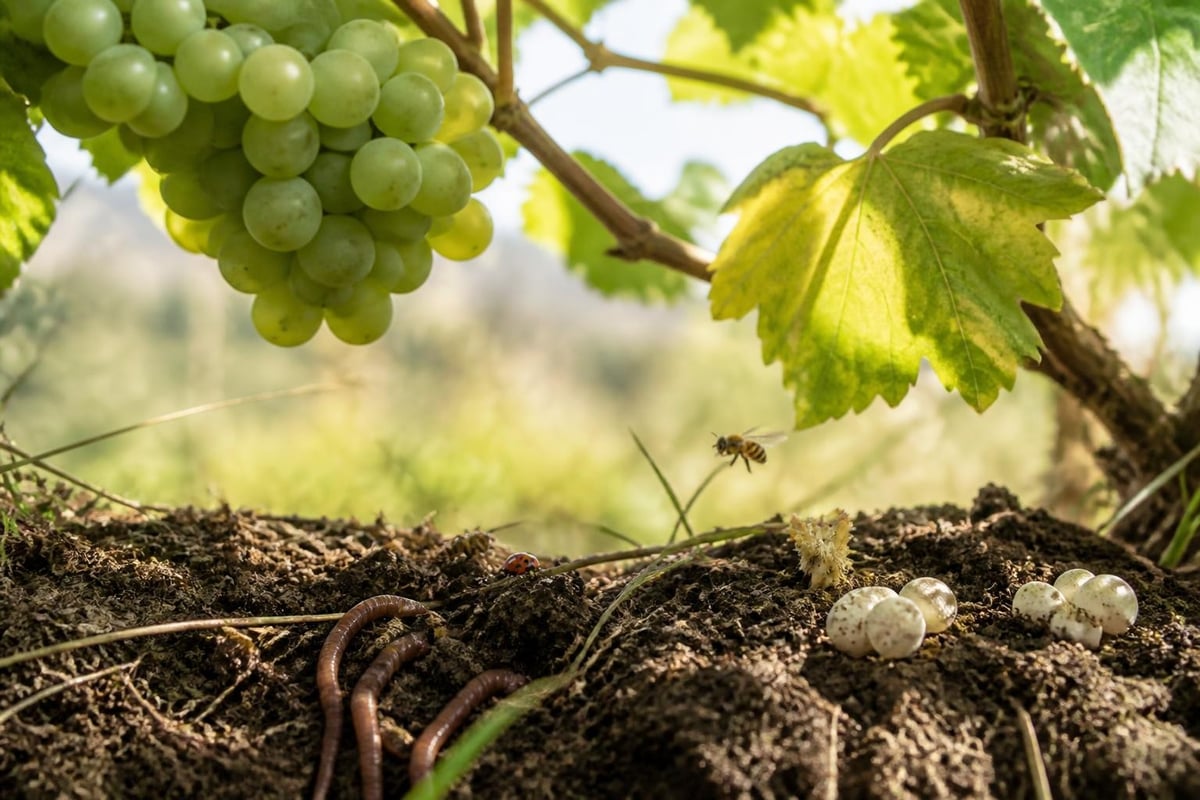
Think about what goes into each bottle. In an organic vineyard, everything is interconnected and alive. The soil teems with microorganisms that feed the vines. Native yeasts live on grape skins, ready to transform juice into wine without any laboratory additions. Beneficial insects patrol the rows, keeping pests in balance naturally.
Key elements of a living vineyard:
- Rich, biologically active soil with healthy microbial populations
- Natural pest control through biodiversity
- Wild yeasts that create unique fermentation profiles
- Seasonal rhythms that dictate vineyard work
This ecosystem approach creates wines with distinctive character. When you taste a wine from a natural wine store, you're experiencing the terroir, the place itself, speaking through the glass.
Hands-On Winemaking: From Vine to Bottle
In New Zealand's boutique vineyards, particularly in regions like Waipara, North Canterbury, the winemaker often works alone, personally tending each vine throughout the seasons. This intimate scale allows for observation and care that simply isn't possible in industrial operations.
Imagine the owner walking the rows in early spring, pruning each cane by hand, assessing bud break. As summer approaches, she's back, thinning fruit clusters to concentrate flavors, checking for ripeness by tasting berries, not just relying on laboratory measurements. This hands-on approach means every decision responds to what the vines actually need, not what a production schedule demands.
The Artisanal Difference
| Artisanal Natural Wine | Commercial Wine Production |
|---|---|
| Hand-harvested at optimal ripeness | Machine-harvested on schedule |
| Wild yeast fermentation | Cultured yeast strains |
| Unfined and unfiltered | Heavily processed |
| Aged before release | Rushed to market |
| Minimal or zero sulphites | High sulphite additions |
The patience required for artisanal winemaking sets these wines apart. Rather than rushing bottles to market to meet quarterly targets, small producers age their wines properly, allowing flavors to integrate and complexity to develop. This comprehensive approach to natural wine production requires both skill and restraint.
Why Age Matters in Natural Wine
When you purchase from a natural wine store, you're often buying wines that have been carefully aged before release. This isn't just marketing. It's essential for developing the nuanced character that makes these wines special.
Natural wines undergo a more complex maturation process because they contain all the original compounds from the grapes. Without fining or filtration, these wines evolve in the bottle, developing layers of flavor that generic commercial wines simply cannot match.
Benefits of properly aged natural wines:
- Enhanced flavor complexity and integration
- Softer tannin structure in red wines
- Development of secondary and tertiary aromas
- Better balance between fruit, acidity, and structure
- True expression of vintage characteristics
For Pinot Noir specifically, this aging allows the delicate red fruit notes to interweave with earthy, savory elements. The wine becomes more than just fruit. It becomes a story of place and time.
Selecting Natural Wines for Food Pairing
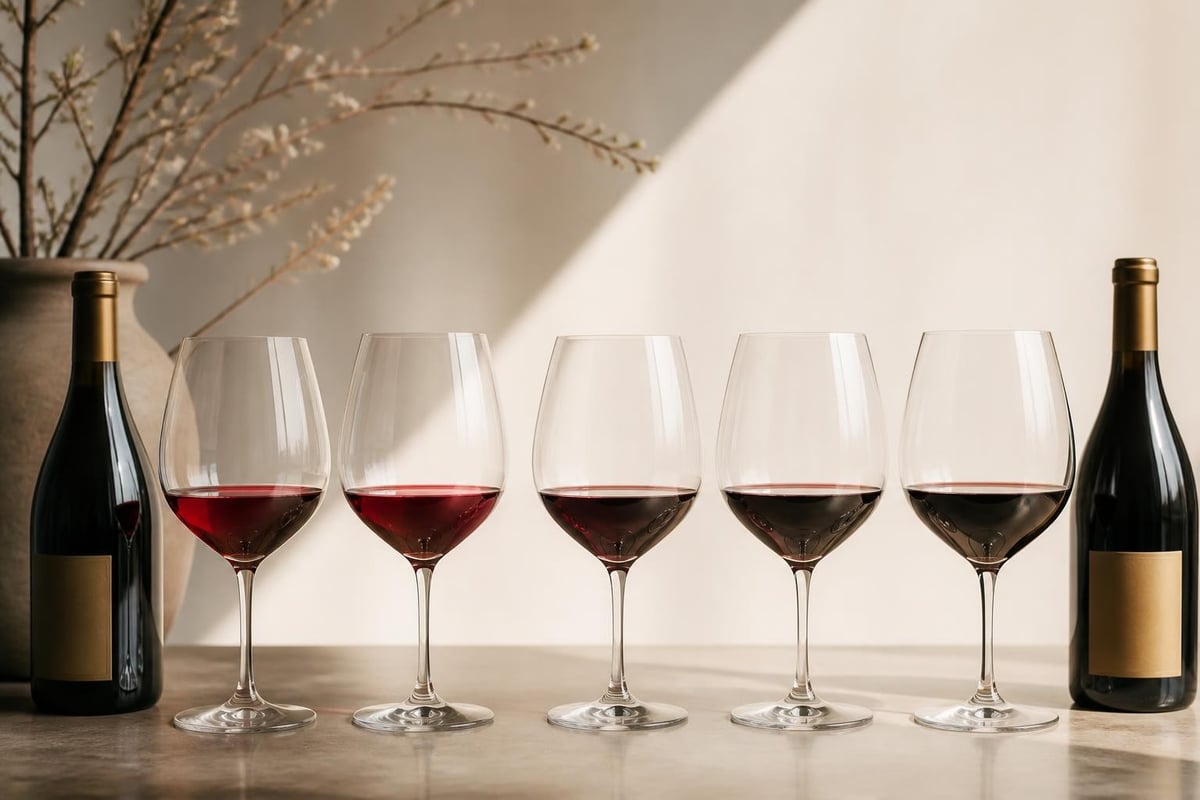
One of the joys of shopping at a natural wine store is discovering how these authentic wines pair with food. Because they're unfined and unfiltered with zero added sulphites, natural wines often show brighter acidity and more vibrant fruit, making them incredibly food-friendly.
Organic Pinot Noir shines alongside diverse cuisine. The wine's natural acidity and earthy complexity complement everything from roasted lamb to mushroom risotto. Navigating natural wine selections becomes easier when you consider your menu.
Perfect Pairings for Natural Pinot Noir
Consider these combinations:
- Duck breast with cherry reduction: The wine's red fruit notes echo the sauce while cutting through the richness
- Wild salmon with herbs: Pinot Noir's delicate structure won't overpower fish
- Aged cheeses: Earthy, complex wines match nutty, developed cheese flavors
- Mushroom and truffle dishes: Natural earthiness in both wine and food creates harmony
For special occasions or gifts for wine lovers, artisanal Pinot Noir offers something genuinely distinctive. You're giving more than a bottle; you're sharing a living expression of a specific place and vintage.
The Rhythm of the Seasons
In boutique vineyards, the winemaker's year follows nature's calendar. Winter pruning in July and August shapes the coming vintage. Spring brings bud break and the anxious watch for frosts. Summer means canopy management, assessing fruit development, making crucial decisions about when to harvest.
This seasonal rhythm creates authentic wines. Each vintage truly reflects its year because the winemaker responds to actual growing conditions rather than following a formula. A warmer season might yield riper fruit flavors. A cooler vintage could produce wines with more elegance and tension.
When you explore offerings from estates like Fancrest Estate, you're tasting this seasonal story. Each bottle contains the work of countless hours in the vineyard, decisions made in response to weather and vine health, and the patient aging that allows the wine to reach its full potential.
Wholesome Wines for Modern Drinkers
Today's wine drinkers increasingly seek transparency and authenticity. A natural wine store provides both. You know what you're getting: organic grapes, wild yeast fermentation, minimal intervention, and bottles that reflect real places and real work.
These wholesome wines deliver far more than generic commercial alternatives. They offer connection to the land, appreciation for craft, and flavors that evolve and surprise. Whether you're building a collection or seeking the perfect bottle for tonight's dinner, choosing natural wine means choosing quality and integrity.
The movement toward natural wine reflects broader values: sustainability, authenticity, and respect for traditional methods adapted to modern organic practices. When you support a natural wine store, you're supporting winemakers who prioritize land health and wine quality over maximum production.
Natural wine stores offer access to wines crafted with integrity, patience, and deep connection to place. These artisanal bottles deliver complexity and authenticity that mass-produced wines cannot match. If you're seeking genuinely distinctive organic Pinot Noir, Fancrest Estate creates hand-crafted wines using certified organic practices, wild vineyard yeasts, and careful aging to bring you unfined, unfiltered wines at their very best. Experience the difference that hands-on, sustainable winemaking makes.