
You've probably heard the debates about wine and health. Some studies praise it, others caution against it. But what if the conversation isn't just about drinking wine in moderation? What if it's about the kind of wine you choose? The truth is, not all wines are created equal. When you're thinking about healthy wine, you need to consider what goes into the bottle from the very first moment a vine root touches the soil. The difference between commodity wine and artisanal, organic wine is like comparing a supermarket tomato to one grown in your own garden.
What Actually Makes Wine "Healthy"?
Let's start with the basics.
When people talk about healthy wine, they're usually referring to the antioxidants found in red wine, particularly resveratrol. This compound comes from grape skins and has been linked to heart health benefits when consumed in moderation.
But here's what most articles don't tell you: the health potential of wine starts long before fermentation.
It begins in the soil.
The Living Soil Difference
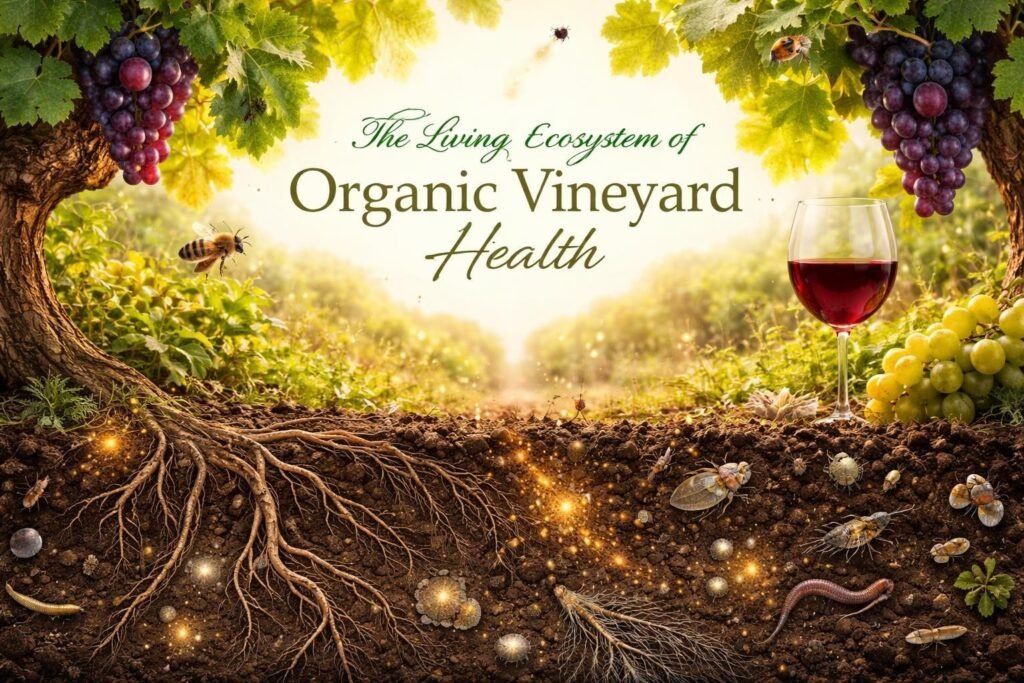
Organic vineyards aren't just about avoiding synthetic pesticides. They're about creating a thriving ecosystem underground.
Healthy soil is alive. It's teeming with microorganisms, fungi, and beneficial bacteria that feed the vines. These living communities produce grapes with more concentrated nutrients and compounds.
Think about it. When vines struggle naturally, finding their own balance with the environment, they develop deeper, more complex root systems. They produce grapes with thicker skins and more intense flavour compounds.
Those same compounds contribute to the antioxidant profile of your wine.
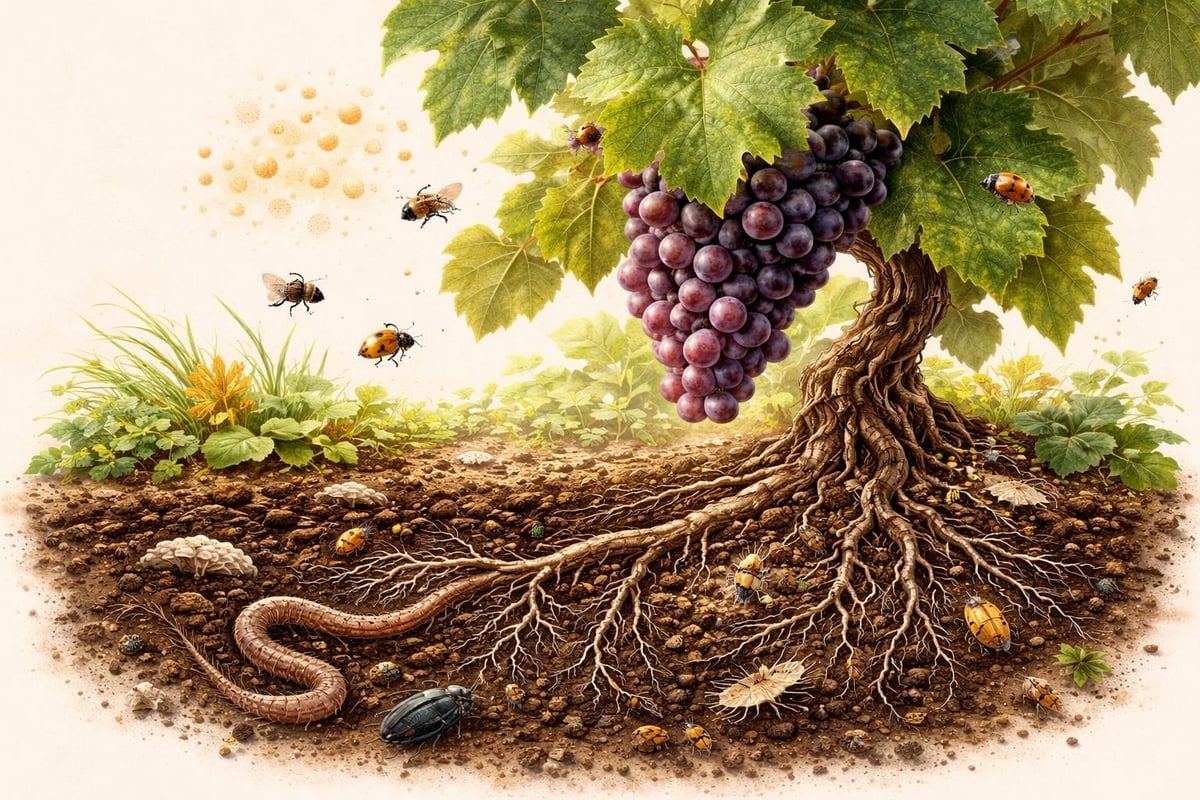
In conventional vineyards, chemical fertilizers can create lazy vines. They don't need to work hard. The result? Grapes that lack depth and complexity.
In organic systems, every element works together. The insects, the soil microbes, the wild yeasts living on grape skins. It's a complete, living system.
The Wild Yeast Advantage
Here's something fascinating about artisanal winemaking.
Commercial wineries typically use cultured yeasts. They're predictable, reliable, and produce consistent results. But they also create wines that taste similar to thousands of others.
Wild yeasts are different.
These native yeasts live naturally in the vineyard. They're part of the terroir, the unique fingerprint of a specific place. When winemakers use natural vineyard yeasts, each fermentation becomes a collaboration with nature.
Wild yeast fermentation offers several benefits:
- Creates unique flavour profiles impossible to replicate
- Produces wines with more textural complexity
- Introduces beneficial compounds through diverse fermentation
- Reflects the living character of the vineyard itself
The fermentation process with wild yeasts is slower and more unpredictable. It requires hands-on attention and skill.
But the result is a wine with genuine character. A wine that's alive in the glass.
Small Batch Production and Wine Quality
Mass production has its place in the world. But not when you're talking about healthy wine.
Small batch winemaking allows for meticulous attention at every stage. From hand-picking grapes at optimal ripeness to monitoring fermentation daily, the artisanal approach creates superior wine.
| Mass Production | Small Batch Artisanal |
|---|---|
| Machine harvested | Hand-picked at peak ripeness |
| Cultured yeasts | Natural vineyard yeasts |
| Chemical adjustments common | Minimal intervention |
| Quick turnaround | Proper aging before release |
| Standardized flavour | Unique expression of place |
When you're making small quantities, you can't hide behind technology. Every decision matters.
You taste the developing wine constantly. You adjust based on what the wine needs, not what a production schedule demands.
The Human Touch from Vine to Bottle
There's something profound about knowing the hands that made your wine.
In small, family-owned operations, the same people who prune the vines in winter are the ones bottling the wine. They know each section of the vineyard. They understand how different parcels behave in different vintages.
This intimate knowledge translates to better decisions.
When to pick. How to handle the fruit. When to rack the wine. These choices come from experience and connection to the living vineyard.
It's the opposite of industrial production, where decisions are made in boardrooms by people who've never touched a grape.
Organic Certification and What It Means
Not all "natural" wine claims are equal.
Certified organic vineyards must meet strict standards. No synthetic pesticides. No herbicides. No chemical fertilizers. These rules protect both the environment and the integrity of the grapes.
Organic certification ensures:
- Soil health is maintained through natural practices
- Beneficial insect populations thrive
- Groundwater stays free from chemical runoff
- Grapes develop naturally without artificial inputs
- The final wine contains fewer additives
But organic certification is just the baseline for truly healthy wine.
The best organic winemakers go further. They practice regenerative agriculture, building soil health year after year. They encourage biodiversity. They work with nature rather than against it.
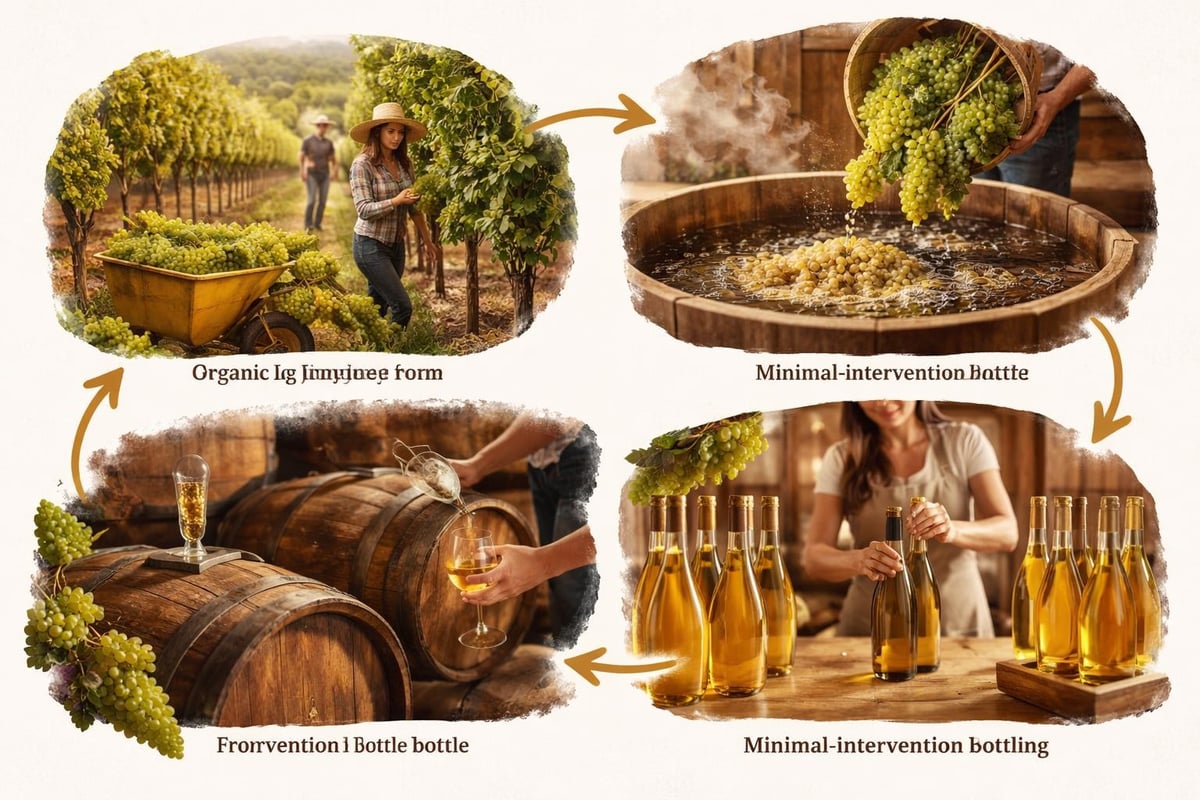
When you choose certified organic wine, you're choosing a product made with respect for living systems. That respect extends to your own body when you drink it.
Understanding Wine and Health Research
The science on wine and health is complex.
Research suggests moderate wine consumption may offer certain benefits, particularly for heart health. But it's crucial to understand the nuances.
Recent advisories, including warnings about alcohol and cancer risk, remind us that moderation is key. No amount of health benefits from antioxidants justifies excessive drinking.
So what does moderation mean?
For most adults, it's one glass per day for women and up to two for men. But even within moderation, quality matters enormously.
Why Quality Trumps Quantity
Would you rather drink three glasses of cheap, additive-laden wine or savour one glass of exceptional, organically grown Pinot Noir?
The latter offers a better experience on every level.
High-quality wine encourages mindful drinking. You sip slowly. You appreciate the complexity. You're less likely to overconsume because each glass is a complete experience.
Commercial wines often contain additives like sulfites at high levels, added sugars, and processing agents. While regulated, these additives are unnecessary in well-made wine.
Artisanal wines use minimal sulfites (just enough to preserve the wine) and nothing else. What you're drinking is essentially fermented grape juice, carefully aged and bottled.
That's it. That's healthy wine.
Pinot Noir: The Burgundy of Health Benefits
Not all wine varieties are created equal when it comes to health compounds.
Pinot Noir stands out for several reasons. The grape naturally has thinner skins than varieties like Cabernet Sauvignon, but don't let that fool you. Those skins are packed with resveratrol and other beneficial polyphenols.
The antioxidant properties of red wine are well-documented, and Pinot Noir consistently ranks among the highest in these compounds.
Pinot Noir advantages include:
- High resveratrol content from grape skins
- Lower tannins, making it easier on digestion
- Naturally lower alcohol levels than many reds
- Excellent food pairing versatility
- Complex flavour that encourages slow sipping
When Pinot Noir is grown organically in cool climates, the grapes develop slowly. This extended growing season allows flavour compounds and beneficial antioxidants to build naturally.
The grape also expresses terroir beautifully. Each vineyard, each vintage tells a different story.
The Waipara Valley Advantage
New Zealand's Waipara Valley offers something special for Pinot Noir.
The region sits in North Canterbury, protected by the Teviotdale Range. This creates a unique microclimate with warm days and cool nights. The temperature swing is perfect for Pinot Noir.
The limestone-rich soils of Waipara are alive with microbial diversity. They drain well but hold enough moisture for the vines to thrive without irrigation in most years.
This terroir produces Pinot Noir with remarkable purity and intensity.
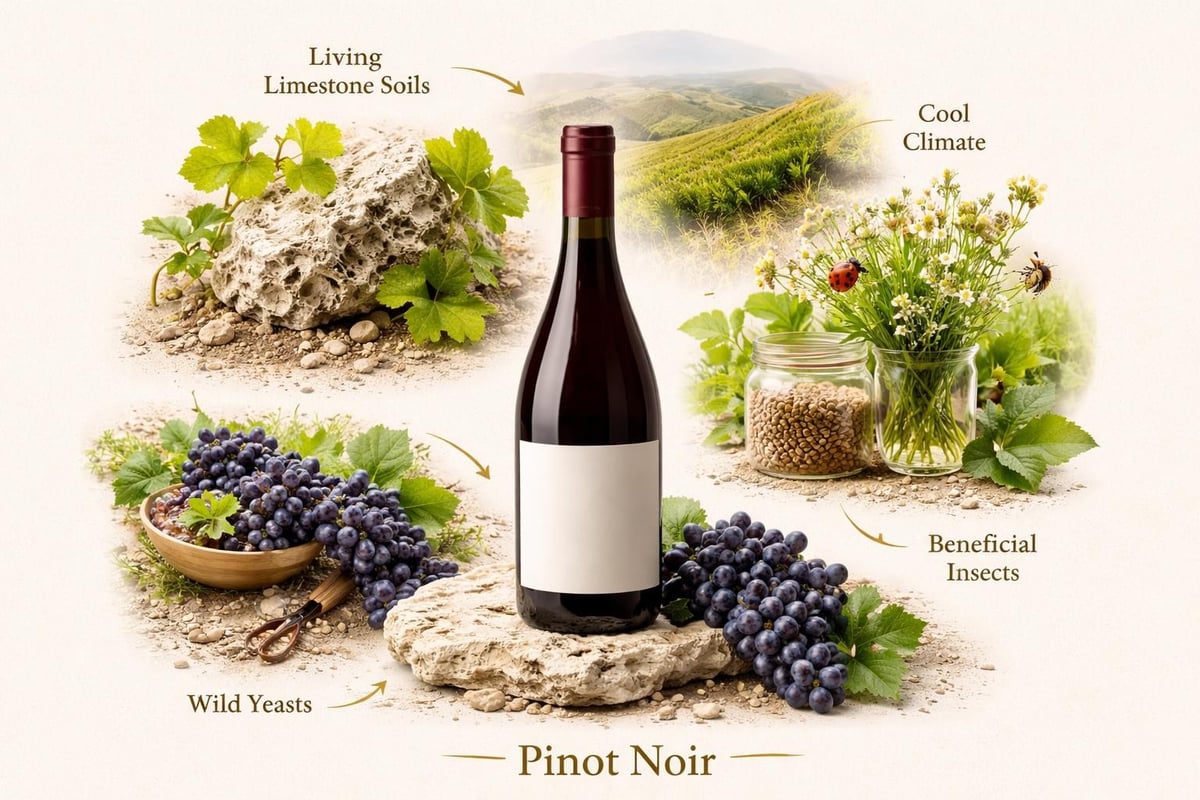
When you combine this exceptional terroir with organic practices and wild yeast fermentation, something magical happens. The wine becomes a true expression of place.
| Climate Factor | Impact on Wine Quality |
|---|---|
| Cool nights | Preserve natural acidity and freshness |
| Warm days | Develop flavour complexity |
| Limestone soil | Add mineral character and structure |
| Low rainfall | Concentrate flavours naturally |
| Native yeasts | Create unique fermentation profile |
The best Waipara Pinot Noirs don't just taste good. They feel alive in the glass. They change as they breathe. They're dynamic, interesting, and complex.
Aging Wine Properly Before Release
Here's a practice that separates artisanal producers from commercial operations.
Most wineries release wines as quickly as possible. It's a business decision. Wine sitting in barrels or bottles isn't generating revenue.
But wine needs time.
Pinot Noir especially benefits from proper aging before release. During this time, tannins soften, flavours integrate, and the wine reaches its optimal expression.
When you buy wine aged before release, you're getting it at its best. You don't need to cellar it for years, guessing when it might be ready. The winemaker has already done that work.
This approach requires patience and investment. It's only possible for small producers who prioritize quality over quick profits.
The result is wine that's ready to enjoy immediately. Smooth, balanced, and showing its full potential.
Making Conscious Wine Choices
Every purchase you make is a vote for the kind of world you want.
When you choose healthy wine, you're supporting sustainable agriculture. You're encouraging biodiversity. You're voting for quality over quantity.
You're also being kind to your own body.
Questions to ask when choosing wine:
- Is it certified organic?
- Does it use natural fermentation?
- Is it made by a small producer?
- Has it been properly aged before release?
- Can you trace its origin to a specific vineyard?
These questions help you identify wines made with integrity. Wines that reflect living systems and artisanal care.
The answers matter because they indicate whether you're drinking a mass-produced commodity or a handcrafted expression of place.
The Direct-to-Consumer Advantage
Buying wine directly from the winery offers several benefits.
First, you know exactly where your wine comes from. There's complete transparency about growing and winemaking practices.
Second, you often get better value. Without distributor markups, you're paying for the wine itself, not the supply chain.
Third, you support small producers directly. Your money goes to the people who actually made the wine, not corporate shareholders.
Many artisanal wineries sell exclusively online. They don't have tasting rooms or retail distribution. This allows them to focus entirely on vineyard and winery work.
It also means the wine you receive has been stored properly since bottling. No sitting on warm shop shelves. No questionable storage conditions.
Organic Practices You Can Taste
Can you actually taste the difference organic makes?
Absolutely.
Organic wines often have brighter fruit character and more precise flavours. They express their terroir more clearly because there's nothing masking the true character of the grapes.
The absence of chemical residues means you're tasting pure wine. Nothing artificial. Nothing unnecessary.
Many people also report fewer negative effects from organic wine. The lower sulfite levels and absence of other additives may contribute to this.
But beyond the technical aspects, there's something about knowing your wine comes from a living, thriving ecosystem. It changes the experience.
You're not just drinking fermented grapes. You're connecting with a specific place, a particular season, and the skilled hands that brought it all together.
Sustainability and Wine Quality Go Hand in Hand
True sustainability isn't just environmental. It's also about preserving quality for future generations.
When wineries prioritize soil health, they ensure their land will produce exceptional grapes for decades to come. When they use wild yeasts, they maintain the unique microbial populations that define their terroir.
These practices create better wine today while protecting the possibility of great wine tomorrow.
It's the opposite of extractive agriculture, which depletes soil and diminishes quality over time.
Sustainable winemaking is inherently long-term thinking. It's about stewardship rather than exploitation.
And it produces healthier wine in every sense of the word.
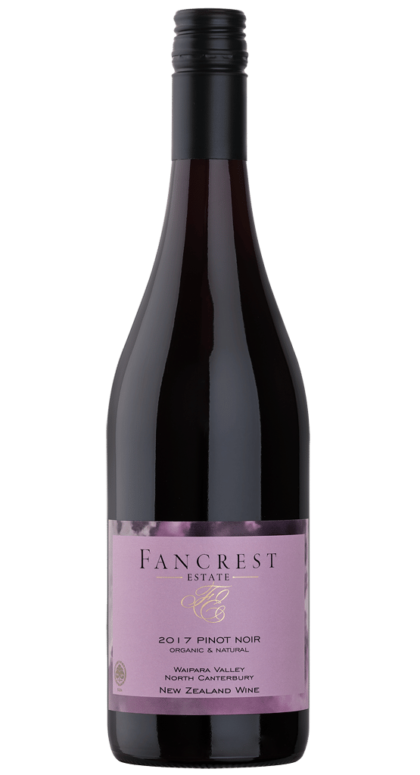
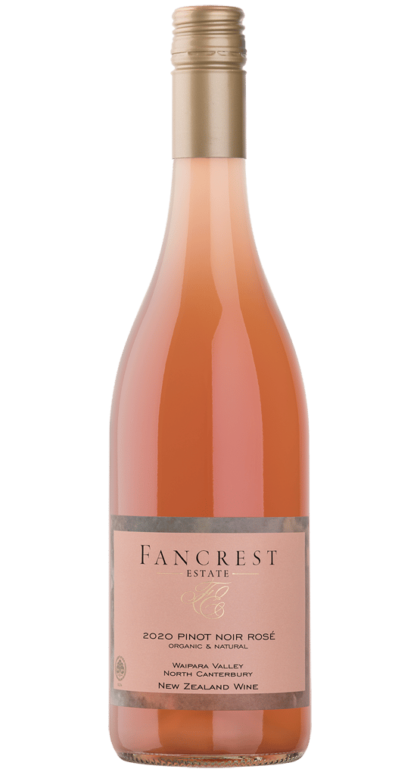
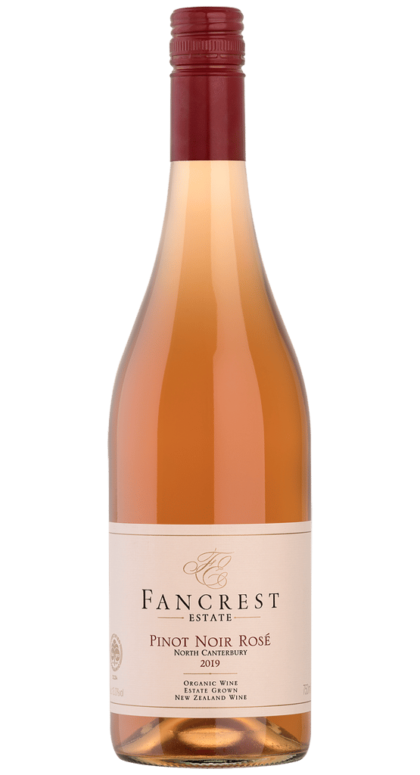
Choosing healthy wine in 2026 means looking beyond simple health claims to understand what actually goes into the bottle. It means seeking out wines made from living soils, fermented with wild yeasts, and crafted with artisanal care from vineyard to bottle. If you're ready to experience what truly organic, small-batch Pinot Noir offers, Fancrest Estate creates hand-crafted wines using certified organic practices and natural vineyard yeasts that express the vibrant, living character of Waipara's unique terroir. Every bottle is aged to perfection before release and available exclusively through their online shop.