

You've probably heard whispers about health wine lately. But what actually makes wine a potential contributor to wellness? The answer lies far beyond simple chemistry. It's about how wine is grown, fermented, and aged. When you choose wines crafted with organic practices, hand-tended vines, and natural yeasts, you're choosing something fundamentally different from mass-produced bottles. You're selecting a living product that connects directly to the soil, seasons, and authentic winemaking traditions that prioritize both quality and wellbeing.
The Living Foundation of Health Wine
The concept of health wine starts in the vineyard, not the bottle.
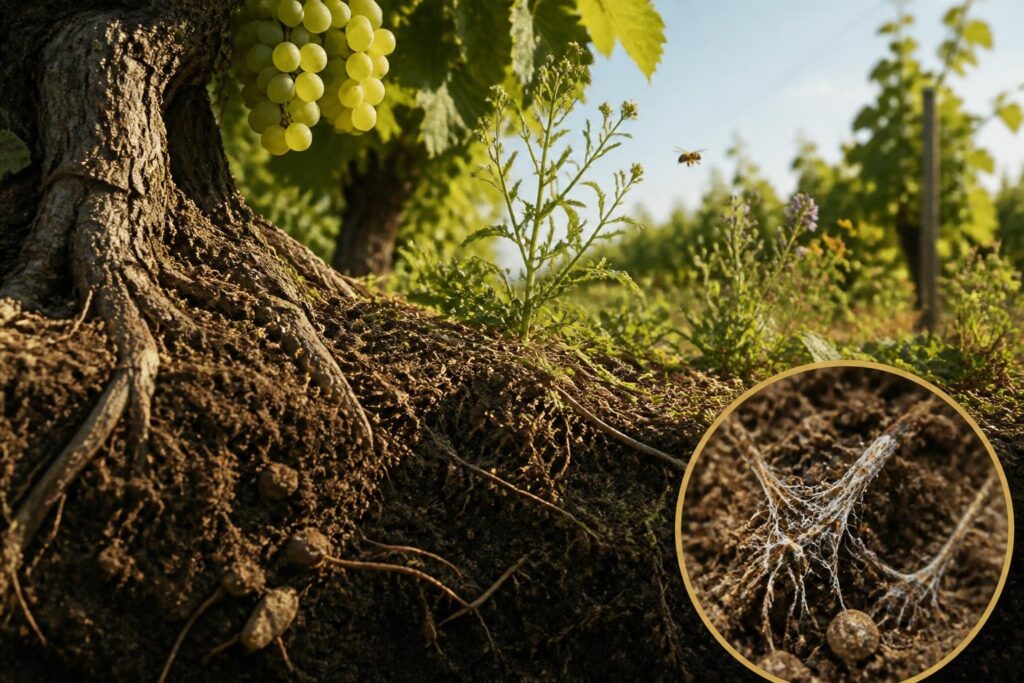
Think about what's happening beneath your feet in an organic vineyard. The soil teems with microscopic life. Beneficial fungi form networks around vine roots. Earthworms aerate the earth. Native insects maintain natural balance without synthetic interventions.
This vibrant ecosystem creates grapes with genuine vitality. Research shows grapes contain powerful antioxidants including resveratrol and flavonoids. But here's what many people miss: organically grown grapes develop these compounds differently than conventionally farmed fruit.
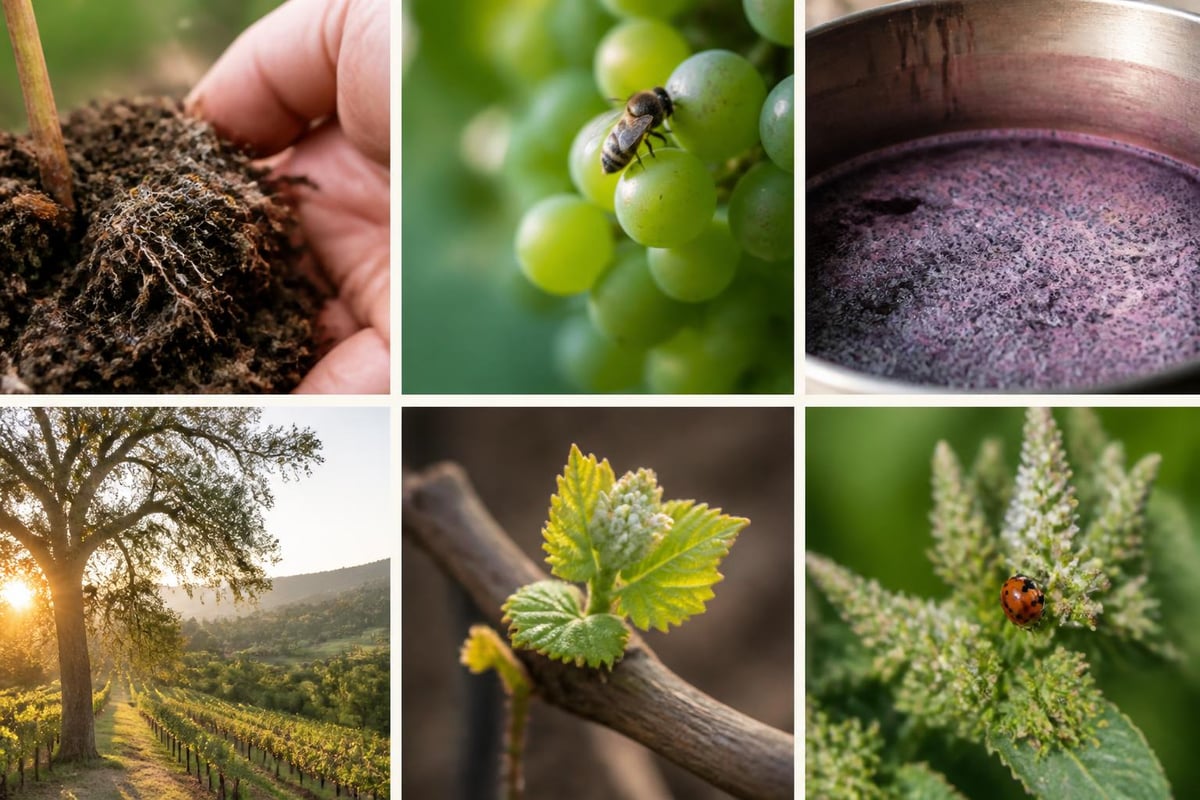
When synthetic pesticides and herbicides are eliminated, vines must defend themselves naturally. They produce more polyphenolic compounds. The grape skins thicken slightly. The entire fruit becomes more resilient.
Small Batch Authenticity
Mass production demands uniformity and speed. Small-batch winemaking follows nature's rhythm instead.
At boutique vineyards in regions like Waipara, North Canterbury, the winemaker personally works each row. She prunes by hand in winter. She assesses fruit ripeness by taste, not just numbers. This intimate knowledge of every vine creates wines with genuine character.
Key differences in hands-on winemaking:
- Personal selection of harvest timing based on grape maturity
- Gentle handling of fruit throughout fermentation
- Natural vineyard yeasts rather than commercial strains
- Extended aging before release for optimal complexity
- Lower yields focused on quality over quantity
The slower pace matters for your glass. Wines rushed to market often lack depth. They taste one-dimensional. Properly aged Pinot Noir develops layered flavors that actually complement food better and enhance dining experiences.
Wild Yeasts and Authentic Fermentation
Commercial wineries typically use cultured yeasts for predictability.
Artisan producers take a different approach. They allow native yeasts present on grape skins and in the winery to drive fermentation naturally. This might sound risky, but it's how wine was made for thousands of years.
Wild fermentation creates complexity you simply cannot replicate. Each fermentation becomes unique because the microbial populations vary by vintage, weather, and season. The wine develops its own personality.
| Commercial Approach | Artisan Wild Fermentation |
|---|---|
| Cultured lab yeasts | Native vineyard yeasts |
| Predictable flavors | Unique each vintage |
| Rapid fermentation | Slower, more complete |
| Standardized profile | Authentic expression |
This matters for health wine because natural fermentation often produces lower histamine levels. Many people who experience headaches from commercial wines find artisan wines more agreeable.
The Seasonal Rhythm of Quality
New Zealand's distinct seasons create particular challenges and opportunities for boutique winemakers.
Spring brings bud break and flowering. Summer requires constant vineyard monitoring. Autumn delivers harvest intensity. Winter means pruning and soil care.
A hands-on winemaker experiences every shift personally. She notices when beneficial insects appear. She responds to weather changes immediately. This intimate relationship with seasonal cycles produces grapes with true terroir expression.
You taste this in the glass. The wine reflects its place honestly. It carries the essence of Canterbury soils, coastal breezes, and sun-drenched hillsides.
Health Benefits Through Moderate Enjoyment
Let's talk about the science behind potential health benefits of wine.
Moderate consumption of quality red wine has been associated with cardiovascular benefits in numerous studies. The key compounds include:
- Resveratrol: A polyphenol with antioxidant properties
- Flavonoids: Plant compounds supporting heart health
- Anthocyanins: Pigments with anti-inflammatory effects
- Proanthocyanidins: Tannins that may improve vascular function
But here's the critical point: moderation matters absolutely. Health experts emphasize that excessive consumption negates any potential benefits entirely.
For those who appreciate wine mindfully, choosing organic, artisan-crafted bottles amplifies the positive aspects. You're consuming fewer additives. You're supporting sustainable practices. You're enjoying wine as nature intended it.
Food Pairing as Wellness Practice
Thoughtful food and wine matching enhances both the meal and the wine.
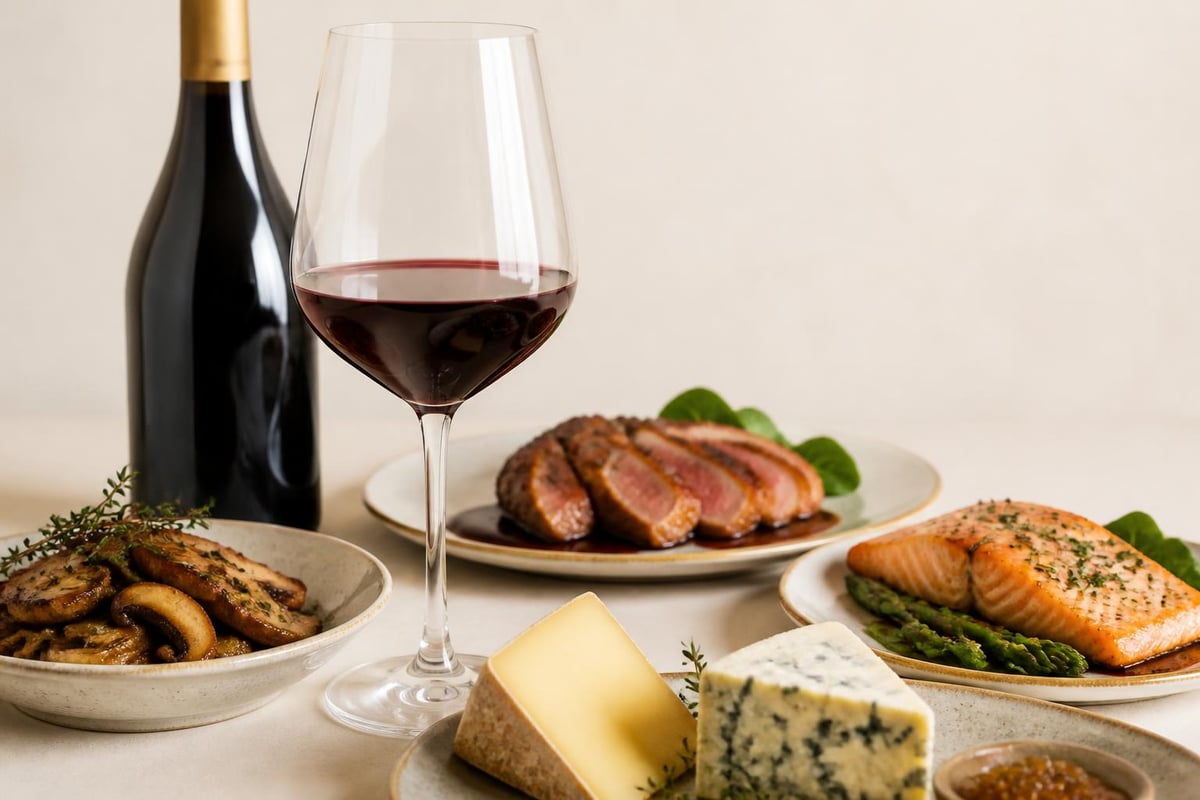
Pinot Noir particularly shines alongside certain dishes. Its moderate tannins and bright acidity make it incredibly versatile. Consider these pairings:
With protein:
- Duck breast with cherry reduction
- Grilled salmon with herb butter
- Roasted lamb with rosemary
- Mushroom risotto (vegetarian option)
With cheese:
- Aged cheddar
- Gruyère
- Soft-ripened Brie
- Blue cheese (in moderation)
The act of pairing wine with food transforms drinking into dining. You slow down. You savor each sip alongside complementary flavors. This mindful approach aligns perfectly with wellness principles.
Interestingly, many South Africans now living in New Zealand appreciate this food-and-wine culture. Something From Home stocks traditional South African foods that pair beautifully with Pinot Noir, from biltong to boerewors, creating cross-cultural dining experiences.
Creating Moments Worth Remembering
Health wine isn't just about compounds and chemistry.
It's about creating meaningful experiences. Sharing a bottle with friends over dinner prepared with care. Unwinding after a long week while sitting in comfortable contemporary furniture that makes your home feel like a sanctuary. Celebrating milestones with something crafted by hand rather than mass-produced.
These moments matter for wellbeing perhaps more than any antioxidant content. When you choose artisan wine, you're choosing to slow down. You're valuing quality over convenience.
Gifts That Express Genuine Care
Looking for gifts for wine lovers in your life?
Artisan bottles communicate thoughtfulness. They show you've considered quality and story, not just convenience. When someone receives hand-crafted wine from a family vineyard, they're receiving something personal.
Premium organic Pinot Noir makes exceptional gifts for:
- Milestone celebrations (birthdays, anniversaries, promotions)
- Thank you gestures for special people
- Housewarming occasions
- Holiday celebrations
- Corporate gifts that stand apart from generic options
The right bottle paired with a handwritten note creates genuine connection. It shows you value the recipient enough to choose something crafted with care rather than grabbed from a supermarket shelf.
Choosing Your Health Wine Wisely
Not all wine labeled "healthy" deserves the description.
Look for specific indicators of quality and authenticity. Organic certification matters because it guarantees vineyard practices meet strict standards. Small production often indicates hands-on care throughout the process. Estate-grown fruit means the winery controls quality from vine to bottle.
Questions to ask:
- Is the vineyard certified organic?
- Does the producer use natural yeasts?
- How long are wines aged before release?
- Can you trace the wine to a specific place?
- Does the winemaker personally tend the vines?
Research the health benefits and risks before making wine a regular part of your routine. Always consume mindfully and within recommended guidelines.
The difference between commodity wine and authentic artisan bottles becomes immediately apparent when you taste them side by side. One feels manufactured. The other feels alive.
When you choose health wine crafted through organic, hands-on practices, you're selecting authenticity over convenience. The living vineyard, seasonal rhythms, and natural fermentation create wines with genuine character and complexity. If you're ready to experience Pinot Noir that truly expresses its place through sustainable practices and patient aging, explore the hand-crafted collection at Fancrest Estate. Each bottle represents one person's dedication to creating something genuinely special.