

Imagine lifting a glass, watching sunlight dance through deep ruby hues, and catching a swirl of fresh, hand-crafted aromas. That is the heart of artisan wine in 2026.
If you have ever wondered how to unlock truly authentic flavours, you are in the right place. This guide will walk you into the world of artisan wine, where passion and tradition shape every bottle.
Interest in artisan wine is growing fast. People want real, small-batch wines that tell a story. Are you ready to discover new tastes and find your next favourite pour?
You will learn what artisan wine is, how it is made, where to find it, and how to savour every drop.
What Makes a Wine Artisan?
Ever wondered what truly sets artisan wine apart from the rest? Let’s break down what makes these bottles so special, and why more wine lovers are seeking them out.
Defining Artisan Wine
Artisan wine is all about a personal touch. Small-scale producers work by hand, from the vineyard right through to the cellar. You’ll find that traditional methods are the backbone here, with minimal interference in the natural journey from grape to bottle.
The focus is always on quality, not how many bottles can be made. Each artisan wine reflects the land it comes from, often called “terroir.” Many of these wines come from family-run or independent wineries, where generations pour their passion into every vintage.
If you’re after a wine that tells a story in every sip, artisan wine is where you’ll find it.
How Artisan Wines Differ from Mass-Produced Wines
Let’s compare artisan wine with the big commercial brands. The differences start in the vineyard and carry right through to your glass.
| Feature | Artisan Wine | Mass-Produced Wine |
|---|---|---|
| Production Scale | Small batches | Large, industrial |
| Farming Methods | Organic, biodynamic, manual | Conventional, machines |
| Flavour Profile | Unique, complex, expressive | Standardised, predictable |
| Winemaking Approach | Hands-on, traditional | Automated, formulaic |
| Additives/Enhancements | Minimal to none | Common |
Artisan wine often uses organic or biodynamic practices, which means healthier vines and richer soils. The flavours are more complex, revealing the unique stamp of each vineyard. Commercial wines, on the other hand, are crafted for consistency and volume, sometimes at the cost of individuality.
Did you know that less than 10% of wine made globally is artisan wine? That rarity makes each bottle something to savour.
The Value of Authentic Flavours
The magic of artisan wine is in its taste. Each bottle showcases the unique flavours of its region, shaped by local soils, climate, and even the wild yeasts that start fermentation. These natural elements create wines with true character and depth.
Artisan winemakers skip the artificial additives. Instead, they let the grapes and terroir shine. Wine critics often rave about the depth and vibrancy found in these bottles. As more people crave real, honest flavours, the demand for artisan wine is rising fast.
Curious about what makes these flavours so memorable? Check out this deep dive into the Taste of Terroir in Wine and see how land, climate, and craft come together.
If you want to experience wine that feels alive and tells a story, artisan wine is waiting for you to take that first sip.
The Art of Crafting Artisan Wine: From Vineyard to Bottle
The journey of artisan wine begins long before the first drop hits your glass. It starts in the vineyard, winds through the cellar, and is shaped by the hands and hearts of passionate winemakers. Let’s walk through each step together.
Vineyard Practices and Grape Selection
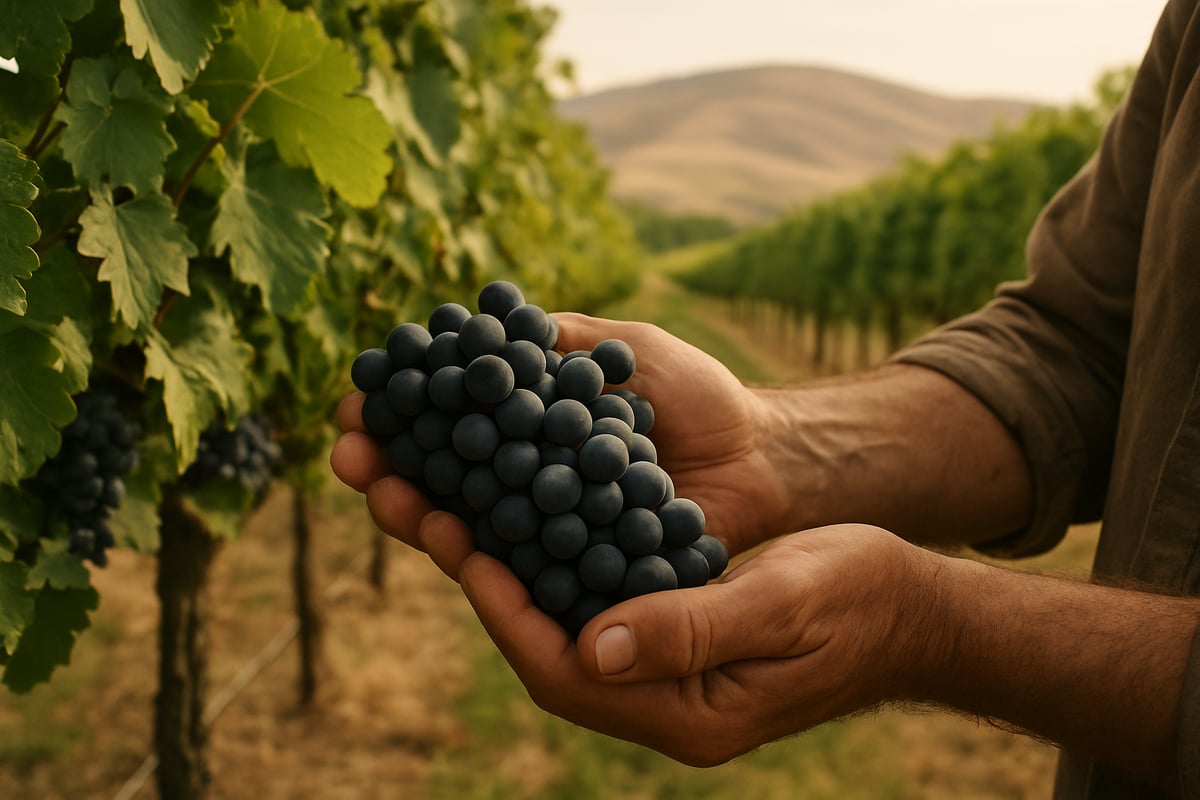
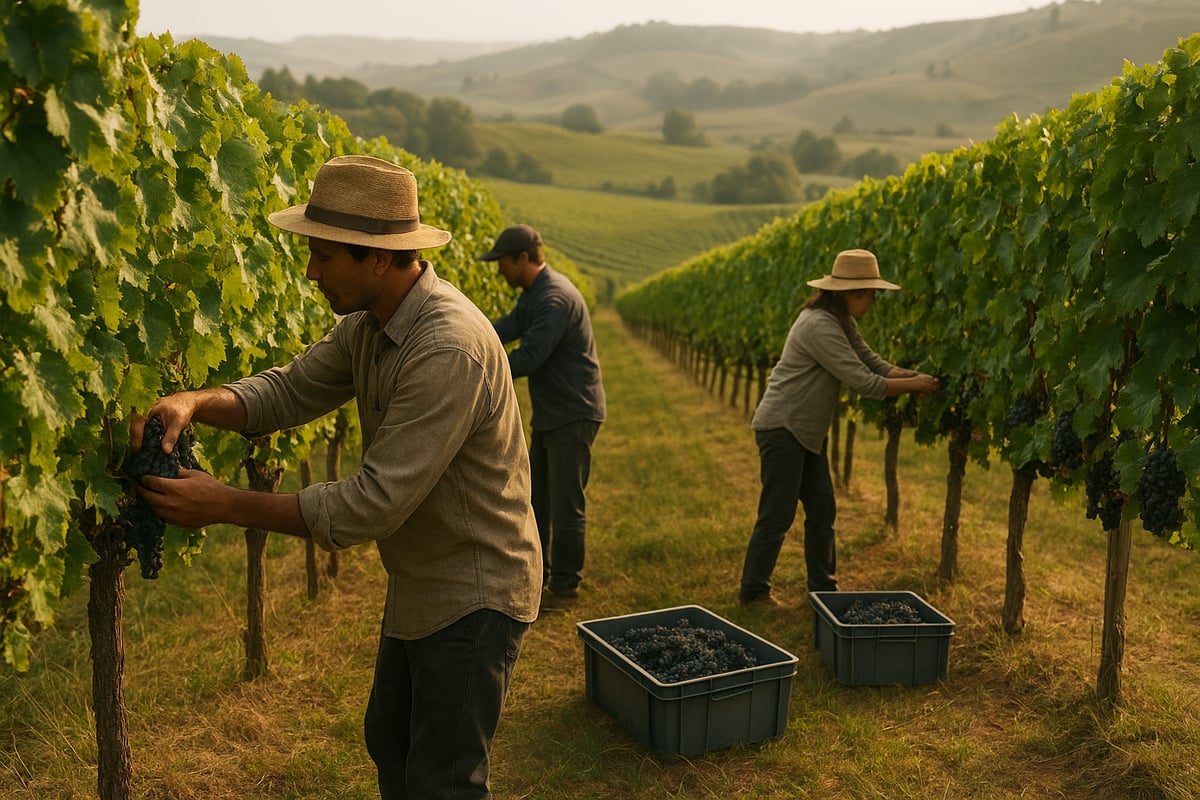
Every bottle of artisan wine begins with the land. Small teams walk the rows, hand-picking grapes at just the right moment. Manual vineyard management is the norm. This means pruning vines, removing leaves, and checking each bunch for ripeness.
Most artisan wine producers choose organic, sustainable, or regenerative farming. These methods protect both the soil and the vines. Want to see how it looks in practice? The Art of Harvesting Pinot Noir offers a behind-the-scenes peek at natural winemaking and hand-harvesting.
Careful grape selection is a must. Only the best fruit makes it into the fermenter. In New Zealand, artisan wine growers in places like Waipara and Central Otago rely on unique microclimates. These local weather patterns shape the grapes in ways you can taste.
Each choice in the vineyard shapes the wine’s personality. When you open a bottle, you’re tasting a year of hard work and care.
Natural Winemaking Techniques
Once the grapes arrive at the winery, the real magic begins. Artisan wine is often made using wild yeast fermentation. This lets the grapes express their true character. Minimal intervention is the rule, not the exception.
Small-batch processing is common. Winemakers use traditional tools, like open-top fermenters and gentle presses. Ageing happens in neutral oak barrels or even clay amphorae. This avoids adding strong flavours, letting the wine shine.
Time is a friend, not an enemy. Artisan wine is usually aged longer before release. This slow approach builds depth and complexity. Every step is about preserving the grapes’ natural qualities.
When you pour a glass, you’re tasting both nature and nurture. The flavours are honest, layered, and never rushed.
The Role of Passion and Expertise
Behind every artisan wine is a winemaker with a vision. These people are hands-on, guiding every stage from vineyard to bottle. Many have learned their craft from family, passing down secrets and stories.
Some are reviving ancient methods, blending tradition with new ideas. Their personal touch shows in every sip. Attention to detail is everything, from the way grapes are sorted to the moment the cork is sealed.
Awards and recognition have followed. But for most artisan wine producers, the real reward is sharing something special with you. When you choose an artisan wine, you support not just a drink, but a way of life.
Exploring Artisan Wine Regions in 2026
Curious about where to find the most exciting artisan wine in 2026? Let’s take a journey through regions where passion and nature shape every bottle.
New Zealand: A Rising Star for Artisan Wine
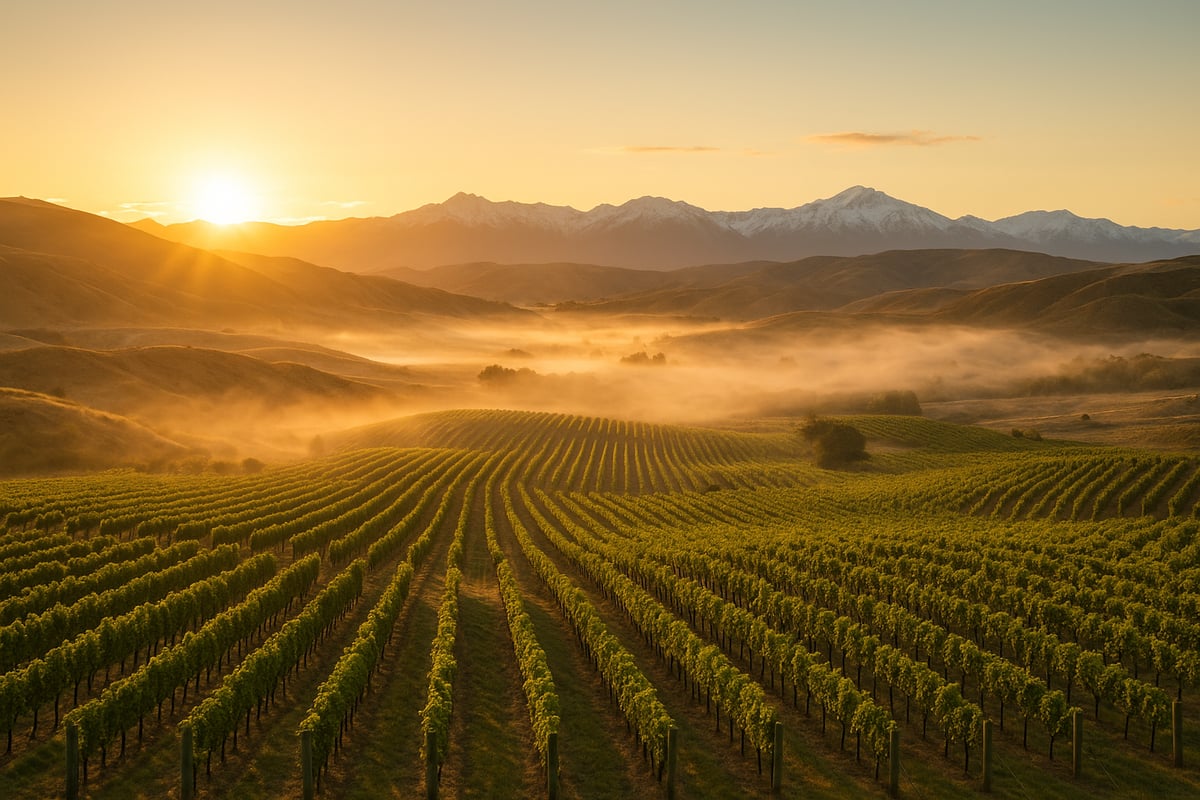
New Zealand is at the forefront of artisan wine. Regions like Waipara, Marlborough, and Central Otago set the standard for quality and character.
Central Otago, known for its dramatic landscapes and cool climate, produces some of the world’s most sought-after Pinot Noir. If you want to learn more about this region, check out the Central Otago Wine Region Overview.
Marlborough’s Sauvignon Blanc is bursting with freshness, while Waipara’s Chardonnay and Pinot Noir show incredible depth. The secret lies in the soil and climate. Each valley has its own microclimate, giving artisan wine a true sense of place.
Local producers use sustainable methods and hand-harvesting, focusing on small batches. Exports of New Zealand artisan wine have climbed steadily, with more fans around the globe each year. If you’re after something unique, these wines are a must.
Some family-run wineries here are now winning international awards. Their commitment to quality and authenticity is clear in every glass.
Europe’s Classic Artisan Wine Destinations
Europe is home to the legends of artisan wine. Burgundy in France, Piedmont in Italy, Rioja in Spain, and the Loire Valley have set the bar for centuries.
These regions are famous for grapes like Pinot Noir, Nebbiolo, and Tempranillo. Many estates are still family-owned, keeping traditions alive. Small producers are seeing a revival, with visitors flocking to taste rare and authentic wines.
Wine tourism is thriving in 2026. Travellers want to experience artisan wine at its source, walking the same vineyards that have shaped history.
Emerging Regions to Watch
Some of the most exciting artisan wine now comes from places you might not expect. Oregon in the USA, Tasmania in Australia, and South Africa’s Swartland region are making waves.
Here, new winemakers are experimenting with different grape varieties and natural techniques. Climate change is opening up fresh terroirs, giving rise to unique flavours.
Tasmania’s cool climate Pinot Noir is gaining a following. In Oregon, small producers focus on sustainability and innovation. Swartland’s old-vine Chenin Blanc is now a favourite on the world stage.
Global competitions are starting to recognise these rising stars. If you love exploring, these emerging regions offer a fresh perspective on artisan wine.
How to Taste and Appreciate Artisan Wine
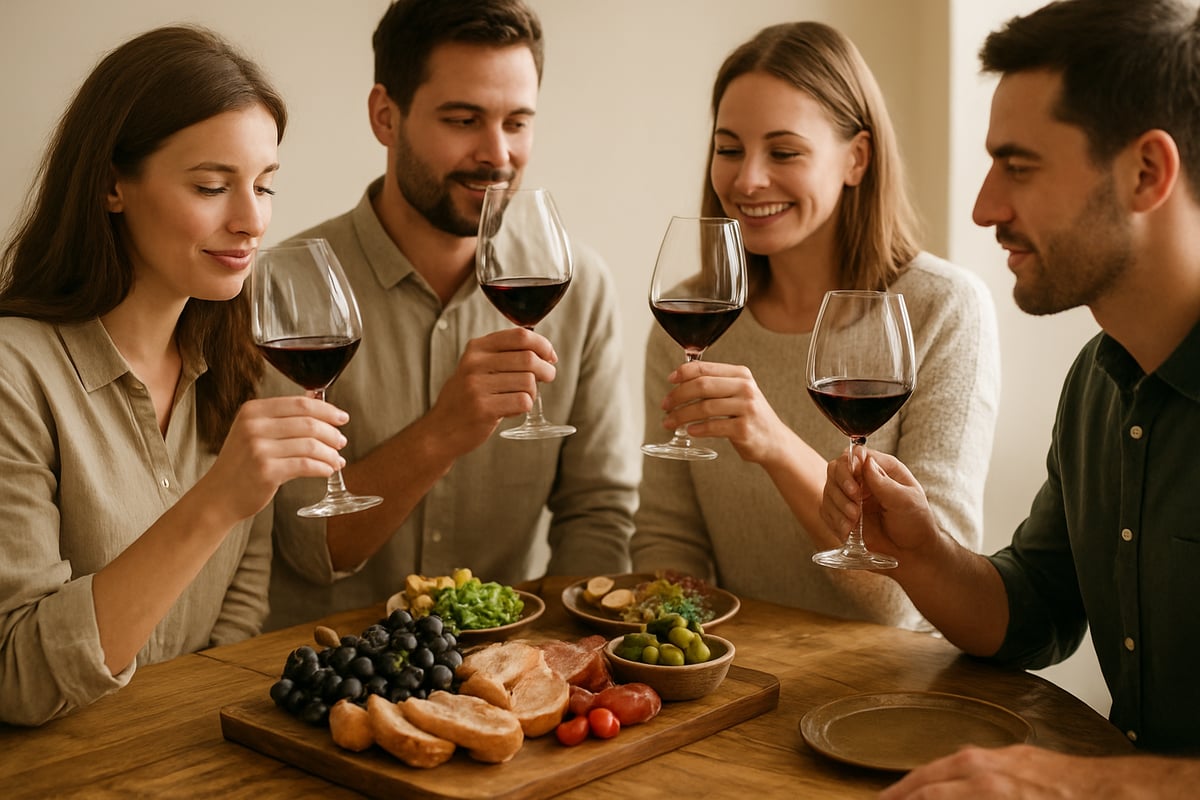
Imagine holding a glass of artisan wine, sunlight catching the rim, aromas drifting up. Tasting isn’t just sipping. It’s about slowing down, noticing the story in every swirl. Want to get the most out of your next bottle? Let’s explore how you can truly appreciate artisan wine, from tasting to pairing to serving it right.
Tasting Techniques for Authentic Flavours
Start with the five S’s:
- See: Hold your glass up to the light. Notice the colour and clarity.
- Swirl: Gently move the wine in your glass. This releases unique aromas.
- Sniff: Breathe in deeply. Artisan wine often reveals layers of scent, from fruit to earth.
- Sip: Take a small taste. Let it coat your tongue.
- Savour: Notice how the flavour lingers and changes.
Use a glass with a wide bowl. This lets the wine’s aromas shine. For artisan wine, even the smallest details matter. Temperature counts too. Reds show best around 16–18°C, whites at 8–12°C, and rosé in between.
Listen to sommeliers: focus on texture, not just taste. Try to pick out the unique terroir. Every artisan wine tells its own story. The more you pay attention, the more you’ll discover.
Pairing Artisan Wine with Food
Food and artisan wine are made for each other. Classic pairings never go out of style. Think New Zealand Pinot Noir with lamb, or French Chardonnay with creamy seafood dishes. But don’t be afraid to get creative. Artisan wine loves local and seasonal ingredients.
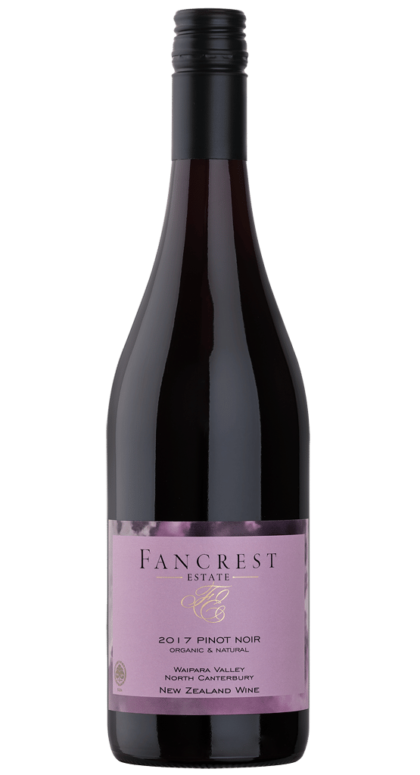
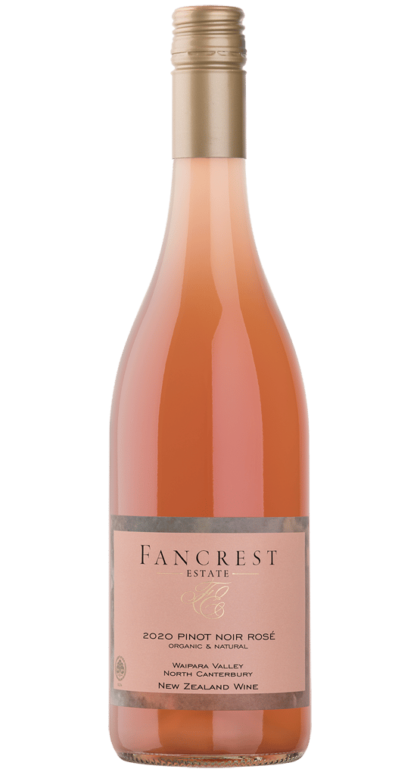
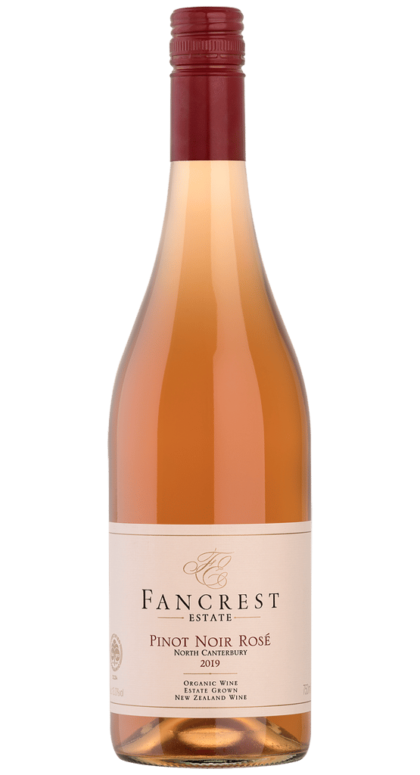
Balance matters. Pair bold reds with hearty dishes, lighter whites with fresh salads or seafood. Looking for inspiration? Check out these Best Fancrest Estate Wine and Food Pairings for simple ideas that bring out the best in every glass.
Did you know that 70% of wine lovers say they enjoy wine more with food? Try matching the flavours and see how artisan wine transforms your meal.
Storing and Serving Artisan Wine
Store your artisan wine somewhere cool, dark, and steady. Aim for 12–15°C and moderate humidity. Lay bottles on their sides to keep corks moist. Light and heat can spoil the delicate flavours.
Decant young reds for an hour, or let older bottles breathe for a few minutes. This opens up the wine’s aromas. Use a proper glass, and pour only what you’ll drink soon.
Enjoy your artisan wine at its peak. A little care goes a long way. Ready to experience truly authentic flavours? Treat yourself to a bottle from Fancrest Estate and taste the difference.
Where and How to Buy Artisan Wines in 2026
Ready to bring the world of artisan wine into your home? Whether you're after something rare or want to support small-batch producers, 2026 offers more ways than ever to discover authentic bottles. Let’s dive into where and how you can find your next favourite artisan wine.

Finding Reputable Artisan Wine Sellers
Looking for genuine artisan wine? Start with specialist wine shops. These places often work closely with small producers and can guide you to bottles with real character.
Online retailers are another great option. Many now focus on artisan wine, making it easy to browse, compare, and order. Look for detailed producer notes and customer reviews to help you choose.
Buying direct from the winery gives you the freshest access. Many artisan wineries offer online ordering and even virtual tastings. Wine clubs and subscription boxes are perfect if you want a regular taste of something new.
How do you spot the real thing? Check for small production numbers, unique vineyard details, and signs of traditional methods. Trusted labels and ratings can help you avoid mass-produced imitations.
Experience Fancrest Estate: Organic Artisan Pinot Noir Direct to You
If you want a true taste of New Zealand artisan wine, Fancrest Estate is a must-try. This acclaimed producer crafts certified organic Pinot Noir, using only hand-harvested grapes from their Waipara vineyard.
Fancrest Estate uses natural vineyard yeast for fermentation, letting the terroir shine through. Each bottle is aged carefully, with a focus on balance and depth of flavour.
What makes Fancrest Estate special is their direct-to-consumer approach. You can order exclusive releases straight from the estate, giving you access to wines not found in stores. Explore their range and discover why Fancrest Estate has earned a loyal following among artisan wine lovers.
Navigating Pricing and Value
Artisan wine pricing can vary, but quality always comes first. Expect to pay a bit more for limited releases, organic farming, and hands-on craftsmanship.
To get the best value, look for reputable producers from up-and-coming regions. Vintage, region, and the winemaker’s reputation all influence the cost. Limited edition bottles may even increase in value over time.
Stay alert for counterfeits or misleading labels. Stick with trusted sellers and check for authenticity. According to recent Opportunities in the Global Wine Sector 2025, demand for artisan wine is soaring, so take your time, read reviews, and invest in bottles that truly speak to you.
So now that you know what makes artisan wine so special—the hands-on care, the wild yeasts, the stories behind every bottle—you might be wondering where you can actually try these authentic flavours for yourself. That’s the exciting part, right? If you’re curious to taste New Zealand’s own take on organic, hand-crafted Pinot Noir, I can’t recommend Fancrest Estate enough. Their wines are aged to perfection and only available direct to you, so you get that genuine artisan experience without any middlemen. Ready to see what sets these bottles apart? Explore our wine selection here..