
You've probably heard people talking about all natural wine at dinner parties or seen it featured on wine shop shelves. But what does this term actually mean? Unlike conventional wines that rely on industrial processes and additives, all natural wine embraces the wild, unpredictable beauty of nature itself. It's wine made with minimal intervention, allowing the vineyard's unique character to shine through in every bottle. This approach to winemaking isn't just a trend. It's a return to how wine was crafted for thousands of years before modern technology took over.
What Makes All Natural Wine Different
All natural wine starts in the vineyard, not in a laboratory.
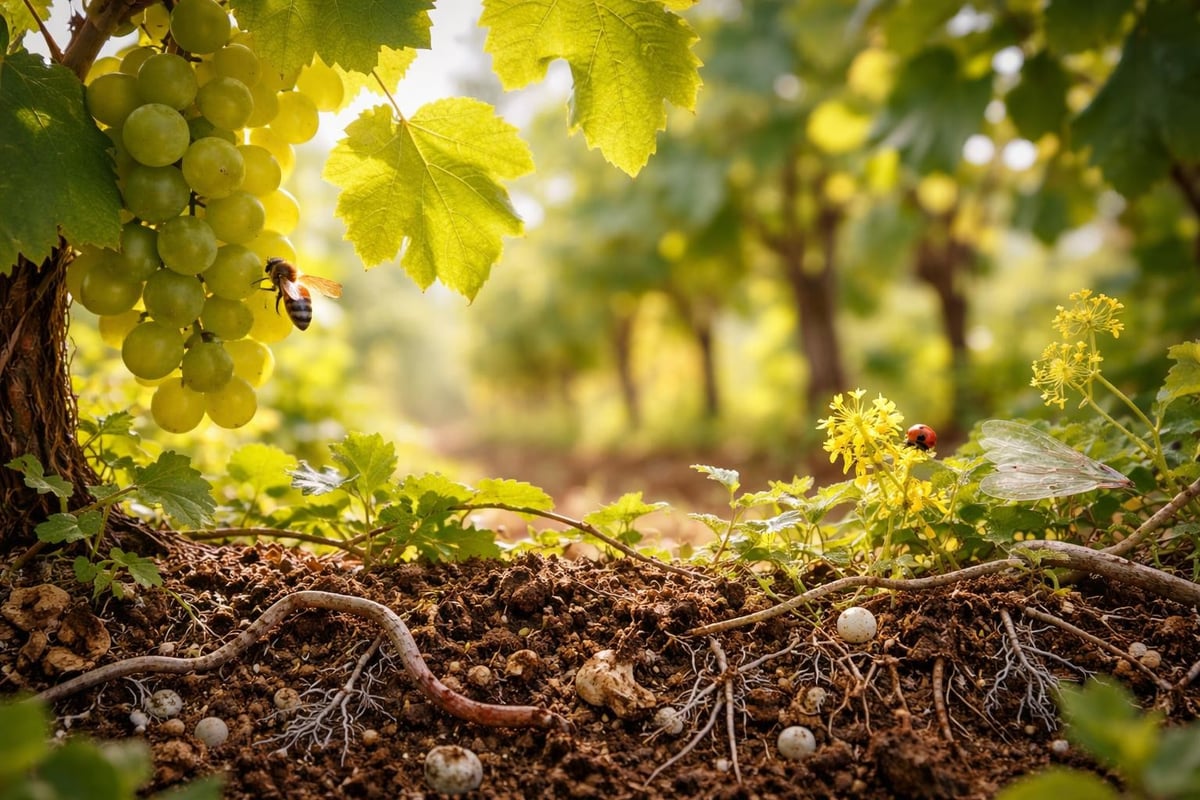
The difference begins with certified organic practices. No synthetic pesticides poison the soil. No chemical fertilizers force unnatural growth. Instead, the vineyard becomes a thriving ecosystem where insects, birds, and microorganisms work together. The soil teems with life. Each handful contains billions of bacteria and fungi that feed the vines.
These living soils produce grapes with genuine character.
When you manage vines organically, you're not just avoiding chemicals. You're cultivating biodiversity. Native grasses grow between the rows. Beneficial insects control pests naturally. The vineyard becomes part of the landscape rather than fighting against it.
The Role of Wild Yeasts
Here's where all natural wine gets truly fascinating.
Conventional winemakers add commercial yeast strains to ensure predictable fermentation. Natural winemakers do something braver. They rely on the wild yeasts that live naturally on grape skins and in the winery environment.
These native yeasts are incredibly diverse. Each vineyard hosts its own unique population. They're part of what the French call "terroir," the sense of place that makes wine from one location taste different from another.
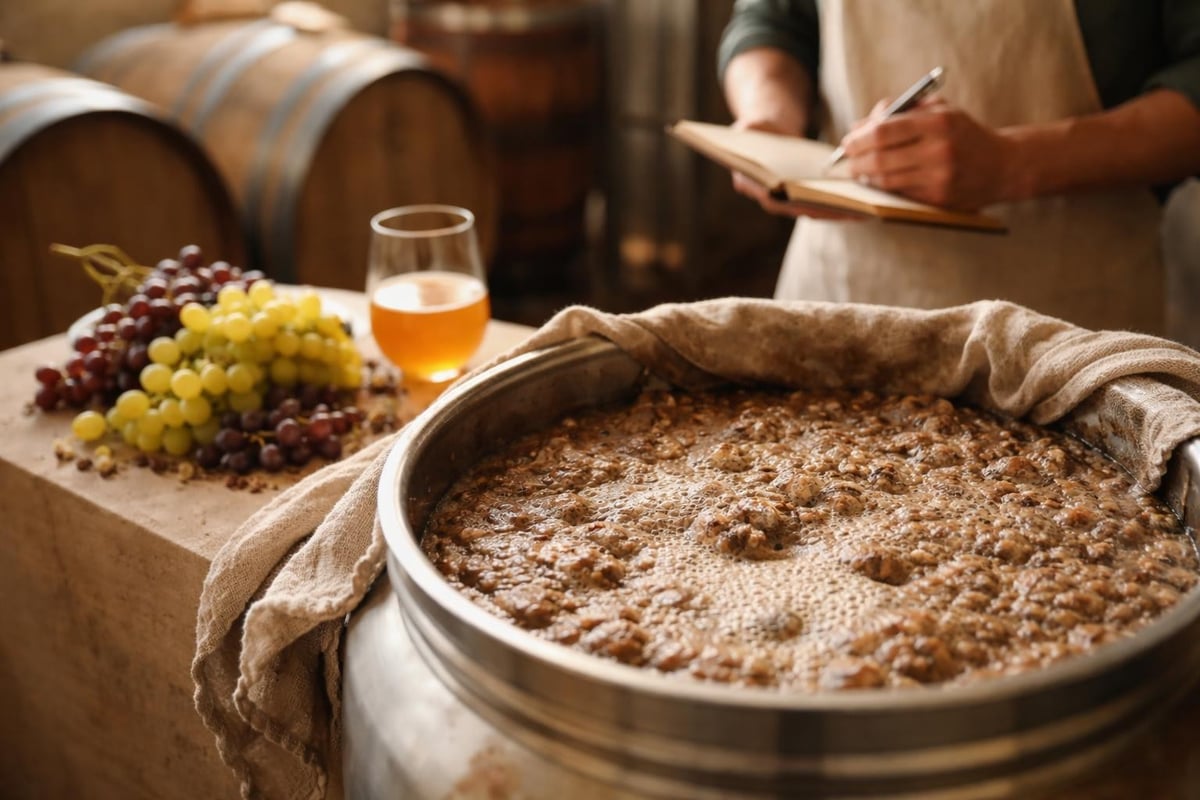
Wild fermentation can be unpredictable. It requires patience and skill. The fermentation might start slowly, then build momentum. Temperatures rise and fall. The wine develops complex flavors that commercial yeasts simply cannot create.
Think of it like sourdough bread versus supermarket white bread. One has depth, character, and uniqueness. The other is consistent but bland.
The Artisanal Craft Behind Small-Batch Production
Mass production and all natural wine don't mix well.
Small-batch winemaking allows for the hands-on attention that natural wines demand. You can't rush these wines. You can't force them into a predetermined timeline. Each barrel develops at its own pace, and the winemaker must respond to what the wine needs rather than imposing a rigid process.
This is where the artisan's touch becomes essential:
- Daily monitoring of fermentation temperatures
- Tasting and assessing each barrel individually
- Making decisions based on sensory evaluation, not just lab results
- Adjusting techniques to suit each vintage's unique conditions
- Allowing wines to age naturally without shortcuts
The winemaker becomes intimately familiar with every batch. They know which barrels are developing fast tannins. They understand which need more time on the lees. This relationship between maker and wine creates something deeply personal.
From Vineyard to Bottle: A Living Connection
Walk through an organic vineyard during vintage and you'll understand all natural wine differently.
The winemaker has likely pruned these vines by hand months earlier. They've watched the buds break in spring. They've thinned the crop to ensure quality over quantity. They know which blocks ripen first and which need extra time.
Harvest happens when the grapes are truly ready, not when it's convenient. Small teams hand-pick the fruit, selecting only the best bunches. This isn't efficient in industrial terms. But it preserves the integrity of every grape.
In the winery, minimal intervention continues:
- Grapes are gently destemmed or sometimes fermented whole
- Natural yeasts begin fermentation without additions
- Temperature is managed through ambient conditions when possible
- Pressing happens gently to avoid harsh tannins
- Aging occurs in carefully selected oak or neutral vessels
- Bottling happens without heavy filtration or fining
Each step respects the wine's development. Nothing is rushed. Nothing is forced.
| Traditional Approach | All Natural Wine Approach |
|---|---|
| Commercial yeast strains | Wild vineyard yeasts |
| Heavy filtration | Minimal or no filtration |
| Added sulfites (high levels) | No or minimal sulfites |
| Standardized processes | Responsive, adaptive methods |
| Predictable outcomes | Unique, vintage-specific character |
Understanding Minimal Intervention Philosophy
You might wonder what winemakers actually avoid when making all natural wine.
The list of permitted additives in conventional winemaking is surprisingly long. Over 70 different substances can legally be added to wine in many countries. These include coloring agents, acidifiers, deacidifiers, enzymes, and various fining agents.
All natural wine rejects most or all of these interventions. The philosophy is simple: great grapes from healthy vines shouldn't need correction or manipulation. If you've grown excellent fruit, why mask its character with additions?
This doesn't mean natural winemakers are passive. Far from it. They work harder in the vineyard to ensure grape quality. They monitor fermentations more closely. They accept greater risk of spoilage or stuck fermentations.
The payoff? Wines that express their origin truthfully.
What About Sulfites?
Sulfites generate endless debate in natural wine circles.
Sulfur dioxide has been used in winemaking for centuries as a preservative and antioxidant. Even proponents of natural wine acknowledge the complexity of the sulfite question. Some natural winemakers use tiny amounts at bottling. Others use none at all.
The key difference is degree:
- Conventional wines might contain 150-200 mg/L of sulfites
- Natural wines typically have less than 50 mg/L
- Many natural wines contain only the 10-30 mg/L that occur naturally during fermentation
Lower sulfite wines taste brighter and more vibrant. They also require more careful storage and handling. It's a trade-off that natural wine enthusiasts gladly accept.
The Taste of Living Wine
All natural wine tastes different because it is different.
These wines are alive in ways that heavily processed wines are not. They contain active enzymes, beneficial bacteria, and complex molecules that filtration would remove. They evolve in the bottle, developing new characteristics over time.
Common flavor profiles you'll find:
- Brighter fruit character: Less manipulation means fruit flavors stay pure and vivid
- Earthy complexity: Wild yeasts contribute savory, mineral notes
- Textural interest: Minimal filtration creates wines with more body and mouth-feel
- Vintage variation: Each year tastes genuinely different, reflecting weather and conditions
- Food affinity: Natural acidity and tannin structure make these wines exceptional with meals
Some people find natural wines challenging at first. They're not standardized. A Pinot Noir from one vintage might taste markedly different from the next. This variation is intentional. It reflects the reality that farming is about working with nature, not controlling it.
The wines also age beautifully. Because they haven't been stripped of their protective compounds through heavy processing, they develop gracefully over years. You're not just buying a product. You're acquiring something that will continue to grow and change.
Certification and Standards
How do you know if a wine is truly natural?
This question has challenged the industry for years. Unlike "organic" or "biodynamic," which have legal definitions, "natural wine" remains somewhat undefined in regulatory terms. However, organizations like the Council of Natural Wine GEMS are working to establish clear standards.
Generally, all natural wine should meet these criteria:
- Organically or biodynamically farmed grapes
- Hand-harvested fruit
- Native yeast fermentation
- No additions except minimal sulfites
- No manipulation techniques like reverse osmosis or mega-purple
- Minimal or no filtration
New Zealand's certified organic framework provides solid grounding. Wineries must maintain organic certification for their vineyards. This ensures no synthetic chemicals touch the vines or soil. It's verifiable and legally enforceable.
Beyond official certification, reputation matters. Small producers build trust through transparency. They share their practices openly. They invite customers to understand their methods.
Reading Between the Lines
Wine labels don't always tell the full story.
Terms like "sustainable" or "minimal intervention" sound appealing but lack specific meaning. As guides to identifying natural wine explain, looking at the importer and producer's overall philosophy often reveals more than the front label.
Ask questions:
- Are the vineyards certified organic or biodynamic?
- Does the winery use native yeasts?
- What's added during winemaking?
- How is the wine filtered or fined?
Producers who make all natural wine are usually proud to discuss their methods. They'll answer these questions in detail. Vague responses or marketing speak might indicate less rigorous practices.
Why Small Producers Excel at Natural Winemaking
Scale matters profoundly in all natural wine production.
Large wineries face pressure to deliver consistent products in high volumes. They can't afford batches that develop differently. They need wines that taste the same whether bottled in March or November. This drives them toward interventionist techniques.
Small producers operate differently:
Financial flexibility: They can age wines longer before release, allowing proper development
Personal investment: The winemaker often owns the vineyard and makes every decision
Quality focus: Reputation matters more than volume
Experimentation: Small batches allow trying new techniques without major risk
Direct relationships: Selling online to customers creates accountability
This model suits places like Waipara, North Canterbury perfectly. The region's cool climate and limestone soils produce elegant Pinot Noir naturally. Add organic practices and native yeasts, and you get wines of remarkable purity.
Small-batch production also means the winemaker can hold wines back when needed. If a vintage needs an extra year in barrel, there's no pressure to bottle prematurely. The wine releases when it's ready, not when the marketing calendar demands.
The Living Bottle You Open
Every bottle of all natural wine contains a story.
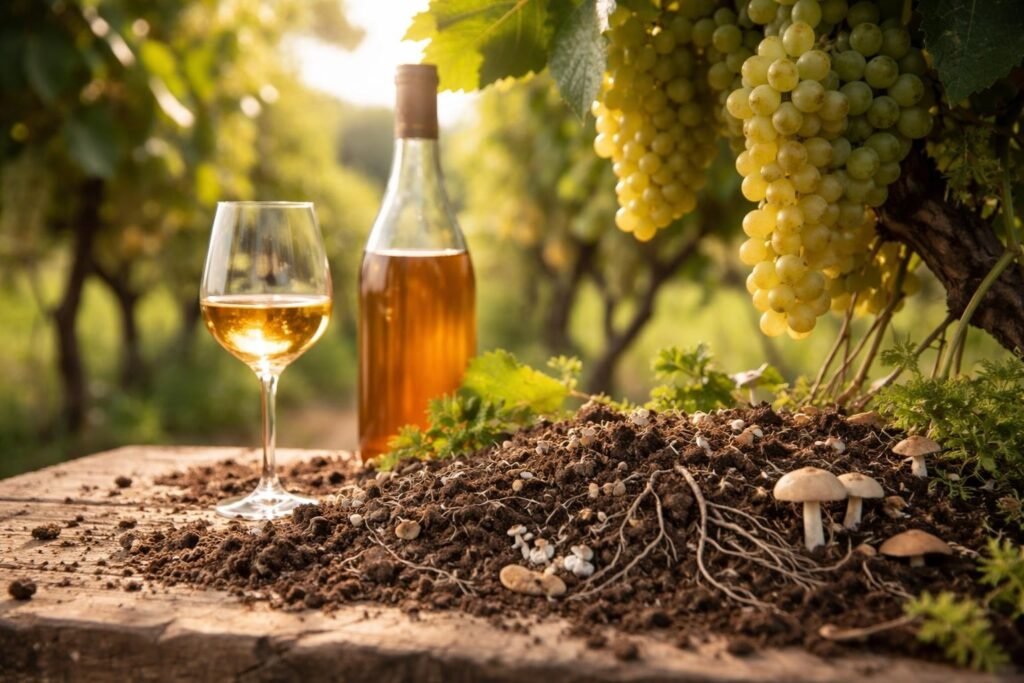
It starts with soil prepared over years of organic management. Mycorrhizal fungi connect vine roots in vast underground networks. These relationships took seasons to establish. They can't be replicated with chemicals.
The grapes grew through that specific vintage's weather. Perhaps spring was cool and wet. Maybe summer brought perfect ripening conditions. These details live in the wine.
Wild yeasts from the vineyard initiated fermentation. These microorganisms have colonized this specific place over decades. They're part of the local ecology. Each contributes distinctive flavors.
The wine aged slowly in barrel. Oak interacted with the liquid, softening tannins and adding complexity. Time did what force cannot. The wine became itself.
Now it sits in your glass, still evolving. Open the same bottle next year and it will taste different. That's not a flaw. It's proof that you're drinking something alive.
Pairing with Food and Life
All natural wine shines at the table.
The vibrant acidity and pure fruit character complement food beautifully. Organic Pinot Noir, with its silky tannins and bright red fruit, pairs wonderfully with:
- Roasted lamb with herbs
- Duck breast with cherry reduction
- Grilled salmon with earthy mushrooms
- Aged hard cheeses
- Anything featuring local, seasonal ingredients
There's a harmony between natural wine and natural food. Both celebrate quality ingredients treated with respect. Both reject industrial shortcuts. Both reward patience and attention.
You'll also notice these wines don't create the same heavy feeling as conventional wines. Lower sulfites and minimal processing mean they're gentler on your system. Many people report fewer headaches and better sleep after drinking natural wines.
Embracing Vintage Variation
Here's something conventional wine marketing won't tell you: identical wines year after year are impossible without manipulation.
All natural wine embraces this truth. Each vintage tells a different story. 2024 might produce wines with brighter acidity. 2025 could deliver riper fruit character. This variation isn't a problem to solve. It's reality to celebrate.
Think about it. Would you want every summer to feel identical? Would you expect your garden to produce the same tomatoes regardless of weather? Of course not. Farming depends on conditions. Wine, as a farmed product, should reflect this.
Understanding vintage variation deepens your appreciation:
| Vintage Characteristics | Impact on Wine |
|---|---|
| Cool, wet growing season | Higher acidity, elegant structure, herbal notes |
| Warm, dry vintage | Riper fruit, fuller body, softer tannins |
| Balanced conditions | Harmonious wines with both power and finesse |
| Late harvest | Concentrated flavors, robust tannins |
When producers age wines before release, they're ensuring each vintage shows at its best. Some years need longer bottle age. Others are approachable earlier. This flexibility only works in small-scale production.
You become part of this story when you buy all natural wine. You're not purchasing a standardized commodity. You're acquiring that year's expression of place, weather, and the winemaker's skill.
The Future is Vibrant and Alive
All natural wine represents more than a winemaking philosophy.
It's a commitment to environmental stewardship. Organic vineyards sequester carbon, support biodiversity, and protect water quality. They're patches of ecological health in agricultural landscapes.
It's also about transparency and truth. You deserve to know what's in your glass. You deserve wines that taste like the places they're from.
The movement toward natural winemaking continues growing. More consumers seek authenticity. More winemakers reject industrial methods. The results speak for themselves in every complex, expressive bottle.
Organizations like those advocating for biodynamic wine practices demonstrate increasing recognition of holistic approaches. These methods treat vineyards as complete ecosystems rather than production facilities.
You can taste the difference. All natural wine has energy and life that processed wines lack. Whether it's the vibrant fruit, the textural complexity, or the way the wine changes in your glass, something essential comes through.
This is wine as it should be. Alive from soil to bottle. Unique to its place and time. Crafted with skill and respect.
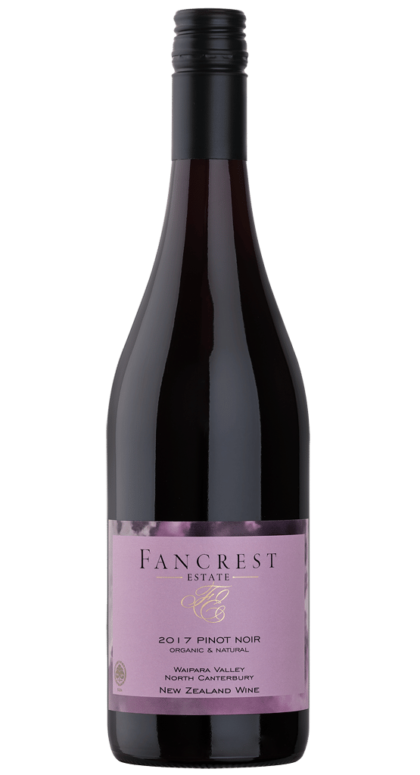
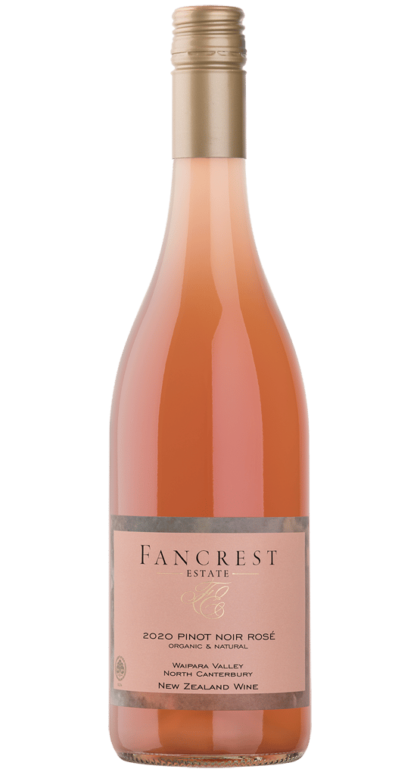
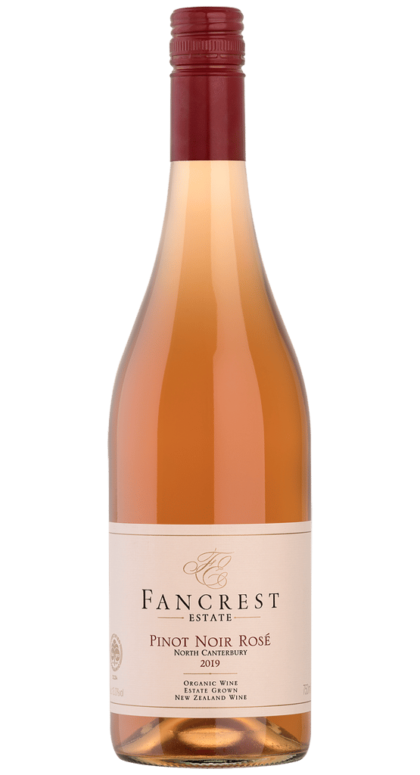
All natural wine offers something rare: genuine connection to place, season, and the winemaker's craft. Every bottle contains the story of living soil, wild yeasts, and patient aging. If you're ready to experience Pinot Noir that's truly alive, Fancrest Estate crafts small-batch, certified organic wines in Waipara using native yeasts and hands-on artisanal methods. Explore their hand-crafted reds and rosés, aged to perfection and available exclusively online.