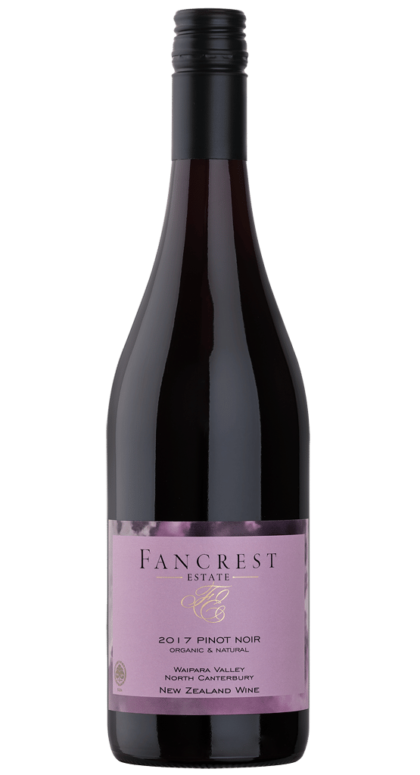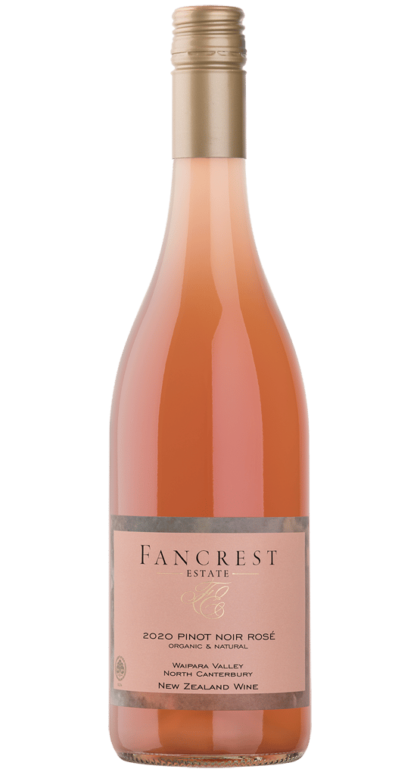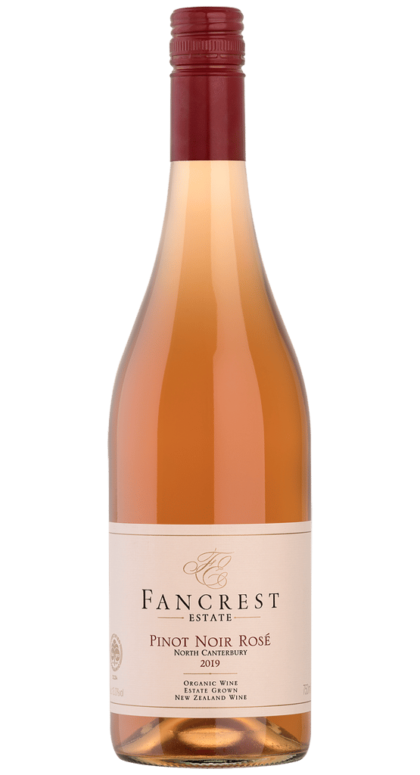
Running a new zealand vineyard isn't about mass production or commercial formulas. It's about being present in the vines, feeling the soil beneath your feet, and letting each season guide your work. When you choose wines from a small, family-owned vineyard, you're tasting something fundamentally different from supermarket bottles. You're experiencing a place, a year, a person's dedication. That distinction matters more than you might think.
The Living Soil Foundation
Everything starts underground.
In an organic new zealand vineyard, the soil isn't just dirt. It's a thriving ecosystem teeming with microorganisms, earthworms, and fungi that create the foundation for exceptional wine. When you avoid synthetic chemicals and embrace certified organic practices, the soil becomes vibrant. Alive.
What Organic Really Means
- No synthetic pesticides or herbicides poisoning beneficial insects
- Natural composting that feeds the soil community
- Cover crops that fix nitrogen and prevent erosion
- Biodiversity that creates balanced vineyard ecosystems
This approach takes more work. Much more. But it yields grapes with deeper flavour complexity and wines that genuinely express their origin.
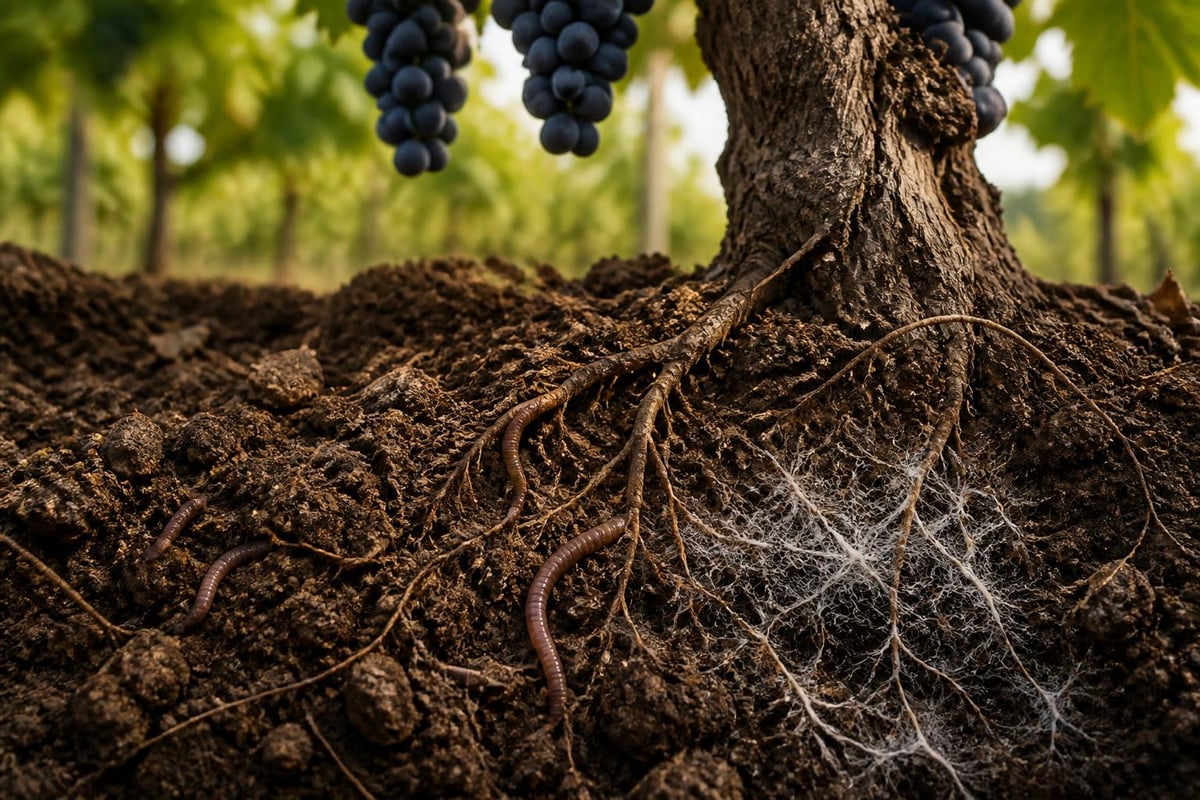
The difference shows up in your glass. Wines from living soil carry a vibrancy that commercial wines can't replicate. They taste like somewhere specific, not like a formula designed to appeal to everyone.
Hands-On Vineyard Work Through the Seasons
Spring arrives differently in a New Zealand vineyard than anywhere else.
September and October bring bud break. You're out among the vines, assessing winter damage, planning your canopy management. Every shoot matters when you're working small parcels. You know each vine block intimately.
The Annual Rhythm
| Season | Primary Tasks | Why It Matters |
|---|---|---|
| Spring | Bud break, shoot thinning, frost protection | Sets crop level and vine balance |
| Summer | Canopy management, leaf plucking, monitoring | Optimizes sun exposure and ripening |
| Autumn | Harvest timing, hand picking, sorting | Determines wine quality and style |
| Winter | Pruning, soil amendment, planning | Prepares for next vintage |
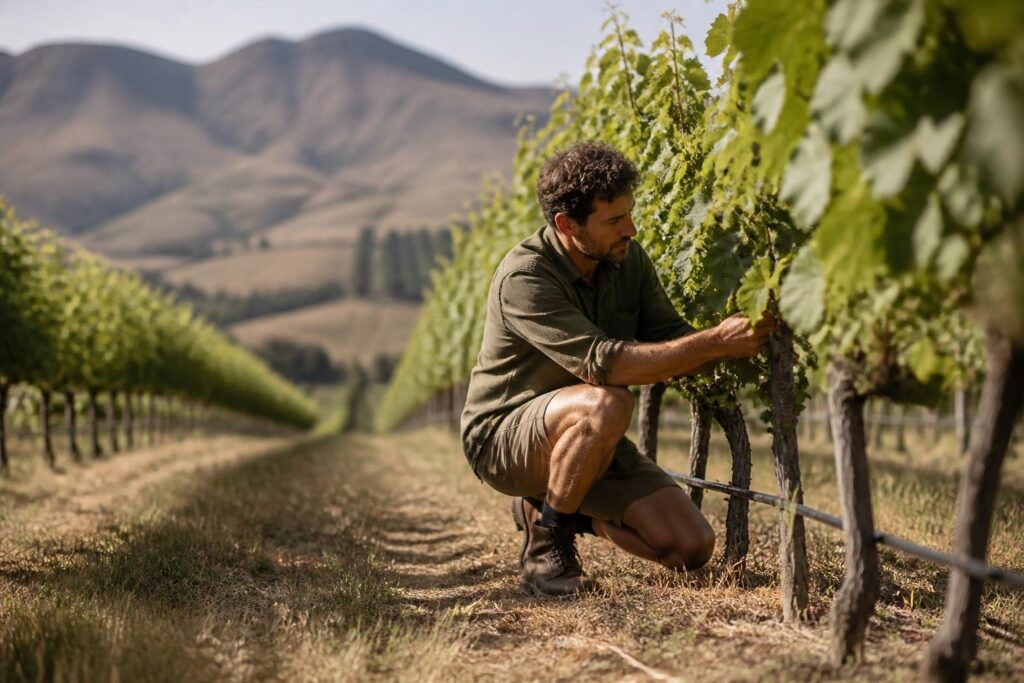
Summer means long days managing the canopy. You're removing leaves to expose fruit to sunlight, thinning clusters to concentrate flavour. This is personal, physical work.
Often, you're alone with the vines.
That solitude creates an intimate knowledge commercial operations can't achieve. You notice when a particular block shows stress. You taste berries to track ripening. You make decisions based on observation, not spreadsheets.
Wild Yeasts and Natural Fermentation
Here's where artisanal winemaking truly diverges from industrial production.
Commercial wineries add cultured yeasts for predictable, fast fermentations. A boutique new zealand vineyard can use the wild yeasts living on grape skins and in the cellar. These native yeasts create complexity commercial wines never achieve.
Why Wild Fermentation Matters
Wild fermentations take longer. They're less predictable. But they produce wines with:
- Greater aromatic complexity from multiple yeast strains working sequentially
- Enhanced mouthfeel and texture
- Unique character that reflects the specific vineyard environment
- Better aging potential due to more complete fermentation compounds
The sustainability initiatives in New Zealand's wine industry extend beyond organic certification. Natural fermentation reduces energy use and creates wines more connected to their place.
You can taste the difference. These wines evolve beautifully as they age.
The Art of Aging Before Release
Most wines hit shelves within months of bottling.
That's a mistake.
Pinot Noir especially benefits from bottle aging. The tannins integrate. The aromatics develop secondary characteristics. The wine becomes more than the sum of its parts. When a small producer ages wines before release, you're getting something more complete, more complex.
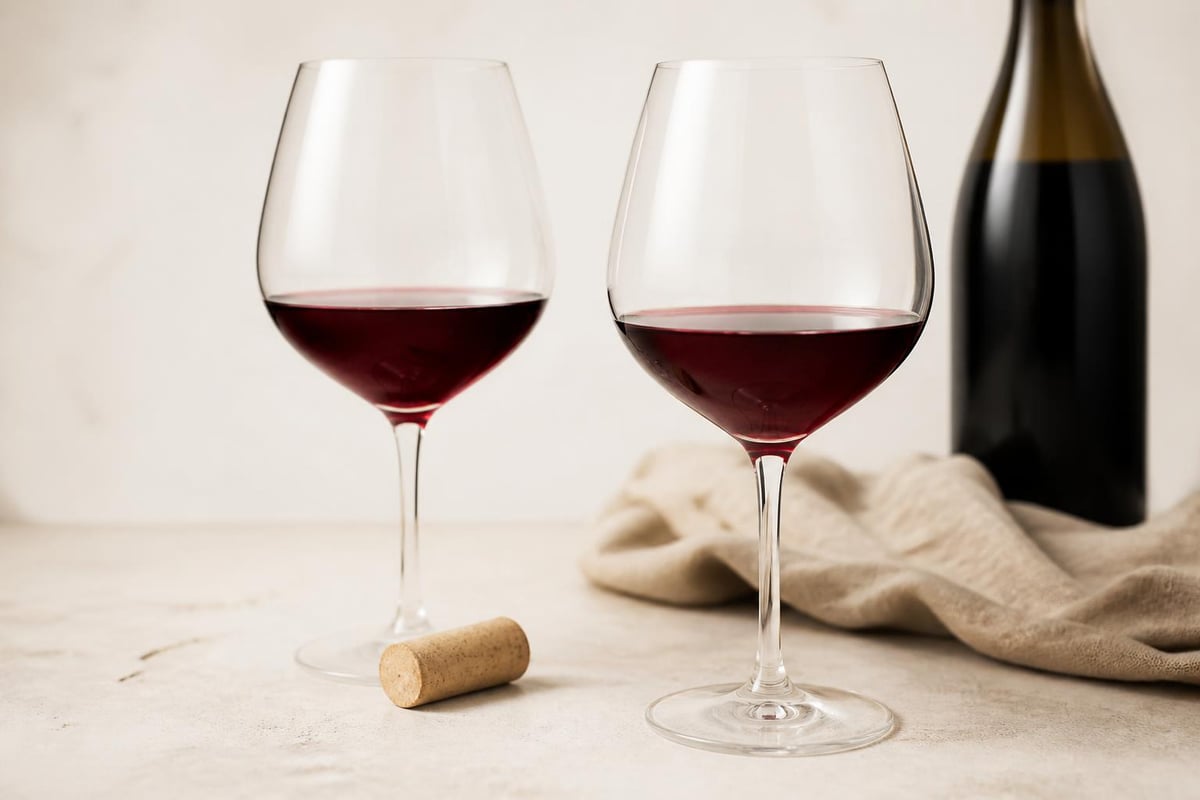
Consider what happens during that time:
- Tannin polymerization softens the texture
- Aromatic evolution creates tertiary notes
- Flavour integration balances fruit and structure
- Reductive characters dissipate naturally
You're not waiting for the wine at home. It arrives ready to enjoy or cellar further. That's craftsmanship.
North Canterbury's Unique Expression
The Waipara region of North Canterbury offers something special for Pinot Noir.
The climate sits cooler than Marlborough but warmer than Central Otago. The soils vary from limestone to clay, creating site-specific characters. The nor'west winds moderate disease pressure, reducing spray requirements.
For organic growers, these conditions are ideal.
The diverse terroir allows each new zealand vineyard to express unique characteristics. You're tasting a specific place, not a regional average. That authenticity matters to discerning wine lovers.
Food Pairing and Gifting
Aged, organic Pinot Noir pairs beautifully with foods that share its complexity.
Perfect Matches
Rich, earthy dishes complement organic Pinot's natural depth:
- Wild mushroom risotto
- Roast duck with cherry sauce
- Grilled lamb with rosemary
- Aged cheeses like gruyère or cheddar
Lighter preparations work well with rosé versions:
- Seared salmon
- Charcuterie boards
- Roast chicken
- Summer salads with berries
For gift-giving, artisanal wines carry meaning commercial bottles don't. You're sharing someone's year of work, their dedication to sustainable practices, their personal vision. That's a gift with soul.
Why Artisanal Matters
Mass-market wines are designed products.
They're blended from multiple regions, adjusted with additives, crafted to taste familiar. There's nothing wrong with that for everyday drinking. But they're fundamentally different from small-batch, hands-on wines.
When one person works the vines, makes the wine, and bottles the result, you're getting something authentic. The comprehensive data on New Zealand vineyards shows the diversity of approaches, but small producers offer an entirely different experience.
You taste decisions made in the vineyard and cellar. You taste a specific season's character. You taste someone's commitment to quality over quantity.
That connection between land, maker, and consumer creates wines worth savoring slowly. Worth pairing thoughtfully with food. Worth sharing with people who appreciate the difference.
The Direct Connection
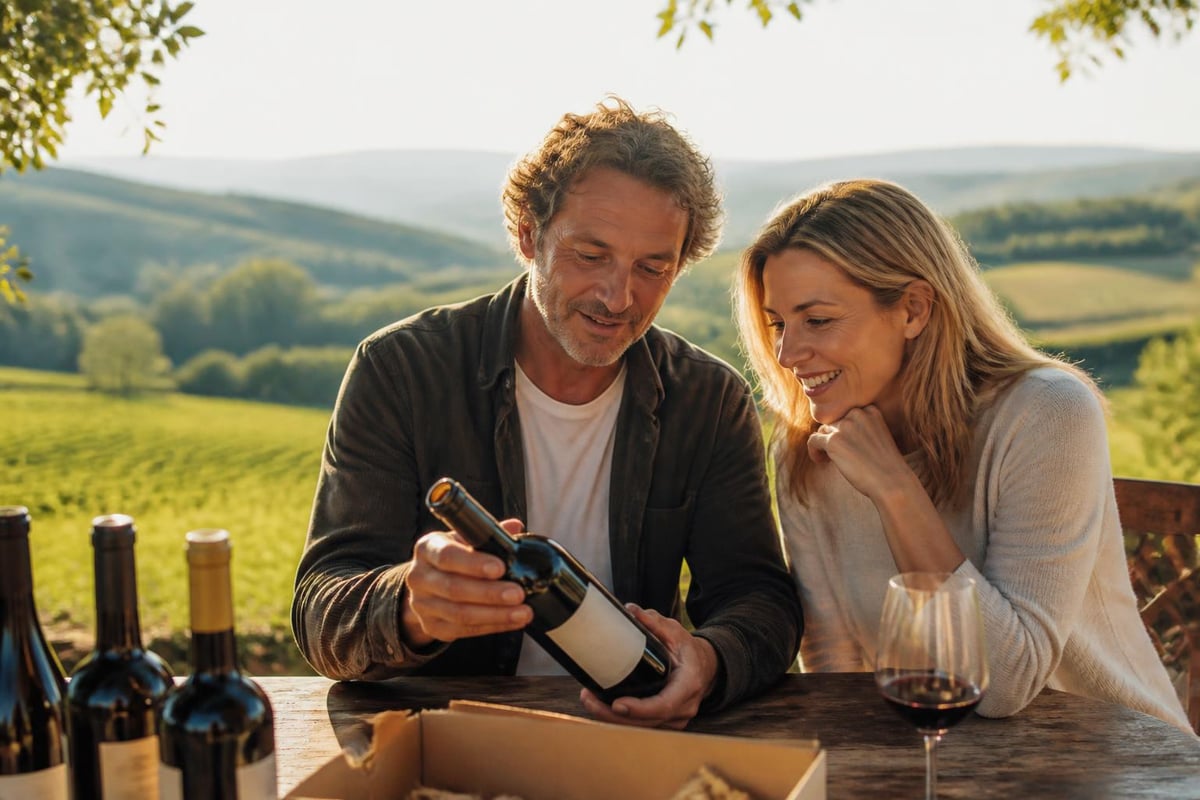
Buying directly from a family vineyard changes the entire experience.
You're not choosing from hundreds of commercial labels. You're selecting wines someone personally crafted, aged to readiness, and offers with pride. The transaction feels different because it is different.
Direct sales models eliminate intermediaries. The winemaker sets proper pricing. You get wines stored correctly and released when ready. Everyone benefits except the middlemen.
For wine lovers seeking authenticity, this connection matters. You're supporting sustainable practices, small-scale agriculture, and genuine craftsmanship.
Organic, hands-on viticulture creates wines with soul and complexity that commercial production simply can't match. The rhythm of the seasons, living soil, wild yeasts, and proper aging all contribute to bottles worth your attention. Fancrest Estate brings all these elements together in hand-crafted Pinot Noir and rosé from Waipara's exceptional terroir, aged to perfection and available exclusively online for wine lovers who value authenticity.